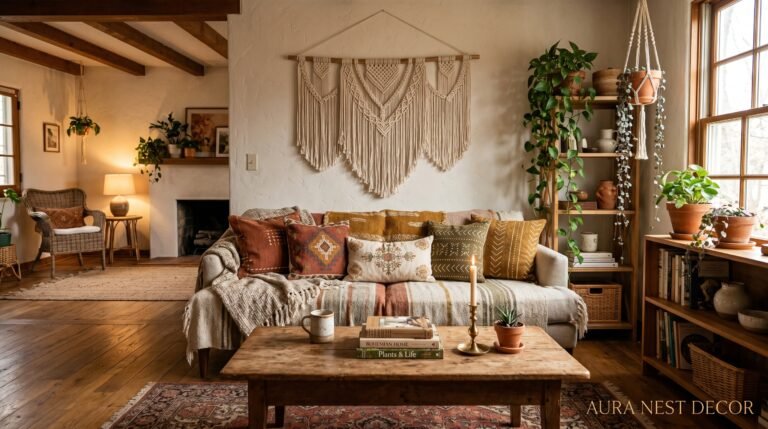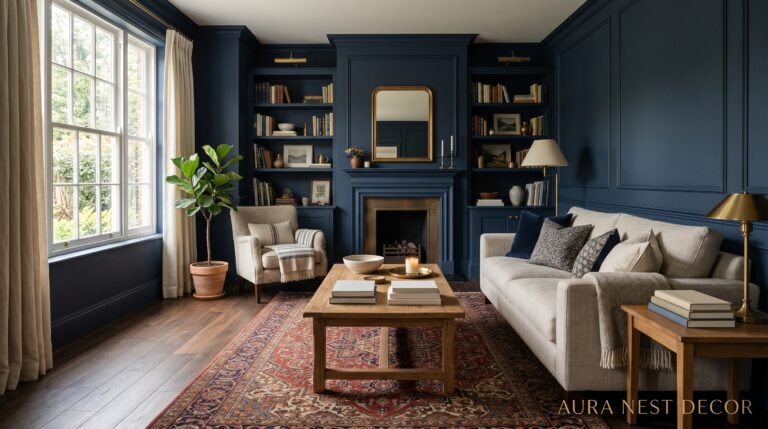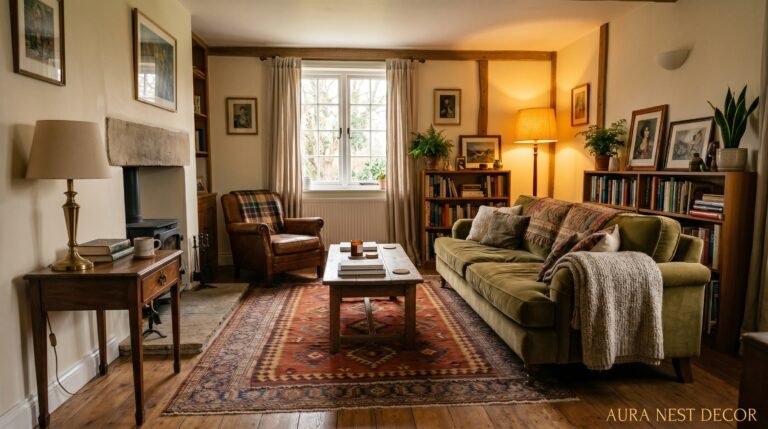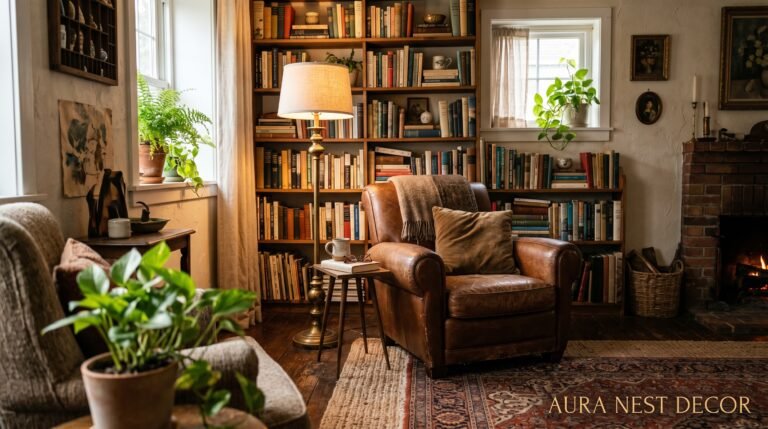
The Living Room Plant Edit That Actually Looks Expensive (Not Like a Garden Center Exploded)
You know that feeling when you walk into someone’s home and the plants just work? Not in a “they have a lot of plants” way, but in a way that makes the whole room feel considered, alive, and a little covetable. That’s not an accident. It’s a choice — and it’s one you can absolutely make too.
—
1. The Difference Between a Plant Collection and a Plant Moment
Most of us have been there. You buy one beautiful plant, then another, then a trailing pothos from the grocery store, and before you know it your living room looks like a waiting room at a botanical garden. Charming in theory. Chaotic in practice.
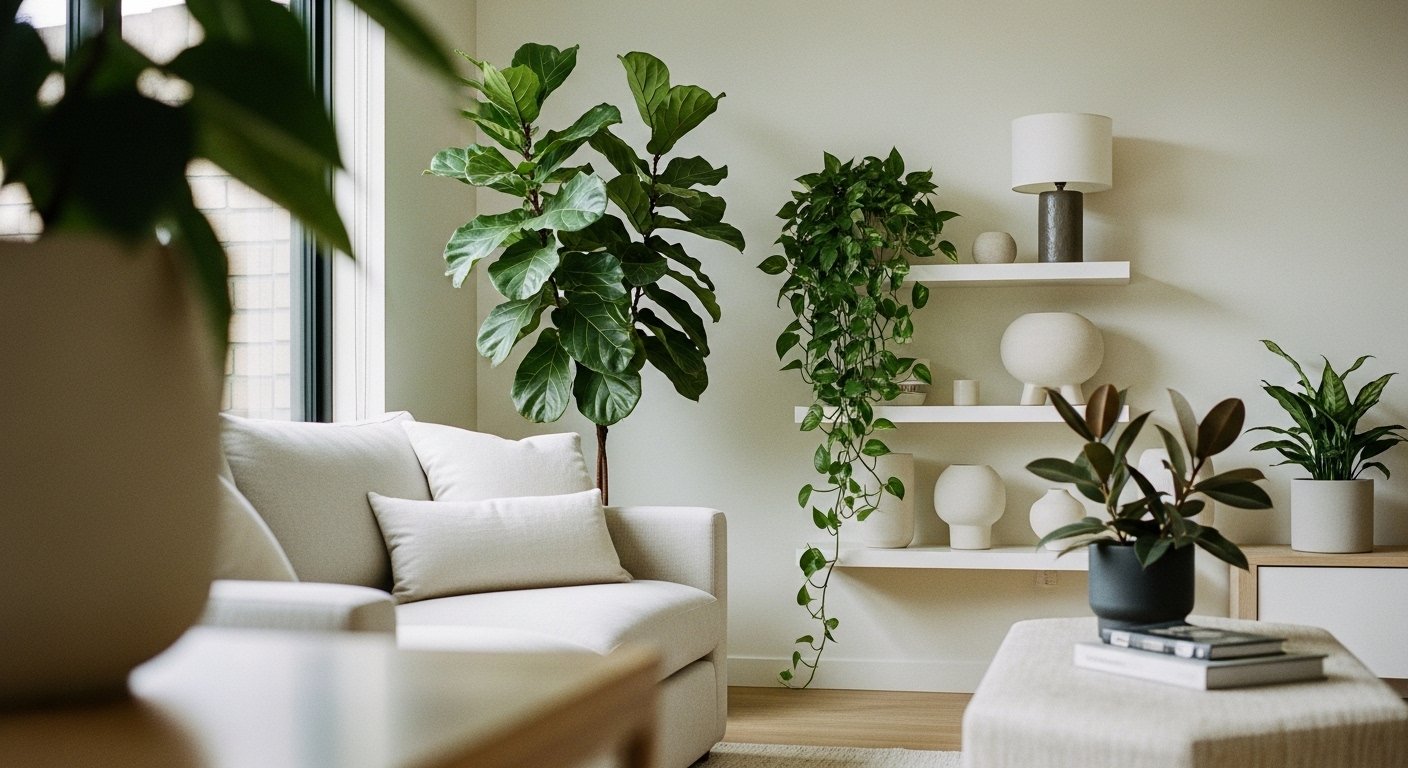
The shift from collection to moment is about intention. A “plant moment” is when a single oversized fiddle leaf fig sits in the corner of a cream-painted room and everything just exhales. It’s when a sculptural snake plant stands next to a low linen sofa like it was placed there by someone who thinks in still frames. You’re not filling space. You’re creating anchors.
The trick is to think of your plants the way a set designer thinks about props — each one has a job to do. A job that’s visual, spatial, and emotional all at once. That big architectural plant in the corner isn’t decoration. It’s structure. It tells the eye where to rest.
Start by choosing one star plant and letting everything else support it. The rest of the room will start to make more sense, and so will the plants you add after.
“One plant that belongs beats a dozen that just live there.”
—
2. The Plant That Keeps Showing Up in Every Beautiful Living Room Right Now
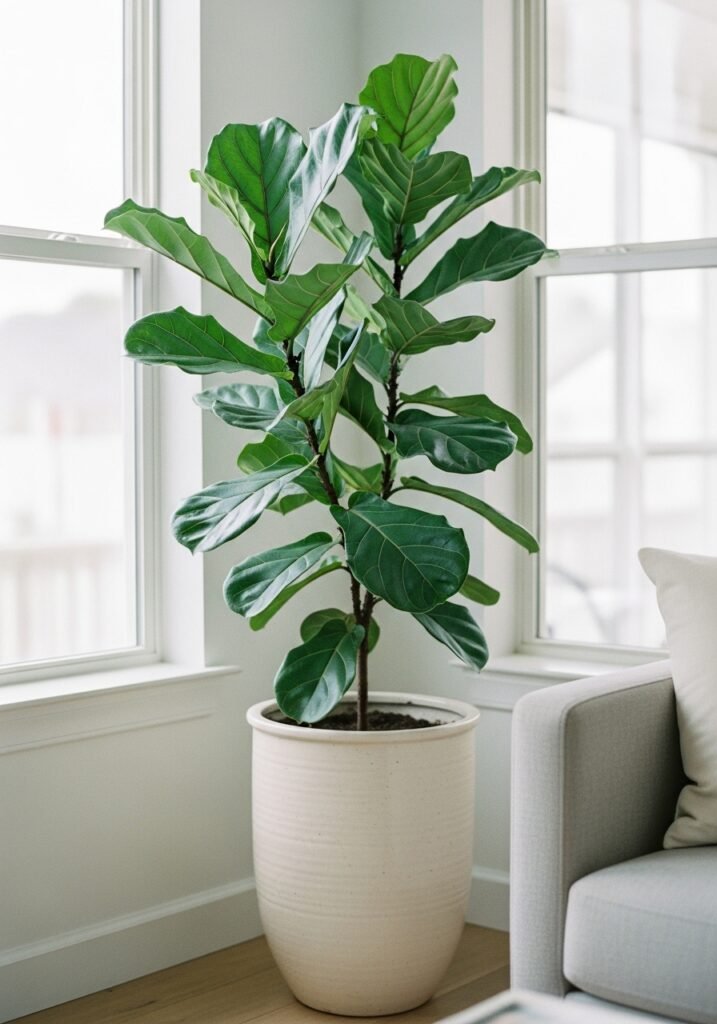
It’s the Monstera deliciosa, and before you say you’re bored of it — look again.
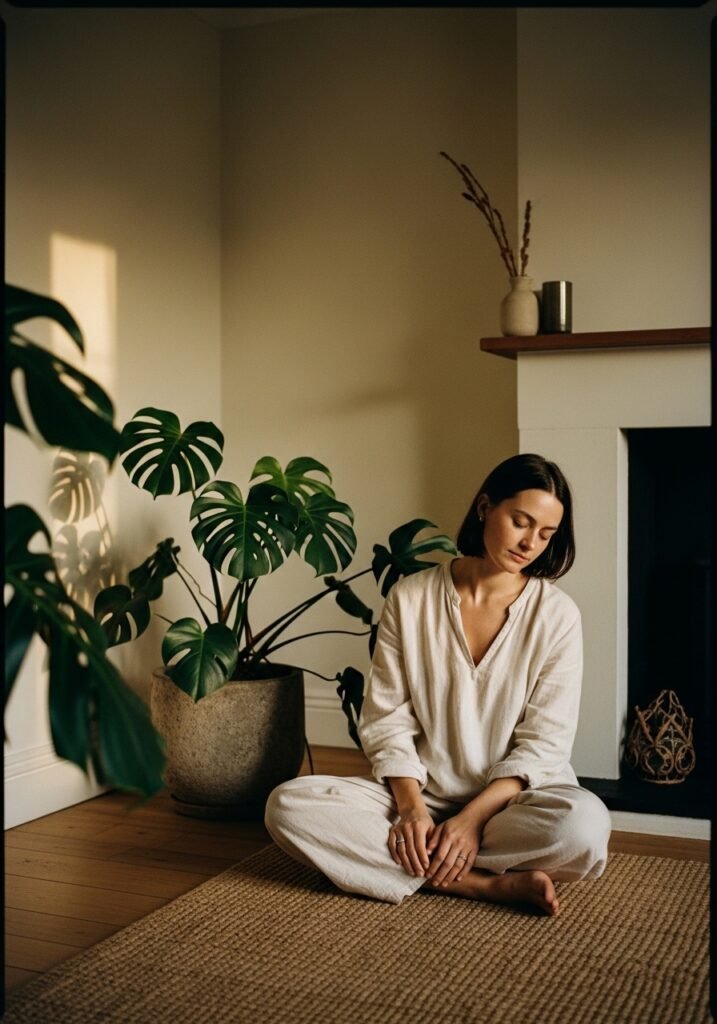
The reason it keeps appearing in the most pinned living rooms on both sides of the Atlantic isn’t trend inertia. It’s that the Monstera is genuinely exceptional at what it does. Those deep, architectural cuts in the leaf do something that softer, rounder plants simply can’t: they create contrast. Against a flat wall, a Monstera makes the wall interesting. Against a curved sofa, it adds edge. Against a floor lamp, it becomes a kind of natural sculpture.
In a modern luxury living room, the Monstera works best when it’s given room to breathe. Not shoved into a corner. Not competing with three other large-leafed plants. Give it a wide ceramic pot in ivory or matte black, a bit of height (a plant stand or a low riser), and space on all sides. Let it be the thing people notice first.
The UK’s love of maximalist botanical rooms and America’s current obsession with the “quiet luxury” aesthetic have both landed in the same place: one incredible Monstera, properly styled, properly lit, properly left alone to be magnificent.
—
3. Why Your Plant Pots Are the Real Design Decision
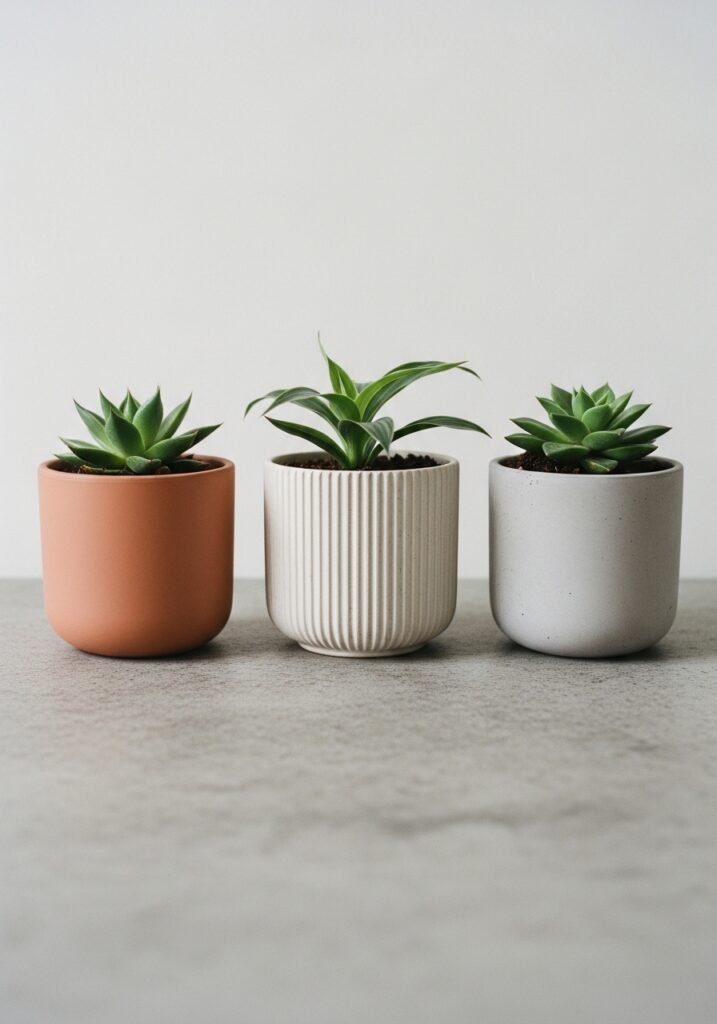
Here’s the thing no one says loudly enough: the pot matters more than the plant.
A beautiful Calathea in a plastic nursery pot looks like a mistake. The same Calathea in a hand-thrown terracotta vessel with an earthy, uneven glaze looks like something from an Architectural Digest feature. The plant is identical. The effect is entirely different.
For a modern luxury living room, the pot palette needs to be intentional. Think of it like your throw cushion rule — keep the materials and tones in a family. Matte ceramics in stone, sand, and warm white. Maybe one dramatic black. Textured concrete for the tall architectural plants. Woven seagrass or rattan for the trailing pieces at lower heights. The common thread is that every pot looks considered. Nothing looks like it just arrived from the garden center still wearing its label.
Resist the urge to match perfectly. A strict matching set of identical pots looks more like a hotel lobby than a home. Mix shapes — a tall cylinder, a low wide bowl, a slightly tapered pot — but keep the material story cohesive. That’s the balance that reads as expensive without trying too hard.
—
4. The Height Rule That Changes How a Room Feels
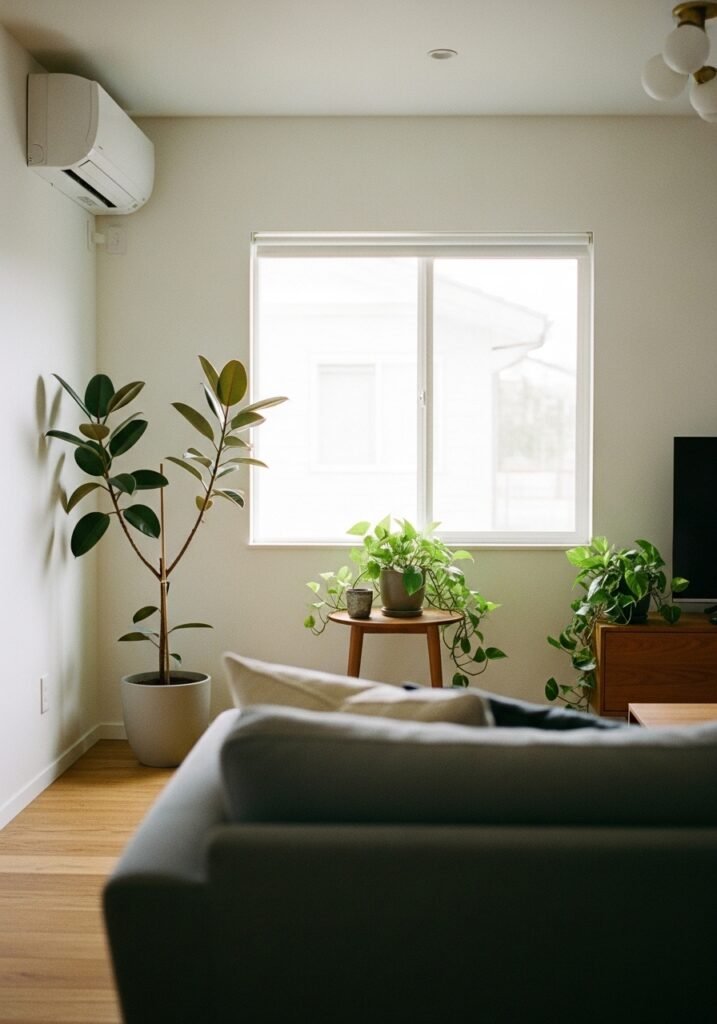
Low, medium, high. That’s the rule.
It sounds simple because it is. But it’s remarkable how many beautifully decorated rooms fall flat because every plant sits at the same height. They blur into each other. The eye doesn’t know where to go. The room loses the visual rhythm that makes it feel alive.
In a modern living room, working with three distinct levels creates something close to a landscape inside the room. A tall floor plant — think Areca palm or a large fiddle leaf fig — anchors one end of the room and draws the eye upward, making ceilings feel higher. A mid-height plant on a side table or plant stand creates a secondary point of interest. And then something low and trailing — a string of pearls spilling over a shelf edge, a small Pilea on the coffee table — brings the eye back down and grounds it all.
This isn’t complicated floristry. It’s just visual logic. Up, middle, down. The room starts to have depth it didn’t have before.
“The moment you add the third height level, the whole room snaps into focus.”
—
5. The Plants That Actually Thrive in Low-Light British Living Rooms
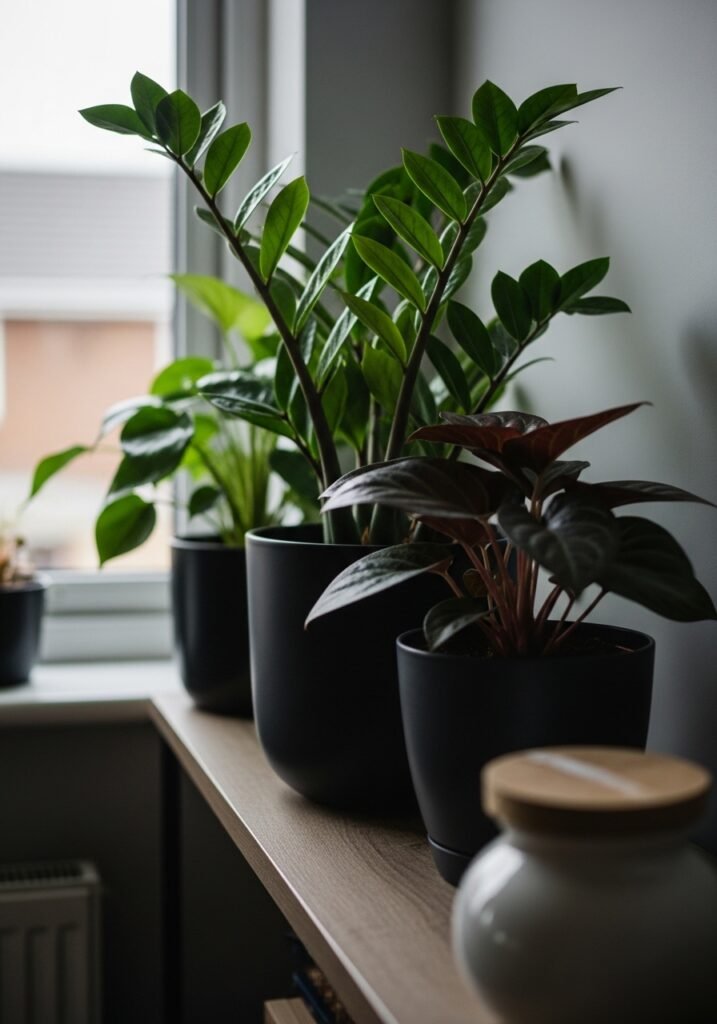
Because let’s be honest — a north-facing Victorian terrace in Manchester in November is not a tropical greenhouse.
This is where so many beautifully planned plant schemes fall apart in the UK. You buy the Instagram plant (we’re looking at you, olive tree), bring it home, and watch it slowly sulk its way into a yellow, leafless skeleton by February. The solution isn’t to give up on plants. It’s to choose the right ones.
For low-light British living rooms, the ZZ plant is extraordinary. Glossy, dark green, architectural, and so drought-tolerant it practically asks you to neglect it. The cast iron plant — Aspidistra — is named for a reason. It has been living in dim London parlors since the Victorian era and thriving. Snake plants (Sansevieria) handle low light beautifully and their upright, sculptural form makes them natural candidates for a modern luxury scheme.
For US readers in darker apartments or Pacific Northwest homes, the same logic applies. Pothos, heart-leaf philodendrons, and the ZZ plant are your friends. They’re not compromise plants. Styled correctly, they’re some of the most elegant things you can put in a room.
—
6. The Styling Secret That Interior Designers Don’t Make Obvious
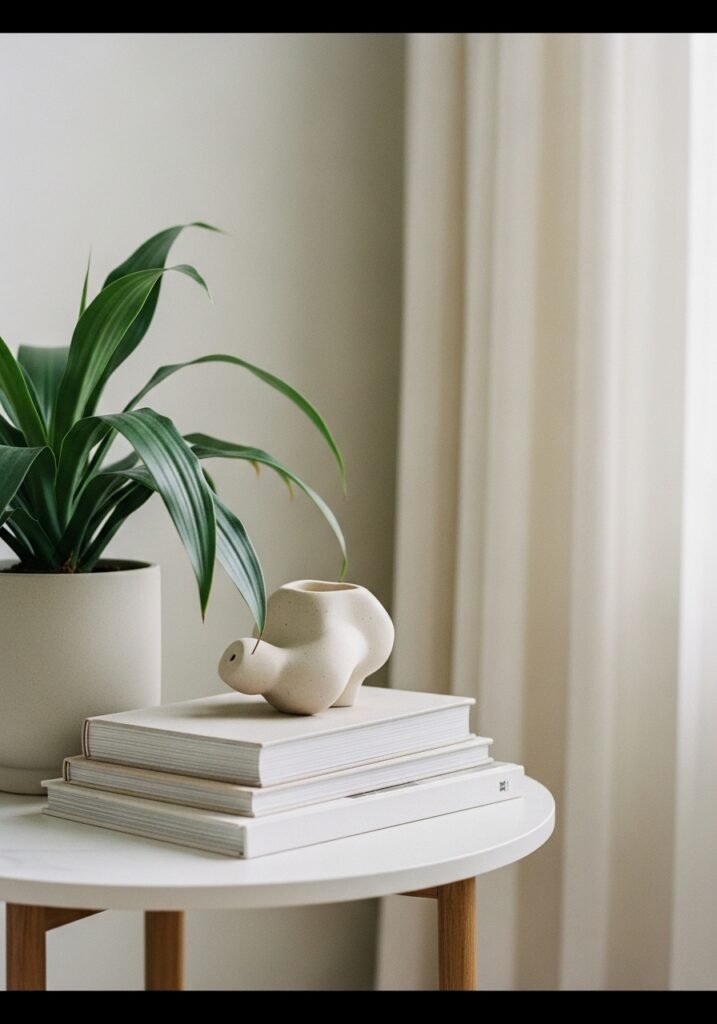
They cluster in odd numbers. Always odd numbers.
Three plants together read as intentional. Two plants read as accidental. Four plants read as clutter. This is not mystical numerology — it’s just how the human eye processes groupings. Odd numbers feel dynamic and organic. Even numbers feel static and symmetrical, which works for art but rarely for plants.
The interior designers whose living rooms you screenshot at midnight are doing this consistently. A cluster of three on a console table — one tall and leafy, one mid-height with interesting form, one small and textural. A single statement plant on one side of the fireplace balanced by a trio of smaller plants on the other. The asymmetry creates energy. The room feels curated rather than decorated.
Try it before you buy more plants. Move what you have into groups of three. You might find you already have everything you need — you’ve just been spacing it all wrong.
—
7. The Color Story Your Plants Are Already Telling (And How to Control It)
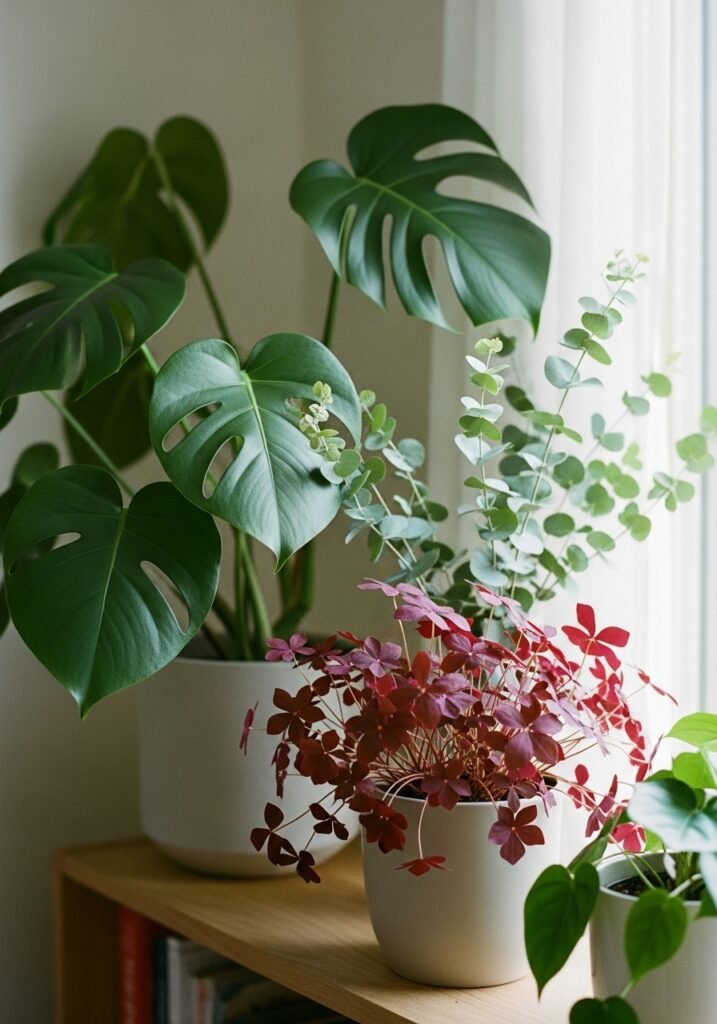
Green is not a neutral. It is not beige. It has opinions.
The blue-greens of a Eucalyptus, the deep forest green of a Monstera, the bright lime of a Pothos, the silvery grey-green of an Olive — these are all wildly different colors that will either harmonize with your room or quietly fight it. The most expensive-looking plant schemes are the ones where someone has thought about this.
For rooms with warm tones — ochre walls, terracotta accents, warm wood floors — lean into deep, saturated greens and burgundy-toned plants like Burgundy Rubber Trees or Purple Waffle plants. They deepen the warmth without competing with it.
For rooms with cooler, more minimal palettes — grey, white, navy — the blue-greens and silver-greens are stunning. An Agave, a large Echeveria arrangement, a trailing Senecio. Clean, architectural, sophisticated.
The US and UK both have their dominant interior palettes right now — warm terracotta maximalism in the UK, cool greige minimalism in coastal American homes — and the plants you choose are either part of that story or accidentally fighting against it.
“Your plant colors are either pulling the room together or quietly tearing it apart — there’s no neutral green.”
—
8. What “Quiet Luxury” Actually Means for Your Plant Choices
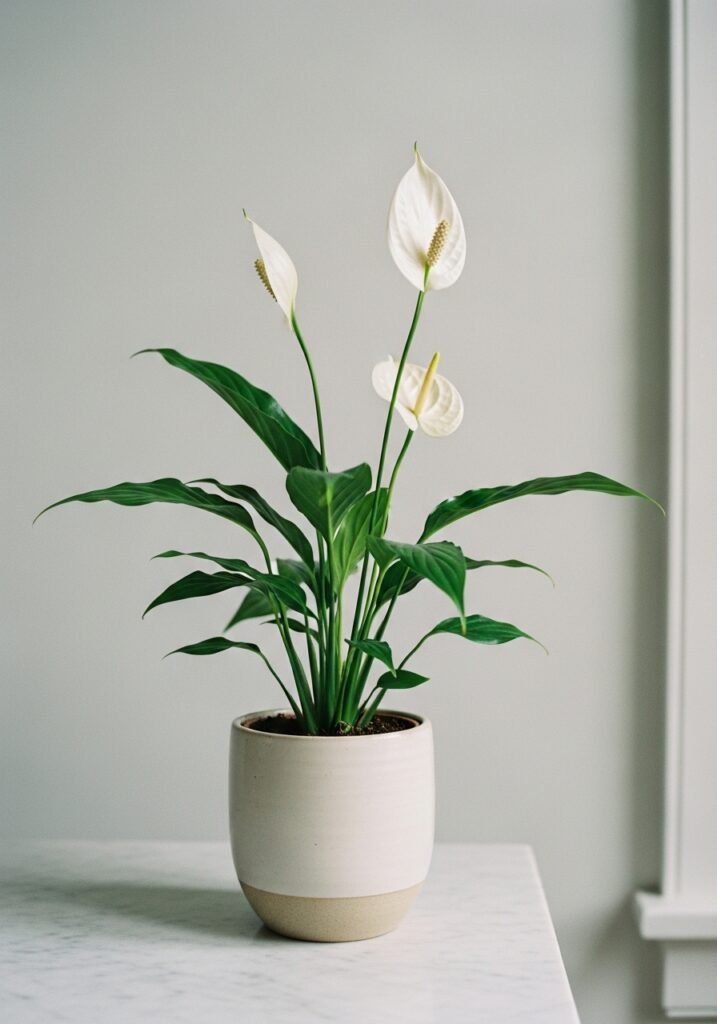
It means restraint. Radical, deliberate restraint.
The quiet luxury aesthetic that has taken over American interior design — and is creeping beautifully into British homes — is not about having less. It’s about having exactly enough, and having it be extraordinary. For plants, this translates into fewer, better, bolder choices.
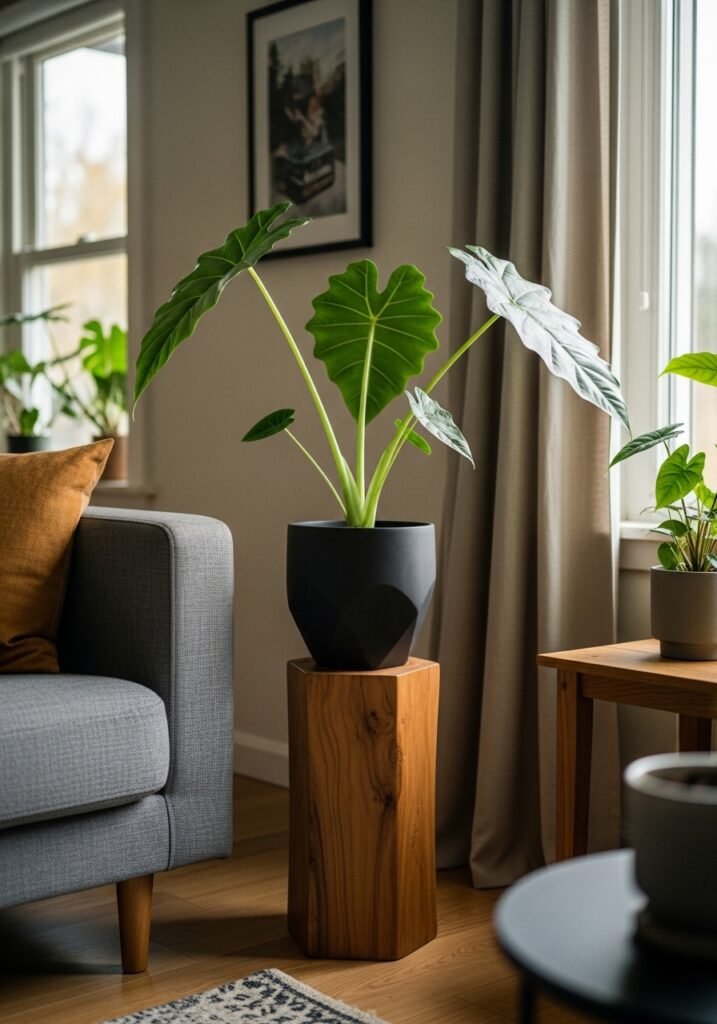
One enormous specimen plant in a beautifully glazed pot. Maybe two supporting plants. Nothing fussy. Nothing that needs constant tending and propping and misting. The plants that thrive in a quiet luxury room are ones with inherent sculptural quality — Alocasia with its dramatic arrow-shaped leaves, the snake plant in its regal upright form, the simple elegance of a white Peace Lily in full bloom.
The pot choice is restrained too. Nothing patterned. Nothing bright. Earthy, organic, understated. The luxury is in the quality of the material, not the showiness of it. Same philosophy that applies to your cashmere jumper applies to your plant pot.
—
9. How Lighting Completely Changes What Your Plants Do to a Room
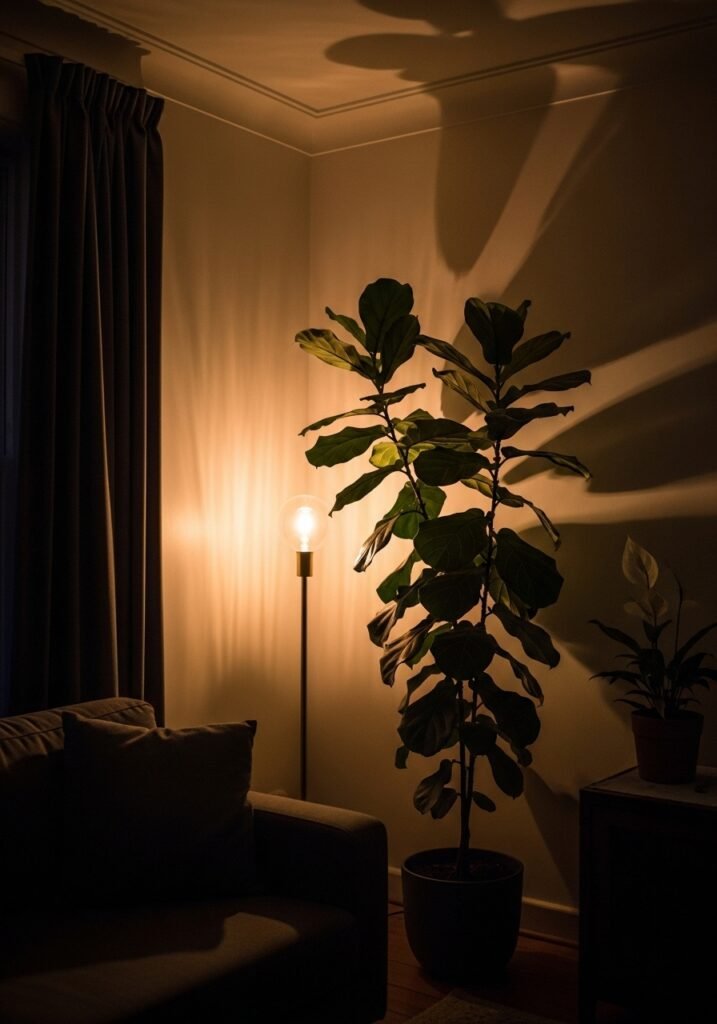
Not overhead lighting. Not natural light for the plants. The light on the plants in the evening.
This is the thing people figure out late, usually after scrolling past a living room photo that has that indefinable quality — that warmth, that depth — and not being able to name why it looks so different from their own space. The answer is almost always the evening light situation.
Floor lamps placed behind large plants cast the most incredible shadows on walls and ceilings. A Monstera backlit by a warm Edison bulb at 9pm turns an ordinary wall into something that moves, something alive. It’s theatre. The kind of theatre that costs nothing once you’ve bought the lamp.
For this to work, the bulb needs to be warm — 2700K or lower. And the light source needs to be low enough to cast upward through the leaves. A standing lamp or an uplighter, not a ceiling fixture. The amber glow reaches up through the leaves and what happens to the wall behind it is genuinely worth rearranging your furniture for.
—
10. The Plants That Look Like You Spent More Than You Did
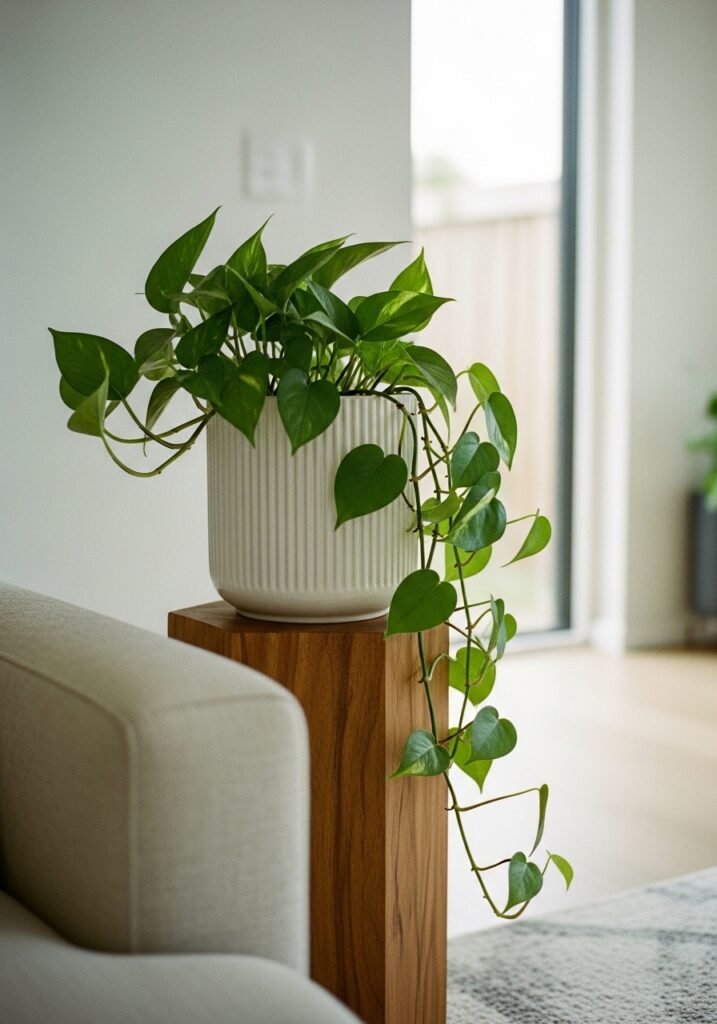
A large plant in a beautiful pot always reads as expensive. Even when it wasn’t.
The Dracaena marginata — that spiky, architectural plant with thin leaves and a long, sculptural trunk — frequently costs under $30 at a garden center and looks like something you’d buy at a boutique design shop for five times that. Properly potted in matte stone-colored ceramics, it looks extraordinary in a modern living room.
The Olive tree — despite the British light survival issue mentioned earlier — is another one that punches far above its price point. Place it in a sunny south-facing UK sitting room or a well-lit American living room and it looks like something transplanted from a Provençal villa.
Rubber plants. Serious, glossy, deep-toned. They’re everywhere right now for a reason. Under $20, available at every major hardware store on both sides of the Atlantic, and with a presence in a room that makes people ask where you got it.
You don’t need a rare, expensive plant to have a room that looks expensive. You need a common plant, styled with uncommon intention.
—
11. The One Rule for Mixing Plants with Art and Furniture
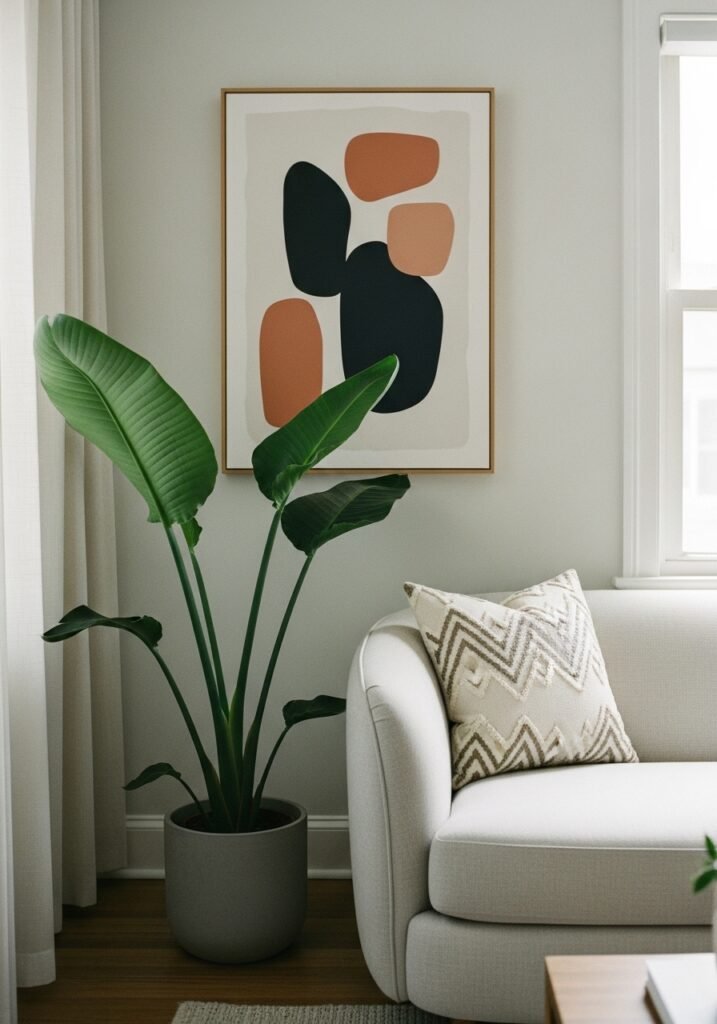
The plant is furniture. Treat it like furniture.
This sounds small and it changes everything. When you see a plant as decor — something layered on top of the room — it tends to end up in corners, on windowsills, in the leftover spaces. When you see it as furniture, you make room for it at the planning stage. You think about it in terms of scale, weight, presence. It earns its place like a sofa earns its place.
A large floor plant sitting beside an armchair isn’t an afterthought. It’s a design decision as significant as which armchair you chose. The two objects together create a vignette — a composed scene. The plant provides height and organic texture; the chair provides form and softness. They need each other.
Think about your living room in terms of anchors. Every anchor is either furniture or plant or art. The plants that work best in modern luxury rooms are the ones given anchor status — real estate, visual weight, intentional placement. Not an afterthought. Not an addendum.
—
12. The One Thing to Do This Weekend That Will Actually Make a Difference
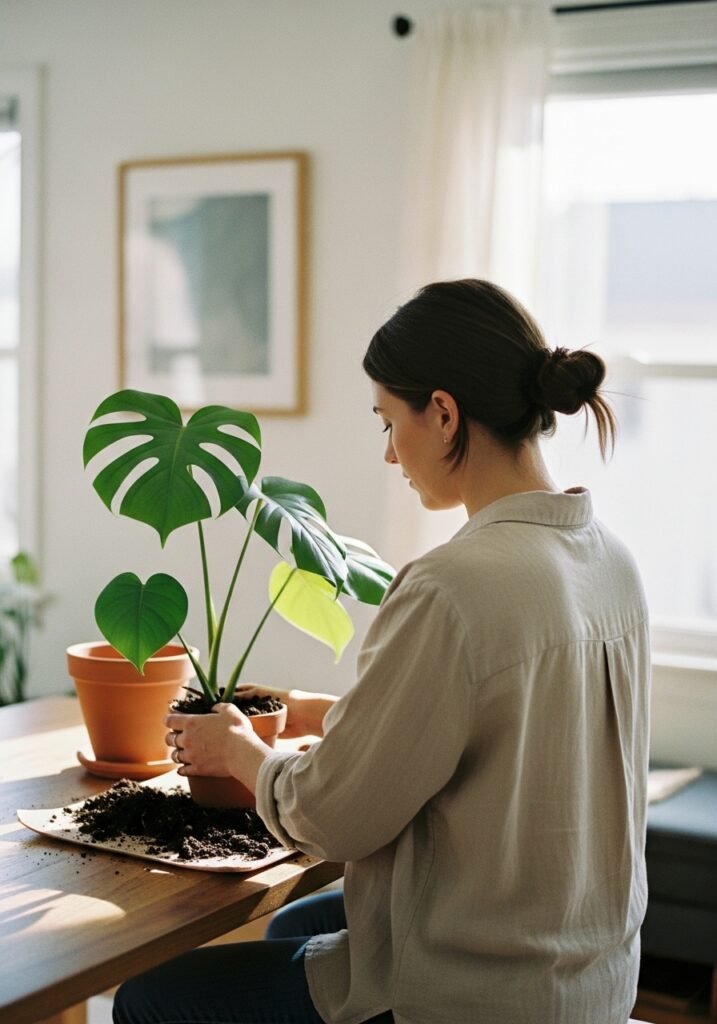
Move everything. Start over.
Seriously. Take every plant you own out of its spot. Put them all in one room. Now walk into your living room and stand in the doorway. Where are the dark corners? Where does the eye naturally want to rest? Where is the biggest, most open wall? Where is the light coming from in the evening?
Now bring one plant back in. The largest, most architectural one. Place it where your gut says it belongs — not where it lived before, not where it’s out of the way. Where it deserves to be. Then add one more at a different height. Then one more in a cluster with the second.
Stop when it feels right. Resist the urge to add more. The room is always better with slightly fewer plants than you think it needs.
You can do the pots over time. You can buy the beautiful lamp eventually. But the edit? That’s free. And it changes everything.
—
🌿 Quick Tips
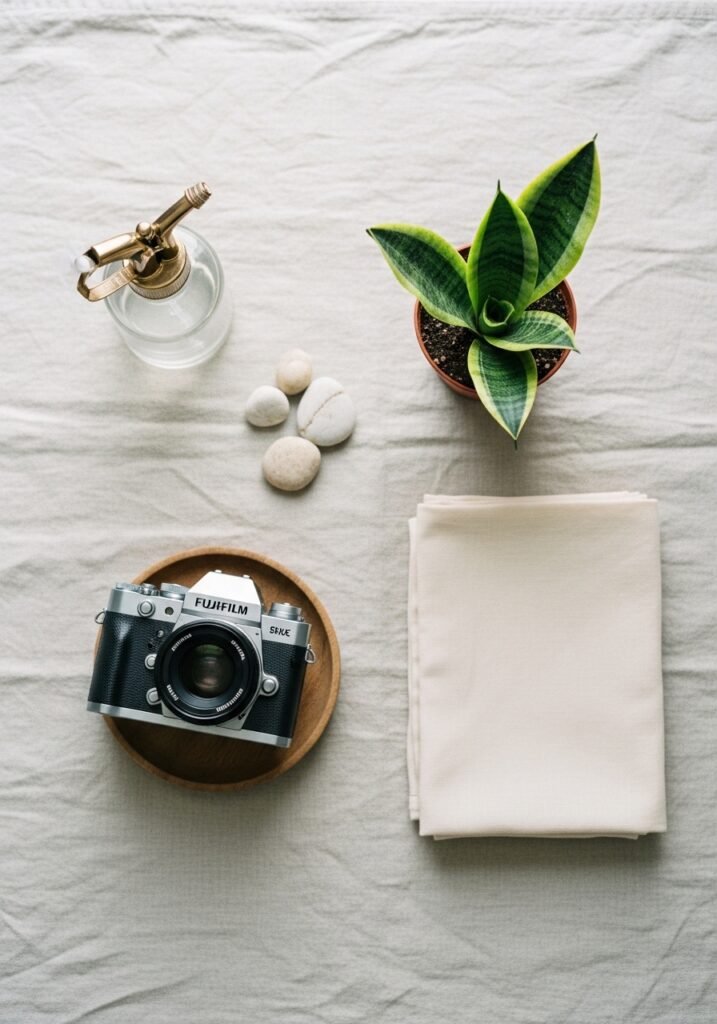
Starting fresh with plants but not sure what to actually buy first? Get one large, low-maintenance floor plant before anything else — a Monstera, a snake plant, or a Dracaena — and see how it changes the room before you add more.
If your plants keep dying and you live in a darker home, stop fighting the light. Embrace the ZZ plant and the cast iron plant. They’re extraordinary, they’re easy, and they look genuinely chic in a modern room.
Repot into a beautiful container immediately when you get home from the garden center. The nursery plastic pot is a design crime. Even a simple terracotta pot is better.
For the trailing plants — pothos, string of pearls, heartleaf philodendron — shelving and wall-mounted plant brackets are far more elegant than putting them on a table. Let them actually trail. Give them height to work with.
Don’t mist your plants directly onto the leaves in cold rooms. In UK homes especially, this can cause mold on the foliage. Water at the base, improve humidity with a pebble tray if needed, and stop fussing.
—
❓ FAQ
Q: What are the best low-maintenance plants for a modern luxury living room? A: Snake plants (Sansevieria), ZZ plants, Rubber plants, and Dracaena are all strong choices. They’re architectural enough to look intentional, forgiving enough to survive a busy life, and widely available in both the US and UK. Pot them beautifully and they’ll look like you worked hard for them.
Q: How many plants is too many for a living room? A: There’s no single number, but if you’re asking, you probably have too many. A modern, luxury-feeling room typically works with three to five well-chosen plants at different heights rather than ten smaller ones scattered around. Edit down until it feels intentional rather than busy.
Q: My living room doesn’t get much natural light — can I still have beautiful plants? A: Absolutely. The ZZ plant, snake plant, cast iron plant, and pothos all genuinely thrive in low light conditions and are among the most architecturally elegant options available. The key is leaning into their strong forms and styling them in beautiful pots — the lack of sunlight won’t show in the final effect.
—
💭 Final Thought
A living room with the right plants feels different in a way that’s hard to fully explain — warmer, more alive, more like someone actually lives there and loves it. It’s not about having the most, or the rarest, or the most Instagram-worthy. It’s about the considered choice, the beautiful pot, the lamp placed just right so the leaves cast their shadow at 9pm.
What’s the one plant in your living room right now that you know, deep down, deserves a better pot?