The Living Room Glow-Up Nobody Talks About: How a Single Sofa Choice Changes Everything
You walk into a room and something just works. The sofa sits like it belongs there. The light catches it. You slow down without meaning to. That’s not an accident — that’s intentional design doing exactly what it’s supposed to do.
—
1. Why Your Sofa Is Actually the Architecture of Your Living Room
Most people treat sofa shopping like mattress shopping. Practical. Reluctant. Something to get through. But here’s the thing: your sofa isn’t furniture. It’s the structural argument your whole room is making.
Everything else — the rug, the coffee table, the art on the wall — responds to the sofa. Scale, color, texture, mood. It all flows outward from that one anchor piece. When the sofa is wrong, no amount of throw pillows or clever styling fixes it. The room just feels like it’s arguing with itself.
Modern interior design has gotten increasingly confident about this. The best living rooms you’re pinning right now? They’re built around one deliberate, considered sofa choice. Not a safe one. A considered one. There’s a difference. Safe means beige sectional from a big-box retailer that works with everything and therefore says nothing. Considered means you looked at your room, your light, your life — and you chose something that makes a statement without shouting.
Start there. Before the paint swatches. Before the rugs. Sit with the question of what your sofa is supposed to do in your room, not just where it goes.
“Your sofa isn’t furniture. It’s the structural argument your whole room is making.”
2. The Velvet Moment That Isn’t Going Anywhere (And Why That’s a Good Thing)
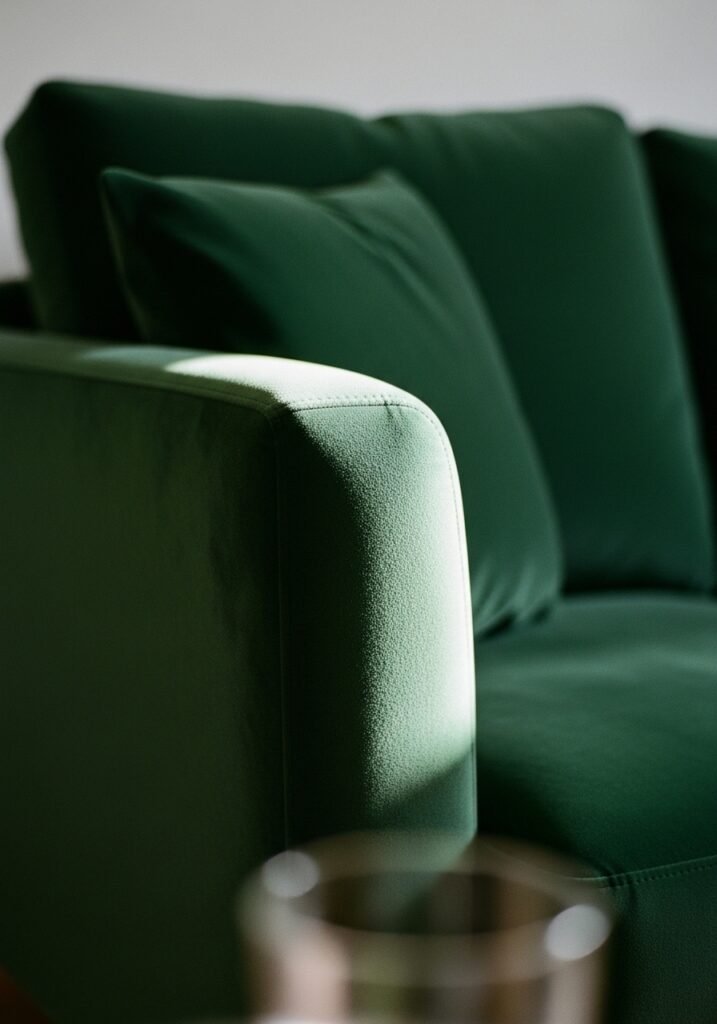
Velvet had its big comeback a few years ago and design sceptics were waiting for it to leave. It hasn’t. It won’t. And there are very good reasons for that.
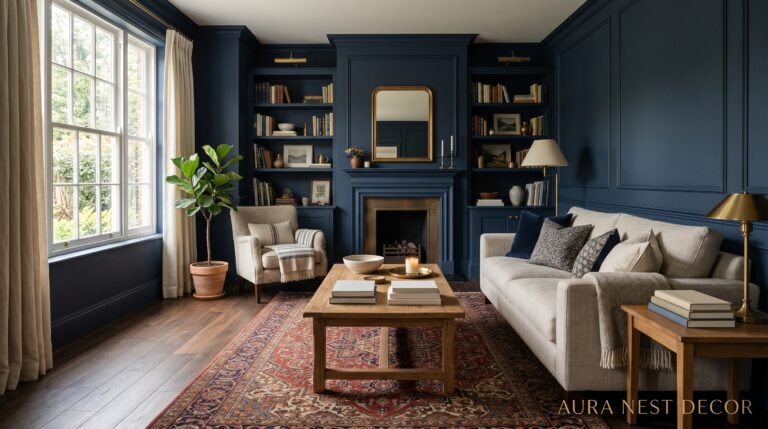
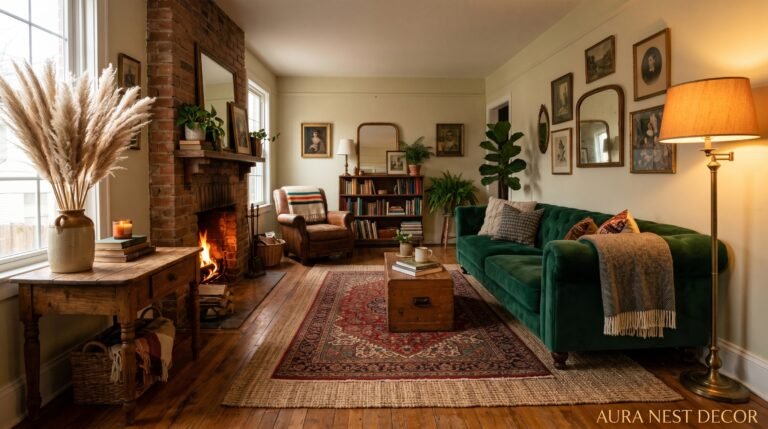
Velvet absorbs light rather than bouncing it. In a modern living room with large windows and hard surfaces — concrete, glass, pale oak — velvet is the material that brings the whole thing back to human. It softens without sweetening. A deep forest green velvet sofa in a room with white walls and a raw-edge coffee table doesn’t look traditional. It looks intentional and a little bit dramatic, which is exactly the energy modern design is chasing right now.
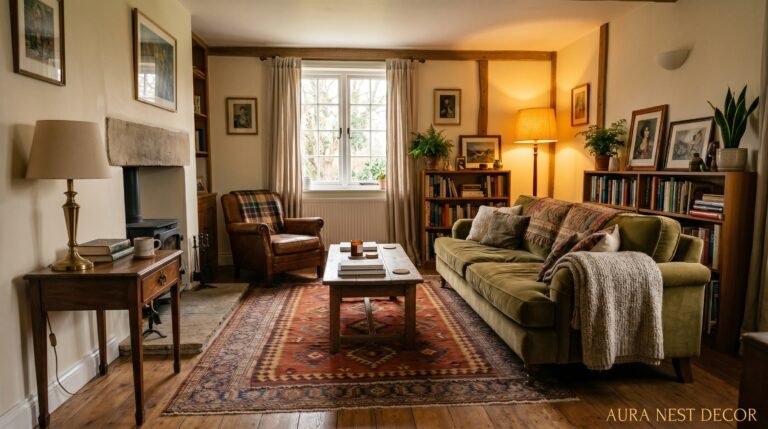
In the US, we’re seeing velvet show up in dusty pinks, midnight blues, and warm cognac shades. In the UK, where rooms tend to be smaller and ceilings lower, jewel tones on velvet are doing extraordinary work — a plum two-seater in an Edwardian terrace flat can make a room feel like a boutique hotel rather than a converted Victorian rental.
The practical concern everyone raises: durability. Modern performance velvet — the kind good furniture makers are using now — is genuinely hard-wearing. It pills slightly over time and that actually adds to the texture. It’s the velvet equivalent of a well-worn leather jacket. Better with age.
3. The Color That Keeps Showing Up in Every Beautiful Living Room Right Now
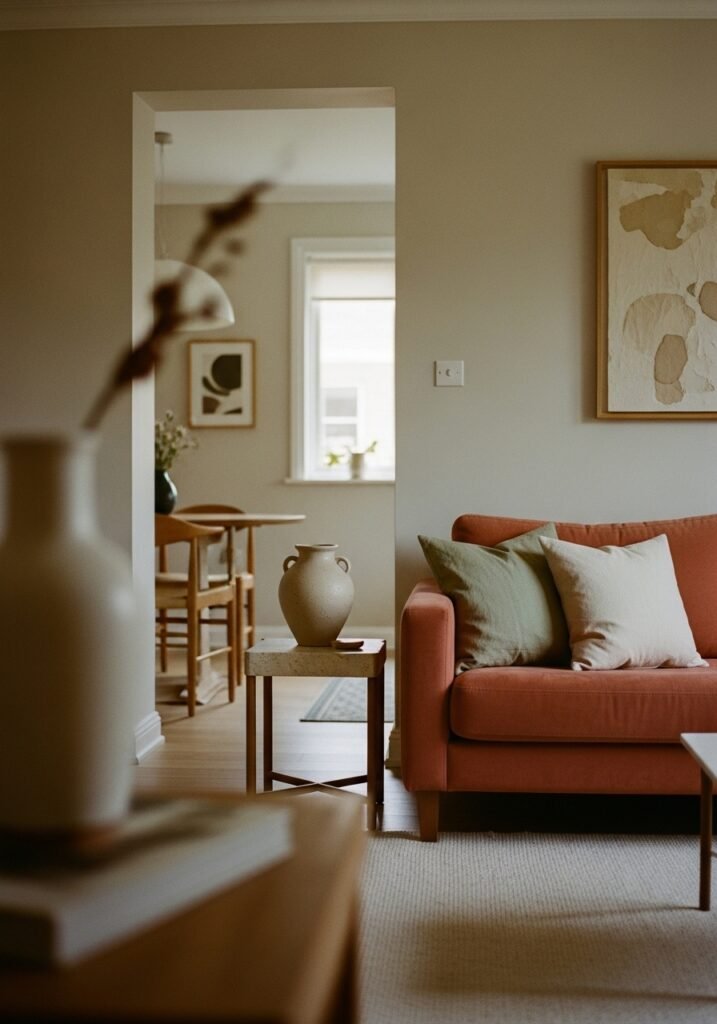
Warm terracotta. Clay. Burnt sienna. Whatever you want to call it — this whole family of earthy, sun-baked tones is everywhere in modern luxury living rooms and it’s not going away quietly.
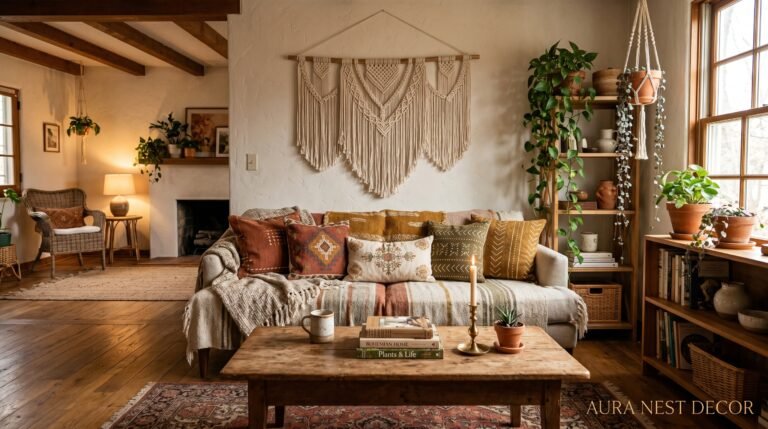
The reason it works so well on sofas specifically is that it plays beautifully with almost every neutral. Against a warm white or linen wall, a terracotta sofa feels Mediterranean and sun-drenched. Against a deep charcoal or slate, it pops with real visual tension. Against natural wood tones — pale ash, honey oak, walnut — it settles into something that feels genuinely ancient and completely current at the same time.
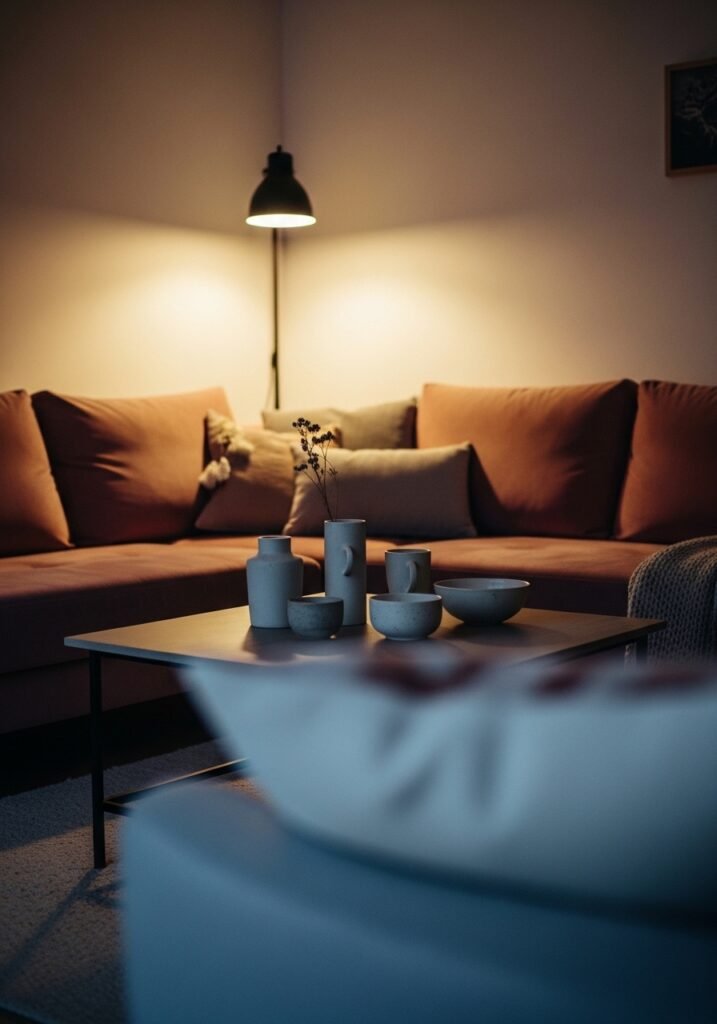
What makes it feel luxury rather than just trendy is how you pair it. Terracotta with chrome is a mess. Terracotta with brass, matte black, or aged bronze is quietly magnificent. The metal matters enormously. A terracotta linen sofa with a brass-legged coffee table and a jute rug underneath is probably the most Pinterest-friendly combination in existence right now, and it also happens to be genuinely beautiful in person — not just on a screen.
British homeowners have been ahead of this curve, actually. The UK’s long relationship with earthy William Morris-adjacent color palettes means terracotta feels native there. For American homes, especially open-plan spaces, it’s a warmer, more grounded alternative to the all-grey decade we’re still recovering from.
4. What “Modern Luxury” Actually Means When It’s Not Just a Price Tag
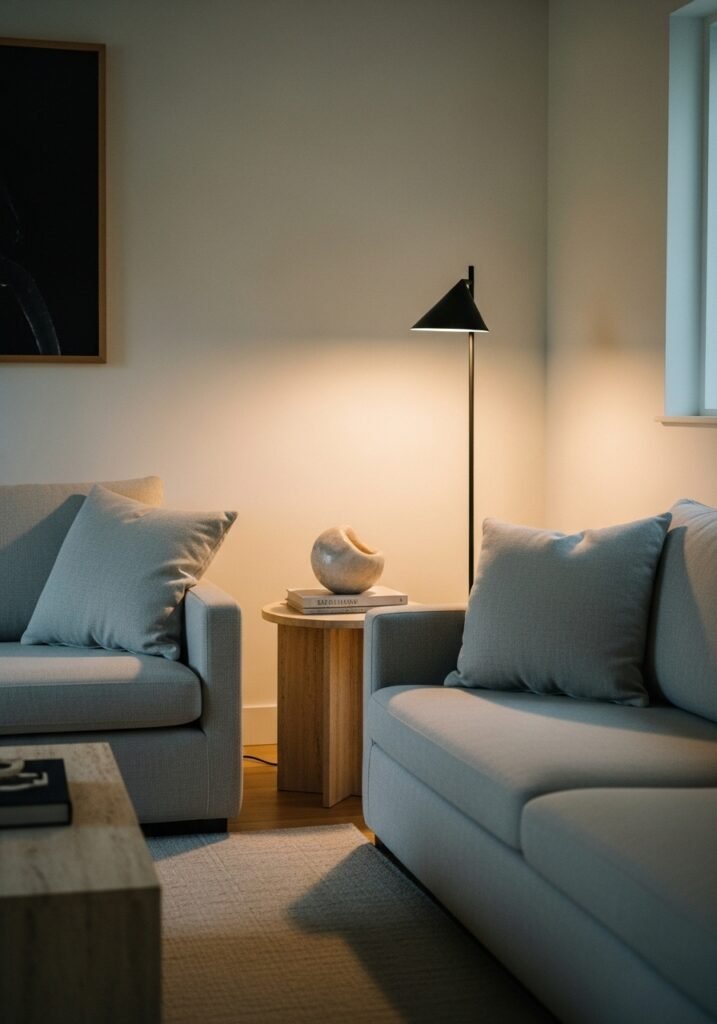
Let’s be clear about something. Luxury in a living room has almost nothing to do with how much you spent.
I’ve been in rooms full of expensive furniture that felt cold and showroom-stiff. I’ve been in rooms with thrifted sofas and one genuinely beautiful lamp that felt like the coziest place on earth. The difference is intentionality and sensory coherence. Luxury — real luxury — is when everything in the room feels like it belongs there on purpose.
In modern interior design terms, this translates to a few specific principles. First: restraint. A luxury living room doesn’t have twelve things fighting for attention. It has four or five things, each given space to breathe. Second: texture contrast. Smooth against rough. Hard against soft. A sleek low-profile sofa with a chunky boucle throw. A glass side table next to a raw plaster wall. Third: scale that matches the room. Nothing tanks a “luxury” living room faster than furniture that’s the wrong scale — a too-small sofa floating awkwardly in a large room, or a massive sectional crammed into a Victorian reception room that needs something with legs.
Luxury also lives in the details nobody talks about. The piping on a sofa cushion. The quality of the feet — turned wood versus cheap plastic. The way cushions hold their shape after a year. These are the things you notice without knowing you notice them.
“Luxury is when everything in the room feels like it belongs there on purpose.”
5. The One Rule That Makes Any Living Room Feel Intentional (Not Decorated)
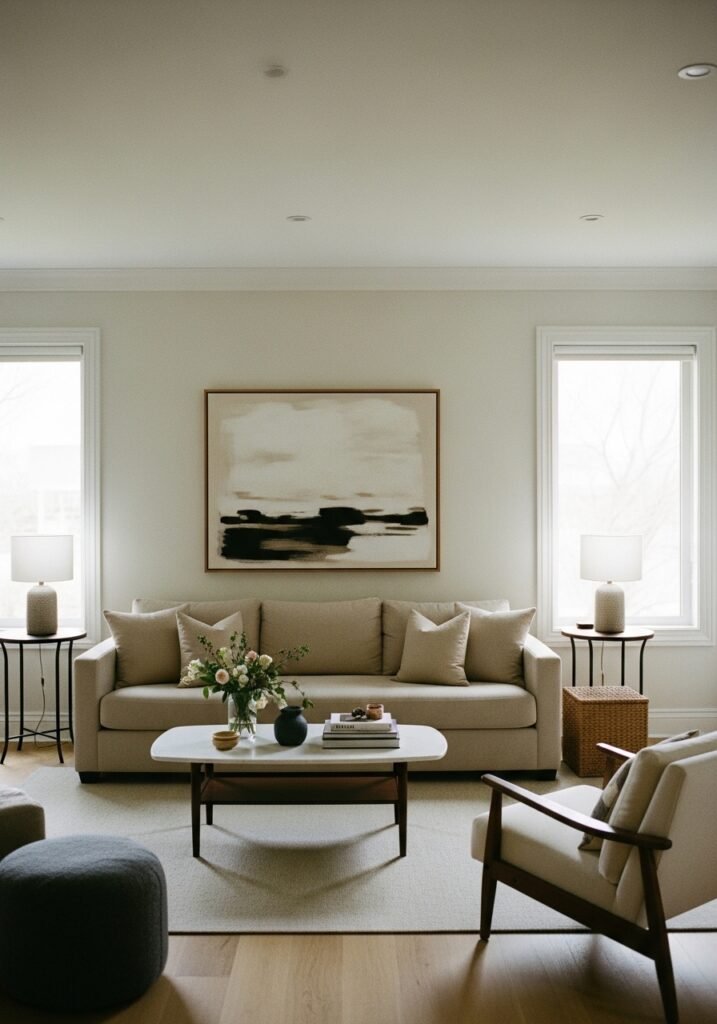
There’s a line between a room that looks decorated and a room that looks designed. The decorated room has things added to it. The designed room has things chosen for it. The rule that separates them is simpler than any design school would admit:
Every piece should respond to at least two other pieces in the room.
Your sofa’s color should echo something on the opposite wall — a painting, a plant, a cushion. Its texture should contrast with the rug or the floor. Its scale should balance the largest other piece of furniture. When every item has these kinds of relationships, the room feels cohesive in a way that goes beyond “matching.” It feels connected.
This applies to modern living rooms especially, where the aesthetic tends toward spare and edited. In a minimal room, every object carries more visual weight. A single lamp that doesn’t respond to anything else in the space sticks out badly. A lamp whose warm brass tone echoes the sofa’s legs and whose shade color mirrors the art above the fireplace? That’s design. That’s the thing that makes people walk into your room and not know why it feels so right.
The sofa is the best place to start building these relationships because it’s the biggest surface area in the room. Its color, texture, and form set the rules everything else plays by.
6. Low Profile, High Impact: The Silhouette Defining Modern Sofas Right Now
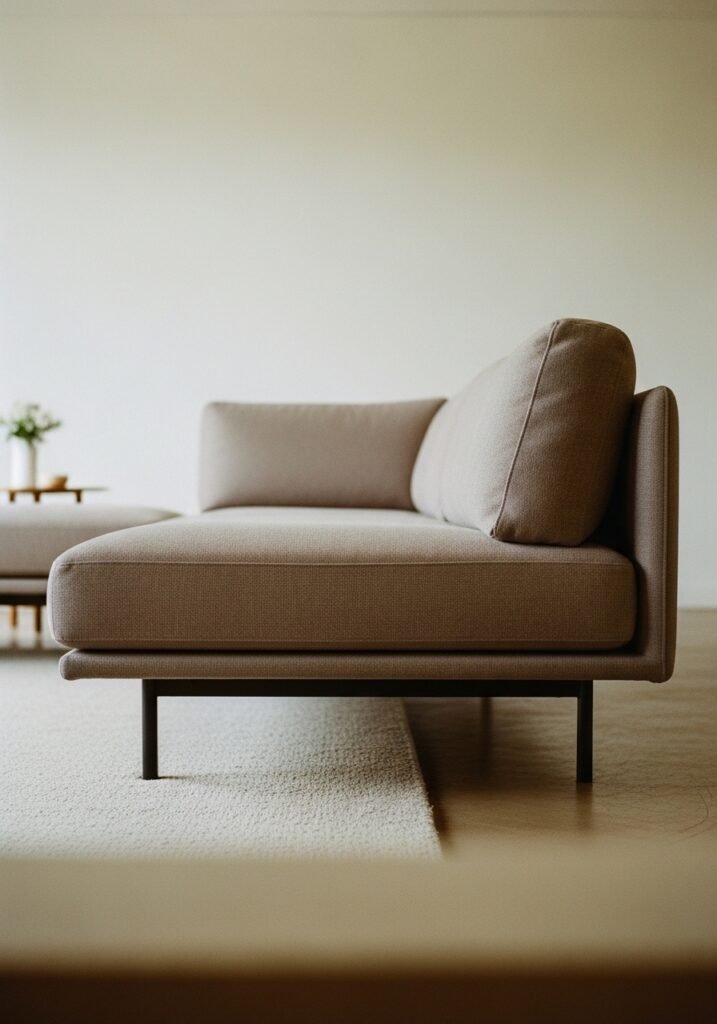
The deep-seated, low-slung sofa is having a serious moment. Not squashy and shapeless — structured, deliberate, close to the floor. Think Italian mid-century. Think the kind of sofa that appears in architectural photography with very good reason.
The low profile does something interesting to a room’s proportions. It makes ceilings feel higher. It gives the eye more wall to travel. In a modern living room with art you love, a low sofa is basically free interior design — it shows off the walls without you spending another penny.
In the US, where open-plan living rooms often have generous ceiling heights and large windows, this silhouette works brilliantly. The sofa becomes a horizontal element that grounds the room without competing with the vertical drama of the space.
In the UK, it works differently but just as well. In a lower-ceilinged Victorian or Edwardian room, a low sofa removes the visual heaviness that a traditional high-backed three-seater creates. The room suddenly breathes. It stops feeling like furniture is stacked up to the ceiling.
The practicality question: yes, low sofas are harder to get out of. Yes, this matters as you get older. The sweet spot is a sofa with a seat height of around 16-17 inches — low enough to look sleek, high enough to be genuinely comfortable for daily living.
7. Boucle Is the Texture You’ve Been Looking For Without Knowing It

Boucle — that loopy, cloud-like woven fabric — is the texture story of modern interior design and it has been for a few years now. But it keeps evolving rather than fading.
The reason boucle endures where other trends don’t is tactile. You see it and you want to touch it. It looks soft. It is soft. In a design world that sometimes prioritizes aesthetics over comfort, boucle manages to be both completely. An off-white boucle sofa in a modern living room is perhaps the most pinned piece of furniture in existence right now — and sitting in one, you understand immediately why.
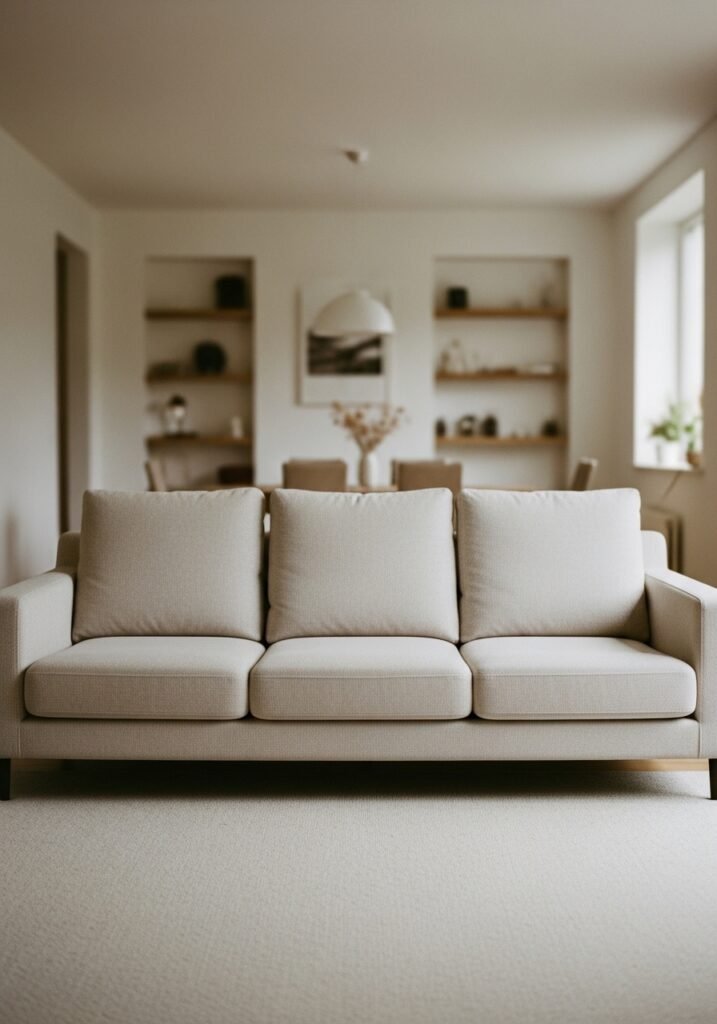
The color range for boucle has expanded significantly. Where it was once almost exclusively cream and off-white, you’re now finding boucle in warm greys, oatmeal tones, soft sage greens, and even a beautiful warm caramel shade that photographs magnificently. The texture adds so much dimension that you don’t actually need bold color — the weave does all the visual work.
One thing people underestimate: boucle photographs beautifully because of how it catches light. In different lighting throughout the day, a boucle sofa looks slightly different each time — which is, when you think about it, exactly what good texture should do. It keeps the room feeling alive.
“Boucle manages to be both completely aesthetic and completely comfortable — which is rarer than it sounds.”
8. How to Mix Your Sofa With Metals Without Making It Look Like a Showroom
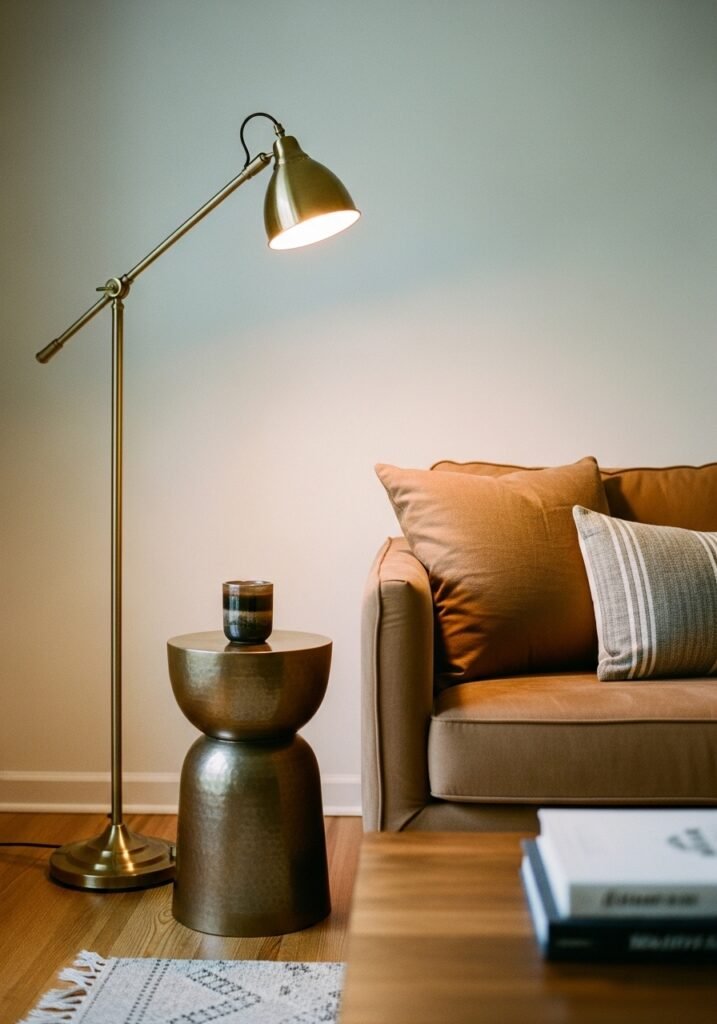
Metal accents — legs, frames, side tables, lamps — are where modern living rooms earn their edge. But mixing metals is where a lot of people lose their nerve and default to one finish throughout, which always looks slightly cautious.
Here’s what actually works: choose one dominant metal and one secondary. The dominant metal appears on your largest pieces — coffee table, floor lamp. The secondary metal appears on smaller accents — picture frames, cushion trims, vase necks. Two metals, deliberately chosen, feel curated. Three or more, each used equally, feels confused.
Warm metals — brass, bronze, aged gold — work with almost every sofa color except cool greys and silvers, where they can feel discordant. Matte black is technically a metal finish and it’s the most forgiving of all — it works with everything and adds the kind of graphic contrast that modern rooms love.
For velvet sofas, brass is the obvious partner and it’s obvious because it works. Don’t be afraid of the obvious choice when it’s genuinely right. For linen or bouclé sofas, matte black adds edge and prevents the whole thing from going too soft and cottagecore. For leather sofas — still very much a modern choice when done in cognac, dark brown, or bone — bronze or oxidized silver feels most considered.
9. The Case for a Statement Sofa in a Small Living Room (Especially a British One)
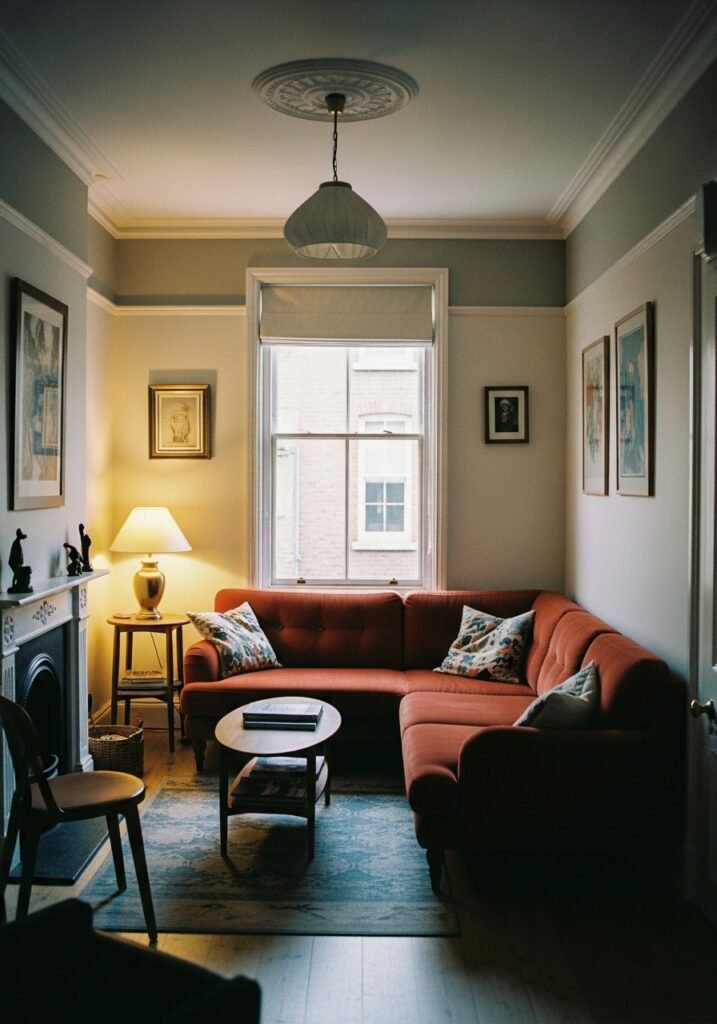
Small living rooms — and British homeowners deal with this more than almost anyone — are often styled too timidly. The instinct is to go small, go pale, go quiet in a small space. Keep everything light and airy so the room feels bigger.
Here’s the counterargument: a statement sofa in a small room is often more effective than a cautious one.
When everything in a small room is pale and recessive, nothing has visual weight and the room feels unfinished rather than open. One piece of furniture with genuine presence — a deep jewel-toned two-seater, a rich textured fabric, a shape with real silhouette — gives the room a focal point it can organize around. The room stops feeling like it’s apologizing for its size.
The rules for making this work in a small space are specific. Keep the legs visible — a sofa on legs reads as lighter than one that sits on the floor. Keep the back line low to give the walls room to breathe. Limit other large furniture — if the sofa is making the statement, the side table and lamp should support it, not compete. And leave floor space in front of the sofa; the gap between sofa and coffee table is where a room breathes.
10. The Art-Sofa Relationship That Most People Get Completely Wrong
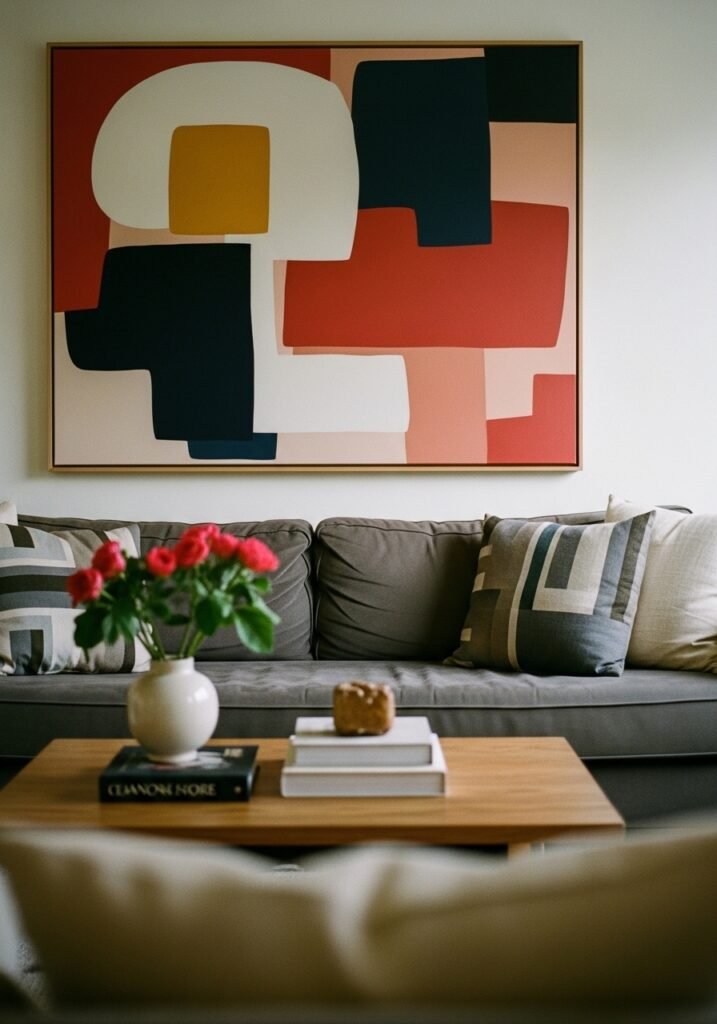
Art placement in relation to a sofa is one of those things that looks obvious in retrospect and elusive in practice. The mistake most people make is hanging art too high. Walk through any beautifully styled home — real or on Pinterest — and the art feels connected to the furniture. It’s part of the same conversation.
The standard rule is that the center of an artwork should sit at eye level, around 57-60 inches from the floor. When hung above a sofa, art should float about 6-8 inches above the sofa back. Close enough to feel related. Far enough to breathe.
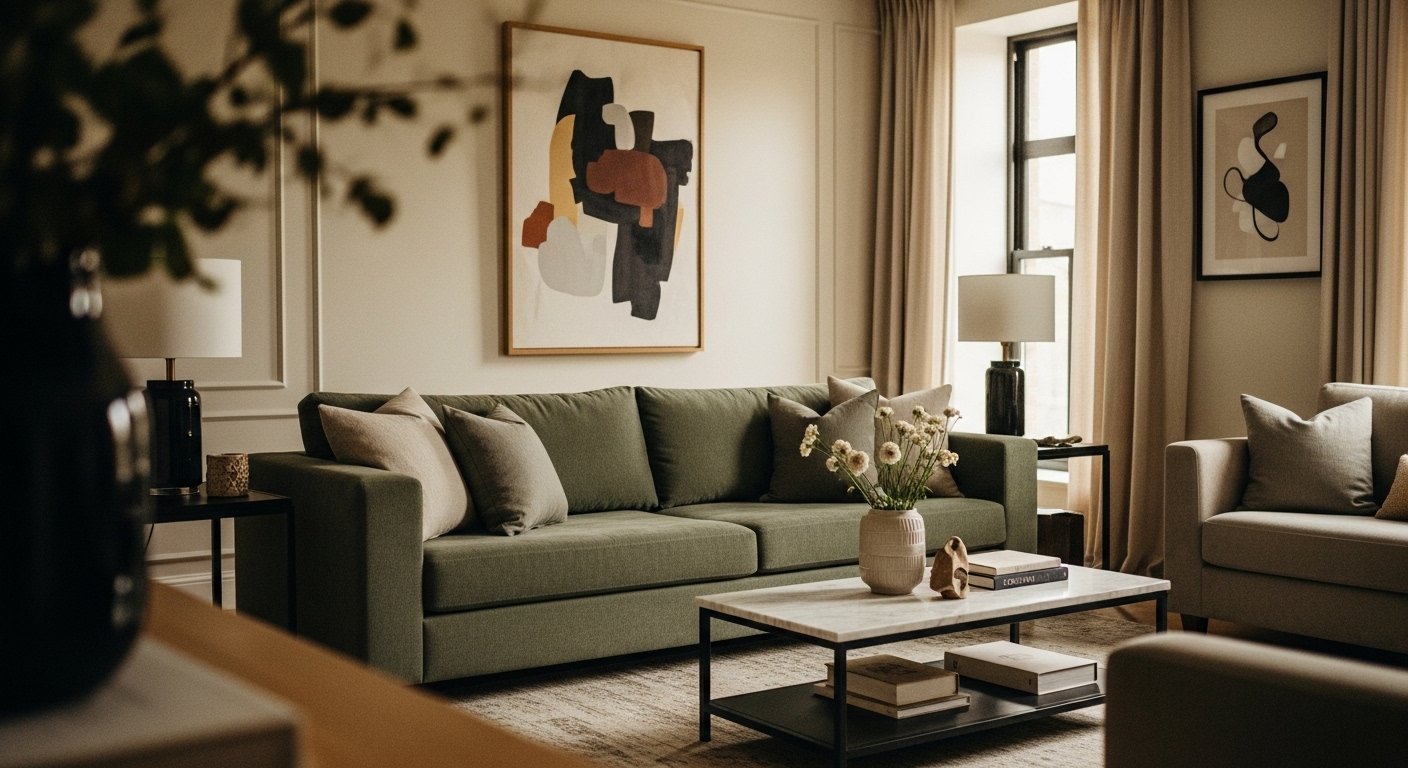
The more interesting thing to think about is the size relationship. A single large artwork above a long sofa is almost always more powerful than a gallery wall of smaller pieces. The large piece has presence. It matches the scale of the sofa. The gallery wall, however charming, often makes a modern room feel busy.
For a truly modern look, try going even larger and even lower — a canvas that almost grazes the sofa back, taking up most of the wall. It’s the kind of move that looks alarming in theory and completely right in person.
11. Why Legs Matter More Than You Think They Do
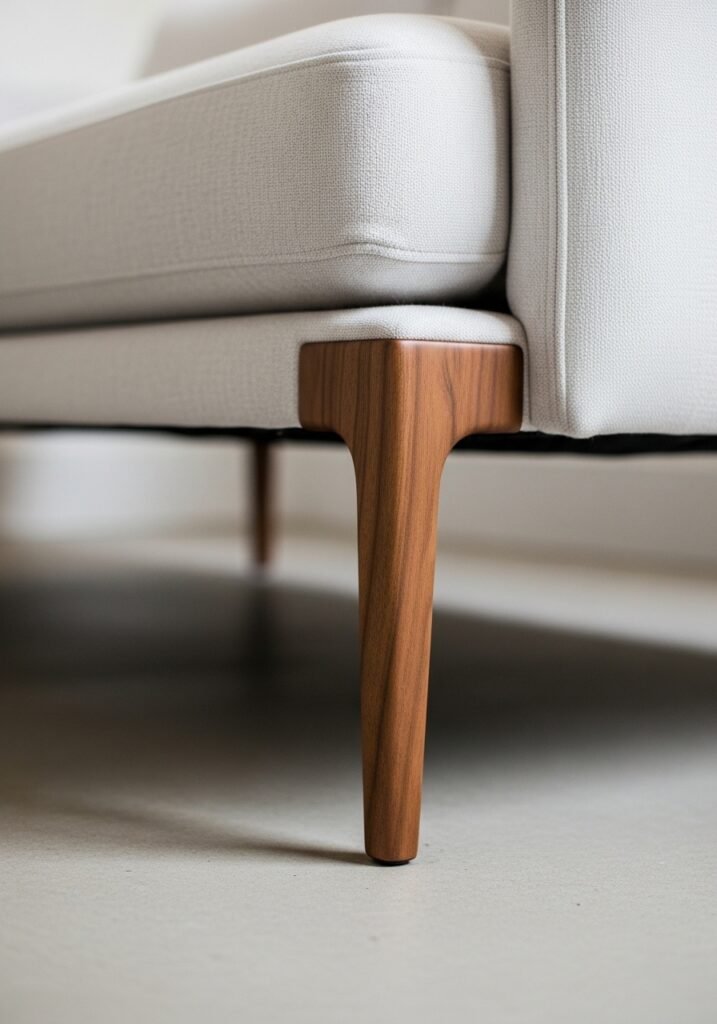
Sofa legs are the footnote everyone ignores and they shape the entire character of the piece.
Tapered wooden legs — pale ash or walnut — give any sofa an immediate mid-century reference that works brilliantly in modern rooms. They lift the sofa visually and clean up the floor plane, which makes rooms feel tidier and more open. Slim metal legs in brass or matte black push the sofa into cleaner, more contemporary territory. Bun feet (the rounded wooden ones) are warmer and more traditional — they read differently in modern spaces, adding a deliberate tension between old and new that can be very beautiful.
No legs at all — the platform sofa that sits directly on the floor — is a specific choice that reads as very contemporary and a little austere. It works magnificently in large, spare rooms with good light. In darker, smaller spaces, it can feel heavy and low.
The detail people truly never notice consciously but always respond to: when sofa legs match one other metal or wood finish in the room, the whole space feels more cohesive. It’s a subtle thread that ties things together. One slender brass leg on a sofa, echoed in a brass picture frame on the far wall. That’s the quiet work of good design.
12. The Living Room You’ll Actually Want to Sit In (Not Just Photograph)
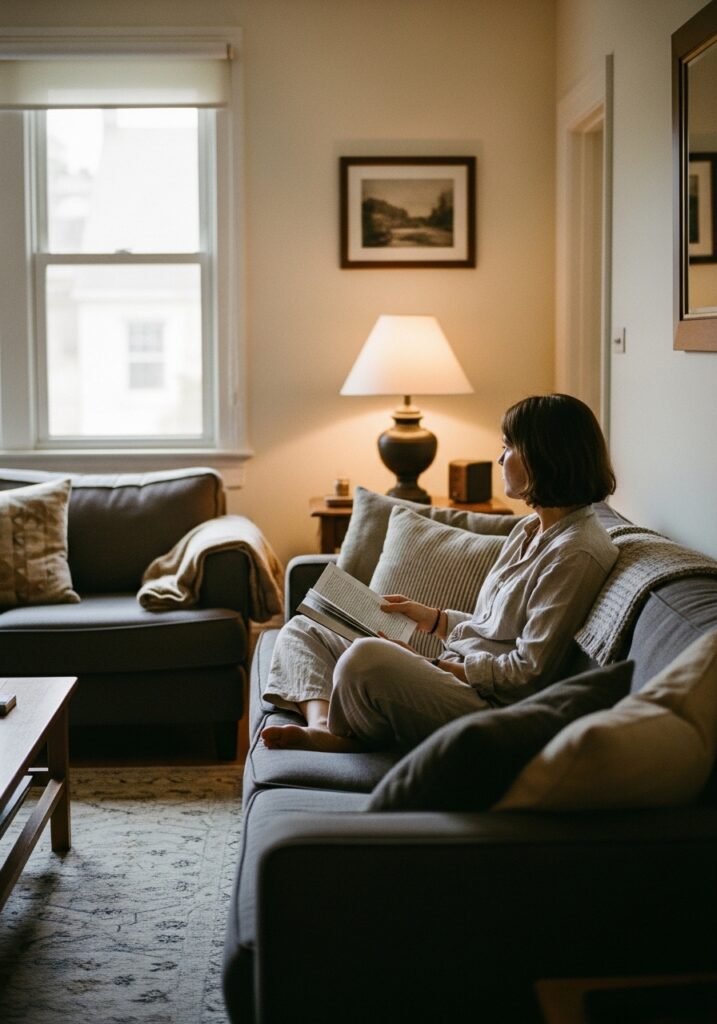
There’s a living room that photographs beautifully and a living room that feels beautiful. The best ones are both, but if you have to choose — and sometimes, practically speaking, you do — choose the one that feels right.
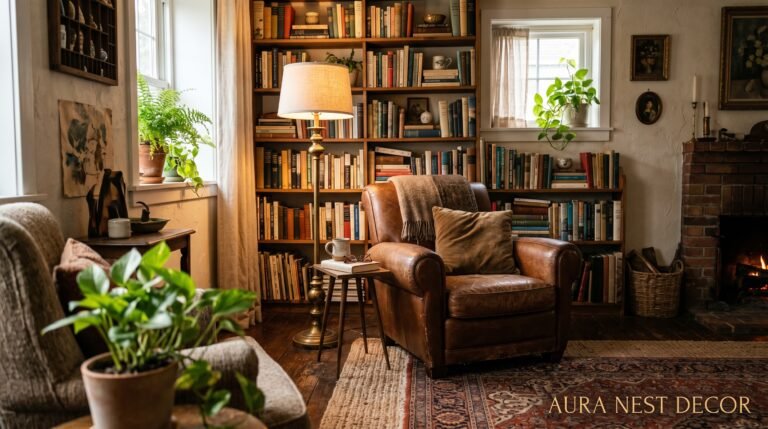
This means softness somewhere. A sofa that invites you to sink into it rather than perch on it. A throw that’s actually warm, not just decorative. Lighting that shifts throughout the day — a floor lamp for reading evenings, overhead dimmed right down for everything else. The amber glow of a lamp at 7pm that makes even an ordinary Tuesday feel worth being in.
Modern living rooms can tip too far toward the architectural. Too edited, too spare, too much white space and not enough life. The antidote is always the same: bring in one deeply comfortable, deeply considered sofa, and let the room grow out from there.
Your living room is the room you live in. Not the room you show people. Design it for yourself first, for the photographs second, and you’ll end up with something genuinely worth pinning.
—
🌿 Quick Tips
Give your sofa a two-year fabric review — most manufacturers sell matching arm caps and cushion covers separately, so a worn sofa can often be refreshed rather than replaced.
When in doubt about sofa scale, use painter’s tape on the floor to map out the exact footprint before buying. It sounds tedious and it completely changes how you visualize the space.
A sofa that sits against a wall is a decorator’s shortcut, not a rule — pulling it even 6 inches forward creates depth and makes the room feel more considered.
Match the sofa’s undertone to your wall color’s undertone, not its surface color. A warm-toned greige sofa fights endlessly with a cool-toned greige wall.
Cushion count matters more than people think. For a three-seater sofa, three or five cushions almost always looks better than four — odd numbers create natural visual balance.
—
❓ FAQ
Q: How do I choose a sofa color if I rent and can’t change my walls or floors? A: Start with your flooring — it’s the biggest fixed element. If your floors are warm (honey wood, beige carpet), lean into warm sofa tones like terracotta, cream, or cognac. If they’re cool (grey tile, dark wood), a cool-neutral sofa in sage, dusty blue, or oatmeal will feel much more settled than fighting the floor with a warm tone.
Q: Is a velvet sofa practical with kids or pets? A: Performance velvet — look for terms like “stain-resistant” or “contract-grade velvet” when shopping — is genuinely durable and easy to spot-clean. The looped weave of velvet can snag on pet claws, though, so if you have cats, boucle or tightly woven linen may be a kinder choice for the fabric’s longevity.
Q: What’s the biggest mistake people make when buying a modern sofa? A: Buying for how it looks in the showroom rather than how it works in their specific room. Showrooms have ideal lighting, ideal proportions, and ideal neighboring furniture. Take measurements obsessively — not just width, but diagonal depth for getting it through your door, and height against your actual ceiling — and order fabric samples before committing to color.
—
💭 Final Thought
The best living rooms aren’t designed all at once. They evolve. A sofa you love, a lamp that surprised you, a piece of art that arrived before you knew where it would live. Design is patient that way. The rooms worth staying in are always the ones that were built slowly, with actual thought, for actual life.
What’s the one piece in your living room that you’d keep if everything else had to go?