How to Make Your Apartment Living Room Feel Like a Luxury Hotel — Without the Price Tag
You don’t need a brownstone in Manhattan or a Georgian townhouse in Notting Hill to have a living room that stops guests in their tracks. Sometimes all it takes is knowing exactly which details carry the most weight — and which ones you can skip entirely.
—
1. The Secret Psychology Behind Luxury Living Rooms (It’s Not What You Think)
Here’s something that might surprise you: the most beautifully styled apartments in London and New York don’t necessarily have the biggest budgets. What they share is intention. Every item in the room feels chosen, not accumulated. Every corner feels considered, not forgotten.
Luxury, in the truest design sense, is the feeling of ease. It’s the sense that nothing is out of place — not because the room is sterile, but because everything belongs. When you walk into a stunning apartment living room, your nervous system relaxes before your brain even registers why. That’s the magic you’re chasing, and it’s absolutely achievable in a rented flat or a leased studio.
The psychological principle at play here is called environmental coherence — the idea that our brains experience pleasure when a space feels visually harmonious. You don’t have to spend thousands to create it. You have to understand it.
“Luxury isn’t the price of your furniture — it’s the clarity of your vision.”
Start by standing in your living room doorway and asking yourself one honest question: does this room tell a story, or does it just hold my things? That question alone will guide every decision that follows.
—
2. Your Colour Palette Is Doing More Work Than You Realise
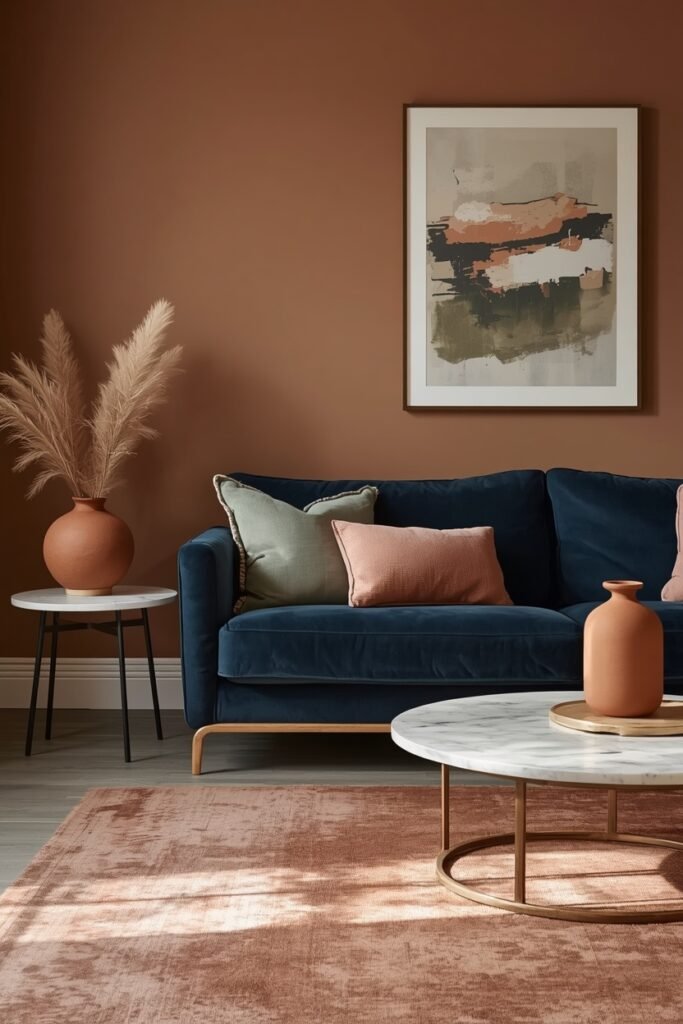
Before you buy a single new item, look at the colours already living in your space. In apartments — whether you’re in a converted Victorian terrace in Bristol or a high-rise in Chicago — the walls are often a neutral off-white or magnolia. That’s actually your greatest asset.
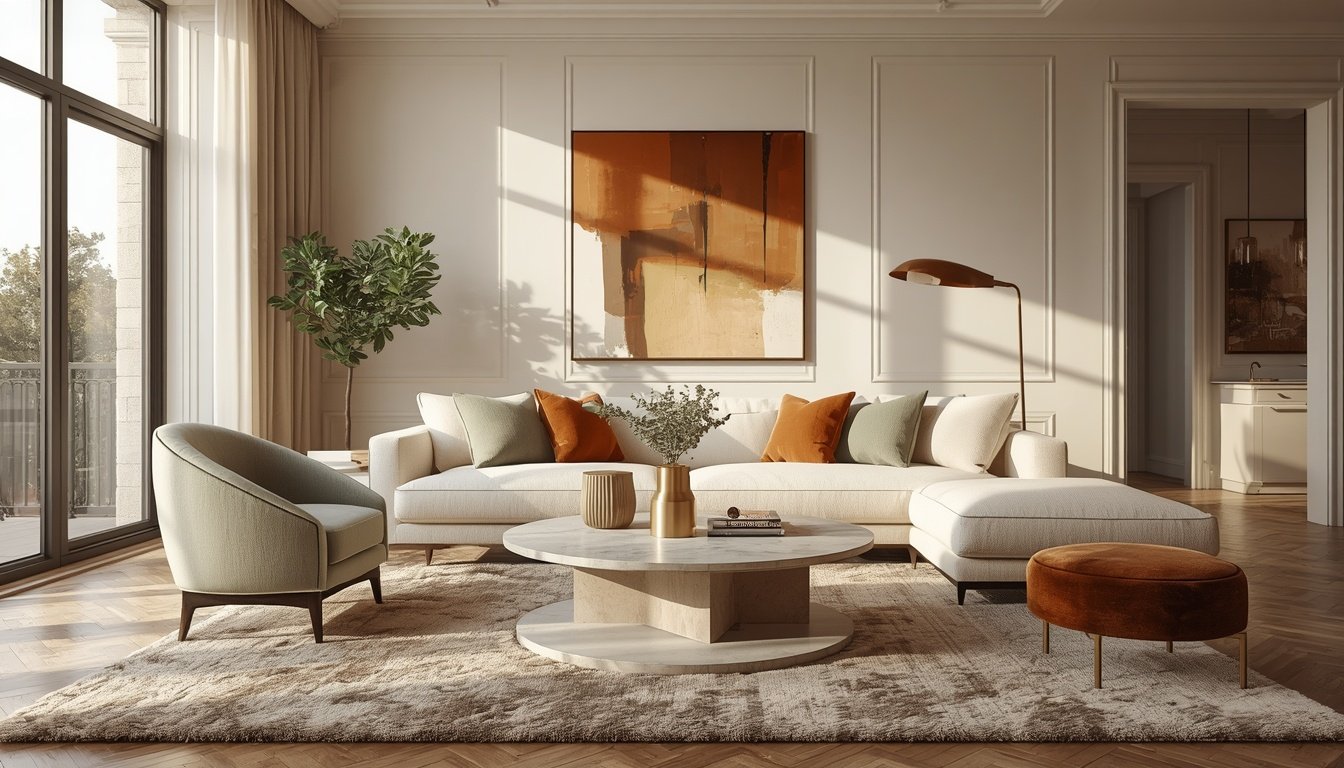
A luxury colour palette typically works in layers. Start with a dominant neutral — warm whites, soft greiges, or deep moody tones like forest green or charcoal. Layer in a secondary tone through soft furnishings, then add an accent in small doses through cushions, vases, or artwork. The rule of 60-30-10 is your best friend here: 60% dominant colour, 30% secondary, 10% accent.
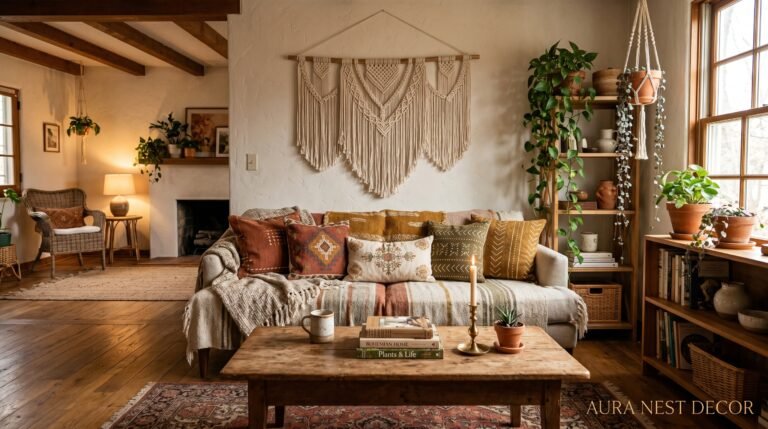
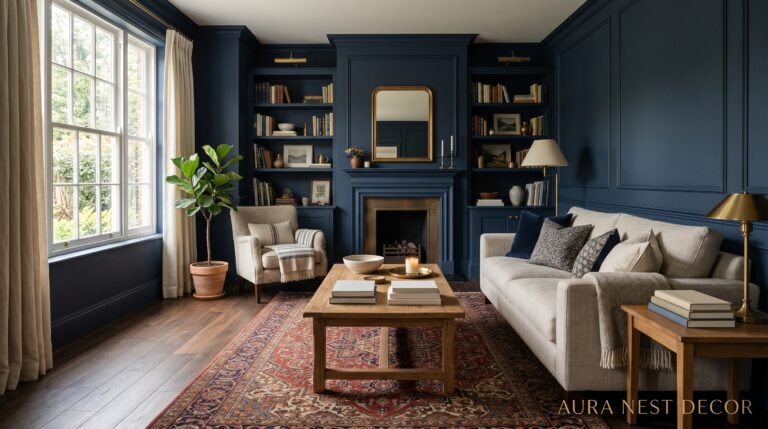
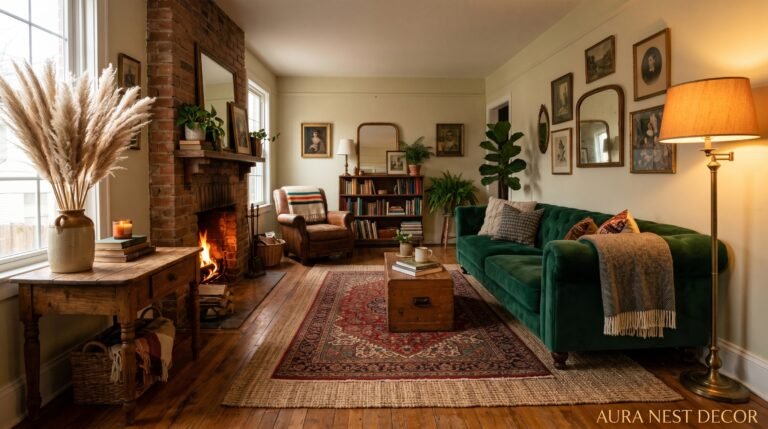
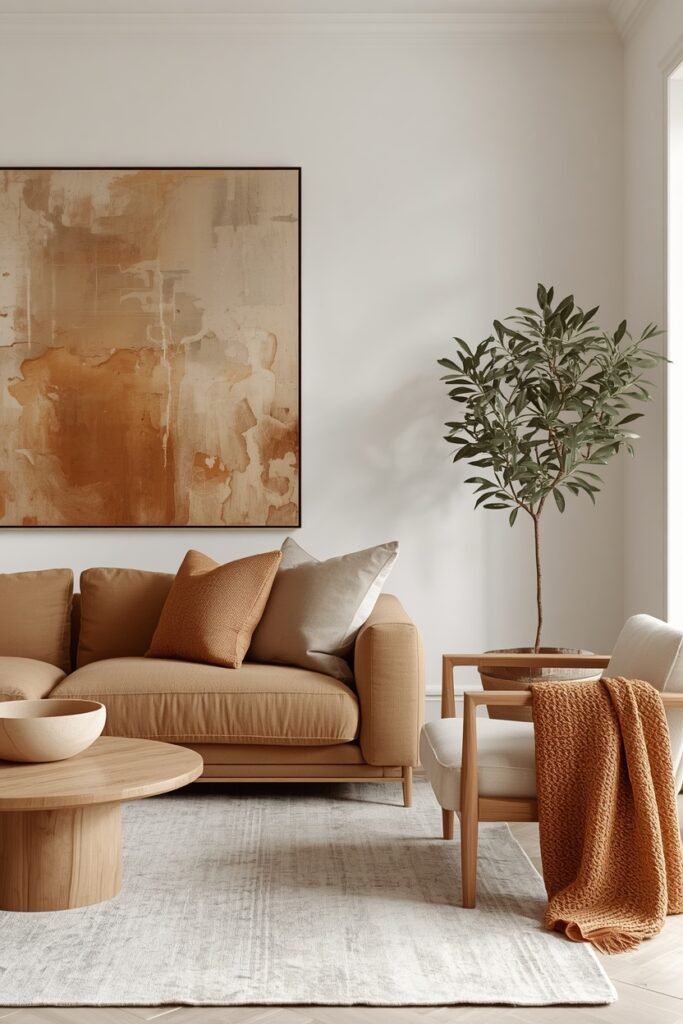
In the US, you’ll often see warm, earthy tones trending — terracotta, clay, linen, and warm taupe — inspired by organic interiors and California-influenced design. In the UK, there’s a beautiful tradition of leaning into jewel tones and heritage shades: deep navy, sage green, dusty rose, and inky blue. Both approaches create richness and depth that reads as genuinely luxurious.
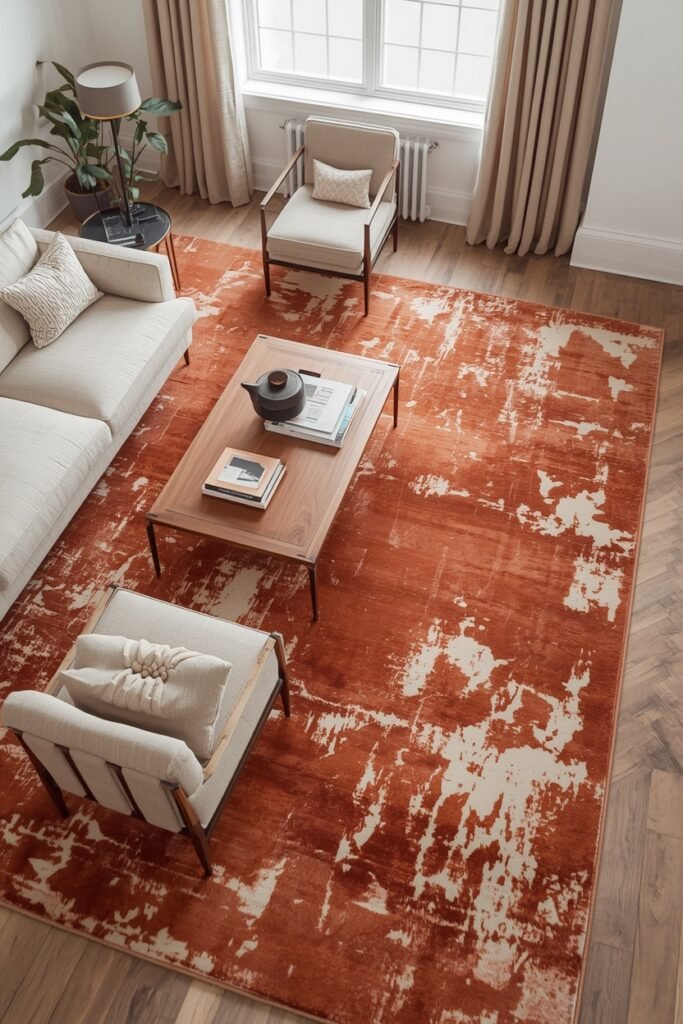
If your landlord won’t let you repaint, invest in a large area rug in a rich tone, and let it anchor the room’s colour story. You’ll be amazed how transformative a single piece of fabric can be on a beige floor.
—
3. The Furniture Layout Trick That Changes Everything
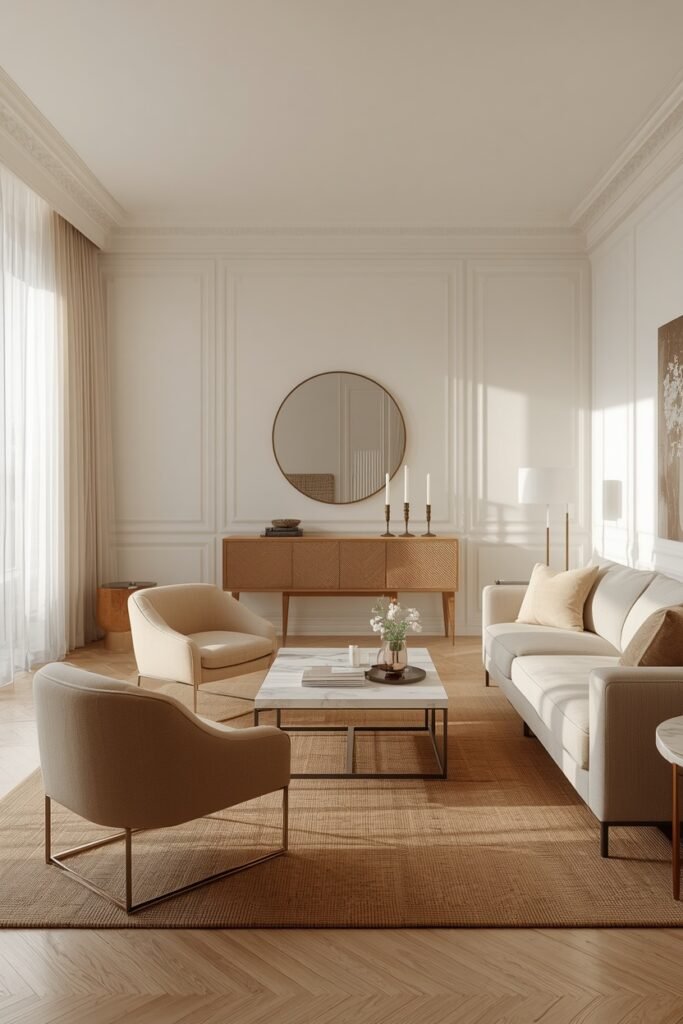
Imagine walking into your living room on a Sunday morning with a cup of coffee — the light is coming through the curtains at just the right angle, and somehow the room feels bigger, more intentional, more grown-up than it did last week. That shift could come from nothing more than rearranging what you already own.
The most common mistake in apartment living rooms is pushing all furniture against the walls. It feels logical — especially in a smaller space — but it actually makes rooms feel more cavernous and disconnected. Luxury design pulls furniture inward, creating intimate conversation zones that feel deliberate and cosy.
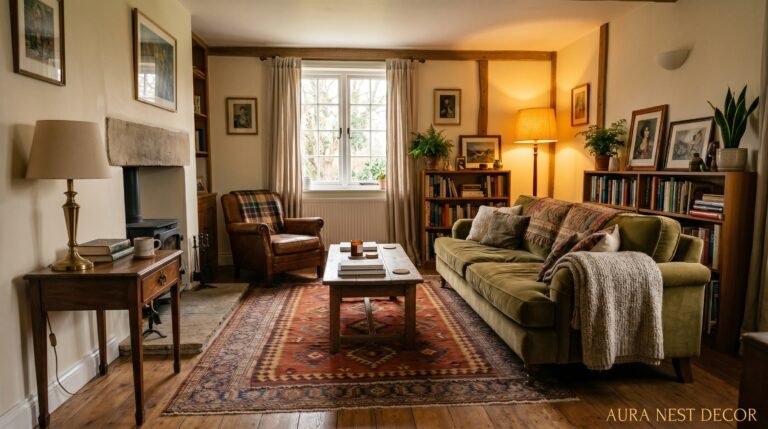
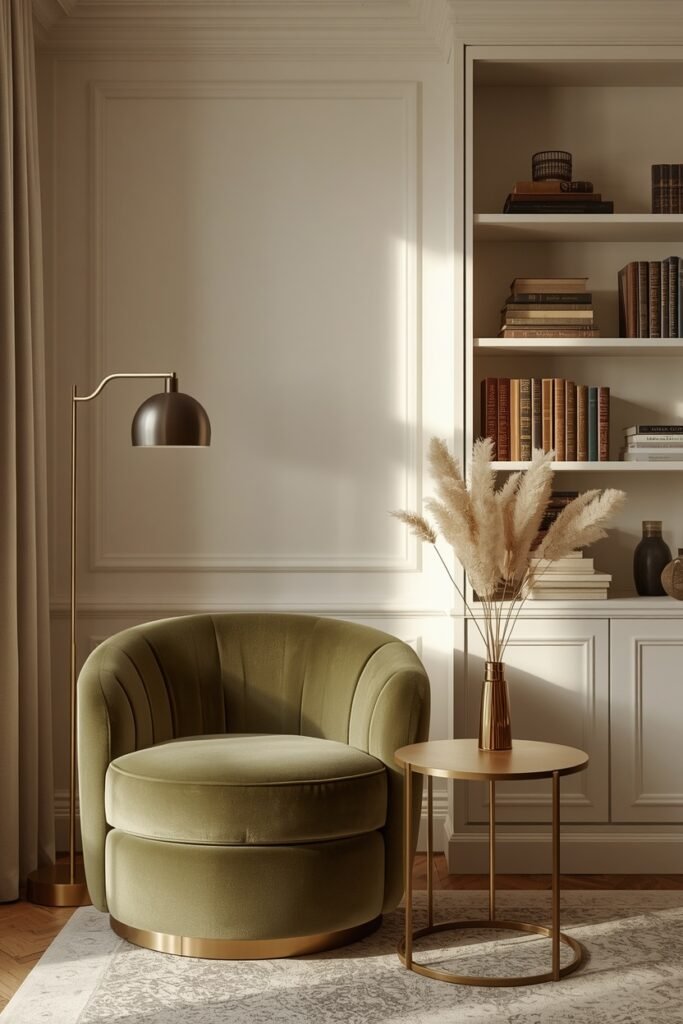
Float your sofa at least 6–8 inches (15–20cm) away from the wall. Angle a chair toward the window. Create a reading nook in a corner with a floor lamp arched overhead. These micro-adjustments communicate that you live in your space, not just around it — and that, more than anything, is what guests respond to.
—
4. Lighting: The One Investment That Pays Off Every Single Evening
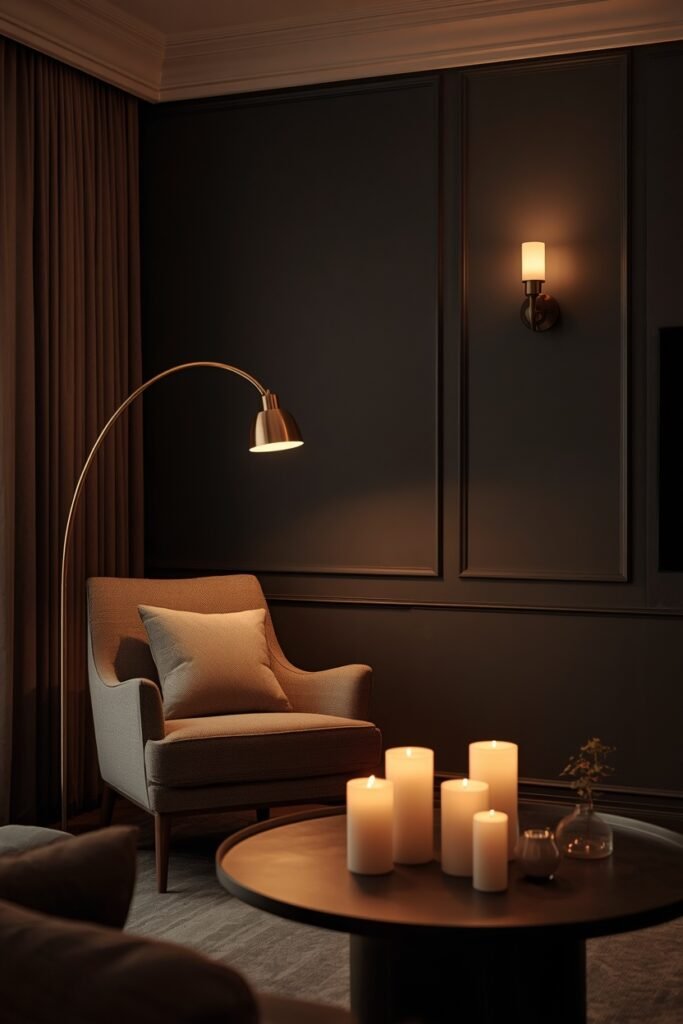
If there is one thing interior designers from Soho penthouses to Edinburgh new-builds agree on, it’s this: overhead lighting is the enemy of atmosphere. The harsh, flat quality of a single ceiling bulb flattens every beautiful thing in your room and makes even designer furniture look cheap.
Luxury lighting is layered. You want ambient light (a soft overall glow), task light (a reading lamp, a table lamp), and accent light (LED strips behind a TV unit, a backlit shelf, a candle grouping). Aim for at least three separate light sources in your living room, and use warm-toned bulbs — 2700K is the sweet spot for that golden, flattering glow.
In the UK, floor-standing arched lamps from retailers like Next Home, IKEA, or John Lewis can transform a corner for under £80. In the US, similar finds at Target, World Market, or HomeGoods regularly come in under $60. This is genuinely one of the highest-return investments you can make for your apartment’s ambiance.
“The right light doesn’t just illuminate a room — it transforms the emotional temperature of the entire space.”
Dimmer switches, where your lease allows, are a game-changer. If you can’t install them, smart bulbs like Philips Hue allow you to control brightness from your phone — and they work in standard US and UK socket types alike.
—
5. The Art of Layering Textiles (And Why Your Sofa Is Half-Dressed)
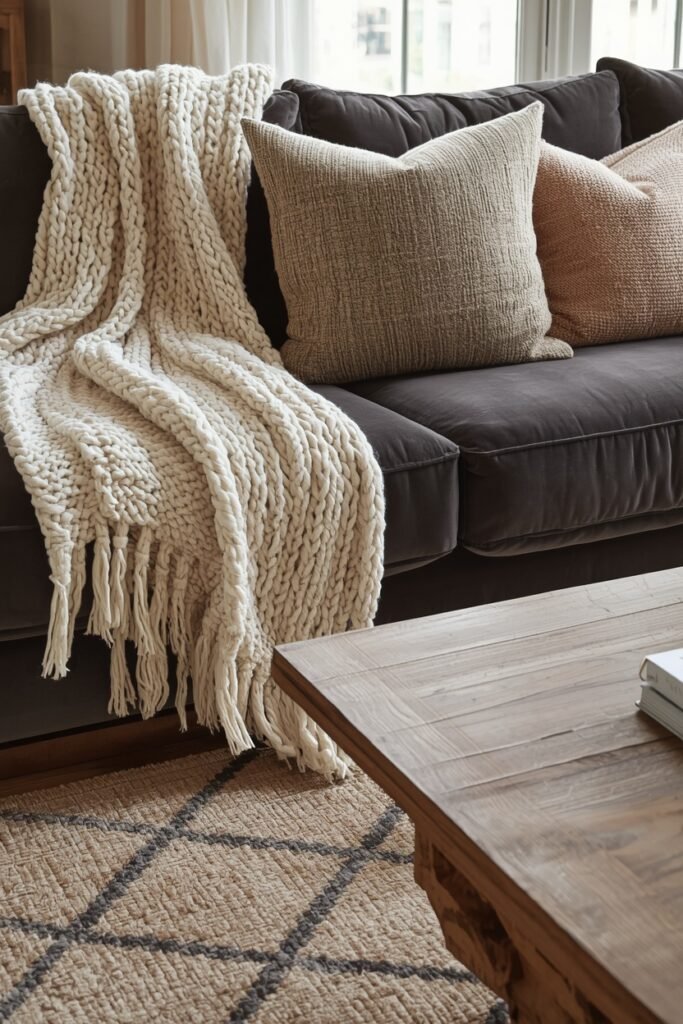
A luxury living room feels touchable. It invites you in not just with its eyes but with the promise of physical comfort. That comes almost entirely from textiles — and most apartments are desperately under-layered in this department.
Think of your sofa as a bed you’re making every morning. Start with a throw — something substantial, like a chunky-knit wool blanket or a soft velvet drape. Add cushions in at least two sizes, mixing textures: a linen cushion beside a velvet one beside a boucle one. Odd numbers feel more organic: three, five, or seven cushions beat four every time.
Extend the textile story to the floor with a rug generous enough to sit the front legs of all your seating on it — at least 8×10 feet (240x300cm) for a standard living room. A rug that’s too small is one of the most common styling mistakes in apartments, and it visually shrinks the entire space.
Curtains deserve special attention. They should hang from ceiling to floor, not from the top of the window frame. This elongates the walls, adds drama, and instantly gives any apartment a sense of height and grandeur that no amount of furniture can replicate.
—
6. Statement Art That Doesn’t Cost a Fortune
A blank wall in an apartment living room is a missed opportunity. But art doesn’t need to be expensive to be impactful — it needs to be bold.
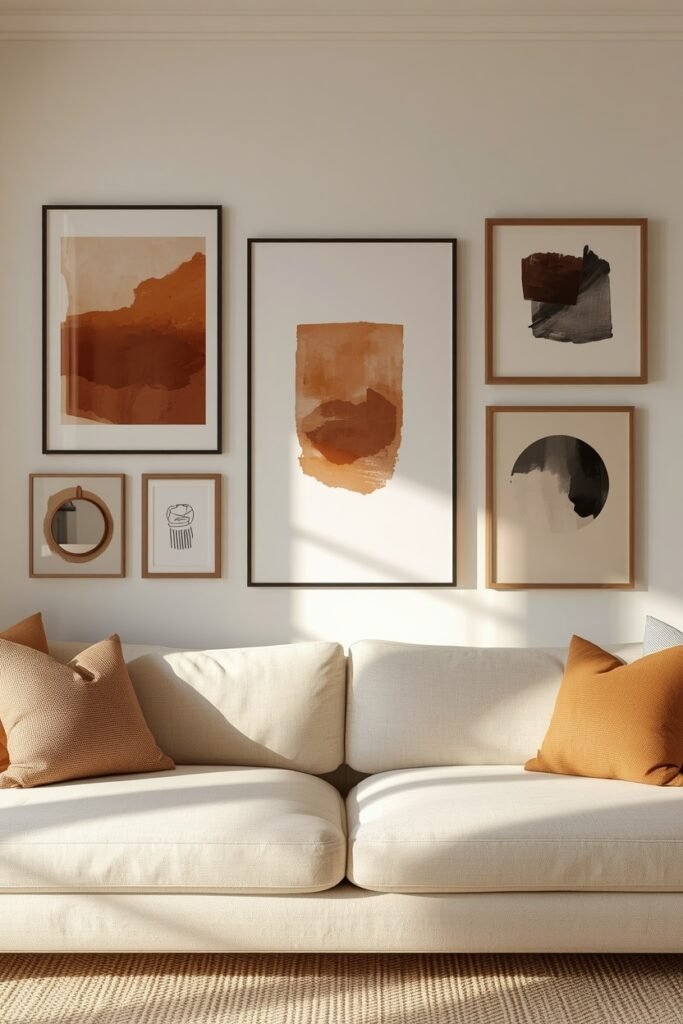
The most effective approach is scale. A single large-format print (24×36 inches / 60x90cm or bigger) will always read as more luxurious than a collection of small frames scattered arbitrarily. Think about what you’re drawn to: abstract colour fields, botanical prints, architectural photography, vintage maps, or even blown-up personal photographs printed through a professional service like Artifact Uprising in the US or Photobox in the UK.
For gallery walls — which remain genuinely beautiful when done thoughtfully — lay your arrangement out on the floor first. Stick to one unifying element, whether that’s the frame colour, the subject matter, or the colour palette. Inconsistency is what makes gallery walls look chaotic rather than curated.
—
7. Bringing Nature Indoors: The Trick That Works in Every Style
There is something undeniably grounding about living things inside a home. Whether you have floor-to-ceiling windows or a single north-facing window in a basement flat, there are plants that will thrive in your specific conditions — and they will elevate your living room in a way that no amount of decor shopping can replicate.
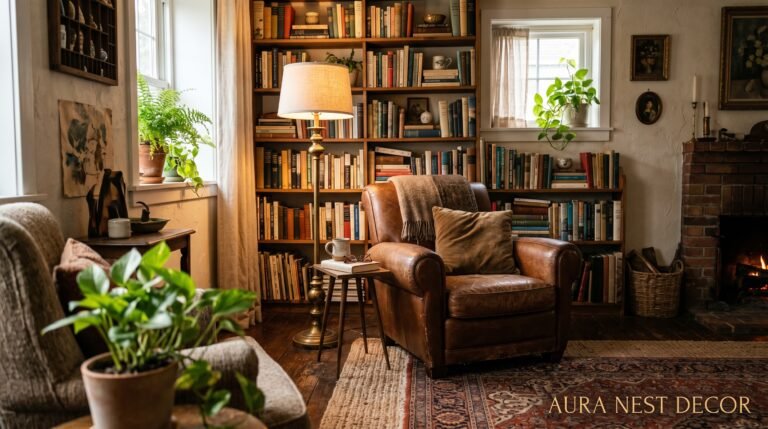
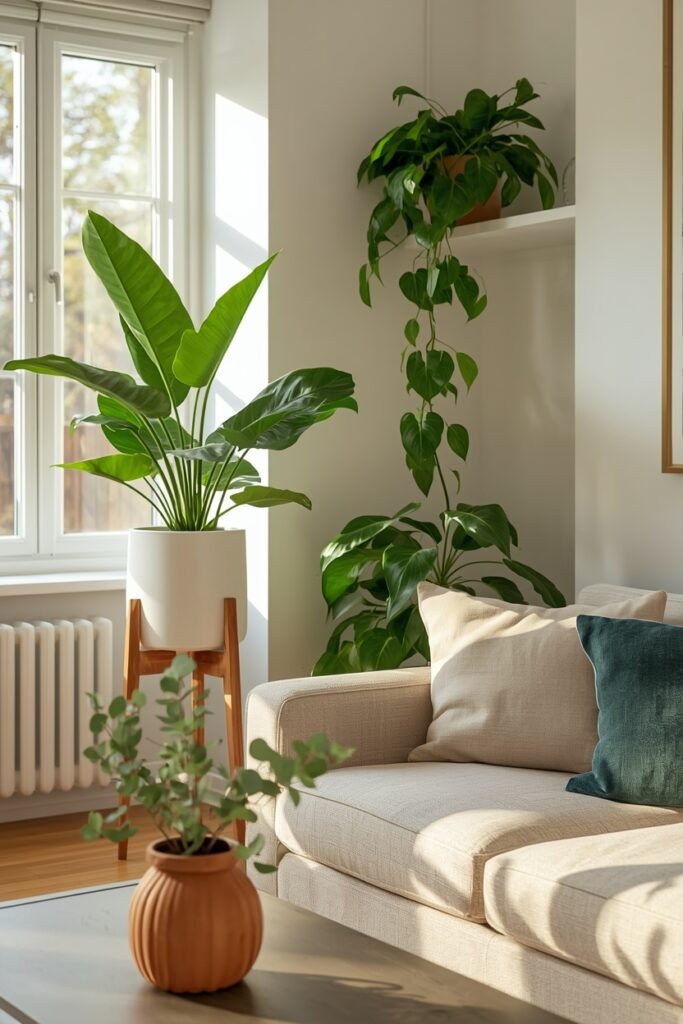
Larger plants like fiddle leaf figs, monsteras, or bird of paradise create immediate architectural impact in corners. Trailing plants like pothos or string of pearls add softness to shelves and bookshelves. For low-light apartments — common in older UK terraced houses and north-facing city studios — cast iron plants, ZZ plants, and snake plants are virtually indestructible.
Don’t overlook dried botanicals either. Dried pampas grass, preserved eucalyptus, and dried seed heads have an elegant, quiet beauty that requires zero maintenance and suits both modern and classic interior styles.
—
8. The Bookshelf Styling Method Interior Designers Actually Use
A beautifully styled bookshelf communicates something about the person who lives there — it suggests depth, curiosity, and taste. And when it’s done well, it looks effortlessly expensive even when almost nothing on it cost very much at all.
The method designers use is simple: break your shelves into thirds. One third books (some horizontal, some vertical, some facing backwards for visual calm), one third decorative objects (vases, candles, small sculptures), and one third intentional negative space. That last third is the hardest for most people — the resistance to leaving space empty. But negative space is what makes every other object read with more presence and intention.
Group objects in odd numbers and vary heights within each grouping. A tall vase beside a small stack of books beside a single candle creates visual rhythm that your eye finds genuinely pleasing.
“A well-styled shelf isn’t about owning more beautiful things — it’s about giving the things you own room to breathe.”
—
9. Small Space Luxury: Making a Studio or One-Bedroom Apartment Feel Expansive
Living in a studio apartment in Brooklyn or a one-bedroom flat in Birmingham doesn’t mean sacrificing the feeling of luxury. It means being smarter about every single choice.
Mirrors are your greatest ally. A large mirror — ideally leaning against a wall or hung opposite a window — doubles the perceived size of your room and bounces natural light back into the space. Antiqued brass or brushed gold frames read as particularly elevated right now in both US and UK design trends.
Furniture with legs is another key principle. Sofas, chairs, and coffee tables that sit off the floor create visual breathing room underneath, making the whole room feel lighter and more spacious than solid, floor-hugging pieces. The eye can travel further, and the room exhales.
Multifunctional furniture — a storage ottoman, a sofa bed with clean lines, a nesting coffee table set — keeps small spaces uncluttered without sacrificing comfort. The golden rule in small luxury spaces is this: every piece should earn its place at least twice over.
—
10. The Power of Scent: The Luxury Detail Everyone Overlooks
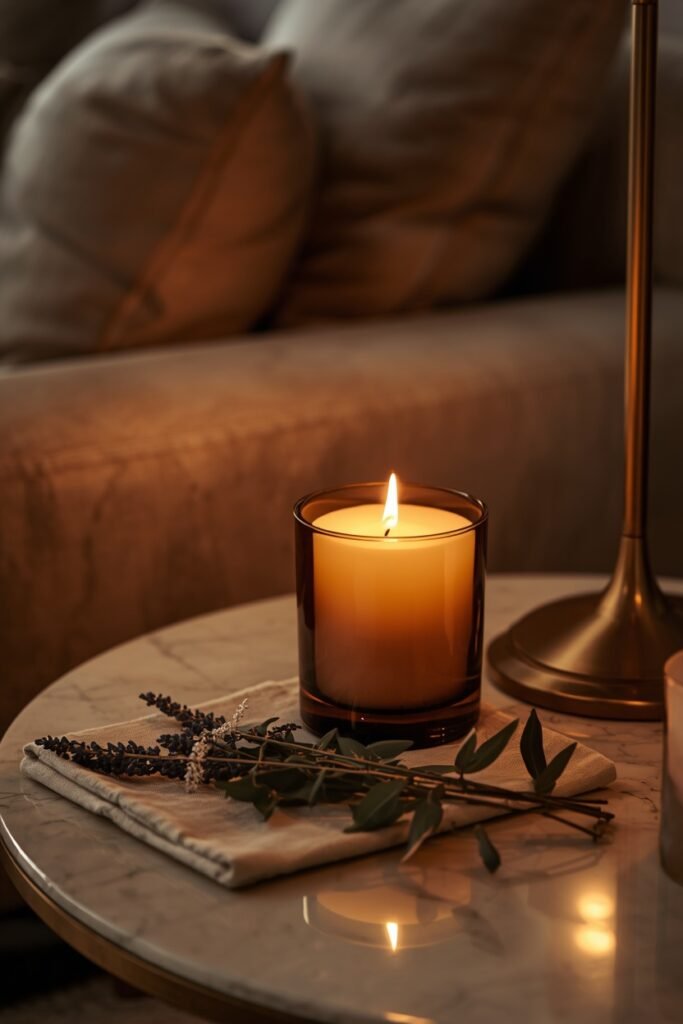
You can design the most beautiful living room in the world, and the moment someone walks in and it smells stale or neutral, the illusion cracks slightly. Scent is the invisible layer of luxury that almost nobody talks about but everybody experiences.
High-end candles from brands like Diptyque, Paddywax, or Boy Smells in the US — or Neom, Jo Malone, or Cowshed in the UK — work wonderfully, but you don’t need to spend $60 on a candle to get this right. A reed diffuser in a quality home fragrance (fig, white tea, sandalwood, and cedar all read as refined) works beautifully at a fraction of the price.
Scent memory is extraordinarily powerful. When your living room has a consistent, beautiful fragrance, it becomes more than a visual experience — it becomes a sensory world your guests remember long after they’ve left.
—
11. Curating, Not Collecting: The Edit That Makes Rooms Shine
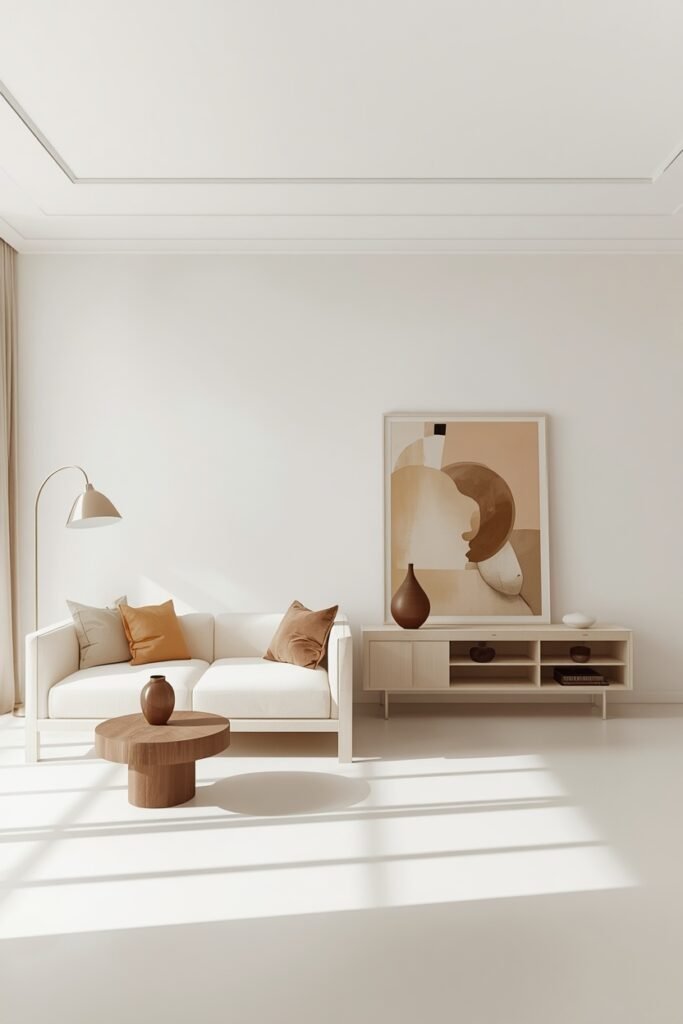
The most luxurious apartment living rooms have one thing conspicuously absent: clutter. This doesn’t mean minimalism — it means curation. It means choosing fewer things but choosing them more deliberately.
Walk through your current living room with honest eyes. Pick up each decorative object and ask whether you love it or whether it’s simply there by default. Objects that are merely taking up space are actively working against the luxury feeling you’re trying to create — they’re visual noise your brain has to process every time it scans the room.
A curated space feels restful because your eye knows where to land. It feels intentional because every object you kept is clearly loved. And it feels — paradoxically — richer than an overfull room, because abundance without selection reads as abundance without taste.
—
12. The Final Touches That Signal True Luxury (They Cost Almost Nothing)
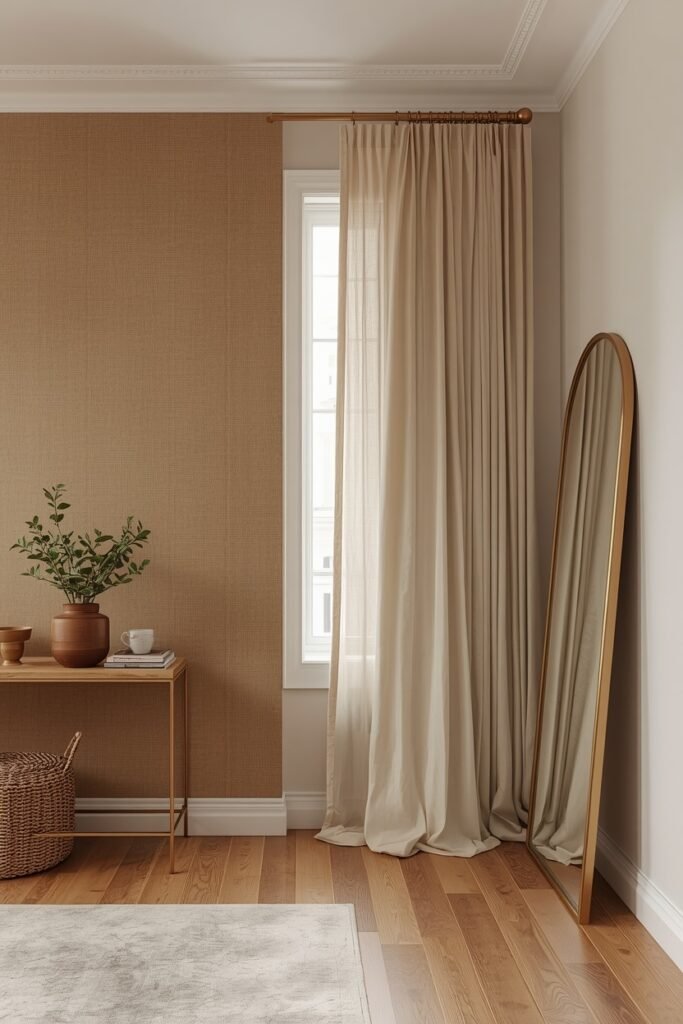
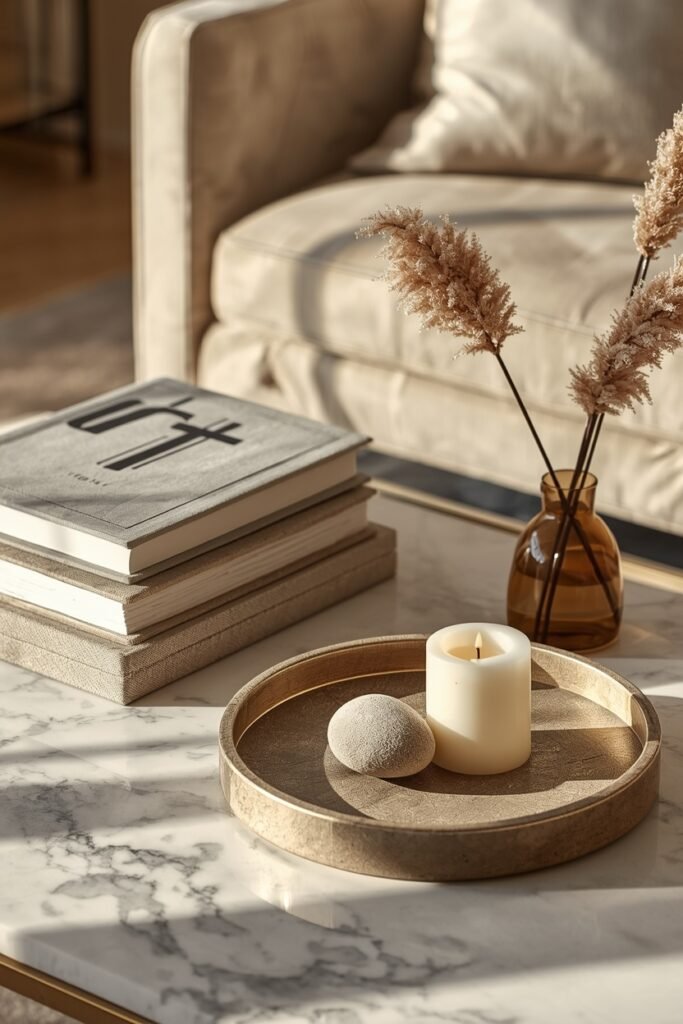
The last five percent of a beautifully styled living room is where the magic truly happens — and almost none of it costs anything significant. A tray on the coffee table corrals remotes and candles into a purposeful vignette. A fresh bunch of white tulips or eucalyptus from the grocery store adds life and fragrance for under $10 or £8. Books stacked with spines facing inward on a shelf create a calm, editorial effect.
Personal touches matter more than you might think — a meaningful ceramic made by a local artist, a photograph printed large and framed simply, a blanket knitted by a family member draped over the arm of a chair. Luxury doesn’t erase the human being who lives there. It frames them.
The difference between a beautiful apartment living room and an extraordinary one is often invisible at first glance. It lives in the scent in the air, the quality of the evening light, the softness underfoot, and the feeling that every single thing in the room is exactly where it’s meant to be.
—
🌿 How to Keep Your Living Room Looking Luxurious Long-Term
Great styling isn’t a one-time event — it’s a gentle, ongoing practice. First, do a seasonal reset every few months: swap out cushion covers, rotate your artwork, introduce a new plant or dried botanical arrangement. This keeps the room feeling fresh without requiring a full overhaul. Second, build a weekly five-minute reset habit — fluff cushions, straighten books, wipe down surfaces, and refresh candles. The cumulative effect of consistency is extraordinary. Third, shop your own home before buying anything new. You’d be surprised how many beautiful objects are sitting in cupboards or in other rooms waiting to be redeployed. Fourth, invest slowly and deliberately. One genuinely beautiful lamp bought carefully will serve your room better than five mediocre pieces bought impulsively. Fifth, photograph your room occasionally. The camera sees things your habituated eye misses — what’s working beautifully, and what’s quietly creating noise.
—
❓ FAQ
Q: How do I make a rented apartment living room look luxurious without permanent changes? A: Focus entirely on the movable elements: textiles, lighting, plants, art leaned against walls rather than hung, and rugs. These four categories alone can transform the entire feel of a rented space without touching a single wall or requiring landlord permission. A large area rug, layered cushions, an arched floor lamp, and a statement piece of leaned artwork can completely reinvent a bland rental living room.
Q: What’s the best budget for decorating an apartment living room to look expensive? A: You can create a genuinely luxurious living room feel for between $300–$600 in the US or £250–£500 in the UK if you prioritise strategically. Spend the majority on a quality area rug and one great light source — these two items carry more weight than anything else. Use the remaining budget on textiles and a few carefully chosen decorative objects rather than spreading thinly across many categories.
Q: Which interior design styles work best for small apartment living rooms? A: Styles that embrace restraint tend to translate best to smaller spaces. Japandi (the beautiful fusion of Japanese minimalism and Scandinavian warmth) works exceptionally well in both US and UK apartments, as does Modern Organic with its natural textures and warm neutrals. Both styles prize quality over quantity, which naturally suits the curation approach that makes small spaces feel luxurious rather than cramped.
—
💭 Final Thought
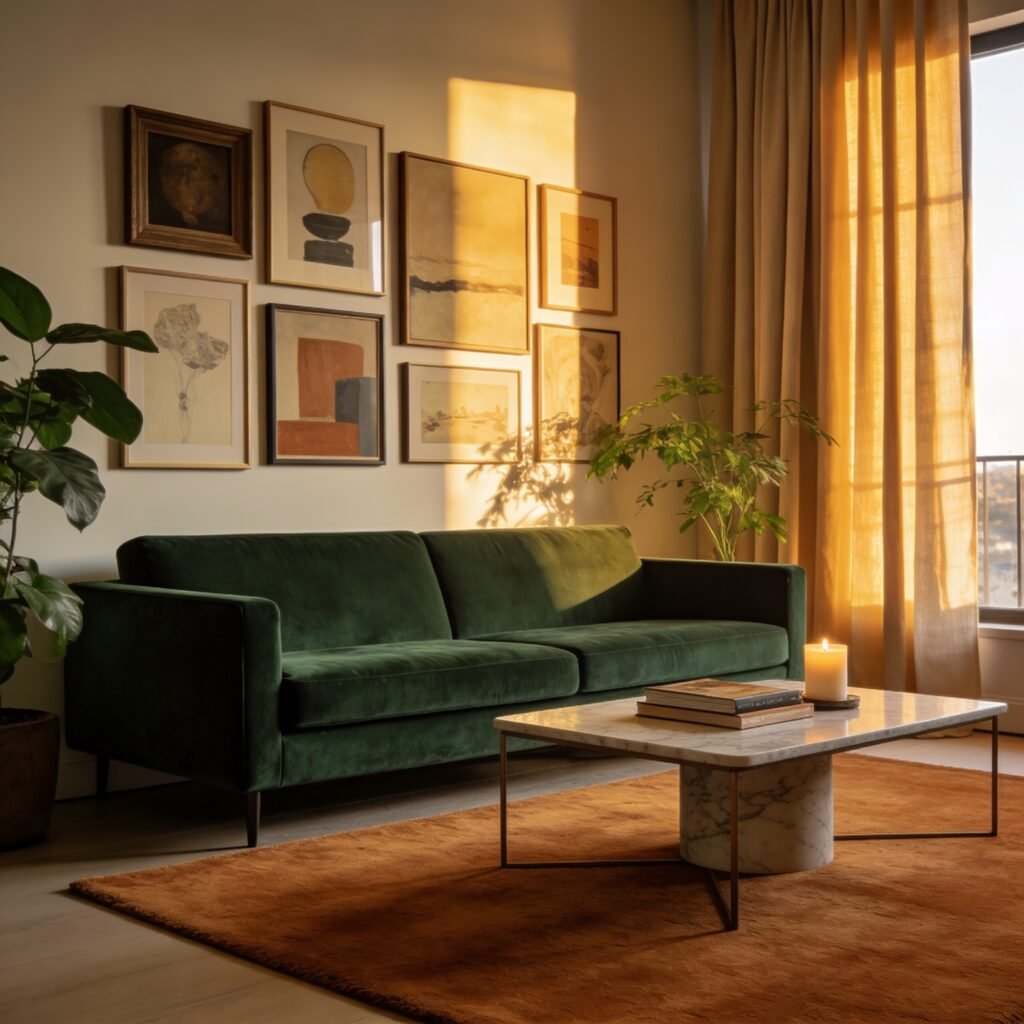
Your apartment living room doesn’t need more things — it needs more intention. The most extraordinary home spaces in the world are extraordinary not because of what was added, but because of the clarity with which every choice was made. You deserve to come home to a space that genuinely restores you, that makes guests pause in the doorway, that feels like a reflection of your very best self. That space is already within reach — sometimes it’s closer than you think. So tell me: if you could change just one thing in your living room tomorrow, what would it be?