Small Apartment Living Room Decor Ideas That Feel Impossibly Luxurious (Without the Price Tag)
You walk through the front door after a long day, and instead of feeling the familiar squeeze of a compact living room, something stops you — a sense of space, warmth, and beauty that makes you exhale. That’s the promise of modern luxury in a small apartment, and it’s more achievable than you think.
—
1. Why Small Spaces Are Actually the Secret to Better Design
There’s a quiet revolution happening in apartments across London, New York, Chicago, and Manchester. People are done apologizing for their square footage. Instead, they’re leaning into it — treating compact living rooms as an opportunity for precision, intentionality, and genuine style.
Here’s the truth that interior designers have known for decades: constraints breed creativity. When you don’t have 400 square feet of living room to fill, every single choice matters. Every cushion, every lamp, every piece of art earns its place. That kind of curation? That’s what luxury actually looks like — not a room stuffed with expensive things, but a room where nothing is accidental.
Think of a boutique hotel room in Edinburgh or a designer studio apartment in Manhattan’s West Village. Neither is large. Both feel extraordinary. The difference isn’t money — it’s the deliberate, layered approach to design.
“Luxury isn’t about size. It’s about the feeling a room gives you the moment you walk in.”
If you’ve been waiting until you move somewhere bigger to start decorating properly, stop waiting. Your small living room deserves the full treatment right now.
—
2. The Color Palette That Makes a Small Room Feel Like a Suite
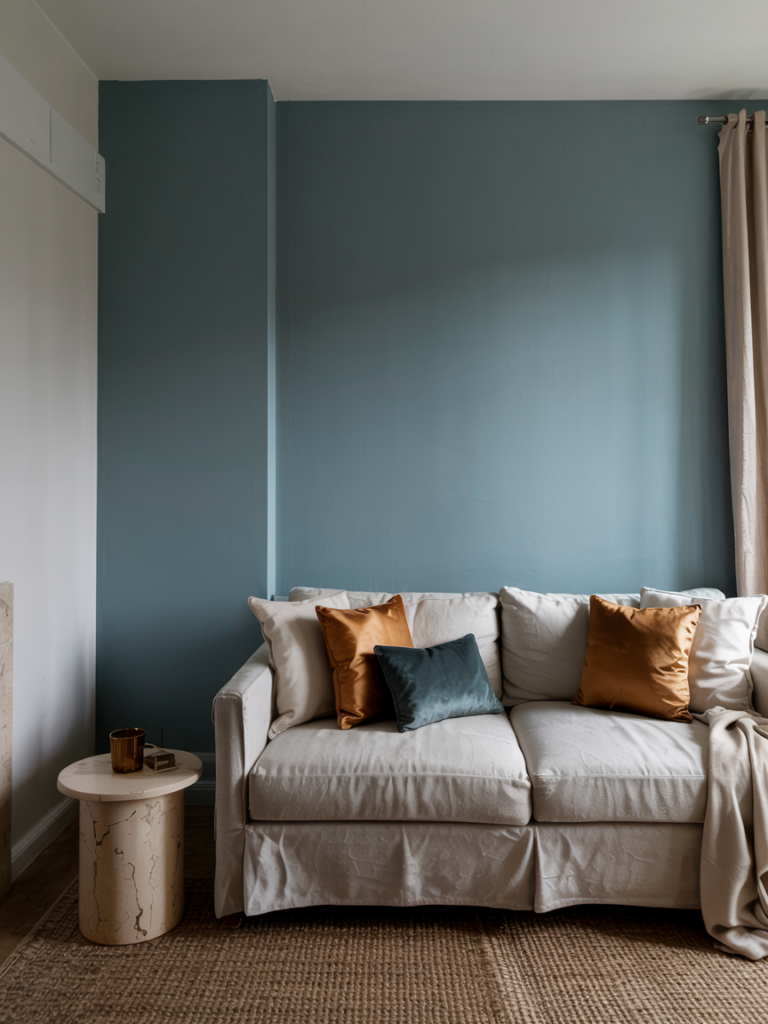
Color is the single most powerful tool you have in a small space, and the old rule about white walls making rooms feel bigger? It’s only half the story.
Yes, pale walls create a sense of airiness — and shades like soft chalk white, warm greige, or barely-there blush work beautifully in compact living rooms. But here’s what truly elevates a small space into something that feels luxurious: contrast and depth used strategically.
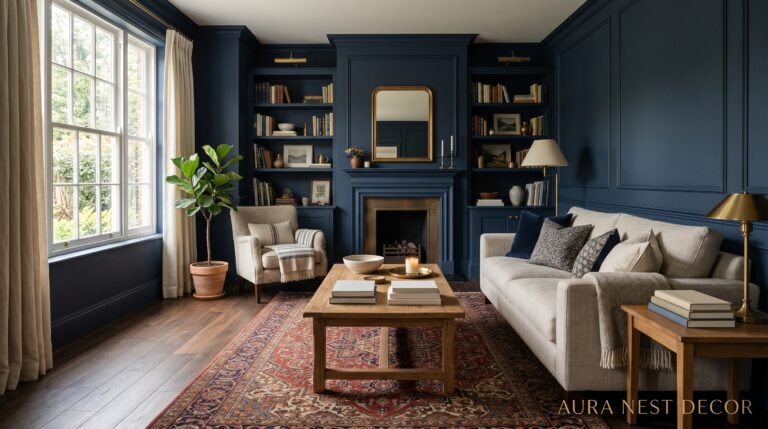
Try painting one wall — ideally the one furthest from your windows — in a rich, saturated tone. Deep sage green, dusty slate blue, or a warm terracotta can transform a bland box into a room with architectural presence. In the UK, Farrow & Ball’s “Mizzle” or “Purbeck Stone” are perennial favorites for this kind of tonal depth. In the US, Benjamin Moore’s “Hale Navy” or “Salamander” achieve similar drama.
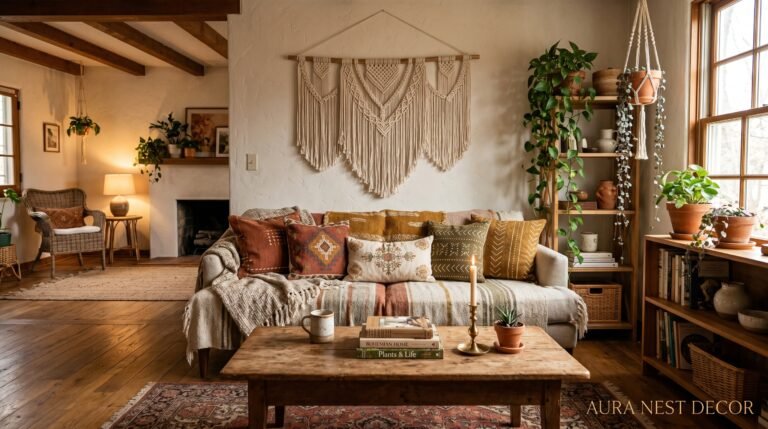
Layer your color in textiles too. A neutral sofa anchored by cushions in two or three coordinating tones — think caramel, cream, and a single hit of forest green — creates that Pinterest-worthy layered look without visual clutter. Color tells a story in a room, and in a small space, that story should feel intentional, warm, and completely yours.
—
3. The Sofa Situation: Choosing the One Piece That Changes Everything
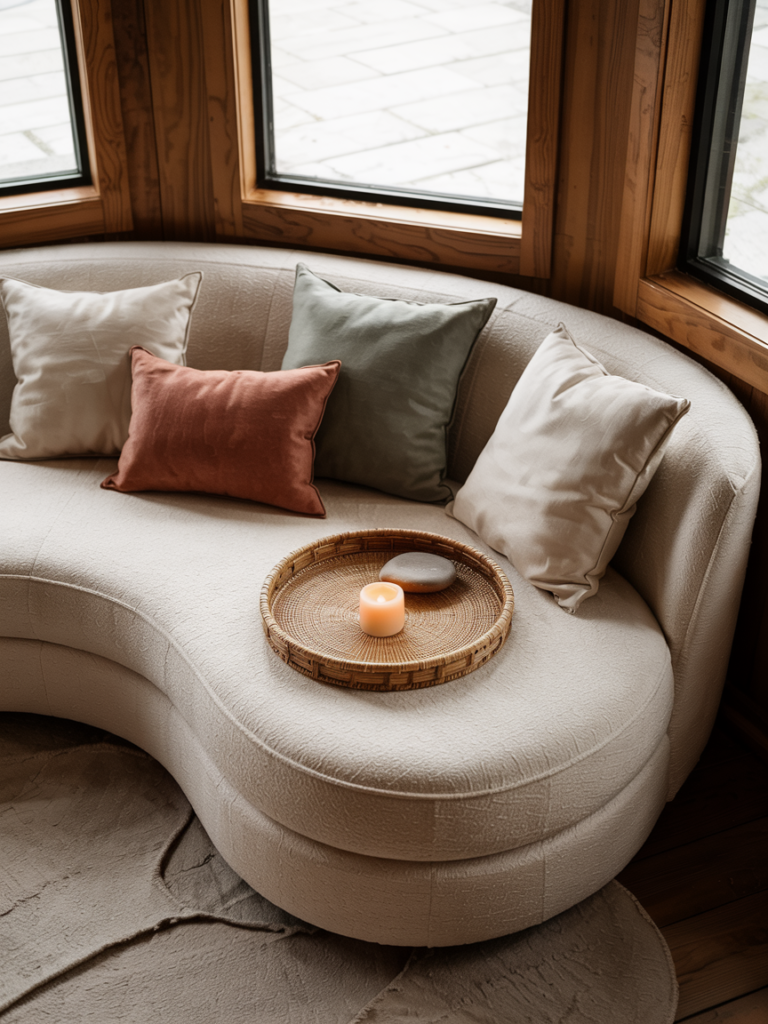
In a small living room, your sofa is doing most of the heavy lifting. It sets the tone, takes up the most floor space, and — if chosen well — becomes the anchor that makes everything else click into place.
The biggest mistake small-apartment dwellers make is going too small with their sofa, thinking it will make the room feel bigger. It almost never does. A properly proportioned sofa — even a generous two-seater or a compact three-seater — grounds the space and signals confidence. A sofa that’s too small just looks like it got lost.
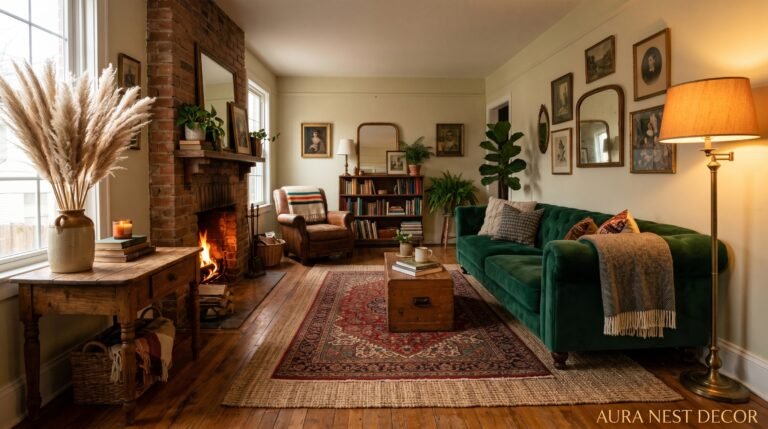
Look for sofas with legs. This is non-negotiable for small spaces. Raised legs allow light to pass underneath, visually lifting the piece and making the floor feel longer. Velvet upholstery in jewel tones — emerald, sapphire, or a deep plum — adds immediate luxury. Bouclé fabric in oatmeal or ivory is having a serious moment on both sides of the Atlantic and ages beautifully.
If you’re shopping in the UK, brands like Swoon, Made.com, and John Lewis offer beautifully designed compact sofas that don’t compromise on feel. In the US, Article and West Elm consistently deliver that balance of modern luxury and apartment-friendly sizing.
—
4. Mirrors: The Oldest Trick in the Book (That Still Blows Minds)
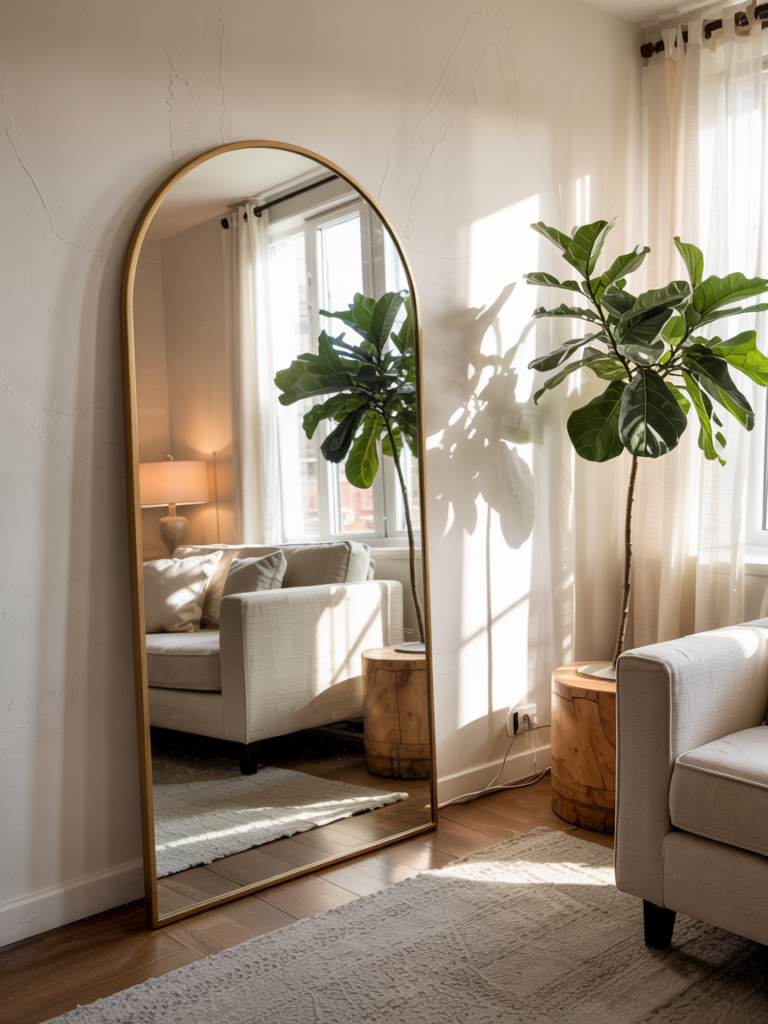
Mirrors have been making small spaces feel larger for centuries, and yet so many people underuse them — either choosing mirrors that are too small or placing them in the wrong spots entirely.
The most effective mirror placement in a small living room is directly opposite a window. This bounces natural light back into the room, creating the illusion of depth and making the space feel almost twice as wide. A large, statement mirror — arched or round, framed in brass, burnished bronze, or natural rattan — does double duty as art and spatial magic.
Don’t be afraid to go big. A mirror that measures at least 90cm (about 36 inches) in diameter creates genuine visual impact. Anything smaller in a compact living room can feel like an afterthought. In modern luxury design, scale is everything — even when working with small spaces.
“A well-placed mirror doesn’t just reflect the room. It transforms it.”
Consider leaning a large floor mirror against a wall instead of hanging it — this casual, relaxed approach feels current and adds height without the commitment of drilling into plaster.
—
5. Lighting Layers That Turn Any Living Room Into an Evening Sanctuary
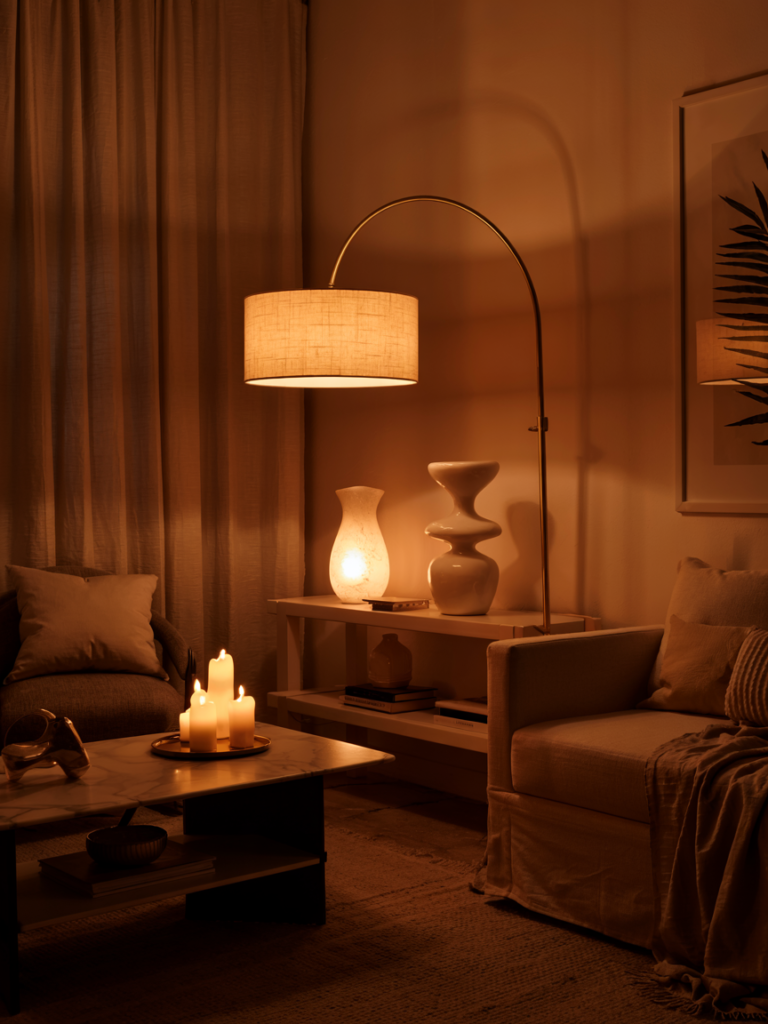
Overhead lighting alone is the fastest way to make a room feel flat, clinical, and frankly, a bit sad. Modern luxury living rooms — whether they’re 800 square feet or 8,000 — use lighting in layers, and this approach is particularly transformative in small spaces.
The formula is simple: ambient light (your main source), accent lighting (for art or architectural features), and task lighting (for reading nooks or side tables). In a compact apartment living room, you might not have room for floor lamps and table lamps and wall sconces all at once — but even two of these three layers makes a remarkable difference.
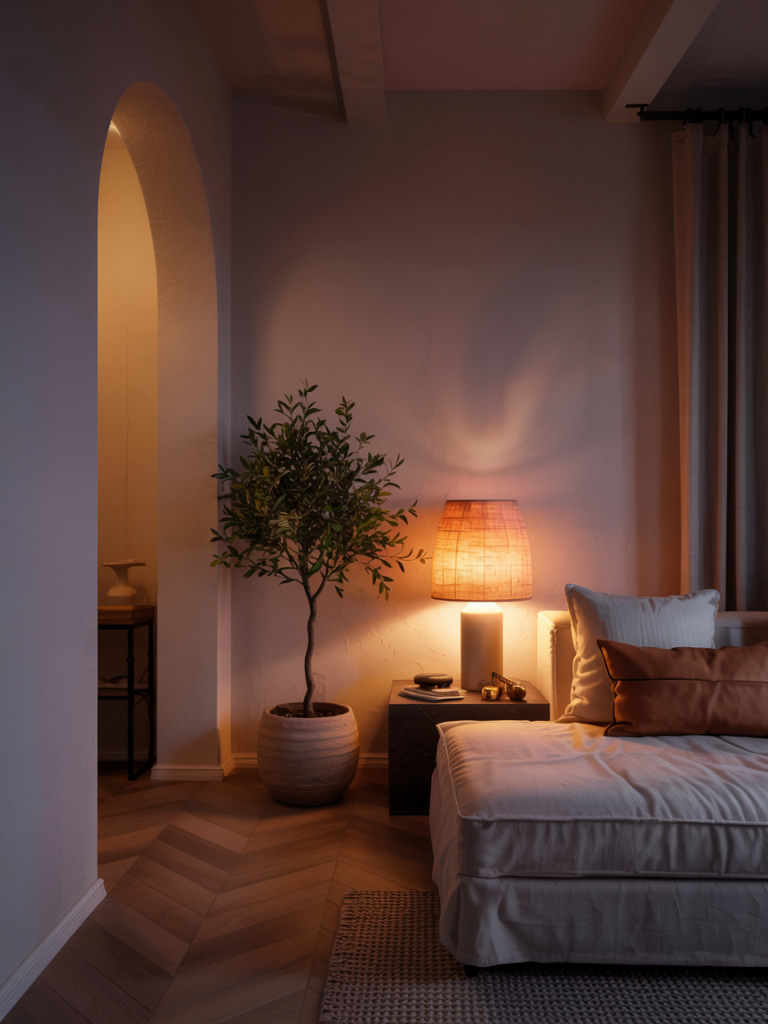
A sculptural table lamp on a side table adds warmth at eye level. A small, directional picture light above a piece of art creates depth. If your ceiling allows it, a pendant lamp — even in a modest living room — immediately draws the eye upward and adds a hotel-suite quality that overhead flush fittings simply can’t match.
Warm bulbs are essential: aim for 2700K–3000K color temperature. This creates that golden, flattering glow that makes everyone and everything look better. Cold white light, however energy efficient, kills the atmosphere that luxury design depends on.
—
6. The Art of the Gallery Wall in a Small Space
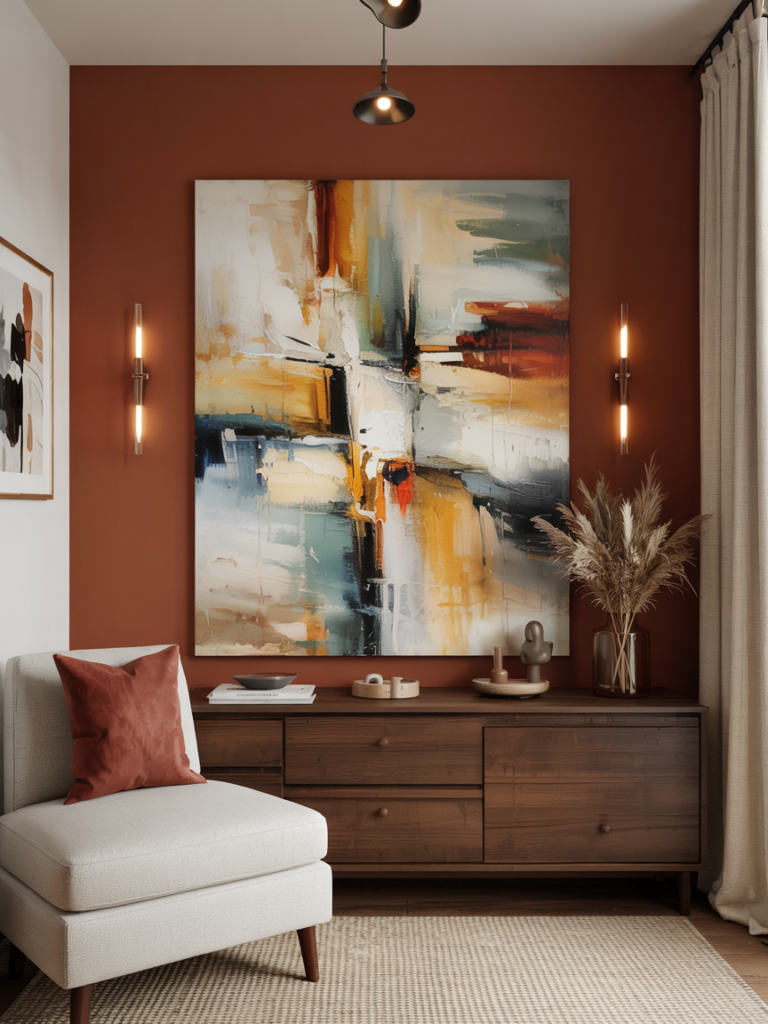
Gallery walls are often dismissed as too busy for small apartments. But done thoughtfully, they’re one of the most effective ways to create the impression of a curated, intentional home — the kind of home that looks like it belongs in an interiors magazine.
The key is cohesion. Choose a palette for your prints and frames — all black frames, all natural wood, or all brushed brass — and stick to it. Mix sizes intentionally: one or two larger anchor pieces with several smaller prints around them. Abstract art, botanical prints, and architectural photography all work beautifully in modern luxury living rooms.
In a small space, avoid spreading the gallery wall too wide. A tighter cluster — concentrated around the sofa wall — feels more deliberate and pulls the eye to a specific focal point rather than scattering attention across the room.
In the UK, places like Desenio, Not on the High Street, and Society6 offer affordable art prints that look genuinely luxurious when framed. In the US, Minted and Artifact Uprising are go-to sources for high-quality, design-led prints.
—
7. Furniture That Works Overtime: The Multi-Functional Approach
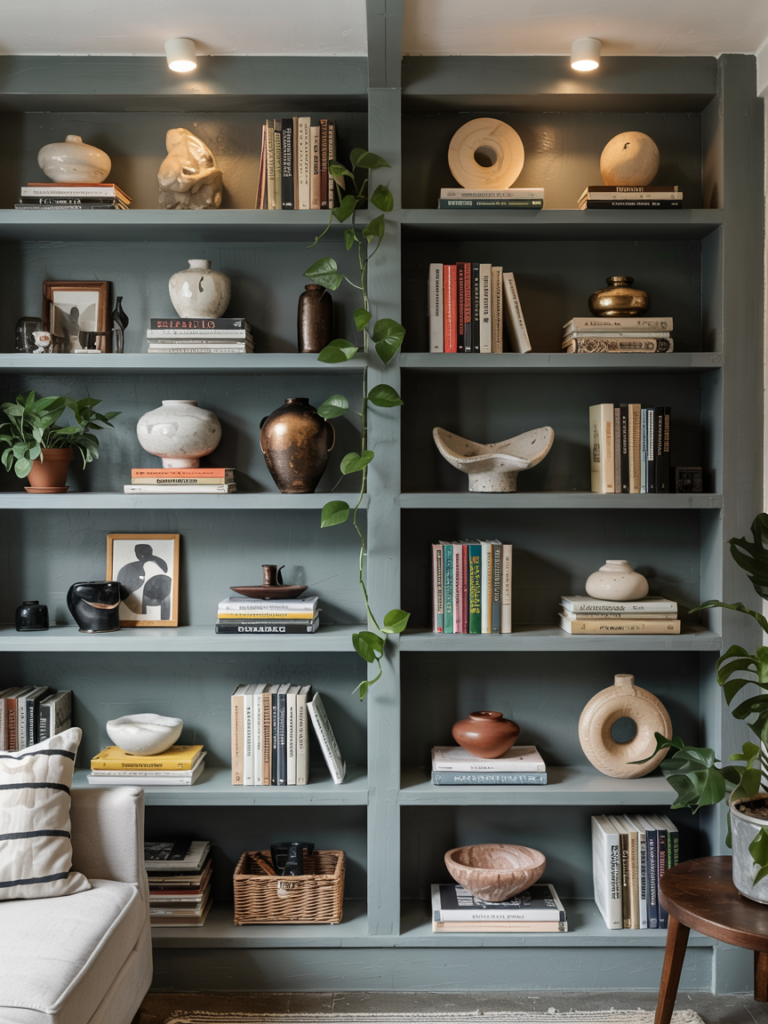
In a small living room, furniture that serves only one purpose is furniture you can’t quite afford. Modern luxury in compact spaces is built on multi-functional pieces that are beautiful first and practical second — in that order.
An ottoman with internal storage is the classic example: stylish enough to anchor a seating arrangement, practical enough to hide throw blankets, board games, or the remote controls you’ve lost seventeen times this month. A nesting side table gives you surface space when you need it and tucks away when you don’t. A slim console table behind the sofa can house books, plants, and table lamps without eating into precious floor space.
The mistake to avoid is buying purely functional pieces that sacrifice style. A storage ottoman in cheap faux leather will always look like what it is. But a velvet, button-tufted ottoman in a deep jewel tone looks like a design choice — and it happens to store your stuff.
“In a small space, every piece of furniture should earn its place twice over — once for how it looks, once for what it does.”
—
8. Rugs: The Foundation That Makes Everything Else Make Sense
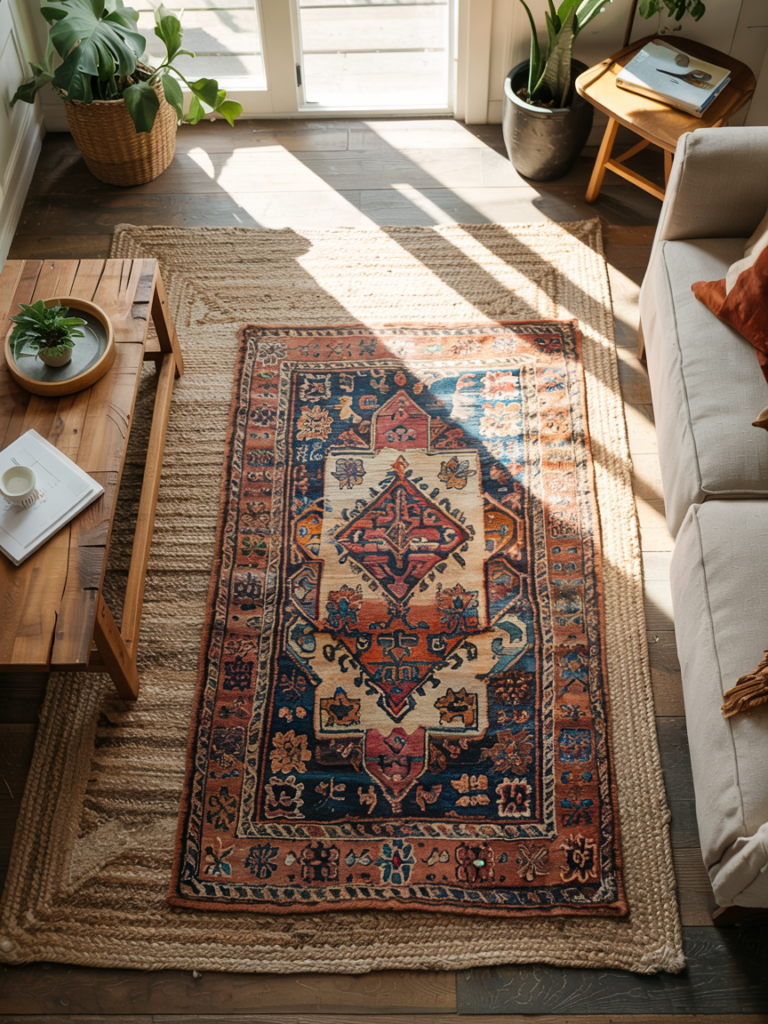
An undersized rug is one of the most common mistakes in small living room design, and it’s one of the easiest to fix. A rug that’s too small makes the furniture look like it’s floating — disconnected and slightly awkward. A rug that’s the right size anchors the whole arrangement and makes the room feel considered.
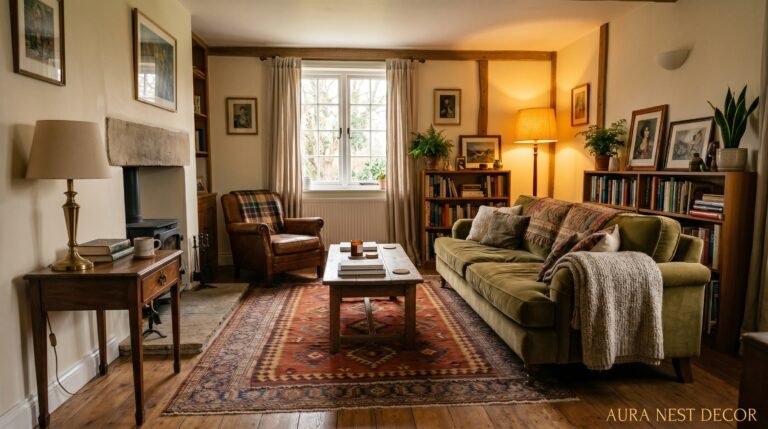
For a small living room, the rug should sit under at least the front legs of the sofa and all four legs of the coffee table. This creates a unified zone that reads as intentional and complete. In very compact spaces, even having the sofa’s front legs on the rug makes a significant visual difference.
In terms of style, a low-pile rug in a warm neutral — ivory, sand, soft terracotta — with a subtle pattern like a faded Moroccan print or a simple geometric keeps the floor grounded without competing with the rest of the room. For a more dramatic modern luxury look, a solid dark rug — charcoal or deep burgundy — adds unexpected depth and makes lighter furniture pop.
—
9. Plants and Greenery: The Life a Room Can’t Fake
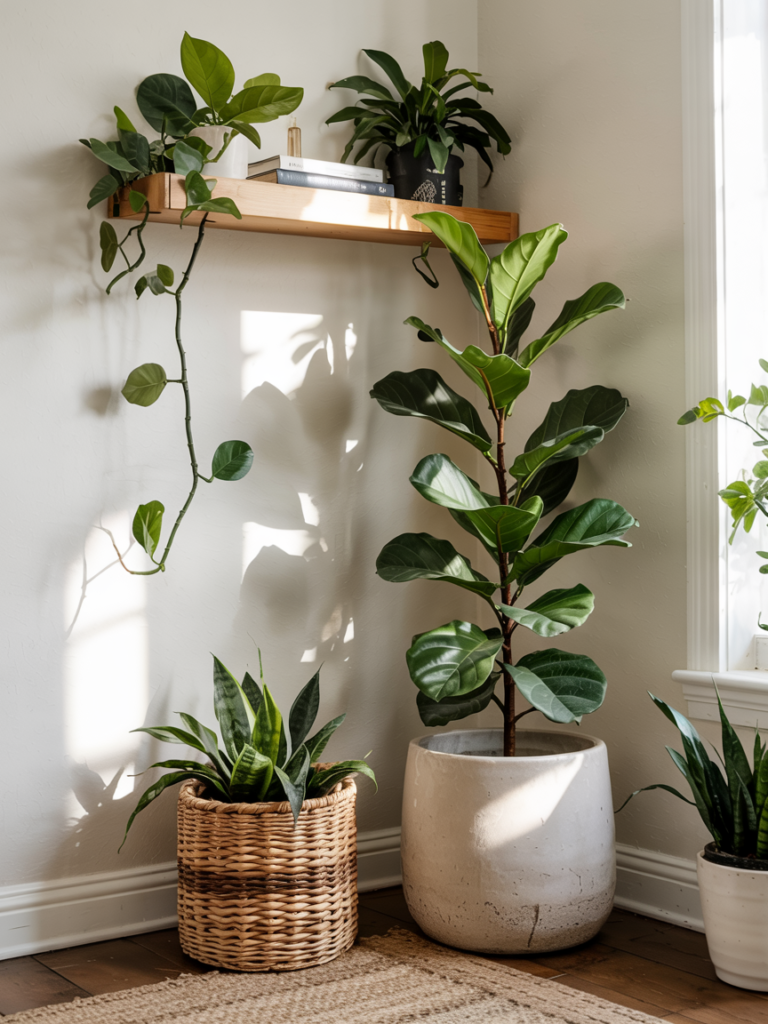
There is something a plant does for a room that no object, no paint color, and no expensive throw can replicate. It breathes. It grows. It reminds you, even on the greyest Tuesday in November, that something alive is sharing the space with you.
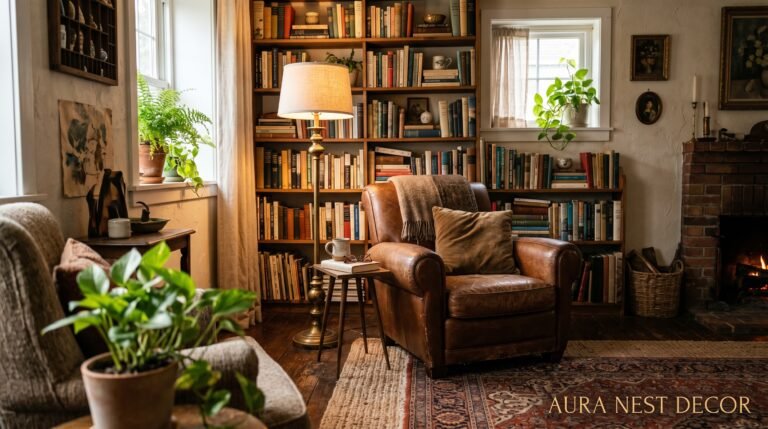
In a small modern luxury living room, a single, well-chosen plant in a beautiful pot is infinitely better than a collection of tiny plants dotted about. A large fiddle leaf fig, a sculptural monstera, or an elegant Bird of Paradise creates immediate vertical interest — drawing the eye upward and making the ceiling feel higher. In apartments with limited natural light, consider a hardy cast iron plant, a ZZ plant, or a striking sanseveria.
The pot matters enormously. Matte white ceramic, speckled stoneware, or handthrown terracotta all add that artisan, designer quality that elevates the whole room. A beautiful plant in an ugly plastic pot is a missed opportunity.
—
10. Texture Is What Transforms a Pretty Room Into a Luxurious One
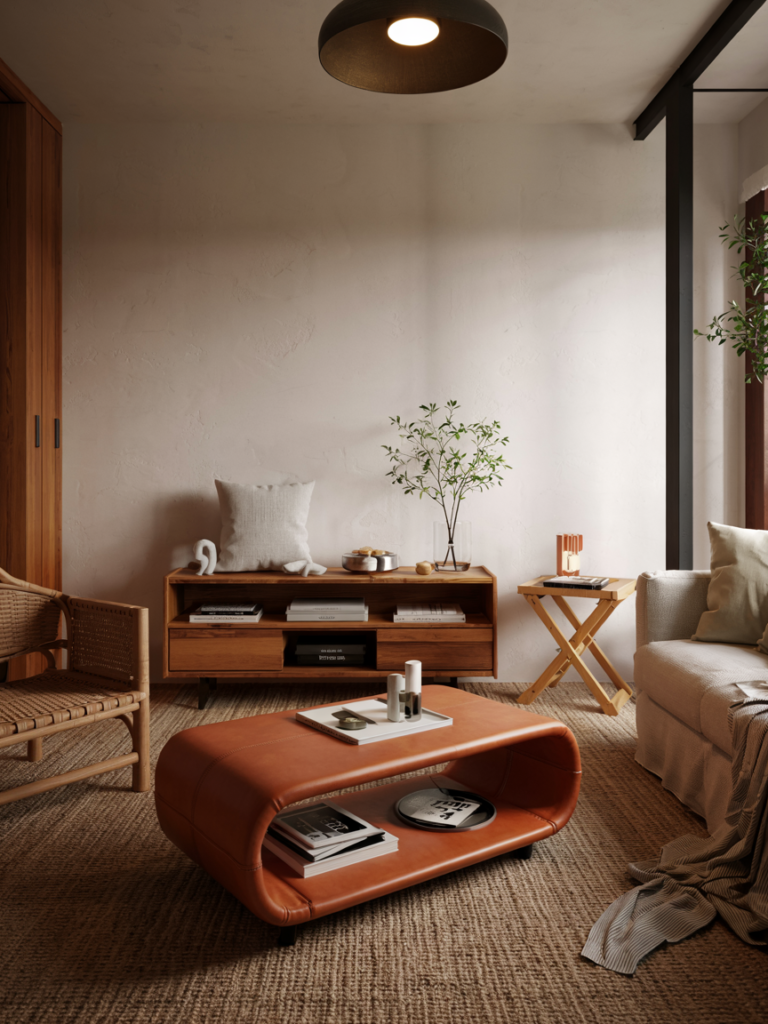
If you look at any living room that genuinely feels luxurious — in a magazine, on Pinterest, in someone’s home that makes you quietly envious — what you’re responding to is texture. Layers of it, in different materials that catch the light differently and feel different beneath your hand.
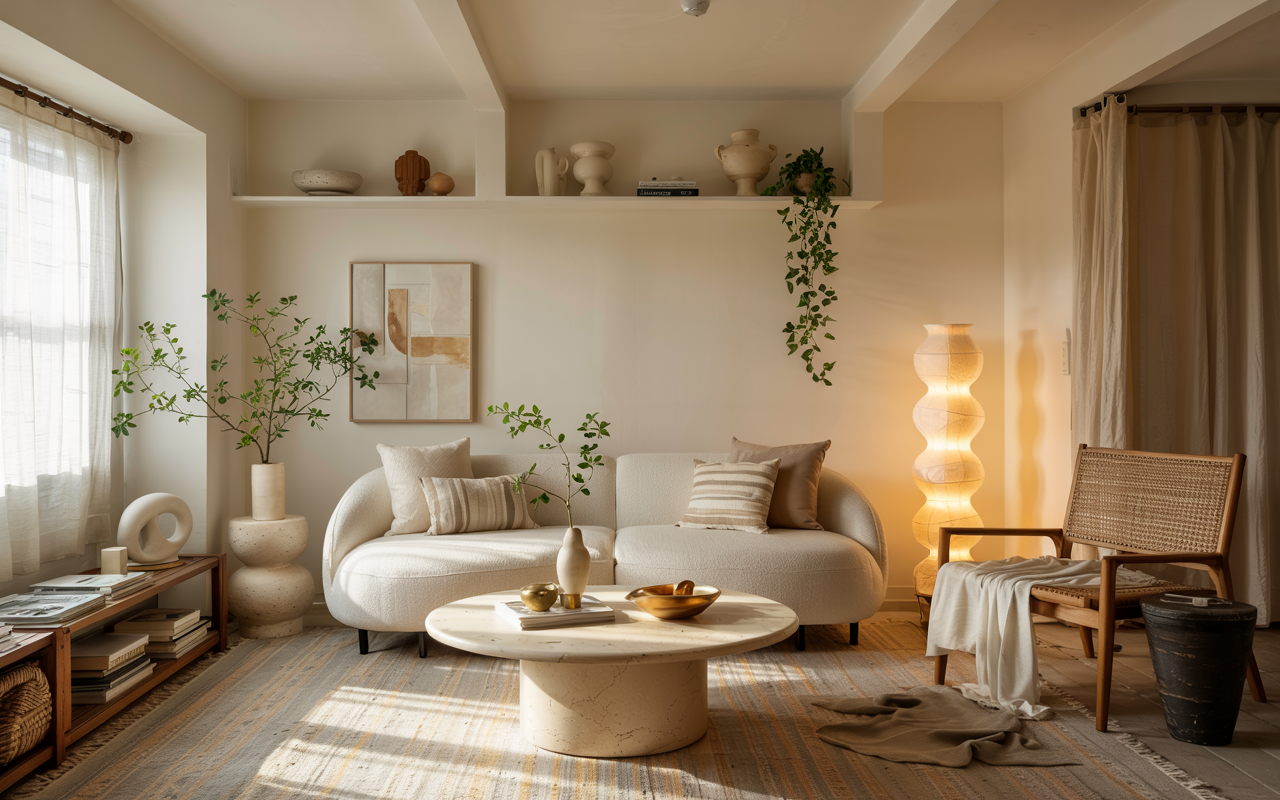
In a small living room, texture is especially important because it adds richness without adding bulk or visual clutter. A linen sofa. A chunky knit throw. A jute rug. A woven rattan side table. A ceramic lamp base. A velvet cushion. None of these items need to be expensive — but together, they create a sensory experience that pure minimalism can’t touch.
The modern luxury approach to texture is mixing materials across three categories: natural (wood, stone, linen, rattan, cotton), metallic (brass, bronze, matte gold), and soft (velvet, boucle, faux fur). When all three are present in a room, even a small one, it feels complete and deliberate.
—
11. The Coffee Table as a Styling Moment
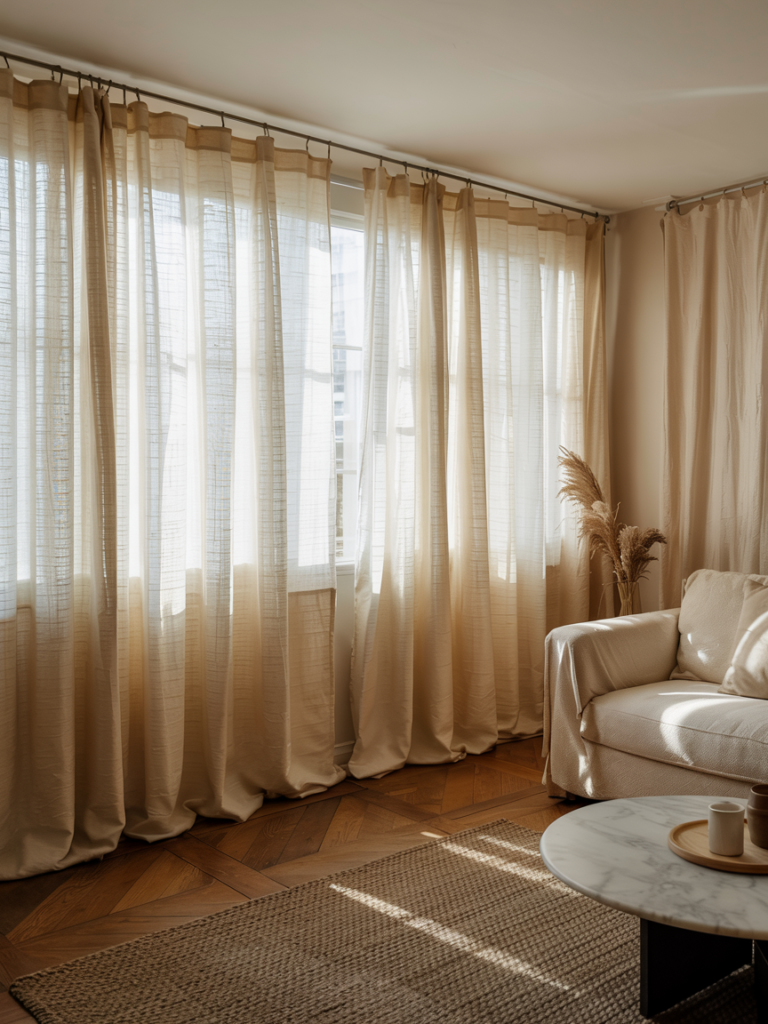
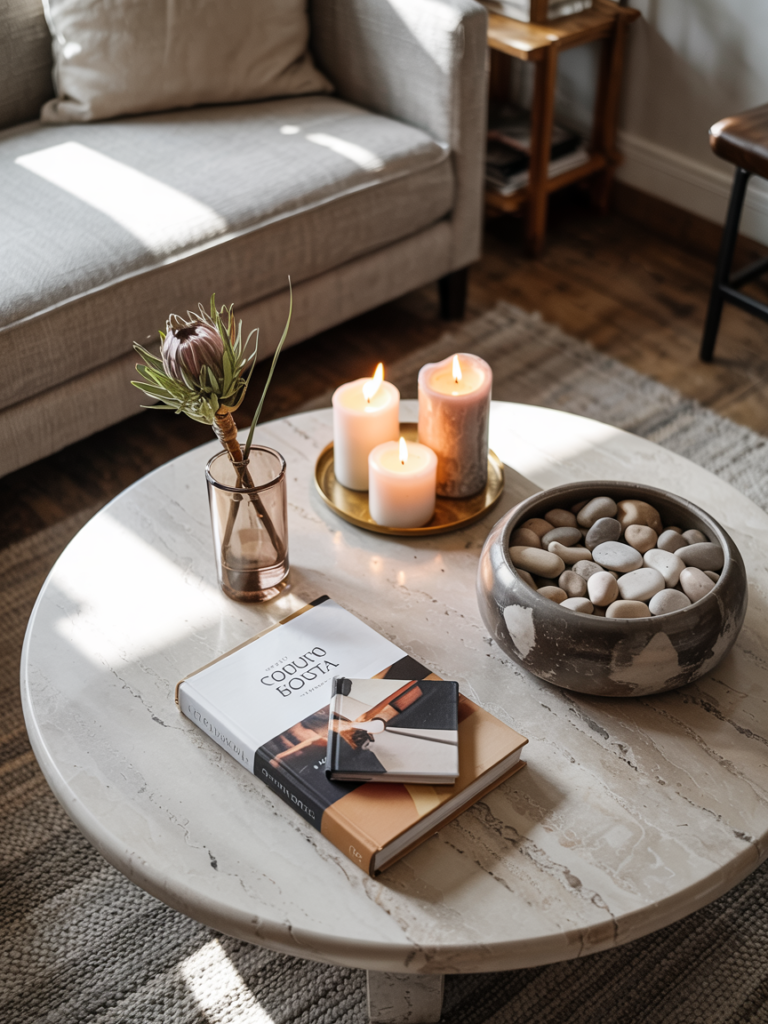
The coffee table is your living room’s center stage — literally the focal point of the main seating area — and styling it thoughtfully takes the room from “put together” to “designed.”
Modern luxury coffee table styling follows a simple principle: group objects in odd numbers, vary the heights, and include something natural. A stack of oversized interiors books (both practical and beautiful), a small sculptural object or candle, and a low bowl with a few dried botanicals or a small trailing plant. That’s it. That’s the whole formula.
Resist the urge to cover every inch. White space on a coffee table is intentional — it communicates confidence, not emptiness. The styling should feel like a moment you created, not a surface you covered.
—
12. The Small Detail That Ties Every Luxury Room Together
Here’s the thing nobody tells you about luxury interior design: the difference between a room that looks expensive and a room that just looks nice is almost always the hardware. The small, often overlooked details — the drawer pulls, the curtain rod finials, the lamp base finish, the side table legs — are what whisper “this was thought about.”
Swap out any builder-grade curtain rods for something in matte black or brushed brass. Replace plastic light switch covers with metal ones (easily available at B&Q in the UK or Home Depot in the US for just a few pounds or dollars). Upgrade your curtain rings, your cushion covers, your throw blanket. These micro-investments signal craftsmanship, and our eyes pick up on them immediately — even when we can’t quite articulate why a room feels more refined.
In a small space, these details are proportionally more impactful because the eye has nowhere else to go. Everything is closer, more visible, more present. This is the small apartment’s secret advantage: the details always show.
—
🌿 How to Maintain Your Modern Luxury Living Room Look
Keeping a small living room looking intentional and fresh isn’t about cleaning — it’s about editing. Here’s how to do it well.
First, practice the “one in, one out” rule. Every time something new comes into your living room — a candle, a cushion, a decorative object — something else leaves or goes into storage. This keeps the room from slowly drifting toward clutter, which is the enemy of luxury in any size space.
Second, refresh your textiles seasonally. Swapping cushion covers and throws between a warm palette in autumn and winter and a lighter, breezier palette in spring and summer costs very little and keeps the room feeling current without a full redesign.
Third, keep surfaces clear in the morning. Before you start your day, take 90 seconds to clear your coffee table and any side tables. A clear surface is a room that exhales, and it sets the tone for how the whole space will feel throughout the day.
Fourth, invest in good quality candles. The scent of a room is its invisible layer of luxury — something a photograph can’t capture but a person walking in immediately registers. In autumn and winter, warm amber and sandalwood scents feel grounding. In spring and summer, clean linen or fig leaf brings in a sense of freshness.
Fifth, revisit your layout every six months. Even small changes — rotating the angle of a chair, moving a side table — can make a familiar room feel refreshed and new.
—
❓ FAQ
Q: How do I make my small living room look more expensive on a budget? A: Focus on a few high-impact changes rather than many small ones. A large, well-framed piece of art, a quality throw blanket, and switching to warm-toned lightbulbs cost relatively little but dramatically shift the feeling of a room. Hardware upgrades — curtain rods, cushion covers, drawer pulls — are also among the most cost-effective ways to elevate a space.
Q: What furniture layout works best for a small living room? A: Place your sofa against the longest wall, or float it slightly away from the wall if the room allows, facing a clear focal point like a TV unit, fireplace, or statement piece of art. Keep walkways at least 18 inches (45cm) wide, and resist pushing all furniture flush against the walls — this actually makes a room feel smaller, not larger.
Q: Can dark colors really work in a small living room? A: Absolutely — and often beautifully. Dark walls in a small room can create a cocooning, intimate atmosphere that feels genuinely luxurious rather than cramped. The key is to ensure you have good lighting — both natural and layered artificial light — and to balance dark walls with lighter upholstery, metallic accents, and mirrors to keep the room from feeling heavy.
—
💭 Final Thought
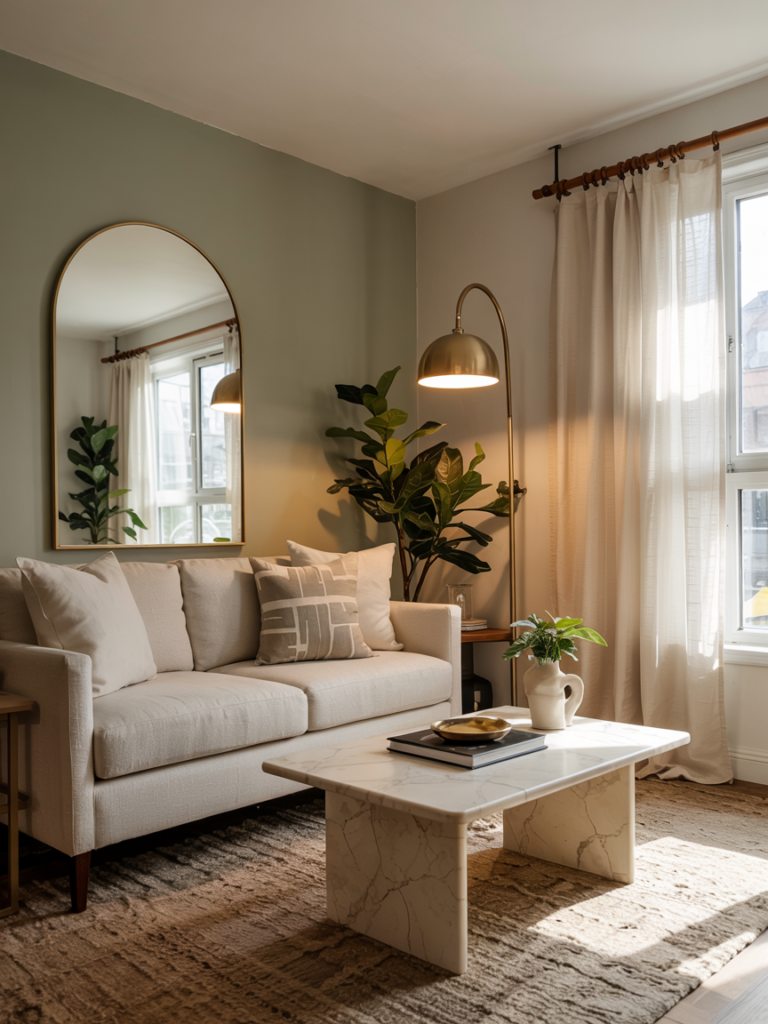
Your small living room isn’t a compromise. It’s a canvas — one that asks you to be more intentional, more creative, and more deliberate than a sprawling space ever could. The most beautiful rooms on Pinterest aren’t beautiful because they’re big. They’re beautiful because someone cared deeply about every choice inside them.
So here’s what I’ll leave you with: if you could change just one thing about your living room this weekend — just one — what would it be?