
The Soul of a Room Lives in Its Details: How Interior Accessories Transform a House Into a Home
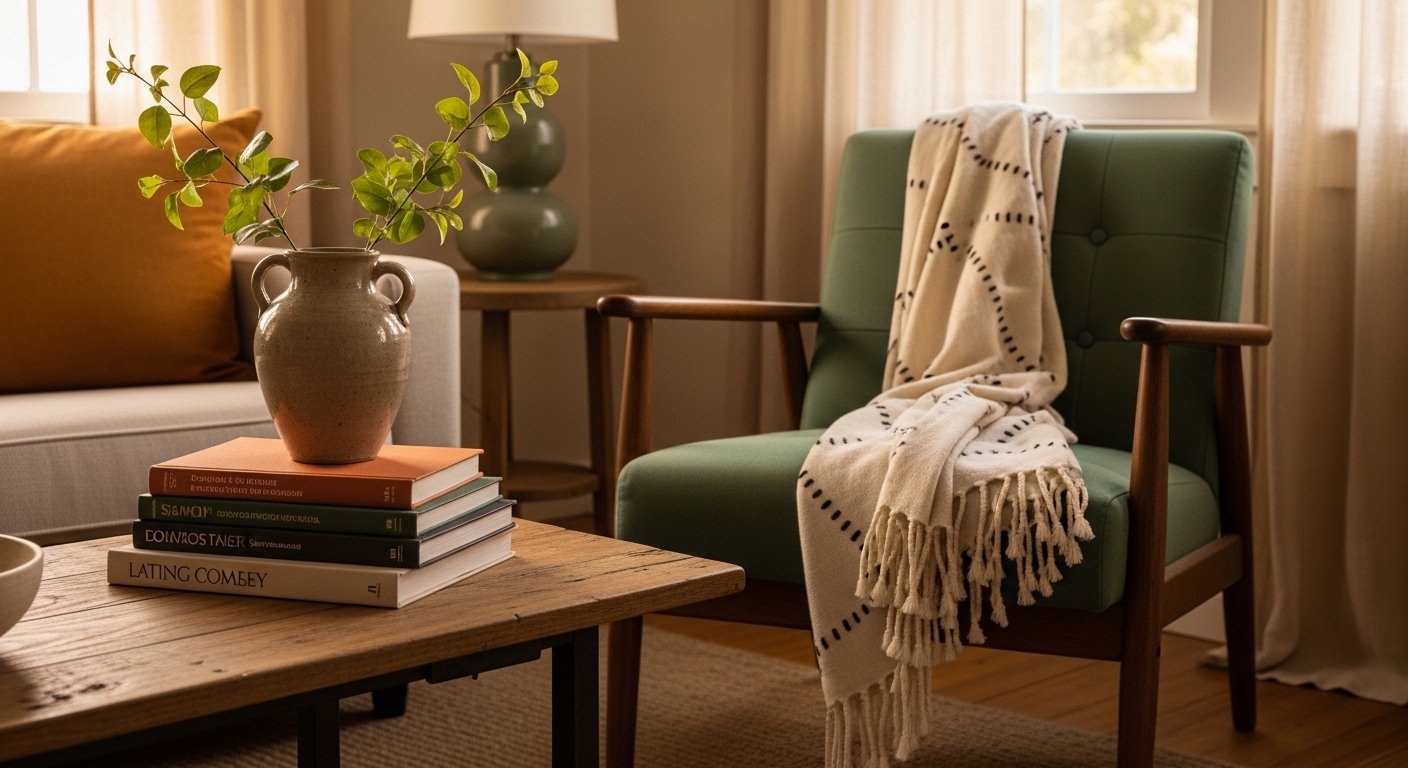
There’s a moment — you’ve probably felt it — when you walk into someone’s home and something just feels right. The walls are painted a nice color, sure, but that’s not it. It’s the stack of well-worn books on the coffee table, the ceramic vase catching afternoon light, the hand-stitched throw draped just so across an armchair. That feeling? It comes from accessories. And once you understand how to use them intentionally, your own home will never feel the same way again.
—
Table Of Content
1. Why Interior Accessories Are the Secret Language of a Well-Designed Home
Most people spend months agonizing over paint colors and furniture pieces — and rightfully so. But here’s what experienced interior designers know that the rest of us often overlook: accessories are where a room finally starts speaking. They are the punctuation marks in the visual sentence of a space. Without them, even the most beautiful furniture arrangement can feel cold, unfinished, and strangely hollow.
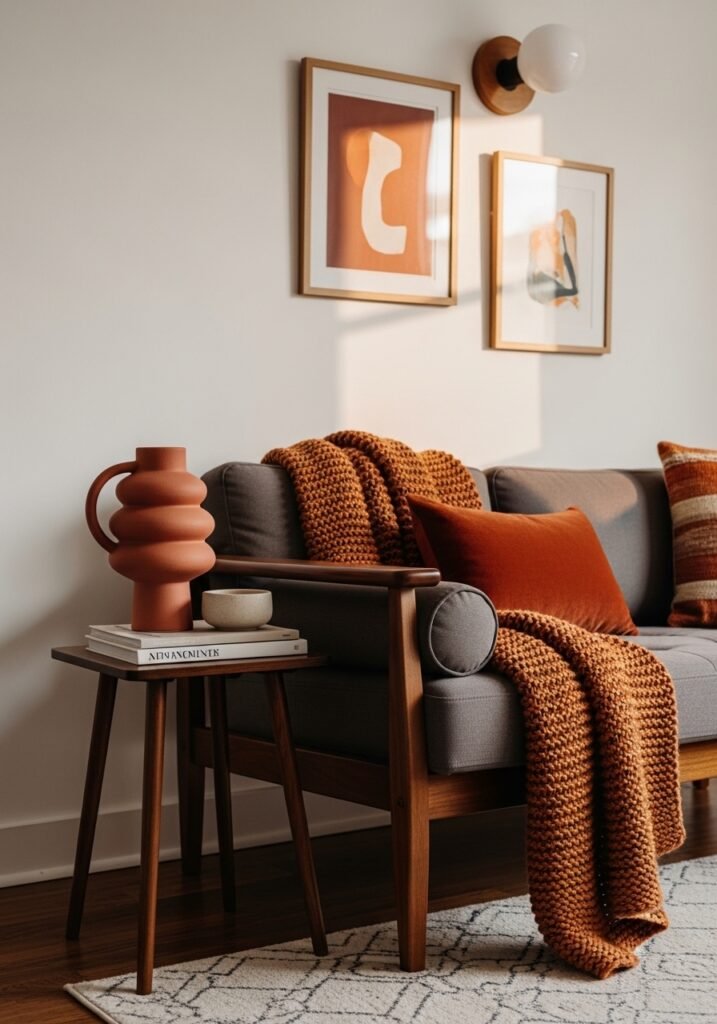
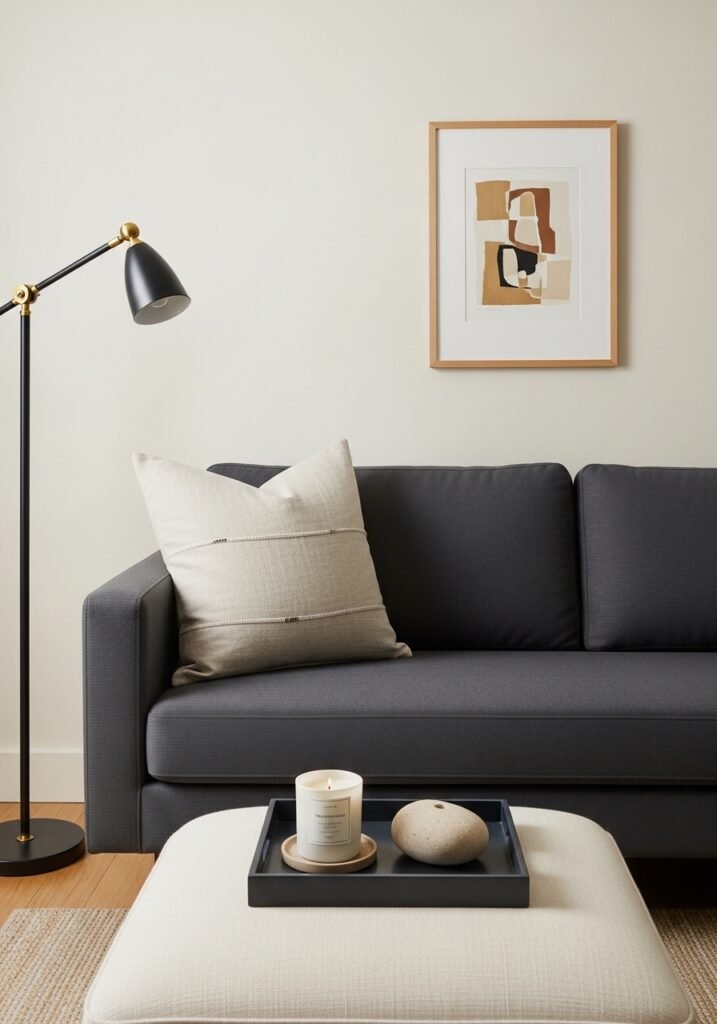
Think about it this way. If furniture is the skeleton of a room and paint is its skin, then accessories are its personality. A sleek mid-century sofa can feel either clinical or cozy depending entirely on what surrounds it — the pillows you choose, the tray on the ottoman, the art on the wall above it. Every single object you place in a room tells a story about who you are and what you value. The beautiful thing is, you get to decide what that story says.
“A room without accessories isn’t a room — it’s just a space. It’s the details that breathe life into a home.”
Interior designers often say that the final 20% of decorating a room — the accessories stage — takes 80% of the creative energy. That’s not a design flaw. That’s a feature. It means there’s enormous power in those finishing touches, and learning to wield that power changes everything about how your home feels to live in.
—
2. The Difference Between Clutter and Curated: Where Most People Go Wrong
Let’s be real: there’s a fine line between a thoughtfully accessorized room and a room that simply has too much stuff in it. Many of us have been on the wrong side of that line — guilty of buying beautiful things individually, then wondering why the room feels chaotic once they’re all in the same space.
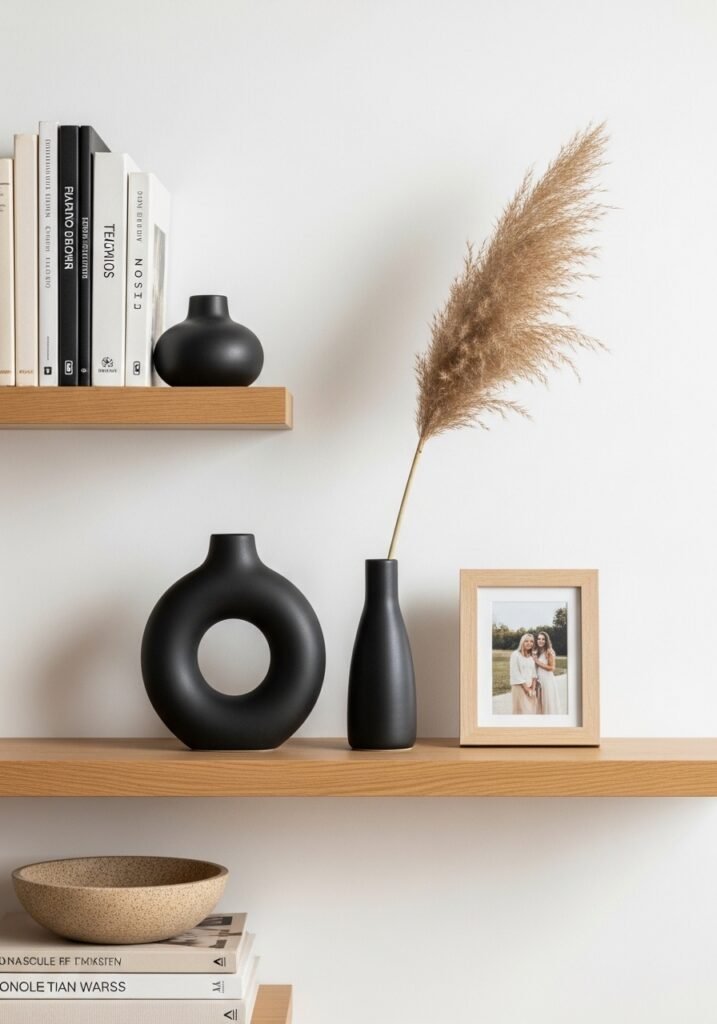
The difference between clutter and curation comes down to intention. Clutter happens when objects accumulate without a plan. Curation happens when objects are chosen and arranged with purpose — considering scale, color, texture, and most importantly, story. A curated vignette on a bookshelf might include three items: a sculptural object, something with height, and something personal like a framed photo. That’s it. Three things. And yet it feels complete.
The rule interior designers return to again and again is the power of odd numbers. Groups of three or five objects almost always look more organic and visually interesting than even-numbered arrangements. Try it yourself — place two candlesticks on a mantel, then add a third element of different height. Watch the arrangement suddenly come alive.
—
3. Textiles: The Most Underestimated Accessory in Any Room
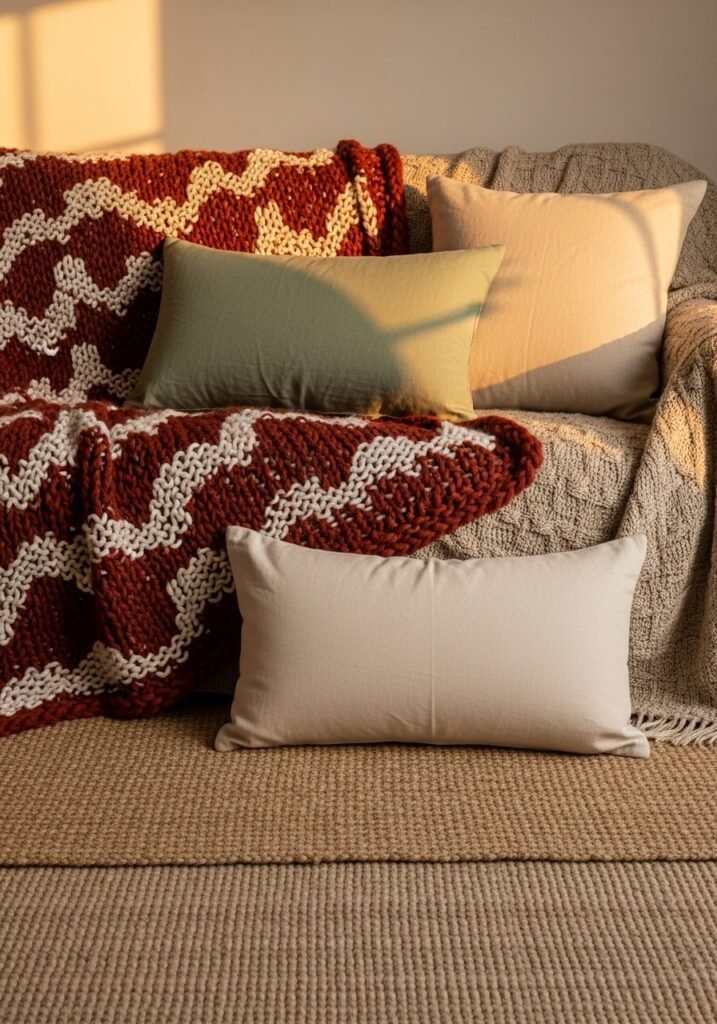
If you want to change how a room feels without spending a lot of money or making permanent changes, textiles are your greatest ally. Throw pillows, blankets, curtains, rugs, table runners, cushion covers — these are the soft accessories that regulate the emotional temperature of a space.
A room with hard surfaces and no textiles feels echoey and cold, regardless of how expensive the furniture is. Add a chunky knit throw to the couch, layer a jute rug over a larger neutral one, hang linen curtains that pool slightly on the floor — and suddenly the room exhales. It becomes a place you want to be in, not just look at.
Seasonal textile swaps are one of the easiest, most cost-effective ways to keep your home feeling fresh year-round. Think velvet and deep jewel tones for autumn and winter, linen and cotton in soft whites and sage greens for spring and summer. You’re essentially giving your rooms a wardrobe — and the effect is surprisingly transformative.
—
4. The Art of the Vignette: Designing Tiny Worlds Within Your Rooms
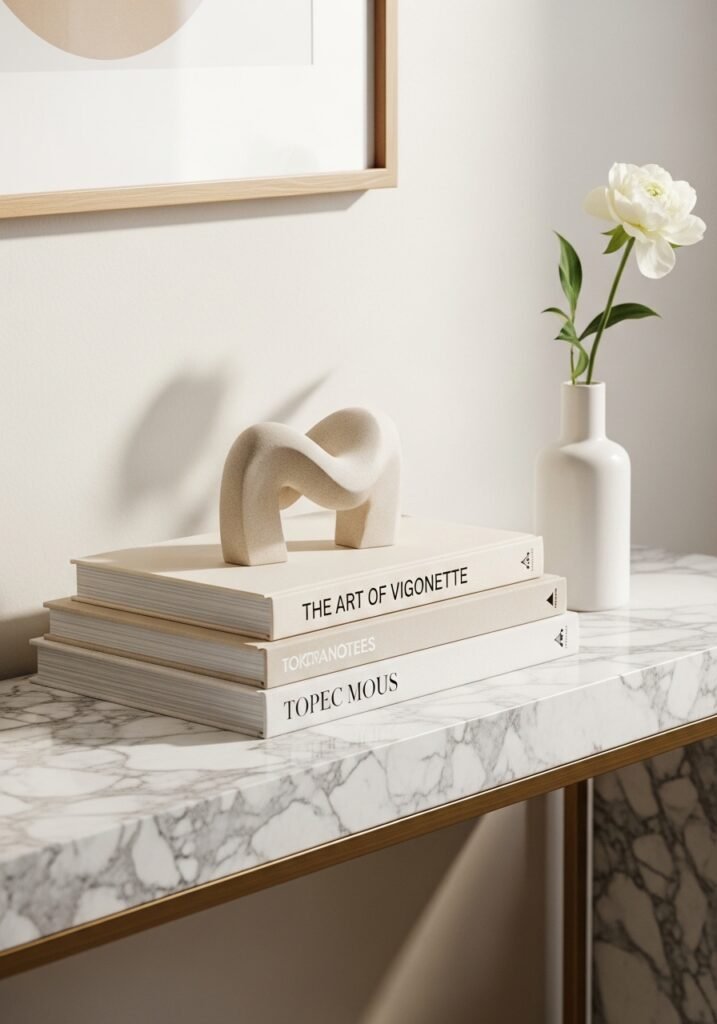
A vignette is a small, intentional arrangement of objects — typically on a surface like a console table, coffee table, windowsill, or bookshelf — that creates a visually complete mini-scene. Think of it like a tiny stage set, designed to catch the eye and tell a story in a single glance.
The best vignettes have a few consistent elements: variation in height, a mix of materials (something natural, something shiny, something matte), and at least one personal or unexpected object that gives it character. A stack of coffee table books topped with a small sculptural piece and accompanied by a single stem in a bud vase — that’s a vignette. Simple, intentional, beautiful.
What makes vignettes so powerful on Pinterest is that they photograph extraordinarily well. They create natural focal points, and they invite viewers to imagine themselves in that space. If you’re creating content for a Pinterest audience, mastering the art of the vignette is one of the highest-leverage skills you can develop.
—
5. Lighting Accessories: The Element That Changes Everything After Dark
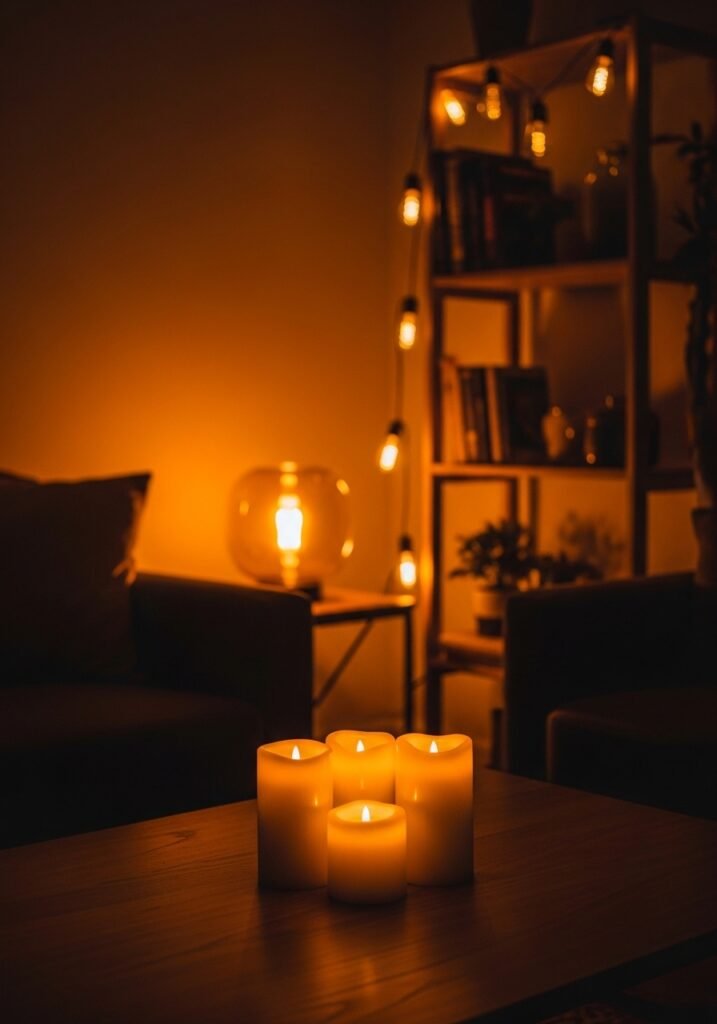
Here’s something that doesn’t get nearly enough attention in home decorating conversations: lighting accessories. Not overhead fixtures — those are structural. I’m talking about table lamps, floor lamps, candle holders, LED string lights, decorative lanterns, and sculptural sconces. These are accessories, and they are profoundly powerful.
The quality of light in a room affects your mood, your productivity, your appetite, and even your sleep. Harsh overhead lighting flattens a room and can make it feel institutional. But layer in a warm table lamp in the corner, cluster three pillar candles on the coffee table, and drape some soft Edison-bulb string lights along a bookshelf — and the room transforms entirely once the sun goes down.
“Good lighting doesn’t just illuminate a room — it gives it a soul.”
When choosing lighting accessories, think in terms of zones and warmth. You want pools of soft, warm light at varying heights throughout a room rather than a single harsh light source from above. This layered approach is what makes high-end hotel lobbies and restaurant interiors feel so immediately comfortable and inviting — and it’s completely achievable at home with thoughtful accessory choices.
—
6. Plants and Botanicals: Living Accessories That Breathe With You
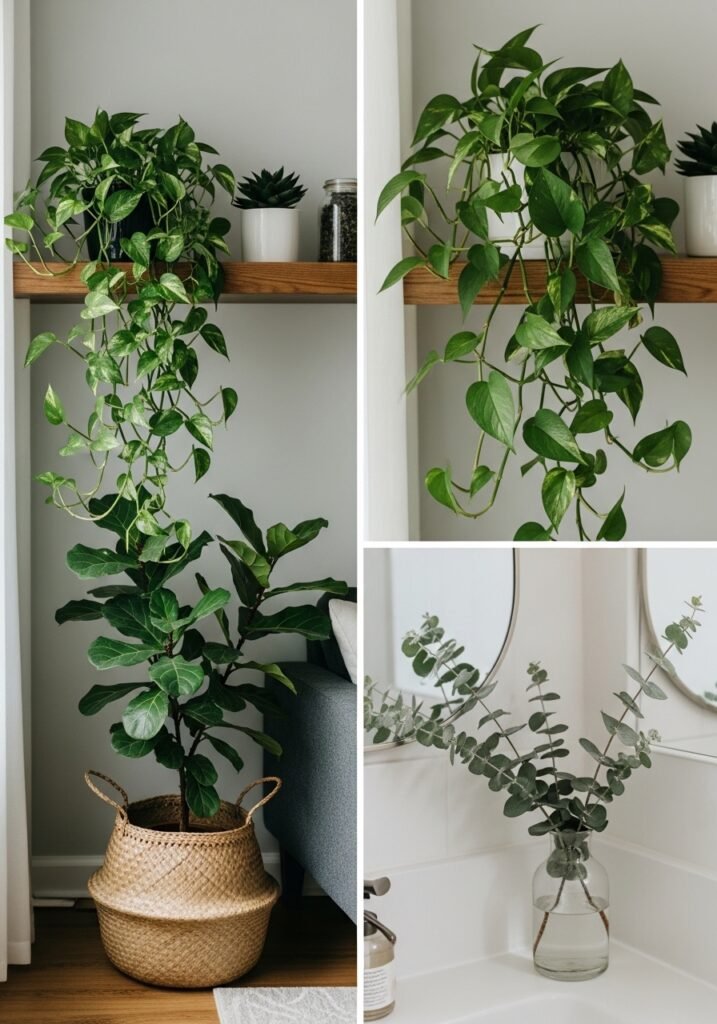
There is no accessory more universally beloved on Pinterest — and for good reason — than plants. Whether you’re talking about a dramatic fiddle-leaf fig in the corner of a living room, a cluster of trailing pothos on a kitchen shelf, or a simple sprig of eucalyptus in a bathroom vase, botanicals bring something into a space that no manufactured object can replicate: life.
Plants soften hard architectural lines. They add color and texture that feels organic rather than contrived. They purify the air. They give a room a sense of scale and movement. And psychologically, they connect us to the natural world in a way that measurably reduces stress — something most of us deeply need in our homes.
If you’ve convinced yourself you have a black thumb and can’t keep plants alive, start with something nearly indestructible: pothos, snake plants, ZZ plants, or succulents. Once you experience the difference a few living accessories make in your space, you’ll be hooked.
—
7. Mirrors as Accessories: Light, Space, and Visual Magic
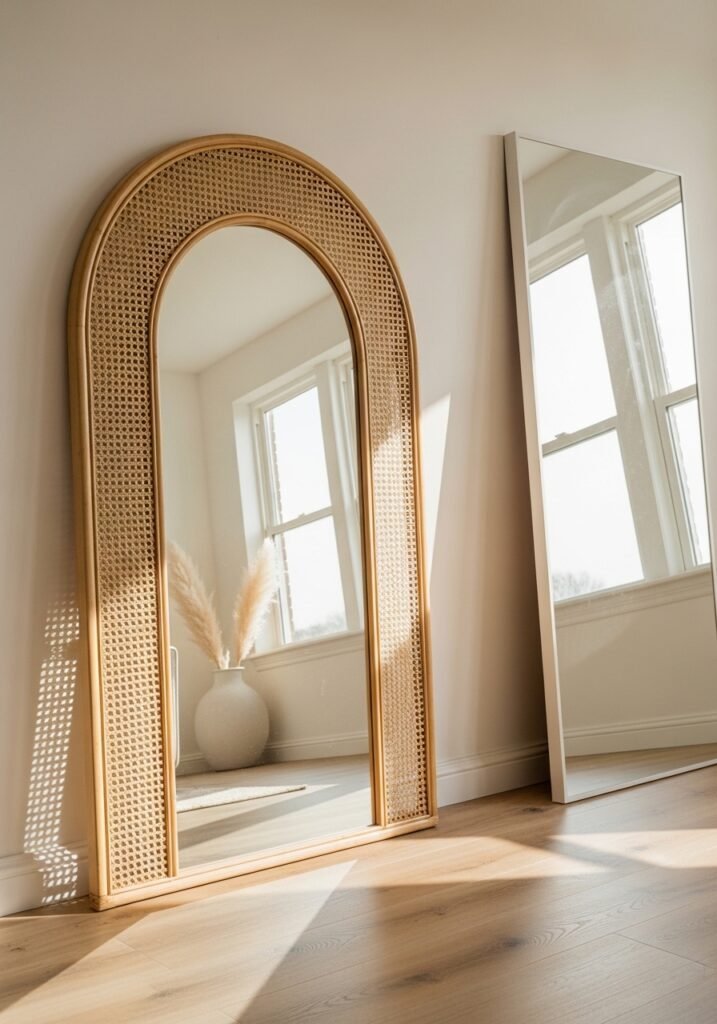
A well-placed mirror is one of the most powerful tools in interior design — and it’s often treated as an afterthought rather than the deliberate design choice it should be. Mirrors do three critical things: they reflect light, they create the illusion of space, and they add a decorative layer that can be both functional and strikingly beautiful.
In a small apartment or a dark hallway, a large mirror can genuinely double the sense of space and light. In a living room, a mirror placed opposite a window bounces natural light deep into the room throughout the day. In a dining room, a floor-length mirror leaning casually against the wall adds drama and a sense of effortless luxury.
The shape of a mirror matters enormously as a decorative accessory. Arch-shaped mirrors feel romantic and organic. Sunburst mirrors add retro warmth. Slim, frameless floor mirrors feel contemporary and editorial. Choose a mirror the way you’d choose a piece of art — for its form as much as its function.
—
8. Books as Décor: The Most Personal Accessory in Any Home
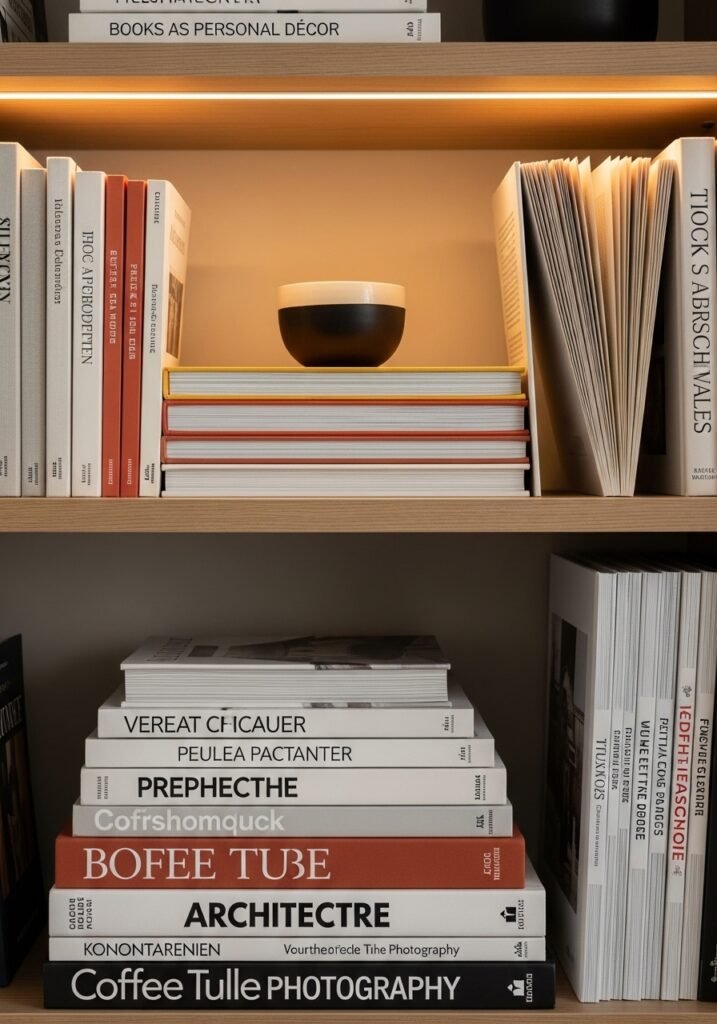
Books deserve a category of their own when talking about interior accessories, because they are simultaneously functional objects, personal statements, and powerful decorative elements. The books you display in your home say something about you that no purchased decor item ever could.
Displayed horizontally in stacks, books create platforms for other accessories. Arranged vertically with their spines facing out, they create texture and color. Turned so the pages face forward for a uniform linen-toned look, they create a sense of serene, editorial calm. Books can anchor a vignette, add visual weight to a light surface, or bring warmth to an otherwise cold shelf.
Coffee table books deserve special mention. These oversized, beautifully produced volumes on topics like architecture, photography, fashion, food, and travel are specifically designed to be displayed — and they function like conversation starters in physical form. A thoughtfully chosen stack of coffee table books tells your guests exactly what lights you up.
—
9. The Power of Ceramics, Pottery, and Sculptural Objects
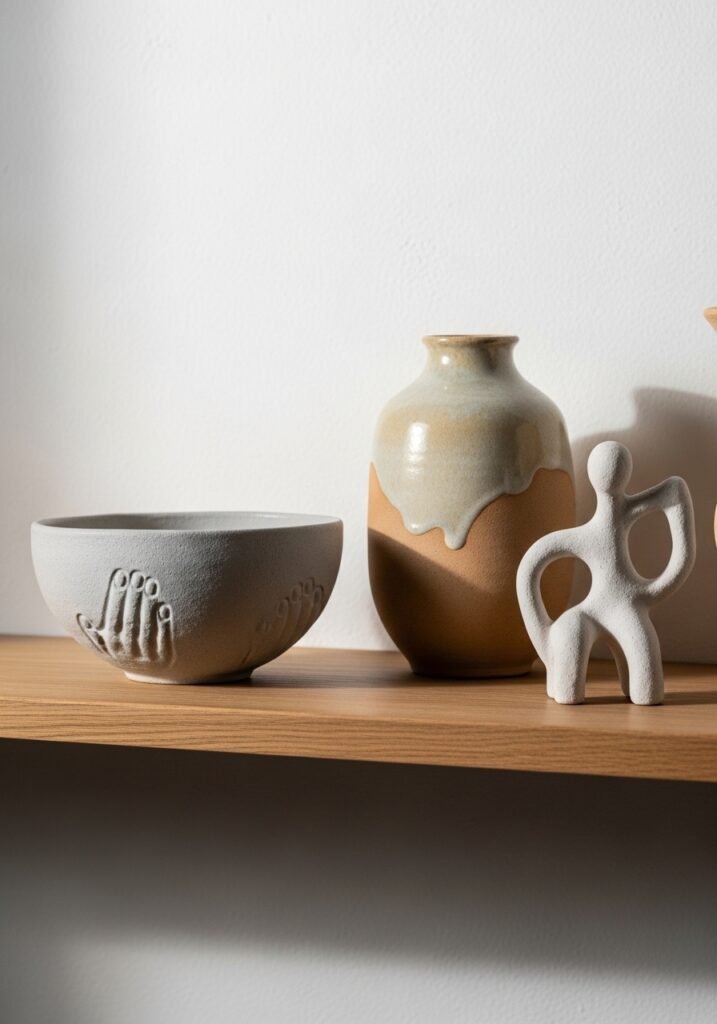
Walk into any beautifully designed home and you’ll almost certainly find ceramics. Handmade pottery bowls, sculptural vases, wabi-sabi-inspired stoneware, organic-form figurines — these objects carry an irreplaceable quality of craftsmanship that mass-produced decor simply cannot replicate.
What makes ceramics so beloved as interior accessories is the way they balance structure and softness. A handmade ceramic bowl on a wooden shelf creates a visual dialogue between organic materials. A matte black sculptural piece against a white wall creates quiet drama. A cluster of vessels in varying heights and neutral tones creates a still-life tableau that feels both timeless and entirely current.
“Handmade objects carry the energy of the hands that made them — and that energy changes the feeling of a room.”
When shopping for ceramic accessories, prioritize pieces that feel unique and slightly imperfect over those that look machine-perfect. The imperfections are the beauty. They’re what make a space feel collected over time rather than assembled all at once.
—
10. Trays: The Undersung Heroes of Surface Organization
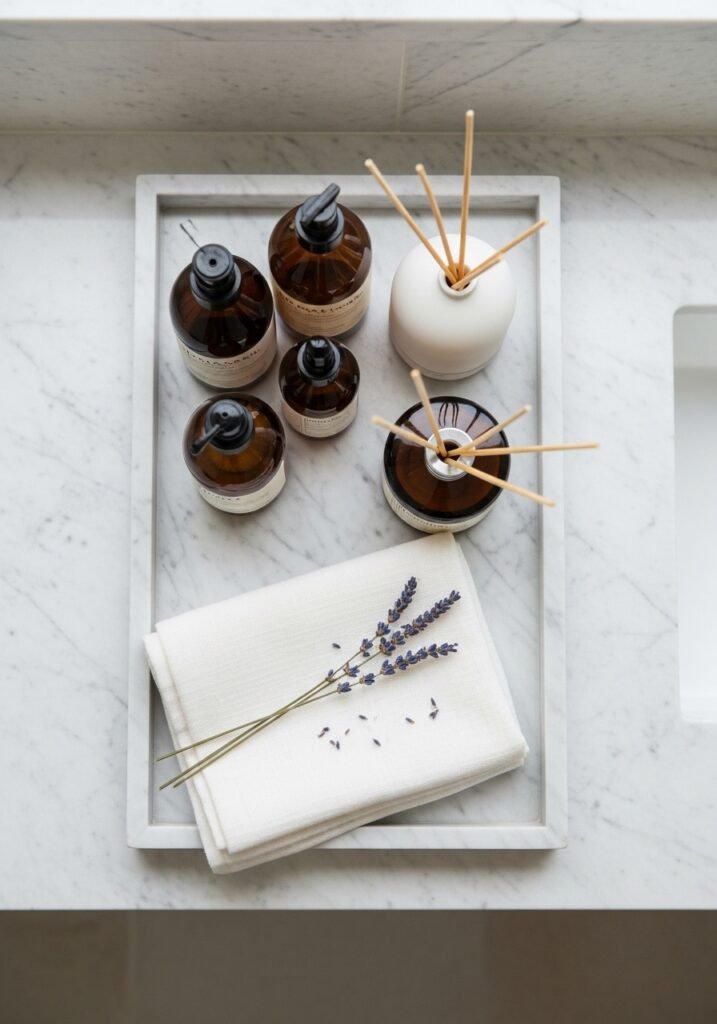
If you want one simple, affordable accessory that instantly makes any surface look more intentional and polished, it’s a tray. Trays are the great organizers of the interior design world — and they work on virtually every surface in every room.
A wooden tray on an ottoman corrals the remote, a candle, and a small plant into a cohesive little world. A marble tray on a bathroom counter transforms a collection of skincare products into a spa-like vignette. A woven rattan tray on a kitchen counter groups your oils, salts, and cutting boards into something that looks styled rather than scattered.
The visual logic of a tray is powerful: it creates a defined boundary, which tells the eye where to look and where to stop. Everything inside the tray reads as a deliberate, unified group. Everything outside it reads as separate. This simple principle — the contained vignette — is one of the most used techniques in professional interior styling.
—
11. Wall Art and Gallery Walls: Bringing Your Walls to Life
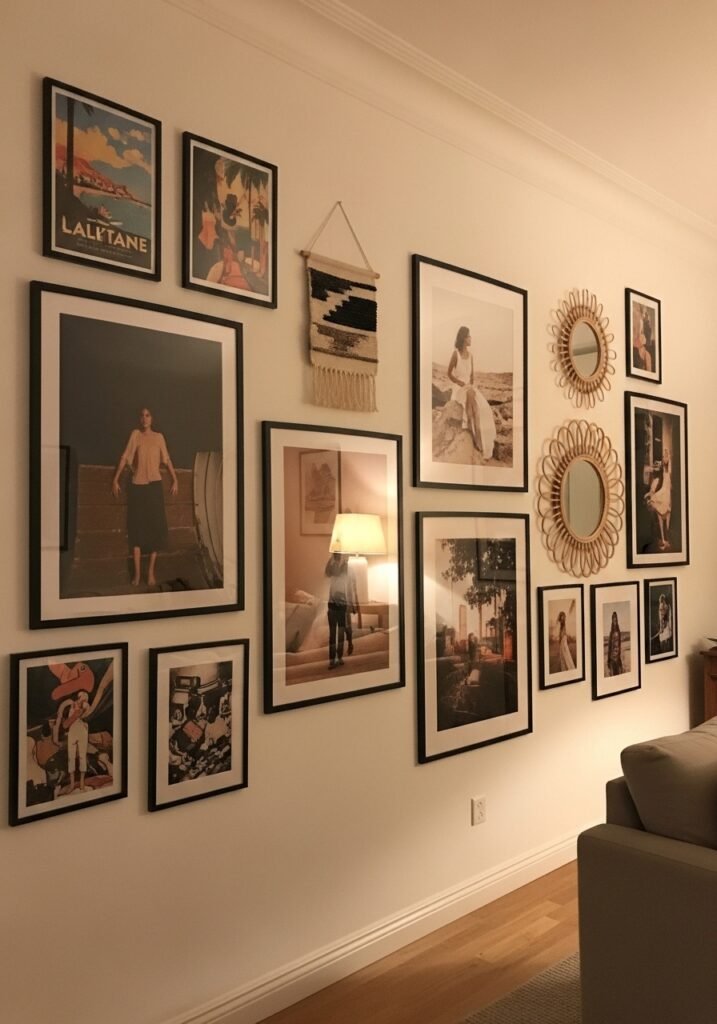
Bare walls are one of the most common design regrets people express once they’ve lived in a space for a while. A room can have perfect furniture and beautiful accessories on every surface, but if the walls are empty, something will always feel missing. Wall art — in all its forms — is one of the most emotionally impactful accessories you can invest in.
This doesn’t mean you need expensive original paintings. Wall art can be framed vintage posters, personal photographs printed large and simply framed, textile wall hangings, architectural salvage pieces, woven baskets arranged as a collection, mirrors, or hand-lettered prints. The medium matters less than the intention behind it.
Gallery walls are a beloved Pinterest staple for good reason: they transform a blank wall into a personal narrative. The key to a gallery wall that feels curated rather than chaotic is maintaining a consistent thread — whether that’s color palette, frame style, subject matter, or visual tone. Let everything else vary within that framework, and the result will feel both dynamic and cohesive.
—
12. Shopping Secondhand: Where the Most Interesting Accessories Come From

Here’s a truth that experienced interior designers know well: the most interesting, characterful accessories rarely come from retail stores. They come from antique markets, estate sales, thrift shops, vintage online platforms, and travels abroad. Secondhand shopping for accessories is one of the most rewarding creative practices in home design.
When you bring a vintage find into your home — an old ceramic pitcher, a worn leather-bound book, an art deco mirror, a set of mismatched crystal glasses — you’re bringing in a piece of history. That piece has a story. It has age and patina and a quality that no new item can replicate. And in a world of mass-produced sameness, that authenticity is increasingly precious.
Beyond aesthetics, shopping secondhand for accessories is one of the most sustainable choices you can make as a consumer. You’re giving beautiful objects a second life, reducing demand for new production, and — more often than not — saving significant money in the process. The combination of uniqueness, sustainability, and affordability makes vintage accessory hunting one of the best habits any home decorator can develop.
—
🌿 How to Take Care of Your Interior Accessories
Accessories only keep their beauty if they’re maintained with a little regular care — think of it as tending to the details that make your home feel like you.
Dust ceramics and sculptural objects weekly with a soft, dry cloth, and avoid harsh chemical sprays on handmade or painted pieces that could strip their finish. For textiles like throw pillows and blankets, follow the care label, but as a rule, air them out seasonally and wash covers a few times a year to keep them looking and smelling fresh. Clean mirrors with a mixture of water and a small amount of white vinegar on a microfiber cloth — it leaves no streaks and no chemical residue. Wipe down trays (especially wooden or marble ones) promptly after any spills, and oil wooden trays occasionally to prevent drying and cracking. For plants, the single most important care tip is this: learn each plant’s actual water and light needs individually, rather than treating them all the same. Most indoor plants are killed by overwatering, not neglect.
—
❓ FAQ
Q: How many accessories is too many for one room? A: There’s no universal number, but a good rule of thumb is to step back after placing items and ask whether anything could be removed without the room feeling incomplete. If removing an object makes the room feel more peaceful and balanced, remove it. Restraint is almost always more elegant than excess, and you can always rotate accessories in and out seasonally to keep things feeling fresh without overcrowding.
Q: How do I choose accessories that actually go together? A: Focus on creating cohesion through a consistent palette of two to three colors, a mix of two or three complementary materials (such as wood, ceramic, and metal), and variation in scale and height. You don’t need everything to match — you need everything to relate. Think of it like building an outfit: you want pieces that feel like they belong to the same wardrobe, even if they’re not identical.
Q: Is it worth spending money on interior accessories, or should I save budget for furniture? A: Both matter, but accessories are often where the most visible transformation happens for the least investment. A mid-range sofa styled beautifully with thoughtful accessories will always feel more elevated than an expensive sofa in an empty, undecorated room. Prioritize quality furniture for long-term pieces, but don’t underestimate how far a $30 vase, a well-chosen throw, or a secondhand mirror can take a space.
—
💭 Final Thought
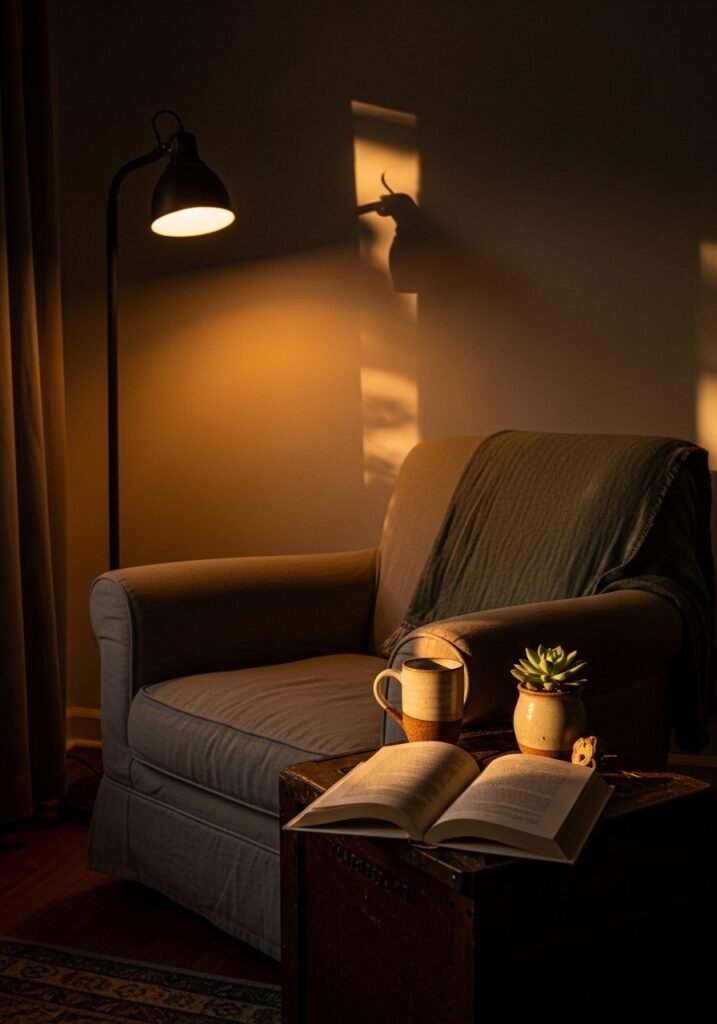
Your home is the one place in the world that gets to be entirely, unapologetically yours — and interior accessories are the most direct way to express that. They’re the objects that hold your memories, reflect your taste, and make your space feel inhabited rather than merely occupied. You don’t need a renovation or a bigger budget or a designer’s eye to get it right. You just need to start paying attention to what you love, and then be brave enough to put it on display.
So — what’s one small corner of your home that’s been waiting for a little attention, and what single accessory might finally bring it to life?