
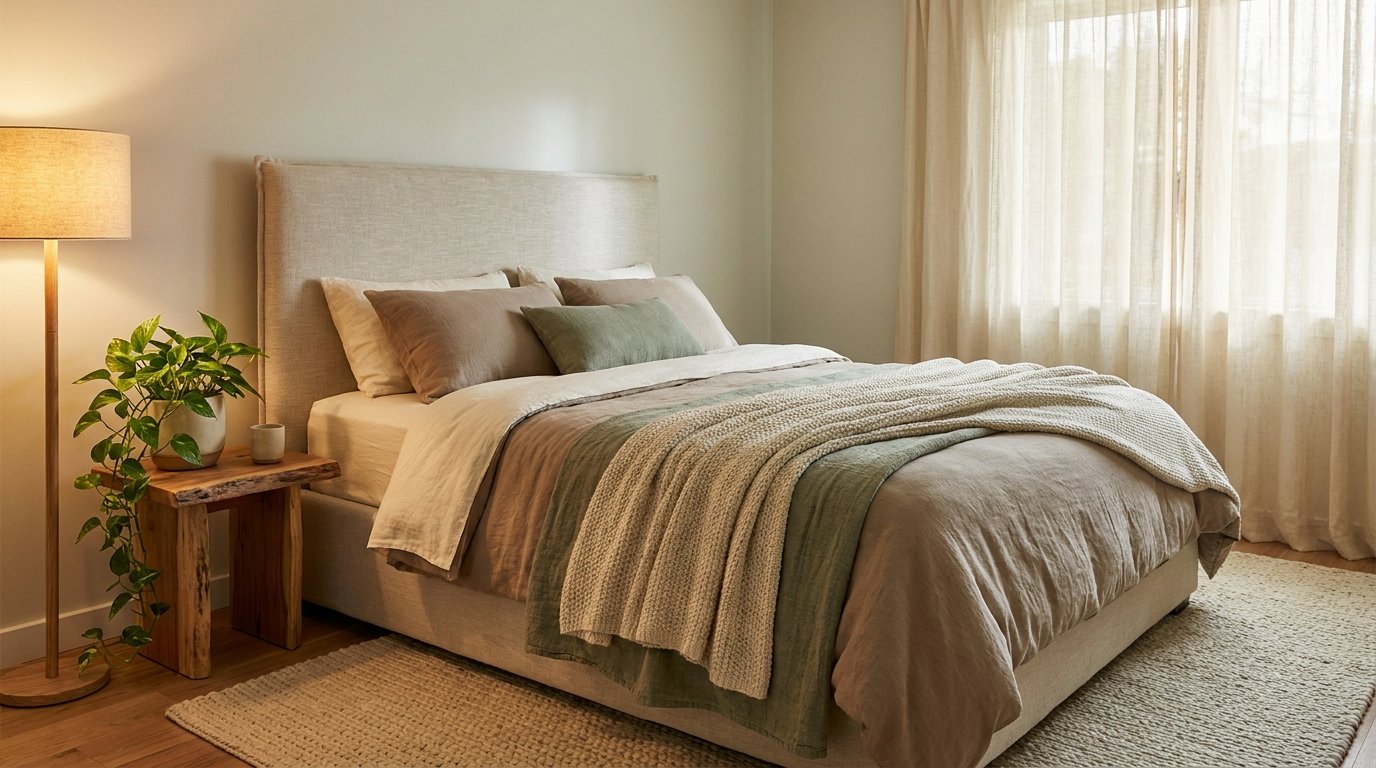
The Bedroom You Deserve: How to Design a Space That Actually Feels Like Home
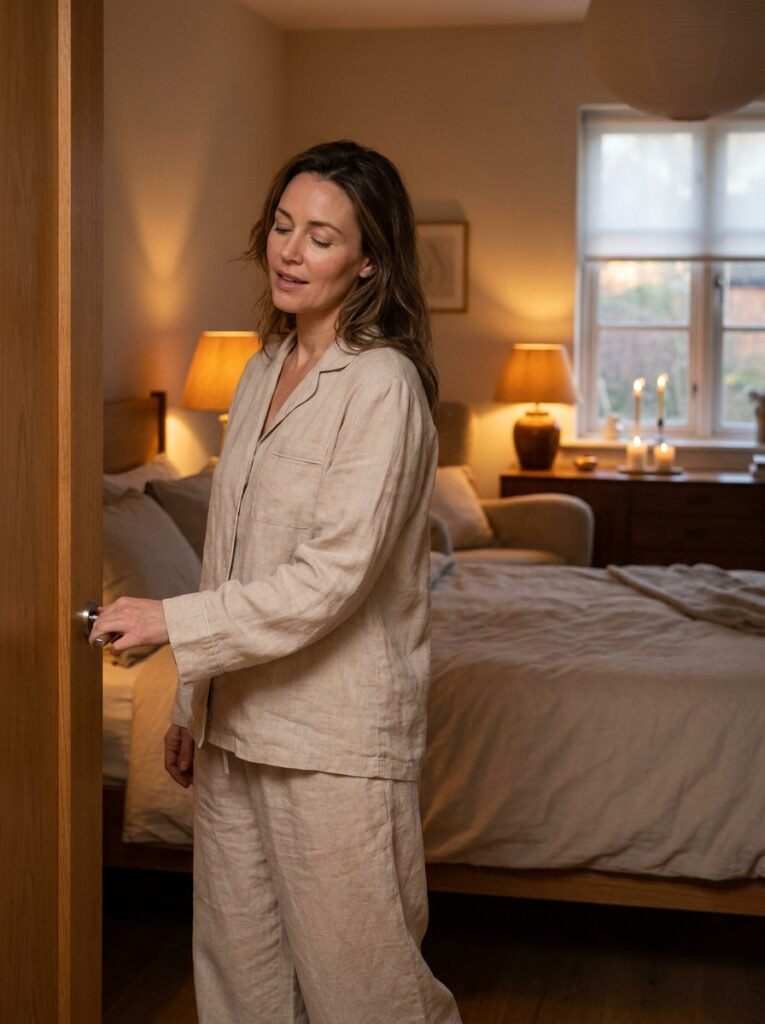
There’s a moment — usually on a rough Tuesday evening — when you close your bedroom door behind you and exhale like you’ve been holding your breath all day. That moment is everything. And the right bedroom design isn’t about trends or Pinterest boards; it’s about building a room that catches you when you fall.
—
1. Why Your Bedroom Design Affects More Than Just Your Sleep
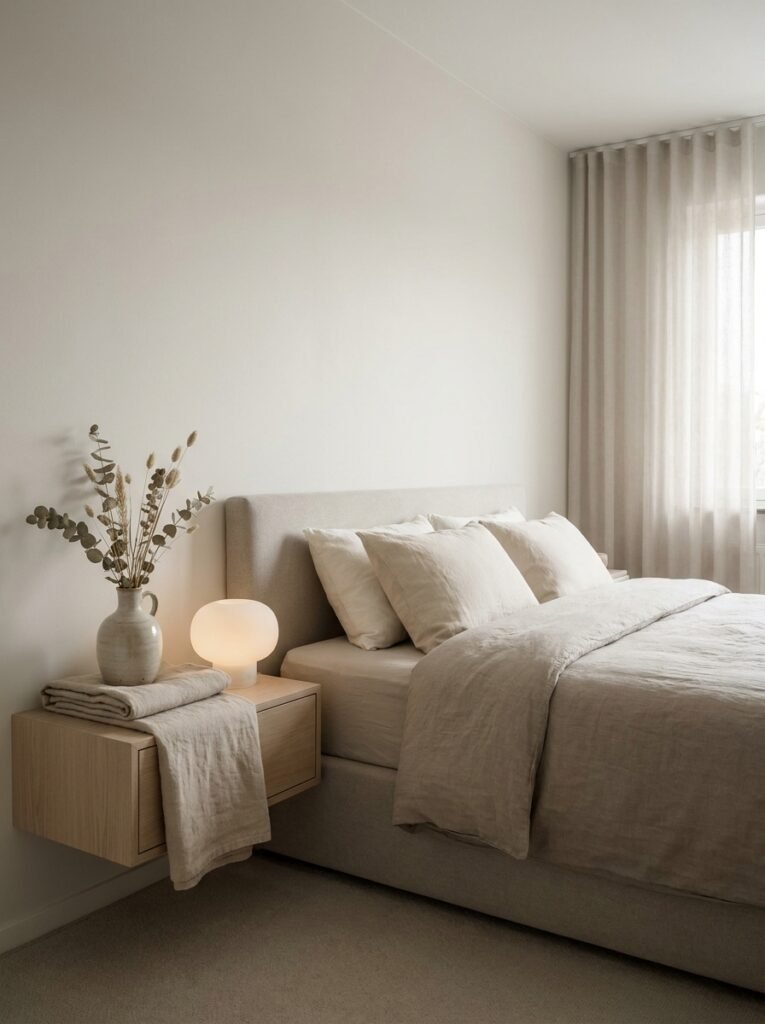
Most people underestimate how much their physical environment shapes their emotional state. Studies in environmental psychology consistently show that cluttered, poorly lit, or visually chaotic spaces elevate cortisol — the stress hormone — even when you’re not consciously aware of it. Your bedroom isn’t just four walls and a mattress. It’s a sensory ecosystem that your nervous system reads from the moment you step inside.
Think about the last time you stayed somewhere that felt genuinely restorative — a hotel, a friend’s guest room, a cabin. What was different? Chances are, the space felt intentional. Nothing was fighting for your attention. The lighting was soft. The textures felt considered. That feeling isn’t accidental, and it isn’t reserved for expensive renovations. It’s the result of deliberate design decisions that anyone can make.
“Your bedroom should be the one place in the world designed entirely around your comfort — not convenience, not performance, just you.”
Before you buy a single throw pillow or repaint a single wall, start by asking yourself: what do I actually need this room to feel like? Peaceful? Energizing? Romantic? Grounded? Your answer to that question should drive every single choice that follows.
—
2. The Color Psychology You Need to Know Before Touching a Paint Brush
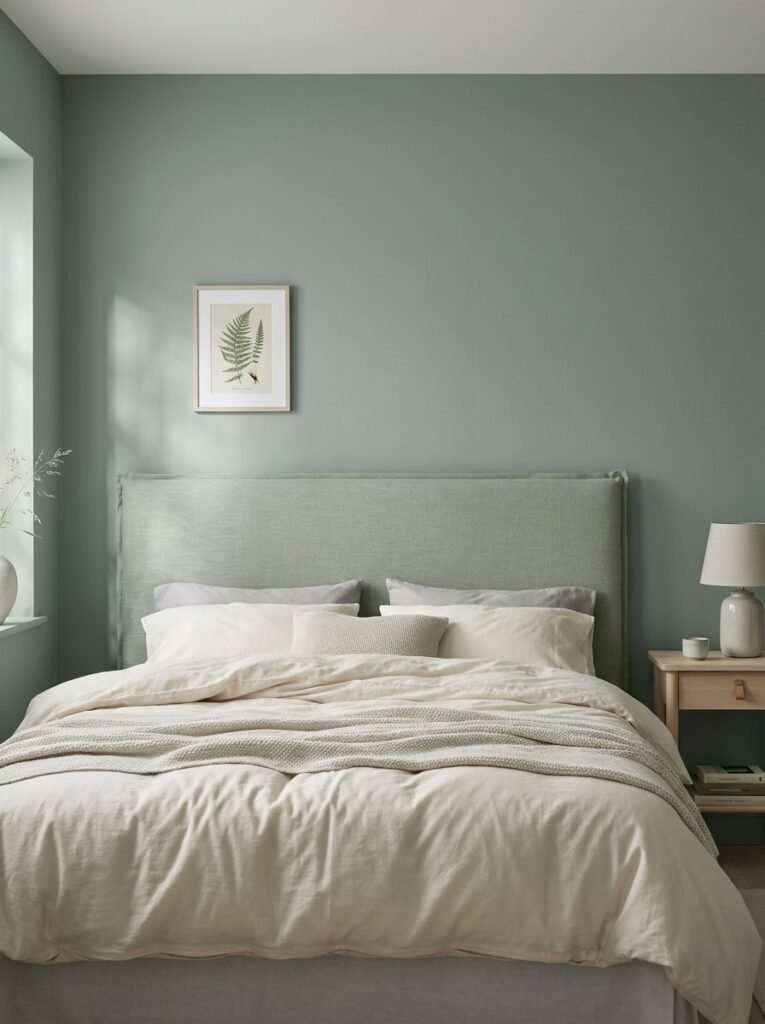
Color is the fastest way to transform a bedroom — and the easiest way to get it wrong. Bedroom color psychology is a genuinely fascinating field, and understanding even the basics will save you from repainting the same walls twice.
Cool tones — soft blues, muted greens, gentle lavenders, and dusty grays — trigger a parasympathetic nervous system response. They lower heart rate and encourage the brain to shift into rest mode. This is exactly why spa environments and well-designed hotel rooms lean so heavily into sage, slate, and powder blue. Warm tones like terracotta, warm ivory, and caramel do something different — they make a room feel embracing and intimate, like wrapping yourself in something soft.
The colors to use with extreme caution in a bedroom are bright saturated reds, electric oranges, or high-contrast black-and-white schemes. These are stimulating by nature — exciting in a living room, exhausting in a bedroom. If you love bold color but want restful sleep, take the same hue and drop it two or three shades. Dusty rose instead of fuchsia. Sage instead of emerald. The vibrancy becomes a whisper, and whispers are exactly what bedrooms need.
—
3. The Bed Frame Decision That Changes Everything Else in the Room
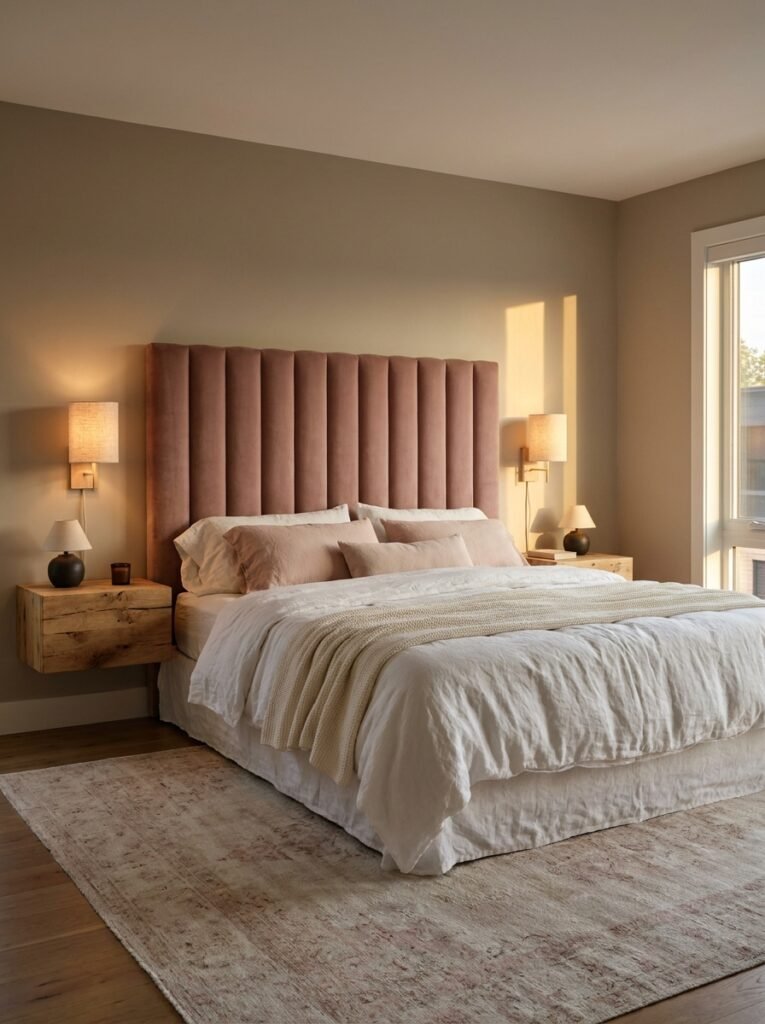
The bed is the architectural anchor of any bedroom — full stop. Every other design decision you make radiates outward from it. And yet most people choose their bed frame last, treating it like an afterthought. That’s a mistake.
The frame sets the visual register of the entire room. A low platform bed in natural wood pushes the space into a calm, Japandi-inspired direction. A tall upholstered headboard in linen or velvet creates drama and a sense of enclosure — like being held. An iron bed frame brings cottage or vintage warmth. A sleek, minimalist frame with hidden legs makes a small room feel larger and more airy.
Here’s the practical consideration most design articles skip: proportion. Your bed frame should leave enough visual breathing room between its top and the ceiling — ideally at least 18 to 24 inches. In rooms with low ceilings, tall headboards can feel oppressive rather than luxurious. In rooms with high ceilings, an overly low frame can make the space feel unbalanced. Measure before you fall in love with a frame online.
—
4. Lighting Layers That Make a Bedroom Feel Like a Sanctuary
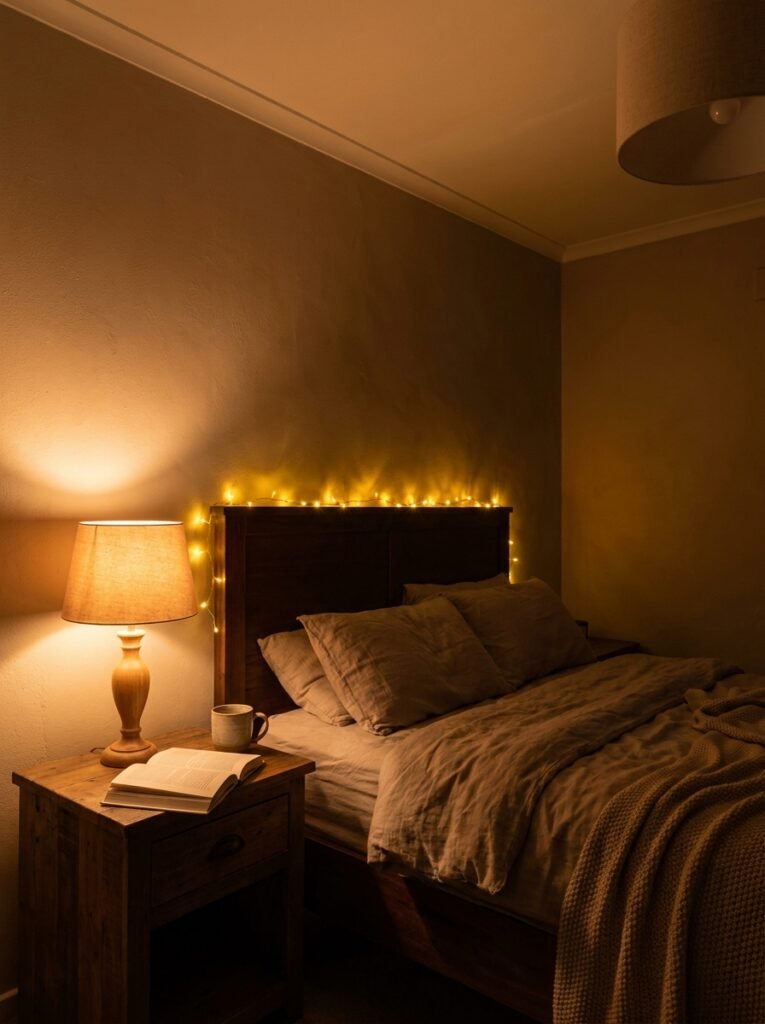
If there is one design element most bedroom makeovers get catastrophically wrong, it’s lighting. The default — a single overhead ceiling fixture casting flat, white light across the entire room — is the interior design equivalent of eating dinner under fluorescent bulbs. Technically functional. Completely joyless.
Bedroom lighting should exist in layers, and each layer serves a different emotional purpose. Ambient lighting is your base — it fills the room with enough general light to navigate and function. Task lighting is practical: bedside lamps, sconces, or under-cabinet lighting for reading. Accent lighting is where the magic lives — fairy lights, a small table lamp in a warm corner, LED strips behind a headboard that cast a soft glow against the wall.
The color temperature of your bulbs matters more than most people realize. Bulbs rated between 2700K and 3000K produce warm, golden light that signals to your brain that it’s winding-down time. Bulbs above 4000K push into cool, blue-toned light that suppresses melatonin production. The bedroom is never, ever the place for cool-white or daylight bulbs unless you specifically need them for a vanity or makeup area.
“Dim the lights and you don’t just change the room — you change your nervous system.”
—
5. The Forgotten Power of Bedroom Ceiling Design
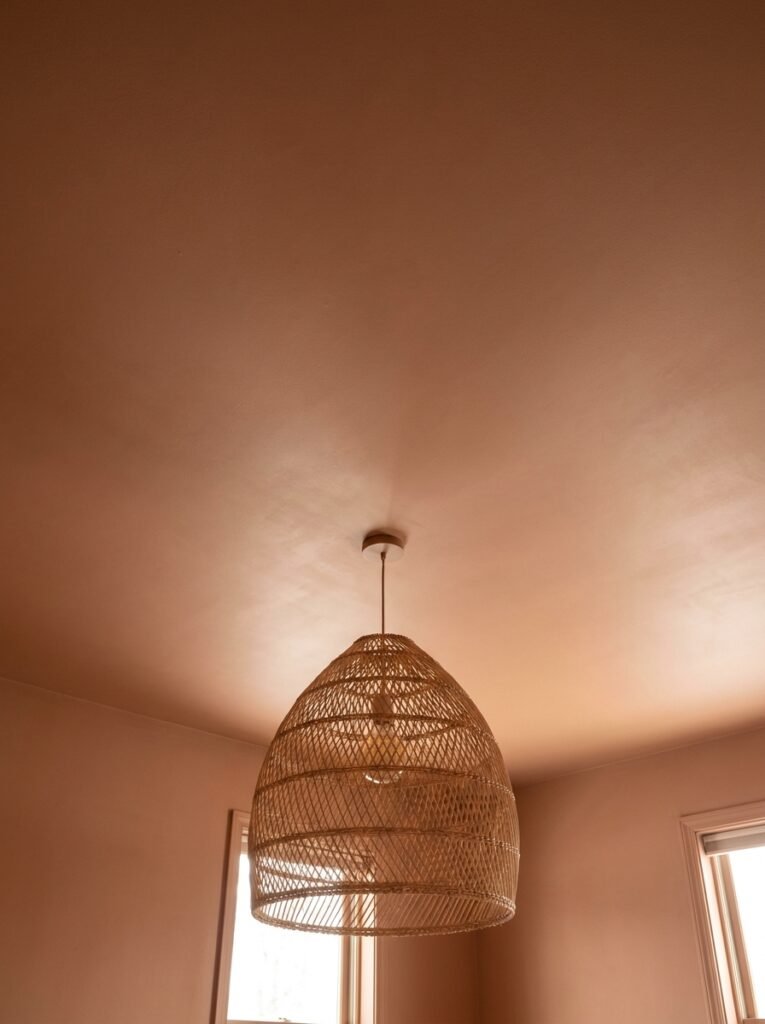
When was the last time you looked up at your bedroom ceiling and thought about it as a design surface? Most people don’t — and that’s exactly why addressing it makes such an outsized visual impact. The ceiling is essentially the fifth wall, and leaving it completely blank in an otherwise thoughtful room is a missed opportunity.
Some of the most transformative bedroom ceiling ideas require almost no renovation: a coat of warm paint in a shade slightly deeper than the walls to create a cocooning effect; removable peel-and-stick wallpaper applied only to the ceiling for pattern and texture; exposed wooden beams (real or decorative) for rustic warmth; or simply a statement light fixture that draws the eye upward and adds visual interest.
In smaller bedrooms, painting the ceiling the same color as the walls — rather than the standard white — actually makes the room feel larger and more intentional. It removes the visual interruption between wall and ceiling, creating a seamless, enveloping effect that feels expensive without costing a thing extra.
—
6. How to Layer Textiles Like a Professional Bedroom Stylist

Textiles are to a bedroom what seasoning is to food — get them right, and everything tastes better. Get them wrong, and even beautiful ingredients fall flat. The goal is to create a layered, sensory-rich bed that looks effortlessly composed, not staged.
Start with your foundation: quality, breathable bedding in a neutral or muted tone. Then add a second layer — a quilt, duvet, or coverlet in a complementary texture or subtle pattern. The third layer is your throw, draped loosely across the foot of the bed in a contrasting but harmonious texture: chunky knit, waffle weave, faux fur, linen. Pillows follow the rule of three — sleeping pillows behind two shams behind one or two accent pillows in varied sizes.
The materials you choose carry as much weight as the colors. Natural fibers — linen, cotton, wool — breathe better, feel more luxurious against the skin, and photograph beautifully. They also age with grace, softening and improving with each wash in a way that synthetic materials simply don’t.
—
7. Small Bedroom Design Tricks That Actually Work
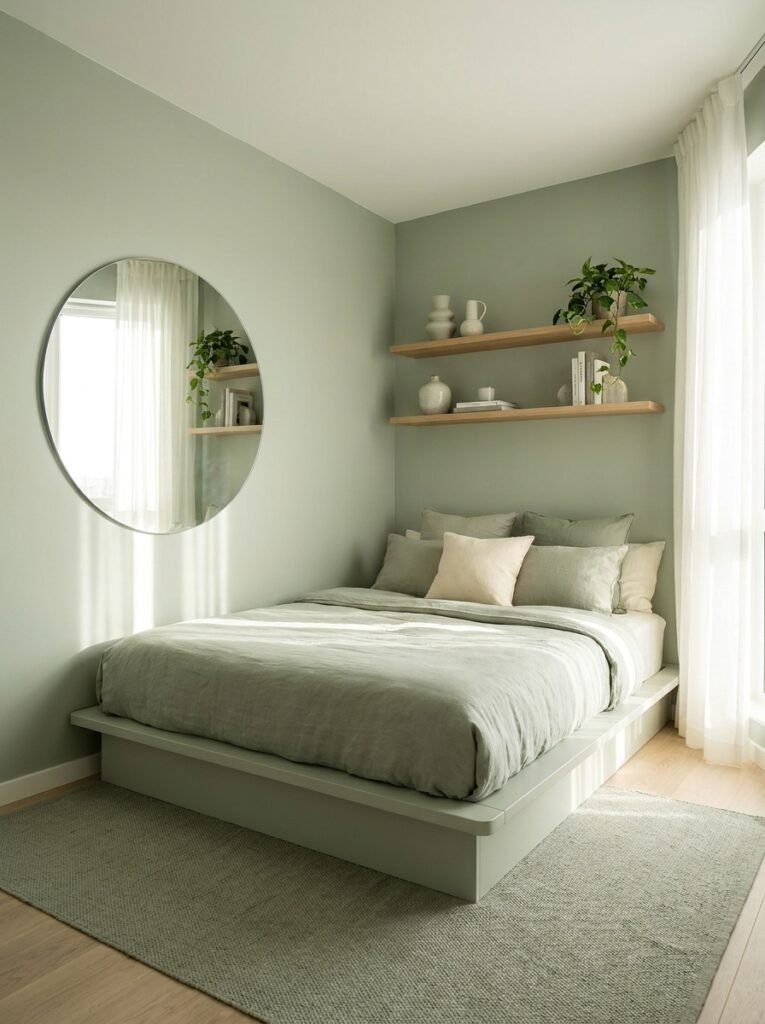
Small bedrooms don’t require apology. They require strategy. Some of the most beautiful bedroom interiors in the world are compact — think Parisian studio apartments or Japanese sleeping spaces — and their secret isn’t size. It’s intentionality.
Start with the furniture. In a small bedroom, every piece must earn its footprint. Nightstands with built-in storage replace bulky dressers. A storage bed with under-bed drawers eliminates the need for a separate wardrobe. Floating shelves take advantage of vertical space without consuming floor area. Mirrors — particularly one large mirror positioned opposite a window — visually double the sense of space and bounce natural light across the room.
Color matters enormously in a small room. Contrary to the old rule that small rooms need white walls, mid-tone monochromatic schemes — where walls, bedding, and soft furnishings share a similar tonal family — actually make small rooms feel larger and more intentional. The absence of high contrast removes visual boundaries and lets the eye travel smoothly around the space.
—
8. The Bedroom Furniture Arrangement Rules Worth Breaking
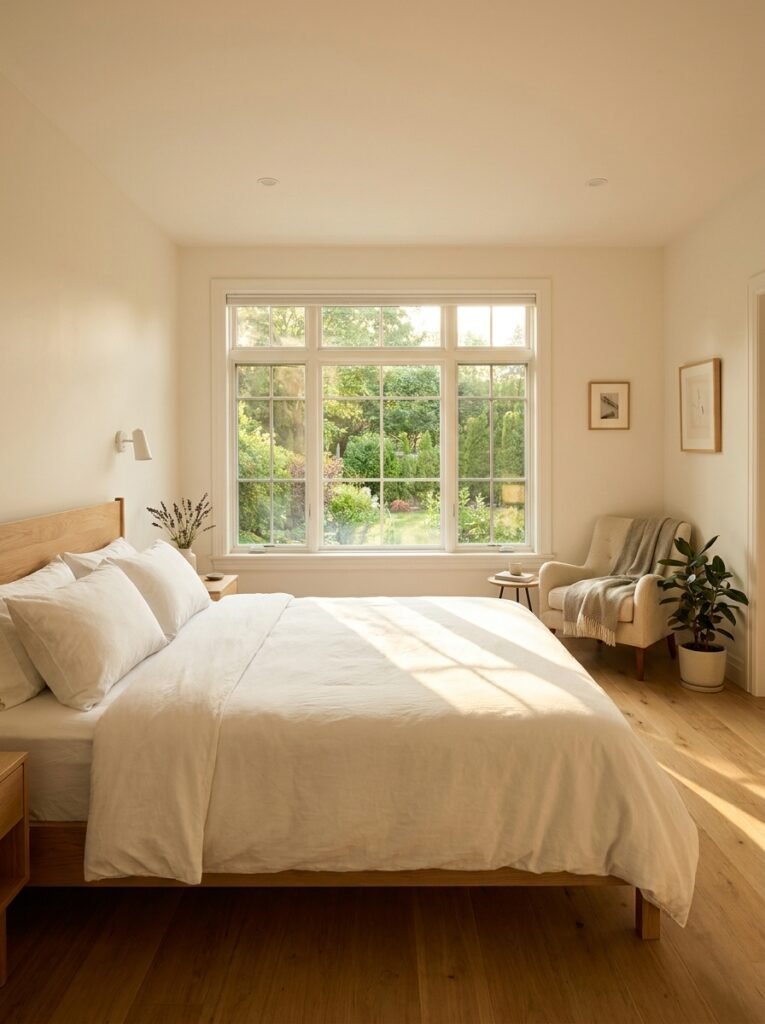
There’s a conventional arrangement every bedroom seems to default to: bed centered on the main wall, nightstands flanking each side, dresser opposite. And while that layout works, it’s rarely the most interesting — or even the most functional — option for the room.
Consider placing the bed at an angle in a corner of an unusually shaped room. Try positioning the bed against a side wall to free up a walking path on one side for a small seating area or reading nook. In rooms with an exceptional view or garden-facing window, centering the bed on that wall rather than the solid wall behind it creates a morning experience that feels intentional and genuinely beautiful.
The rule worth keeping is the traffic flow rule: always ensure at least 24 inches of clearance on either side of the bed and at the foot. Design should be beautiful, but it should also be livable — and bumping your shin on a nightstand at 2 a.m. undoes all the carefully curated atmosphere in an instant.
“The best bedroom layout isn’t the one that looks right on paper — it’s the one that feels right in the room.”
—
9. Bringing Nature Indoors: Plants, Wood, and Living Materials
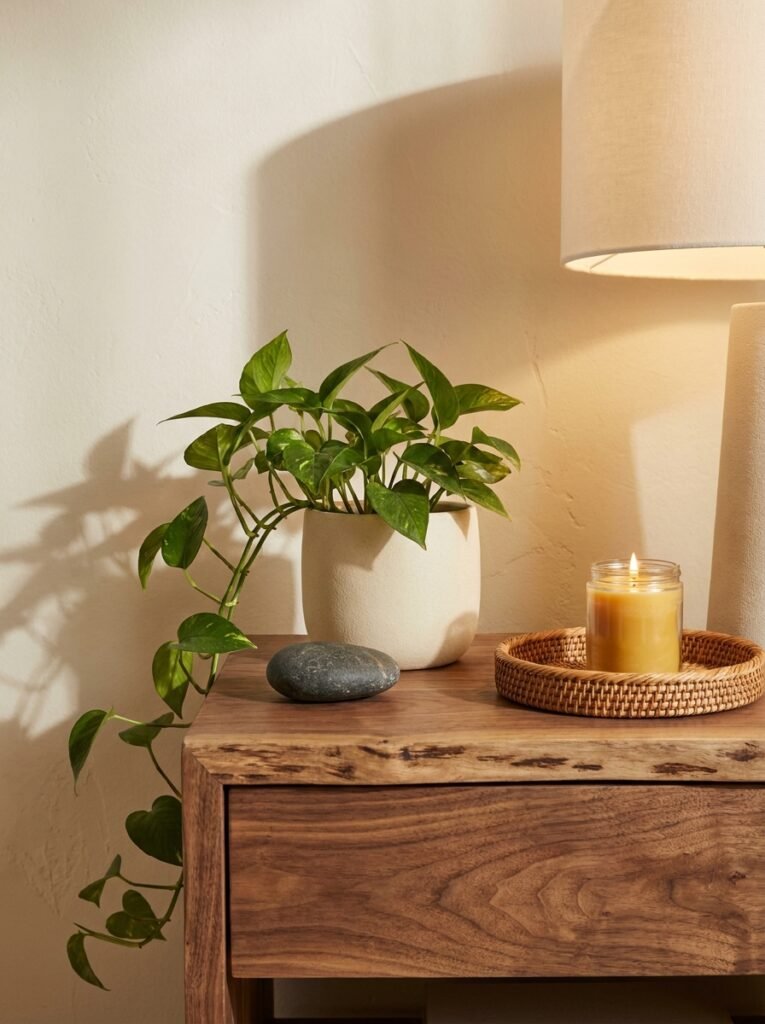
There is a reason every aspirational bedroom image features at least one trailing plant or raw wood surface — biophilic design isn’t a trend. It’s a response to something deeply biological in us, a need to maintain connection with natural materials and living things even in the most urban environments.
Plants in the bedroom aren’t just aesthetic. Snake plants, pothos, and peace lilies are all low-maintenance options that tolerate low light and, in some cases, actively improve air quality. Beyond practicality, there’s something about a living thing in a room that makes the space feel cared for — like the room itself is breathing.
Natural wood — whether in a raw-edge nightstand, a reclaimed wood headboard, or simply a wooden tray on the dresser — adds visual warmth that no paint color or textile can fully replicate. Stone, rattan, jute, and linen all belong to this same family of materials that ground a room and remind the body, on a sensory level, that it can relax.
—
10. Creating a Cozy Reading Nook Inside Your Bedroom
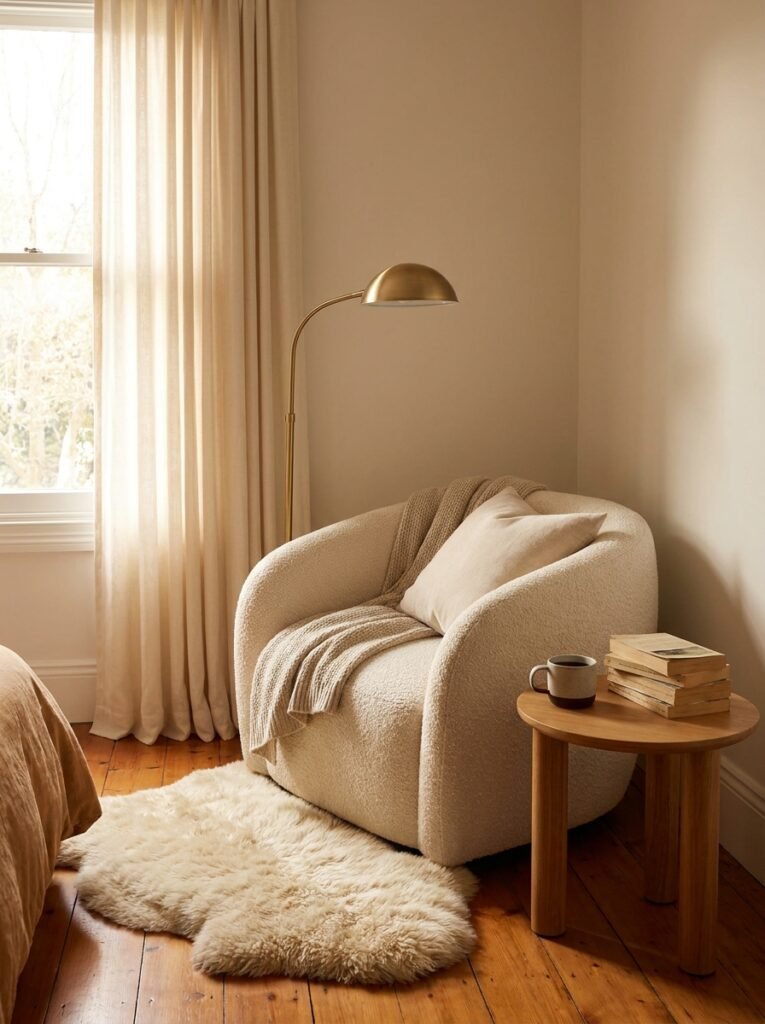
A dedicated reading corner inside a bedroom is one of those design decisions that seems small and turns out to be life-changing. It creates a third zone in a room that typically only has two — sleeping and getting dressed — and that third zone changes how you inhabit the space.
You don’t need square footage for this. A single comfortable chair angled toward a window, a small side table for a mug of tea, a floor lamp positioned just right, and a small bookshelf or stack of well-loved books is enough. The nook doesn’t need to be large. It needs to feel distinct — like stepping slightly out of one intention and into another.
If the bedroom is genuinely too small for a chair, a window seat with storage underneath achieves the same effect. A pile of floor cushions in a corner, a sheepskin rug, and a basket of books create a reading nest that costs very little and adds enormous character.
—
11. The Art of Bedroom Wall Decor That Doesn’t Look Like an Afterthought
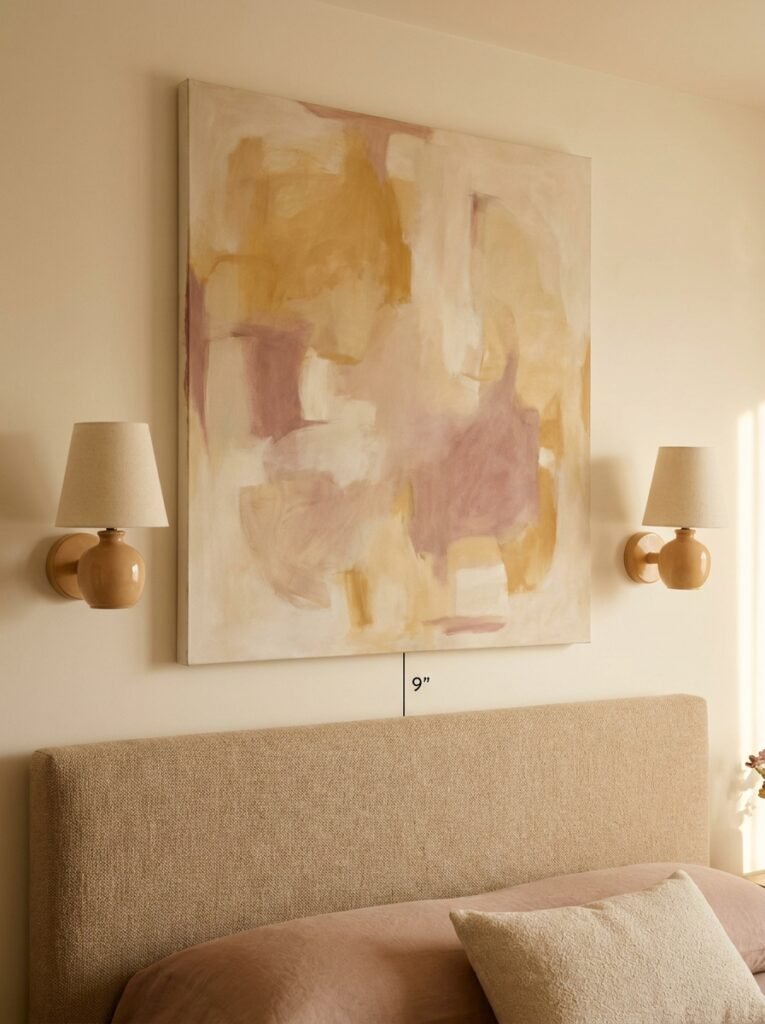
Bedroom walls are often where design intentions go to die — either covered in generic prints that were chosen quickly or left completely bare because nothing felt “right.” Both outcomes miss the mark, and the solution is simpler than most people think.
Wall art in a bedroom should feel personal and calm. Large-scale pieces — a single oversized print, an abstract canvas, or a textile wall hanging — read as intentional and create visual weight without visual noise. Gallery walls work in bedrooms, but they work best when kept to one wall and when the palette of the art coheres with the rest of the room’s color scheme.
Consider unexpected art sources: vintage botanical prints, pages from art books in simple frames, family photographs in black and white, architectural sketches, or even fabric panels in a beautiful pattern. Height matters enormously — art hung too high or too low disrupts the room’s visual flow. Center art at eye level, or, above a bed, position the center of the piece approximately 8 to 10 inches above the headboard.
—
12. The Final Layer: Scent, Sound, and the Sensory Details That Seal the Room
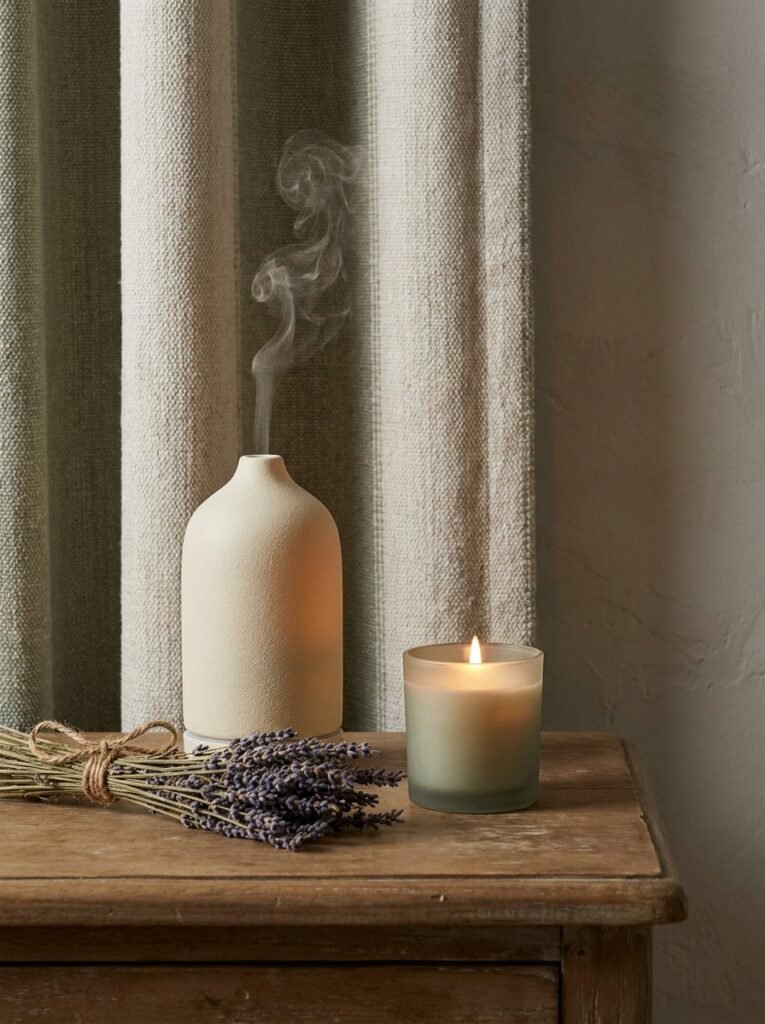
Design is not only visual — and the most beautifully decorated bedroom in the world falls slightly short if it smells like nothing in particular or has bare acoustics that make every sound feel harsh and echoey. The final layer of any truly designed bedroom addresses the senses that visual design alone cannot reach.
Scent is deeply connected to memory and emotional state. A consistent bedroom scent — through a diffuser, a candle, linen spray, or dried botanicals — trains your brain to associate that aroma with rest. Lavender, sandalwood, bergamot, and cedarwood are all scientifically documented to support relaxation. Even something as simple as a sachet of dried lavender inside your pillowcase makes the act of lying down feel like a ritual.
Acoustics are the final, most overlooked variable. Hard floors and bare walls create echo and sharpness that keeps the nervous system subtly on alert. Rugs, heavy curtains, upholstered furniture, and textile-covered walls all absorb sound and create the soft, muffled quiet that genuine rest requires. The room that sounds peaceful often is peaceful — and the bedroom, above all other rooms, should be a place where the world outside simply cannot reach you.
—
🌿 How to Take Care of Your Bedroom Design Over Time
Great bedroom design doesn’t end when the furniture is arranged and the art is hung. It’s a living space, and it deserves ongoing attention.
Rotate your textiles seasonally — swap heavier wool throws and flannel bedding for linen and cotton in warmer months, and let the material change signal to your body that the season has shifted. This small ritual keeps the room feeling fresh and prevents sensory monotony.
Edit regularly. A bedroom accumulates objects the way a kitchen accumulates dishes — gradually, invisibly, until suddenly the surfaces feel crowded. Every few months, walk through your bedroom with fresh eyes and remove anything that doesn’t contribute to the atmosphere you’re trying to create. Clearing clutter is, in itself, a form of interior design.
Care for your plants, freshen your scent diffuser, and wash your curtains at least twice a year. The physical act of maintaining your space deepens your relationship with it — you begin to treat a well-maintained room with more respect, and that respect compounds over time into a space that genuinely restores you.
Finally, let the room evolve with you. Your needs at 25 are not your needs at 40. The bedroom that served you through one season of life may need to shift as your relationship with sleep, solitude, and comfort changes. Design is never finished — it’s just in different states of becoming.
—
❓ FAQ
Q: What is the best color to paint a bedroom for better sleep? A: Soft, cool-toned neutrals tend to support the best sleep environments. Muted blues, dusty greens, warm grays, and gentle lavenders are consistently cited by sleep researchers and interior designers alike as the most restful options. Avoid highly saturated or warm-bright tones if sleep quality is your primary goal.
Q: How do I make a small bedroom look bigger without knocking down walls? A: The most effective small-bedroom strategies are: using a monochromatic color palette to reduce visual contrast, incorporating mirrors to reflect light and create depth, choosing low-profile furniture that keeps the eye line low and the ceiling feeling higher, and maximizing vertical storage to keep floors clear. Each of these individually makes a difference — combined, they’re transformative.
Q: How many pillows should be on a well-styled bed? A: There’s no single correct answer, but a practical and visually balanced approach is two sleeping pillows, two matching shams behind them, and one to two accent or decorative pillows in front. Anything beyond five pillows starts to compete with the room rather than complement it, and anything fewer than three can feel sparse unless the overall design is deliberately minimalist.
—
💭 Final Thought
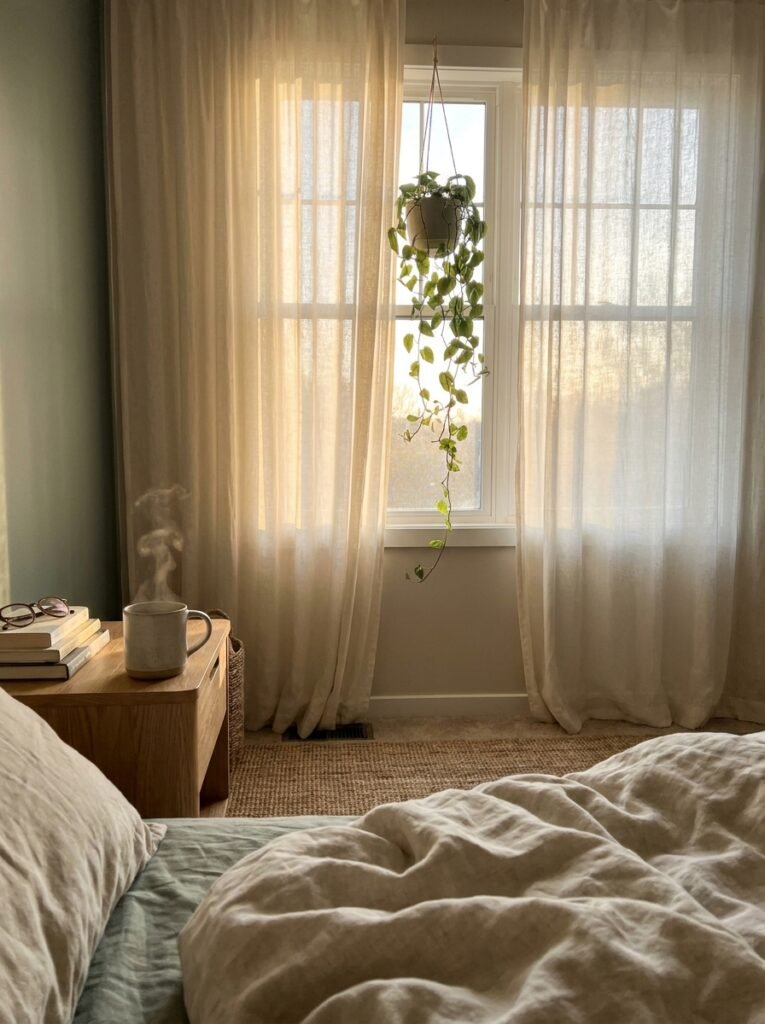
Your bedroom is the first space you see when you wake up and the last space you see before you close your eyes. It holds your rest, your recovery, your private thoughts, and your quietest moments. Designing it thoughtfully isn’t vanity — it’s an act of genuine self-care, a way of telling yourself that you are worth a space that was built with intention.
So here’s the question worth sitting with tonight: if your bedroom could feel any way at all, what single word would you want to describe it — and does it feel that way right now?