The Modern Comfy Living Room: 12 Ways to Make a Space That Feels as Good as It Looks
You walk in after a long day, drop your bag, and the room just holds you. That’s the feeling. Not a showroom. Not a catalog page. A living room that’s genuinely, deeply comfortable — and still quietly beautiful.
That’s what modern comfy looks like when you get it right.
—
1. The Sofa Isn’t Just Furniture — It’s the Whole Argument
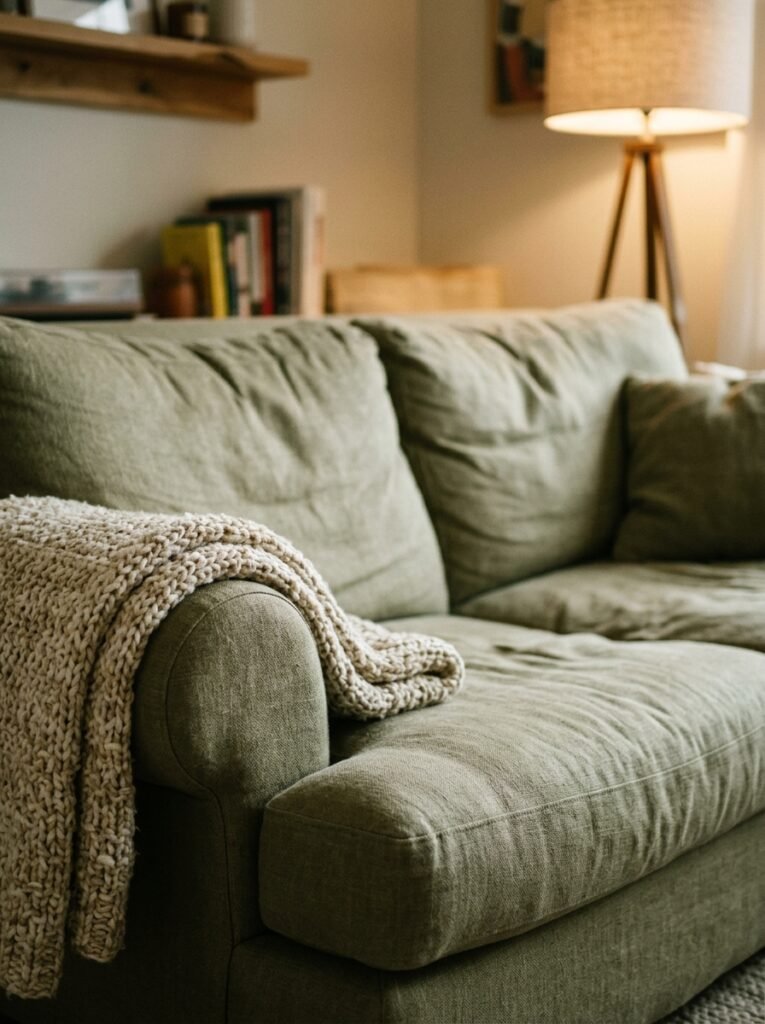
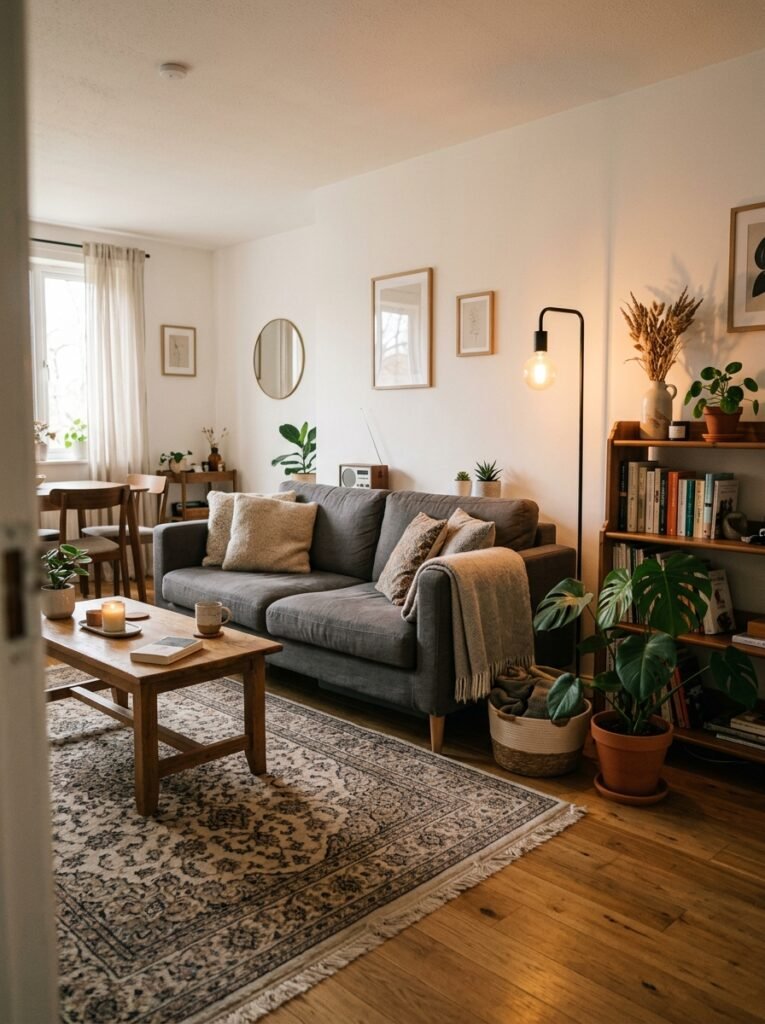
Everything else in your living room orbits the sofa. The rugs, the lighting, the throw placement — all of it is in conversation with that one piece. So when people ask me where to start, I say the same thing every time: start here, and don’t rush it.
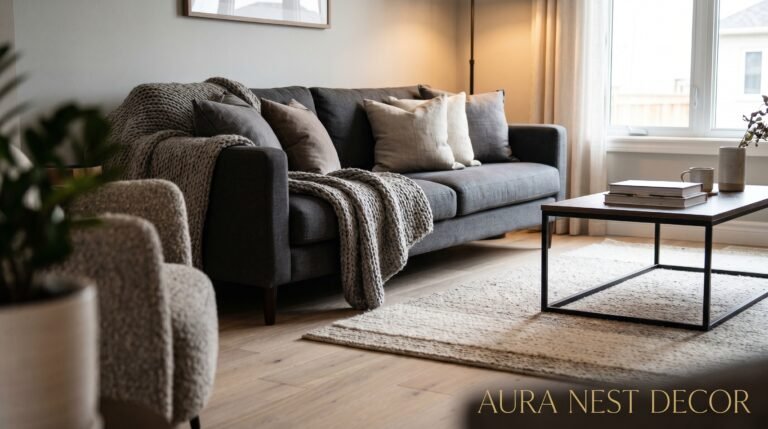
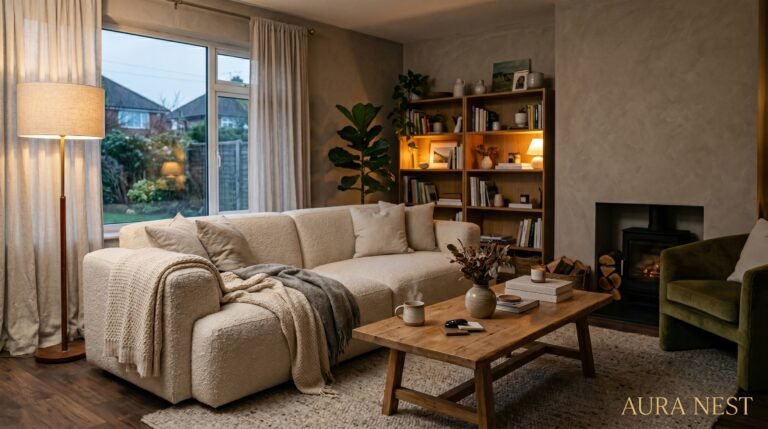
Modern comfy sofas in 2024 and into 2025 have a very specific personality. They’re low-profile but deep-seated. The cushions have some give — not the stiff, barely-there kind that makes you perch like you’re waiting for an interview. You want to sink. Boucle fabric has been everywhere, and honestly, it earns its place — that nubby, cloud-like texture photographs beautifully and feels even better in person. But linen and velvet are still doing quiet, dependable work for people who want something more classic.
Colour-wise: warm oatmeal, greige, and soft mushroom tones are dominating British living rooms right now. Across the Atlantic, Americans are going slightly bolder — dusty sage, terracotta, even a confident slate blue. Both approaches work. What doesn’t work is choosing based solely on what photographs well. Sit in it first. Sit in it for ten minutes and have an honest conversation with yourself about whether you’d actually want to spend a Sunday there.
The legs matter more than people think. Slim wooden legs in walnut or oak lift the sofa visually and make a room feel less heavy. Flared or tapered legs add that specific mid-century modern energy that’s woven all through the current trend. Block legs feel more contemporary, more structured. Pick the one that matches the mood you’re going for — and then commit.
“Your sofa is the loudest decision in the room, even when it’s whispering neutral.”
—
2. The Color on Your Walls Is Either Working Hard or Working Against You
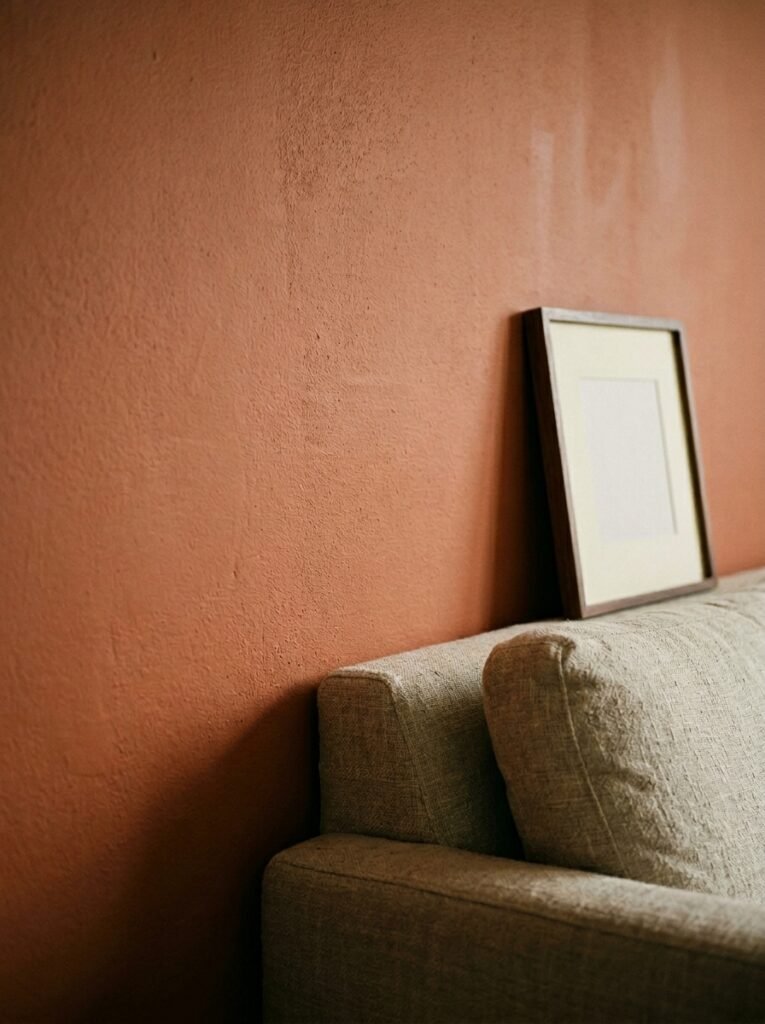
There’s a color showing up in almost every beautiful, modern living room I’ve been saving lately. It’s not one shade — it’s a temperature. Warm whites with a faint yellow or pink undertone. Muted sage greens. Deep, earthy terracottas that feel like the inside of a pottery studio in the late afternoon. What they all share is warmth. Not beige-beige, not the cold grey that dominated the 2010s. Warmth.
The reason this matters is that paint color does the atmospheric heavy lifting in a room before you’ve spent a single pound or dollar on anything else. A warm white wall at dusk, caught in lamplight, makes even Ikea furniture look considered. A cold, stark white makes even expensive pieces look sterile.
For smaller British living rooms — those gorgeous but cozy Victorian terrace lounges — a deeper tone on all four walls actually creates more intimacy and perceived depth than going light. It’s counterintuitive. But a dark sage or a smoked olive makes a small room feel deliberate, cocooning, designed. It feels like a choice you made. Because it was.
In bigger, more open-plan American spaces, the challenge is avoiding that echoey, empty feeling. Warm mid-tones — a soft clay, a dusty blush — pull the space inward without making it feel closed. Add an accent wall in a deeper version of the same hue if you want drama without full commitment.
Benjamin Moore’s White Dove, Farrow & Ball’s Elephant’s Breath, and Sherwin-Williams’ Accessible Beige are in countless mood boards right now for good reason. They behave beautifully in different lights throughout the day. That matters. Paint a large swatch and live with it for three days before you open a second tin.
—
3. Why Every Cozy Living Room Needs at Least One Unreasonably Large Rug
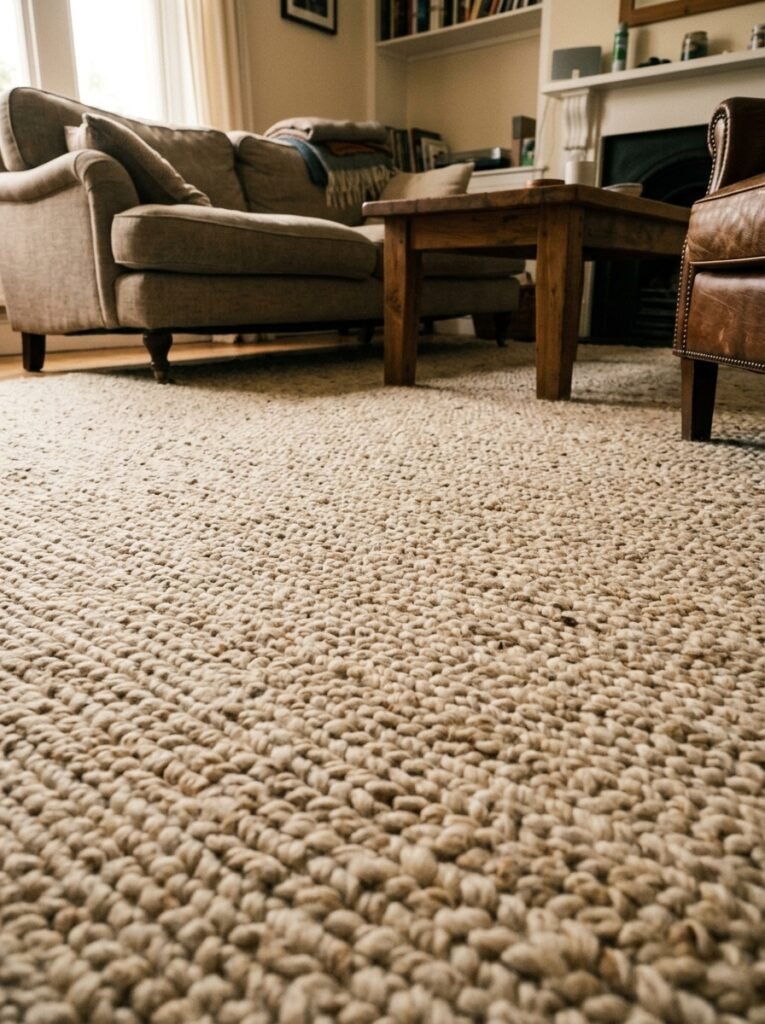
Undersized rugs are the silent killers of living room comfort. I mean that. You’ve got a gorgeous sofa, some interesting side tables, maybe a lovely coffee table — and then a rug that barely fits under the front legs, floating in the middle of the room like a sad little island. It breaks the whole spell.
The rule I follow: go bigger than feels sensible. Then go bigger again.
A large rug — think 8×10 or even 9×12 in a standard living room — anchors every piece of furniture and gives the eye a defined, warm territory to settle into. In British homes where rooms can be narrower, a runner-style placement can work beautifully, but you still want all front legs on the rug at minimum. All four is even better.
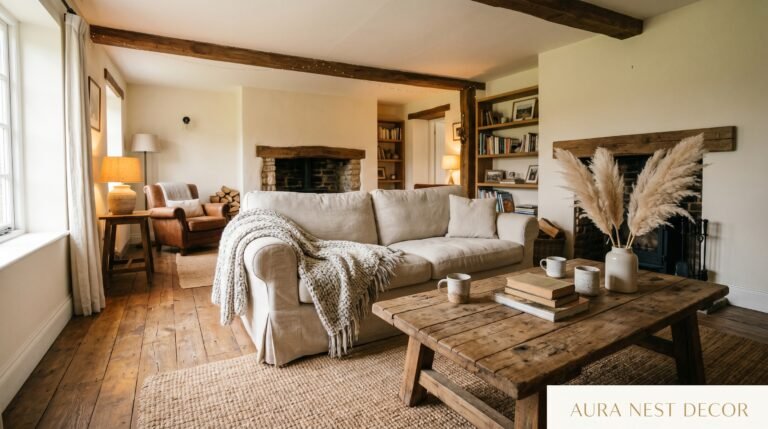
Texture is everything here. A low-pile jute or sisal rug reads as natural, grounding, practical. A high-pile or shaggy rug is all-in on comfort — bare feet in the morning, sitting on the floor with your coffee, that whole lifestyle. Wool rugs are the best investment you’ll make; they’re durable, they age well, they feel incredible underfoot. A Moroccan-style beni ourain or a simple abstract geometric in warm tones will never, ever look dated.
Layering two rugs is a trick that earns every room it’s used in. A flat jute underneath, something softer and smaller on top. It adds visual depth, it makes the space feel curated rather than decorated, and it’s oddly practical — you can swap out the top rug seasonally without breaking the bank.
—
4. The Lamp Situation: Why Overhead Lighting Is Quietly Ruining Your Evenings
Turn off your ceiling light right now. I’m serious. Go turn it off, come back, and rely solely on lamps, candles, and whatever natural light you’ve got. Notice how the room changes. Notice how you feel.
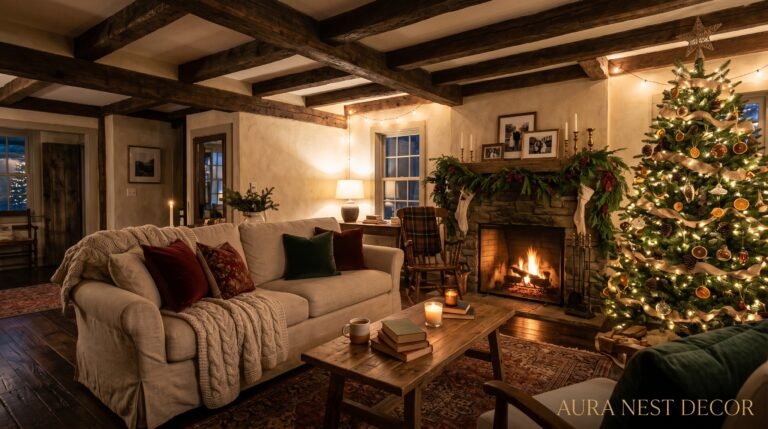
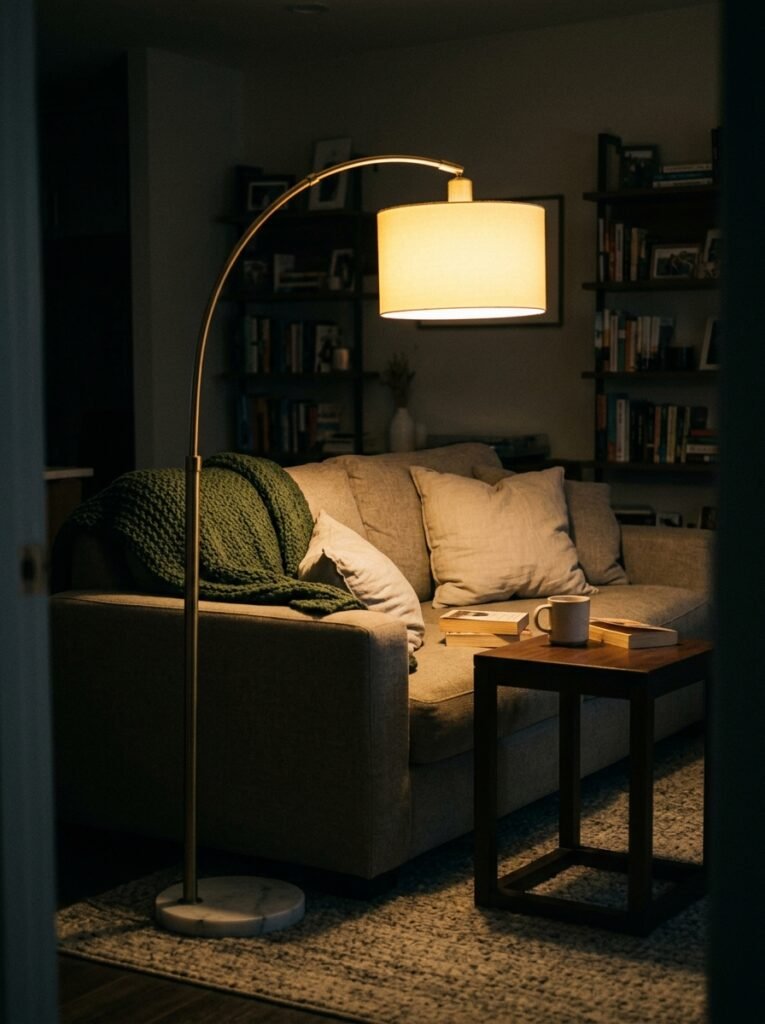
The overhead light — that flat, top-down, shadowless illumination — is a mood vacuum. It makes everything look like a waiting room. Modern comfy living rooms run almost entirely on layered, low lighting. Floor lamps. Table lamps. A few pillar candles if you want that extra amber warmth. The goal is pools of light at different heights, creating visual warmth and actual physical coziness.
The amber glow of an Edison bulb at 7pm, catching the side of a linen cushion, is doing more for your living room than any throw pillow purchase you’ll ever make. Low-wattage warm bulbs (2700K or below) are non-negotiable. Anything bluer or brighter and you’re back in waiting room territory.
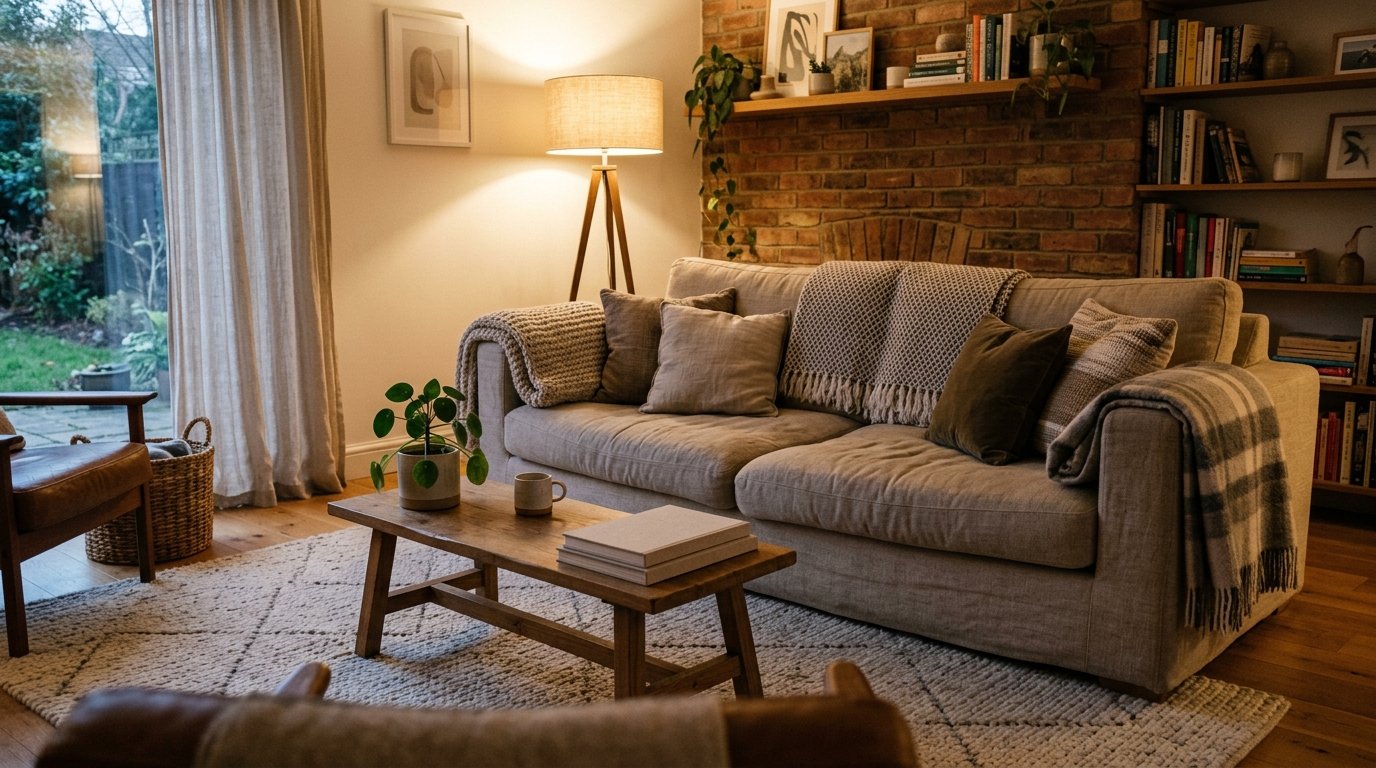
Floor lamps in arched styles have been Pinterest darlings for years and they still make rooms feel incredible — especially that classic arc lamp that reaches over a sofa or reading chair. Tripod lamps in wood or brass have a slightly more editorial quality. Both work. Both are better than overhead lighting at 9pm on a Wednesday when you’re trying to feel like a person again.
Dimmer switches are the cheapest, most impactful upgrade you can make to an existing room. Fit them to every light in the living room. Thank me later.
“The difference between a beautiful room and a comfortable one is almost always the lighting.”
—
5. Cushions and Throws: The Art of Deliberate Messiness
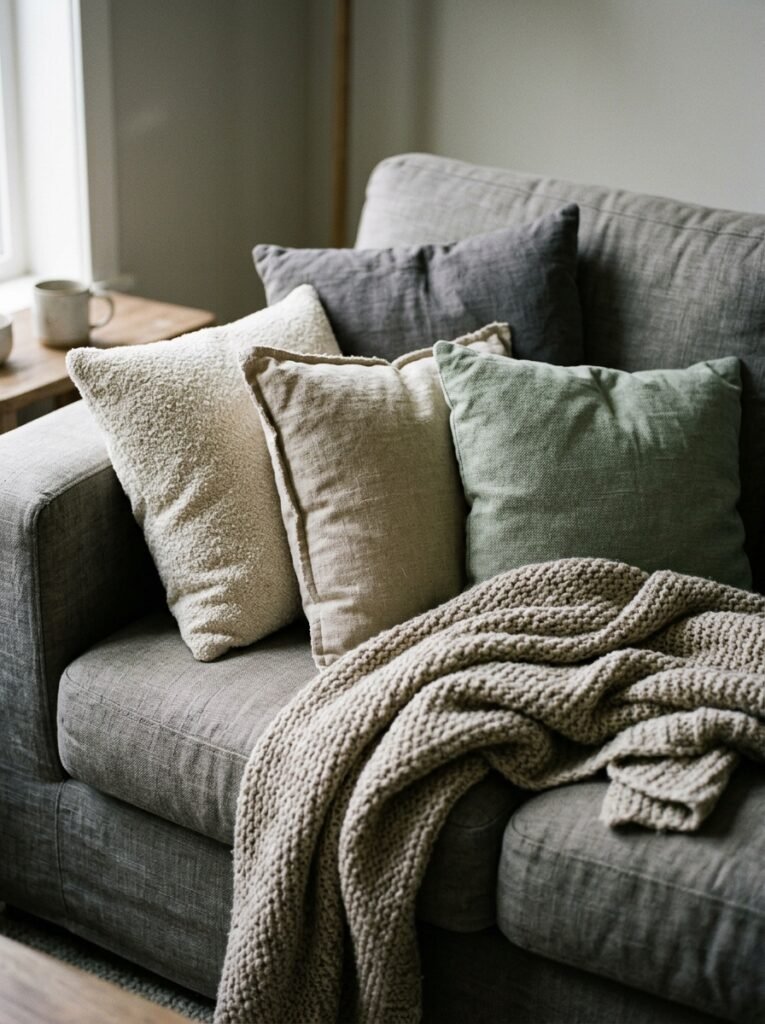
Nobody wants a sofa that looks too perfect. Cushions that are plumped to geometric precision, throws that are folded with military discipline — it reads as cold. Unapproachable. Like you’re not allowed to sit there.
Modern comfy styling leans into what I call deliberate messiness. A throw that’s casually draped over one sofa arm, slightly off-centre. Cushions in an odd number — three or five — rather than the stiff symmetry of two-and-two. One cushion leaning forward, just slightly, like it got caught mid-conversation.
The formula that works: two larger cushions in a base neutral, one or two mid-sized in a contrasting texture (boucle against linen, velvet against cotton), and one smaller lumbar pillow or a slightly mismatched print. That’s it. That’s the whole system. It looks lived-in and intentional at the same time.
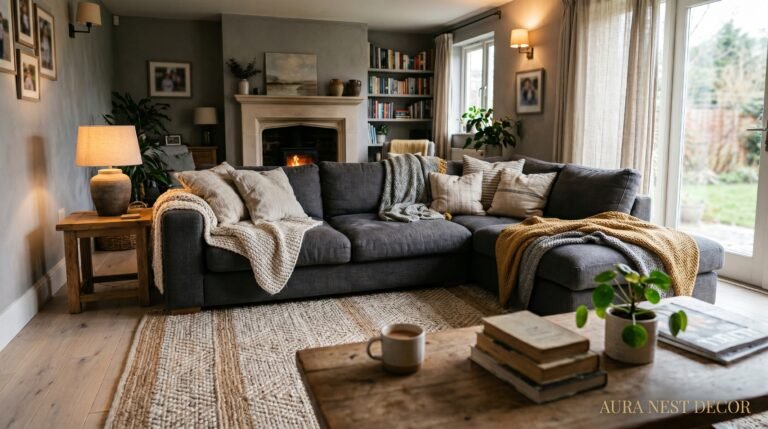
Throws deserve their own conversation. Chunky knit throws in cream or oatmeal are everywhere and with good reason — they look good, they feel incredible, and they photograph like a dream. Wool throws with a fringe edge have a more refined, British-country feel. Faux fur is polarising but wildly cozy. Whatever you choose, make sure it’s something you’d actually grab and wrap around yourself on a cold Sunday. If it’s too scratchy or too thin, it’s just decoration. And decoration isn’t comfy.
—
6. The Coffee Table That Actually Earns Its Place
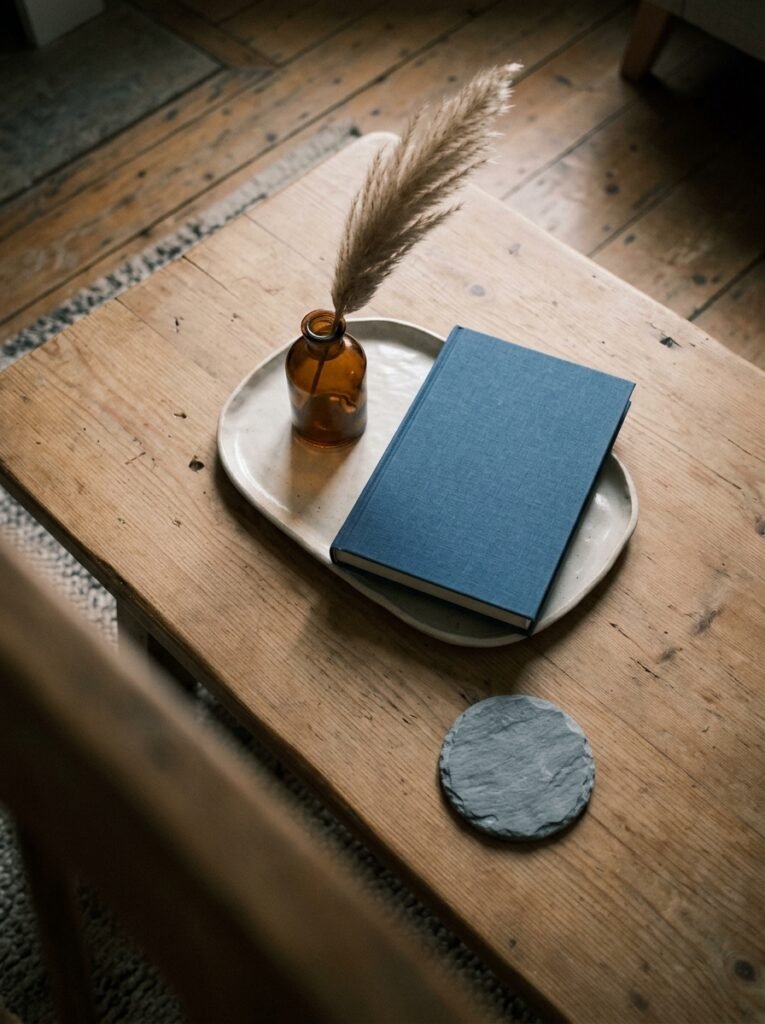
I used to think the coffee table was an afterthought. Then I rearranged my entire living room around finding the right one, and I’ve never underestimated it since.
A coffee table in a modern comfy living room does three jobs: it’s functional (drinks, books, remote controls), it’s beautiful (it carries the styling moment at the center of the room), and it anchors the seating arrangement. If it fails at even one of those jobs, the whole room feels slightly off.
The shapes that work best right now: oval and round tables in natural wood or stone, or rectangular tables with open lower shelves. Round tables soften angular rooms. Open lower shelves give you a place for oversized books, a woven basket, a plant — they add visual weight and practicality in equal measure.
Height matters. The coffee table should sit roughly at the same height as your sofa seat cushion, give or take an inch. Too low and it’s awkward. Too high and it feels like a dining table that wandered in.
Style it, but don’t overstylist it. A stack of beautiful hardcover books, a small tray with a candle and a little object you love, maybe a vase with something living or dried in it. Three things. Four maximum. Leave space for actual use.
—
7. The Plant That Changes the Whole Energy of a Room
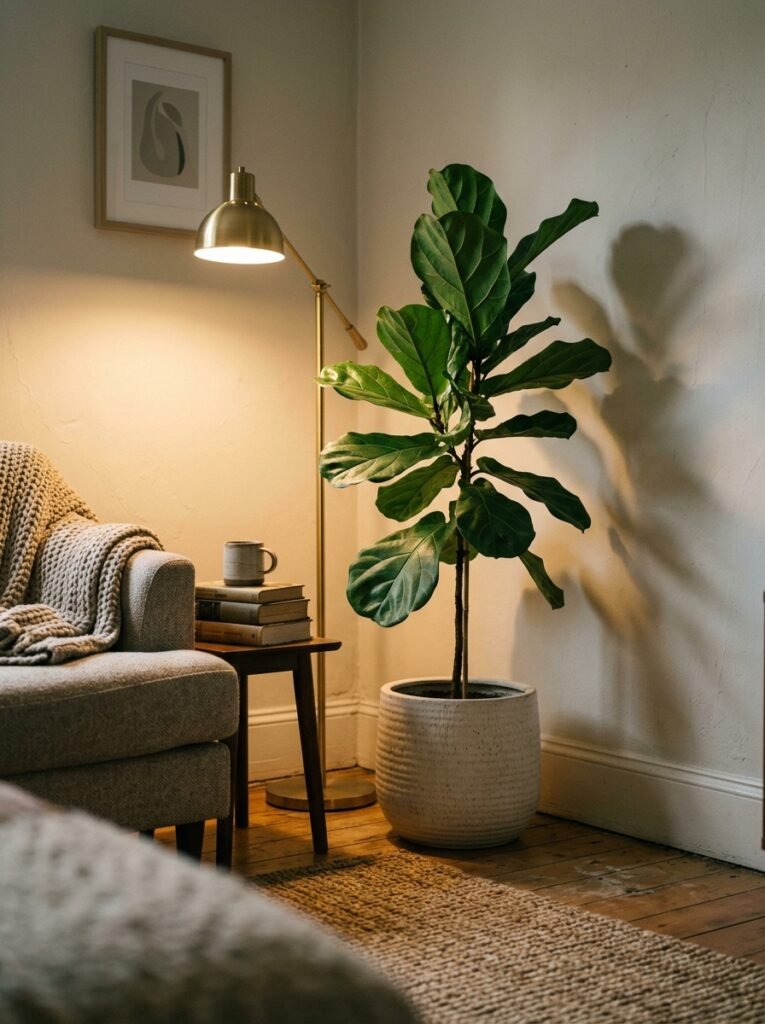
Not a string of fake eucalyptus. A real, living, growing thing.
Plants in a living room do something that no styled shelf or carefully chosen cushion can quite replicate. They soften. They bring scale. They make the room feel inhabited in the truest sense of the word — like the space is participating in the act of living rather than just containing it.
A large fiddle leaf fig or an olive tree in a terracotta or stone pot beside a window or in an empty corner is a full design statement. A trailing pothos on a high shelf, spilling down toward the floor. A cluster of three different-sized plants in the same corner — mixed textures, varied heights — that reads as lush and curated at once.
If you genuinely cannot keep plants alive (no judgment — it’s a skill), dried botanicals have had a real moment and they’re still beautiful. Dried pampas grass, eucalyptus stems, dried alliums in a tall ceramic vase. They photograph well, they last indefinitely, and they add that organic, imperfect beauty that makes a room feel real.
“A single large plant in the right corner will do more for a room than three new cushions and a scented candle.”
—
8. Shelving That Tells a Story Instead of Just Holding Stuff
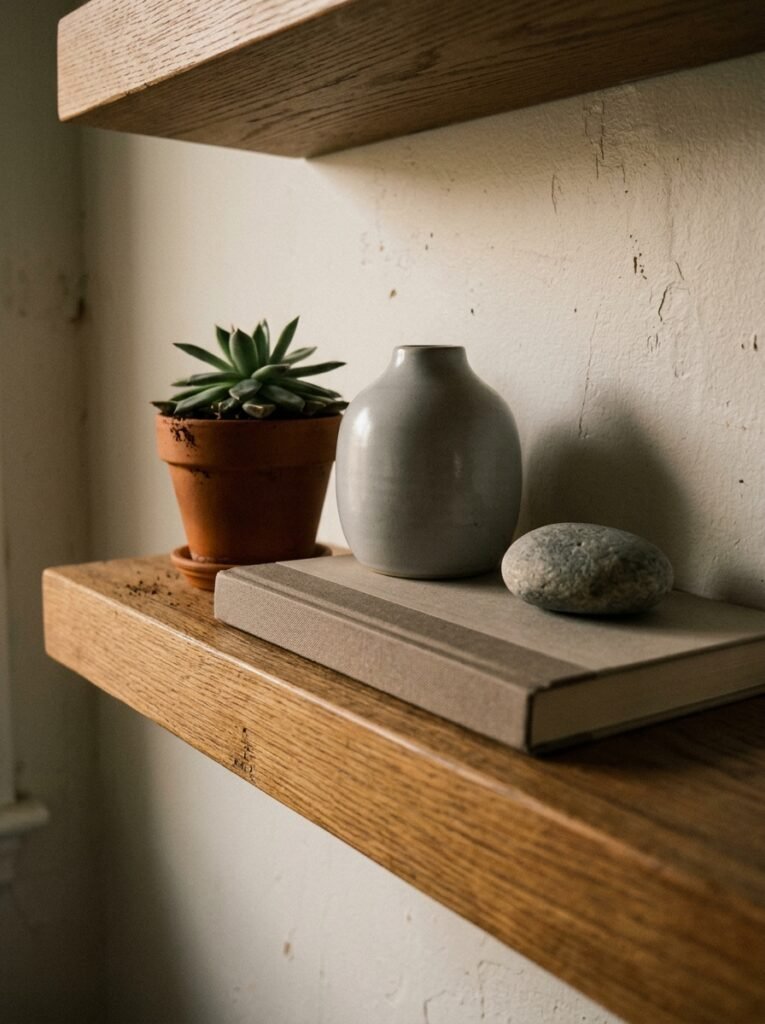
Shelves are where a living room either becomes a personality or becomes storage with aspirations. The difference is in the editing.
The first thing to do: remove two-thirds of what’s currently on your shelves. Seriously. Almost every overstuffed bookcase I’ve seen would be dramatically improved by taking half the objects off. Breathing room is part of the design. The eye needs somewhere to rest.
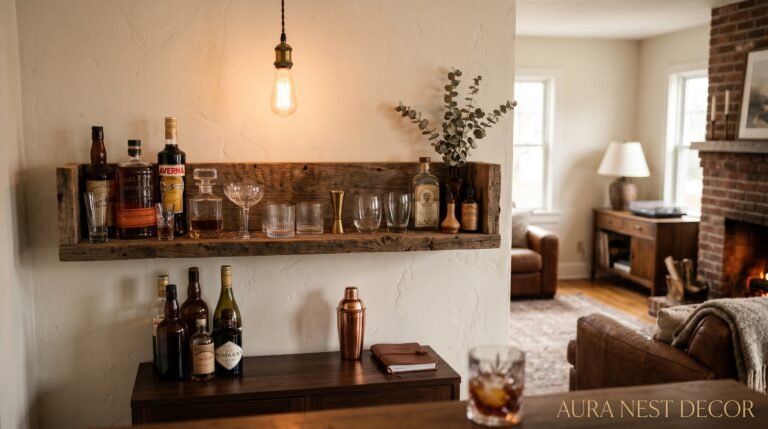
Then build back with intention. Group objects by height — tall things at the back, smaller things in front. Mix textures: ceramic next to a stack of books next to a trailing plant. Vary finishes: matte pottery, a shiny brass object, something with natural grain or texture. Keep a rough colour palette going through the whole shelf — if your living room is warm and neutral, your shelf objects should carry that same warmth.
Books are the best shelf objects. Styled books — some upright, some horizontal as a plinth for something small on top, the odd cluster with a candle beside them — feel more layered and personal than almost any purchased decorative object.
The one thing I’ll say about open shelving in living rooms: commit fully to the maintenance. Dusting, restyling, keeping it from accumulating random objects that don’t belong. A neglected shelf loses its beauty fast. But a loved and tended one adds genuine warmth and personality to the room.
—
9. The Reading Corner Nobody Builds (But Everyone Wishes They Had)
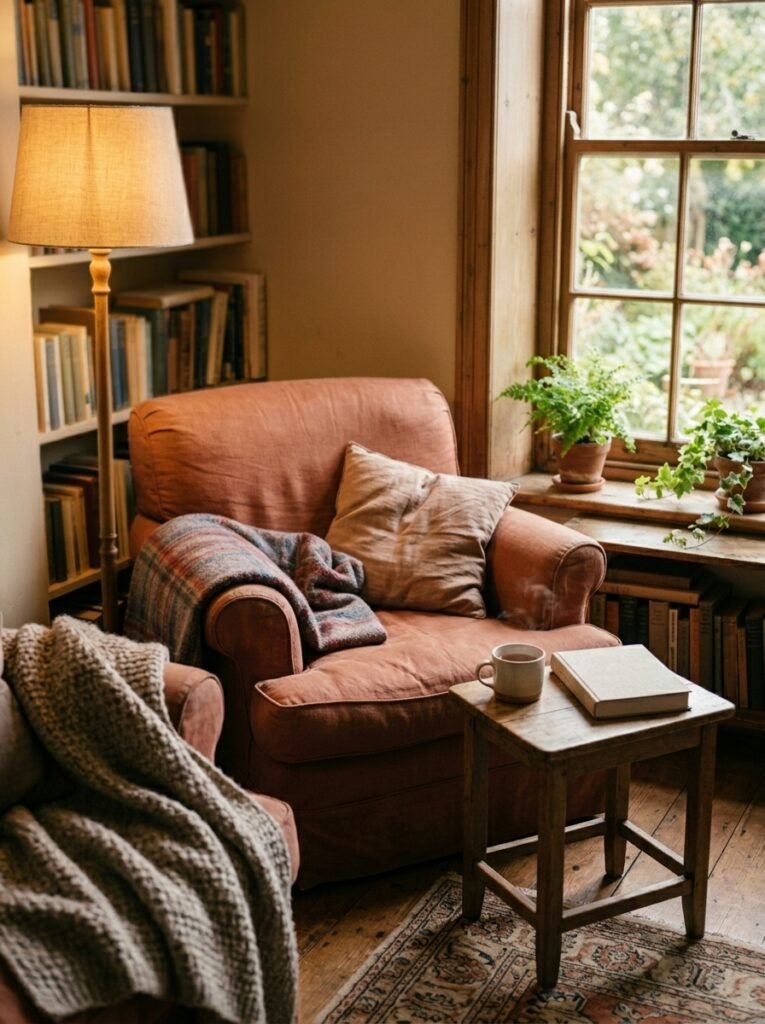
You don’t need a whole room. You need a chair, a lamp, and about four square feet of intention.
A reading corner — even in a smaller British sitting room or an open-plan American space — creates a sense of function and personality that a second sofa never quite achieves. It says: someone here reads. Someone here sits and thinks. The room has different moods for different moments.
The chair should be comfortable in a different way than your sofa. If your sofa is wide and lounging, the reading chair can be more upright and enveloping — a barrel chair, a curved wingback, a classic low-slung armchair with a high back. Something with a strong shape that becomes a visual anchor across the room from the sofa.
Beside it: a small side table or a thick stack of books functioning as a makeshift plinth, and a tall floor lamp arching over the shoulder. That’s the whole corner. Maybe a small basket with a throw tucked in. Maybe a plant beside it.
The magic is in the specificity. This chair is for reading. This lamp is for that chair. This corner has a purpose. That intentionality translates directly into atmosphere, and atmosphere is the invisible ingredient in every living room that truly feels good.
—
10. Mixing Old and New Without It Looking Like a Mistake
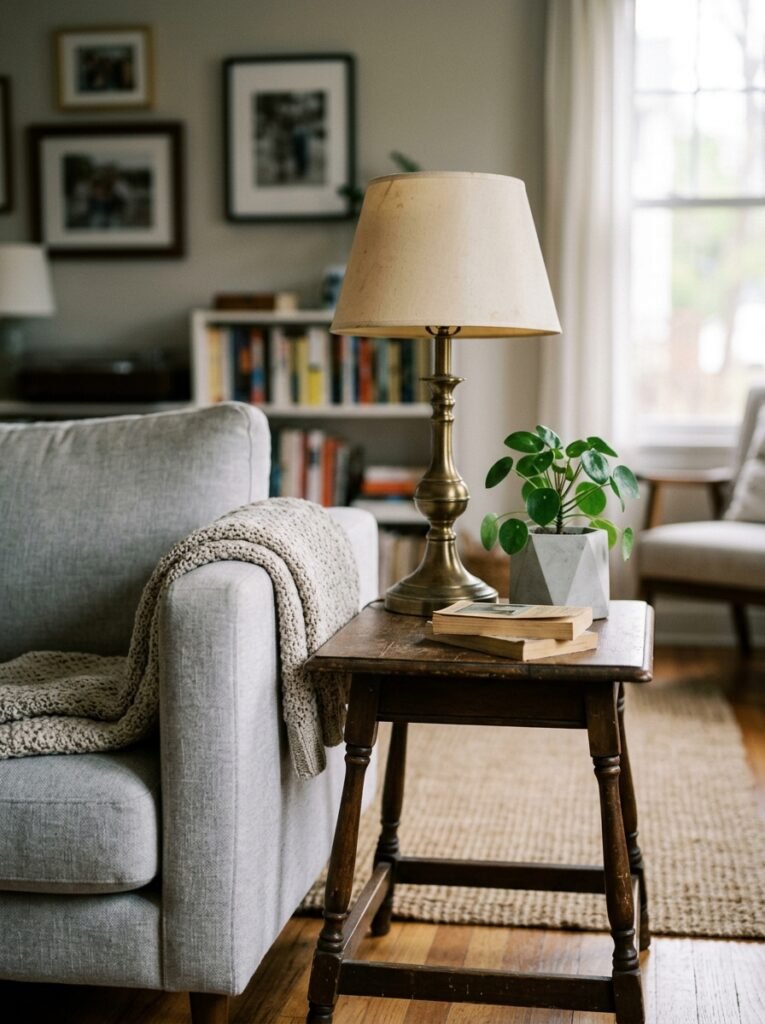
The rooms I find most interesting — the ones I save over and over again on Pinterest — almost never look like they came from a single store or a single era. They have layers. A vintage piece here. Something brand new there. Something handed down. Something found at a car boot sale or a flea market.
That mix is the whole point of modern comfy. Modern doesn’t mean everything was bought in the last two years. It means the room has a considered, contemporary sensibility — but it’s built with pieces from different places and different times, because that’s how actual human beings live.
The practical guide: anchor with a few key newer pieces that feel contemporary and cohesive (your sofa, your rug, your main lighting). Then bring in age and personality through the accessories and accent furniture — an antique side table, a vintage mirror, inherited ceramics, a kilim rug layered underneath a modern one.
The rule that keeps it from looking chaotic: maintain a consistent colour temperature. Warm tones throughout. Or cool tones throughout. Mix warm and cool finishes and materials and the room starts to feel unresolved. Keep the palette warm and cohesive and you can mix any era you like.
—
11. The One Texture Everyone’s Missing (And How to Use It)
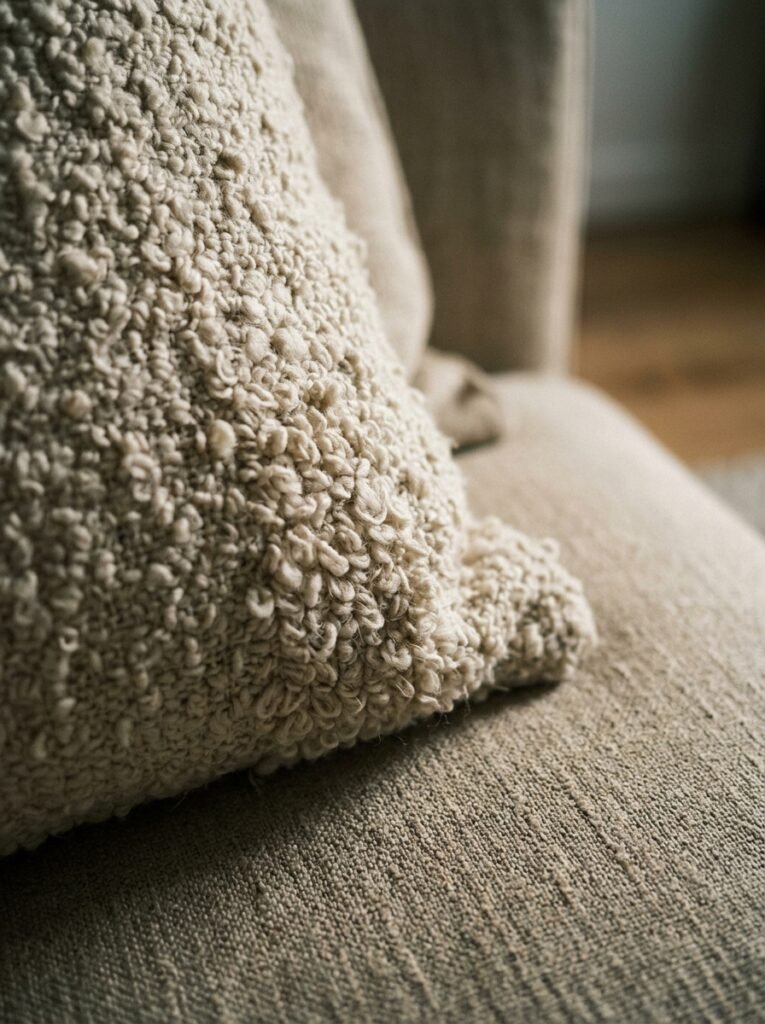
Linen. In curtains, specifically.
Not the cheap, thin kind. The heavy, slightly crumpled, floor-to-ceiling kind that pools fractionally on the floor and moves in a draught and catches the light differently at every hour of the day.
Linen curtains hung from ceiling to floor make a room feel taller, warmer, and more finished than almost any other single change you can make. They soften hard lines. They add texture without adding pattern. They’re the most quietly beautiful fabric in a living room, and they’re oddly underused compared to how often they appear in the rooms everyone saves and loves.
Natural linen, flax, oatmeal, undyed — these tones work with every wall colour I’ve described in this article. They bring an organic, slightly European quality to a room. Very Provençal farmhouse. Very Cotswolds cottage. Very Brooklyn brownstone. Whatever your reference point, they fit.
Hang them on simple, unobtrusive rods — black iron or brushed brass — and let them be the quietly beautiful backdrop to everything else. If you have small windows, go wide with the rod beyond the frame on both sides. It lets in maximum light when open and makes the windows look significantly larger when closed.
One practical note: proper linen curtains require dry cleaning or delicate laundering. If that feels like too much, a good linen-cotton blend is almost as beautiful and significantly more forgiving. The texture is the thing. Prioritise the texture.
—
12. The Final Layer: Scent, Sound, and the Details That Don’t Photograph
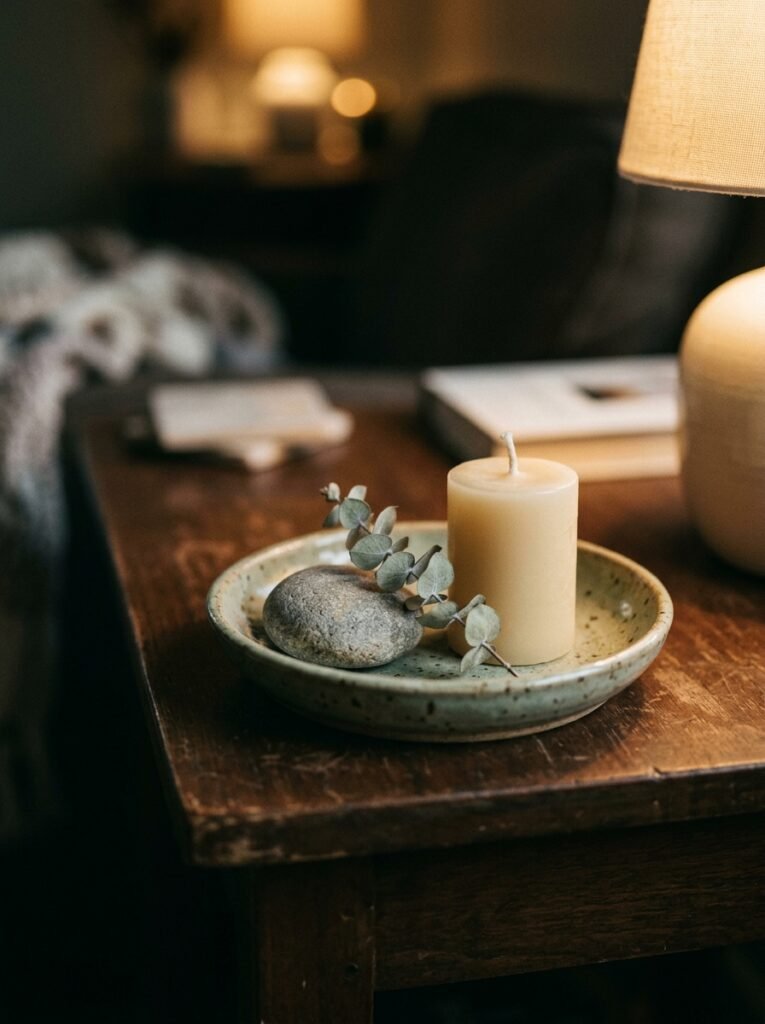
Here’s the thing about living rooms on Pinterest. You can save every beautiful image, replicate every visible element exactly, and still walk into the finished room and feel like something’s missing.
What’s missing is the layer that doesn’t photograph.
Scent. Sound. Temperature. The particular quality of a room that’s lived in and loved and that carries the personality of the people inside it.
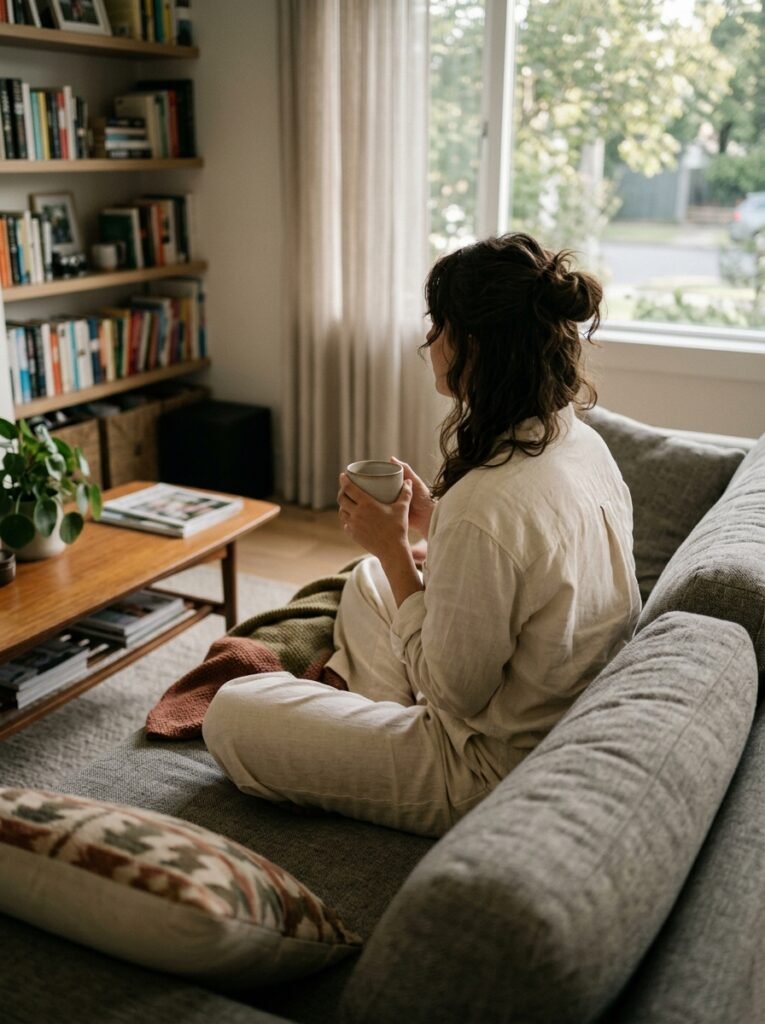
A candle burning in the corner — not for the light but for the smell of warm amber and cedarwood. A record playing something low and warm in the background. A window cracked just enough to let in the sound of the street or the garden. A favourite mug on the coffee table. A book open to the page you left off on.
These things don’t make the mood board. But they make the room.
Every element I’ve walked through in this article — the sofa, the lighting, the textiles, the plants, the corners designed for specific kinds of living — all of it is scaffolding for this final layer. The one you build simply by being in the space and loving it a little.
Modern comfy isn’t a design style. It’s a quality of attention. It’s the choice to make a room that holds you, not impresses you. And once you’ve felt the difference, you can’t unfeel it.
—
🌿 Quick Tips
Buy the larger rug than you think you need. Measure your current one, note how small it looks, and size up by at least one full size. You will never regret going bigger.
Swap overhead bulbs for warm-tone LED bulbs (2700K) in every lamp in the room this week. It costs almost nothing and changes the entire feeling of the space after dark.
In a room with mostly cool tones, one warm wooden piece — a side table, a picture frame, a shelf — is all you need to add life and stop it reading as cold.
If you have open shelving, take everything off, clean the shelves, and only put back what you’d genuinely miss. The restraint is the styling.
Always have at least one living thing in the room — a plant, fresh flowers, even a bowl of fruit. It grounds everything else and makes the space feel occupied in the best possible way.
—
❓ FAQ
Q: How do I make a small living room feel cozy without making it feel cramped? A: Go deeper with colour on the walls rather than lighter — darker tones actually create intimacy and make small rooms feel intentional rather than cramped. Keep furniture low to the ground, invest in a large rug that fills the space, and layer your lighting with lamps instead of relying on a single overhead light. Clutter kills cosiness; edit ruthlessly and leave breathing room on shelves and surfaces.
Q: What’s the best sofa colour for a modern comfy living room? A: Warm neutrals — oatmeal, greige, warm white, soft caramel — are the most versatile and will serve you through multiple redecorating cycles. If you want more character, a dusty sage, terracotta, or muted navy reads beautifully and still pairs with a huge range of accent colours. Avoid anything too grey or cool-toned if warmth and comfort are your priority; cool colours tend to read as formal rather than relaxed.
Q: How do I mix different furniture styles without the room looking messy? A: Keep your colour palette consistent — warm tones throughout, or cool throughout, never both. A cohesive palette is the thread that ties together different eras and styles. Also pay attention to scale; pieces that are wildly different in visual weight will fight each other regardless of style. Anchor the room with a few key pieces that feel contemporary, then layer in older or more characterful pieces through accent furniture and accessories rather than hero pieces.
—
💭 Final Thought
The living rooms that stay with you — the ones you photograph in your mind and come back to years later — are rarely the most expensive or the most architecturally impressive. They’re the ones that felt like someone actually lived there. Warmly, deliberately, joyfully.
Building that kind of room isn’t about having the biggest budget or the most perfect bones. It’s about making a series of small, considered choices and giving each one a reason to be there.
What’s the one thing in your living room right now that you’ve been meaning to change — and what’s actually been stopping you?