The Art of Feeling at Home: Why Hygge Interiors Are Changing the Way We Live
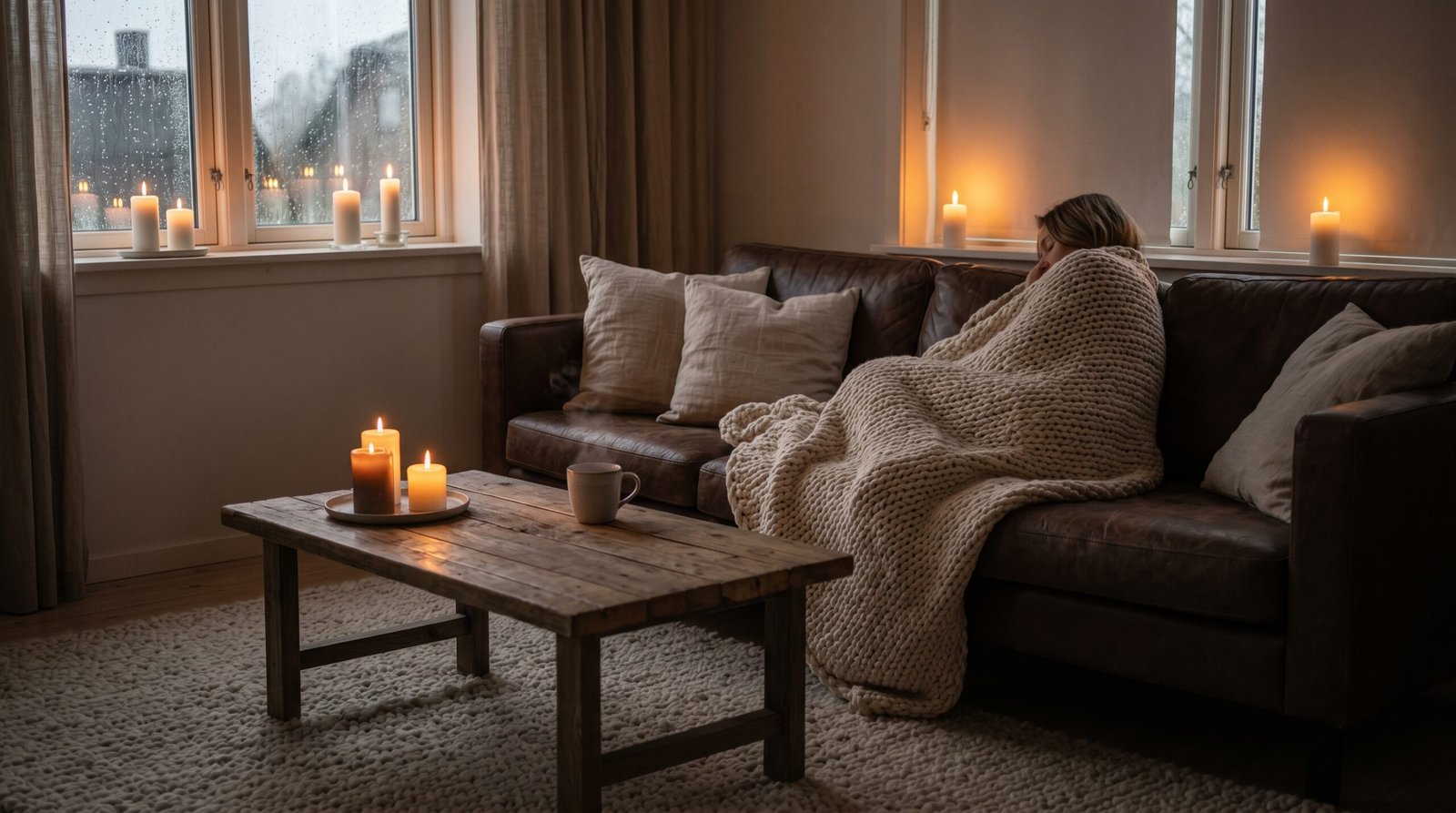
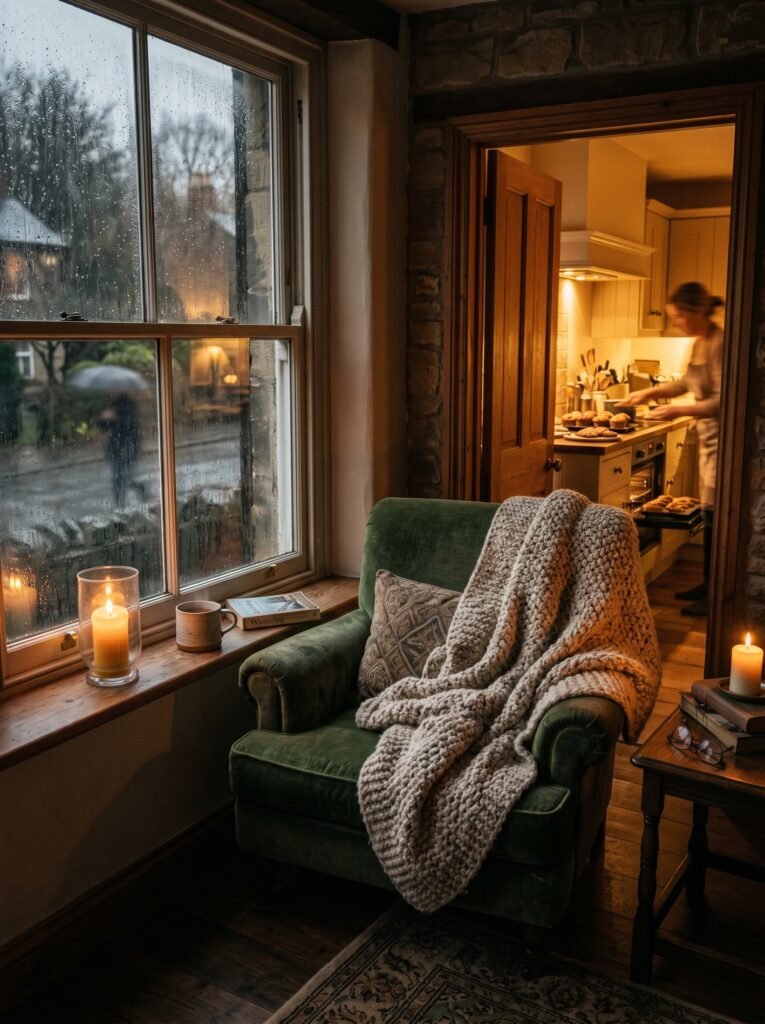
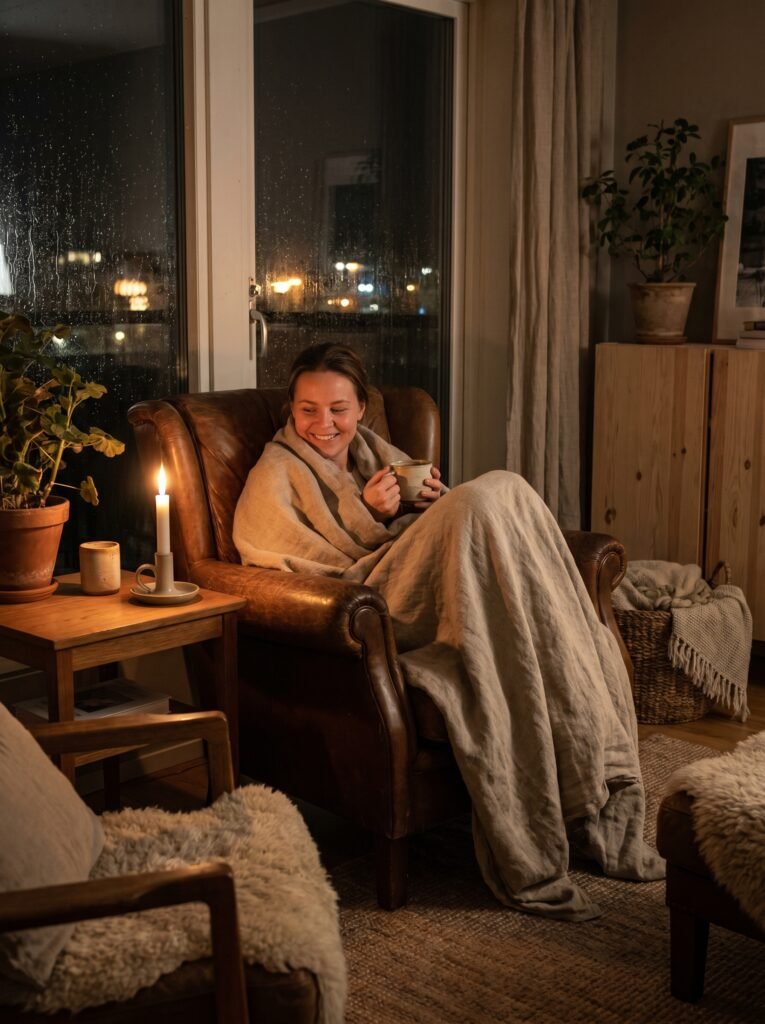
There’s a particular feeling most of us have chased our whole lives — that rare, quiet contentment you feel when you’re wrapped in a blanket on a rainy afternoon, the smell of something warm drifting from the kitchen, the soft flicker of candlelight nearby. The Danes have a word for it: hygge. And they’ve spent centuries turning that feeling into an art form.
—
Table Of Content
1. The Word That Changed How the World Thinks About Home

Hygge (pronounced hoo-gah) is a Norwegian-Danish concept with no direct English translation. It describes a quality of coziness, warmth, and quiet well-being that comes from taking genuine pleasure in the simple, soothing aspects of everyday life. The word first appeared in Danish writing in the early 19th century, borrowed from the Norwegian word hugga, meaning “to comfort” or “to console” — the same ancient root as the English word hug.
For Scandinavians, hygge isn’t a trend or an aesthetic mood board. It’s a philosophy baked into daily life. Studies consistently rank Denmark as one of the happiest countries on Earth, and many cultural researchers trace a meaningful part of that happiness to hygge — the deliberate, practiced art of creating warmth and belonging, especially at home.
“Hygge isn’t about what your home looks like. It’s about how your home makes you feel.”
2. Why Your Living Room Might Be Making You More Anxious Than You Realize
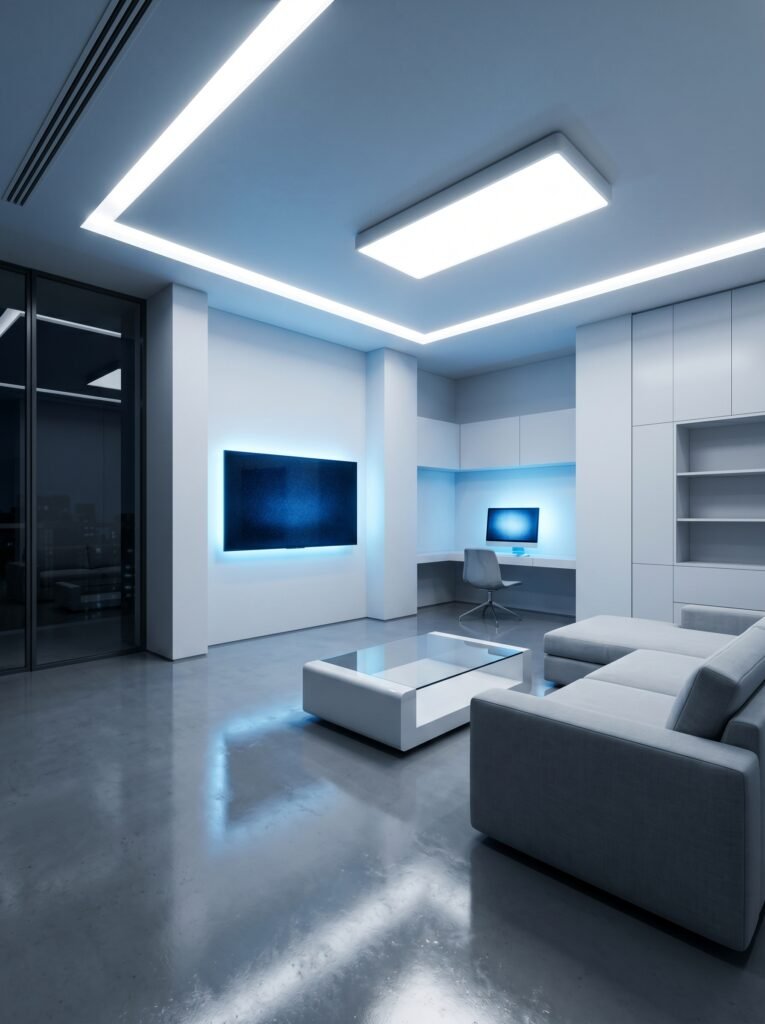
Consider the average modern interior: sharp edges, bright overhead lighting, minimalist surfaces with nothing soft in sight, screens glowing from every corner. These spaces are designed to impress, not to comfort. And quietly, without us quite noticing, they can chip away at our sense of ease.
Research in environmental psychology has shown that our physical surroundings have a profound effect on our stress levels, mood, and even our social behavior. Harsh lighting raises cortisol. Cluttered, chaotic spaces fragment our attention. Cold, sterile environments reduce our sense of safety. The hygge interior is, in many ways, a direct antidote to all of this — a deliberate design philosophy built around what the human nervous system actually needs in order to rest.
3. Light Is the Single Most Powerful Tool in a Hygge Home
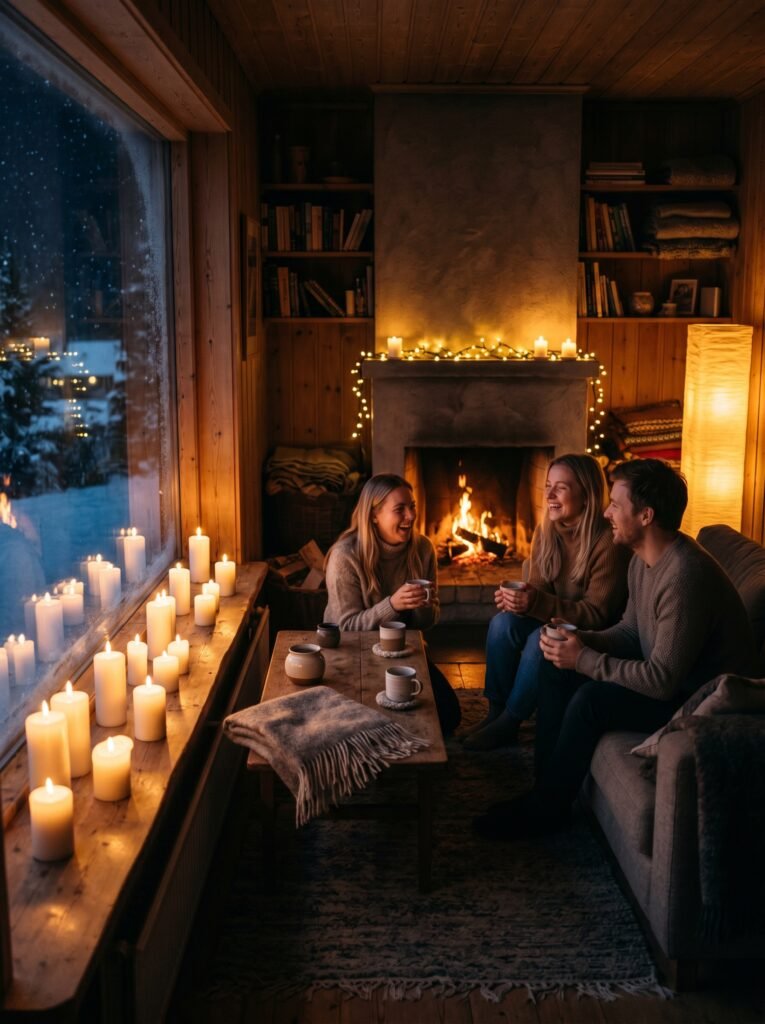
Ask any Danish interior designer what the soul of hygge is, and they’ll say the same thing: light. Specifically, warm, soft, layered light. Denmark endures long, dark winters — sometimes fewer than seven hours of daylight — and over generations, its people learned to fight the darkness not with fluorescent brightness, but with the gentle, amber glow of candles.
The Danes burn more candles per capita than any other nation on earth. In a hygge home, overhead lighting is almost never the primary source. Instead, rooms are lit in layers — candles on windowsills, floor lamps in corners, string lights wound around mantlepieces. The effect is dramatic in the most intimate way: shadows soften, faces look warmer, the entire room seems to exhale.
4. The Texture Philosophy That Makes a Space Feel Like a Hug
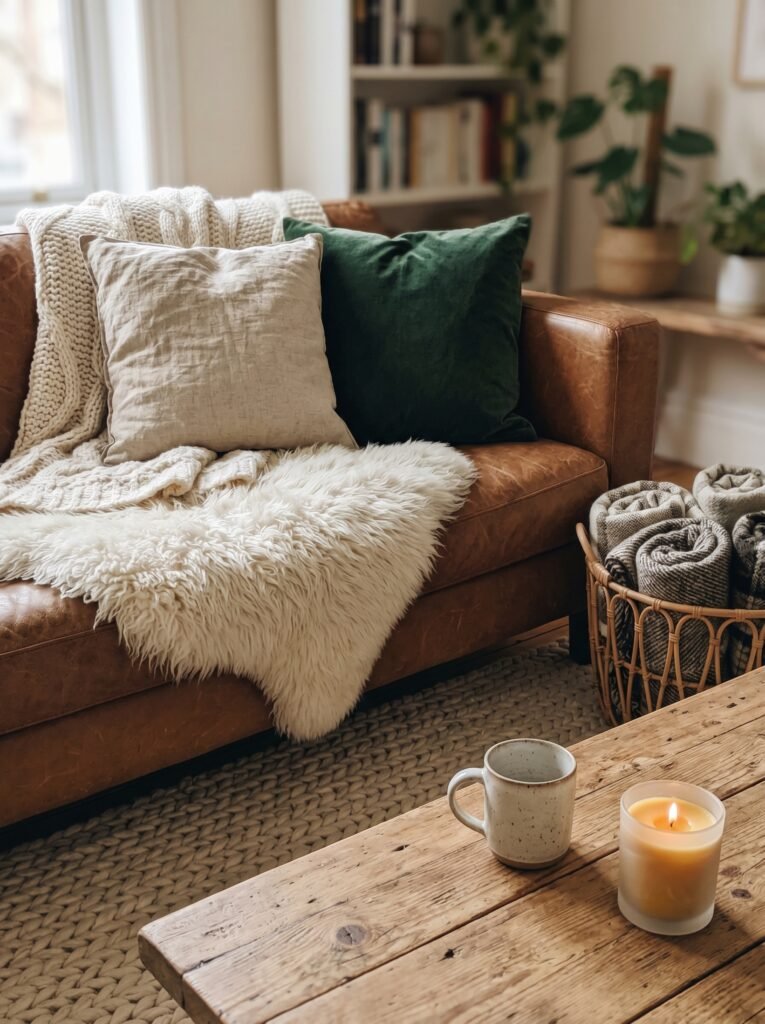
If light is the soul of a hygge interior, texture is its body. Run your hand across a chunky-knit throw draped over a worn leather sofa. Sink your feet into a thick wool rug on a cold morning floor. Press your palm against the rough-hewn grain of a reclaimed wood coffee table. These tactile experiences aren’t decorative extras — they are the sensory language through which a home communicates safety and warmth to the people inside it.
In hygge design, layering textures is not only encouraged — it’s essential. Linen cushions beside velvet ones. A sheepskin thrown casually over the arm of a chair. Woven baskets holding firewood or extra blankets. None of it needs to match perfectly. In fact, the slight imperfection, the “lived-in” quality of these layers, is precisely what gives a hygge space its authenticity.
5. The Colors That Make a Room Feel Like a Long Exhale
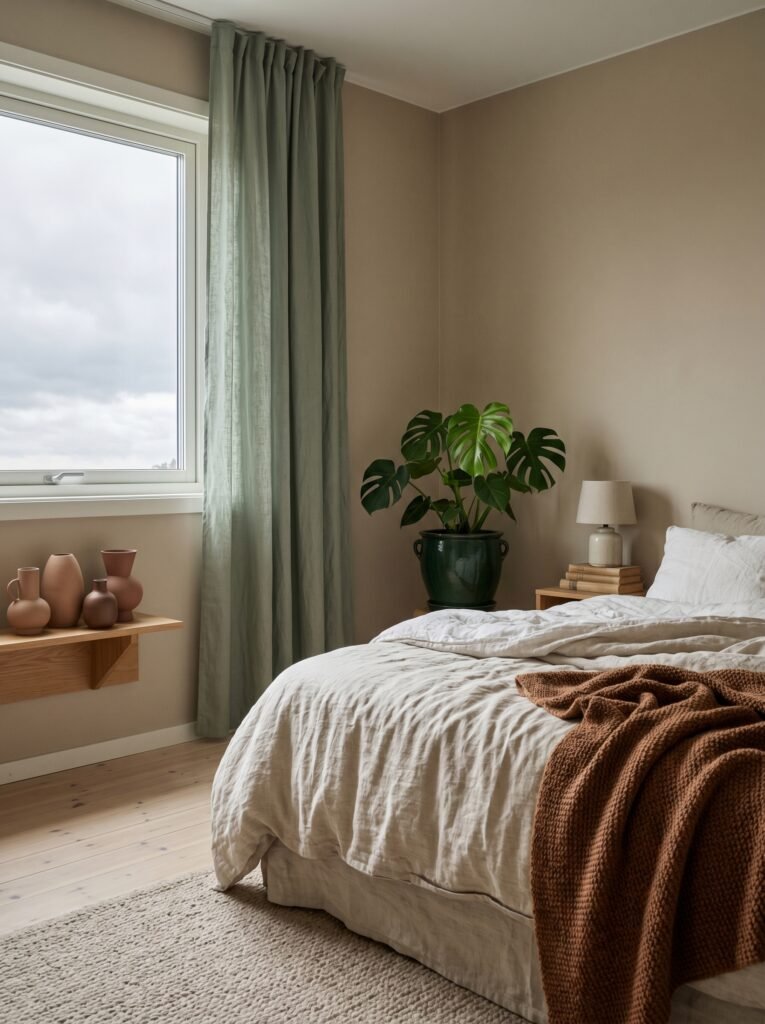
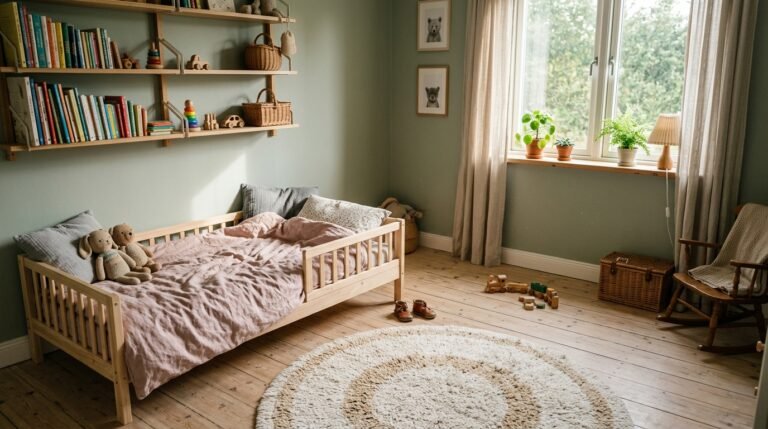
Hygge interiors are not stark white. They are not bold and dramatic. They speak in whispers — in the language of soft clay, warm oatmeal, dusty sage, muted terracotta, and the gentle grey of an overcast sky. These are colors that don’t demand attention, but instead create a visual calm that allows the people inside the room to fully relax without visual competition.
Neutral, earthy, muted tones form the backbone of hygge color palettes for a reason rooted in psychology: warm neutrals reduce cognitive stimulation, signaling to the brain that it’s safe to slow down. Accents — a rust-colored throw, a deep forest green plant pot — appear sparingly, like punctuation rather than proclamation.
“A hygge color palette doesn’t shout. It holds you.”
6. Why Nature Belongs Inside Your Home, Not Just Outside It
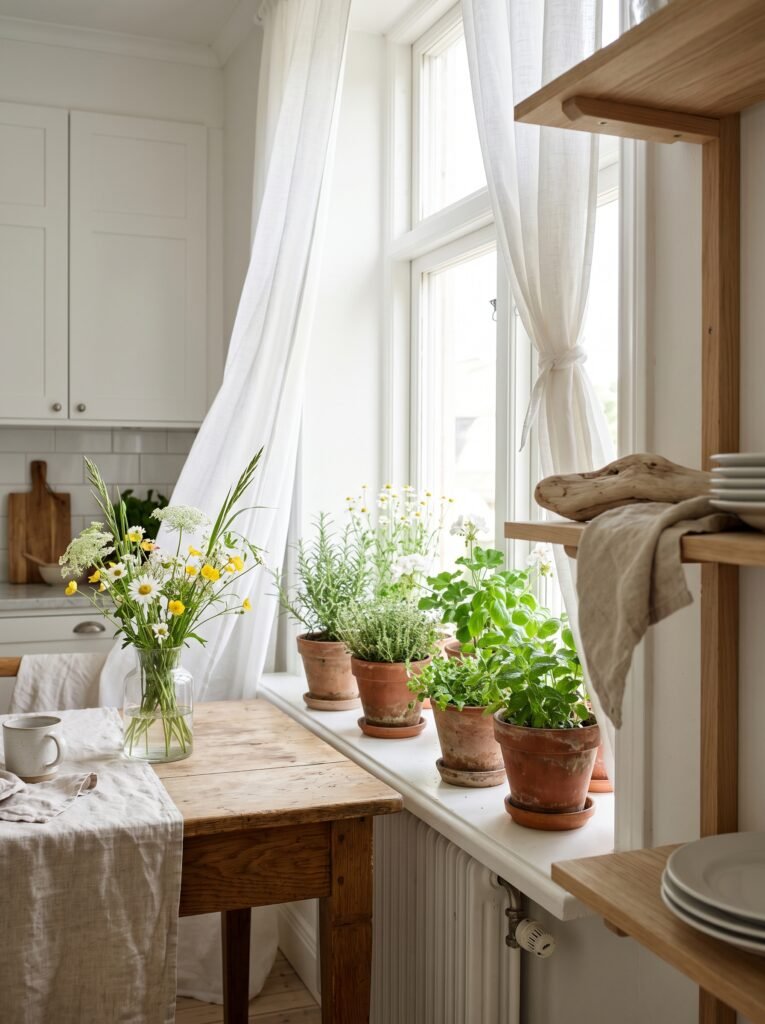
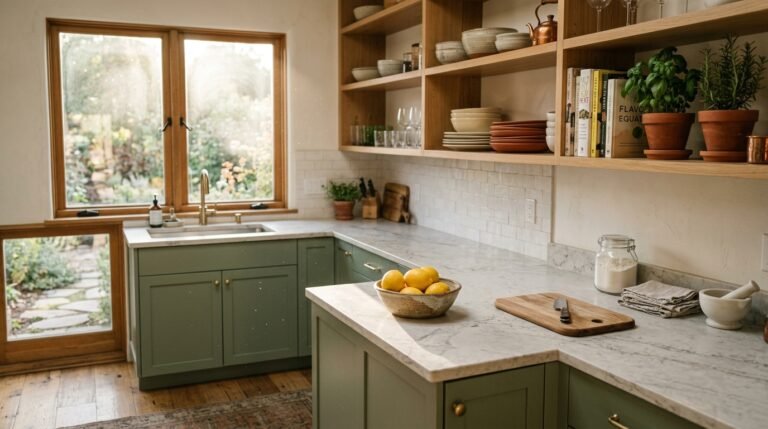
One of the most consistent elements in hygge interiors is the deliberate presence of the natural world indoors. Potted plants on windowsills. A simple vase of wildflowers on a kitchen table. Driftwood on a shelf. Linen curtains that billow in a summer breeze. These aren’t mere decorative choices — they’re a recognition that human beings are fundamentally wired to feel at ease in natural environments.
The emerging science of biophilic design backs this up. Studies show that even small amounts of nature — a plant, a wooden surface, a view of the sky — measurably lower heart rate and anxiety. In a hygge home, nature is welcomed in at every opportunity, not as decor, but as an acknowledgment of what we are and where we come from.
7. The Furniture Principle That Prioritizes People Over Perfection
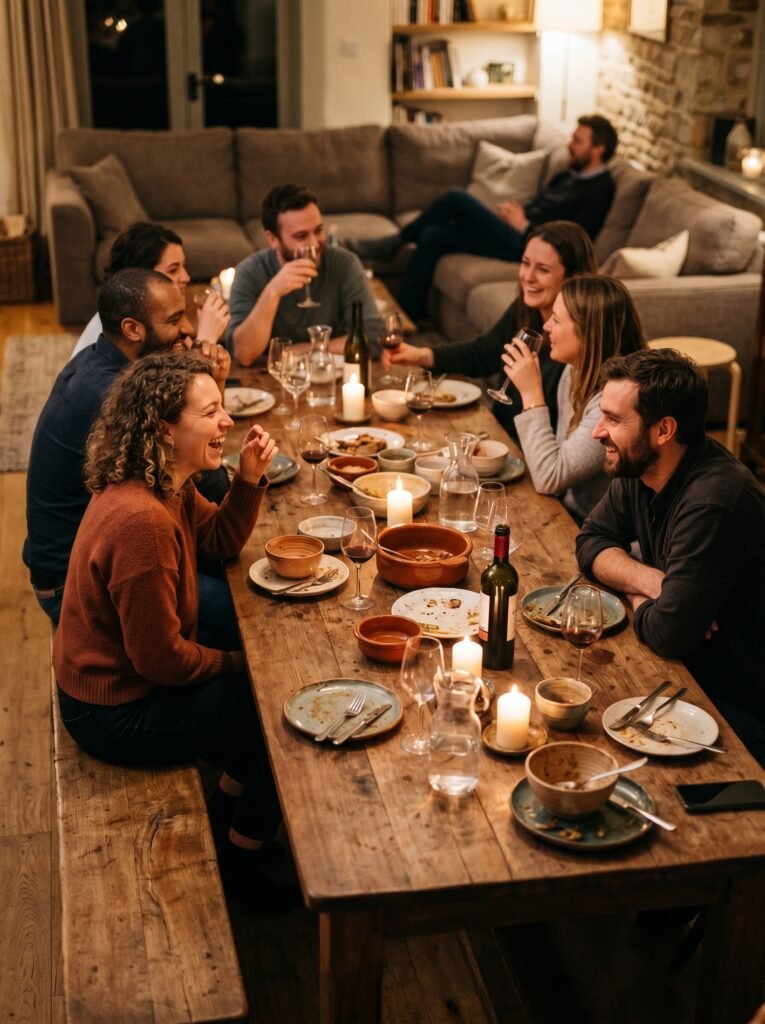
Hygge furniture is not precious. It’s not the kind you’re afraid to put your coffee mug on. The sofas are deep enough to curl up in. The chairs are the kind that hold long conversations. The dining table is wide enough that people can linger for hours after the meal is done — because in hygge culture, the table isn’t cleared when the food is finished. The gathering continues.
This people-first furniture philosophy means prioritizing comfort, scale, and softness over visual perfection. A slightly imperfect, handmade ceramic bowl. A dining bench with a faint scar in the wood. An armchair that sags just enough to be perfect. These are the touches that signal: this home is for living, not for looking at.
8. The Forgotten Power of a Dedicated Nook
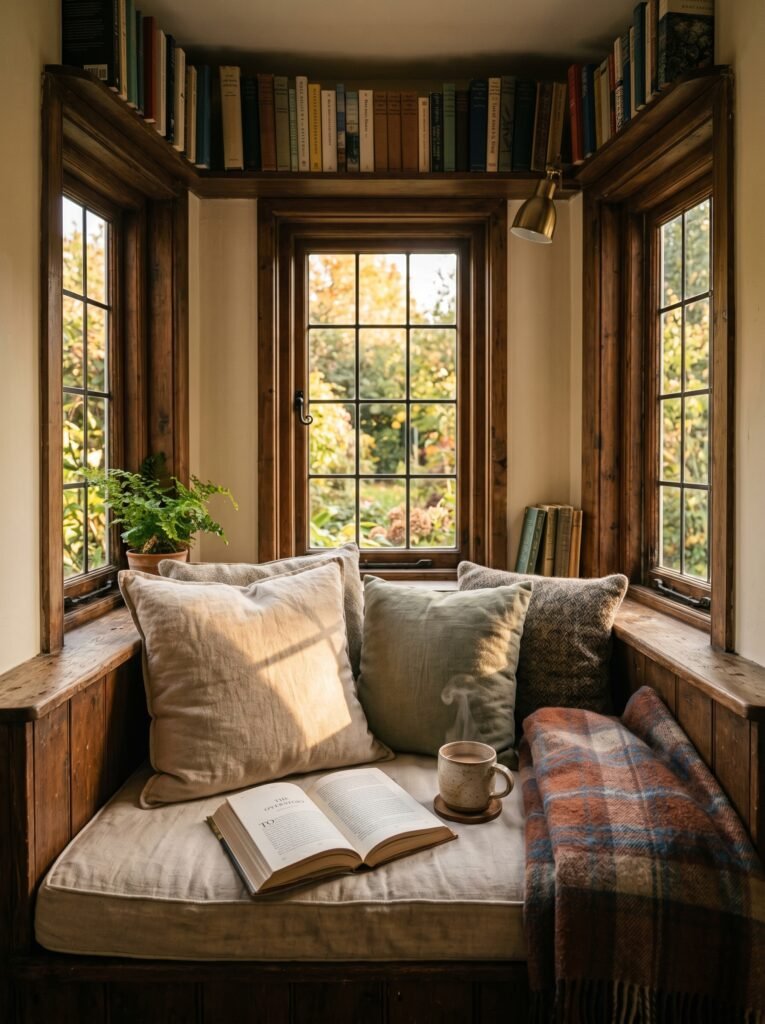
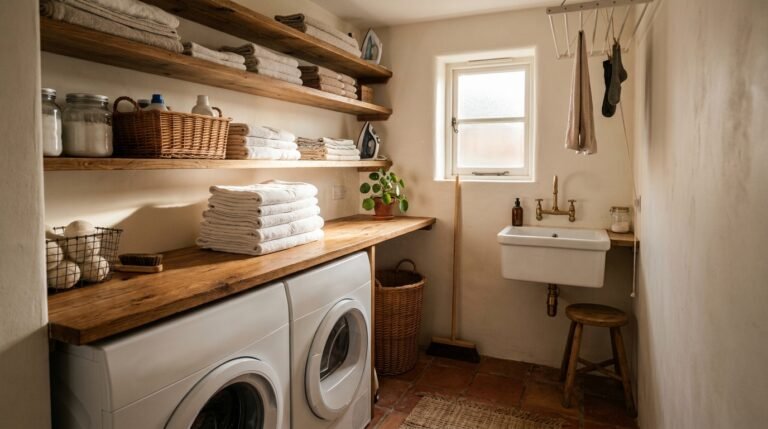
Every truly hygge home has at least one: a corner, a window seat, a small alcove that exists for no other purpose than retreat. A place to sit alone with a book. A spot by the window where the afternoon light falls just right. A cushioned bench built beneath a staircase. These small architectural sanctuaries are considered almost sacred in Scandinavian design culture.
In a world where every inch of space is expected to be “productive” or multi-purpose, the deliberate creation of a nook purely for rest and reflection is quietly radical. It says: rest has value here. Solitude is welcome. You are allowed to simply be.
9. Scent, Sound, and the Senses You’re Probably Overlooking
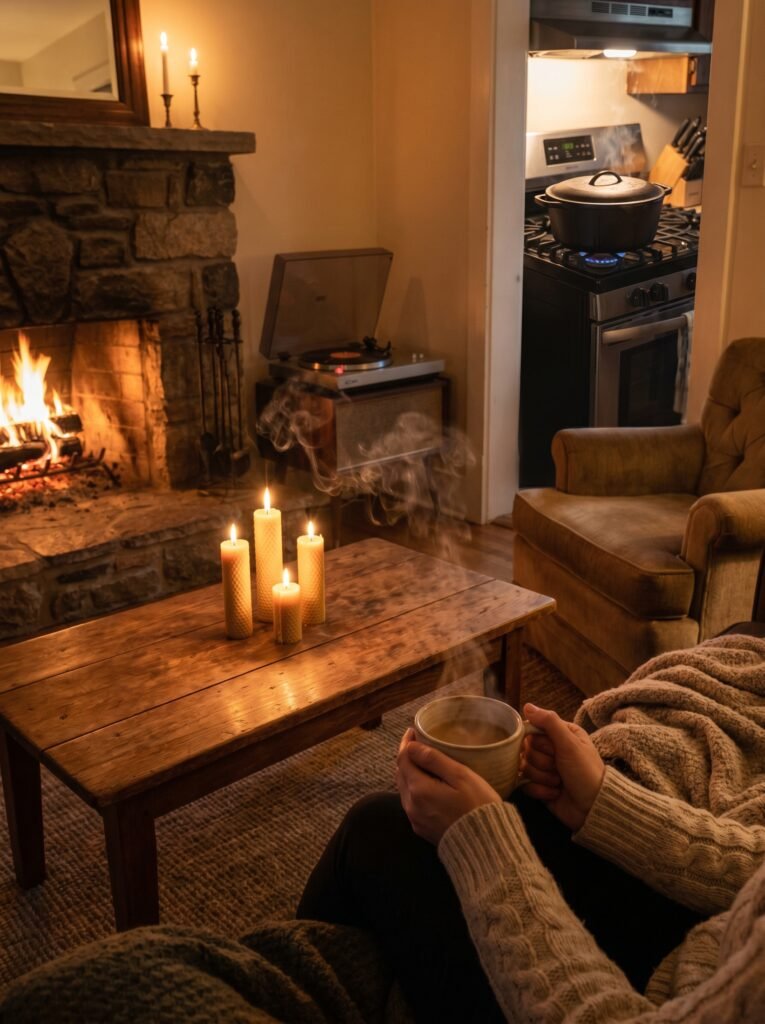
A hygge interior engages all five senses, not just sight. This is something most interior design advice completely ignores — and it’s the dimension that separates a space that looks cozy from a space that actually feels cozy. The smell of beeswax candles. The sound of a record player from another room. The warmth of a mug in both hands. The taste of something slow-cooked. Hygge is a full-sensory experience.
Practically, this means paying attention to things like: what does your home smell like? (fresh air, wood, citrus, and clean linen are common hygge scents). What sounds fill your space? (gentle music or the soft crackle of a fireplace rank far above television noise). What do you taste when you’re at home? Baking, brewing tea or coffee, cooking from scratch — these rituals create atmosphere as powerfully as any piece of furniture.
“The home that feels the warmest is the one that remembered all five of your senses.”
10. Why Clutter Kills Hygge (and Minimalism Isn’t the Answer Either)
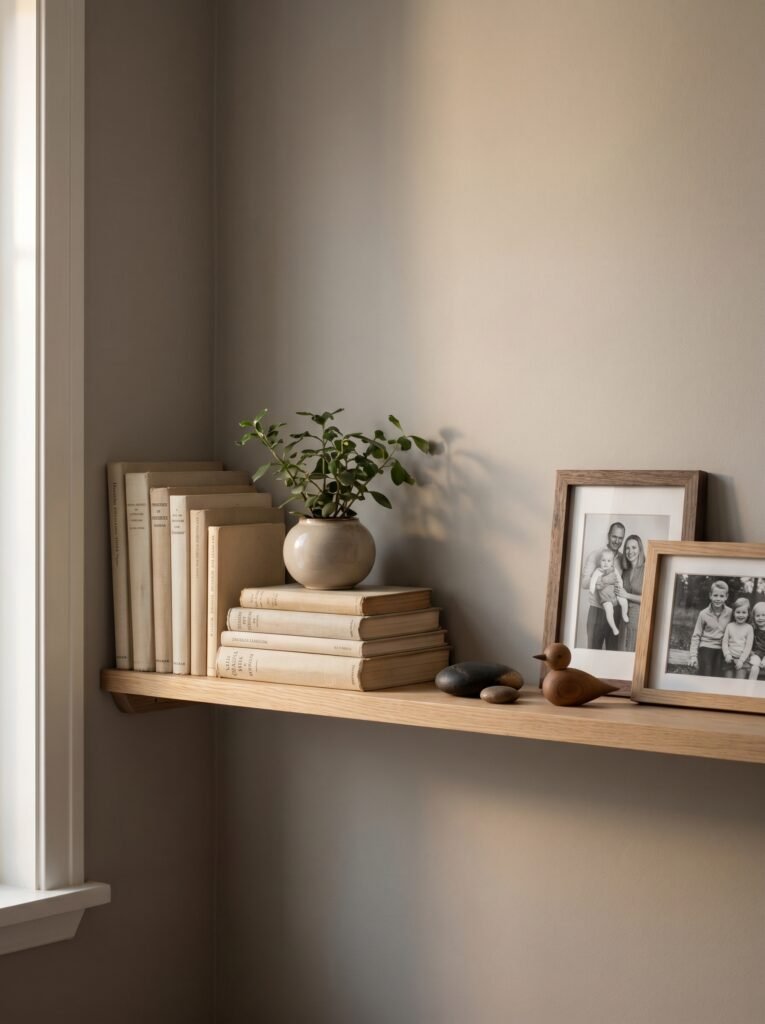
Hygge is not minimalism. A bare, empty room is not a cozy room. But a chaotic, cluttered room isn’t either. The hygge middle ground is intentional simplicity — keeping only what is meaningful, beautiful, or truly useful, and arranging it thoughtfully. A well-worn stack of favorite books. A shelf of objects collected during travels. A small cluster of family photographs.
The principle here is one of curation over accumulation. Every object in a hygge space should earn its place — not through monetary value, but through emotional resonance. The key question isn’t “does this spark joy?” — it’s “does this belong to the life I’m actually living?”
11. Community Is Part of the Design Equation
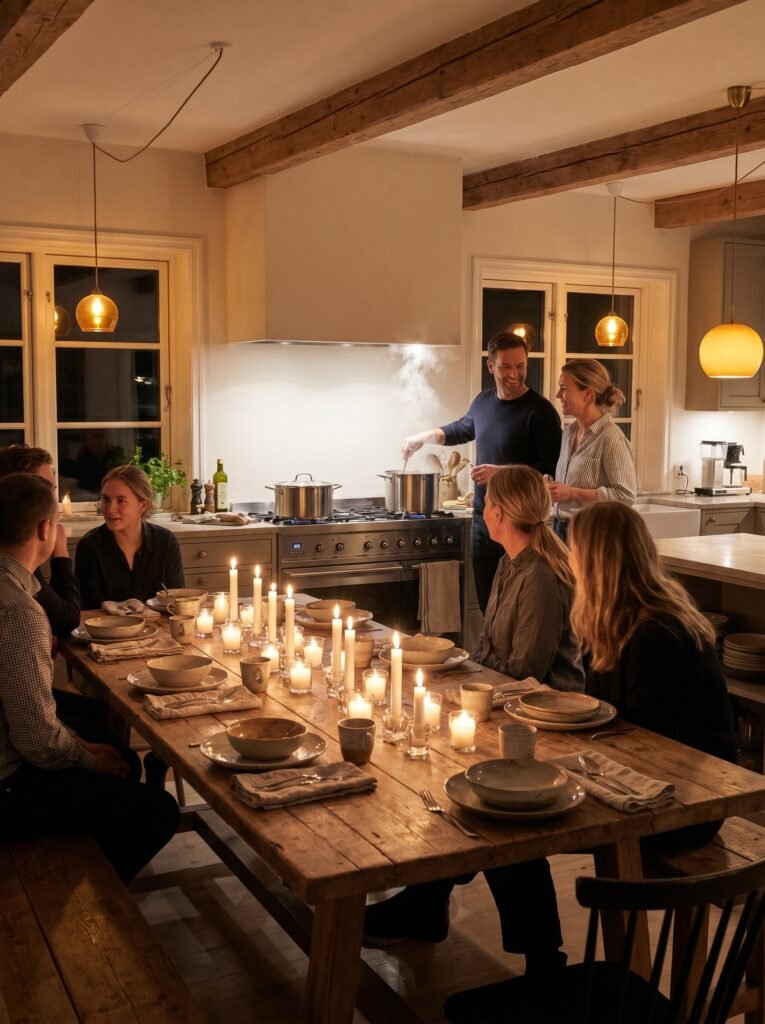
Hygge is rarely a solo experience. At its heart, it is about togetherness — about the quiet pleasure of sharing warmth, food, and time with people you love. Hygge interior design takes this seriously. Rooms are arranged for conversation, not for television. Seating is designed to pull people toward one another rather than apart. The kitchen and dining space are often the heart of the home, because food and shared meals are among the most powerful hygge experiences that exist.
This is why hygge interiors often feature communal design elements: long dining tables, generous sofas that seat many, kitchens designed to be cooked in together. The architecture of togetherness is, itself, a design choice.
12. You Don’t Need a Scandinavian Apartment to Live Hygge
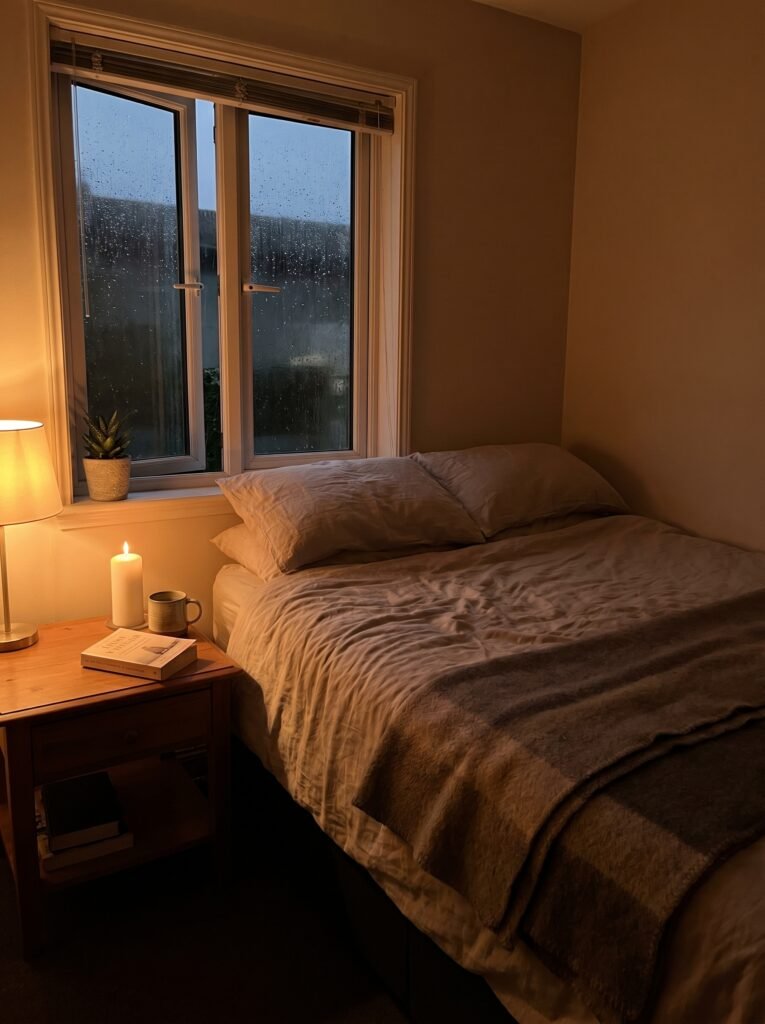
Perhaps the most liberating truth about hygge interior design is this: it’s accessible to almost everyone, regardless of budget, space, or location. A single candle on a bedside table is hygge. A worn blanket you’ve had for years is hygge. A window left open on a summer evening, the sound of rain coming through — that is profoundly hygge.
The principle was never about aesthetics or expense. It was always about attention — about choosing, consciously and deliberately, to create spaces that make life feel gentler, warmer, and more worth lingering in.
—
🌿 How to Bring Hygge Into Your Own Home
Start with light. Replace or supplement your overhead lighting with floor lamps, table lamps, and candles. Even just two or three candles on an evening can transform a room’s atmosphere almost instantly. Warm-toned bulbs (2700K or lower) make a significant difference.
Layer your textures. Add a knitted throw to your sofa. Place a rug on a bare floor. Introduce a cushion or two in natural fabrics like linen, cotton, or wool. You don’t need to redecorate — you need to add softness.
Invite nature in. A single plant on a windowsill, a bunch of wildflowers from a market, a bowl of pinecones or stones collected on a walk — small natural elements make a measurable difference to how a space feels.
Create one dedicated rest spot. Identify the corner of your home where you feel most at ease, and intentionally make it better. A better lamp. A softer cushion. A small side table for your drink. Make it yours.
Slow down the rituals. Make your coffee or tea deliberately. Light a candle before you sit down to read. Put on music instead of turning on the television. Hygge lives in the small, conscious acts that say: this moment matters.
—
❓ FAQ
Q: Does hygge interior design have to be expensive? A: Not at all. Many of the most essential elements of a hygge home — candlelight, soft blankets, plants, warm lighting — are among the most affordable things you can add to any space. Hygge is fundamentally about atmosphere and intention, not price tags or designer labels.
Q: Can a small apartment be a hygge space? A: Absolutely — in fact, smaller spaces often lend themselves beautifully to hygge design. Coziness is naturally easier to achieve in a compact room. The key is to focus on warmth, texture, and soft lighting rather than trying to make the space look larger or more impressive.
Q: Is hygge design just another word for Scandinavian minimalism? A: They overlap, but they aren’t the same thing. Scandinavian minimalism prioritizes clean lines and empty space, while hygge design prioritizes warmth, texture, and emotional resonance. A hygge space can be layered with soft objects, cherished books, and personal mementos — it is deliberately less bare than strict minimalism.
—
💭 Final Thought
We spend most of our lives inside our homes, and yet so few of us have ever been taught to think of them as something we might actively, lovingly design for our own well-being. Hygge offers a quiet invitation to do exactly that — to treat your home not as a backdrop to your life, but as one of its most important participants. So here is a question worth sitting with tonight, perhaps by candlelight: What would it feel like to walk into your home and, every single time, feel like you’ve just been gently held?