The Secret Life of Decorative Indoor Plants: How Green Things Make a House Feel Like Home
There’s a moment — you’ve probably felt it — when you walk into someone’s home and something just feels right. The air is a little softer, the light seems warmer, and there’s a quiet pulse of life that you can’t quite name. More often than not, you’ll look around and find plants. Not just plants sitting in a corner being ignored, but plants that belong — that breathe alongside the furniture, the art, the people who live there.
—
Table Of Content
1. Why Indoor Plants Are More Than Just Decoration
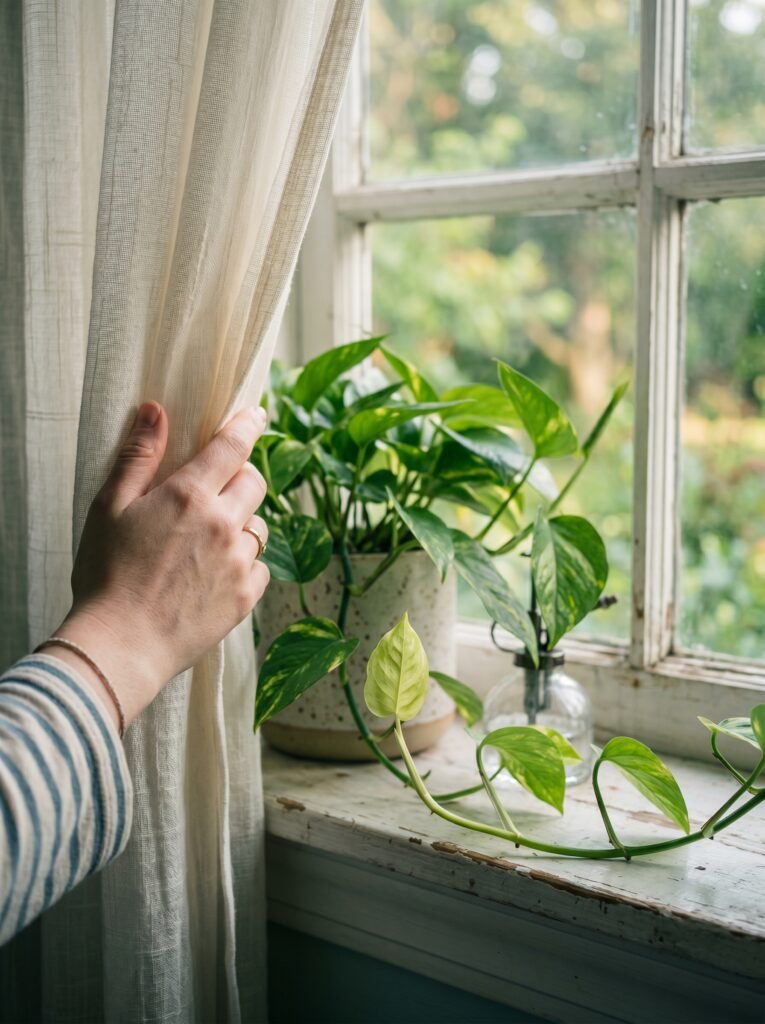
Most of us start with a single pothos or a spindly succulent on a windowsill, thinking we’re simply filling a gap on the shelf. But somewhere along the way, something shifts. That little green thing starts to matter. You check on it in the morning. You adjust the curtain so it gets better light. You feel oddly proud when it sprouts a new leaf.
Decorative indoor plants aren’t just aesthetic props — they’re living, breathing companions that transform the emotional temperature of a space. Research from the Journal of Physiological Anthropology suggests that interacting with indoor plants reduces physiological and psychological stress. In plain language? Plants make you feel calmer, more grounded, and more at home in your own space.
And beyond the science, there’s something deeply human about nurturing growing things. We’ve been doing it for thousands of years. Bringing plants indoors isn’t a Pinterest trend — it’s us reclaiming something ancient and instinctive.
“A home with plants isn’t just decorated — it’s alive.”
—
2. The Plants That Started the Indoor Greenery Revolution
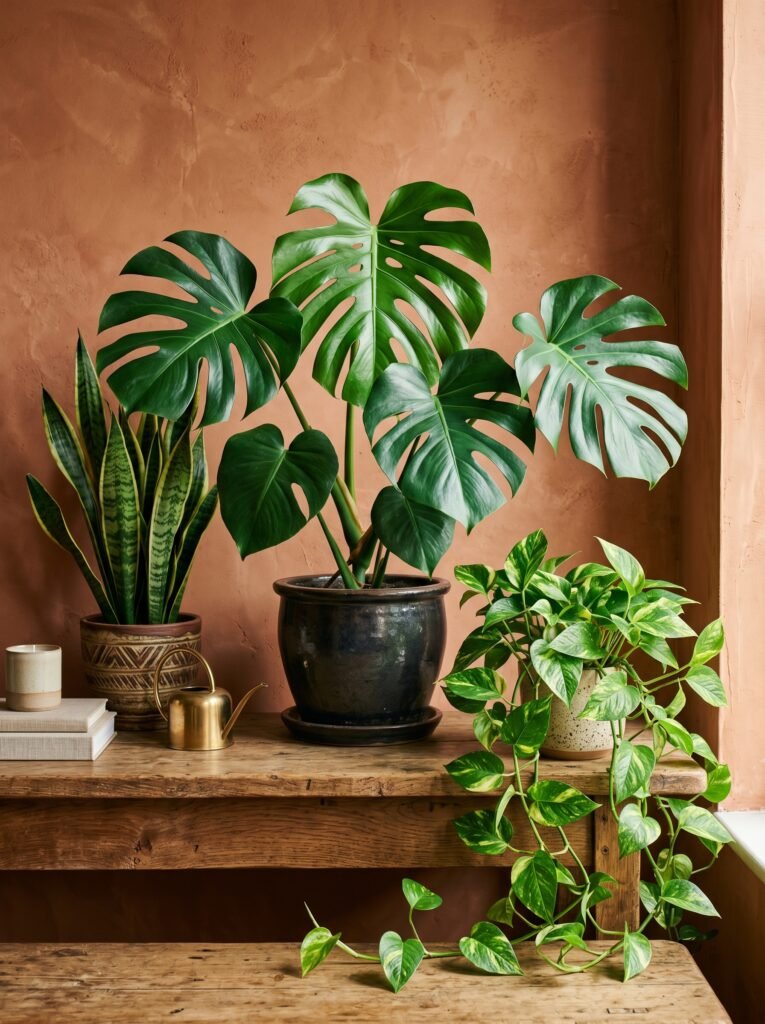
Not all plants were created equal when it comes to life indoors. The golden pothos, the monstera deliciosa, the snake plant — these are the icons of the indoor plant world, and they earned that status honestly. They’re forgiving, adaptable, visually striking, and genuinely capable of thriving in the imperfect conditions of a real home.
The monstera, with its dramatic split leaves, became the symbol of a certain kind of aspirational interior — warm tones, natural textures, intentional living. The snake plant, rigid and architectural, became the go-to for minimalist spaces and low-light corners. And the pothos became the starter plant for a generation of people who thought they could never keep anything alive.
These aren’t just popular because they photograph well (though they absolutely do). They’re popular because they meet us where we are — busy, sometimes forgetful, craving beauty without complexity.
—
3. How to Choose the Right Plant for Every Room
Here’s where most people go wrong: they fall in love with a plant at the nursery — seduced by its color, its size, its general magnificence — and bring it home to a spot that offers none of what it needs. Within weeks, they’re wondering why the leaves are yellowing and whether they’re simply not a “plant person.”
You are absolutely a plant person. You just need to match plant to room.
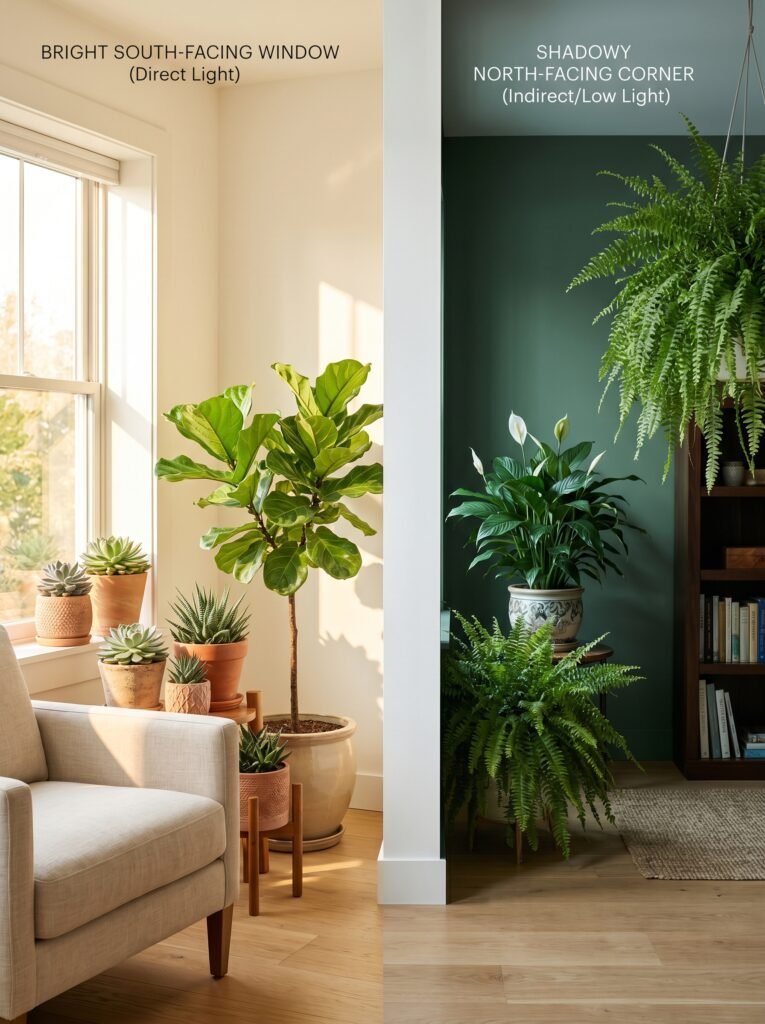
Start with light. South-facing windows get the most direct sun, making them perfect for sun-loving plants like succulents, cacti, and fiddle-leaf figs. North-facing rooms are shadier and suit peace lilies, ZZ plants, and ferns beautifully. East and west exposures offer moderate light — ideal for pothos, philodendrons, and snake plants.
Then consider humidity. Bathrooms and kitchens tend to have higher humidity, which makes them natural homes for tropical plants like calatheas, orchids, and air plants. Living rooms and bedrooms are typically drier, which suits succulents and cacti far better.
Match the plant to the room’s actual conditions rather than the room’s ideal conditions — and you’ll find yourself with thriving greenery instead of a graveyard of good intentions.
—
4. The Color Psychology of Green (And Why It Changes Everything)
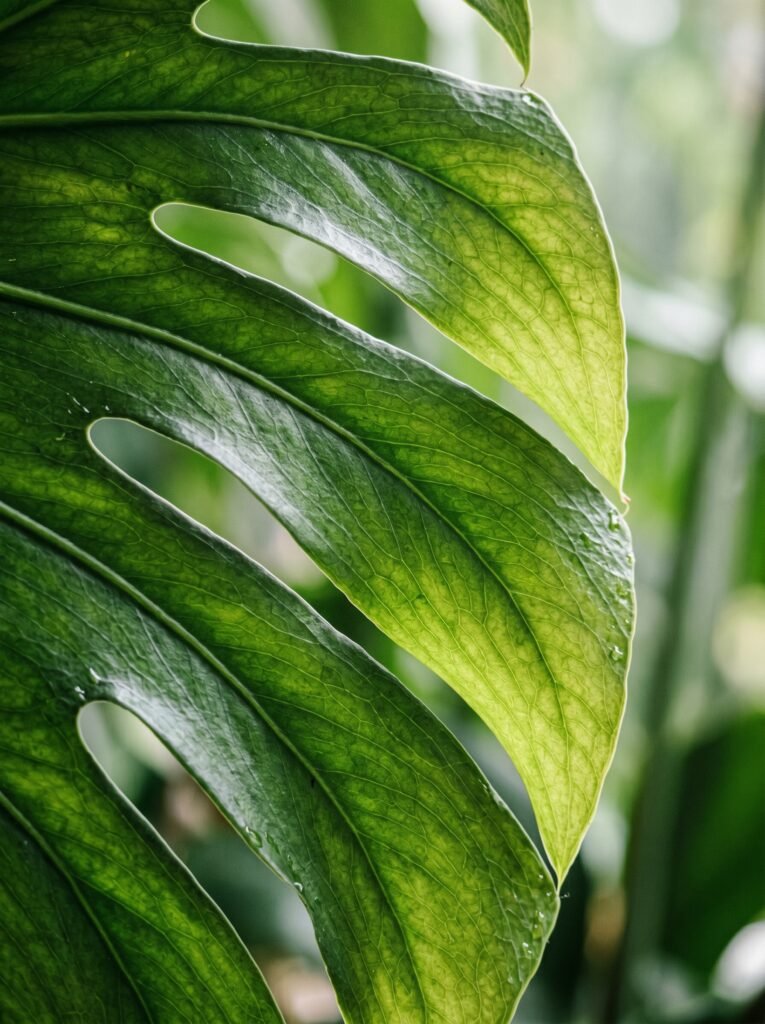
Interior designers have long understood something that plant lovers discover intuitively: the color green is psychologically extraordinary. It sits in the middle of the visible spectrum, requiring no adjustment from the human eye — which is why it feels so effortless to look at. But beyond that visual comfort, green carries deep emotional associations with safety, renewal, and life.
When you introduce a plant into a room, you’re not just adding color. You’re adding a particular quality of color — one that is irregular, layered, and alive in a way no painted wall or printed fabric can replicate. The veining of a monstera leaf, the silver shimmer of a pothos in bright light, the deep emerald of a ZZ plant — these aren’t static. They change with the light, with the season, with the growth of the plant itself.
This is why a single well-placed plant can transform a room in a way that a new throw pillow simply cannot. It introduces dynamism — the sense that this space is inhabited, evolving, and cared for.
—
5. The Art of Grouping Plants Without Making It Look Chaotic
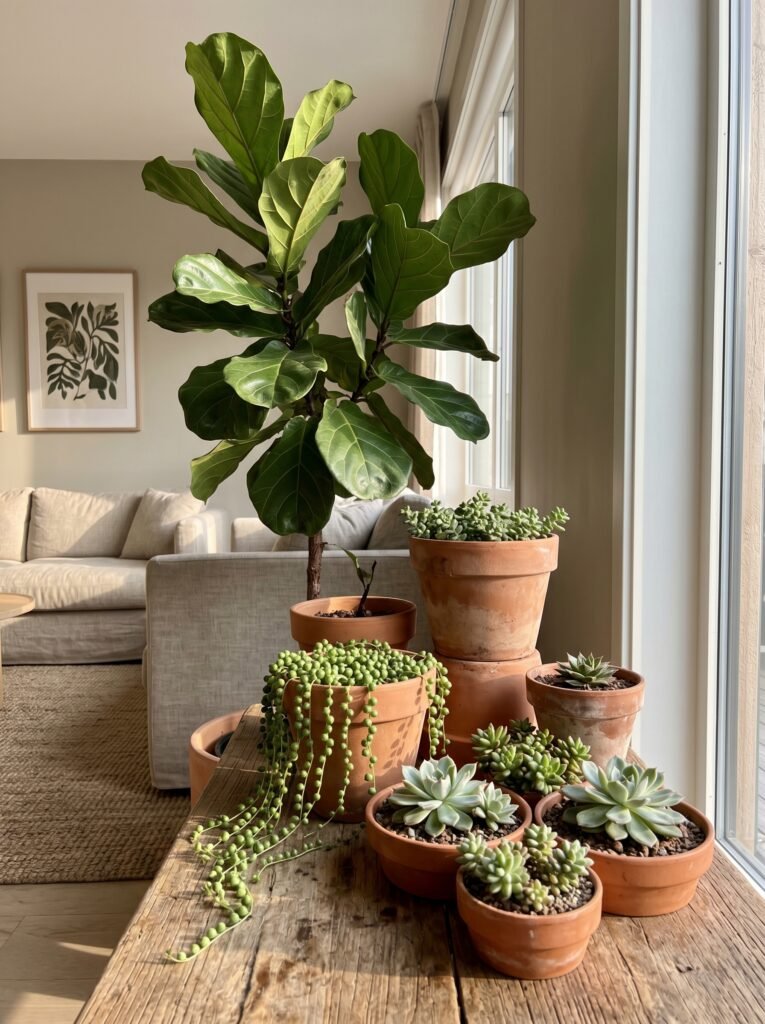
There’s an enormous difference between a thoughtful plant display and what can only be described as a botanical explosion. The goal is cohesion, not accumulation — and the secret lies in three principles: height variation, texture contrast, and pot harmony.
Height variation means mixing tall, sculptural plants like fiddle-leaf figs or snake plants with mid-level trailing plants like pothos or string of pearls, and low, ground-hugging plants like succulents or moss. This creates a layered, almost landscape-like effect that feels intentional and full.
Texture contrast means pairing plants with different leaf characteristics — the large, glossy leaves of a monstera against the fine, feathery fronds of a maidenhair fern, for instance. The contrast makes each plant more visually interesting than it would be alone.
And pot harmony means choosing planters that share at least one element — material, color, or finish — even if they vary in shape and size. A collection of terracotta pots looks collected and warm. A mix of matte black planters feels modern and deliberate. Random mismatched containers, no matter how beautiful individually, can undermine the whole effect.
“The best plant arrangements tell a story — they weren’t bought all at once, they were gathered over time.”
—
6. Plants That Purify Air (And Actually Live Up to the Hype)
Let’s be real about the air purification conversation. NASA’s famous 1989 Clean Air Study gave indoor plants a significant PR boost — and while subsequent research has shown that you’d need an impractical number of plants to meaningfully purify a room’s air, the study wasn’t wrong that certain plants do remove toxins from their immediate environment.
More practically relevant is what plants do to the air in ways we can feel: they increase humidity through transpiration, which reduces the dryness that causes irritated sinuses and static electricity during winter months. Plants also contribute to carbon dioxide reduction in a space, which has been linked to improved concentration and mood.
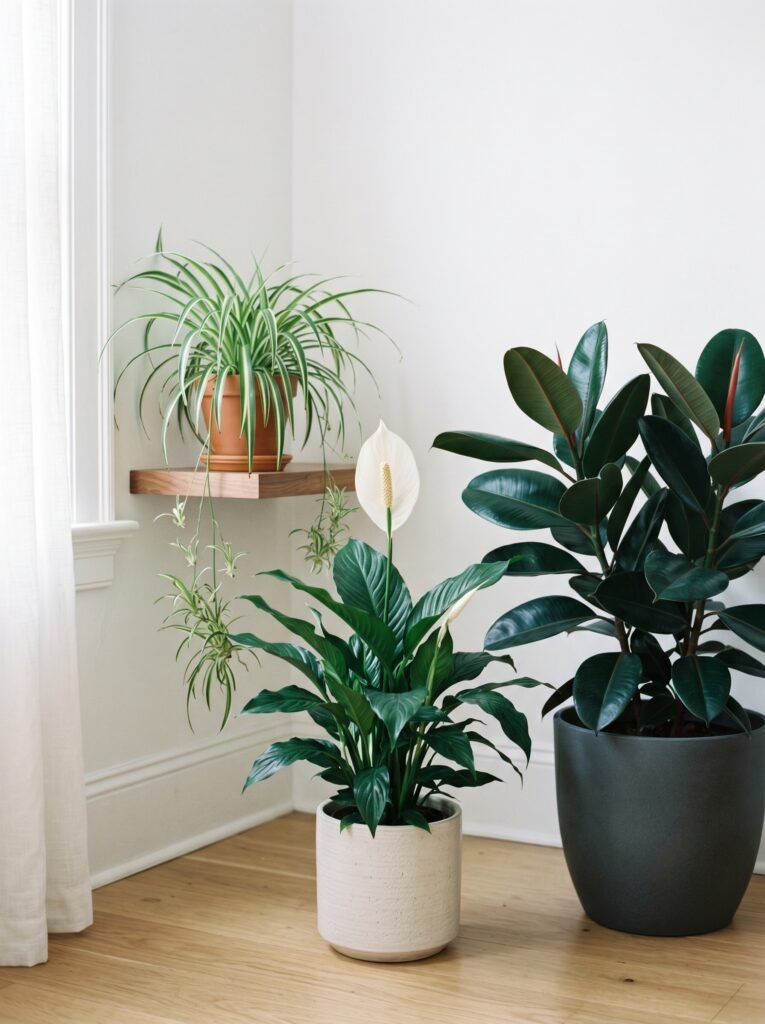
The peace lily remains one of the most recommended plants for air quality — it’s proven to reduce concentrations of acetone, ammonia, and benzene while thriving in low light. Spider plants are extraordinary at absorbing carbon monoxide and formaldehyde. And the rubber plant, with its broad, waxy leaves, is a powerhouse for removing airborne toxins while also looking absolutely spectacular in a corner.
The practical takeaway: you may not need a jungle to breathe better, but a few strategically placed plants genuinely improve the quality of your indoor air and, more measurably, the quality of your daily experience.
—
7. Small Space, Big Impact: Indoor Plants for Apartments and Tiny Homes
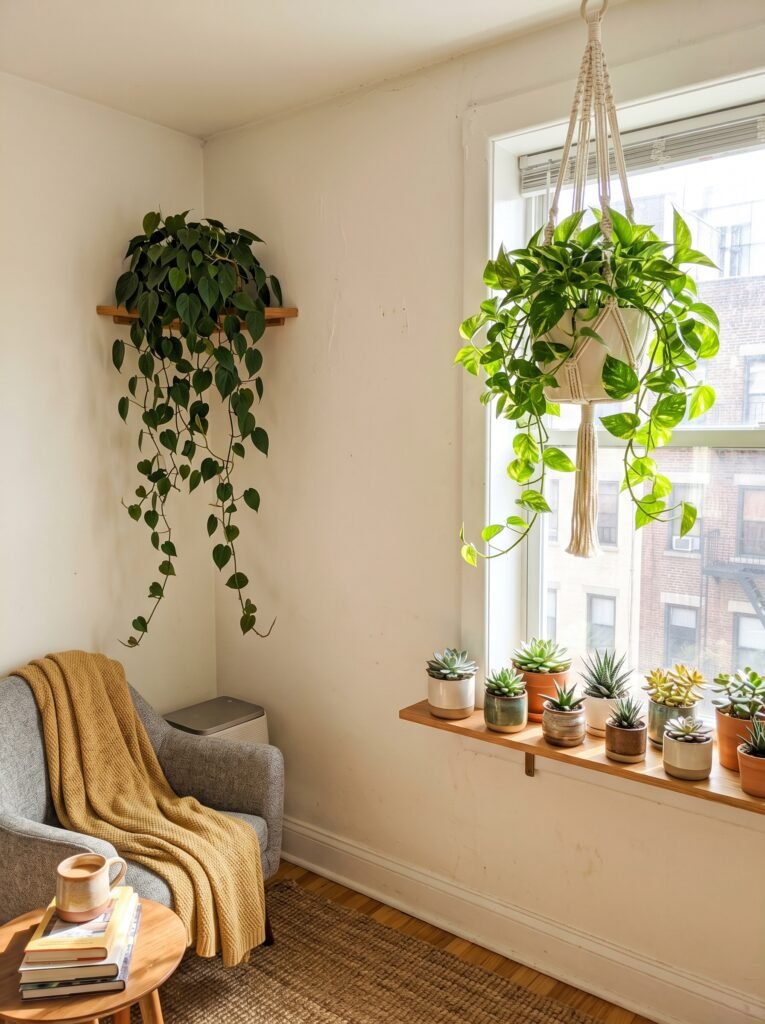
Living in a small apartment is not a reason to give up on indoor plants — it’s actually an invitation to get creative. The constraints of a small space push you toward better choices: plants that earn their square footage through visual drama, air-cleaning ability, or sheer personality.
Wall-mounted planters are a revelation in small spaces. A grid of air plants on a small piece of wood, a hanging macramé planter in a sunny corner, a floating shelf lined with succulents — these add greenery without consuming precious floor space.
Trailing plants are particularly magical in small apartments because they draw the eye upward and outward, making rooms feel larger. A pothos or heartleaf philodendron on a high shelf, trailing down a wall, creates the illusion of height and abundance in a way that a floor plant simply can’t.
And window ledges — those often neglected strips of real estate — can hold an entire herb garden in small pots, giving you both decoration and fresh ingredients for cooking. Rosemary, basil, chives, and mint thrive on sunny windowsills and make your kitchen smell like someone who actually knows what they’re doing.
—
8. The Most Underrated Decorative Plants You’ve Probably Never Tried
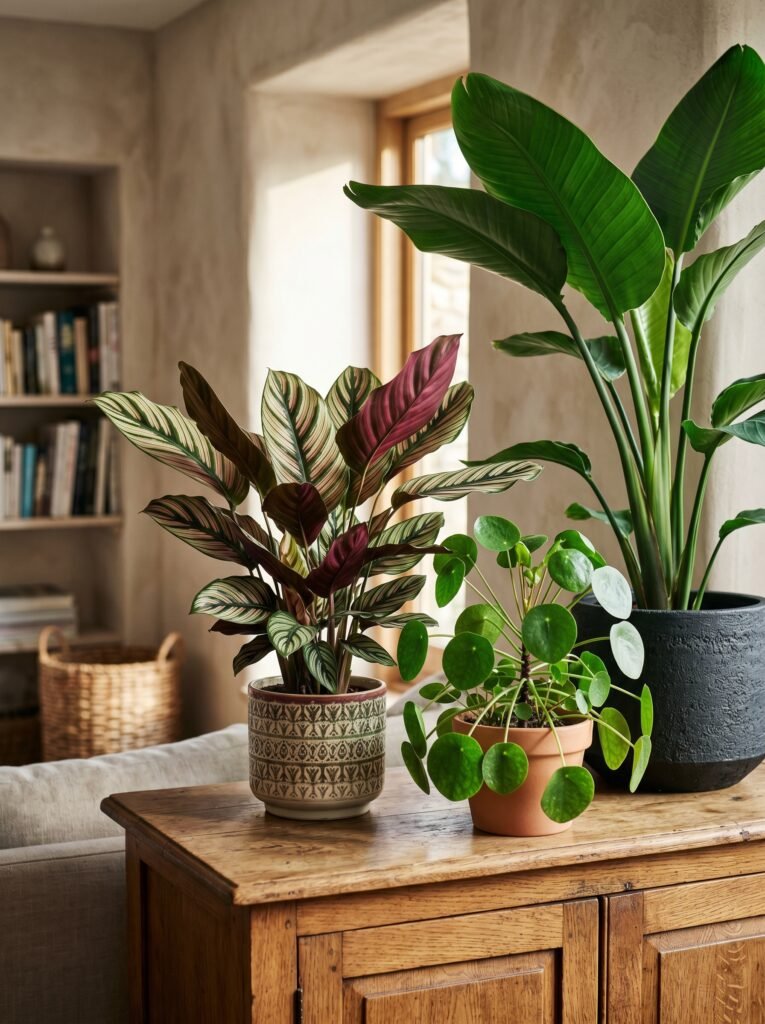
Everyone knows the monstera. Everyone has seen the fiddle-leaf fig. But some of the most beautiful decorative indoor plants are quietly sitting in the back of the nursery, underappreciated and overshadowed by their more famous cousins.
The calathea, with its stunning painted leaf patterns in shades of green, cream, burgundy, and pink, is one of the most breathtaking foliage plants available — and yet it remains surprisingly underused in home decor. The aglaonema, or Chinese evergreen, comes in varieties that range from deep forest green to dusty rose and can handle lower light conditions with grace. The bird of paradise, with leaves as wide as a dinner plate and a tropical drama that rivals any piece of furniture, makes a statement that a monstera honestly cannot match.
And then there’s the pilea peperomioides — the so-called “UFO plant” — with its round, coin-shaped leaves on delicate stems that quiver gently in a breeze. It’s playful, unusual, and deeply charming in a way that feels fresh compared to the more ubiquitous options.
—
9. Styling Plants Like an Interior Designer: The Rules Worth Knowing
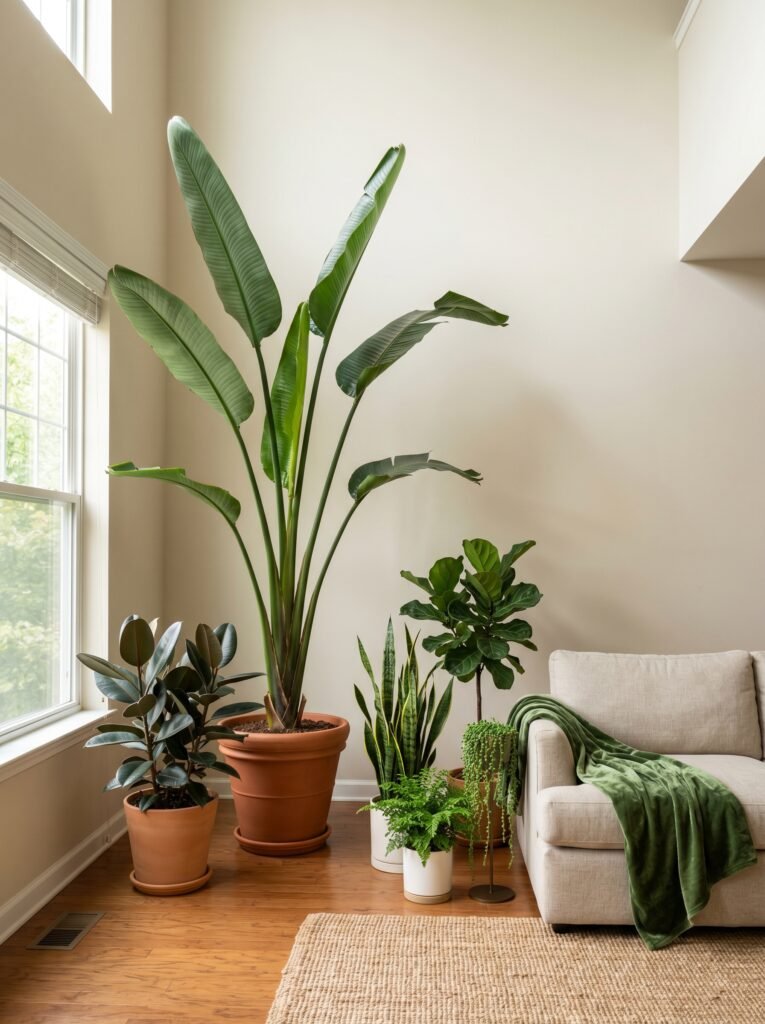
Interior designers approach plants the way they approach any design element: with intention, proportion, and an understanding of how each piece relates to the whole. The good news is that their rules are learnable — and once you understand them, you’ll never look at a plant display the same way.
The first rule is proportion. A large room with high ceilings can accommodate a towering fiddle-leaf fig or a dramatic bird of paradise without looking cluttered. The same plant in a small room would overwhelm the space. Scale your plants to your space, not to your ambitions.
The second rule is the odd number principle. Groupings of three, five, or seven plants almost always look more natural and balanced than even numbers. This mirrors how plants grow in nature — never in perfectly paired formations.
The third rule is negative space. Not every surface needs a plant, and not every corner needs to be filled. Leaving breathing room around a particularly beautiful specimen plant allows it to be seen as the design statement it is, rather than lost in visual noise.
“A plant in the right place isn’t decoration — it’s punctuation.”
—
10. Seasonal Rhythms: How to Adapt Your Plant Display Through the Year
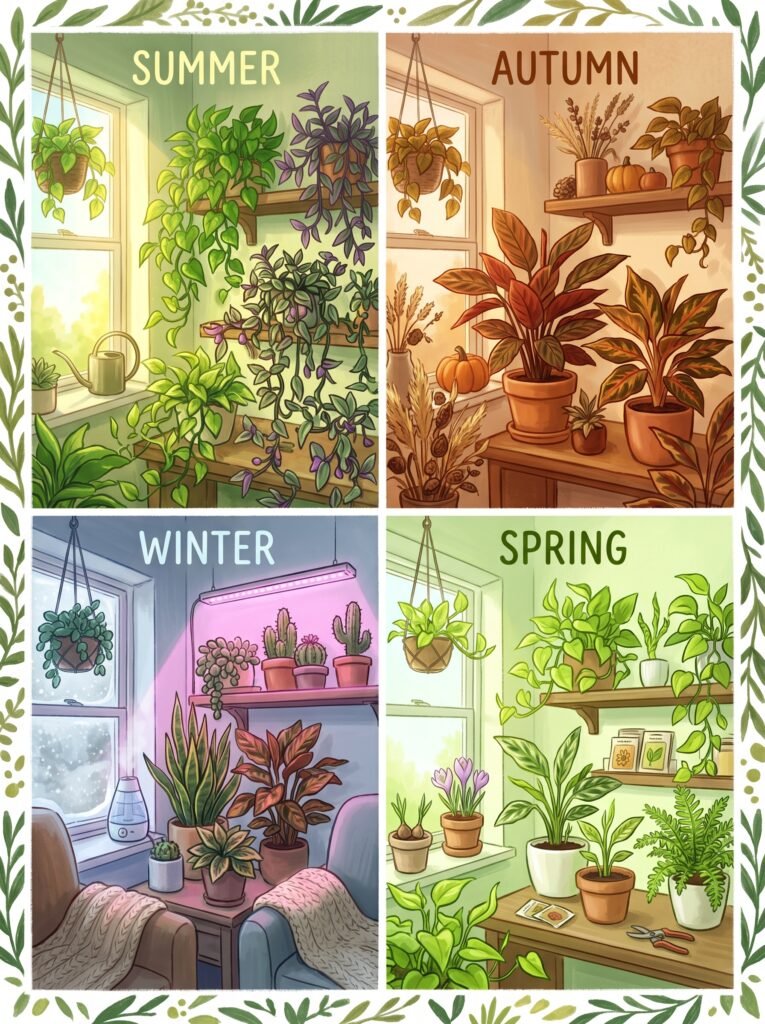
One of the most overlooked aspects of decorating with plants is that plants themselves are seasonal creatures — even indoors. They grow differently in summer and winter, need different amounts of water, and offer different visual qualities depending on the time of year.
In spring and summer, lean into lushness. This is when most indoor plants are actively growing and at their most beautiful. Encourage that growth with regular feeding, move plants closer to open windows for fresh air, and let the trailing varieties trail a little longer and wilder.
In autumn, begin reducing watering frequency as light levels drop and most plants slow their growth. This is also a beautiful time to bring in plants with warmer, earthier tones — terracotta-hued pots, bronze-leafed varieties like the copper prayer plant, plants that echo the changing palette outside your window.
Winter is about coziness and survival. Move plants toward the brightest windows as daylight shrinks. Add grow lights if you have a beloved plant that struggles through the darker months. And consider adding low-growing plants with interesting textures to tabletops and counters — places where you’ll appreciate them most during the long indoor hours of the colder season.
—
11. Plants and Pets: Navigating the Beautiful Complication
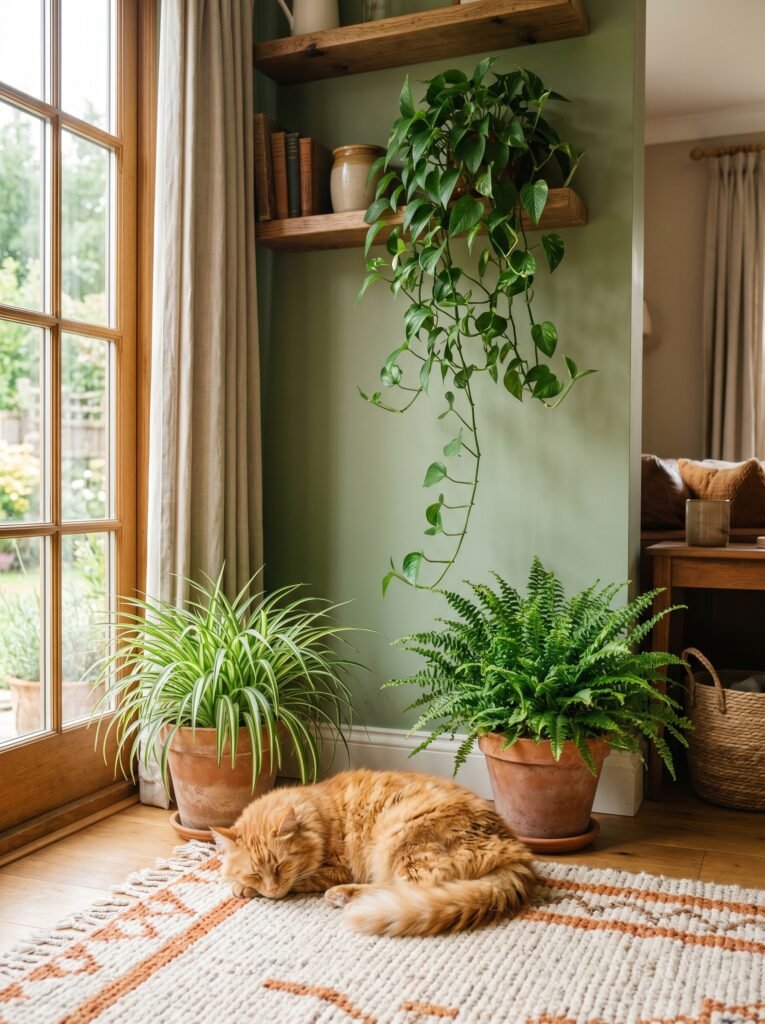
For anyone who has both a beloved pet and a love of plants, this is often the most pressing question: can these two passions coexist? The honest answer is yes — with research and intention.
Many popular decorative plants are toxic to cats and dogs. The peace lily, pothos, philodendron, and certain varieties of dracaena all appear on the ASPCA’s list of plants toxic to pets. This doesn’t mean you can never have them — but it does mean placement matters. Hanging planters, high shelves, and rooms that pets don’t access can allow you to keep these plants safely.
On the other hand, there are genuinely beautiful plants that are completely pet-safe. Spider plants, Boston ferns, calatheas, parlor palms, and pilea peperomioides are all non-toxic to cats and dogs. Many air plants and bromeliads are also safe. The pet-friendly plant world is far richer and more interesting than people assume — it just requires a small shift in how you shop.
—
12. The Emotional Return on Investing in Indoor Plants
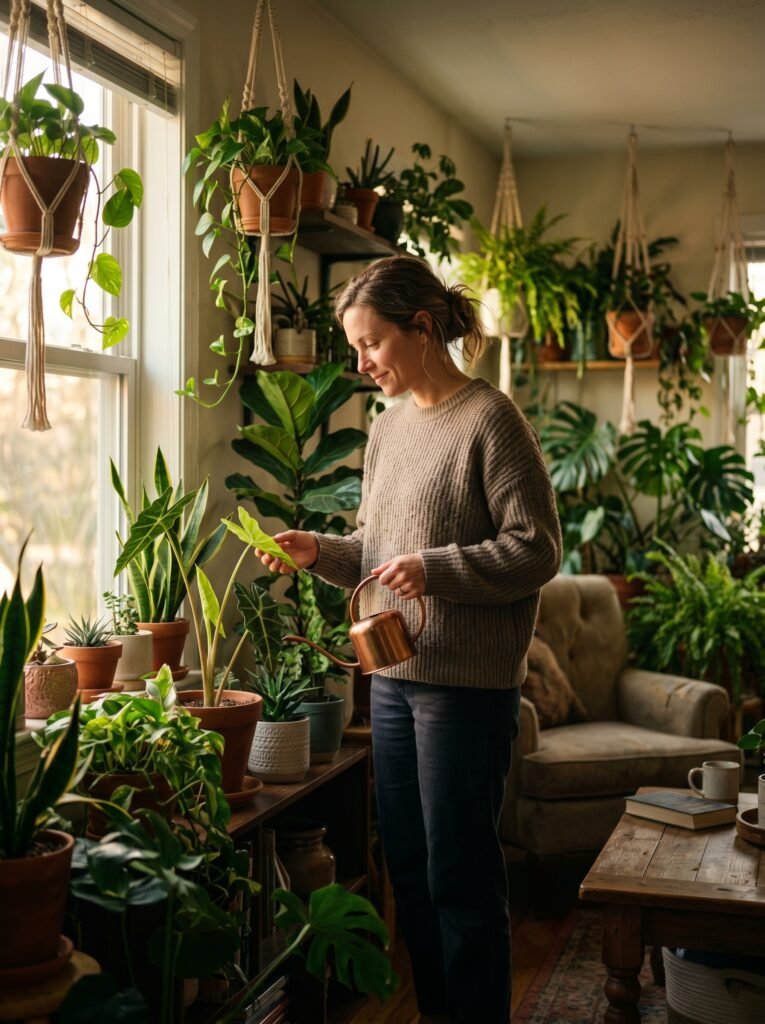
Let’s close with this, because it might be the most important thing of all: decorating with indoor plants isn’t really about decoration. It’s about cultivating a home that feels alive — a space that requires your care and gives something back in return.
There’s genuine joy in the relationship. The satisfaction of a new leaf unfurling on a plant you’ve tended through a difficult season. The pleasure of walking past a well-lit plant display and feeling that small but real lift of beauty. The quiet pride of a thriving green corner that you built, plant by plant, with taste and patience.
Homes filled with plants feel different from homes without them — not just visually, but atmospherically. They feel inhabited in the best possible sense. They feel like someone lives there who pays attention, who cares about their surroundings, who has made a deliberate choice to share their space with living things.
And in a world that so often feels overly digital, overly fast, and overly artificial, that choice — to tend something green and growing — is quietly radical.
—
🌿 How to Take Care of Decorative Indoor Plants
Taking care of indoor plants is less about following strict rules and more about paying attention. Start by learning the specific needs of each plant you own — watering frequency, light preference, and humidity requirements vary enormously from species to species, and treating every plant the same is the fastest route to disappointment.
Water deeply but infrequently rather than giving small amounts of water every day. Most indoor plants prefer to dry out slightly between waterings, and overwatering is far more common than underwatering. When in doubt, stick your finger an inch into the soil — if it’s still moist, wait another day or two.
Feed your plants during their growing season (spring through early autumn) with a balanced liquid fertilizer diluted to half strength. Most plants don’t need feeding in winter when their growth slows significantly. Think of fertilizer the way you’d think of a good meal — nourishing during active times, unnecessary when resting.
Dust the leaves of large-leafed plants occasionally with a damp cloth. This isn’t just aesthetic — clean leaves photosynthesize more efficiently, and dusty leaves can actually inhibit a plant’s ability to absorb light.
Finally, talk to your plants if you feel so inclined. The carbon dioxide from your breath benefits them, and the attention that comes with talking means you’re more likely to notice early signs of trouble.
—
❓ FAQ
Q: What are the best decorative indoor plants for beginners? A: Snake plants, pothos, ZZ plants, and spider plants are ideal starting points because they tolerate irregular watering, low light, and general neglect with remarkable grace. They’re also genuinely beautiful, which matters — you’re far more likely to care for a plant you find visually appealing.
Q: How often should I water my indoor decorative plants? A: There is no single universal answer, which is actually the most helpful thing to know. Most tropical foliage plants need watering every one to two weeks depending on season, pot size, and indoor conditions. Succulents and cacti need far less — sometimes just once a month in winter. Always check the soil before watering rather than following a fixed schedule.
Q: Can indoor plants survive in rooms with no natural light? A: Some plants tolerate very low light remarkably well — the ZZ plant, cast iron plant, and certain dracaena varieties among them — but no plant truly thrives without any light at all. If your room has no natural light, invest in a quality LED grow light on a timer. Your plants will reward the investment, and modern grow lights are stylish enough to become part of the decor themselves.
—
💭 Final Thought
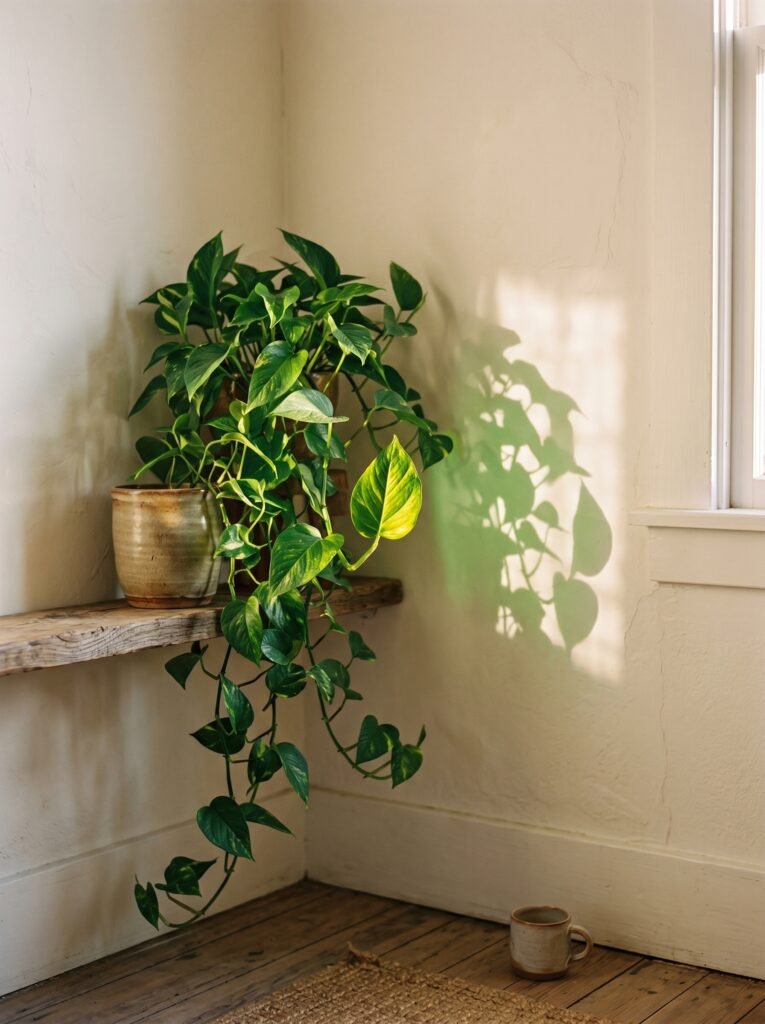
Decorating with plants is one of the few design choices that rewards you differently every single day. A new leaf, a change in the way afternoon light falls across a frond, the small ritual of watering — these things accumulate into something that feels, quietly but genuinely, like joy. Your home doesn’t need to look like a botanical garden to feel transformed; it just needs one or two living things, placed with care, tended with attention.
So here’s what I’d ask you to sit with: which corner of your home has been waiting, perhaps for a long time, for exactly the right plant to make it finally feel complete?