The Ultimate Minecraft Room Interior Guide: How to Design a Space That Feels Like a World Worth Exploring
There’s something quietly magical about walking into a room that feels like it belongs to someone — a space that tells a story without saying a word. And when that room is built around the universe of Minecraft, it becomes something even more special: a place where creativity, comfort, and childhood wonder collide in the most beautiful way imaginable.
—
Table Of Content
1. Why Minecraft Room Interiors Are More Than Just a Theme — They’re a Philosophy
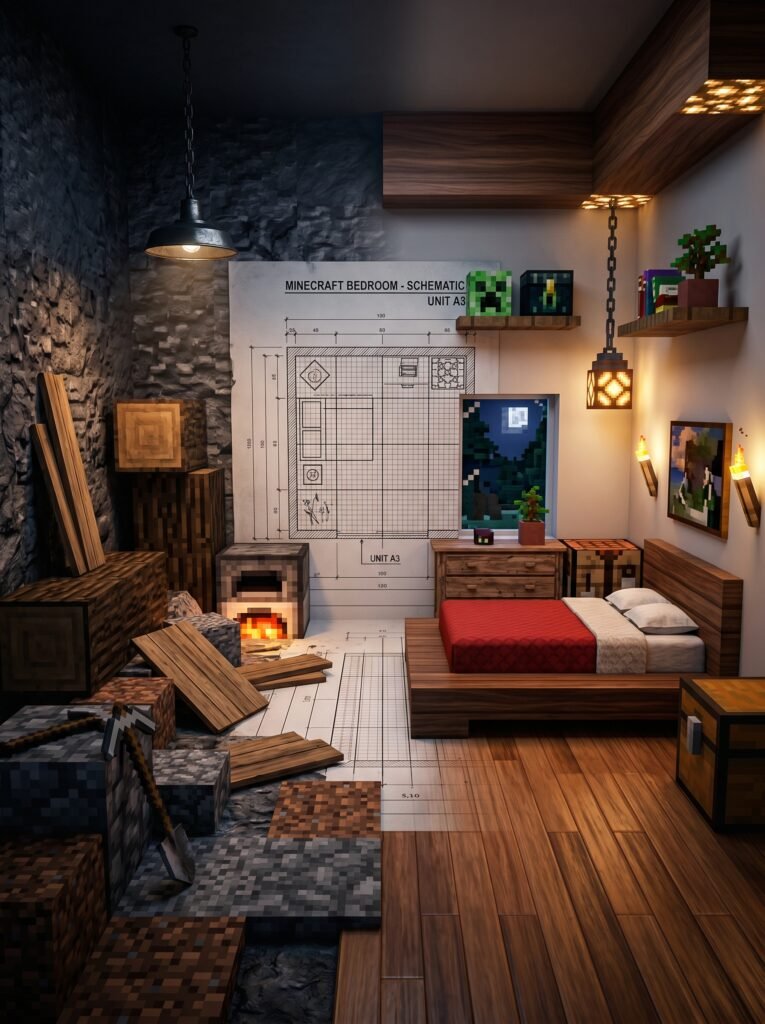
Most people look at a Minecraft-themed bedroom and see pixel art and green Creeper faces. But if you look a little closer, you start to see something deeper. Minecraft, at its core, is about building something from nothing. It’s about taking raw materials and turning them into shelter, beauty, and purpose. And that philosophy — when brought into a real-world interior — creates a room that doesn’t just look cool. It teaches. It inspires. It breathes.
When you design a Minecraft room interior thoughtfully, you’re not just slapping a duvet cover on a bed and calling it done. You’re creating a space where a child (or an adult, honestly — no judgment here) can feel like they’re the architect of their own world. That’s a powerful thing to give someone.
The best Minecraft interiors balance the game’s iconic visual identity with real interior design principles: proportion, color harmony, texture layering, and emotional warmth. When those two worlds meet — the pixelated and the physical — the result is a room that feels genuinely extraordinary.
“The best themed rooms don’t feel like a costume — they feel like a character.”
2. Understanding the Minecraft Color Palette Before You Paint a Single Wall

Before you buy a single can of paint or order a single piece of furniture, you need to understand the Minecraft color world. The game’s palette is surprisingly sophisticated — it’s not just lime green and brown. Think deep forest greens, warm earthy tans, slate grays, sky blues, golden yellows, and the rich chocolatey tones of dark oak wood.
These colors work beautifully in real interiors because they’re grounded in nature. Minecraft borrowed its palette from the real world — grass, stone, wood, sky, water — which means a Minecraft-inspired room can feel organic and calming rather than loud and overwhelming. That’s your secret weapon as a designer.
For walls, consider a muted grass green — something like a sage or olive — rather than neon green. Pair it with warm wood tones for furniture and add stone-gray accents through bedding, rugs, or storage boxes. The result is a room that reads as Minecraft to any fan immediately, but also reads as genuinely well-designed to any adult who walks in.
If you’re designing for a smaller child, you can lean into brighter accent colors — a pop of diamond blue here, a splash of golden yellow there. But keep your base palette grounded and neutral. The room will feel cohesive rather than chaotic, and it will age beautifully as the child grows.
3. The Bedroom Wall That Stops Every Guest in Their Tracks
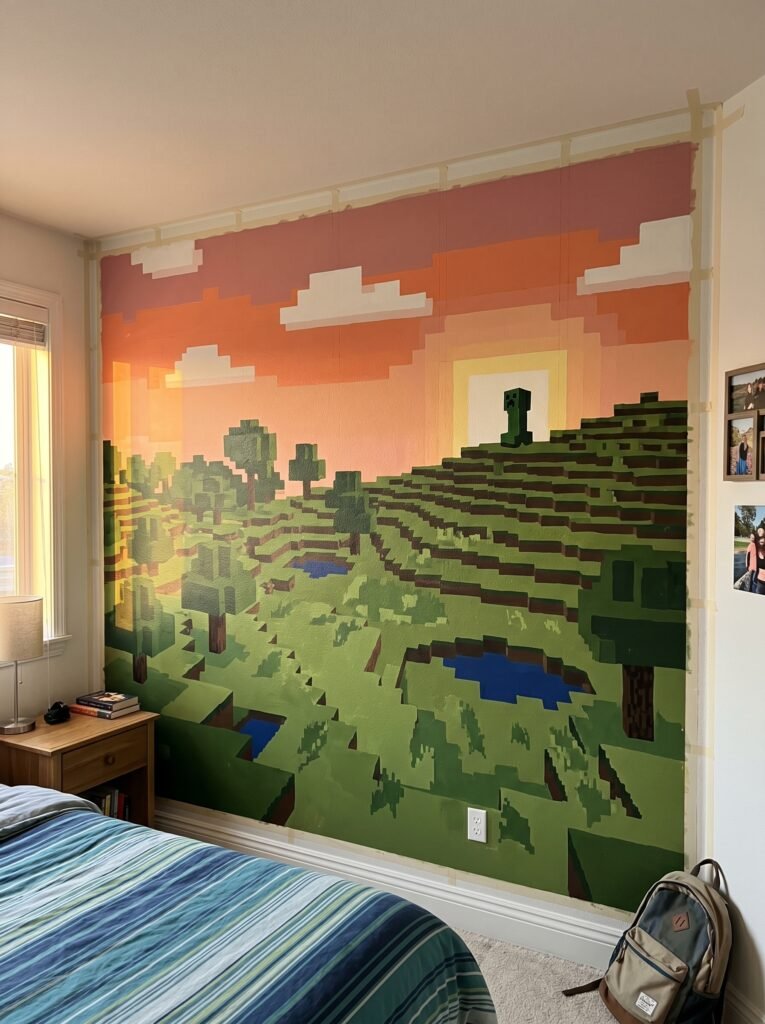
The wall is your canvas — and in a Minecraft room interior, it’s also your most powerful storytelling tool. There are several approaches here, and each one creates a completely different emotional atmosphere.
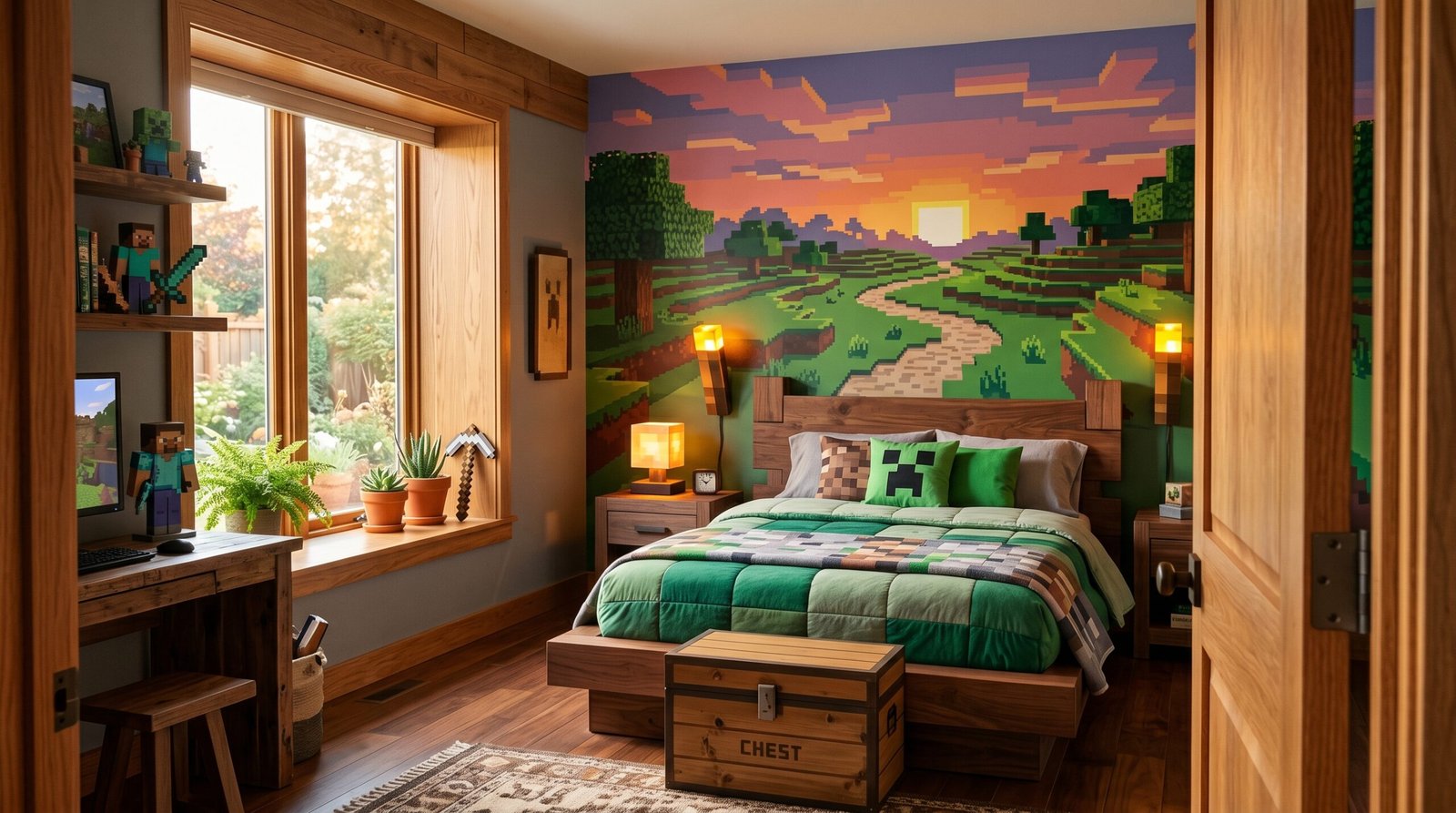
The pixel mural is the most iconic choice. A large-scale pixelated landscape painted directly on one wall — rolling hills, a sunset sky, maybe a lone Creeper standing in the distance — transforms the room into a living scene rather than a decorated box. You don’t need to be a professional muralist to achieve this. Pixel art is, by definition, geometric and grid-based. Tape off your grid with painter’s tape, choose your colors, and fill in the squares. The result is stunning, even with beginner-level painting skills.
For a more subtle approach, consider peel-and-stick Minecraft wallpaper on a single accent wall. Many beautifully designed options exist that feature the game’s iconic textures — grass blocks, stone bricks, Nether rack — scaled up to create an immersive backdrop behind the bed or desk.
Another idea that’s gaining traction in interior design circles is the “window to another world” concept — painting a faux Minecraft landscape on the wall with a painted frame around it, as though it’s a window looking out into the game world. It’s whimsical, creative, and deeply personal. Every time the child looks at it, they see possibility.
4. Choosing Furniture That Plays the Game Without Being Cartoonish
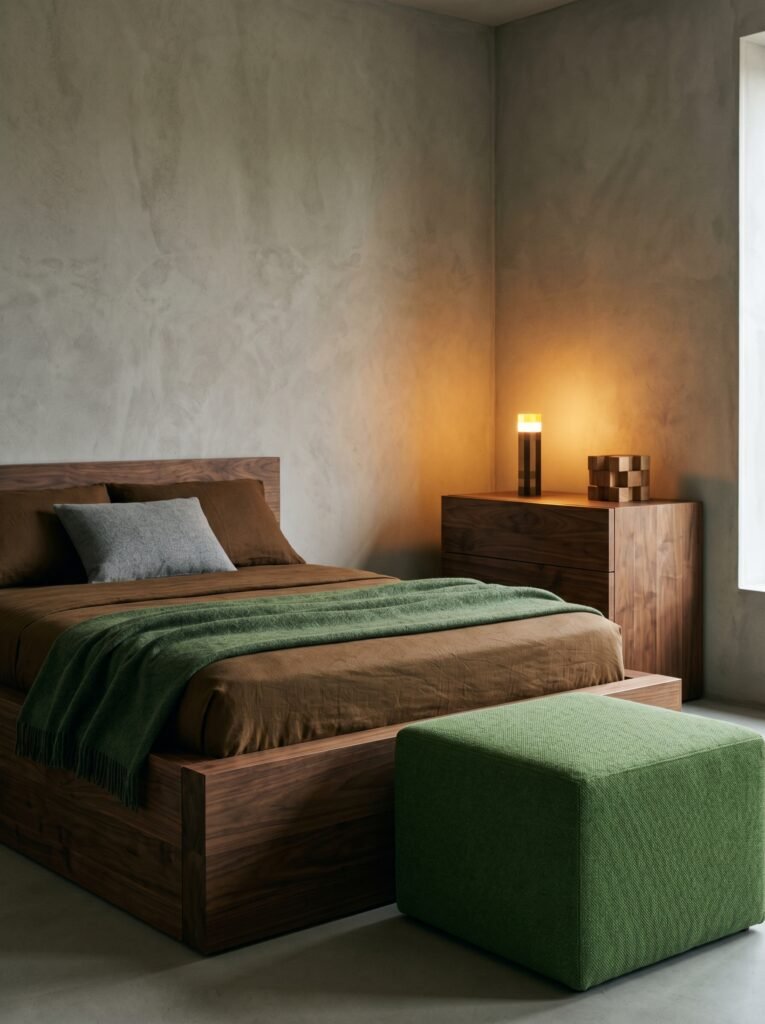
Here’s where many Minecraft room makeovers go wrong: they fill the space with plastic, branded furniture that looks cheap after three months and dates the room terribly. The smarter approach is to choose real, quality furniture with shapes and finishes that echo the Minecraft aesthetic without screaming it.
Minecraft’s world is built on cubes. So furniture with clean, boxy, geometric silhouettes fits naturally into the aesthetic. A square-edged platform bed, a blocky wooden dresser, a cube storage unit — these pieces feel architecturally consistent with the Minecraft world while remaining genuinely functional and long-lasting.
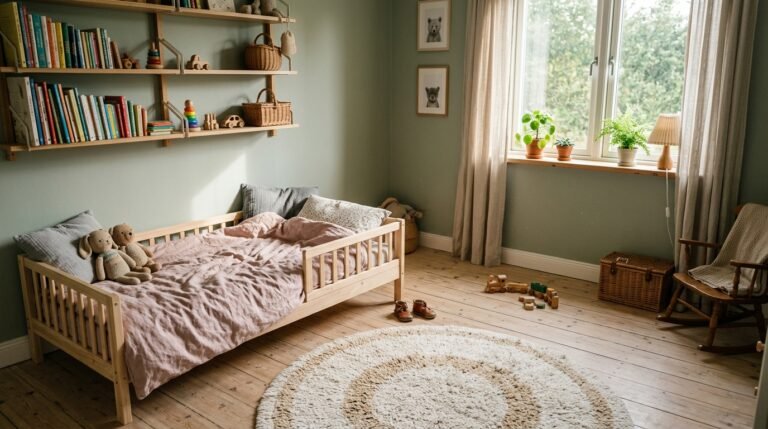
Wood finishes are your best friend here. Dark oak, spruce, and jungle wood are all beloved in the game, and their real-world equivalents — walnut, mahogany, pine — bring the same warm, textured richness to a physical space. A natural wood bed frame with clean lines feels instantly Minecraft-adjacent without a single pixel in sight.
For seating, consider a cube ottoman in a grass-green fabric — it’s an obvious nod to the game but an elegant one. Or go with a simple wooden stool painted in a stone gray. The key is restraint: choose two or three intentional Minecraft references in your furniture choices, and let the rest of the room breathe.
5. The Art of Minecraft Bedding: Where Comfort Meets Pixelated Dreams
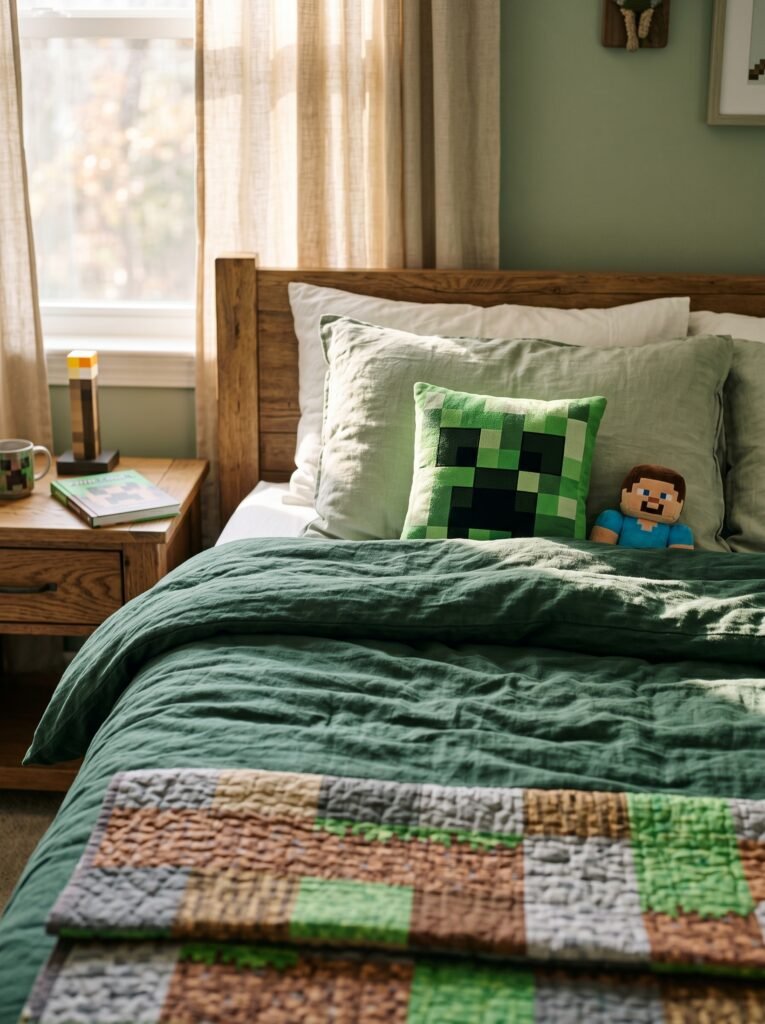
The bed is the emotional center of any bedroom. It’s where the day begins and ends, where tired eyes close after long hours of… yes, probably playing Minecraft. Getting the bedding right is essential, not just aesthetically but physically. A child needs to feel genuinely cozy and held by their space — and a cheap, scratchy Minecraft-branded comforter doesn’t accomplish that, no matter how good the graphics look on the packaging.
Look for high-quality cotton or microfiber bedding in the colors of your chosen Minecraft palette. A deep forest green duvet, layered with a lighter sage pillow, and accented with a pixelated throw cushion strikes the perfect balance. The throw cushion can be your single branded Minecraft piece — a Creeper face pillow, a diamond sword cushion, a tiny Steve plush tucked into the corner. That one intentional branded element reads as charming rather than overwhelming.
“Comfort and character are not opposites — in the right room, they complete each other.”
If you want to lean fully into the Minecraft aesthetic, look for quilts or duvets that feature the game’s block textures in a subtle, sophisticated pattern. Several independent designers on Etsy create hand-quilted versions that are absolutely breathtaking — each square of fabric becomes a pixel, and the whole becomes a work of art.
6. Lighting That Transforms the Room After Dark
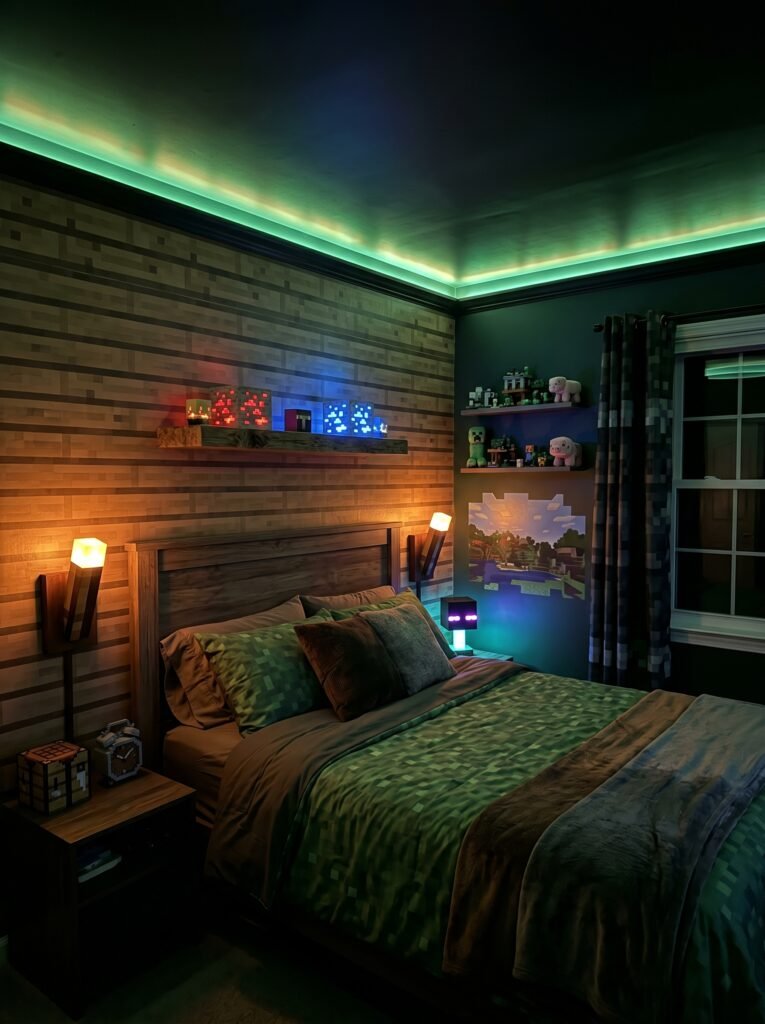
Minecraft players know about lighting. In the game, darkness breeds danger — Creepers and Zombies spawn in the shadows. Light is safety. Light is warmth. And in a real Minecraft room interior, lighting can be the single most transformative element you add.
The most beloved Minecraft lighting option is, of course, the Torch lamp — a replica of the iconic in-game torch that emits a warm, amber glow. These exist as wall-mounted sconces, desktop lamps, and even hanging pendants, and they’re genuinely effective at creating atmosphere. A pair of them flanking the bed creates the feeling of a lit cave — adventurous and cozy at once.
LED strip lighting in a warm green or blue, placed behind furniture or along ceiling edges, creates an ambient underglow that feels otherworldly without being harsh on young eyes. You can even find Minecraft-themed LED lights shaped like ores — Redstone, Diamond, Emerald — that pulse gently with color. As a nightlight, they’re perfect.
For the main overhead light, keep it simple and functional. A clean white or warm bulb in a geometric shade keeps the room feeling bright and spacious during the day, while the ambient accent lights take over at night to create that dreamy, immersive atmosphere.
7. Storage Solutions That Feel Like Chests Worth Opening
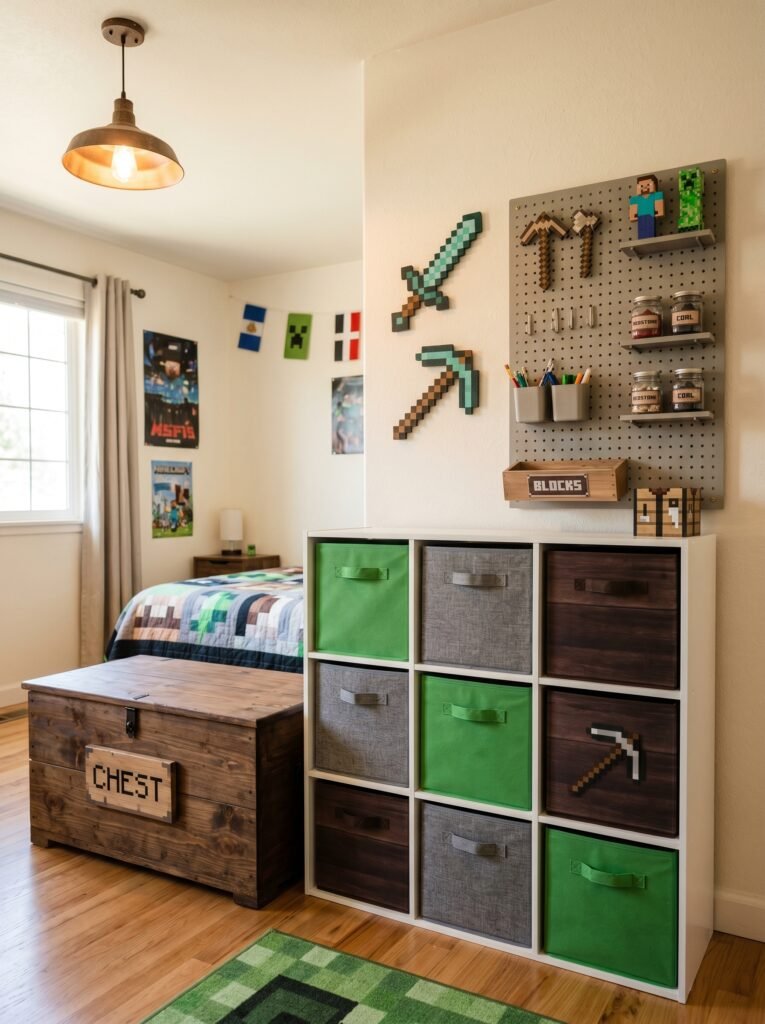
Minecraft players are hoarders — beautifully organized, deeply intentional hoarders. Their in-game chests are filled with resources sorted by type and value. Bringing that same organizational energy into the physical room is both practical and thematically perfect.
Wooden chest-style toy boxes are the obvious MVP here. A genuine wooden blanket box or toy chest, painted or stained in a warm walnut tone, becomes both a storage solution and a direct visual reference to the game’s most iconic furniture piece. Label it with a small pixelated sign that reads “CHEST” and watch every Minecraft fan who visits immediately understand the assignment.
Cube storage units — the kind with interchangeable fabric bins — are a Minecraft room staple for good reason. Their blocky shape is architecturally consistent with the game’s aesthetic, and they’re endlessly adaptable. Use bins in grass green, stone gray, and dark wood tones to create a storage wall that doubles as visual art.
For desks and shelving, pegboards painted in a neutral gray and fitted with hooks and small shelves create the visual suggestion of a crafting table — organized, functional, and full of possibility.
8. The Desk Setup: Where Real Creativity Meets Virtual Worlds
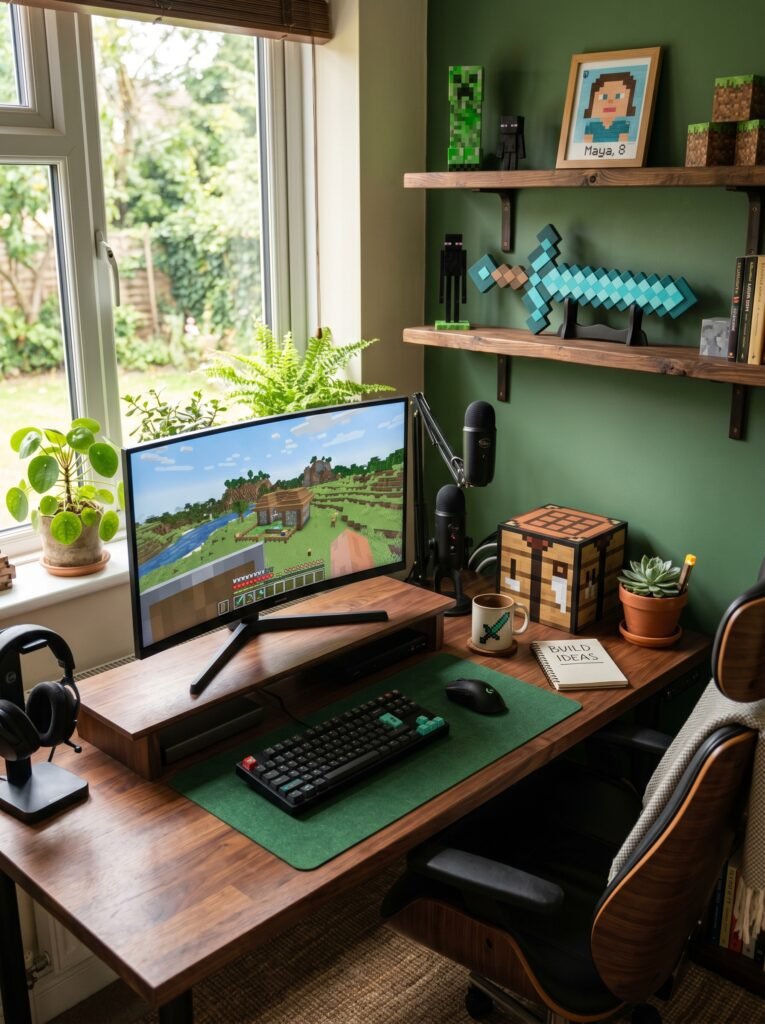
Many Minecraft players are also young creators — they build, they film, they share their worlds online. The desk setup in a Minecraft room interior deserves just as much thought as the rest of the space, because it’s where real and digital creativity converge.
A solid wood desk with a simple, clean surface gives the player room to think and create. Position it near natural light if possible — good lighting reduces eye strain during long gaming sessions and makes the space feel alive. Add a monitor riser in a dark wood or matte black finish to bring the screen to eye level, and thread cables through a wooden cable box painted to look like a Minecraft crafting table.
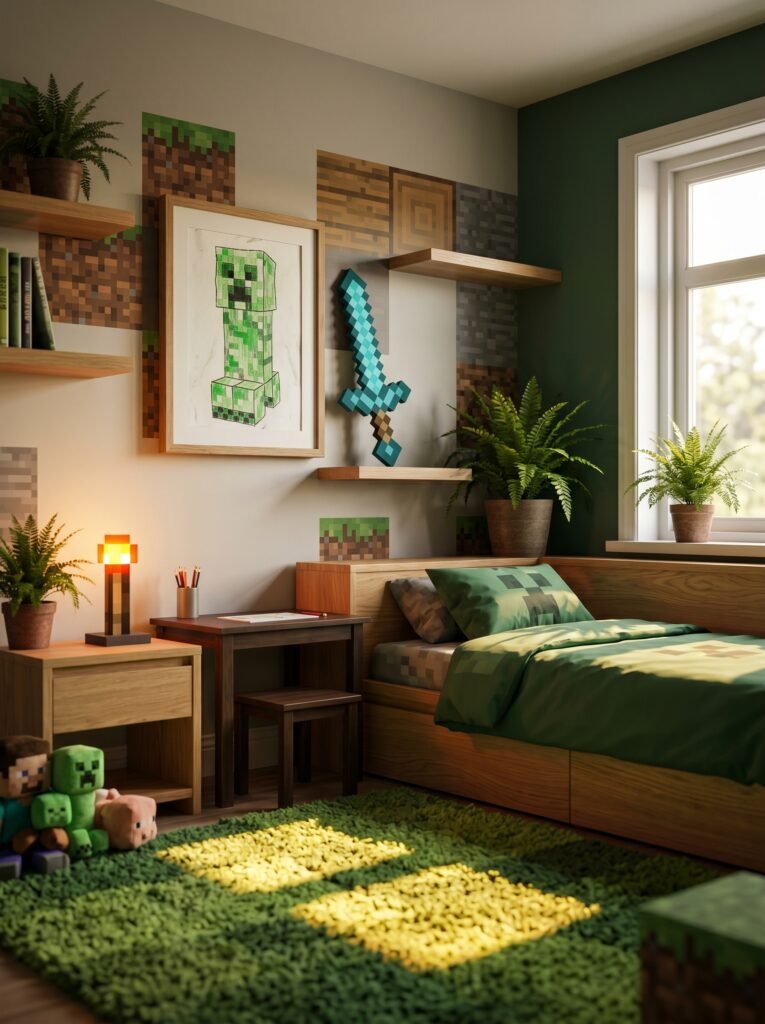
On the shelves above the desk, arrange a curated collection of Minecraft figures, books, and personal mementos. A small potted plant — a real one, like a succulent or a tiny fern — brings a breath of life into the space and echoes the game’s natural world beautifully. Around it, place a few Creeper figures, a diamond sword replica, and maybe a framed piece of Minecraft pixel art the child made themselves.
That personal touch — their own art in a frame, their own creation displayed with pride — does something no store-bought decoration can do. It tells the child: your creativity matters. Your world is worth preserving.
9. Incorporating Real Nature Into a Pixelated World
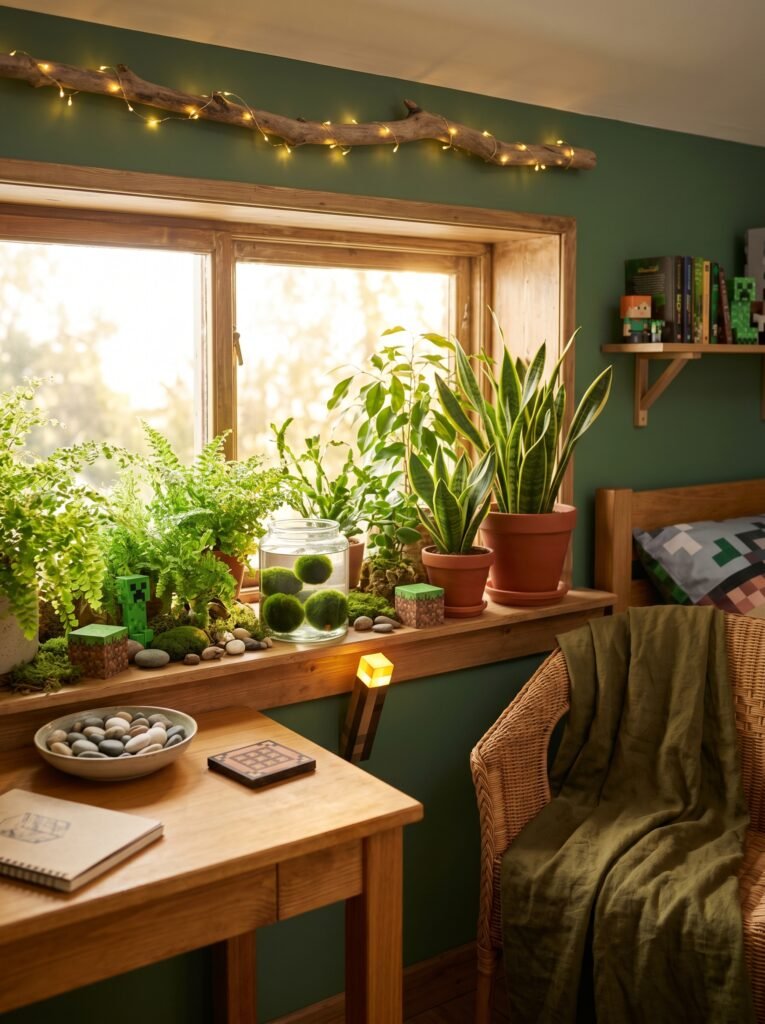
One of the most underused design moves in Minecraft room interiors is bringing in real natural elements. The game itself is deeply nature-based — forests, oceans, deserts, mountains — so real plants, stones, and wood textures fit the aesthetic perfectly while adding an organic, breathing quality to the room.
A cluster of small potted plants on a windowsill creates a mini biome that any Minecraft fan will instantly recognize as their beloved forest or jungle. Choose plants with interesting textures — ferns, moss balls, snake plants — and place them in terracotta pots for that warm, earthy game-world feel.
Raw wood elements — a driftwood shelf, a log-slice bedside table, a woven rattan chair — bring the warmth of Minecraft’s forest biomes into the physical space without a single pixel. Layered with linen throw blankets in earthy tones, the room begins to feel like the most cozy, most inhabitable version of the game itself.
“The rooms we remember forever are the ones that felt alive — not decorated, but inhabited.”
Smooth river stones arranged in a small bowl on the desk echo the game’s stone and gravel blocks. A wooden branch mounted horizontally on the wall becomes a display rack for hanging fairy lights or small figures. Nature and Minecraft are natural allies — use that connection freely.
10. Flooring and Rugs That Anchor the Entire Design
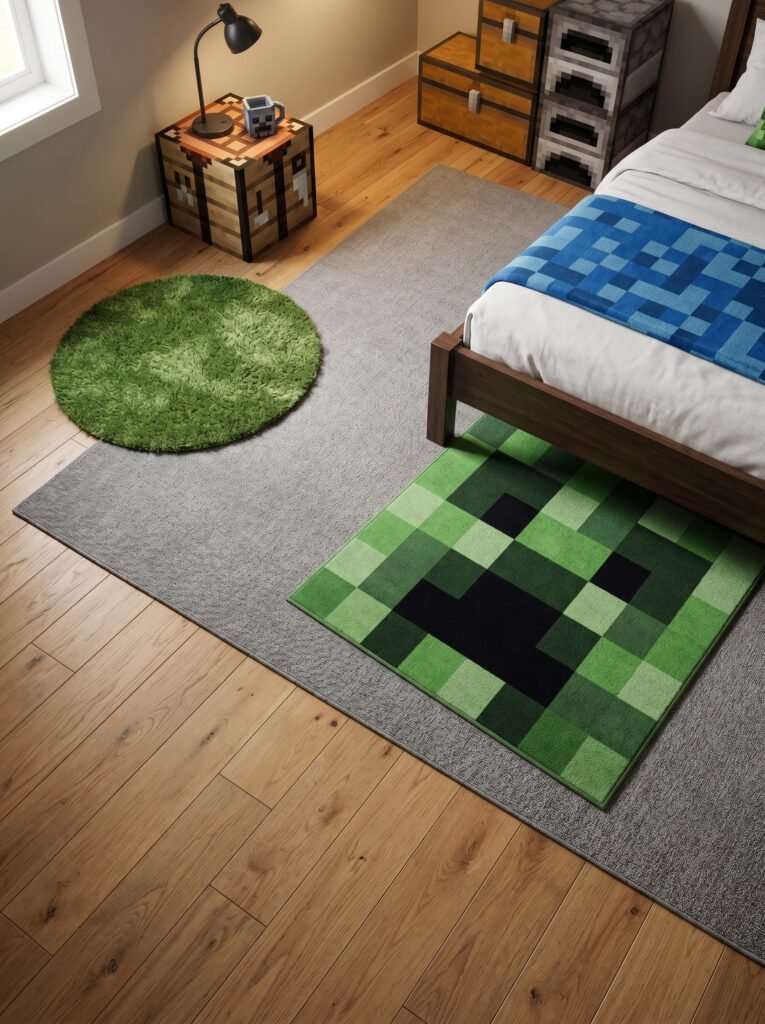
The floor is the foundation of every room’s visual story, and in a Minecraft interior, it’s an opportunity to add serious depth. If you have the ability to choose your flooring, warm wood tones — particularly wider planks in a honey or walnut stain — feel immediately consistent with the game’s plank and log textures.
If the flooring is fixed, a rug becomes your most important design decision. A large area rug in a neutral stone gray or earthy brown anchors the room and provides warmth underfoot — essential in a space where a child will be playing on the floor. Layer a smaller green grass-textured rug on top for a playful nod to the game’s iconic terrain.
Pixel art rugs featuring actual Minecraft designs — grass blocks, Creeper faces, diamond patterns — are widely available and can be genuinely charming when chosen thoughtfully and scaled correctly. A large pixelated rug under the bed creates a focal point that ties the whole room together.
11. Personal Touches That Make the Room Truly Theirs
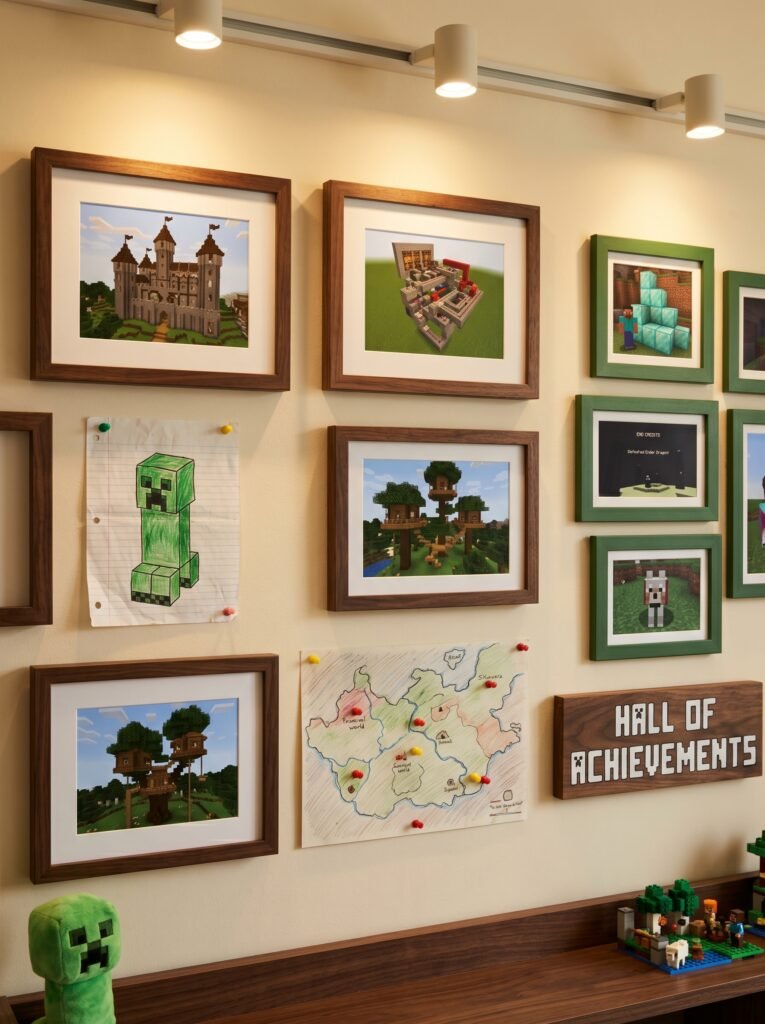
The greatest interior design principle — the one that separates a magazine room from a loved room — is personalization. A Minecraft room interior must contain things that belong specifically to the child who lives in it. Not just Minecraft things, but their Minecraft things.
Frame printouts of their proudest in-game builds. Display the first Creeper they ever drew on paper. Pin a hand-drawn map of their current survival world on the wall. Create a “Hall of Achievements” — a small gallery wall featuring photos of their gaming milestones, printed and hung with care.
These elements cost almost nothing, but they transform the room from a showroom into a sanctuary. The child walks in and sees themselves reflected back — their creativity, their progress, their story. That is the highest achievement of interior design.
12. How to Make the Room Grow With the Child
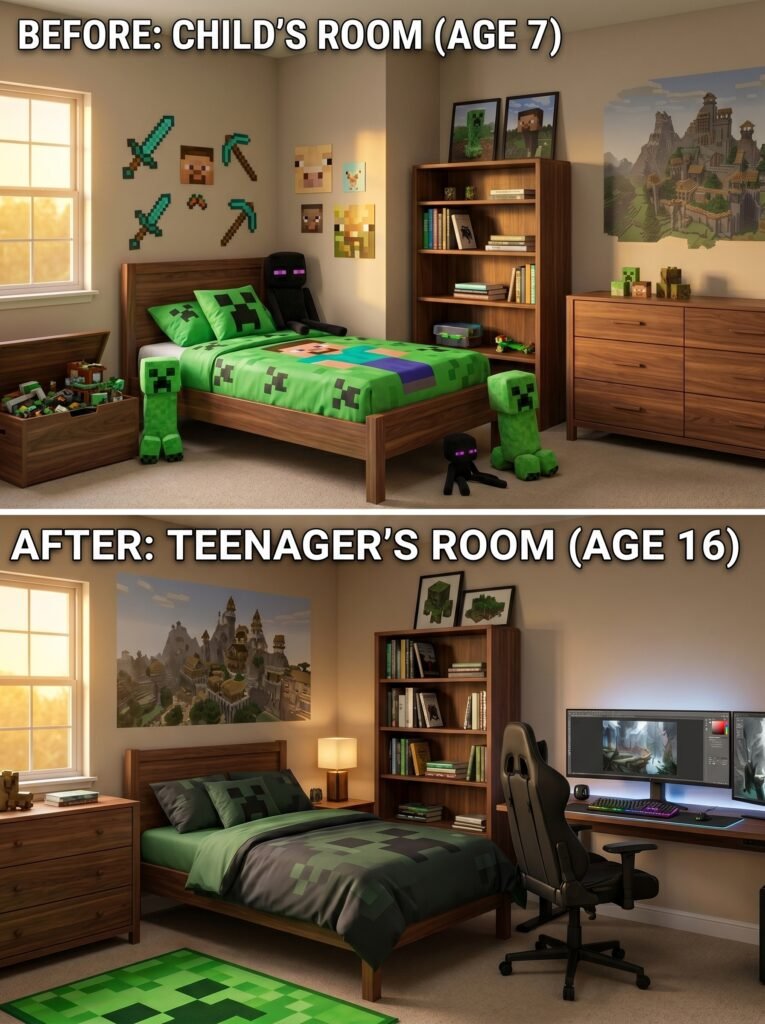
Every parent’s secret fear with a themed room is that it becomes dated — that the child outgrows it and the whole space needs to be demolished and rebuilt. The good news is that a thoughtfully designed Minecraft room interior doesn’t have to grow old badly. It can evolve gracefully.
The key is building on a neutral foundation. Neutral walls, quality wood furniture, and simple textiles are timeless. The Minecraft identity lives in the accents — the cushions, the figures, the artwork, the small decorative objects. Those can be swapped out easily and inexpensively as tastes change.
As a child grows from a Minecraft-obsessed eight-year-old to a game-design-curious teenager, the room evolves with them. The Creeper plushies can be replaced with design books. The pixel mural can be updated with a new landscape. The gaming desk can be upgraded. The bones of the room — solid, beautiful, well-proportioned — remain. Only the story it tells changes.
—
🌿 How to Take Care of Your Minecraft Room Interior
Maintaining a beautifully designed Minecraft room doesn’t require constant effort — just a little mindful attention. Dust wooden surfaces weekly with a soft, dry cloth to keep the warm wood tones looking rich and alive. Clean LED light strips with a barely damp cloth every few months to prevent dust buildup that dims their glow. Wash bedding regularly in gentle detergent to keep colors vibrant — Minecraft greens and blues deserve to stay bold. Rotate plushies and figures seasonally to keep the space feeling fresh rather than cluttered. And every few months, sit in the room with the child and ask: what does this room need right now? Let them lead the design evolution — it’s their world, after all.
—
❓ FAQ
Q: What are the best colors to use in a Minecraft room interior? A: The most effective Minecraft room color palette draws from the game’s natural world — grass greens, earthy browns, stone grays, sky blues, and golden yellows. Using muted, nature-inspired versions of these colors (sage green rather than neon green, for example) creates a room that feels both thematically rich and genuinely livable long-term.
Q: How do I design a Minecraft room that doesn’t look too childish as the child grows? A: Build on a neutral, quality foundation — solid wood furniture, neutral wall colors, and simple textiles — and keep the Minecraft identity in swappable accent pieces like cushions, art, and small decor objects. As the child grows, the foundation stays beautiful while the themed elements evolve naturally with their changing tastes.
Q: Can I create a Minecraft room interior on a tight budget? A: Absolutely. The most impactful elements — a painted pixel mural, DIY wooden storage chests, and rearranged cube storage in Minecraft colors — are all achievable on a modest budget. Focus your spending on quality bedding and one or two solid furniture pieces, then use creativity and DIY projects for the themed details.
—
💭 Final Thought
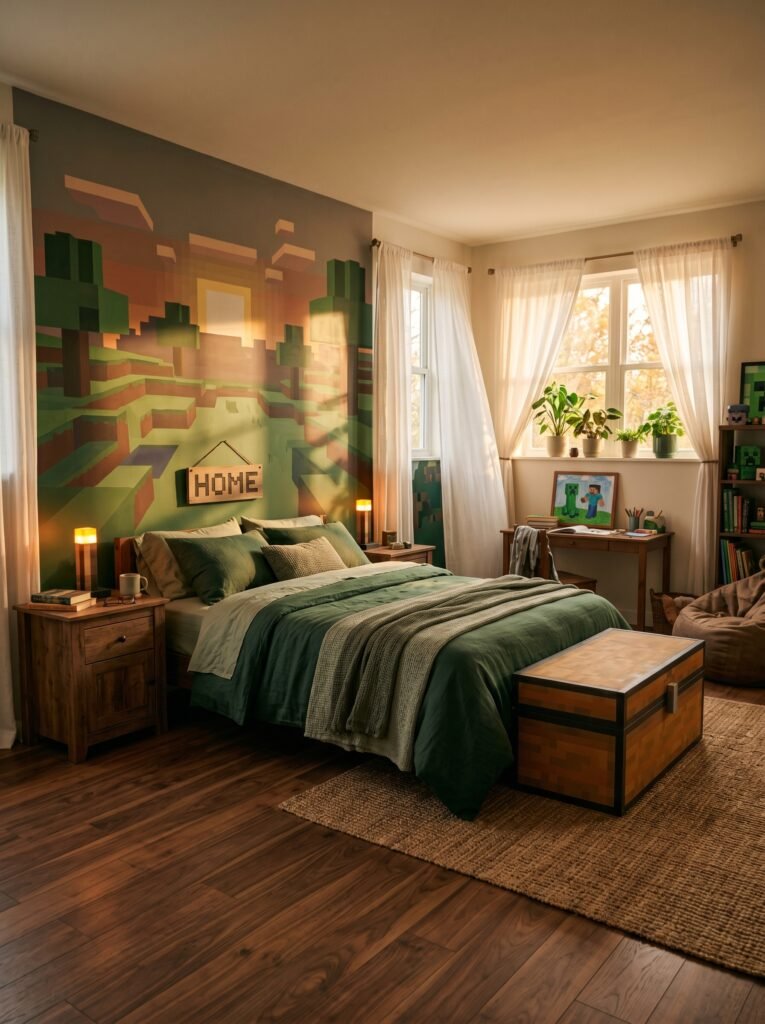
At the end of the day, a Minecraft room interior is about more than blocks and pixels — it’s about creating a space where a young person feels genuinely at home in their own imagination. It’s about honoring the things they love with thoughtfulness, care, and real design intention. When you walk into a room like that — whether you built it for your child or for yourself — you feel it immediately: this is a place where something wonderful could begin.
So here’s the question worth sitting with: if you could design any room in your home to feel like a world worth exploring, what would you build?