Why Classical Interior Design Still Feels Like Home — And Always Will
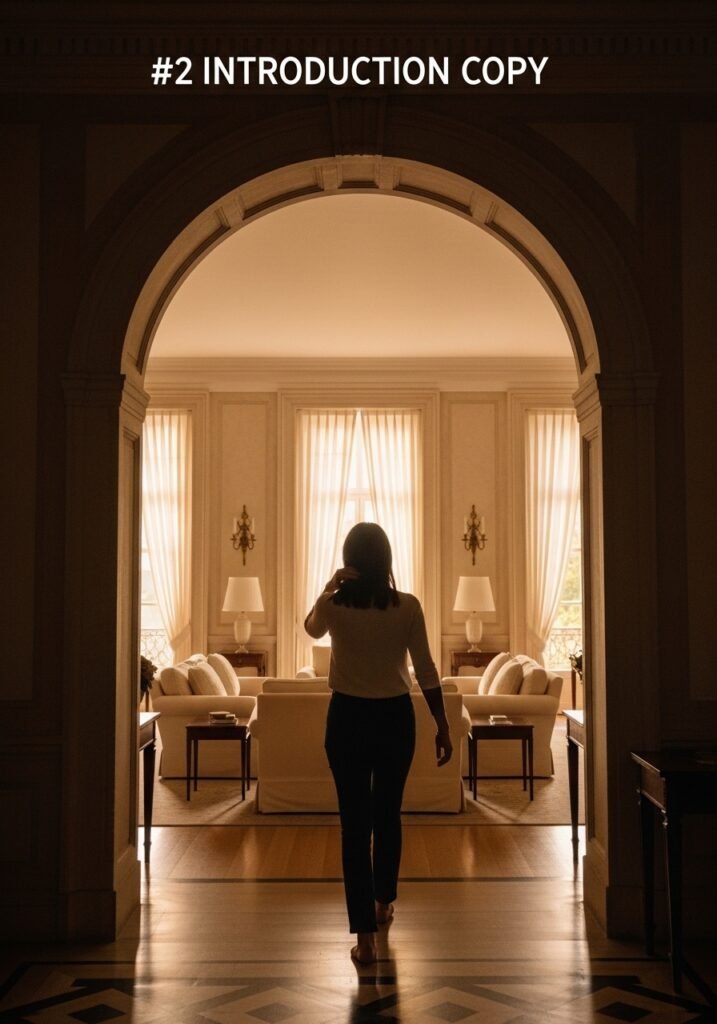
There’s something that happens the moment you walk into a classically designed room. Your shoulders drop. Your breathing slows. It’s as if the space itself is saying, you belong here — and somehow, you believe it.
—
1. The Feeling That Classical Design Gives You Before You Even Notice the Furniture
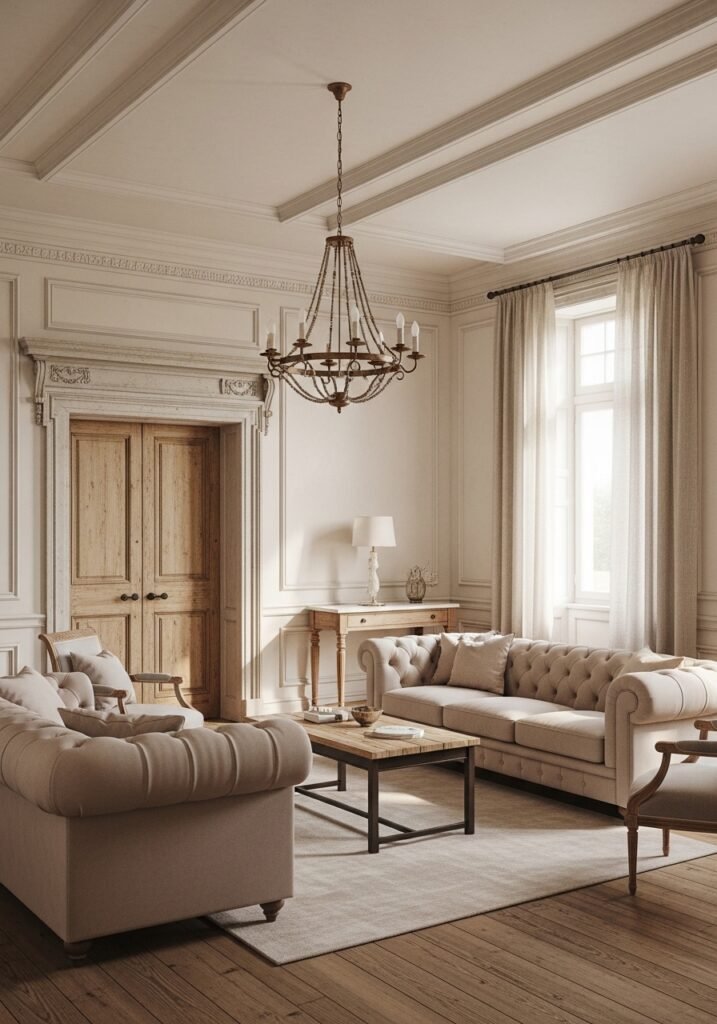
Before you consciously register the crown molding or the tufted sofa, you feel the room. That’s the quiet genius of classical interior design — it works on you emotionally before it works on you intellectually. The symmetry soothes your nervous system. The warm tones signal safety. The proportions — carefully balanced, never accidental — tell your brain that someone thought deeply about this space, and in doing so, thought deeply about the people who would inhabit it.
Classical interior design is rooted in the architectural traditions of ancient Greece and Rome, filtered through the Renaissance, refined by 18th-century European sensibilities, and carried forward into our modern homes with a grace that no trend cycle has ever managed to replace. It’s not nostalgia. It’s something deeper than that — a design philosophy built on the belief that beauty has rules, and when those rules are followed with intention, they create spaces that transcend time.
What makes this style so enduringly powerful is its commitment to harmony. Every element relates to every other element. Nothing is arbitrary. And in a world that often feels chaotic and overstimulating, a room that operates on those principles feels almost like a gift.
“Classical design doesn’t decorate a room — it gives the room a soul.”
2. The Ancient Roots That Still Shape the Rooms We Love Today
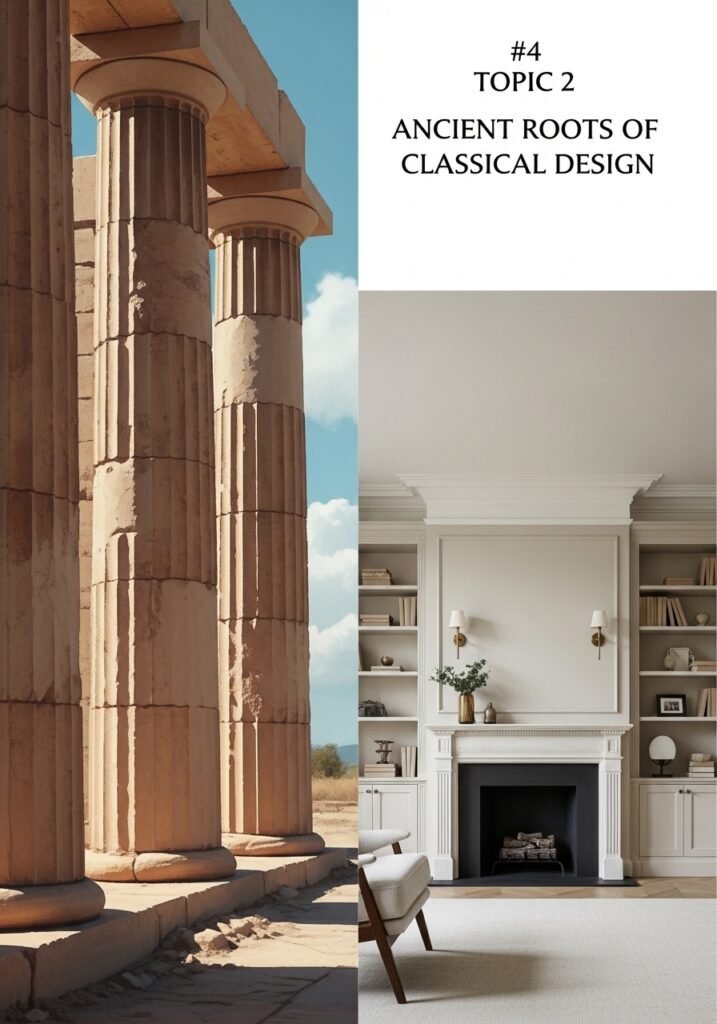
You don’t need to be an architecture historian to appreciate classical design, but understanding where it comes from makes you love it even more. The style traces its origins to the temples and civic buildings of ancient Greece — structures built on principles of order, symmetry, and mathematical proportion. The Greeks believed beauty was not subjective; it was structural. It could be measured, reasoned, and reproduced.
Rome adopted and expanded these principles, adding grandeur and scale. Then, during the Renaissance, European architects and artists rediscovered these ancient ideals and translated them into everything from palaces to private villas. The 18th century brought us Neoclassicism — a more restrained, elegant interpretation that stripped away Baroque excess and returned to clean lines, dignified proportions, and a palette drawn from the natural world.
Every time you see a room with a fireplace flanked by matching built-in bookshelves, or a hallway anchored by a round entry table centered beneath a medallion light fixture, you’re looking at a living descendant of those ancient ideas. The tradition is unbroken. It just keeps finding new homes.
3. Symmetry — The One Design Rule That Never Fails
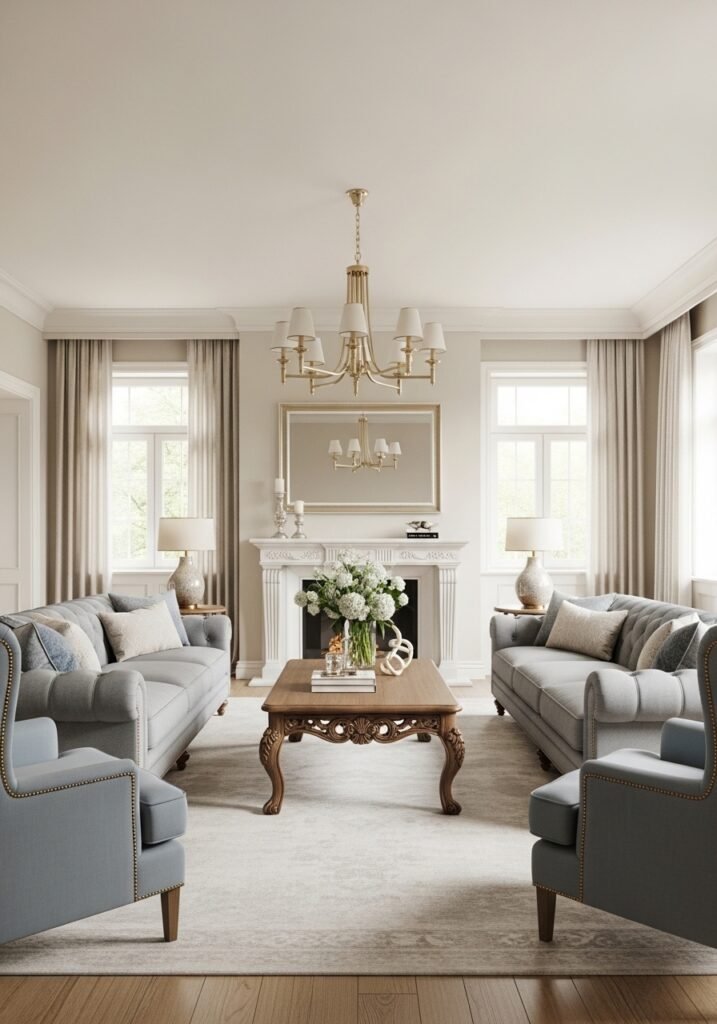
Ask any interior designer what the single most reliable tool in their kit is, and if they’re being honest, many will say symmetry. Classical design understood this thousands of years ago, and it remains one of the style’s most defining and most beloved characteristics.
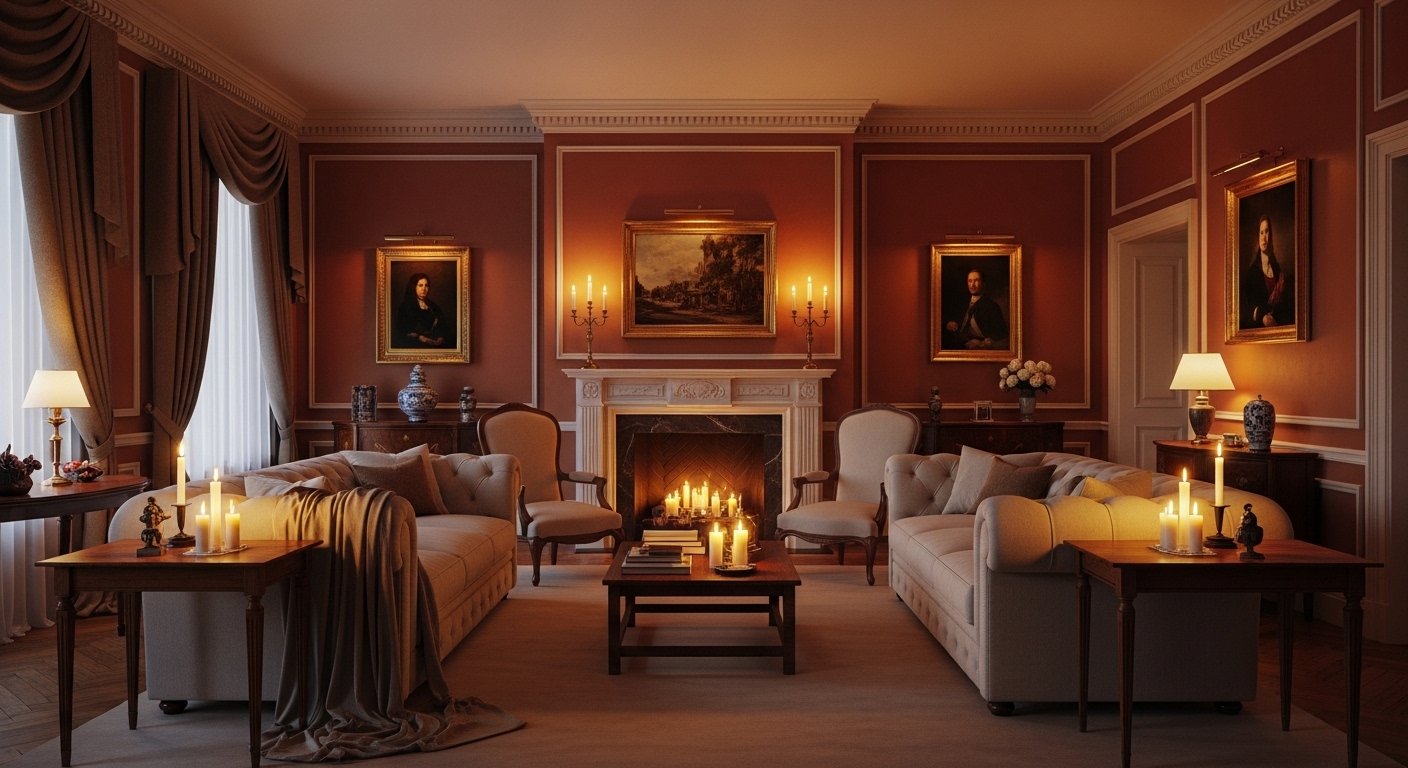
Symmetry creates visual balance. It signals order without rigidity, formality without coldness. In a living room, this might mean two identical sofas facing each other across a central coffee table, flanked by matching armchairs. In a bedroom, it could be a pair of identical nightstands, lamps, and sconces on either side of a centered bed. In a dining room, a chandelier hung precisely over the center of a table, with chairs arranged in perfect numerical balance.
What’s remarkable about symmetry is how it calms the eye. When a room is symmetrically arranged, your gaze doesn’t dart around looking for something to land on — it rests. And a room where the eye can rest is a room where the mind can rest, too. That’s not a design theory; that’s a physiological response. Classical designers knew it intuitively. Neuroscience is only now catching up.
4. The Color Palette That Feels Like a Deep Breath
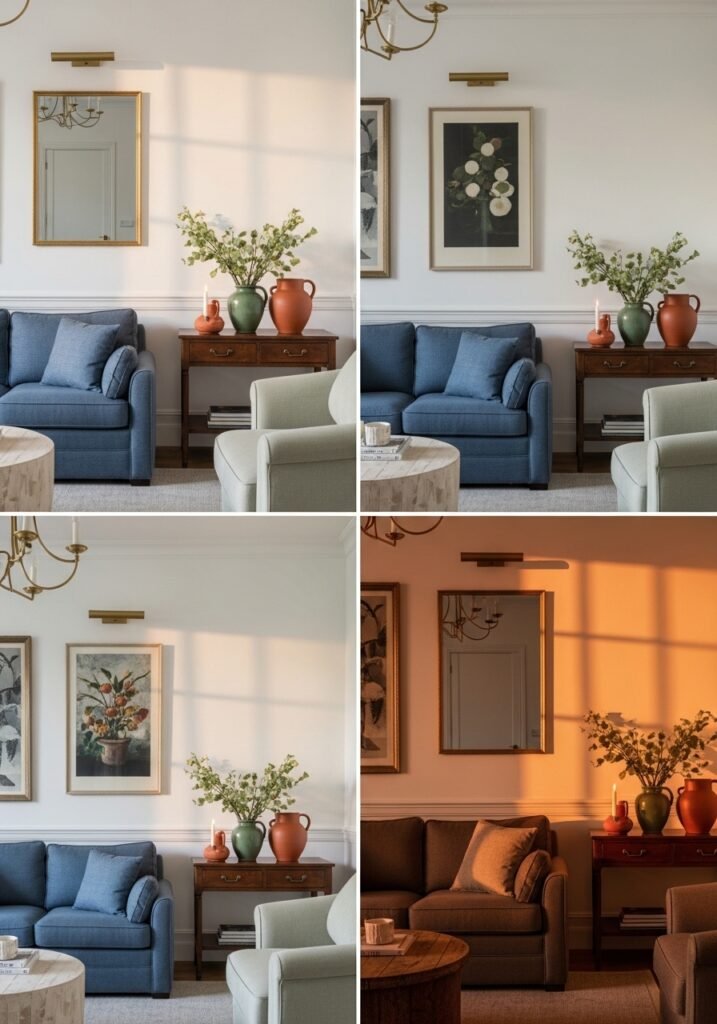
Classical interior design doesn’t scream for your attention with color. It invites you in with it. The traditional classical palette is drawn from nature at its most refined — creamy whites and ivories, warm stone grays, dusty blues, sage greens, terracotta, gilded golds, and the deep, rich hues of aged wood and leather. These are colors that look different depending on the light — warmer in candlelight, cooler in morning sun, richer in the blue hour of dusk.
This sensitivity to natural light is not incidental. Classical design was developed in an era before electric lighting, so every color choice was made with the understanding that the room would shift and breathe throughout the day. The result is a palette that never feels flat, never feels harsh, and never falls out of fashion — because it was never chasing fashion in the first place.
If you’re thinking about bringing a classical palette into your own home, start with your largest surfaces. A warm white or antique linen on the walls creates the foundation. From there, layer in deeper tones through upholstery, drapery, and accessories. Use gold or brass hardware as punctuation — not as wallpaper. Let the richness build gradually, the way a well-told story builds toward its conclusion.
“A classical palette doesn’t try to impress you — it tries to comfort you, and that’s far more lasting.”
5. The Role of Architectural Details — Why Molding Is Worth Every Penny
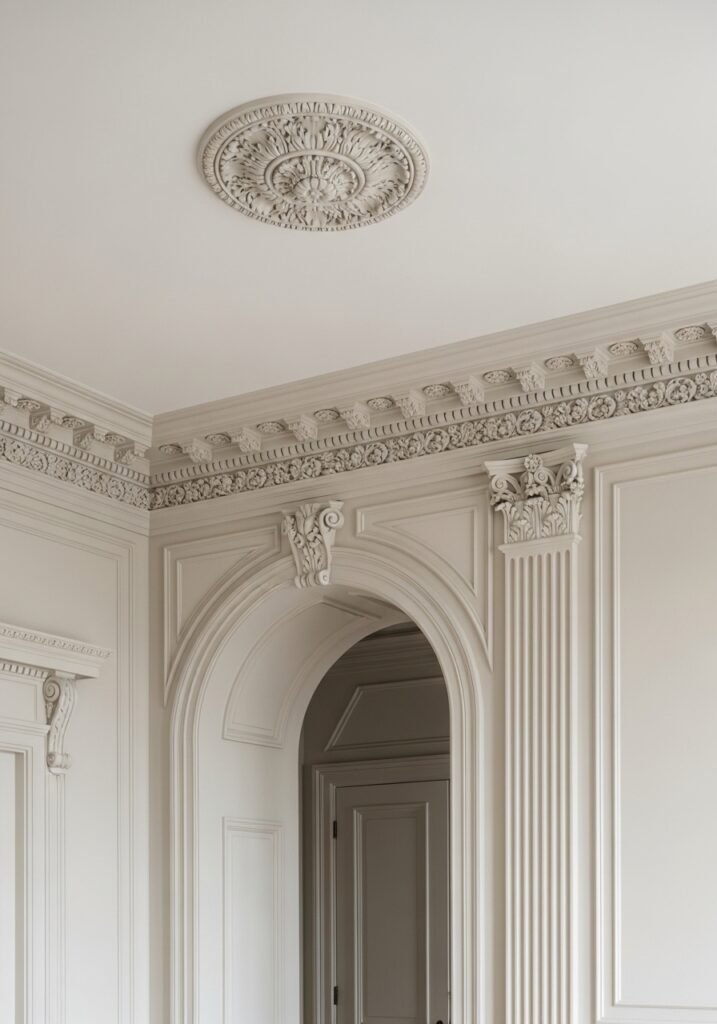
Strip a classically designed room of its furniture, its art, its textiles — and it still looks beautiful. That’s because classical interior design invests heavily in architectural detail, the bones of a space that no amount of styling can fake. Crown molding, ceiling medallions, wainscoting, coffered ceilings, pilasters, chair rails, arched doorways — these elements elevate a room before a single piece of furniture is placed.
Crown molding, in particular, is one of the most transformative and underappreciated tools in classical design. It creates a visual boundary between wall and ceiling that makes both feel more intentional, more finished, more considered. A room with proper crown molding feels taller, grander, and more complete than the same room without it — even if you can’t immediately articulate why.
If you’re working with an existing home that lacks these details, don’t despair. Architectural millwork is more accessible than it’s ever been, and a skilled carpenter can install period-appropriate molding at a fraction of what you might imagine. The return on investment — in beauty, in ambiance, and in actual resale value — is almost always worth it.
6. Furniture That Was Built to Last Generations, Not Seasons
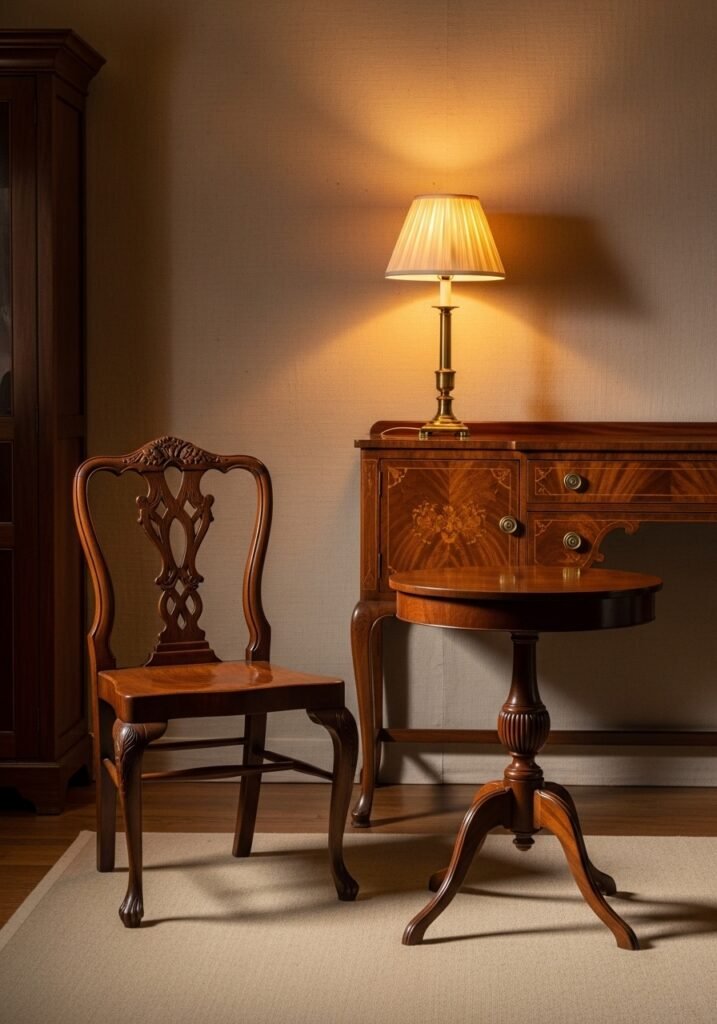
One of the most quietly radical things about classical interior design is its relationship with furniture. In a culture saturated with fast furniture — pieces designed to be replaced in three to five years — classical style insists on something different: quality, craftsmanship, and longevity.
Classical furniture draws from a rich vocabulary of historical styles. Chippendale chairs with their intricate fretwork backs. Queen Anne pieces with their graceful cabriole legs. Hepplewhite sideboards with their delicate inlay work. Louis XVI armchairs upholstered in silk damask. These are not just styles — they are expressions of a philosophy that believed objects should be made carefully, used well, and passed down.
You don’t need to furnish your home exclusively with antiques to embrace this philosophy. What classical design asks of you is thoughtfulness. Buy fewer pieces. Buy better pieces. Choose solid wood over particleboard, natural upholstery over synthetic, hand-finished hardware over stamped metal. A room with six beautifully chosen pieces will always feel more classical — and more alive — than a room crowded with twenty mediocre ones.
7. How Textiles and Drapery Transform the Entire Energy of a Room
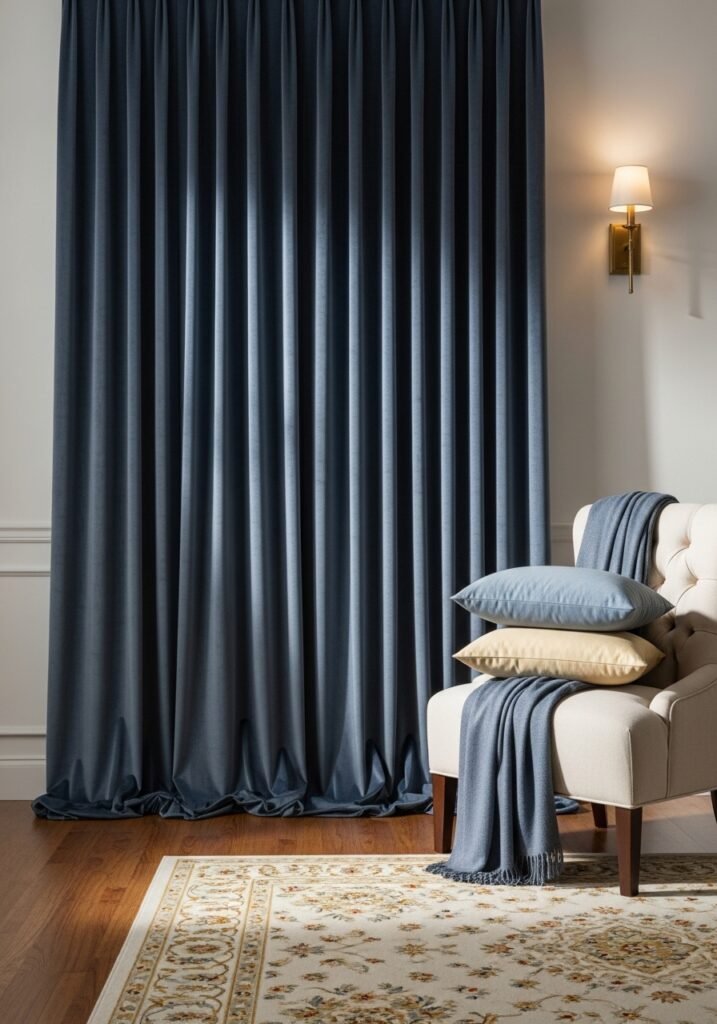
If furniture is the skeleton of a classically designed room, textiles are its skin. And nowhere is this more apparent than in the drapery. Classical interior design treats window treatments not as an afterthought but as a primary design decision — one that affects the light, the acoustics, the proportion, and the emotional temperature of an entire room.
Floor-to-ceiling drapery in heavy linen, silk, or velvet is one of the hallmarks of classical style. The panels should puddle slightly on the floor — that gentle excess of fabric signals luxury without ostentation. They should be hung high, close to the ceiling, to make the windows feel taller and the room feel more expansive. And they should be lined, always, to give them the body and weight that classical design demands.
Beyond drapery, classical interiors layer textiles with extraordinary care: an Aubusson rug beneath the seating arrangement, silk or linen throw pillows in complementary tones, a cashmere throw draped over the arm of an upholstered chair. Each layer adds warmth, depth, and a sense that the room has been lived in and loved — which is exactly the feeling classical design is reaching for.
8. The Art of the Classical Gallery Wall — Curated, Not Cluttered
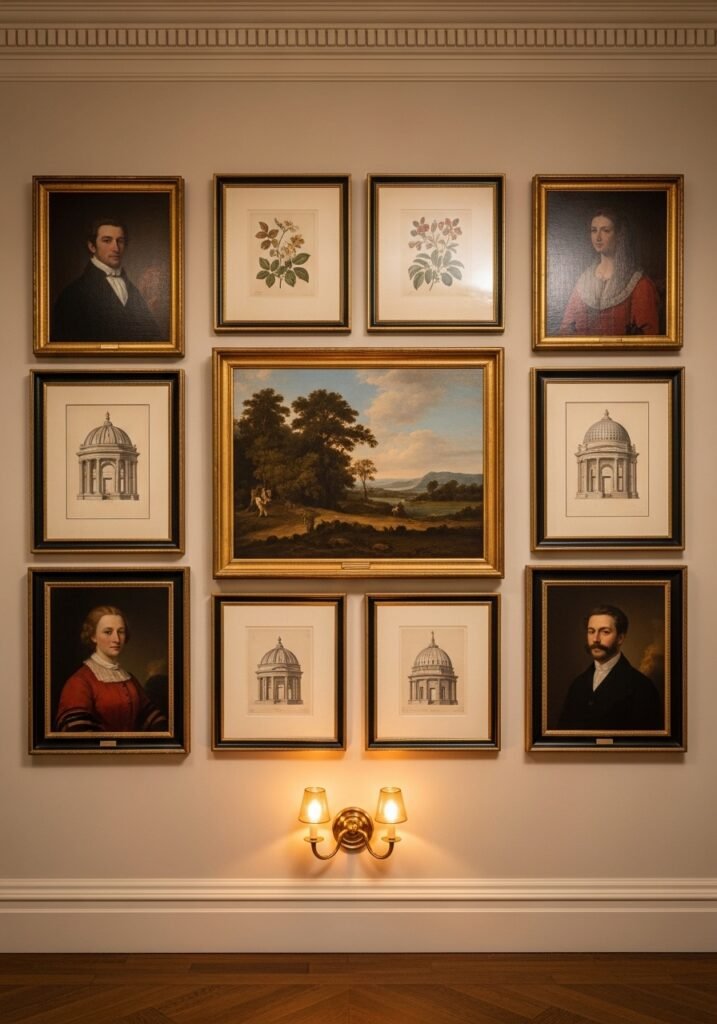
Artwork in a classically designed room is never random. It is selected with care, hung with intention, and arranged to create visual narratives on the wall. The classical gallery wall — a curated grouping of framed pieces, typically in matching or complementary frames — is one of the most recognizable and most beautiful expressions of this philosophy.
What separates a classical gallery wall from a cluttered one is curation. Every piece should have a relationship with the others, whether through subject matter, palette, scale, or historical period. Oil portraits, botanical prints, architectural drawings, landscape studies, and classical mythology scenes are all perennial favorites. Frames in gilt, ebonized wood, or antique gold create cohesion even across diverse subjects.
Arrangement matters enormously. In classical design, artwork is rarely hung asymmetrically or at random heights. A large anchor piece — a landscape, a portrait, a mirror — typically grounds the arrangement, with smaller pieces radiating outward in a balanced composition. The center of the arrangement sits at eye level, approximately 57 to 60 inches from the floor, and the gaps between frames remain consistent throughout.
“Art in a classical room isn’t decoration — it’s conversation between centuries.”
9. Lighting as Architecture — The Chandelier, the Sconce, and the Lamp
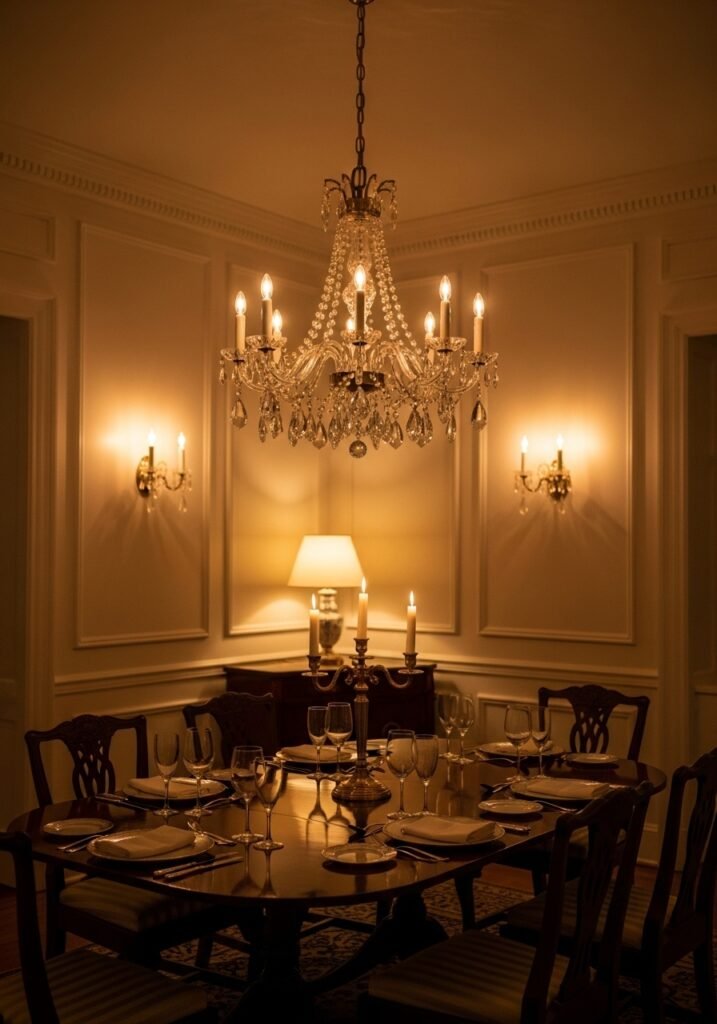
Classical design understands something that modern design sometimes forgets: lighting is not a functional afterthought. It is an architectural element, as important to the character of a room as the walls themselves. And in classical interiors, the lighting fixtures are chosen with the same care as any other piece of furniture.
The chandelier is the crown jewel of classical lighting — a fixture that signals scale, elegance, and intention from the moment you enter a room. In a dining room, a dining-appropriate chandelier hung precisely 30 to 36 inches above the table surface creates a defined zone of warmth and intimacy that transforms the act of eating into something ceremonial. In an entry hall, a chandelier announces the character of the entire home before a single room has been entered.
Sconces provide the middle layer — wall-mounted fixtures that add horizontal light, reduce shadows, and create the sense of a room that glows from multiple sources. Table lamps offer the warmest, most intimate light of all, pooling softly over reading chairs and side tables, inviting you to stay longer than you planned.
10. The Classical Kitchen — Where Function Meets Elegance
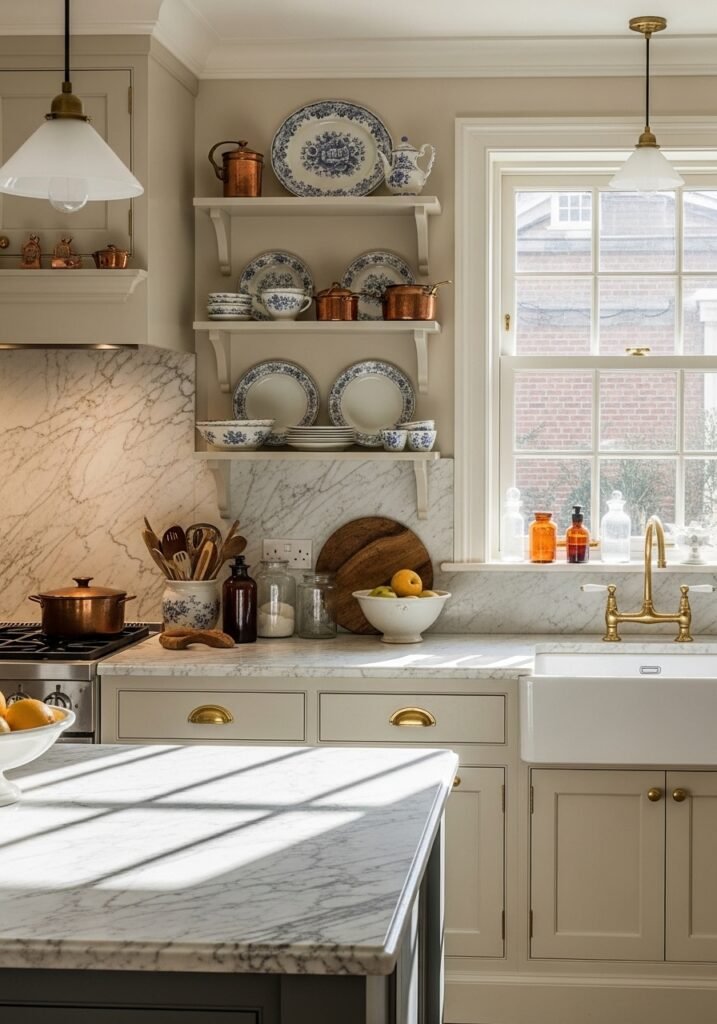
Classical interior design has never been confined to formal living rooms and grand dining halls. Some of the most beautiful classical spaces in modern homes are kitchens — and rightfully so, because the kitchen is where daily life actually happens. A kitchen designed on classical principles is one that balances beauty with deep, genuine functionality.
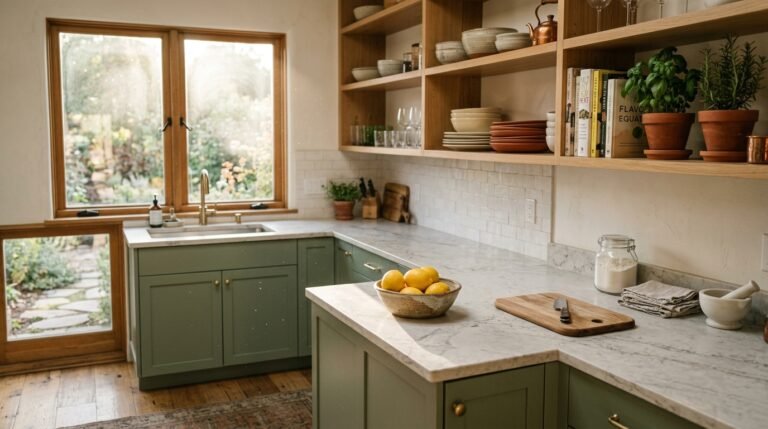
Shaker-style or raised-panel cabinetry in painted or natural wood finishes is the foundation of the classical kitchen. White, cream, sage green, and deep navy are all historically appropriate and enduringly beautiful. Countertops in natural stone — marble, soapstone, or honed granite — add the weight and material richness that classical design demands. Brass or unlacquered bronze hardware provides the warm metallic note that ties the room together.
Open shelving, when used sparingly and styled with intention, brings a human element to the classical kitchen — a place for transferware, ironstone, copper pots, and glass apothecary jars that tell the story of a kitchen that is actually used and loved. The classical kitchen is never pristine to the point of sterility. It is polished but lived in, elegant but warm.
11. Small Spaces, Classical Principles — Why This Style Works Everywhere
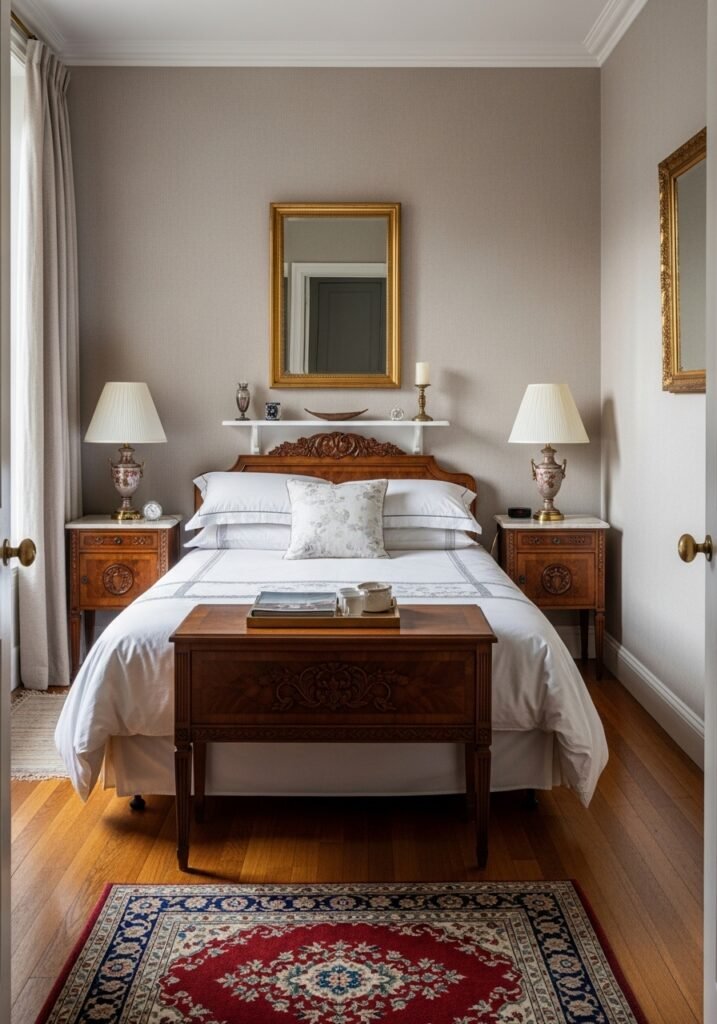
One of the most persistent myths about classical interior design is that it requires large, grand spaces to work. It doesn’t. The principles that make classical design beautiful — symmetry, proportion, quality materials, architectural detail, and a carefully considered palette — work just as powerfully in a small apartment as they do in a country estate.
In a small bedroom, a symmetrically arranged bed with matching nightstands and lamps creates the same sense of order and calm as in a grand master suite — it simply does it on a smaller scale. In a compact living room, a single piece of genuinely beautiful furniture — an upholstered armchair, a carved wooden side table, a properly hung mirror — anchors the room in classical tradition without overwhelming it.
The key is restraint. Classical design in a small space means choosing fewer things and choosing them more carefully. A small room with one genuinely beautiful rug, two thoughtfully placed lamps, and a single piece of original art will always feel more classically coherent than a small room filled with ten pieces competing for attention.
12. Why Classical Interior Design Is the Most Sustainable Choice You Can Make
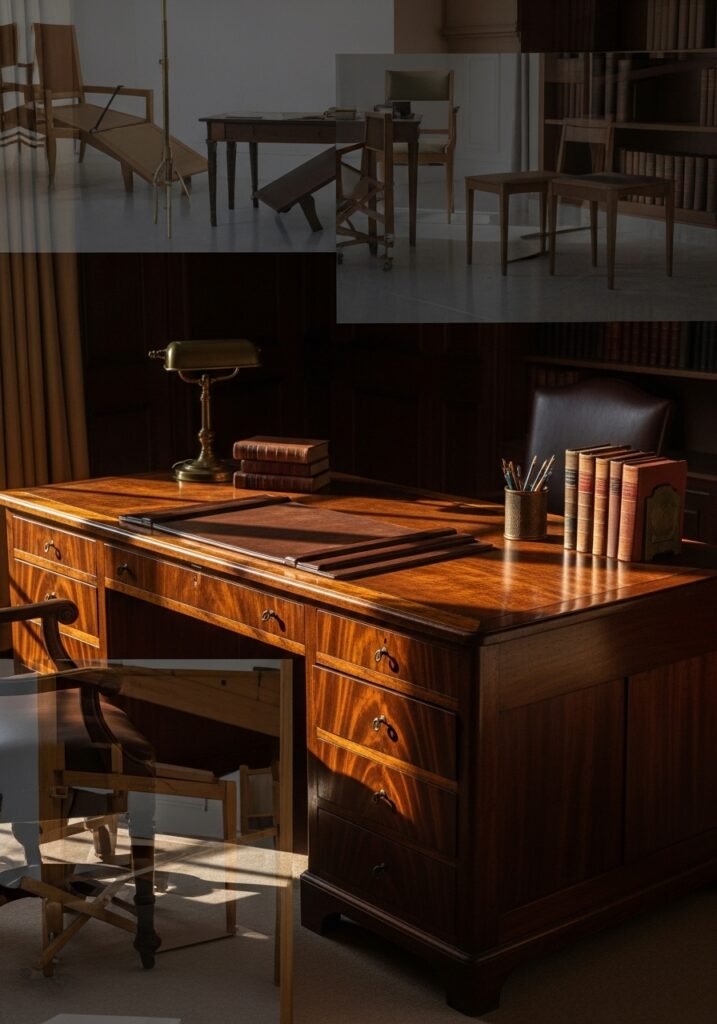
In a world increasingly aware of the environmental cost of consumption, classical interior design offers something quietly revolutionary: a complete argument against disposability. The classical philosophy — buy quality, build to last, pass it down — is not just aesthetically superior. It is environmentally responsible in a way that no trend-driven design style can claim.
A solid mahogany desk built in 1890 has already outlived dozens of generations of flat-pack furniture. A pair of silk damask curtains, properly cared for, will hang in a home for thirty years. A marble countertop installed today may outlast the building it sits in. When you invest in classical materials and classical craftsmanship, you are opting out of the cycle of manufacture, use, and disposal that defines so much of modern consumer culture.
This is perhaps the deepest reason classical interior design continues to resonate in an age of fast everything — it is a quiet act of resistance. It says: I am not decorating for this season. I am creating a home that will still feel right in fifty years, because I built it on principles that have been right for thousands.
—
🌿 How to Bring Classical Interior Design Into Your Own Home
Starting a classical interior doesn’t mean starting from scratch — it means making increasingly thoughtful choices as you go. Begin with the walls: a warm white or antique linen creates an immediate foundation. Next, invest in one genuinely beautiful piece of furniture — a tufted armchair, a carved wooden console — rather than filling the room with lesser alternatives.
Add architectural detail where you can. Even simple crown molding or a ceiling medallion changes the character of a room in a way that no amount of styling can replicate. Layer your lighting with a combination of overhead, wall-mounted, and table sources, aiming always for warmth over brightness.
Choose natural materials at every opportunity — wood, stone, linen, wool, brass — because classical design is grounded in the physical world, not the synthetic one. And finally, resist the urge to fill every surface. Classical rooms breathe. They have negative space. They give each beautiful thing room to be seen and appreciated. That restraint is not a limitation — it is the style’s greatest strength.
—
❓ FAQ
Q: Is classical interior design the same as traditional interior design? A: They overlap significantly, but they’re not identical. Classical design refers specifically to styles rooted in ancient Greek and Roman principles — symmetry, order, architectural proportion — and their European descendants through the Renaissance and Neoclassical periods. Traditional design is a broader category that includes classical elements but also encompasses country, colonial, and other historical influences. Think of classical as a specific dialect within the larger language of traditional style.
Q: Can classical interior design work in a modern home with an open floor plan? A: Absolutely — and beautifully. The key is using classical principles to create defined zones within the open space. A symmetrically arranged seating area anchored by an area rug, a dining space defined by a properly scaled chandelier, an entry zone established with architectural detail — these classical moves carve intimate, human-scaled spaces out of large open plans without requiring walls.
Q: How do I mix classical interior design with contemporary elements without it looking confused? A: The rule of thumb most designers follow is to anchor the room classically — architectural details, quality furniture, natural materials — and allow the contemporary elements to exist as counterpoints rather than competitors. A sleek, minimal table lamp on an antique console. A single piece of abstract art in a gilt frame. Modern hardware on classical cabinetry. The contrast, when handled with restraint, creates a room that feels curated and alive rather than rigidly period-correct.
—
💭 Final Thought
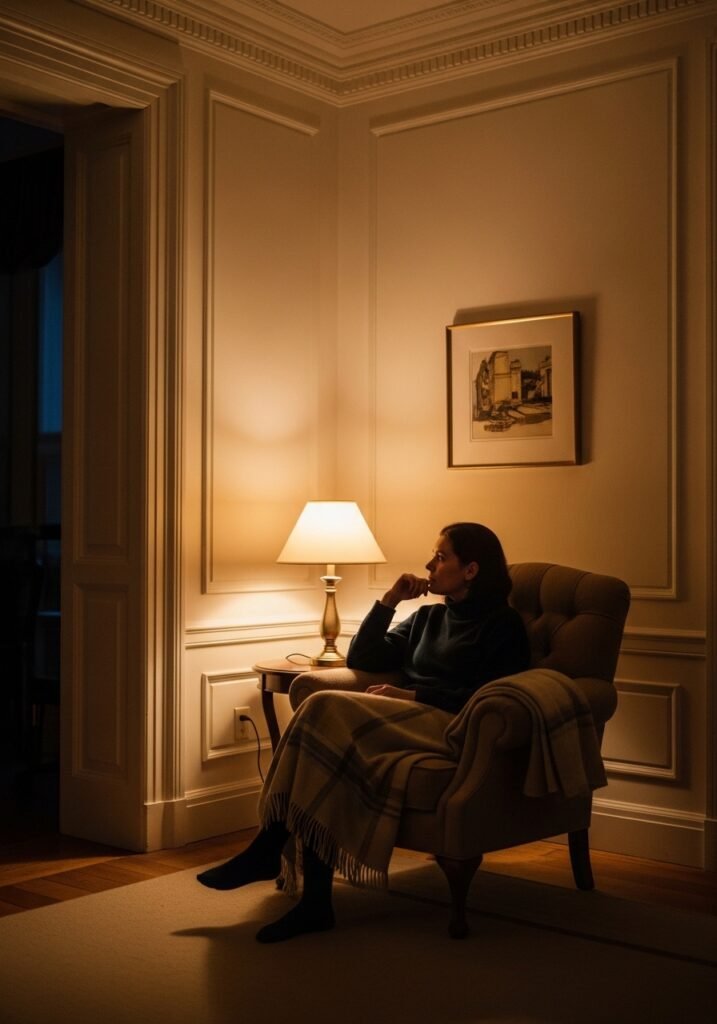
Classical interior design endures not because it’s stubbornly old-fashioned, but because it’s quietly, profoundly right — about proportion, about beauty, about the kind of spaces that actually make human beings feel well. There’s a reason we keep returning to these principles across centuries and cultures and continents: they speak to something in us that’s older than any trend and deeper than any algorithm.
So as you look around the space you call home today — what’s one classical principle you might gently introduce, and how do you think it might change not just how the room looks, but how it makes you feel?