
The Soul of Bohemian Style: How to Create a Home That Feels Like a Lifelong Journey
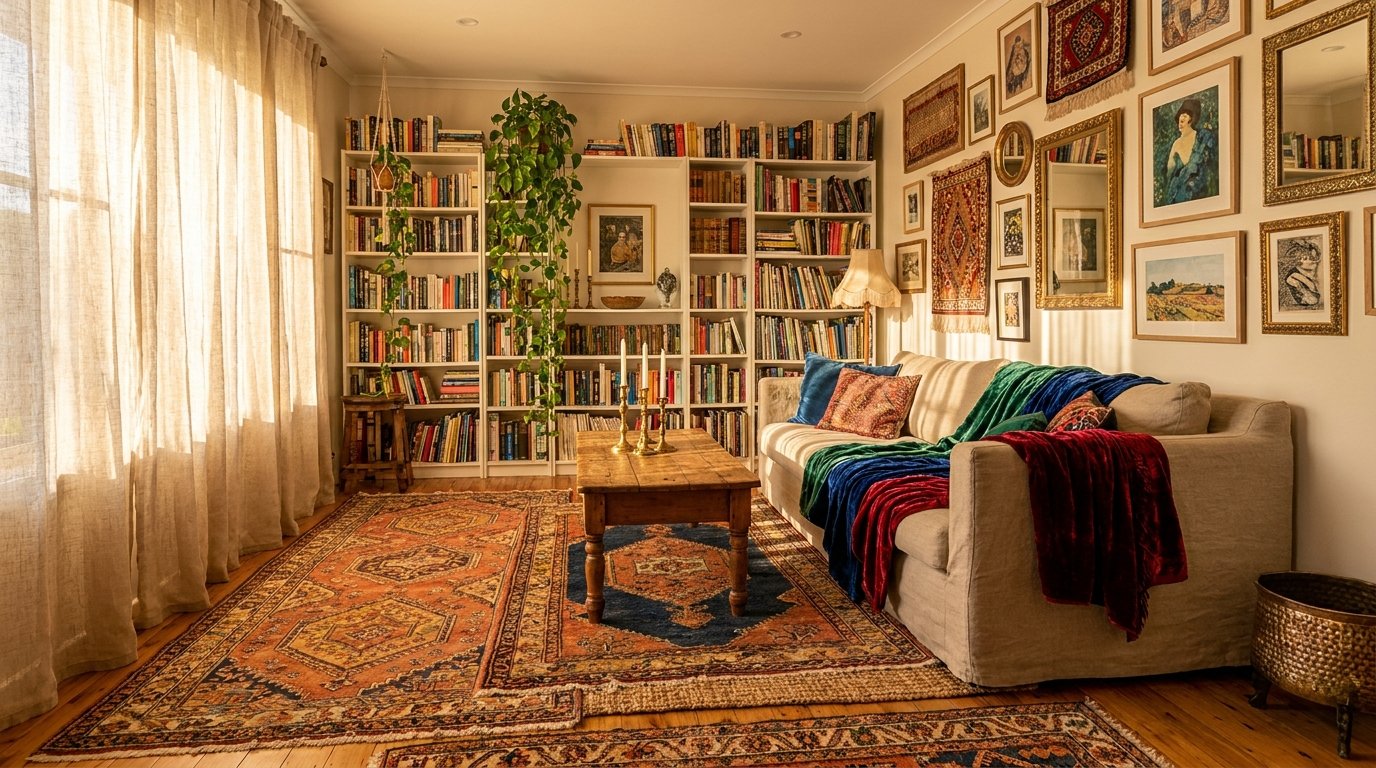
There’s a kind of home that stops you the moment you walk through the door — not because it’s perfectly coordinated, but because it feels lived in, layered, and unmistakably alive. That home almost certainly has a bohemian soul. And once you understand what bohemian style truly is, you’ll never look at a bare white wall the same way again.
—
1. What Bohemian Style Actually Means (It’s More Than Just Macramé)
Most people hear “bohemian” and picture hanging plants, fringe throws, and a rattan chair in a sunlit corner. And yes, those things can absolutely be part of the picture — but bohemian interior design runs far deeper than any single aesthetic trend. The word itself traces back to 19th-century Paris, where artists, writers, and free-thinkers rejected the rigid conventions of bourgeois society and built lives — and living spaces — that reflected their inner world rather than social expectation.
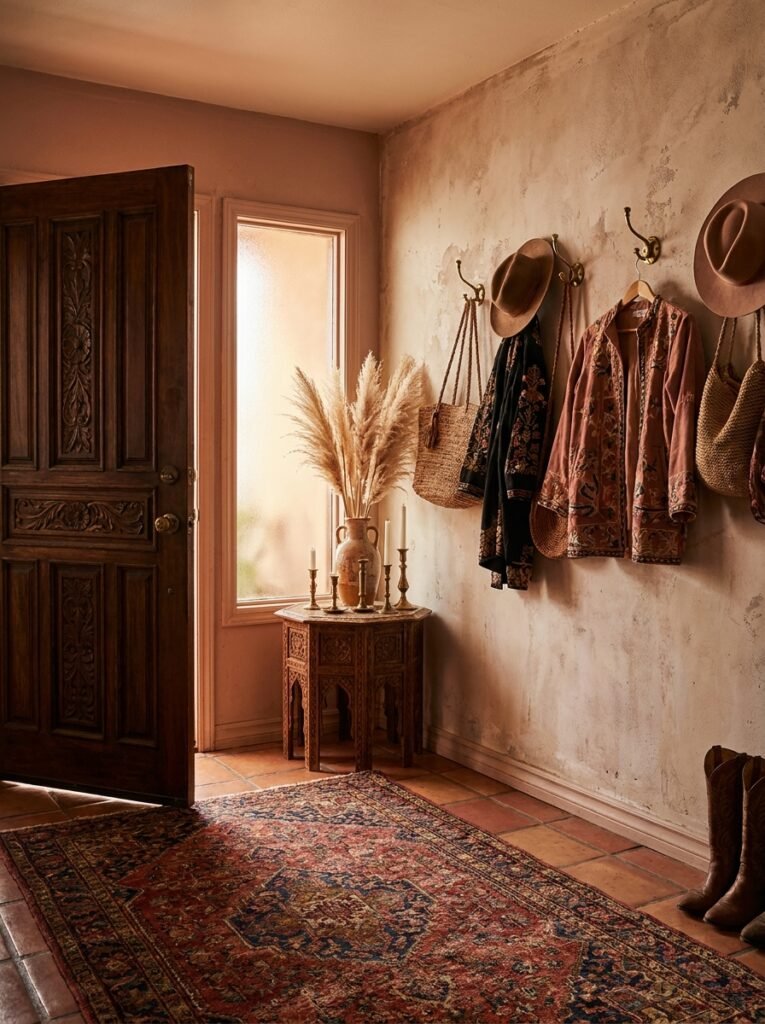
A true bohemian space tells a story. It’s the layered Persian rug you found at a flea market in Istanbul. It’s the brass candlesticks inherited from your grandmother sitting comfortably beside a vibrant gallery wall of prints you collected over a decade. It’s the hammock chair and the overflowing bookshelf and the ceramic vase shaped by someone’s hands in a small Moroccan workshop. Bohemian style is not curated in a single afternoon from a single shop. It accumulates. It breathes. It reflects who you are and everywhere you’ve been — or everywhere you dream of going.
“A bohemian home isn’t decorated. It’s gathered — piece by piece, story by story, over a lifetime.”
2. The Color Palette That Makes a Bohemian Room Breathe
One of the most liberating things about bohemian interior design is its relationship with color. There is no single approved palette — and that’s precisely the point. However, there are certain color families that appear again and again in beautifully executed bohemian spaces, and understanding why they work together will help you build a room that feels cohesive without ever feeling rigid.
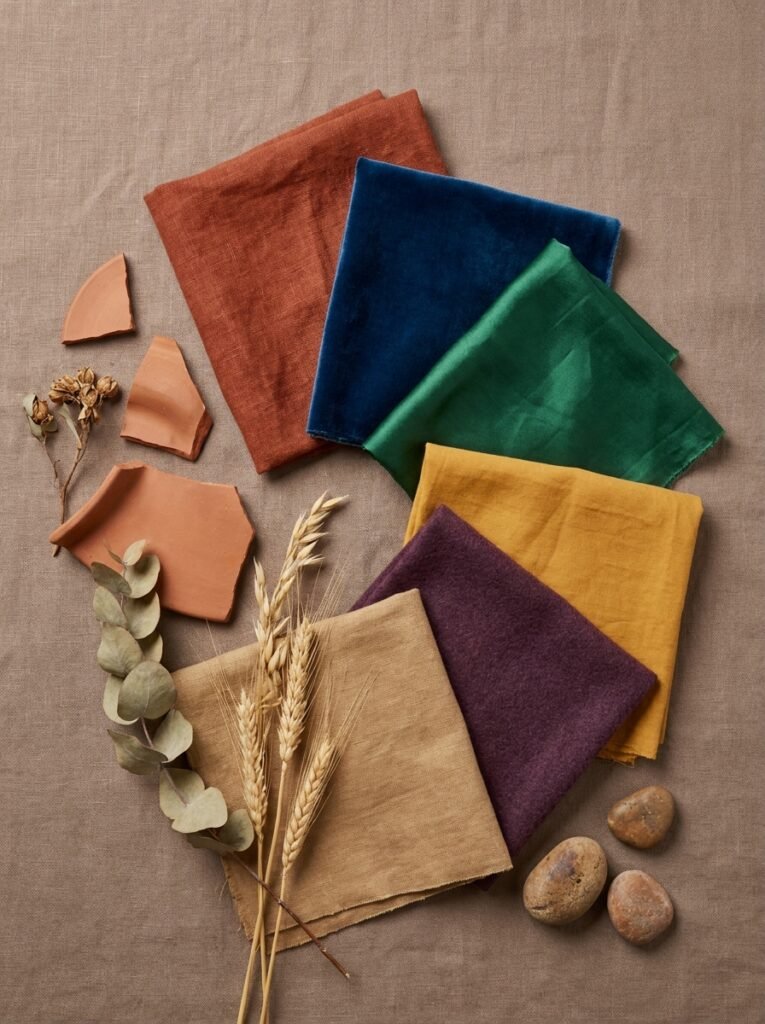
Think of the earth tones first: terracotta, ochre, burnt sienna, warm taupe, and deep chocolate brown. These colors ground a room and reference the natural world in an immediate, visceral way. They make a space feel warm even before you’ve lit a single candle. Layer into those earth tones some jewel-toned accents — a deep sapphire pillow, an emerald green throw, a plum-colored textile draped across a chair back — and suddenly the room has depth, mystery, and genuine personality.
The secret that skilled bohemian designers know? Every color in the room should be able to trace its roots back to nature. Sunbaked clay. Dark forest moss. Desert sand at golden hour. A storm-grey sky. When your palette is anchored in the natural world, even the boldest combinations feel harmonious rather than chaotic.
3. The Power of Layering: Why “Too Much” Is Almost Never Enough
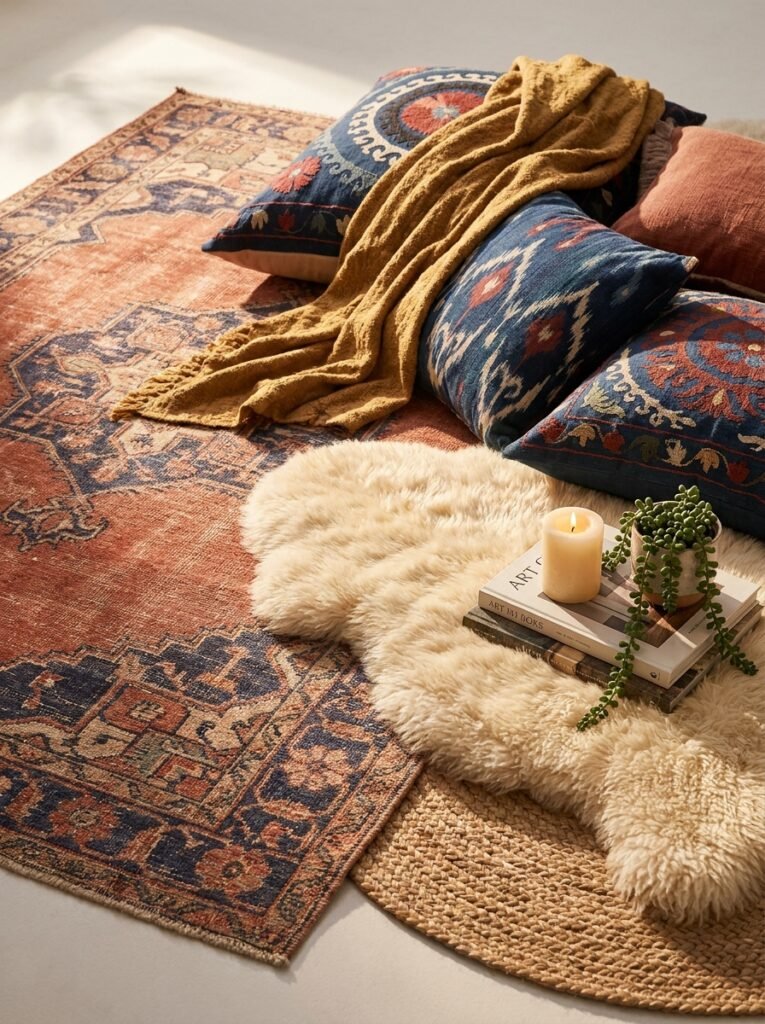
Walk into a Scandinavian minimalist room and you feel clarity. Walk into a beautifully done bohemian room and you feel wonder. That sense of wonder comes directly from layering — and it’s the single most important technique to master if you want a genuinely bohemian home.
Layering in a bohemian context means stacking textiles, overlapping rugs, clustering objects of varying heights, and mixing patterns in a way that feels intentional even when it looks effortless. Start with a large, patterned rug as your base. Place a smaller, textured rug on top — maybe a Berber sheepskin or a woven jute piece. Then add your furniture, followed by cushions in two or three different patterns that share at least one color. Drape a throw. Stack a few vintage books on a side table and set a plant on top. Add a candle. A small sculpture. A crystal.
At every stage you’re asking: does this add richness? Does it add warmth? Does it tell a piece of my story? If the answer is yes, it belongs.
4. Furniture That Looks Like It Has Somewhere to Be
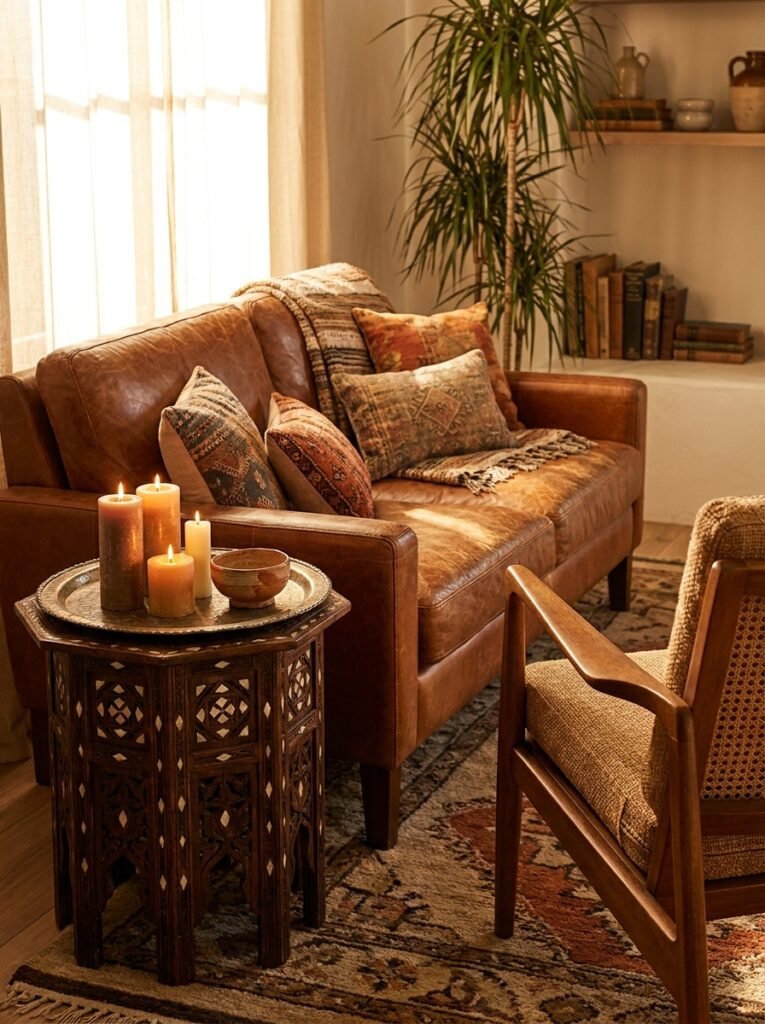
In bohemian design, furniture is never generic. The pieces that work best have character — visible grain in the wood, a slightly worn edge on a leather sofa, a vintage frame with a history you’ll probably never fully know. This is not a style that responds well to flat-pack uniformity. It responds to soul.
Low-slung sofas are incredibly popular in bohemian spaces, partly because they encourage lounging and conversation — both very bohemian activities — and partly because they visually open up a room, leaving wall height available for artwork and hanging textiles. Floor cushions and poufs serve as flexible, beautiful seating that can migrate around the room as the evening demands. A carved wooden coffee table or a hammered metal tray table adds cultural texture and visual interest without taking up more than its fair share of space.
The golden rule of bohemian furniture sourcing: mix your decades, mix your origins. A mid-century modern armchair sitting beside a carved Moroccan side table beside a contemporary linen sofa sounds chaotic on paper and looks magnificent in practice. The variety is the point.
5. Textiles Are the Heart of Every Bohemian Room
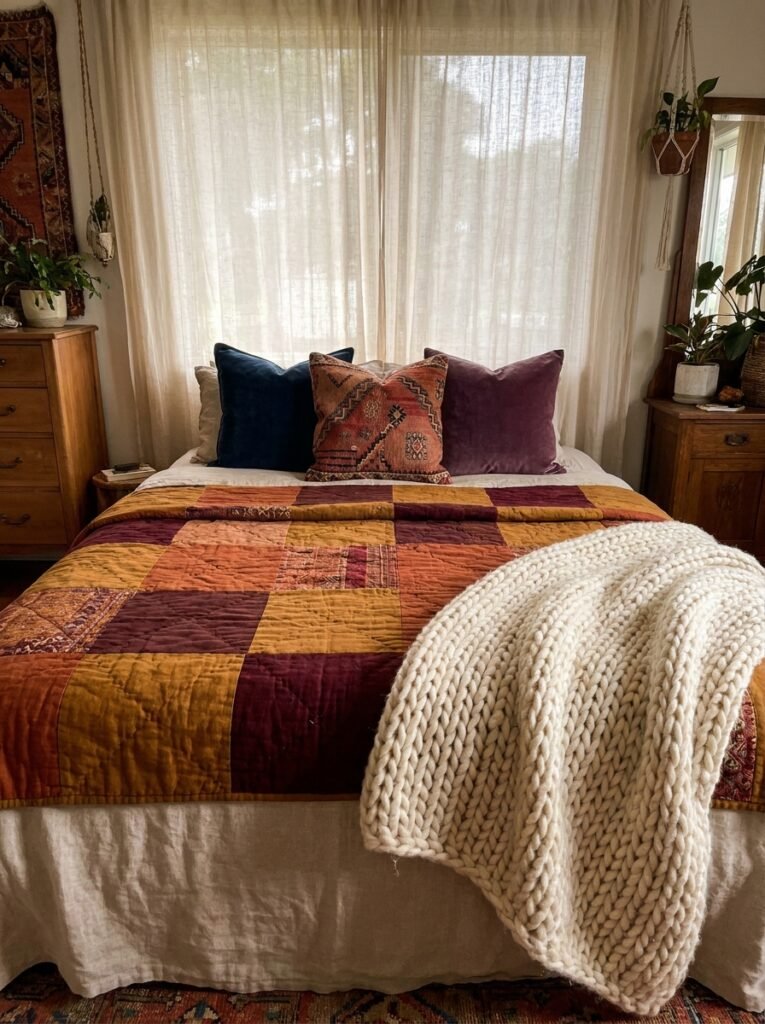
If color is the soul of bohemian design, then textiles are its heartbeat. No other element has the power to so immediately transform a cold, anonymous space into something that feels like a home — a real, lived-in, deeply personal home. And the beautiful thing about textiles is that they are among the most accessible and affordable design elements available. A single stunning throw draped over an armchair can change the entire emotional temperature of a room.
Build your textile collection intentionally and slowly. Seek out handwoven pieces from artisan markets, vintage kilim cushions, velvet pillows in rich jewel tones, and muslin curtains that let the morning light filter through in gauzy, romantic waves. Layer your bed with at least three different textiles — a fitted sheet, a linen duvet, a quilted coverlet, and two or three throws in different textures. What sounds excessive in theory looks deeply inviting in practice.
“In a bohemian home, the most beautiful textiles are the ones that carry someone’s hands in every thread.”
Patterns matter, too. Tribal prints, ikat, suzani embroidery, batik, and geometric weaves are all classic bohemian textile patterns, and they work together better than you might expect — as long as they share a common color thread running through each piece.
6. Plants: The Living, Breathing Architecture of Bohemian Spaces
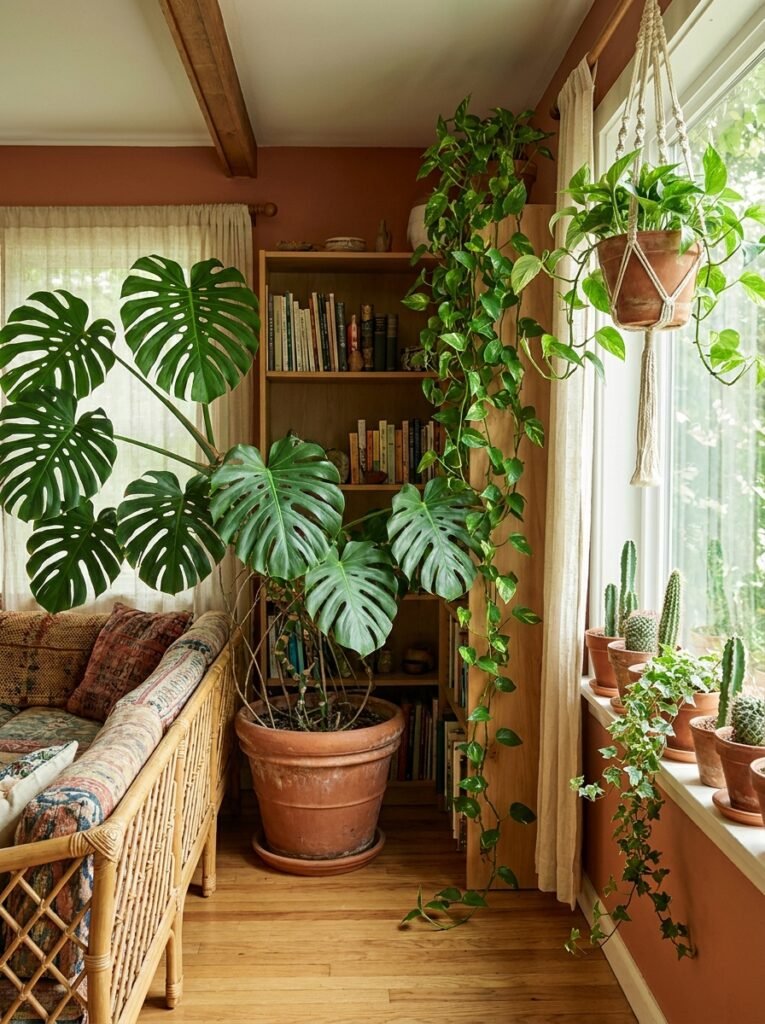
Ask any passionate bohemian interior designer what the single most transformative element in their toolkit is, and a surprising number will say the same thing: plants. Not a single fiddle-leaf fig in a statement pot (though that can certainly be part of it), but a genuine, exuberant, slightly wild collection of living things that fill your corners, cascade from your shelves, and hang in trailing streams from your ceiling.
Plants in bohemian design are not decorative accessories. They are structural elements — they create canopy, they define zones within a room, they add movement and life that no piece of furniture ever could. A trailing pothos allowed to grow freely over a bookshelf creates a sense of lush, almost jungle-like abundance. A cluster of terracotta pots in varying sizes grouped by a window anchors a corner beautifully. An oversized monstera beside a low sofa gives the entire seating arrangement scale and drama.
Beyond aesthetics, plants in a bohemian home carry a philosophical weight. They are living things, impermanent and ever-changing, growing slowly in response to light and water and care. There’s something profoundly bohemian about that.
7. Global Influences: Borrowing Beauty Respectfully from Around the World
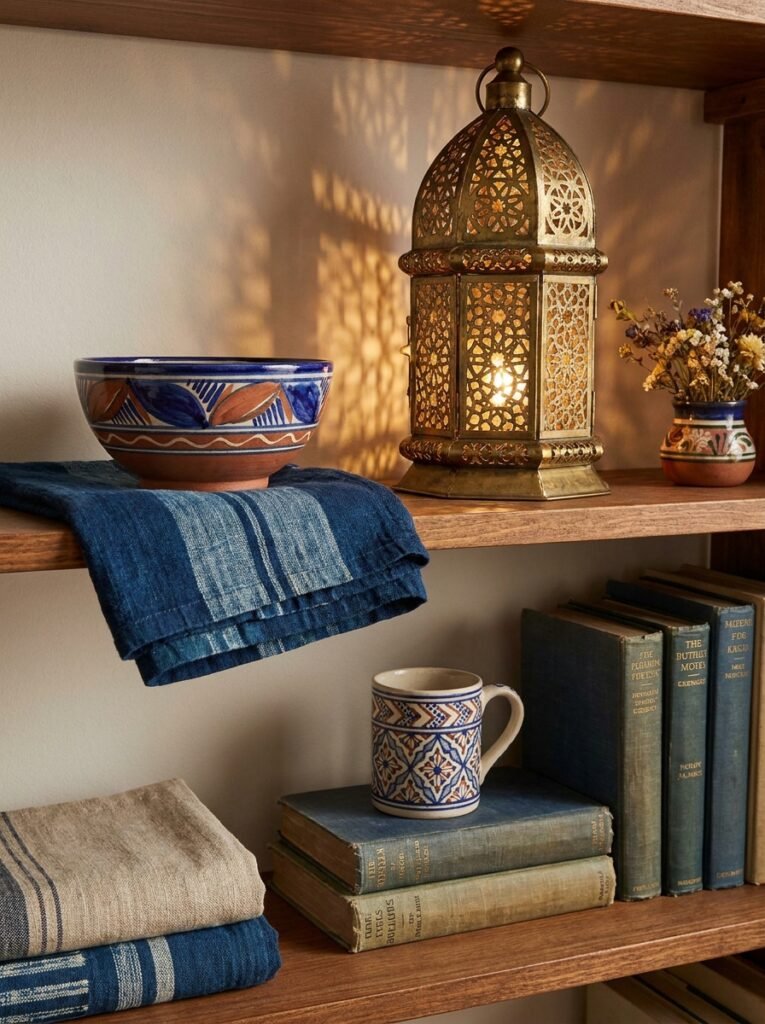
Bohemian interior design has always been a style deeply in conversation with the wider world — drawing inspiration, objects, and techniques from cultures across Asia, Africa, the Middle East, South America, and beyond. This global eclecticism is one of the most beautiful things about the aesthetic, and also one of the most important to approach with thoughtfulness and genuine appreciation.
Moroccan lanterns casting honeyed light across geometric tile floors. Japanese indigo-dyed textiles folded casually over a chair arm. Indian block-printed cushions clustered on a rattan daybed. Mexican pottery on a reclaimed wood shelf. Each of these elements carries a cultural history and a human story behind it, and the most beautiful bohemian homes honor that — choosing pieces made by artisans, seeking fair-trade sources, and displaying objects with the respect they deserve rather than treating them as interchangeable trend pieces.
When you shop with intention — choosing a handmade Oaxacan ceramic over a mass-produced imitation — you’re not just decorating. You’re participating in a global creative conversation that stretches back centuries.
8. Lighting That Sets the Emotional Scene
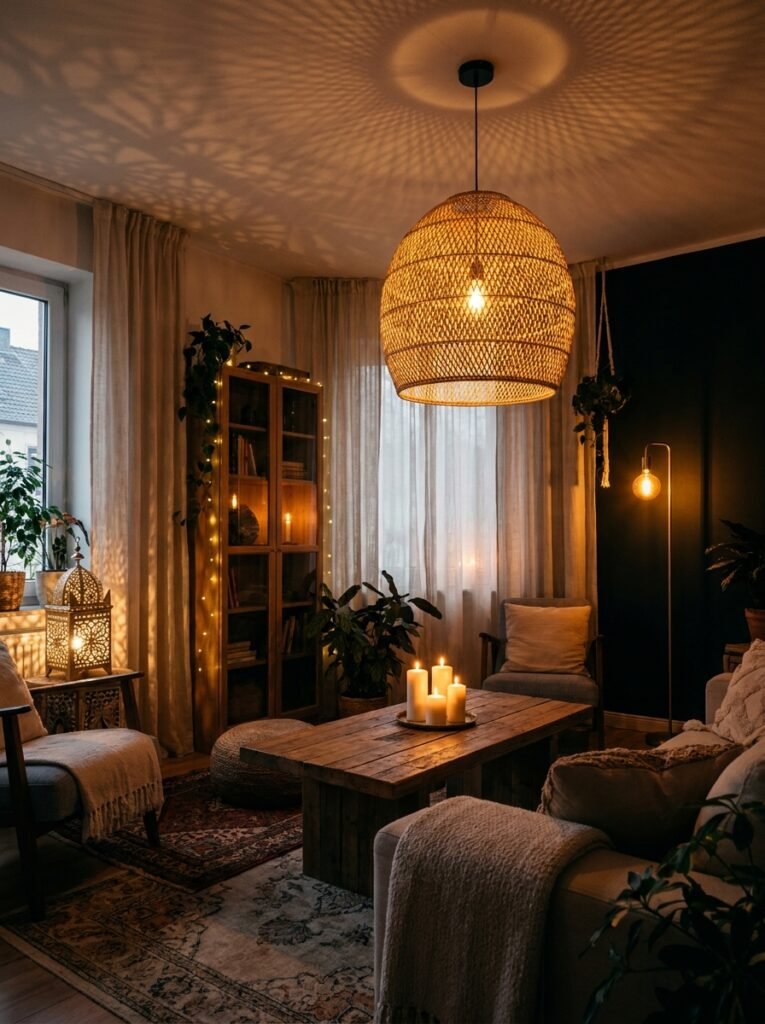
Light in a bohemian space is never harsh. It’s never cold, blue-toned, or clinical. Instead, bohemian lighting design operates on the understanding that light is one of the most emotionally powerful tools at a designer’s disposal — and it should always be warm, layered, and beautifully diffuse.
Start by maximizing natural light wherever possible. Sheer, gauzy curtains in natural linen or cotton allow sunlight to pour in while softening its edges into something dreamy and atmospheric. Then build your artificial lighting in layers: an overhead pendant (ideally rattan, woven, or sculptural in form), a collection of floor lamps and table lamps placed strategically around the room’s edges, and the all-important candlelight — in clusters on the coffee table, along a mantelpiece, gathered on a windowsill.
Moroccan-style lanterns with cut-out metal work that throws intricate shadow patterns across the ceiling are particularly powerful. Fairy lights woven through bookshelves or draped behind a sheer curtain panel create an almost magical quality after dark. The goal is a room that shifts emotionally as the day progresses — bright and warm in the morning, soft and enveloping by evening.
9. The Art of the Gallery Wall in a Bohemian Home
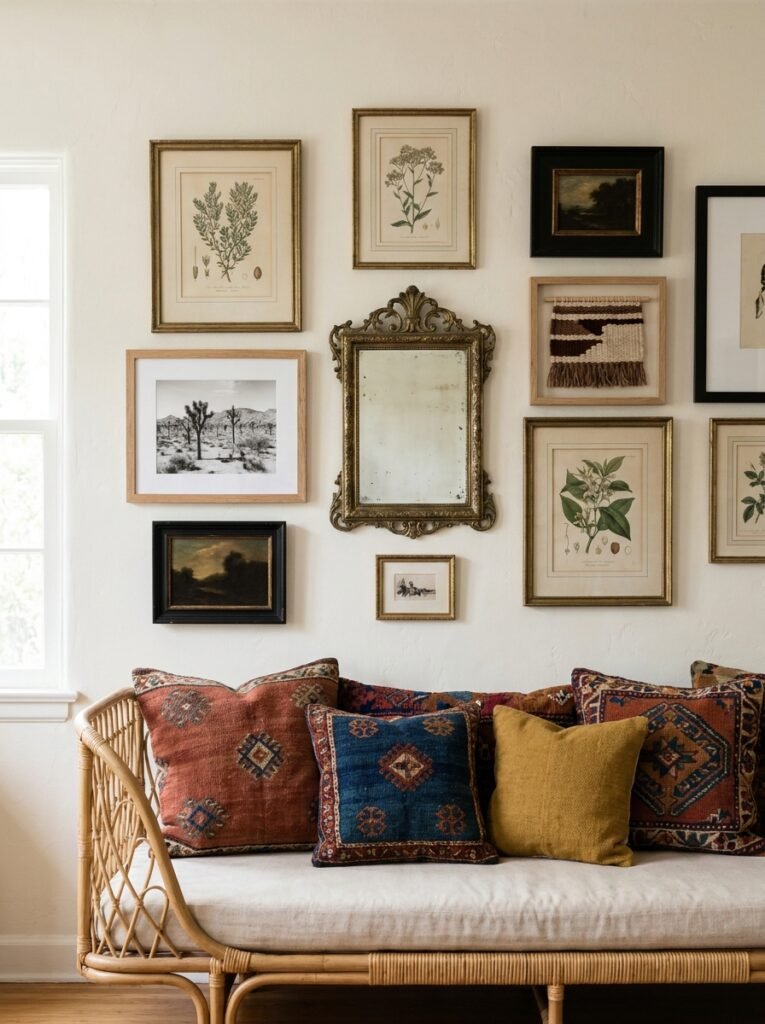
No wall in a bohemian home should be entirely bare — but the gallery wall, done well, is the crown jewel of bohemian wall styling. Unlike the carefully measured, uniform-framed gallery walls popular in contemporary minimalist spaces, the bohemian gallery wall is layered, eclectic, and deeply personal. It mixes frame sizes, finishes, and materials. It includes photographs alongside prints alongside original artwork alongside a small textile or a woven piece or a decorative mirror.
“A gallery wall in a bohemian home is less a design choice and more a visual autobiography.”
The key to making a bohemian gallery wall look intentional rather than chaotic is to establish a loose organizing principle before you begin hanging. This might be a shared color that runs through every piece — even if subtly. Or a consistent subject matter, like botanicals or portraits. Or simply a commitment to keeping your frames within two or three finishes: all brass and natural wood, for instance. Within that framework, everything else can vary wildly.
Start by laying your pieces out on the floor to establish the arrangement before committing a single nail to the wall. Photograph it. Live with the idea for a day. Then hang.
10. Small Bohemian Spaces: How to Go Big on Soul Without Going Overwhelming
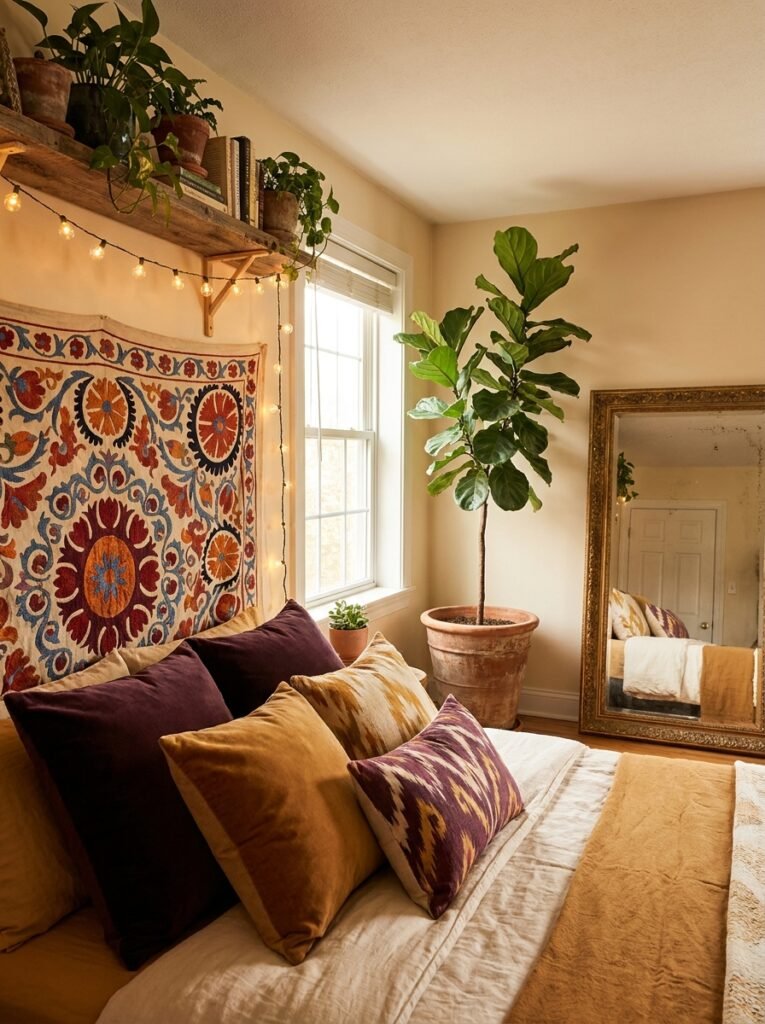
One of the most persistent myths about bohemian interior design is that it requires space — a rambling Victorian house, perhaps, or a loft with twelve-foot ceilings and original brick walls. In reality, bohemian style translates beautifully to small apartments and compact rooms, because the style is fundamentally about richness and depth rather than physical scale.
In a small space, the key is vertical layering. Use your walls generously — gallery walls, hanging textiles, high shelving loaded with books and objects. A tall, dramatic plant in a corner draws the eye upward and creates an illusion of height. Choose furniture that sits close to the floor to maintain a sense of openness at eye level. Use mirrors — especially ornate, vintage-framed mirrors — to bounce light and create the perception of additional depth.
In a small bohemian bedroom, a stunning textile headboard pinned directly to the wall, a collection of mismatched vintage pillows, and a single trailing plant in the corner can transform an ordinary box of a room into something that feels genuinely extraordinary. Scale is irrelevant when the emotional richness is high enough.
11. Scent and Texture: The Sensory Dimensions of Bohemian Design
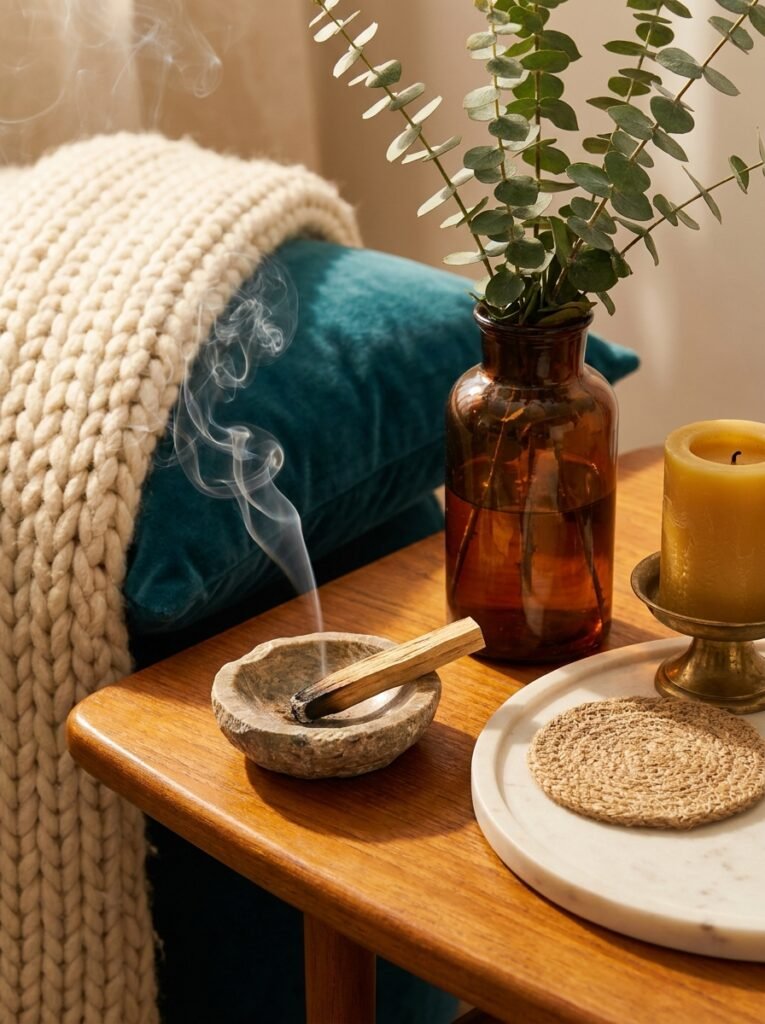
Here is something that most interior design articles forget entirely: a truly immersive bohemian home doesn’t just look beautiful — it smells beautiful and feels beautiful, too. The tactile and olfactory dimensions of a space are just as powerful as the visual ones, and in bohemian design, they matter enormously.
Texture is everywhere in a well-executed bohemian room — rough-woven jute against smooth marble, cool brass hardware beside warm wood, the nubby surface of a chunky knit throw against the silkiness of a velvet cushion. These contrasts are not accidental. They invite touch. They make a room feel not just observed but genuinely inhabited.
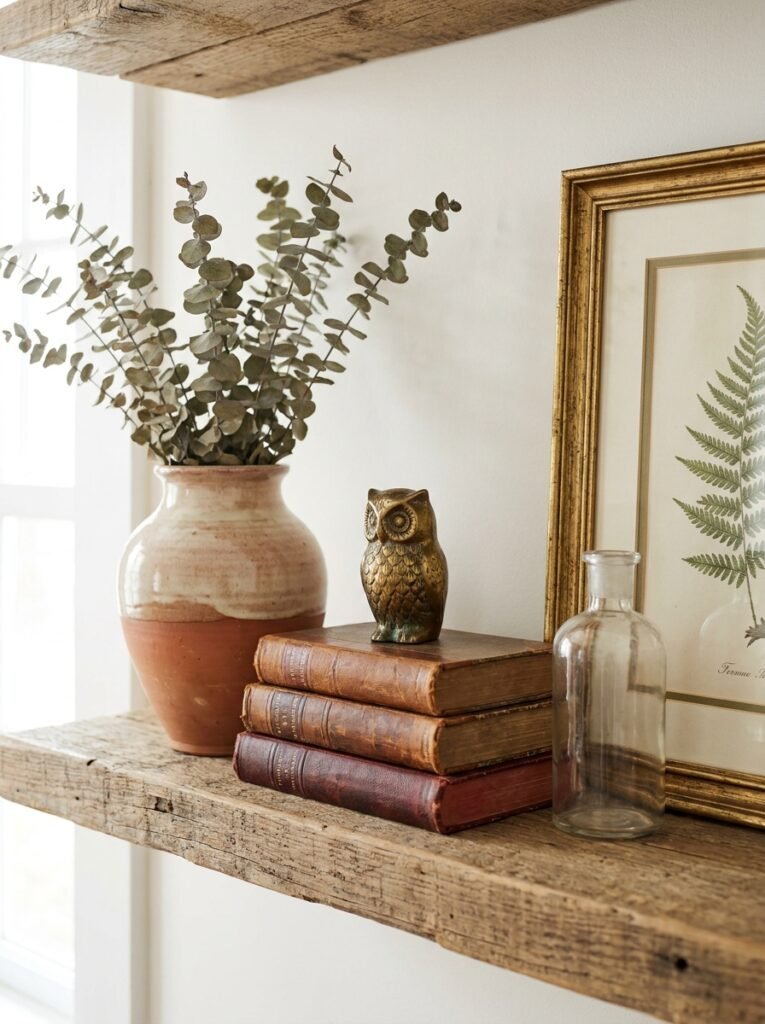
And scent — the smell of a room — is perhaps the most immediate emotional trigger we have. Palo santo burning on a Sunday morning. Fresh eucalyptus branches arranged in a tall vase. Beeswax candles with notes of amber and sandalwood. These details are not afterthoughts in a bohemian home. They are part of the design itself.
12. Making Bohemian Style Genuinely Your Own
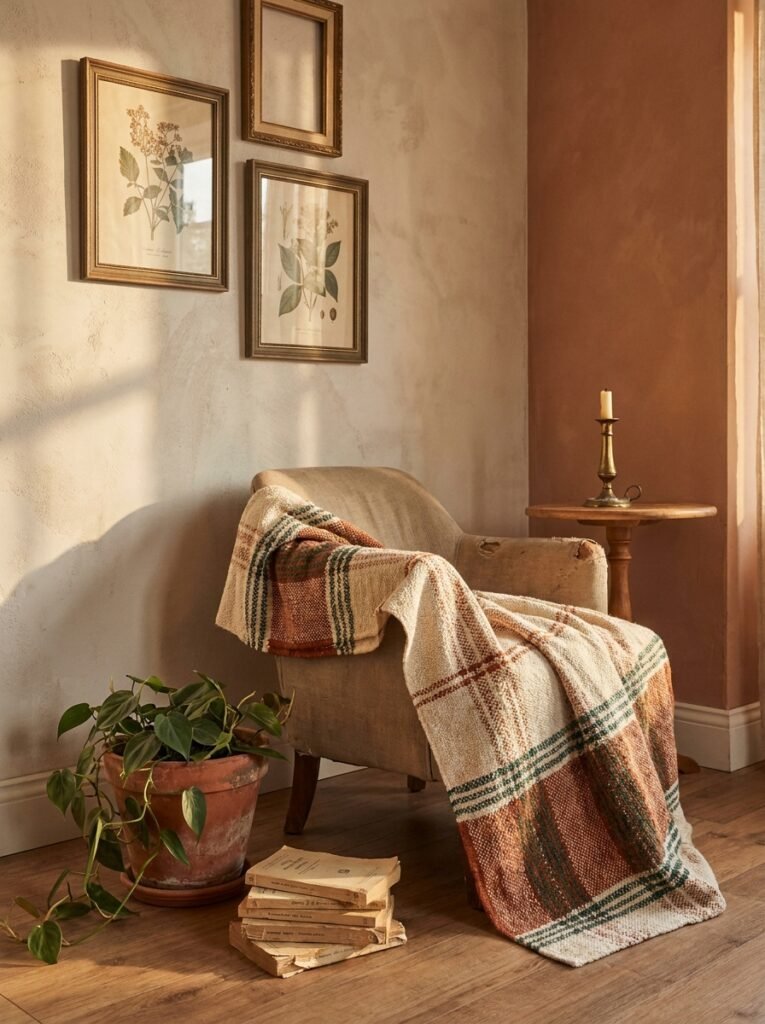
The greatest gift that bohemian interior design offers is permission — permission to decorate not according to a rulebook or a trend cycle, but according to your own life, your own travels, your own loves, and your own history. It’s the only major interior style that actively demands you put yourself into it. You cannot buy a perfect bohemian room from a catalog. You can only build one — slowly, joyfully, over time.
Start somewhere that feels true to you. Maybe it’s a single woven textile that you’ve always loved. Maybe it’s a collection of vintage paperbacks that you’ve been stacking on the floor for lack of a better place to put them. Maybe it’s that terracotta pot you impulsively bought at a farmers market three years ago and never found the right spot for. These are your starting points. Everything else grows from there, organically, the way the best things in life usually do.
Bohemian style rewards patience and punishes rushed decisions. The room you’re building will be most beautiful not when everything matches perfectly, but when it finally reflects — completely and honestly — the person you actually are.
—
🌿 How to Take Care of Your Bohemian Interior
Maintaining a bohemian space is less about perfection and more about intentional attention. First, rotate and refresh your textiles seasonally — swap out heavier velvets and wool throws for lighter linens and cottons in warmer months, and let the heaviness return when the cold comes back. This keeps the room feeling alive and responsive to the world outside. Second, give your plants the time and attention they need — check soil moisture regularly, dust large leaves like your monstera and fiddle-leaf fig so they can photosynthesize properly, and repot when you notice roots beginning to crowd their containers. Third, edit occasionally and honestly. Bohemian style celebrates abundance, but even abundance benefits from periodic curation — remove the pieces that no longer feel meaningful, and make space for the ones that do. Fourth, dust and clean your collected objects with genuine care — a brass candlestick polished to a warm glow looks entirely different from one allowed to tarnish without intention. Finally, let the room evolve. A bohemian home should look slightly different every year because you are different every year.
—
❓ FAQ
Q: Is bohemian style the same as boho-chic? A: They’re closely related but not identical. Traditional bohemian style draws heavily from global artisan traditions, vintage pieces, and an almost philosophical rejection of conformity. Boho-chic is a more commercially refined, trend-conscious interpretation — still beautiful, but more deliberately styled for a contemporary lifestyle. The best spaces often blend both approaches naturally.
Q: How do I start decorating in bohemian style without the space feeling chaotic or messy? A: The key is establishing a cohesive color palette first and building every subsequent layer within that palette. When your colors speak the same language, your patterns, textures, and objects can be wildly varied without the room ever feeling out of control. Start with your largest elements — rugs and sofas — and let everything else follow from there.
Q: Can bohemian style work in a modern apartment with minimal architectural character? A: Absolutely — in fact, a plain, modern apartment is in some ways an ideal canvas for bohemian design, because every piece you add makes an immediate and significant visual impact. Use textiles generously on walls and floors to add warmth and texture, layer your lighting carefully to soften the modern lines, and let your plant collection be ambitious. The apartment’s neutrality will only make your collected pieces look more beautiful by contrast.
—
💭 Final Thought
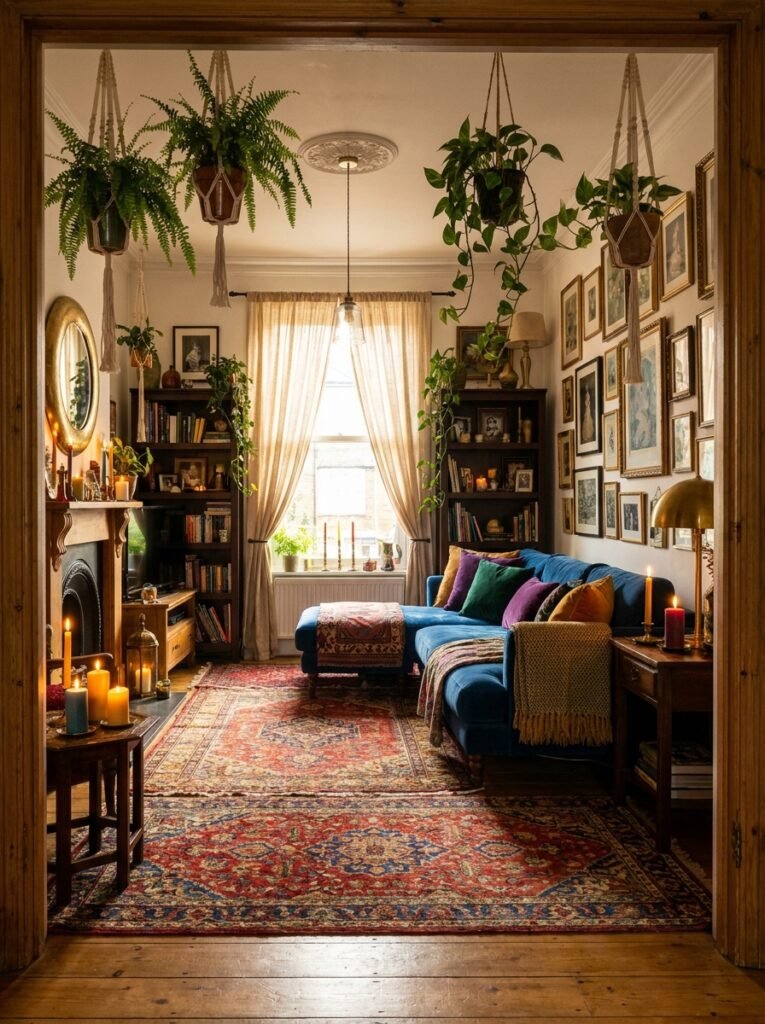
Bohemian style is, at its core, a quiet act of rebellion against the idea that a home should look like it was designed by someone other than the person living in it. Every layered textile, every gathered object, every plant reaching toward the window is a small declaration: this is my life, and it looks exactly like this. There is something genuinely moving about a home that reflects a person’s entire inner world so honestly and without apology. So as you begin — or continue — building your own bohemian space, ask yourself this: if a stranger walked into your home and knew nothing about you, what would your rooms tell them?