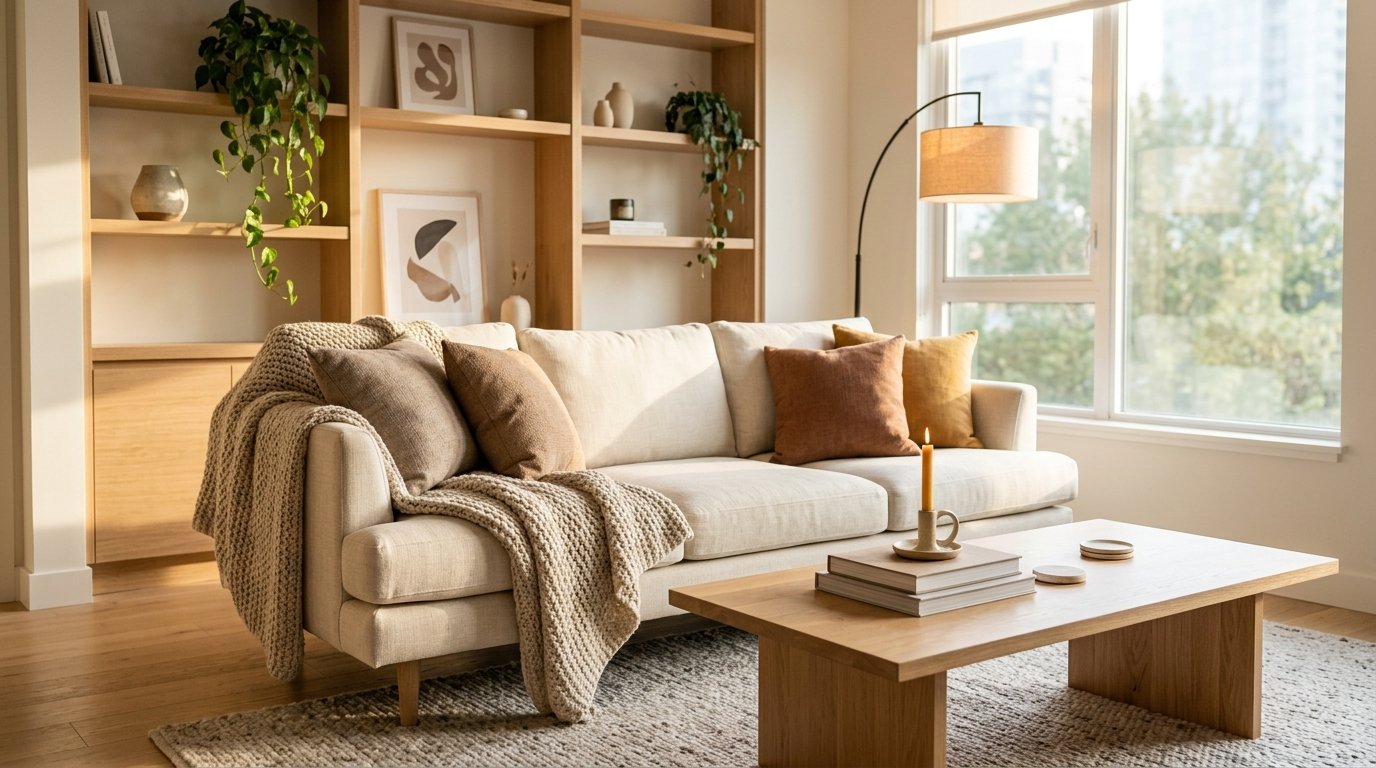
How to Make Your Apartment Living Room Feel Cozy, Modern, and Completely Yours
There’s a particular kind of magic that happens when you walk into a small apartment living room and it feels — against all odds — like a sanctuary. Not cramped, not cluttered, not temporary. Just home. If you’ve been scrolling through Pinterest at midnight wondering how to get that warm, layered, modern-cozy look in your own rented space, you’re in exactly the right place.
—
1. Start With the Feeling, Not the Furniture
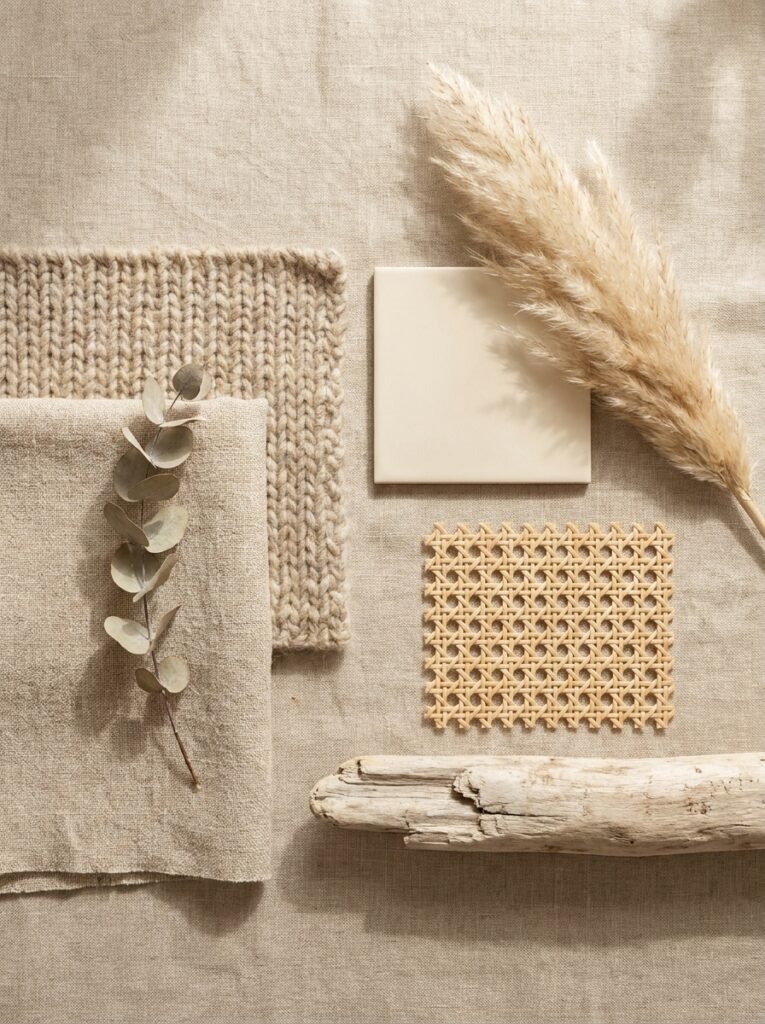
Most people begin decorating by buying a sofa. The smarter move? Close your eyes and decide how you want your living room to feel before you spend a single dollar or pound.
Do you want it to feel like a Parisian reading nook — moody, layered, full of books and candlelight? Or more like a bright Californian beach cottage — breezy whites, natural wood, and a relaxed kind of effortlessness? Maybe you’re drawn to that particular British charm of a Georgian terrace — rich jewel tones, antique touches, and the sense that the room has a story.
Whatever your vision, naming the feeling first gives every purchase a filter. When you’re standing in HomeSense in Manchester or wandering through HomeGoods in Austin, you won’t impulse-buy a neon geometric rug that clashes with everything else you own. You’ll have a north star. You’ll know.
“Decoration is not about filling a room — it’s about creating a feeling that lingers long after you’ve left it.”
The modern-cozy aesthetic, which has dominated Pinterest boards across the US and UK for the past several years, blends clean contemporary lines with warm, tactile comfort. Think minimalist structure softened by organic textures. Think neutral foundations warmed up by amber light and something handmade. That tension between sleek and soft — that’s the sweet spot.
—
2. The Neutral Base That Never Gets Old
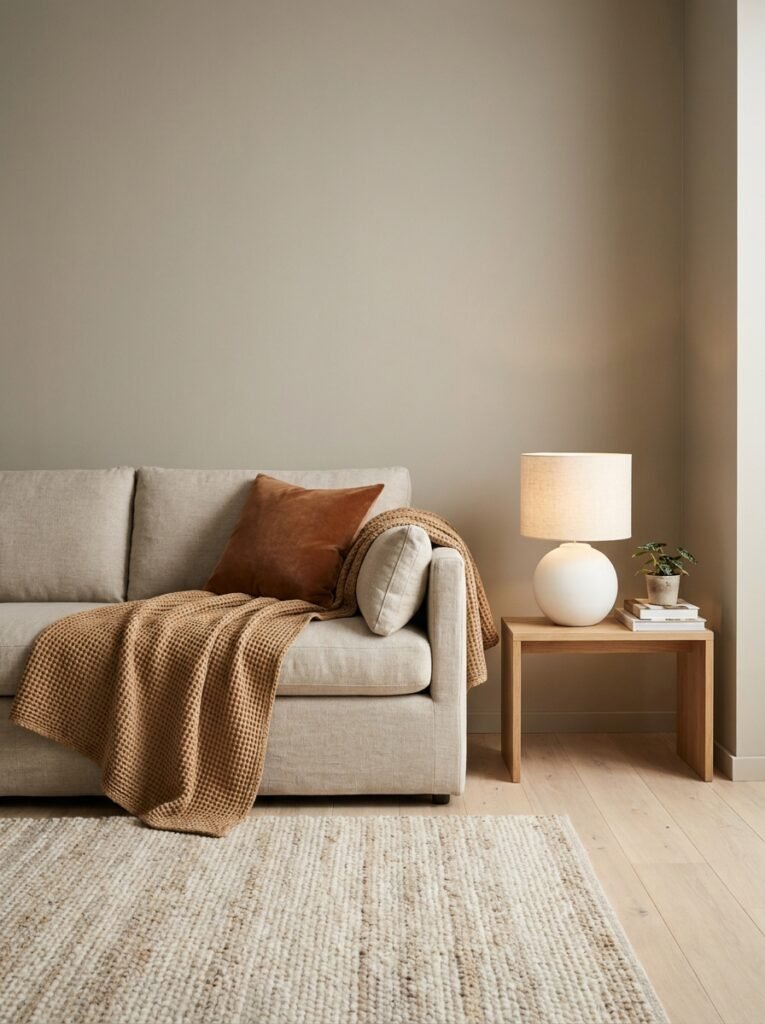
Every successful modern-cozy living room starts with a neutral foundation — walls, sofa, and floors that serve as a calm canvas rather than a statement. In apartments where you often can’t paint (especially in UK rentals governed by strict tenancy agreements), this doesn’t have to be a limitation.
If your walls are standard magnolia or builder beige, lean into them rather than fighting them. Warm greige tones — a blend of grey and beige — pair beautifully with natural wood accents and deep rust or terracotta accessories. In the US, sherbet walls and cream-toned sofas are trending hard right now. In the UK, Farrow & Ball’s “Elephant’s Breath” and “Pavilion Gray” remain perennially beloved for their understated warmth.
Your sofa is your biggest piece and likely your biggest investment, so choose wisely. A classic three-seater in a warm taupe, oatmeal linen, or a soft sage green will serve you for years across multiple apartments and style phases. Avoid ultra-trendy shapes (the boucle clam chair had its moment, and it’s already looking dated) in favor of timeless silhouettes — deep seats, track arms, grounded legs.
—
3. Why Lighting Is the Most Underrated Design Tool in Any Room
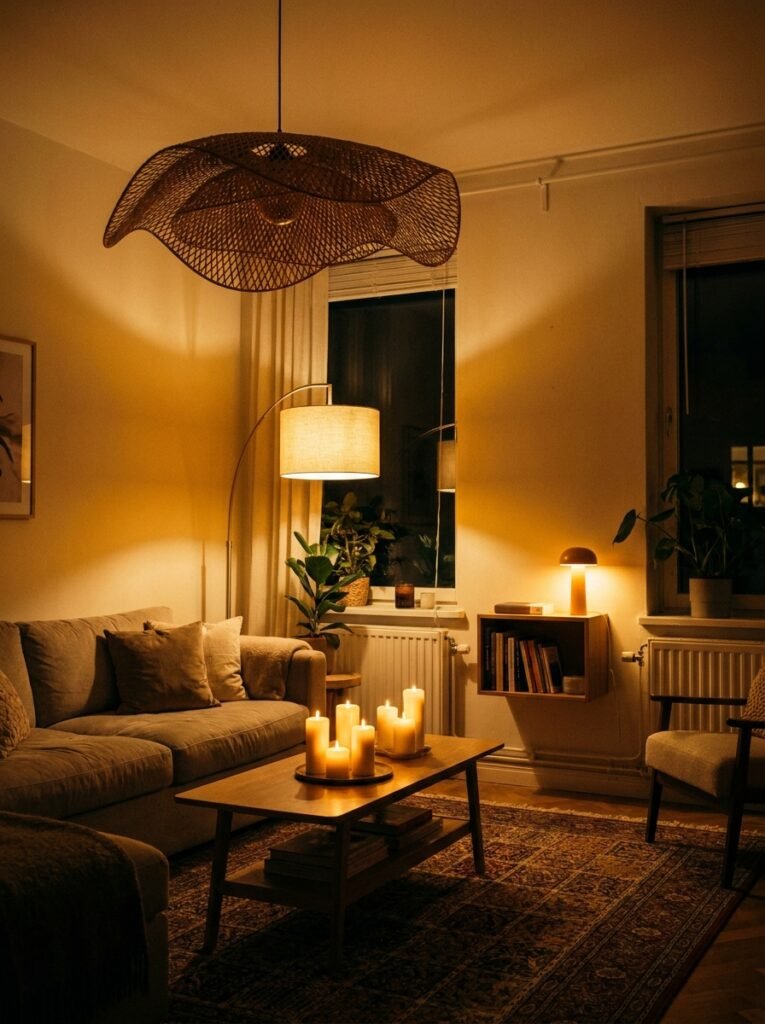
Ask any interior designer on either side of the Atlantic what single element transforms a living room, and they’ll tell you — without hesitation — it’s lighting. Not the sofa. Not the art. Lighting.
Harsh overhead lighting is the enemy of cozy. In most apartments, you inherit a single ceiling light that throws flat, unflattering illumination across the entire room. The fix is layering, and it doesn’t have to be expensive.
Add a floor lamp in one corner — something arched with a linen shade works beautifully. Add a small table lamp on a side table or bookshelf. Add a string of warm Edison bulbs draped across a window, or a set of battery-powered puck lights underneath a floating shelf. The goal is to have multiple sources of soft, warm light at different heights, so the room glows rather than glares.
Kelvin matters, too. Bulbs rated between 2700K and 3000K produce warm amber light that makes skin look lovely, wood look rich, and rooms feel like evenings in. Bulbs above 4000K lean cool and blue — great for offices, not so great for a space where you want to feel held and at peace.
—
4. The Sofa Arrangement Trick That Makes Small Rooms Feel Bigger
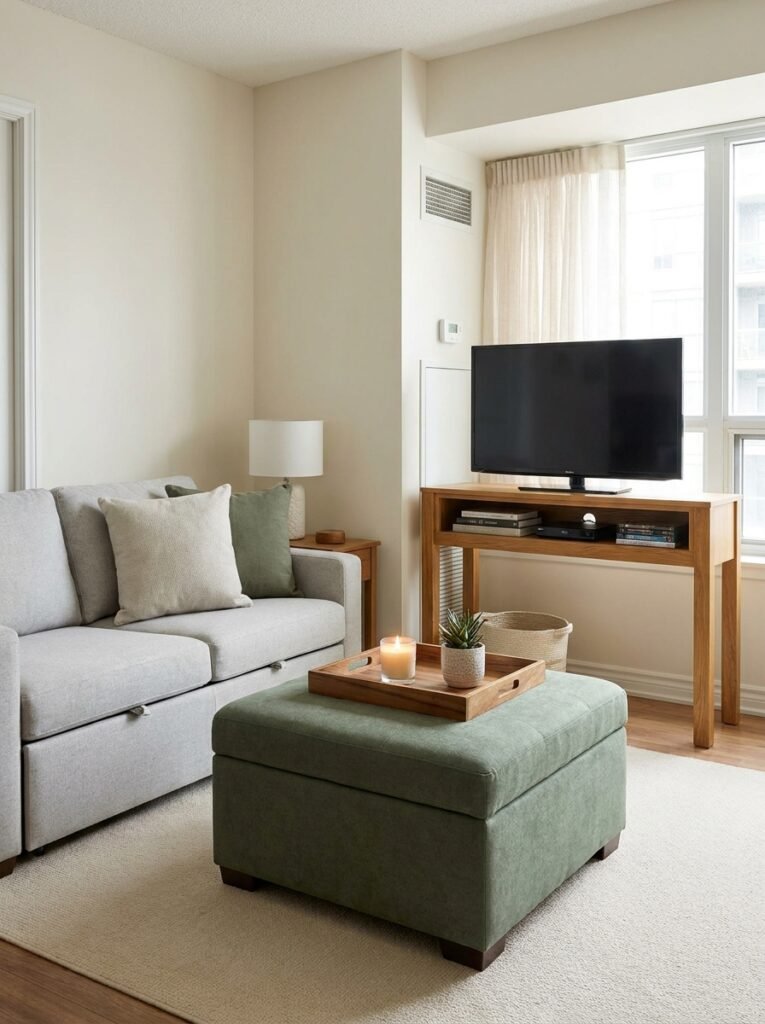
One of the most common mistakes in apartment living rooms is pushing every piece of furniture against the wall. It feels intuitive — create space in the middle, right? But counterintuitively, pulling furniture slightly away from walls makes a room feel more spacious, not less.
Try floating your sofa about 12–18 inches from the wall behind it. Add a narrow console table in that gap — it becomes storage, a display surface, and a natural room divider if your living space flows into a dining area. In a typical UK flat where the sitting room doubles as everything, this trick is a genuine game changer.
Create a defined seating zone using a large area rug — in the US, a 9×12 foot rug typically anchors a standard living room beautifully. In UK apartments with smaller footprints, a 200x300cm rug serves the same purpose. Make sure at least the front legs of all your seating pieces sit on the rug. This visually ties the zone together and makes the space feel intentional rather than haphazard.
“The difference between a room that looks expensive and one that doesn’t often comes down to one thing: how deliberately it’s arranged.”
—
5. Bringing Nature Inside — Without Becoming a Plant Parent Overnight
There’s a reason practically every aspirational living room on Pinterest features something green and growing. Plants soften modern spaces in a way nothing else quite can. They add life — literally — to rooms that might otherwise feel too clean, too styled, too much like a showroom.
But here’s the honest truth: not everyone has a green thumb, and that’s okay. Start small. A single pothos in a terracotta pot on a floating shelf. A trailing string of pearls in a macramé hanger near a window. A cluster of three simple succulents on your coffee table. These are forgiving, low-maintenance plants that thrive in the variable British light and the centrally-heated American apartment alike.
If live plants genuinely aren’t your thing, dried botanicals have had a genuine renaissance in interior design — not the dusty dried flowers of the 1990s, but thoughtfully arranged pampas grass, eucalyptus bunches, and preserved lunaria in simple ceramic vases. They add organic texture and warmth without a single watering schedule.
—
6. The Art of Layering Textures (And Why It Matters More Than Color)
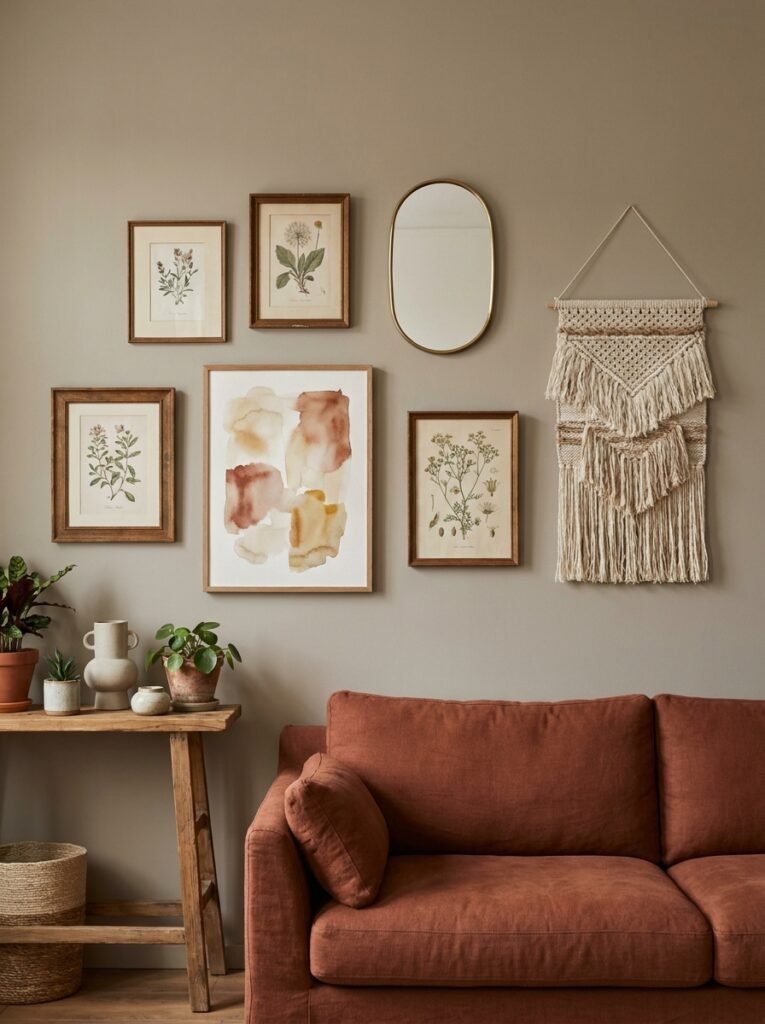
Color gets all the credit in design conversations, but texture is quietly doing most of the heavy lifting in cozy, welcoming spaces. Texture is what makes you want to sink into a sofa. It’s what makes a room look rich rather than flat. It’s why some rooms feel warm in photographs even before you know what color they are.
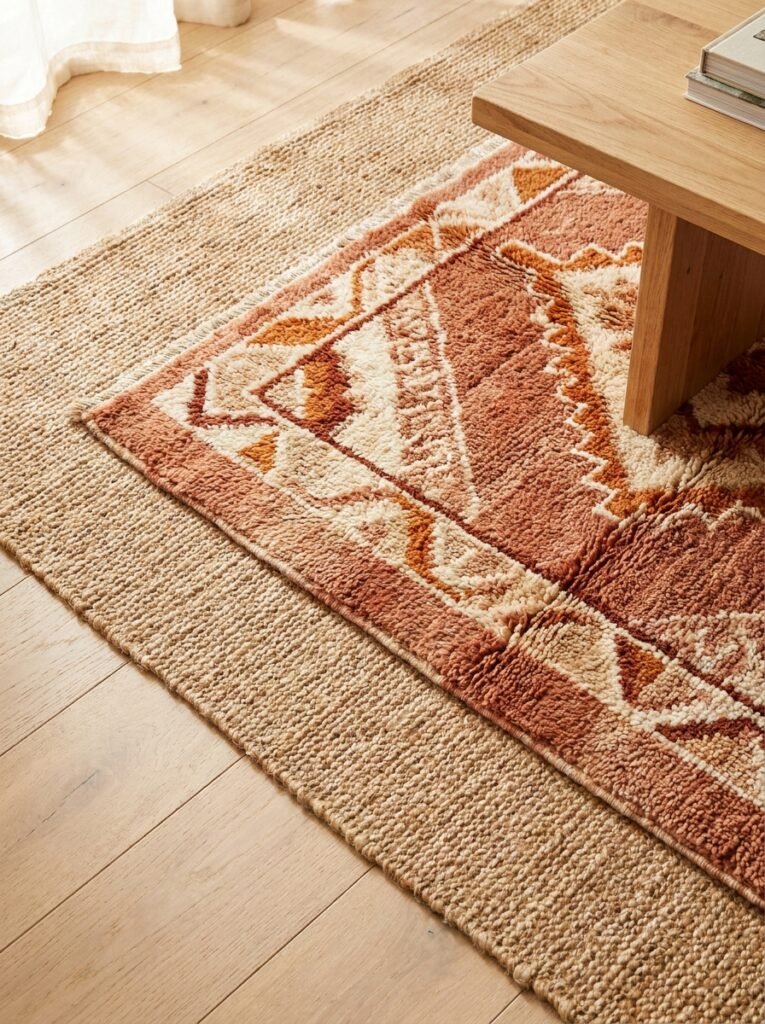
In a modern-cozy apartment living room, aim for a mix of at least five distinct textures: something soft and piled (a chunky knit throw or shearling cushion), something smooth and polished (a ceramic lamp base or lacquered side table), something raw and natural (rattan, jute, or raw wood), something woven or structured (a flat-weave rug or linen curtains), and something light-reflective (a mirror, metallic accent, or glass vase).
When these textures coexist in a room, they create visual and tactile depth that makes even a sparse space feel curated and complete. You don’t need more stuff — you need more variation in what you already have.
—
7. Curtains: The Element Most People Get Wrong
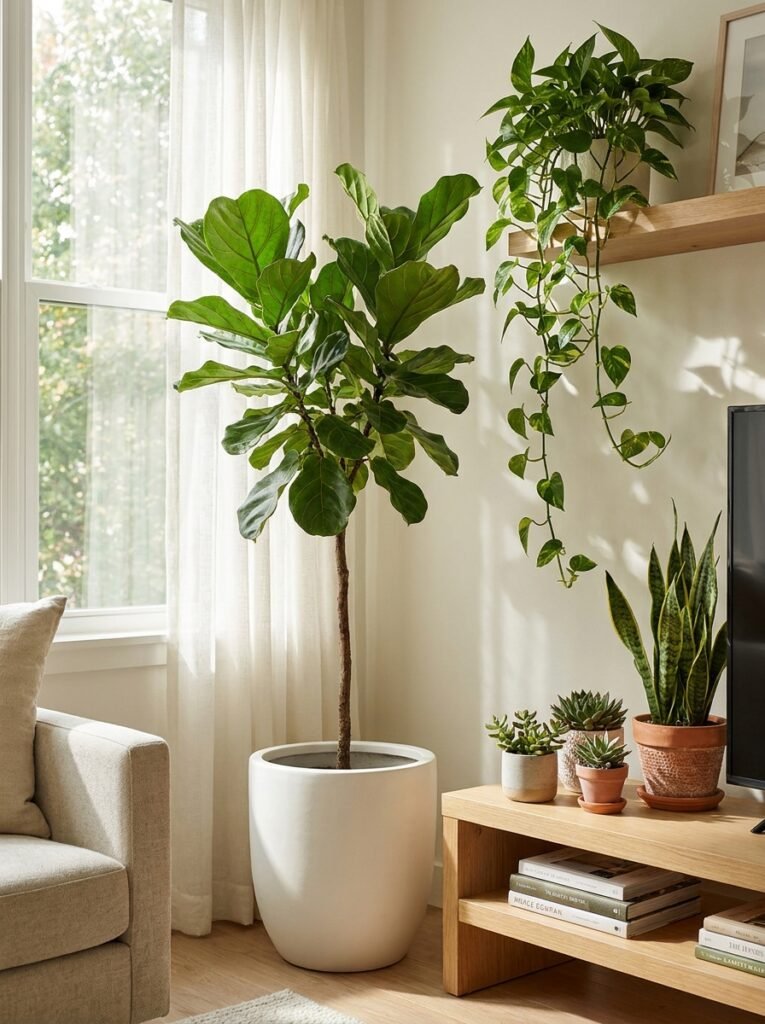
Nothing ages an apartment living room faster than curtains that are too short, too thin, or too small for the window they’re supposedly dressing. It’s one of the most common decorating mistakes — and one of the easiest to fix.
The rule is simple: hang curtains high and wide. Mount the rod as close to the ceiling as possible (or at least 4–6 inches above the window frame), and extend it 8–12 inches beyond the window frame on each side. This creates the illusion of taller ceilings and larger windows — both things most apartment dwellers desperately want.
Choose curtains in a natural, breathable fabric. Linen is the perennial favourite for modern-cozy aesthetics on both sides of the Atlantic — it’s casual enough for a relaxed home but refined enough to look intentional. Go floor-length and let them puddle ever so slightly. It’s deeply European, quietly luxurious, and it costs you nothing extra.
—
8. Gallery Walls That Feel Personal, Not Pinterest-Perfect-Pressured
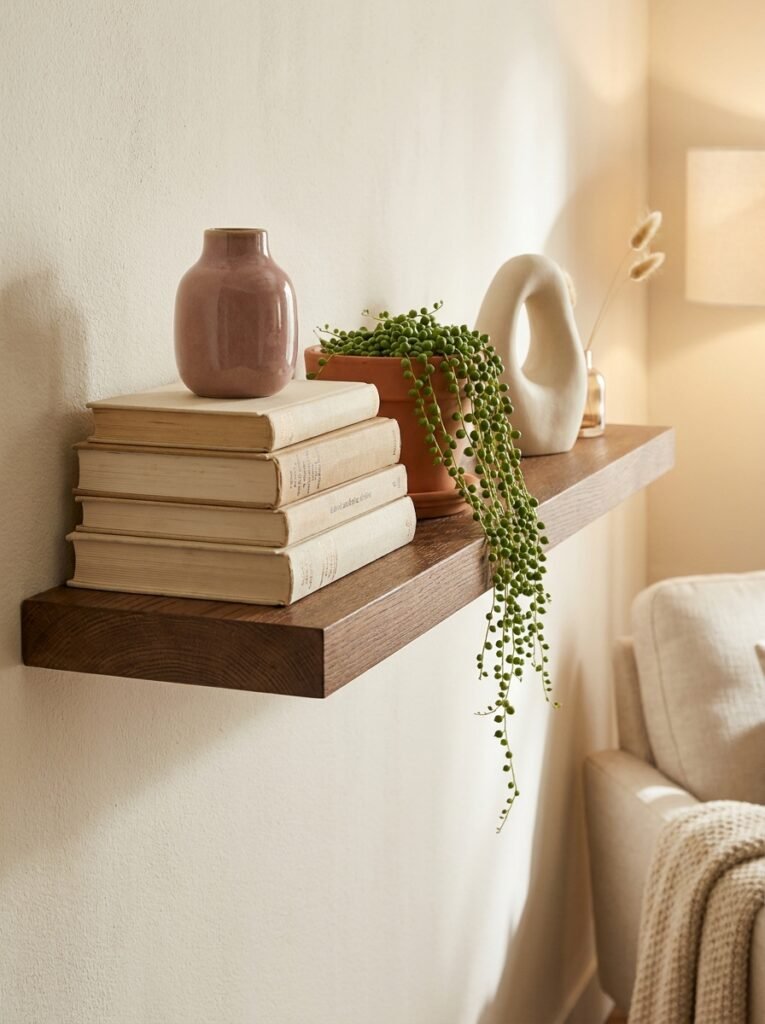
A gallery wall done well is one of the most character-rich things you can do for a living room. Done poorly, it looks like a craft store exploded. The difference lies in one word: cohesion.
Before you buy a single frame, decide on one unifying element. That might be frame color — all black, all natural wood, or all antique gold. It might be artwork style — only black and white photography, only botanical prints, only abstract oil paintings. Or it might be size — a grid of identically-sized frames in a tight geometric arrangement.
The most beautiful gallery walls tend to mix personal photographs (perhaps printed in black and white for visual consistency), one or two small original pieces of art from Etsy shops or local markets, and a few meaningful objects — a pressed flower, a child’s drawing framed unexpectedly, a postcard from somewhere you’ve loved.
“A gallery wall isn’t a collection of art. It’s a collection of memories made visible.”
—
9. Coffee Table Styling That Looks Effortless (And Takes Ten Minutes)
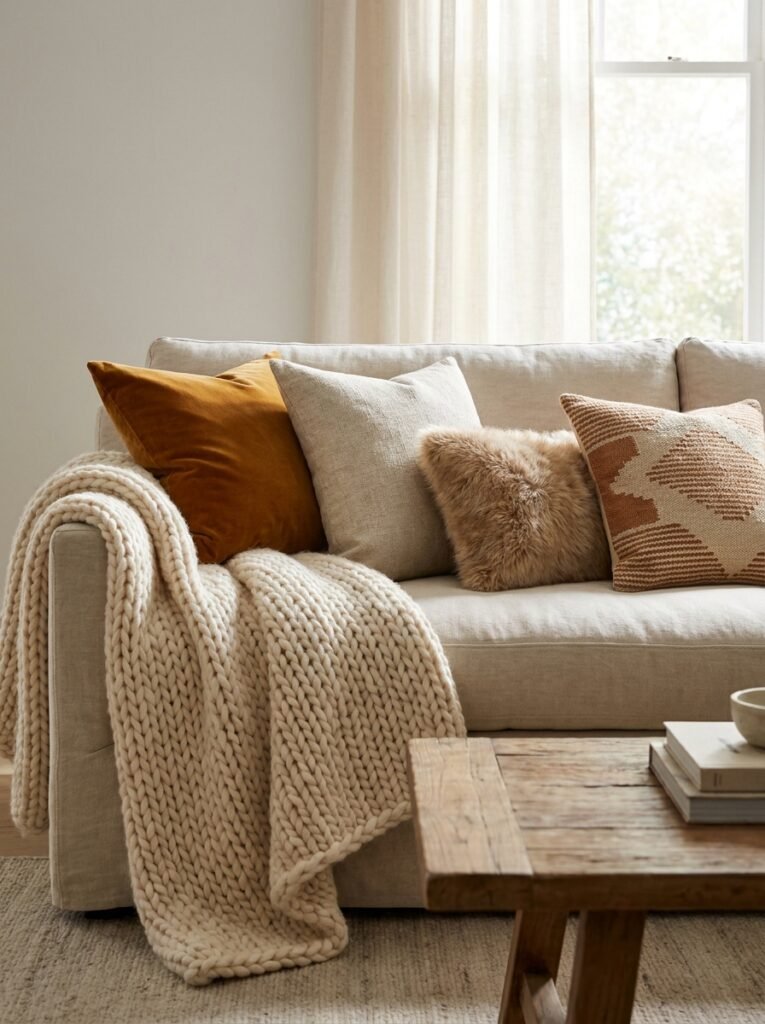
The coffee table is the centerpiece of your living room, and how you style it sets the tone for the entire space. Here’s a simple formula that works every single time.
Start with something tall — a vase with dried stems, a sculptural candle holder, a small stack of books. Next, add something round and low — a wooden bowl, a cluster of candles on a small tray, a ceramic dish. Then add one natural element — a small stone, a sprig of eucalyptus, a piece of coral or driftwood. Finally, leave at least 40% of the table surface completely empty. The breathing room is the style.
Resist the urge to cover every surface. White space — even on a physical surface — is a design element. It’s what separates styled from cluttered.
—
10. The Budget-Friendly Finds That Look Anything But
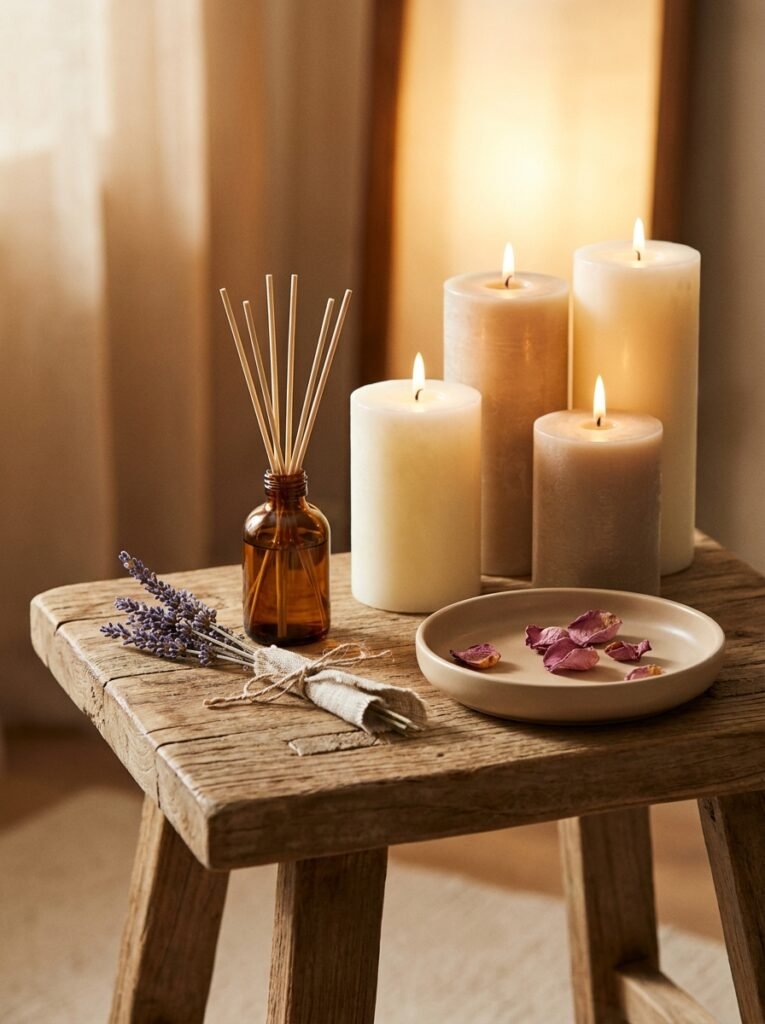
One of the most freeing truths about modern interior design is that expensive and beautiful are no longer synonymous. Some of the most coveted looks in US and UK homes right now are assembled from a mix of investment pieces and genuinely budget-friendly finds.
In the UK, TK Maxx, IKEA, Dunelm, and H&M Home consistently produce pieces that photograph expensively and last reasonably well. In the US, Target’s Studio McGee collaboration, IKEA, Amazon’s home section, and World Market offer similar value. The trick is mixing — pair an IKEA BILLY bookcase (painted and given new hardware) with a genuinely beautiful ceramic lamp you saved up for. Let the budget items recede into the background while your investment pieces take center stage.
Secondhand shopping — through Facebook Marketplace, Vinted, Craigslist, or local charity shops — is where you find the pieces that give a room soul. A worn leather armchair. A vintage brass floor lamp. A solid oak side table. These things carry history, and rooms that carry history never feel generic.
—
11. Scent and Sound: The Invisible Layers of Cozy
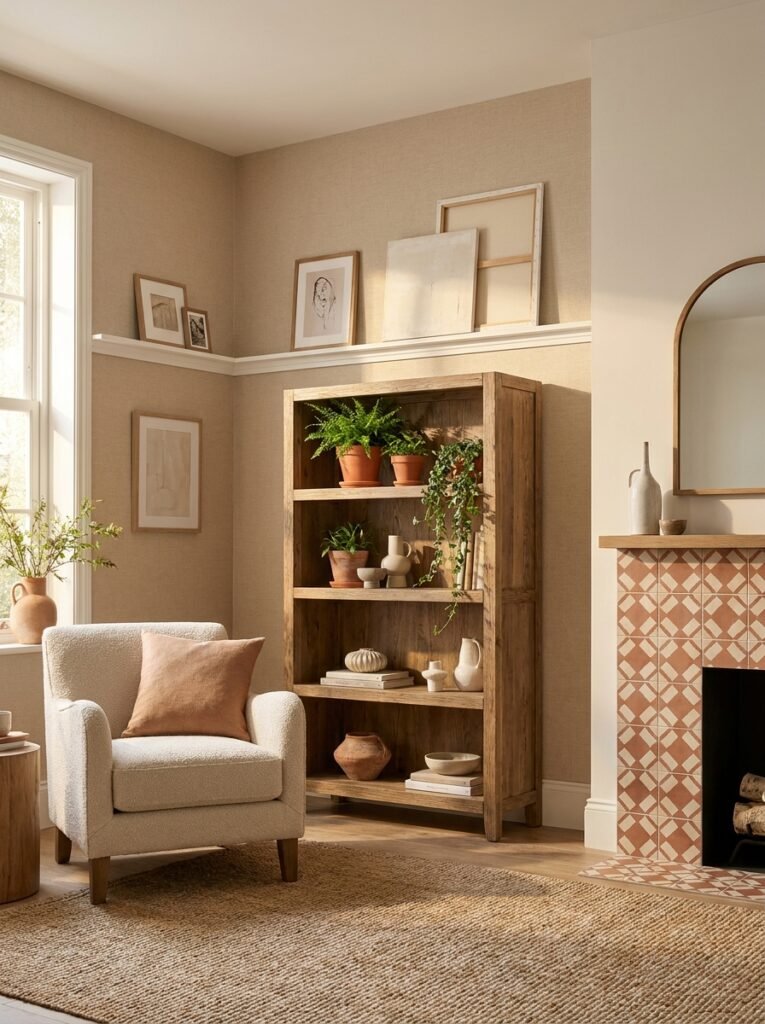
Interior design typically concerns itself with what we see. But the coziest, most welcoming rooms also appeal to our other senses — particularly scent and sound.
A signature home scent — something consistent, something you chose intentionally — becomes part of your home’s identity. Warm, woody fragrances like cedarwood, sandalwood, or amber work beautifully in living rooms during autumn and winter. Lighter, fresher scents like linen, green tea, or light florals suit spring and summer. In the US, Voluspa and Paddywax are loved for their atmospheric candles. In the UK, Neom, Jo Malone, and even the M&S own-brand diffusers have strong, loyal followings.
Sound matters too — not music necessarily, but ambient sound. A small record player in the corner. A Bluetooth speaker tucked into a bookshelf. The decision to have sound — even softly, even in the background — transforms a room from a visual experience to a fully sensory one.
—
12. The Small Details That Make People Say “How Did You Do That?”
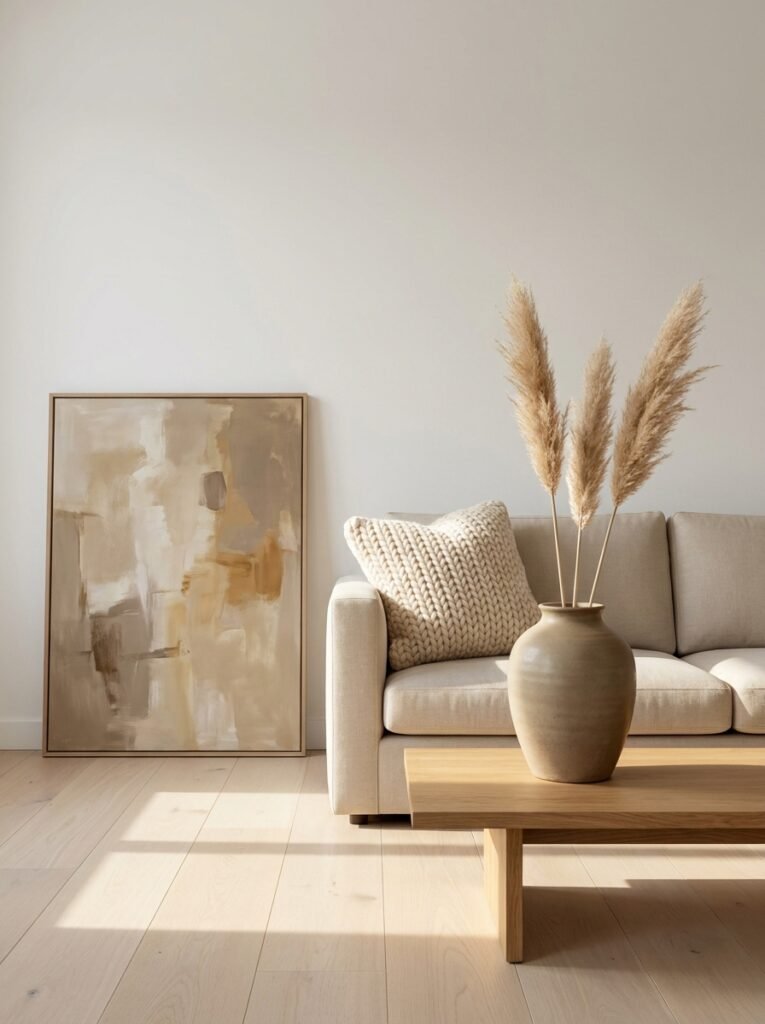
It’s never the big, expensive pieces that make people stop and say “this room is so lovely.” It’s the small things. The way the books on your shelf are arranged by color. The single fresh flower in a bud vase on the windowsill. The velvet cushion that’s a slightly unexpected shade of burnt orange against your beige sofa.
These micro-details are the fingerprints of a space — the things that make it unmistakably yours. And the good news is that they’re almost always free or nearly free. Rearranging. Repurposing. Noticing what’s already beautiful in your home and giving it more space to be seen.
The modern-cozy apartment living room isn’t a style you buy all at once. It’s a practice — a slow, pleasurable accumulation of things you love, arranged with intention and lit with warmth.
—
🌿 How to Keep Your Living Room Looking Its Best
A beautiful room needs gentle maintenance, not perfection. Once a week, do a five-minute reset — return objects to their places, fluff cushions, straighten the throw. Seasonally, rotate your accessories: bring in heavier textures and darker tones for autumn and winter, lighter fabrics and fresh botanicals for spring and summer. Every few months, stand in the doorway and look at your room with fresh eyes — ask yourself what’s working and what’s just taking up space. Edit ruthlessly. Good rooms breathe. Dust your lampshades regularly — they’re often forgotten but make an enormous difference to how warm and clean light feels in a room. Finally, invest in one new small thing every few months rather than waiting for a big overhaul. A new candle, a different throw, a single print. Small updates keep a room feeling alive.
—
❓ FAQ
Q: How do I make my apartment living room look more expensive on a tight budget? A: Focus on the three things that cost little but have enormous visual impact — lighting, curtains, and throw pillows. Replace harsh bulbs with warm-toned ones, hang curtains floor-to-ceiling, and invest in two or three quality cushion covers. These changes alone can make a room feel significantly more elevated.
Q: What colors work best for a modern-cozy living room? A: Warm neutrals are your safest foundation — think oatmeal, taupe, warm white, and soft greige. Layer in warmth through terracotta, rust, sage green, or dusty rose in your accessories. Avoid cool greys and stark whites if warmth is your goal — they read more contemporary-minimal than cozy.
Q: How do I decorate a rental apartment without being able to paint or make changes? A: Peel-and-stick wallpaper (now genuinely beautiful and renter-friendly) can transform a feature wall. Command hooks allow you to hang art without permanent damage. Large area rugs cover ugly floors completely. Curtains hung with tension rods require no drilling. And tall bookshelves, plants, and lighting all create character without touching the walls.
—
💭 Final Thought
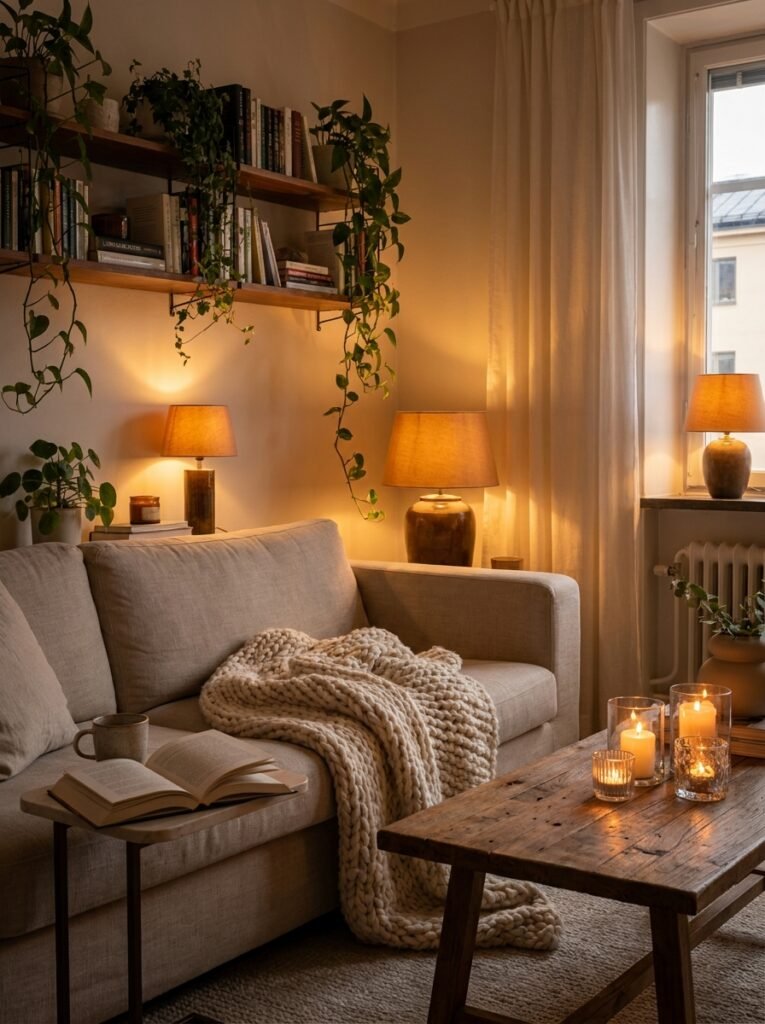
A living room is the heart of a home — the place where you exhale at the end of the day, where you host the people you love, where you read and rest and simply exist. It doesn’t need to be large, expensive, or perfectly designed to feel like yours. It needs to feel like you — warm, thoughtful, and full of the small details that make life genuinely beautiful. So as you look around your own living room today, which one change would make you feel most at home?