
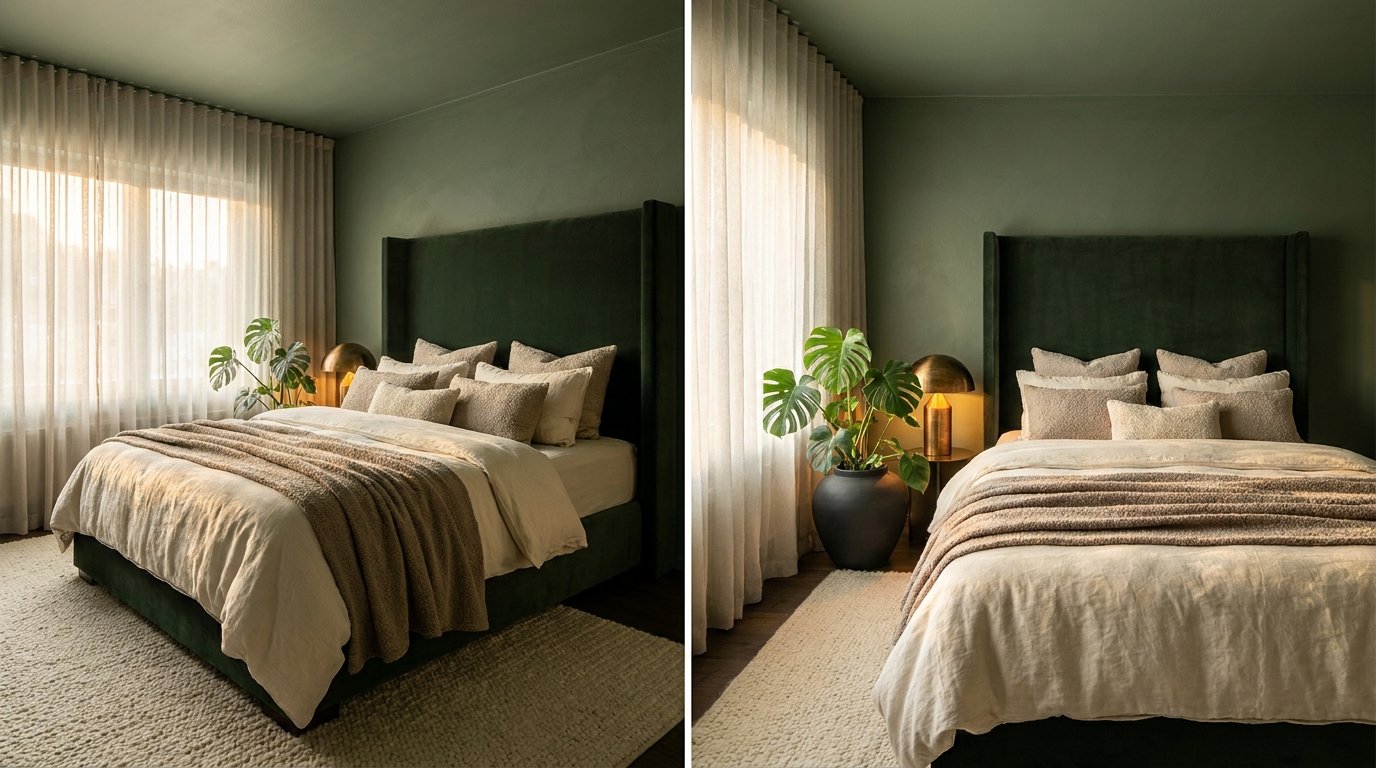
Small Bedroom Ideas That Make Even the Tiniest Room Feel Like a Luxury Retreat
There’s something almost magical about walking into a small bedroom that’s been thoughtfully designed — a room that, despite its modest square footage, wraps around you like a warm hug and makes the rest of the world feel very, very far away. If you’ve been scrolling through inspiration boards wondering how people transform cramped, awkward spaces into something genuinely beautiful, you’re in exactly the right place.
—
1. The Psychology of Small Spaces: Why Your Brain Craves Coziness
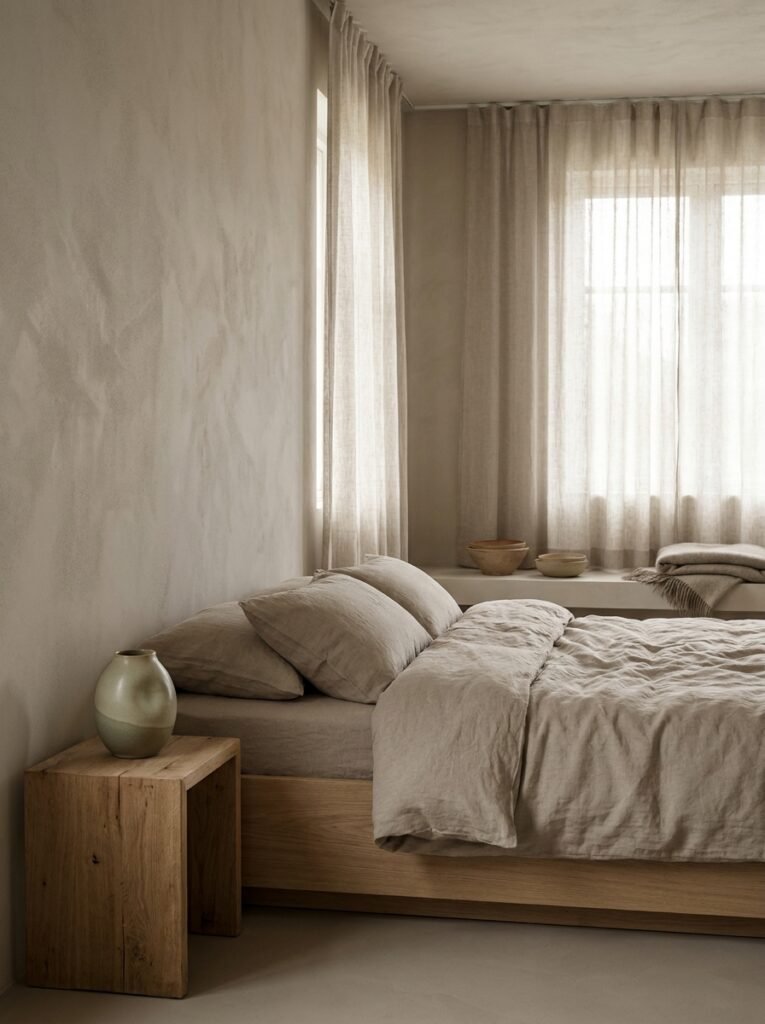
Before you move a single piece of furniture or pick up a paint swatch, it’s worth understanding something that professional interior designers know deeply: small doesn’t mean less. In fact, there’s an entire philosophy — rooted in Scandinavian design and Japanese minimalism — that celebrates limitation as the gateway to intention. When you have less space, every single decision matters more. Every object earns its place. Every color carries weight. And that kind of deliberate living? It feels extraordinary.
Research in environmental psychology consistently shows that cozy, contained spaces actually reduce cortisol levels — the stress hormone that spikes when we feel overwhelmed or exposed. Think about why hotel rooms feel so indulgent even when they’re compact. The ceiling feels just low enough, the textures feel layered, and the lighting feels deliberately soft. That’s not an accident. That’s design doing its job beautifully.
So the next time you look at your small bedroom and feel a flicker of frustration, try reframing it: you don’t have a small bedroom problem. You have a small bedroom opportunity.
“A small room isn’t a limitation — it’s an invitation to design with more intention than you ever thought possible.”
2. The One Paint Color Rule That Changes Everything
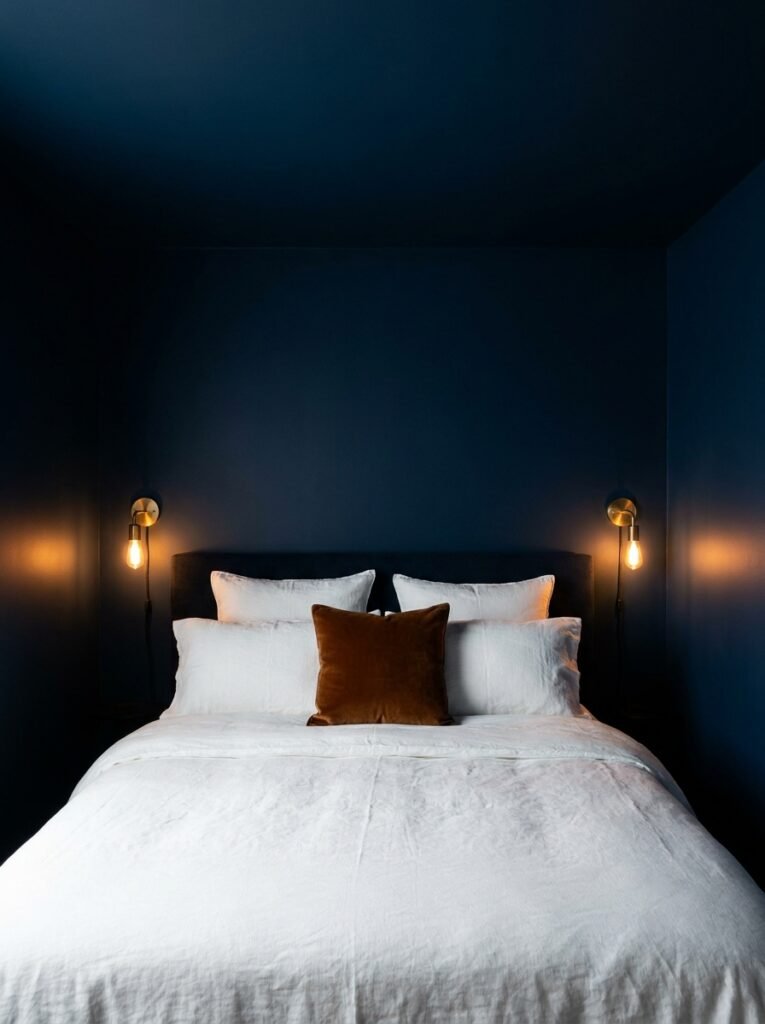
If there’s a single decision that will transform your small bedroom more dramatically than any furniture purchase, it’s paint color — specifically, the counterintuitive choice to go dark or deeply saturated rather than defaulting to white.
Designers have known for years what many homeowners resist: a small room painted in a rich, enveloping color like deep sage green, moody navy, warm terracotta, or dusty mushroom actually reads as larger than the same room painted stark white. Why? Because a uniform, deeply toned room eliminates the visual “edges” that remind your brain where the walls end. The room feels less like a box and more like an atmosphere.
If you’re not quite ready to commit to a dark accent wall, consider painting your ceiling the same color as your walls. This trick — beloved by designers like Ilse Crawford and Nate Berkus — removes the visual “lid” from the room, making it feel taller and more immersive. Pair it with warm-toned lighting, and your small bedroom stops feeling like a compromise and starts feeling like a destination.
3. The Floating Furniture Trick Designers Use on Every Small Bedroom Project
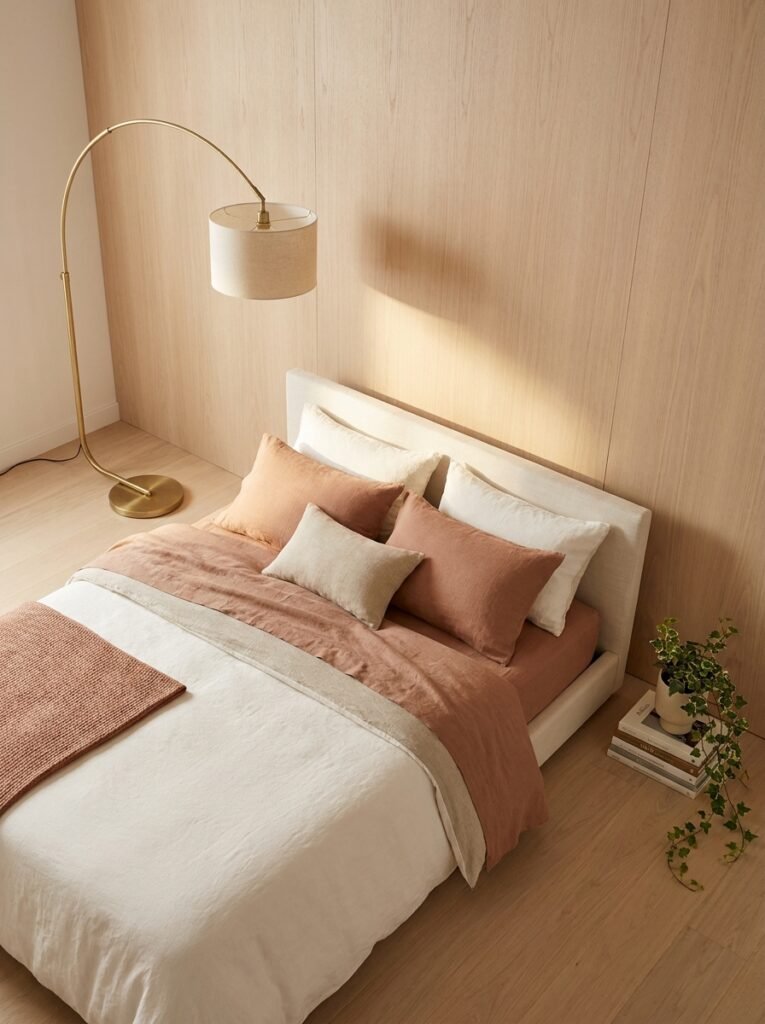
Here’s something that happens in almost every small bedroom that isn’t working: furniture pushed flat against every wall. It feels logical — maximize floor space, right? But counterintuitively, it usually makes the room feel more cramped, not less.
When furniture is plastered against all four walls with the bed directly centered on one, the room feels institutional — like a dorm room or a budget motel. Instead, try floating your bed slightly away from the wall (even six to eight inches), and resist the urge to fill every corner. That breathing room — those deliberate pockets of negative space — signals to the eye that the room is curated, not crammed.
If your room is truly tiny and floating the bed isn’t practical, anchor it in a corner against two walls and build intentional vignettes on the open sides. A single beautiful lamp, a small stack of hardcover books, one trailing plant. Restraint is the most underrated design skill.
4. Vertical Space: The Free Square Footage Nobody Uses
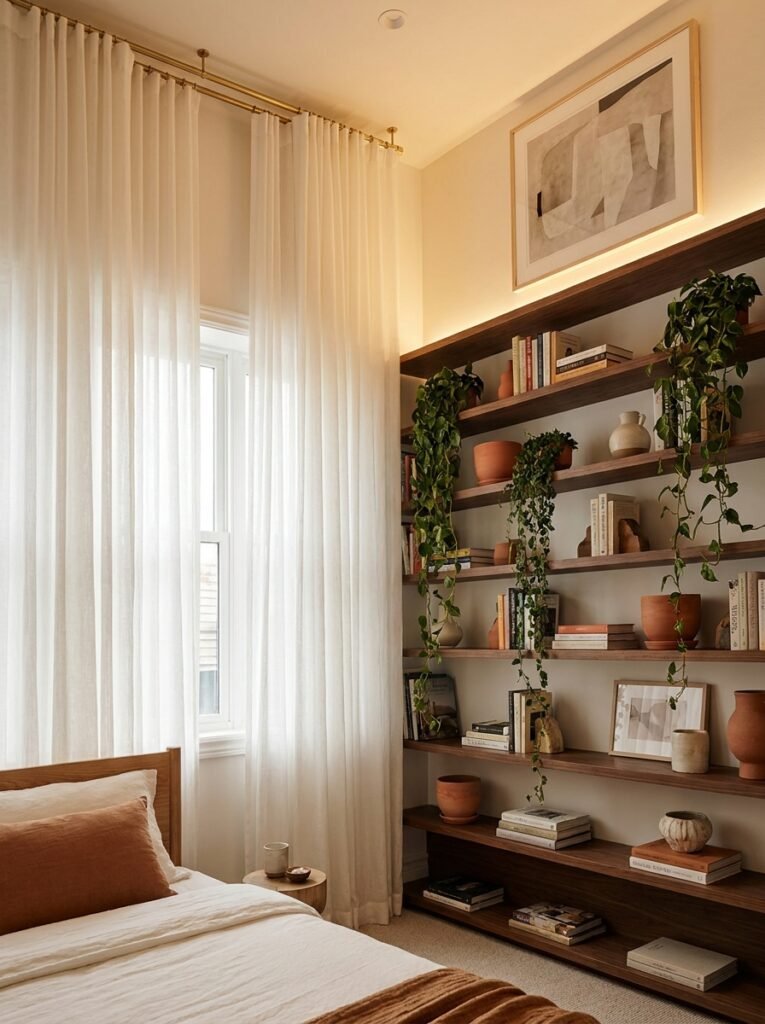
Most people think about floor space when they’re decorating a small bedroom. Designers think about cubic space — meaning they design all the way up to the ceiling and use every inch of vertical real estate available.
Installing floating shelves that reach ceiling height draws the eye upward and creates storage without consuming any floor space. A tall, narrow wardrobe or a floor-to-ceiling bookcase not only provides function but creates the visual impression of high ceilings even when they’re not. Curtain rods hung close to the ceiling (rather than just above the window frame) are one of the oldest tricks in the book — the long vertical drop of fabric tricks the eye into perceiving the room as significantly taller than it actually is.
Even a piece of art hung higher than feels natural — just below the ceiling rather than at eye level — can create a sense of lofty, airy spaciousness. Vertical thinking is literally free. Use it generously.
5. Lighting Layers: The Difference Between a Room That Functions and One That Feels
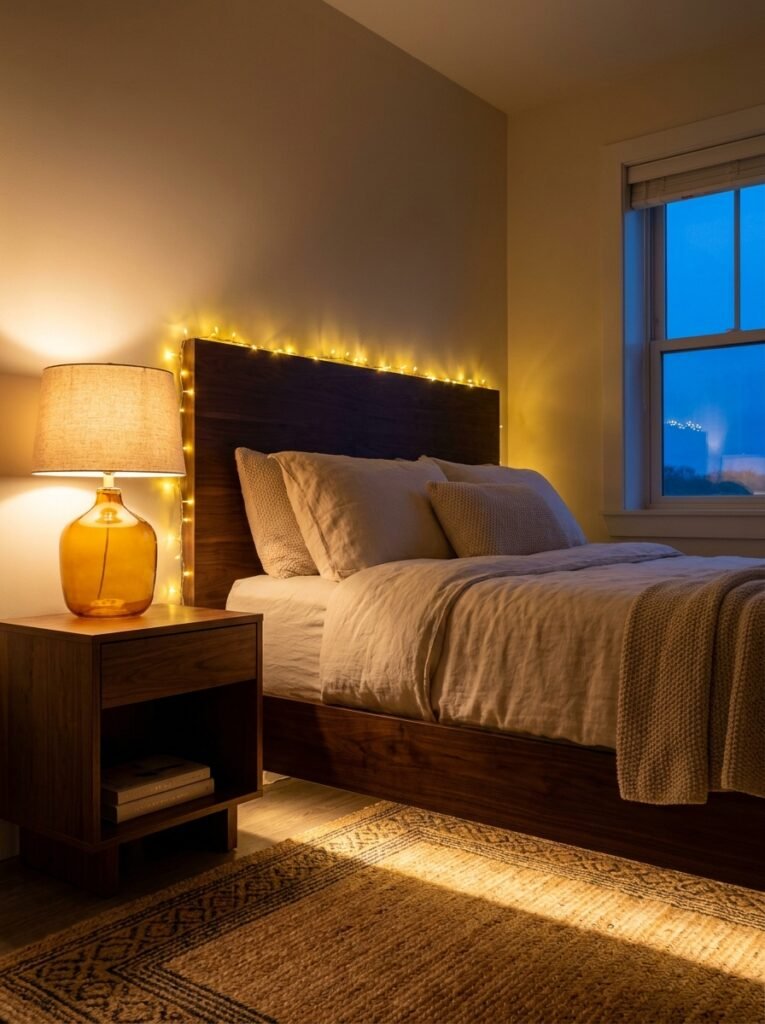
Overhead lighting in a small bedroom is, almost universally, the enemy of atmosphere. A single ceiling fixture illuminates everything equally and flatly — which is practical, but it’s the same quality of light you find in a grocery store. Beautiful it is not.
The goal in a small bedroom is to create layers of light at different heights. Think: a warm-toned table lamp on each side of the bed (or at least one side), a string of LED fairy lights tucked behind a headboard or along a shelf, a small floor lamp in a corner if space allows, and perhaps a subtle LED strip underneath a floating bed frame. Each source creates its own intimate pool of warmth, and together they make the room feel dimensional, intentional, and genuinely lovely to be inside at any hour.
Warm bulbs (2700K to 3000K color temperature) are non-negotiable in a bedroom. Cool, bright white light signals the brain to stay alert — the opposite of what you want in the last room you inhabit before sleep.
“Light isn’t just practical in a small bedroom — it’s the single most powerful mood-setting tool you have.”
6. The Mirror Placement That Doubles Your Space (Without Feeling Gimmicky)
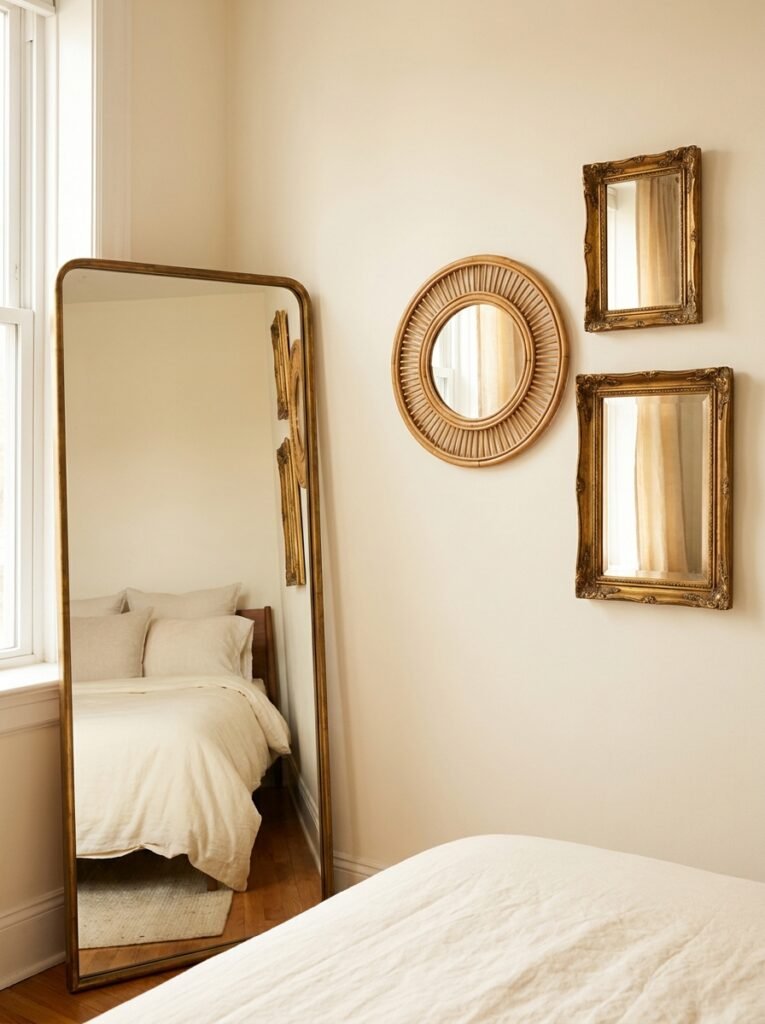
Mirrors in small rooms are practically a design cliché at this point — but they work, and there’s a right way and a wrong way to use them. The wrong way is hanging a mirror directly opposite a window, which creates a harsh, blinding effect and can actually make the room feel more chaotic rather than larger.
The right way is to place a large mirror at a slight angle to a window, or along a side wall, so it captures and bounces the natural light softly around the room. A full-length mirror leaned casually against a wall (rather than hung formally) feels modern and unfussy. A cluster of smaller vintage mirrors arranged gallery-style adds charm and reflected depth without the sterile feeling of a single large mirror dominating the wall.
Mirrors with warm-toned or antiqued frames — brass, aged gold, natural rattan — also add texture and richness that cold chrome simply cannot. The goal is a reflection that makes the room feel more beautiful, not just bigger.
7. The Storage Solutions That Look Like Décor
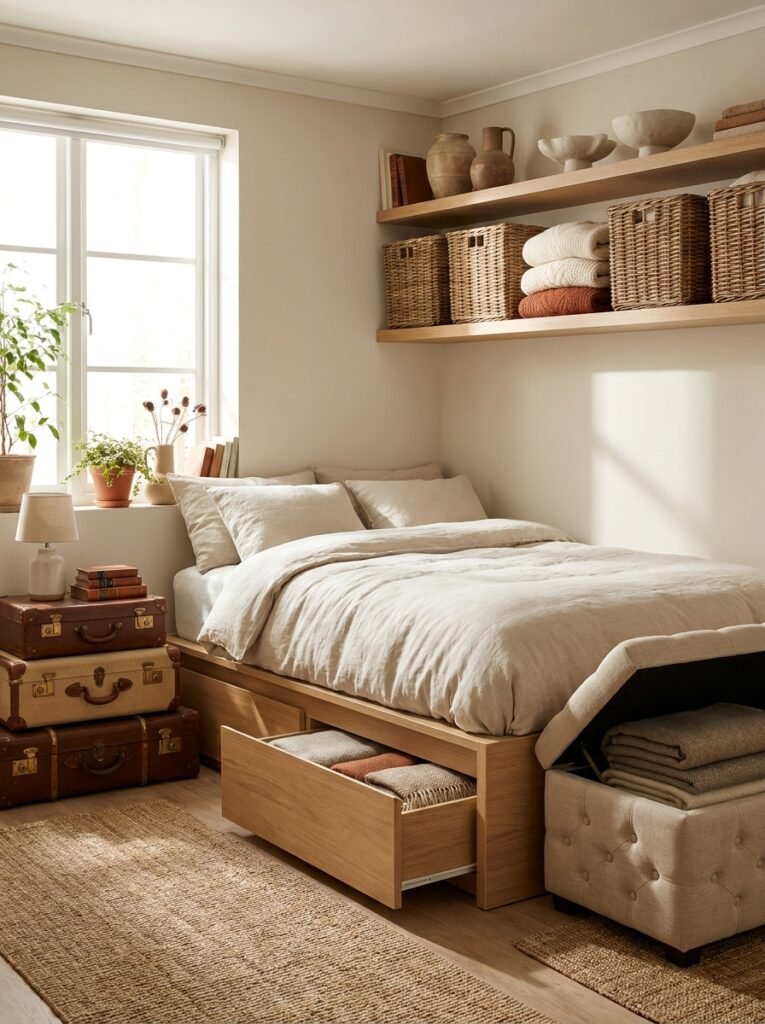
Storage in a small bedroom doesn’t have to look like storage. In fact, the best small-bedroom storage solutions are so beautiful that guests assume they’re decorative — until they realize that the ottoman at the foot of the bed lifts to reveal extra blankets, or that the built-in window seat is actually a hinged box holding a season’s worth of clothing.
Under-bed storage has come a long way from dusty plastic bins. Low-profile wooden drawers built into a platform bed frame are both architectural and enormously functional. Wicker baskets on open shelving hold folded sweaters while adding natural texture. A set of matching vintage suitcases stacked in a corner stores off-season items and doubles as a side table — a trick that’s equal parts practical and Pinterest-perfect.
The key principle: every storage solution should be something you’d be proud to have visible. If it’s beautiful, you don’t have to hide it. And in a small bedroom, you often can’t.
8. Textiles as Architecture: How Fabric Shapes a Room
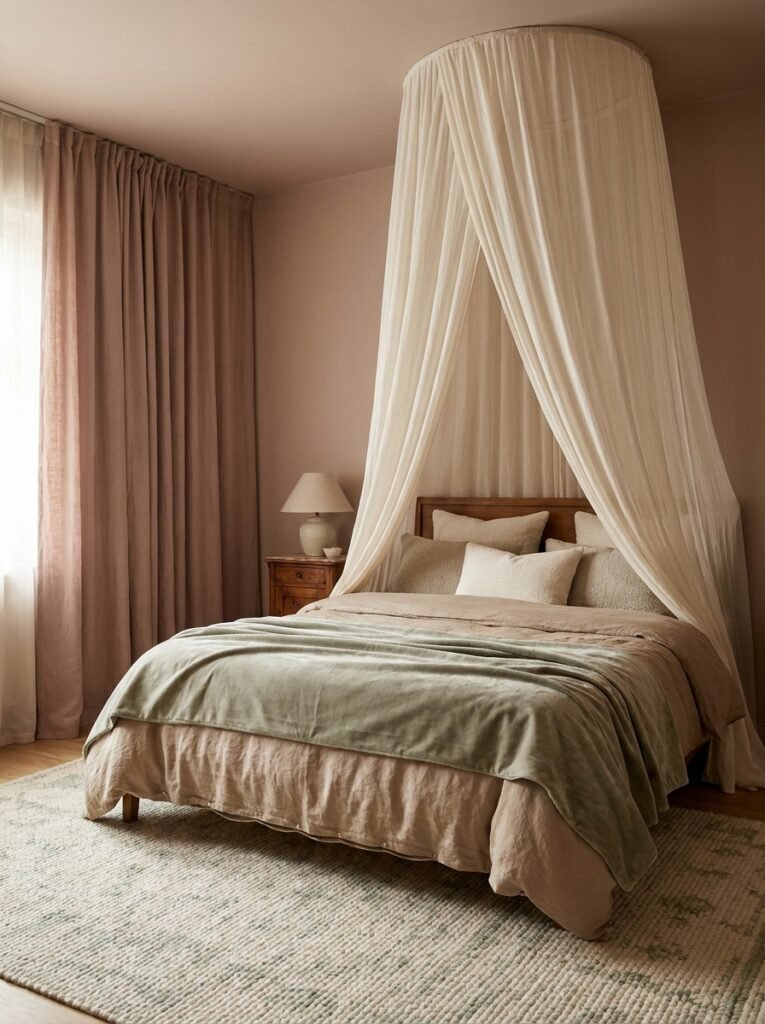
In larger rooms, textiles are decorative additions. In a small bedroom, they’re structural — they define zones, add warmth, and create the layered, lived-in quality that makes a space feel genuinely inviting rather than staged.
A canopy made from a sheer, flowing fabric draped from the ceiling above the bed creates an enclosed sense of intimacy and transforms a simple mattress into something that feels almost romantic. A large, soft rug that extends well beyond the edges of the bed (at least 18 inches on each side) anchors the sleeping area and makes the floor feel more generous than it is. Heavy linen curtains in a color that complements the wall paint — rather than contrasting with it — create a seamless, enveloping effect that a small room desperately needs.
Texture is just as important as color when it comes to textiles. A mix of matte cotton, soft velvet, nubby linen, and woven wool creates a sensory richness that makes a small room feel abundant rather than sparse.
9. The Plant Rule for Small Bedrooms
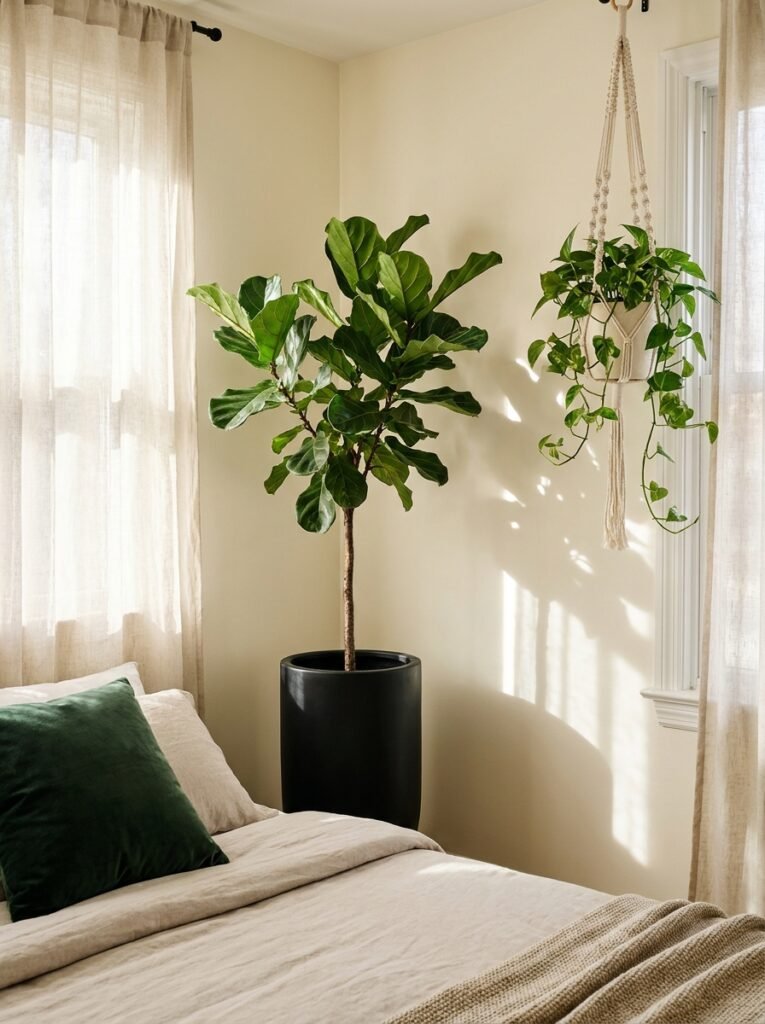
Plants in small bedrooms require a different approach than plants in a spacious living room. One large, dramatic plant — a monstera, a fiddle leaf fig, or a tall snake plant in a beautiful ceramic pot — makes a far stronger statement than a scatter of small succulents across every surface. One big plant grounds the room and adds a sense of scale. Twelve little pots just create visual clutter and make the room feel busier and smaller.
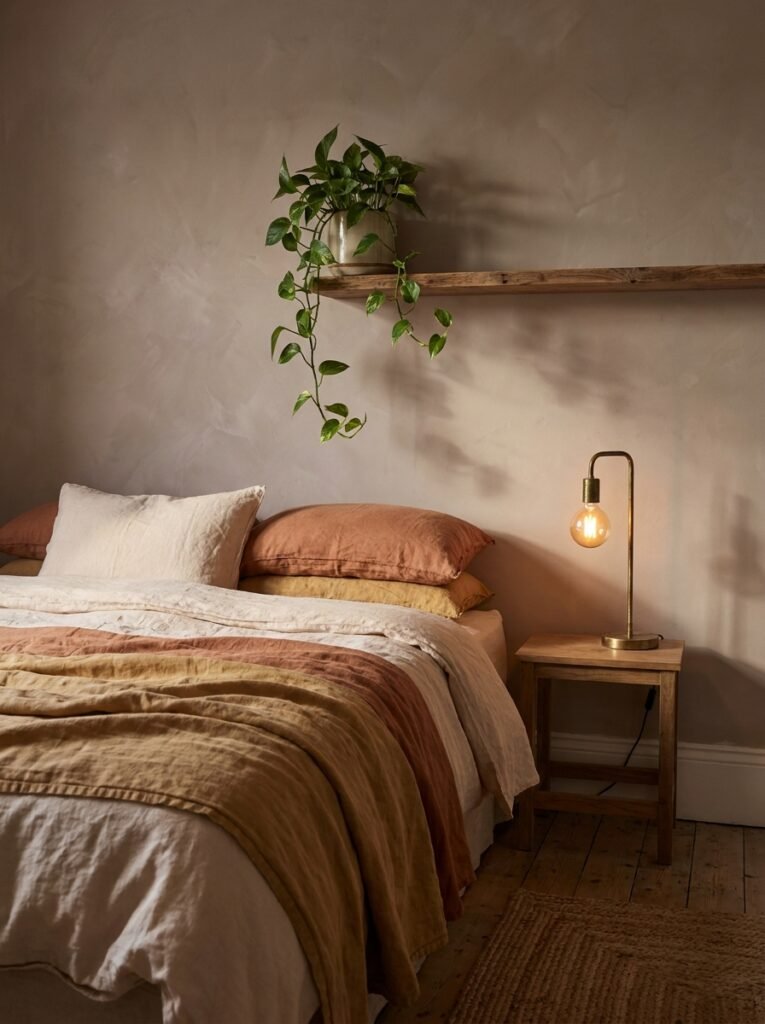
If you love the idea of trailing greenery, mount a hanging planter near the window and let a pothos or string of pearls cascade downward. It adds life and movement without consuming any floor or surface space. And there’s something quietly wonderful about waking up every morning with something living and growing in your room — it shifts the entire atmosphere of the space toward calm and renewal.
“One confident plant in the right corner transforms a room more than a dozen little ones ever could.”
10. The Case for a Statement Headboard (Even in the Smallest Room)
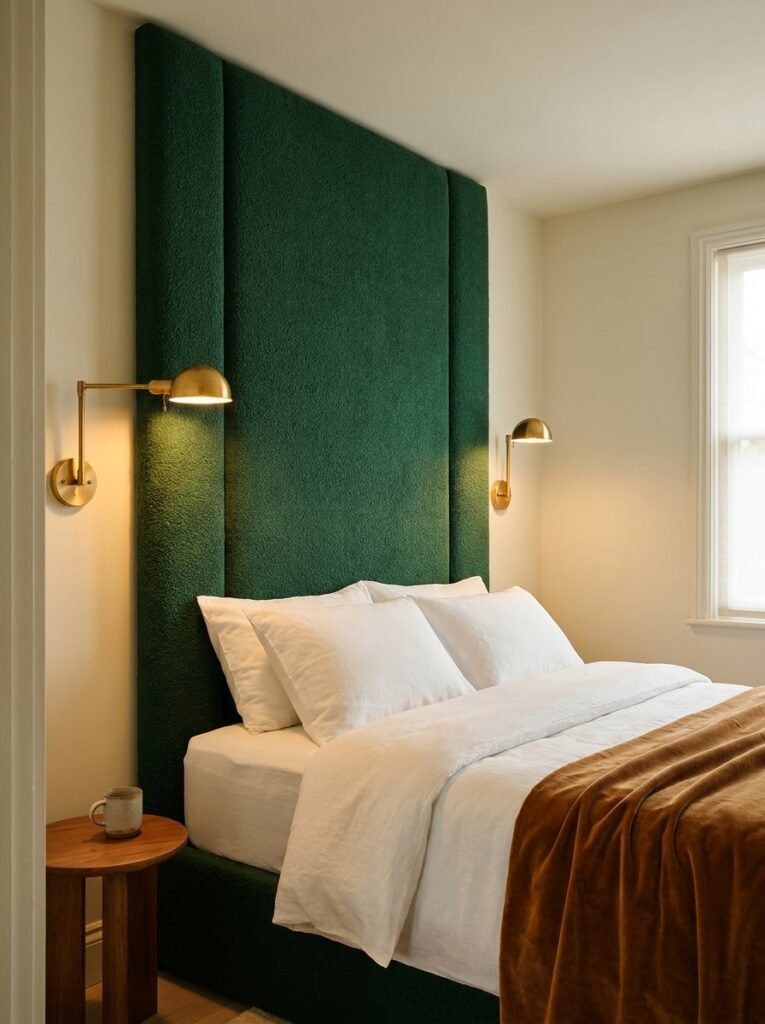
In a small bedroom, there’s a temptation to keep everything visually quiet — modest furniture, neutral tones, nothing too bold. But this approach often produces a room that feels timid rather than tranquil. A statement headboard is one of the most effective ways to give a small bedroom a backbone — a focal point that anchors the entire room and makes it feel designed, not just furnished.
An upholstered headboard in deep velvet or textured boucle fabric adds warmth, visual softness, and a sense of luxury that no bedside lamp can replicate alone. A wooden headboard with architectural detail — carved panels, slatted design, or an integrated shelf — serves a dual purpose of beauty and function. Even a DIY headboard made from reclaimed wood planks or painted directly onto the wall creates a visual anchor that makes the whole room snap into focus.
The key is proportion: in a small room, a headboard that extends to or near the ceiling actually works better than a low, wide one. It draws the eye up, creates the illusion of height, and makes the bed — the most important piece of furniture in any bedroom — feel like the centerpiece it should be.
11. Scent, Sound, and the Senses Your Decorator Never Mentions
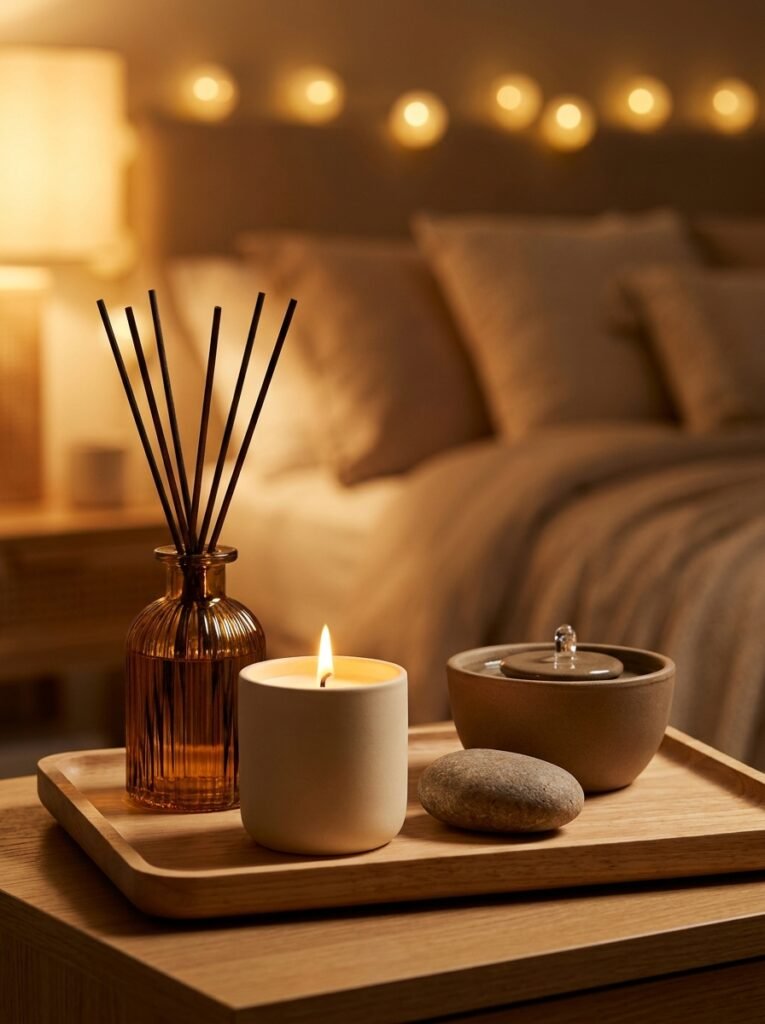
Every great interior designer works with what they can see — but the rooms that truly stay with you engage all five senses. In a small bedroom, where the scale is intimate by definition, this matters even more. Scent, sound, and touch are as much a part of the design as the paint color or the throw pillows.
A reed diffuser or a single soy candle in a scent like warm cedar, vanilla, or fresh linen can make a small bedroom feel more personal and more luxurious than almost any physical object. The sound of a small, quiet white noise machine (or a bedside tabletop fountain) adds an acoustic softness that makes the room feel larger — because sound fills space, and a room that sounds hushed feels more expansive. And the textures beneath your fingertips as you settle into bed — smooth cotton, soft flannel, cool linen — signal comfort at a level that bypasses your conscious mind entirely.
These are the invisible layers of design. They’re also the ones guests feel but can’t quite name when they walk into your bedroom and quietly say, “Oh, I love this room.”
12. The Finishing Touches That Separate Good from Unforgettable
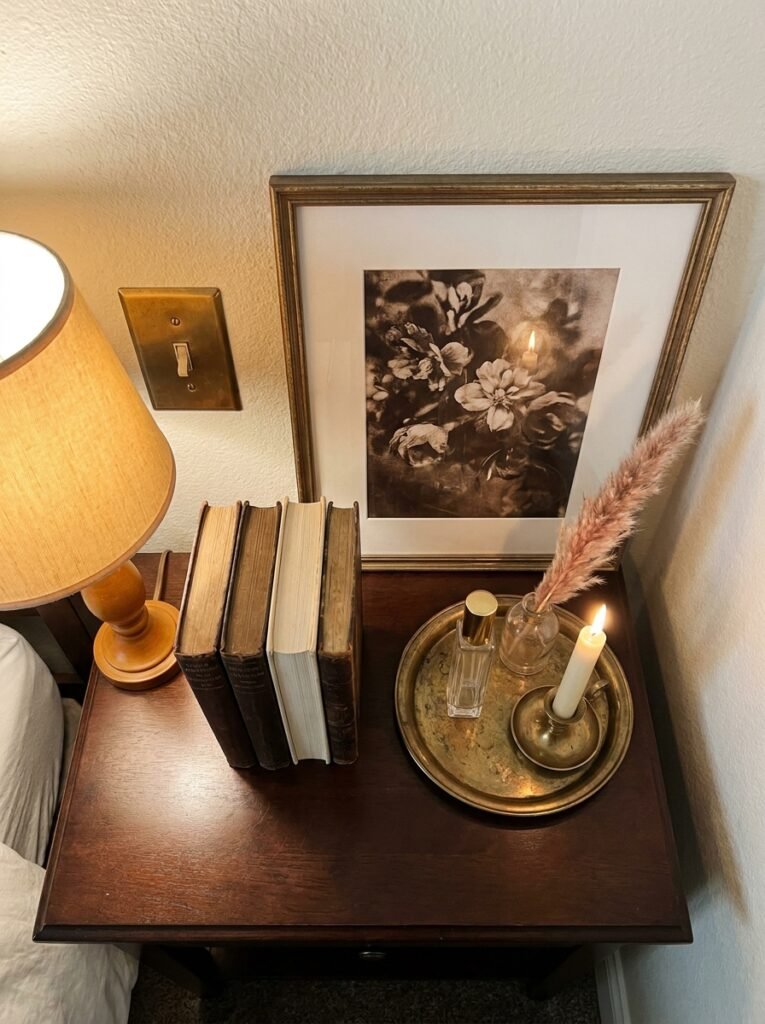
The difference between a small bedroom that looks “nice” and one that stops people mid-scroll on Pinterest is almost always in the finishing touches — the smallest details that communicate care and personality.
A single piece of meaningful art, framed properly and hung with intention, does more for a room than five generic prints stacked together. A stack of books on the nightstand — real books you’ve actually read or are reading — adds warmth and humanity that no styled prop can fake. A small tray that corrals your perfume, a candle, and a single dried flower stem creates a vignette that looks curated rather than cluttered. Even the quality of your light switch plates matters — swapping out cheap plastic covers for aged brass or matte black ones is a five-dollar change that elevates the entire room.
These details are the room whispering to you: someone lives here who pays attention. And that quality of attention — more than budget, more than square footage, more than any particular style — is what makes a small bedroom truly beautiful.
—
🌿 How to Pull This All Together Without Feeling Overwhelmed
Start with paint — it’s low-cost and high-impact. Choose one warm, enveloping tone and commit to it on all four walls and the ceiling.
Then address your lighting. Replace your overhead light with a dimmer switch, add at least one warm-toned lamp at bed level, and see how dramatically the room transforms after dark.
Next, edit ruthlessly. Remove anything that doesn’t serve a function or bring you genuine joy. A small bedroom with thirty percent fewer objects is always more beautiful than a small bedroom that’s fully furnished.
Add one textile upgrade — a quality duvet cover, a real wool throw, a soft rug — before you buy any new furniture. Textiles transform spaces faster and more affordably than almost anything else.
Finally, bring in one living thing — a plant, fresh flowers, even a branch from your garden in a ceramic vase. Life makes design feel human.
—
❓ FAQ
Q: What colors make a small bedroom look bigger? A: Contrary to popular belief, soft warm whites aren’t always the best choice. Warm neutral tones like greige, dusty blush, and sage green actually make small rooms feel more expansive because they’re less stark and create a sense of enveloping warmth. Deep, moody colors applied to all four walls and the ceiling create a seamless, immersive effect that removes the visual borders of the room entirely.
Q: How do I get more storage in a small bedroom without it looking cluttered? A: The key is choosing storage that doubles as décor — a beautiful wooden platform bed with built-in drawers, woven baskets on open shelves, or an elegant ottoman at the foot of the bed. Vertical storage is your greatest asset: shelves that run floor-to-ceiling maximize space without consuming floor area, and built-in solutions always look more intentional than freestanding ones.
Q: Is a small bedroom too small for a rug? A: Almost never. In fact, a rug that’s too small is worse than no rug at all — it makes the room feel unanchored and oddly scaled. For a small bedroom, choose a rug large enough to extend at least 18 inches beyond each side of the bed. A larger rug makes the floor area feel more generous and ties all the furniture together into a cohesive, intentional arrangement.
—
💭 Final Thought
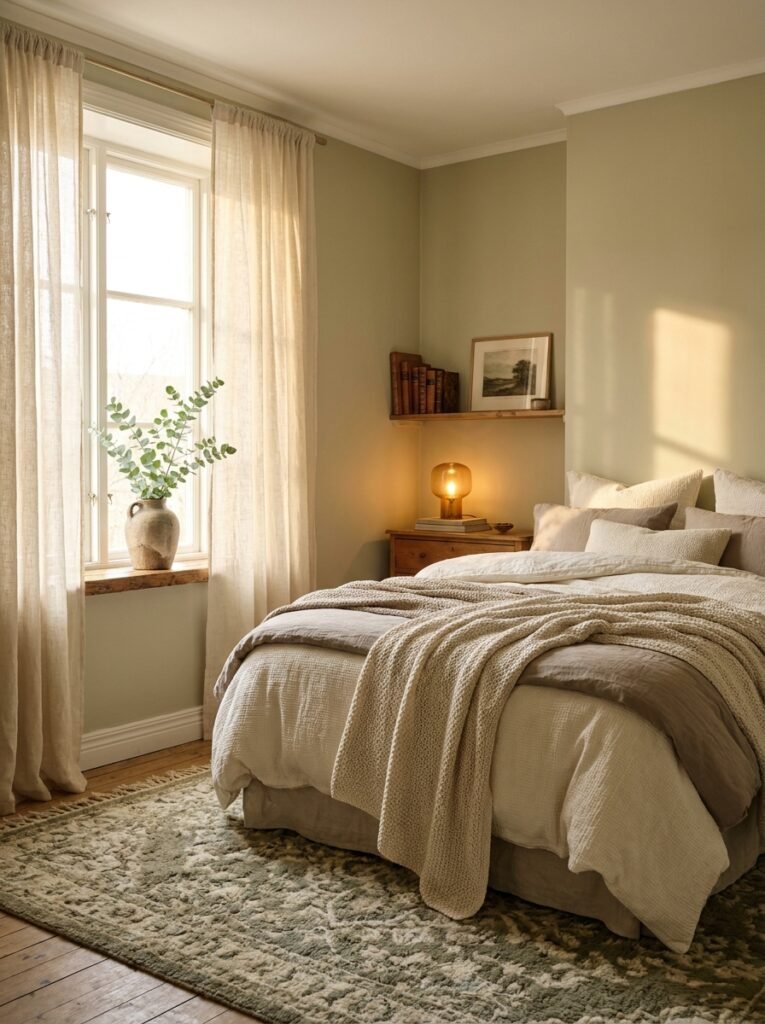
A small bedroom, designed with care and intention, has a quality that sprawling master suites often lack: intimacy. There’s something about a room that holds you — rather than one you merely occupy — that speaks to something deep and human in all of us. The most memorable spaces in life are rarely the grandest ones. They’re the ones where every detail whispered that someone paid attention, that comfort was taken seriously, that this room was made to make you feel something good.
So here’s the question worth sitting with tonight, as you look around your own small bedroom: what would it feel like if this space was exactly as beautiful as you deserve it to be?