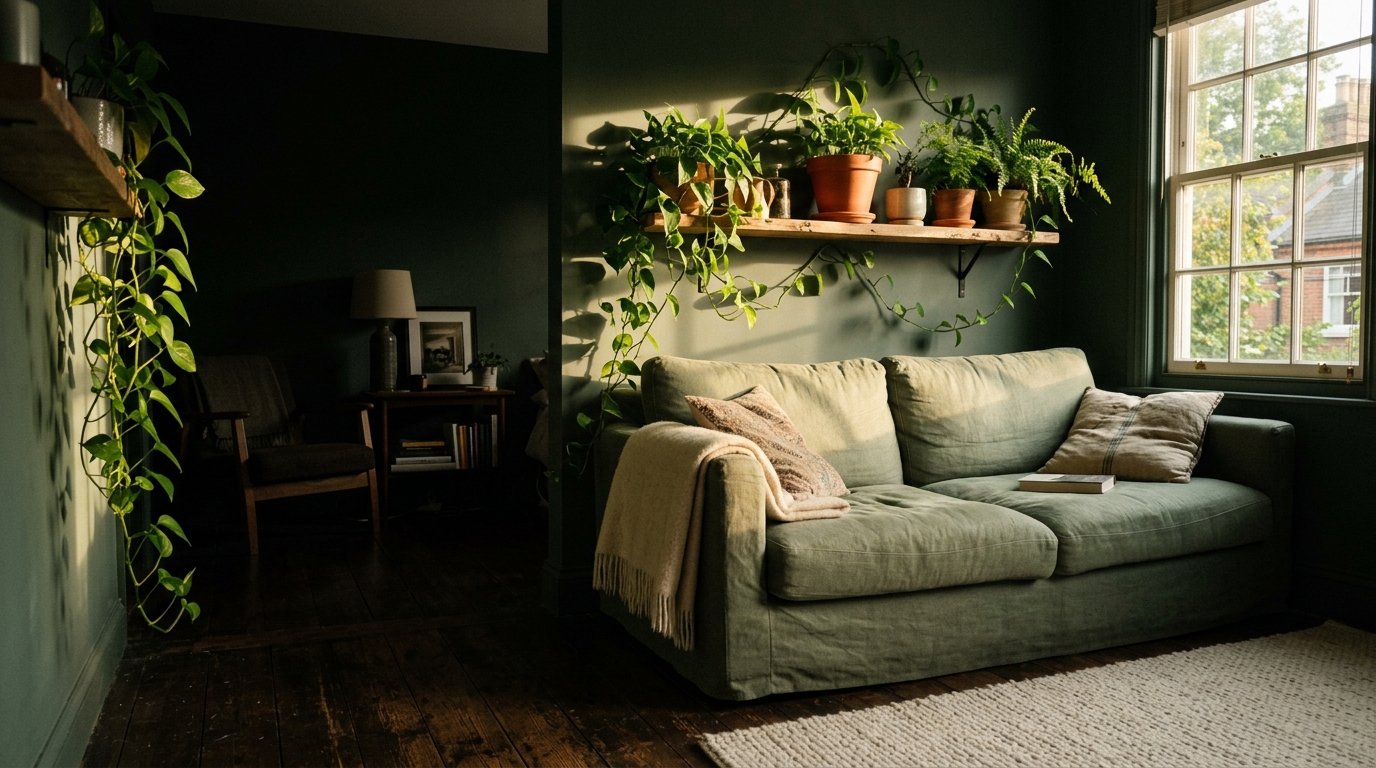
The Green Living Room Makeover That Made My 600 Square Foot Apartment Feel Like a Real Home
You know that feeling when you walk into a small room and it somehow feels bigger than it should? That’s not luck. That’s green — the right green, placed with intention, in a space that finally knows what it wants to be.
—
1. Why Green Is Having Its Moment in Small Living Rooms (And It’s Not Going Away)
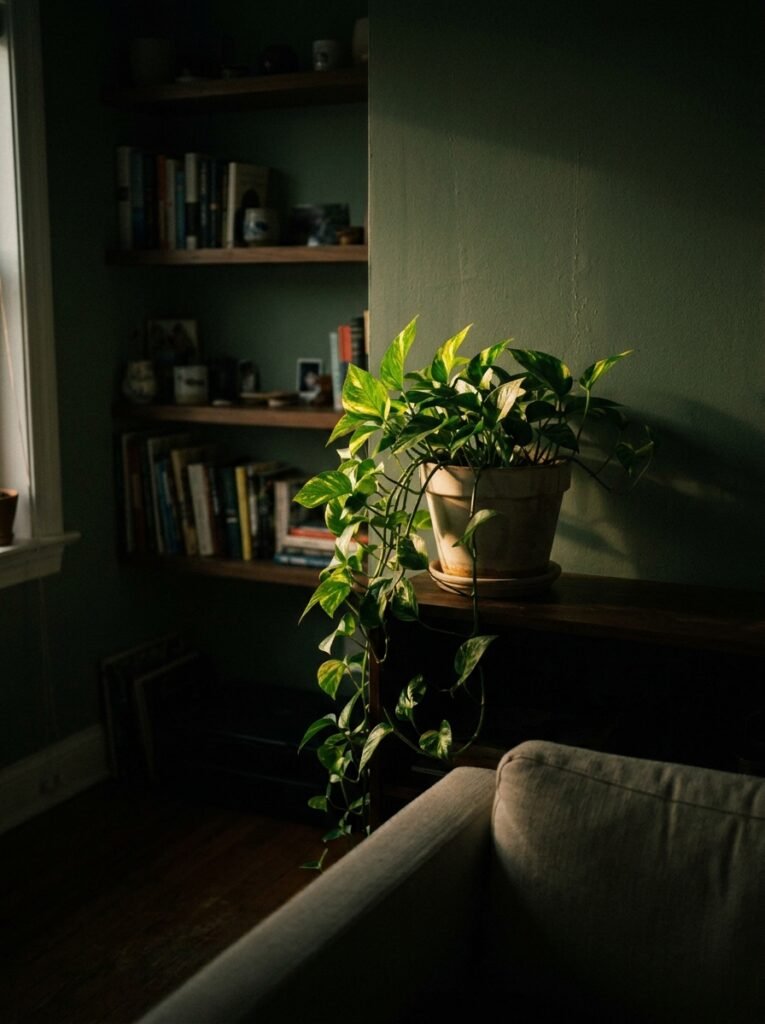
Green has been circling the edges of interior design for a few years now, but something shifted recently. It stopped being a trend and started being a choice people are making with real conviction. Walk through any well-styled apartment right now — in Brooklyn, in East London, in Portland, in Manchester — and you’ll find some version of green. Not the mint of 2015. Not the army khaki of 2019. Something richer. More considered.
The reason green works so well in small living rooms comes down to something almost biological. Our nervous systems associate green with the natural world, with openness, with space that goes on further than the walls around us. A deep sage on one wall can make a tight room feel like it has more air in it. A soft olive on woodwork reads as architecture rather than decoration. Green tricks the eye in the best possible way — it creates depth without demanding more square footage.
There’s also the light factor. Green responds to natural light in a way that very few other colors do. At noon it looks fresh and bright. By evening, under lamplight, it deepens into something almost cinematic. One color. Completely different rooms depending on the hour.
“Green doesn’t shrink a small room — it expands it in a direction you weren’t expecting.”
—
2. The Difference Between a Sage That Soothes and a Sage That Just Sits There
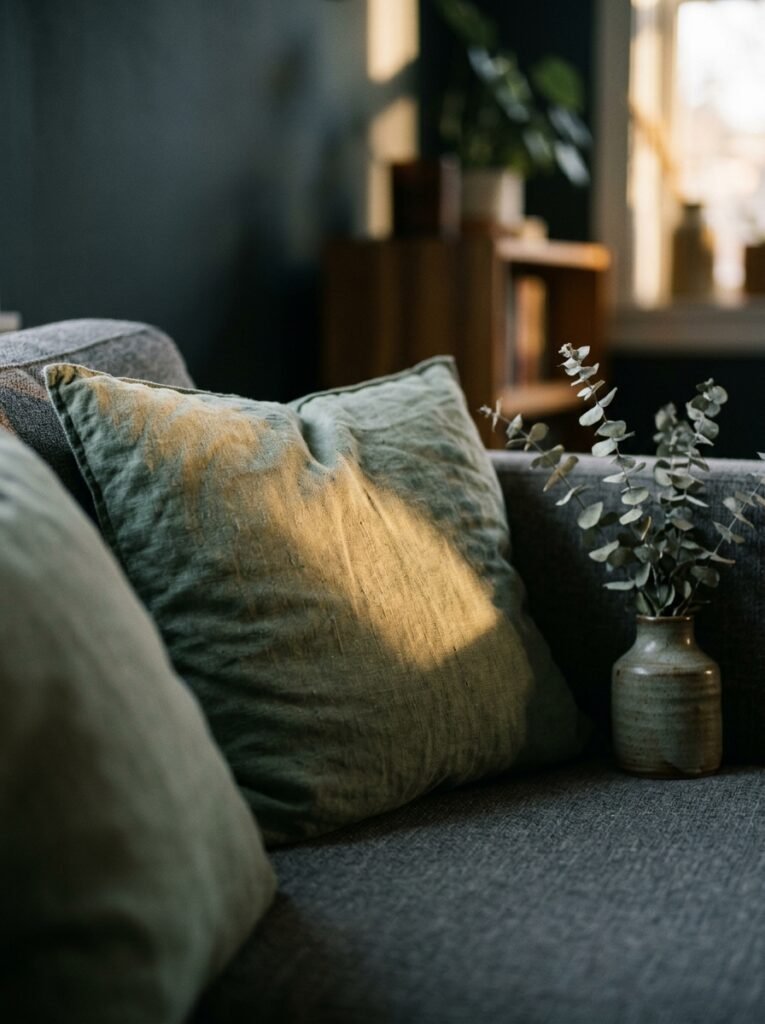
Not all sage is created equal. This is something paint chip reality will teach you fast.
Sage green with warm undertones — think a little yellow, a little grey, maybe a touch of brown — tends to feel organic and lived-in. It’s the kind of color that belongs in a room with linen cushions, a worn leather chair, a stack of actual books. Benjamin Moore’s Rosemary, or Farrow & Ball’s Mizzle are good starting points. These are greens that earn their keep.
But sage with cool undertones — more blue, more grey — reads differently. More composed. More modern. Almost architectural. It suits a space that’s leaning minimal: clean-lined furniture, some concrete or white oak, very little clutter. It doesn’t warm you up, but it gives you clarity.
The mistake most people make is testing paint on a tiny chip in bad lighting and then committing. Don’t. Get a large sample — at least a foot square — and live with it for two full days. Watch what it does in your morning light. Watch what it does at 9pm with a lamp on. Then decide.
—
3. The Color That Keeps Showing Up in Every Beautiful Small Living Room Right Now
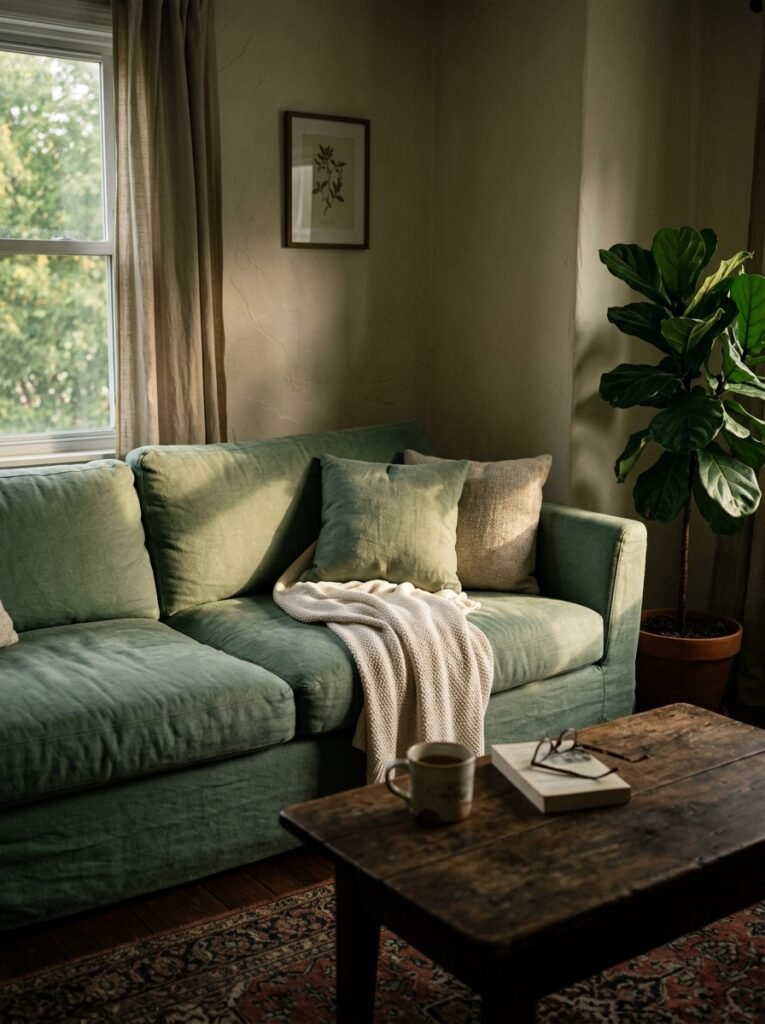
It’s not a single green. It’s green paired with terracotta.
This combination has been all over Pinterest and Instagram for a reason that goes beyond aesthetics. The two colors sit opposite each other on the color wheel — one cool and botanical, one warm and earthy — and they balance each other in a way that feels ancient and new at the same time. Roman pottery. Moroccan tile. A forest in autumn.
In a small apartment living room, this pairing does something clever. The green recedes slightly, creating visual depth. The terracotta comes forward, adding warmth and physical coziness. Together they stop a tiny room from feeling clinical or cold, but they also stop it from feeling stuffed and suffocating.
You don’t need both colors on the walls. Often the best version of this is: sage or forest green walls, terracotta accents in cushions, a ceramic lamp base, or a small throw. Let one color do the heavy lifting and let the other punctuate.
—
4. How to Use Dark Green in a Small Room Without Making It Feel Like a Cave
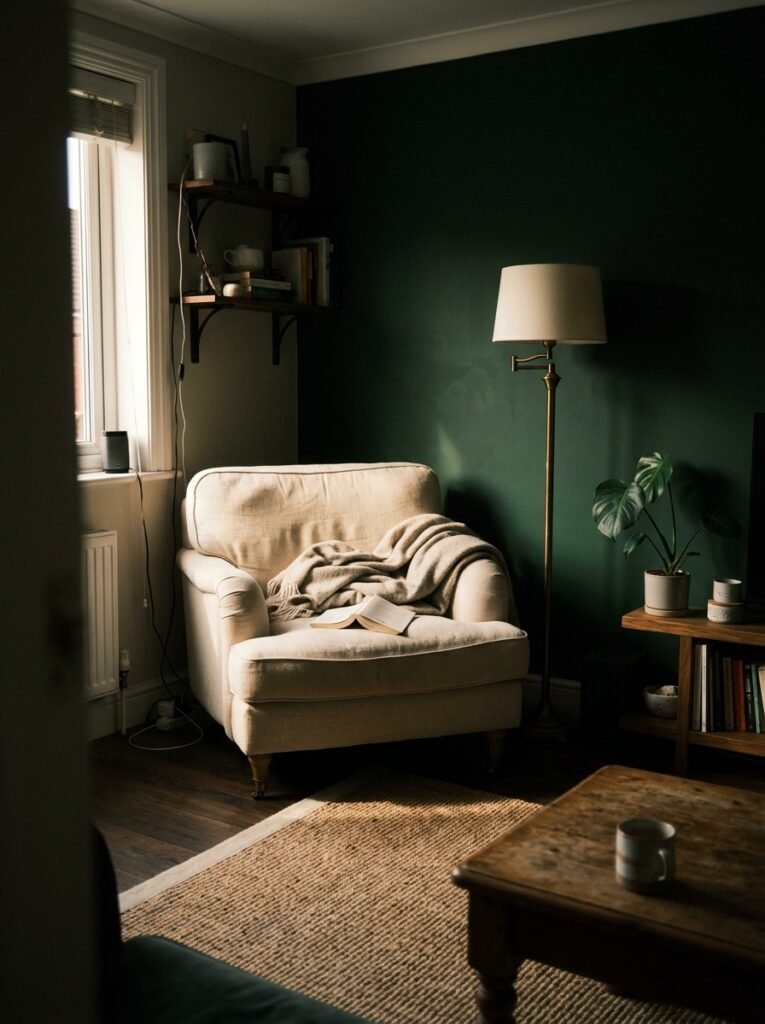
Dark green in a small room is a bold call. It’s also one of the most rewarding choices you can make if you do it right.
The cave feeling happens when dark color is applied to all four walls with no plan for how light is going to move through the space. The walls absorb light and nothing reflects it back. The room contracts.
Here’s how you stop that. First, go dark on the walls but keep the ceiling white or very slightly off-white — this creates an overhead brightness that lifts the whole space and stops it from feeling buried. Second, add at least one large mirror. Not because mirrors magically double a room (they don’t, really), but because a mirror reflects your light sources and creates a secondary sense of depth. Third, keep the floor light if you can. A pale rug — oatmeal, stone, blush — against dark walls creates a visual separation that the room needs.
Forest green, hunter green, even the deepest bottle green can work in a small living room. Dulux Heritage’s Woodland Walk, or Little Greene’s Sage (darker than it sounds) are both deeply liveable. Rich in a way that feels intentional, not claustrophobic.
“Dark walls don’t shrink a room. Dark walls with no plan shrink a room.”
—
5. The One Rule That Makes Any Tiny Room Feel Intentional
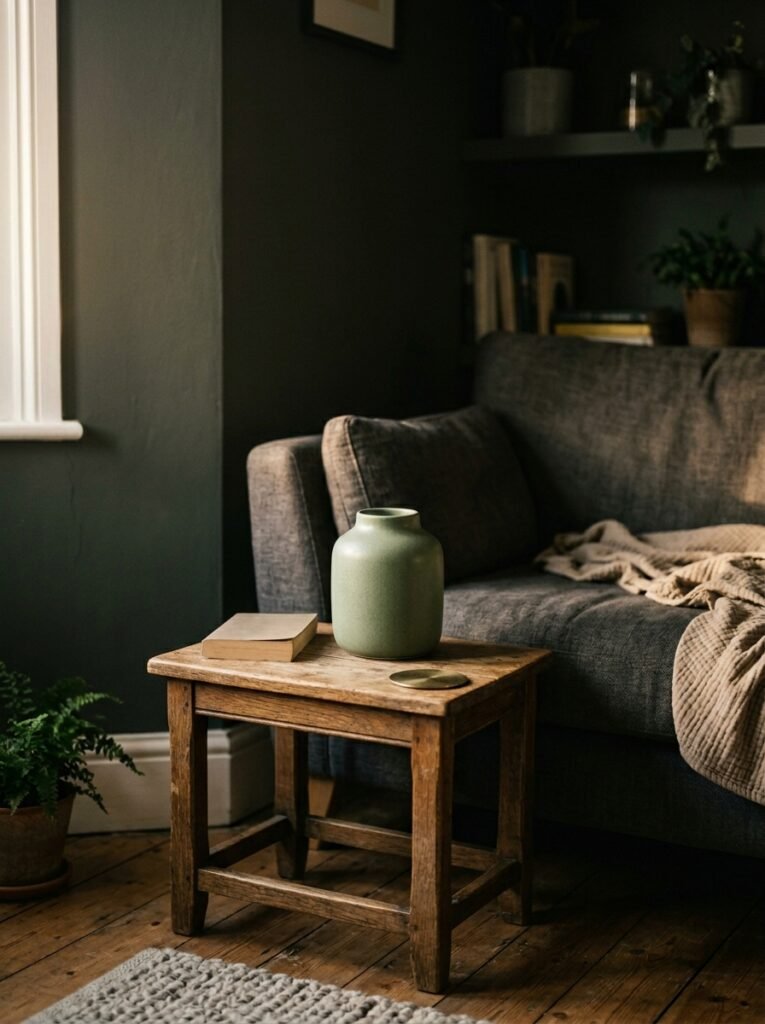
Pick a lead color. One. Not a color family — an actual specific shade — and let everything else serve it.
In a green living room, this means the green is making all the decisions. Your sofa, your rug, your throws, your art, your storage — they’re all in conversation with that green. Some colors will complement it. Some will contrast it intentionally. But nothing competes with it for attention.
This sounds restrictive but it’s the opposite. When you have a clear lead color, every purchasing decision becomes easier. You stop second-guessing. You stop buying things you like in isolation that don’t work together in a room. You start seeing your small living room as a coherent space rather than a collection of separate items.
The green doesn’t have to be on the walls. It can be a large sofa in a deep olive velvet. It can be a statement armchair in a mossy bouclé. It can be painted furniture — a bookcase, a coffee table, a sideboard. As long as one element is carrying the color confidently, the rest of the room has something to anchor to.
—
6. The Shades That Work Hardest in North-Facing Rooms (Both US and UK Homes)
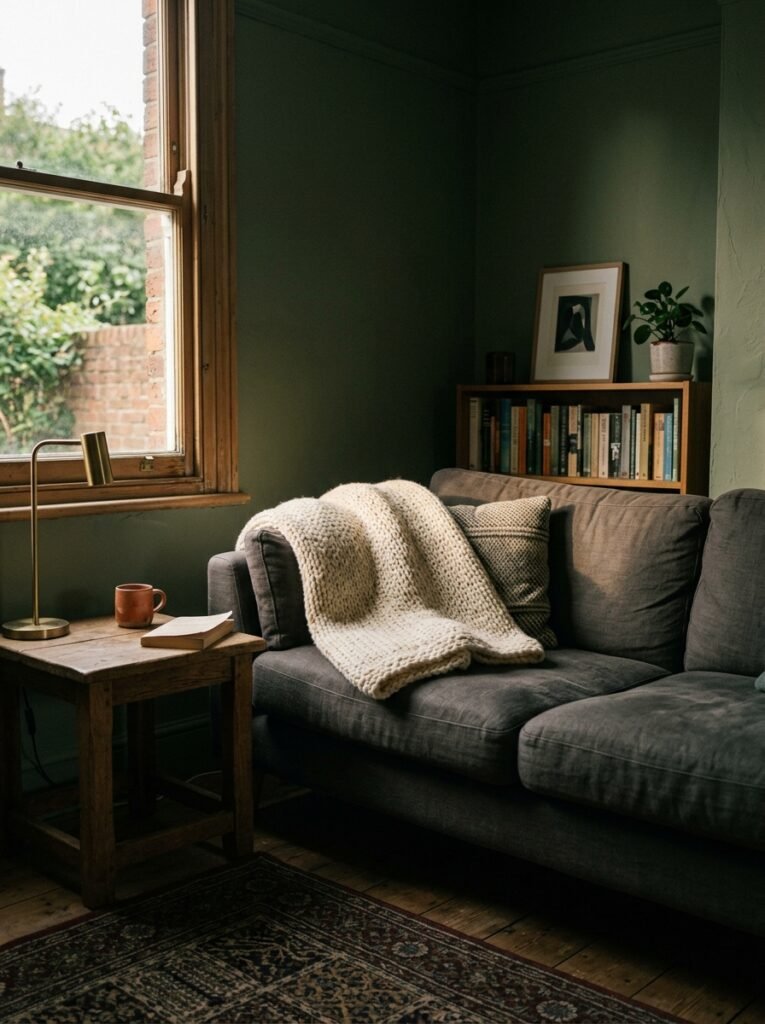
North-facing rooms in the UK get cold, blueish light for most of the year. In US homes, north-facing rooms have the same issue — flatter light, less warmth, more shadow. This matters enormously for green.
Cool-toned greens — those with blue or grey undertones — can read flat, even slightly gloomy in a north-facing room. What you want instead is a green with a little warmth built into it. Yellowy greens like sage, olive, or avocado work well because they’re already borrowing warmth from the yellow side of the spectrum. They hold their own against grey light in a way that cooler greens don’t.
Farrow & Ball’s Mizzle and Calke Green are both excellent in low-light rooms. Sherwin-Williams’ Shade-Grown and Pewter Green are worth testing in American apartments. All of them have enough yellow or warm-grey in their base to stay alive when the sky outside is doing nothing interesting.
Pair these with warm-toned artificial lighting — tungsten or warm LED, never cool-white — and your north-facing small living room will feel like the coziest corner of the house.
—
7. How to Bring Green In Without Touching a Single Wall
Maybe you’re renting. Maybe the walls are off-limits. Maybe you’ve just moved in and you’re not ready to commit.
None of that means you can’t have a green living room.
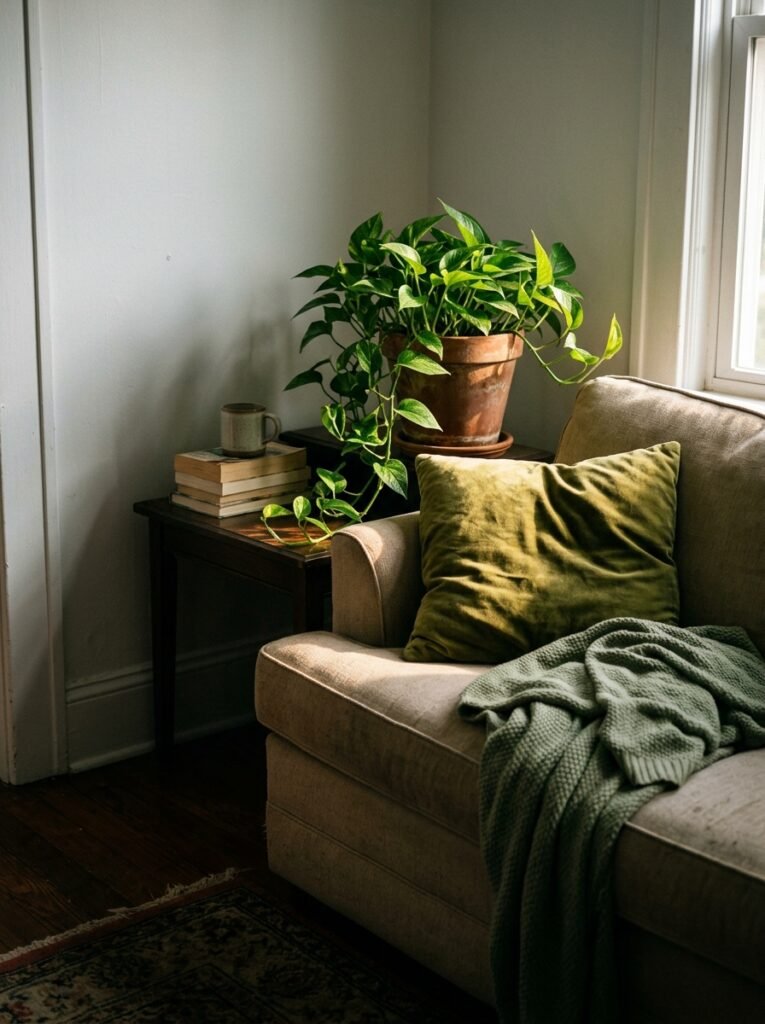
A large sofa in sage, hunter green, or olive velvet is the single most impactful move you can make. It takes up visual and physical space in the room, and when it’s green, it becomes the anchor. Everything else arranges itself around it. IKEA’s Söderhamn in a green fabric, or a mid-century style sofa from Made or West Elm in a deep sage — either of these will completely reorient a room around a green color story.
From there, layer in. Cushions in complementary tones — warm white, rust, mustard, deep brown. A large area rug in olive or sage. Curtains in a soft botanical print that carries green throughout without being loud. Add actual plants — Swiss cheese plants, trailing pothos, a big fiddle-leaf fig if you have the light for it. The room starts speaking a language, and that language is green.
“You don’t need permission from the landlord to have a beautiful space.”
—
8. Greens That Work With White, Cream, and Off-White (And Which Ones Clash)
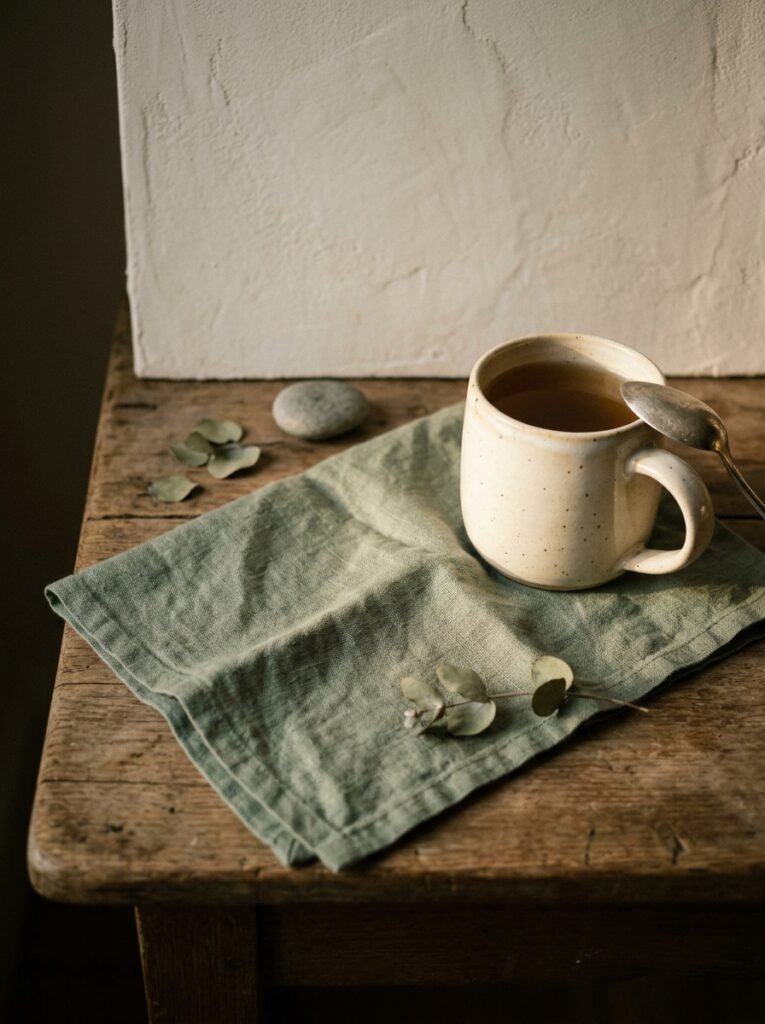
White walls are the default of most rental apartments on both sides of the Atlantic. The question isn’t whether white and green work together — they do — it’s about which greens.
Bright, highly saturated greens against pure white can feel a bit sporty, a bit graphic. Think of a football pitch. Not bad, but probably not what you’re going for in a cozy living room. If your walls are bright white and you want green accents, go for deeper, earthier greens: forest, hunter, bottle, or a warm olive. These create contrast that feels sophisticated rather than sporty.
Cream and off-white walls are easier partners. They have warmth in them already, and almost any green reads beautifully against that warmth. A sage sofa against cream walls. A deep green bookcase against an off-white wall. Even a mint-toned piece can work if the cream is warm enough.
The real clash to watch for: any green with a strong yellow undertone against a very blue-white wall. The two undertones fight. If your walls are cool, choose cooler greens. If they’re warm, choose warmer ones. It’s as simple as that, once you see it.
—
9. The Small Living Room Layout That Makes Green Feel Like Architecture
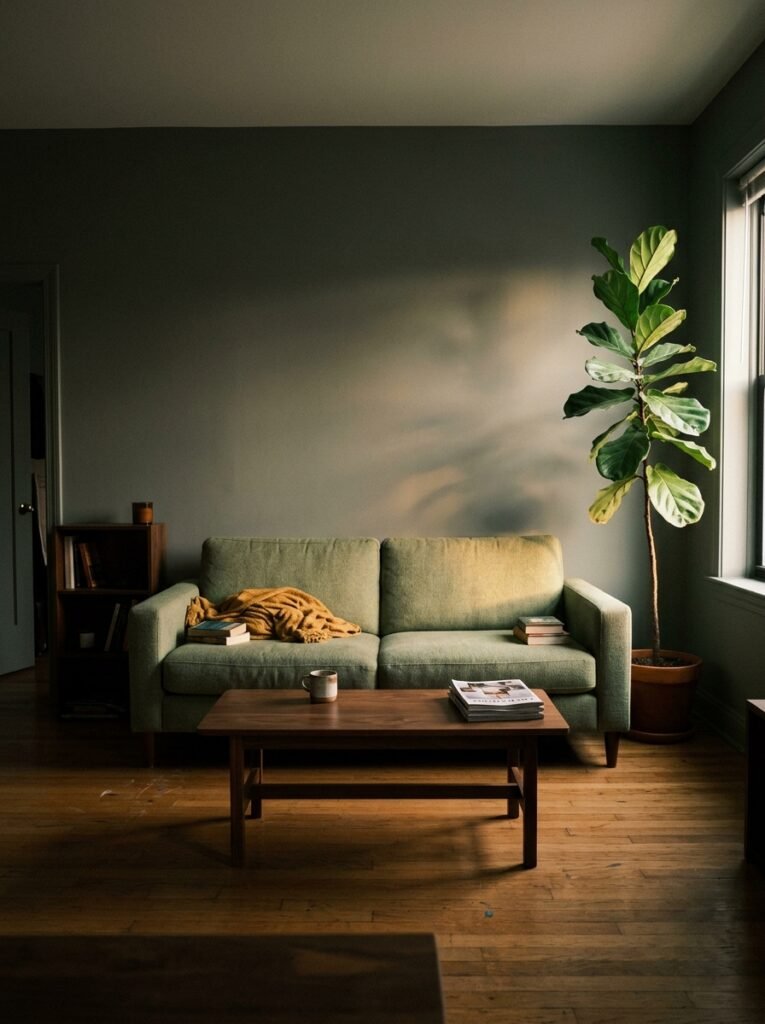
In a small living room, the positioning of your colored elements matters as much as the colors themselves.
Here’s what tends to work: place your largest piece of green furniture — sofa, armchair — on the wall that faces the room’s main light source. That way the color is being lit directly and you’re seeing it at its best. Put your lighter, neutral pieces on the darker sides of the room to bounce light back in.
If you’re painting, consider the single-accent-wall approach that design culture has tried to kill off repeatedly but that genuinely works when done right. Not an arbitrary wall — always the wall your eye lands on first when you enter the room. In most small apartment living rooms, that’s the wall opposite the door. A deep forest green on that wall, with white or light neutral on the others, creates the illusion of distance. The room looks longer than it is.
Low furniture helps enormously in small rooms. Sofas with visible legs, coffee tables that skim the floor rather than block sight lines, open shelving rather than closed cabinets. The more of the floor you can see, the larger the room feels. Green furniture with legs reads lighter than green furniture that sits directly on the floor.
—
10. Styling a Green Room for Pinterest Without It Looking Staged
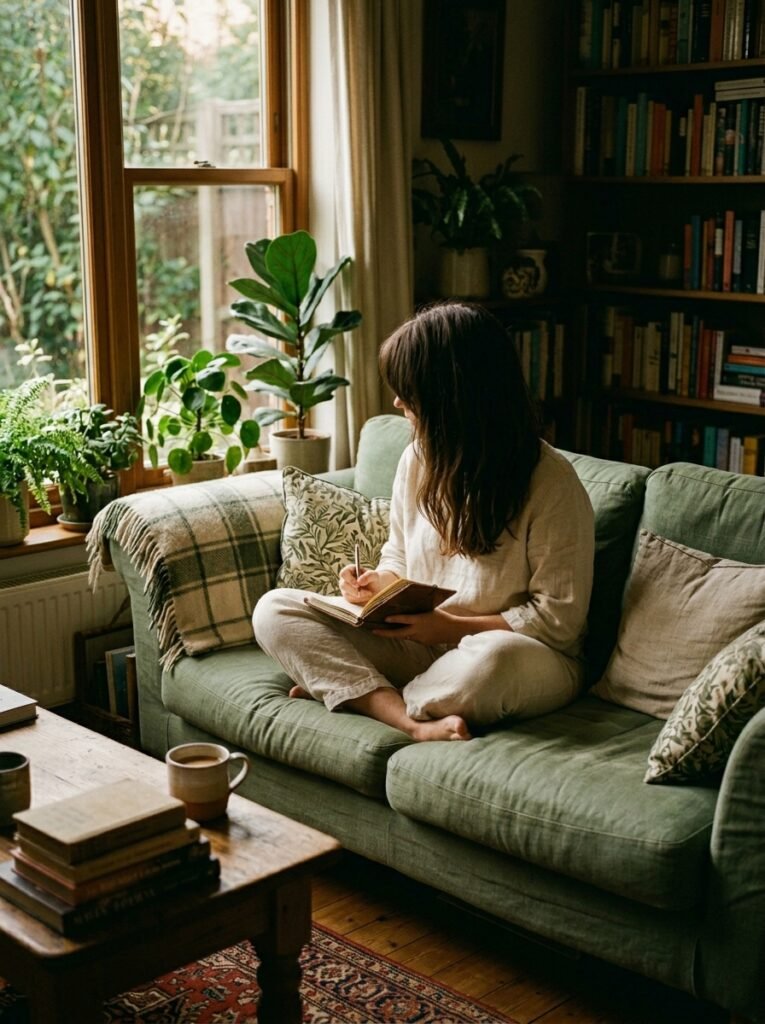
There’s a version of the styled green room that looks stunning in photos and feels deeply uncomfortable to actually sit in. You know the one. Everything is placed just so, there are seventeen perfectly arranged objects on the coffee table, and the throw is folded in a way that no throw has ever actually been folded outside of a catalog shoot.
The green rooms that go truly viral — the ones people actually save and return to — feel lived in. There’s a candle that’s been burned. A book left open. A cup of tea cooling on the side table. Real plants with real soil visible in their pots.
To get this feeling intentionally: introduce controlled imperfection. Let the cushions look placed but not perfect. Have one plant that’s trailing longer than you planned and let it trail. Mix one thrifted piece with your new pieces. Layer two rugs if you need to — a natural jute base with a smaller green or terracotta printed rug on top. These layered textures are what read as warmth and personality rather than showroom.
—
11. The Textures That Make Green Feel Rich Instead of Flat
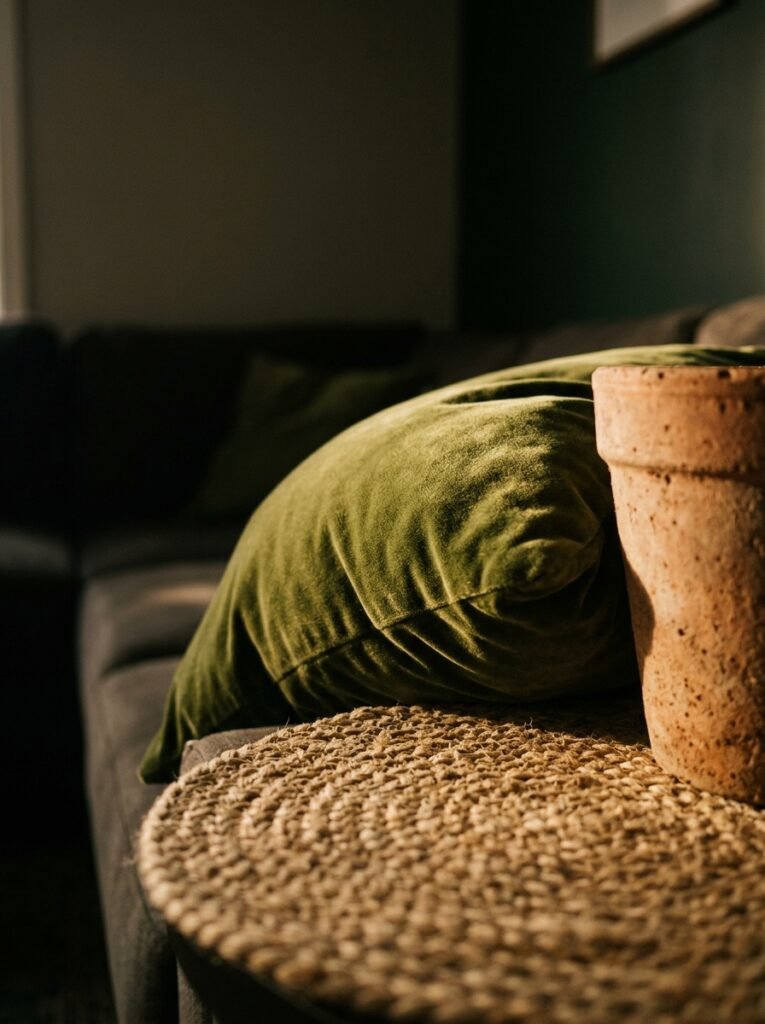
Color alone doesn’t make a room. Texture is what gives color weight and depth.
In a green living room, velvet is your best friend. A sage or forest green velvet sofa or armchair has a quality that flat-weave fabric doesn’t — it shifts slightly in the light, going darker and lighter as you look at it from different angles. It makes the color feel alive.
Linen and cotton bring a different quality: breathable, casual, honest. A linen cushion in sage next to a velvet cushion in the same shade looks intentionally layered. The same color, different surfaces. That’s interior design working quietly.
Add natural materials into the mix wherever you can. Rattan, cane, wood, stone, terracotta ceramic. These textures ground the green and stop the room from feeling like you bought everything from the same place at the same time. Greenery next to a rattan basket is very different from greenery next to a plastic bin. Same plant. Completely different feeling.
—
12. The Finishing Detail That Pulls Every Green Room Together
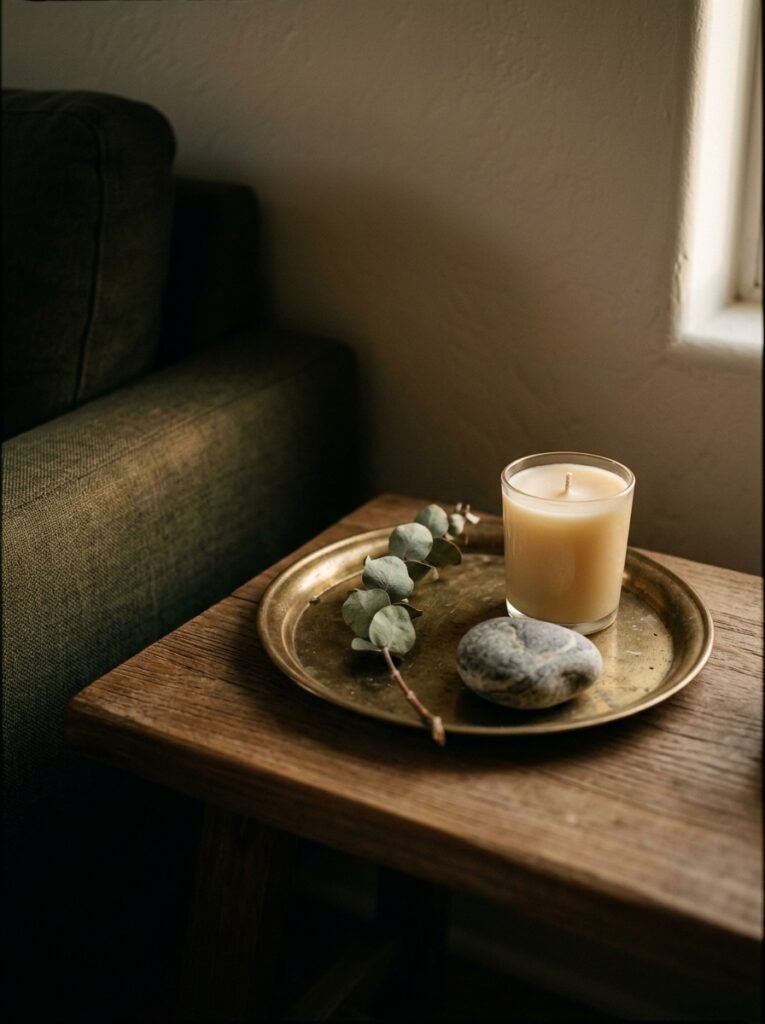
Brass.
Not gold, not chrome, not black (though black can work). Specifically brass — warm, slightly antiqued, the color of late afternoon light.
Brass handles on a painted green sideboard. A brass-based lamp in the corner. A brass picture frame around something botanical. Small brass planters on the shelf. It doesn’t have to be everywhere — just consistent enough that when you step back and look at the whole room, you notice the warmth threading through everything.
Brass against green reads somewhere between vintage and modern, which is exactly where most of us want our small living rooms to sit. Not a museum. Not a showroom. Something in between: personal, warm, and chosen with care.
In the UK, look at Anthropologie or Soho Home for brass accessory pieces. In the US, McGee & Co, West Elm, and even Target’s Studio McGee line all carry affordable brass pieces that punch well above their price point. You don’t need much. A few well-placed pieces of warm metal and suddenly the whole green room has cohesion.
—
🌿 Quick Tips
Get large paint samples — at least 12 inches square — and live with them for two days before committing to a green. The difference between morning and evening light will surprise you.
If you’re renting and can’t paint, a large green velvet sofa is the single biggest color impact you can make without touching a wall.
Pair green with brass hardware and terracotta accents rather than silver and grey — this keeps the room warm and stops it from reading cold.
In north-facing rooms, choose greens with yellow or warm-grey undertones (sage, olive, Mizzle) rather than blue-toned greens that will flatten in low light.
Mix textures deliberately — velvet, linen, rattan, ceramic — because texture is what makes a single color feel rich and layered rather than flat.
—
❓ FAQ
Q: Will dark green make my small living room feel even smaller? A: Not if you’re intentional about it. Keep the ceiling white or light, add a large mirror to bounce light, and choose a pale rug to anchor the space. Dark walls create depth rather than closeness when they have light elements working alongside them.
Q: What colors go best with sage green in a small living room? A: Warm neutrals — cream, off-white, linen — are your foundation. From there, terracotta, rust, warm mustard, and deep brown all sit beautifully alongside sage. Brass metal tones tie everything together. Avoid cool greys or bright whites, which can make sage look flat or slightly muddy.
Q: Can I mix different shades of green in a small living room? A: Yes, but keep them in the same family of undertones. A warm sage and a warm olive work together because they share yellow-earthy undertones. Mixing a warm olive with a cool blue-green will look unsettled. Tone harmony matters more than shade matching.
—
💭 Final Thought
A small living room isn’t a limitation — it’s a canvas that just requires more intention. Green, in all its forms, has this particular ability to make a compact space feel curated rather than cramped, full of personality rather than just full. The best green rooms aren’t the biggest ones.
What shade of green do you think you’d be brave enough to try first?