The Home Interior Styles That Will Make You Fall in Love With Your Space All Over Again
There’s a moment — you’ve probably felt it — when you walk into someone’s home and something just clicks. The air feels different. The light lands a certain way. You don’t want to leave. That feeling isn’t accidental. It’s the result of an intentional interior style, quietly doing its work.
—
Table Of Content
1. Why Your Home’s Style Is More Than Just Decoration
Most people think interior design is about choosing a pretty sofa or picking the right shade of white for the walls. But here’s what seasoned decorators know that the rest of us are still learning: your home’s interior style is actually a language. It communicates who you are before you speak a single word to a guest. It tells the story of what you value — warmth, minimalism, history, creativity — through every texture, color, and curve in the room.
When your space doesn’t reflect who you are, something feels off. You can’t quite put your finger on it, but the room feels like a rental, not a home. The moment you discover a design style that resonates with your soul — and lean into it intentionally — everything shifts. The furniture stops being furniture and starts being yours.
“Your home is the one place in the world that should feel entirely, unapologetically like you.”
This is why understanding different home interior styles isn’t just an aesthetic exercise. It’s an act of self-discovery. And once you find your style — or the beautiful blend of two or three — you’ll approach every decorating decision with confidence instead of confusion.
2. Modern Style: The Beauty of Purposeful Restraint
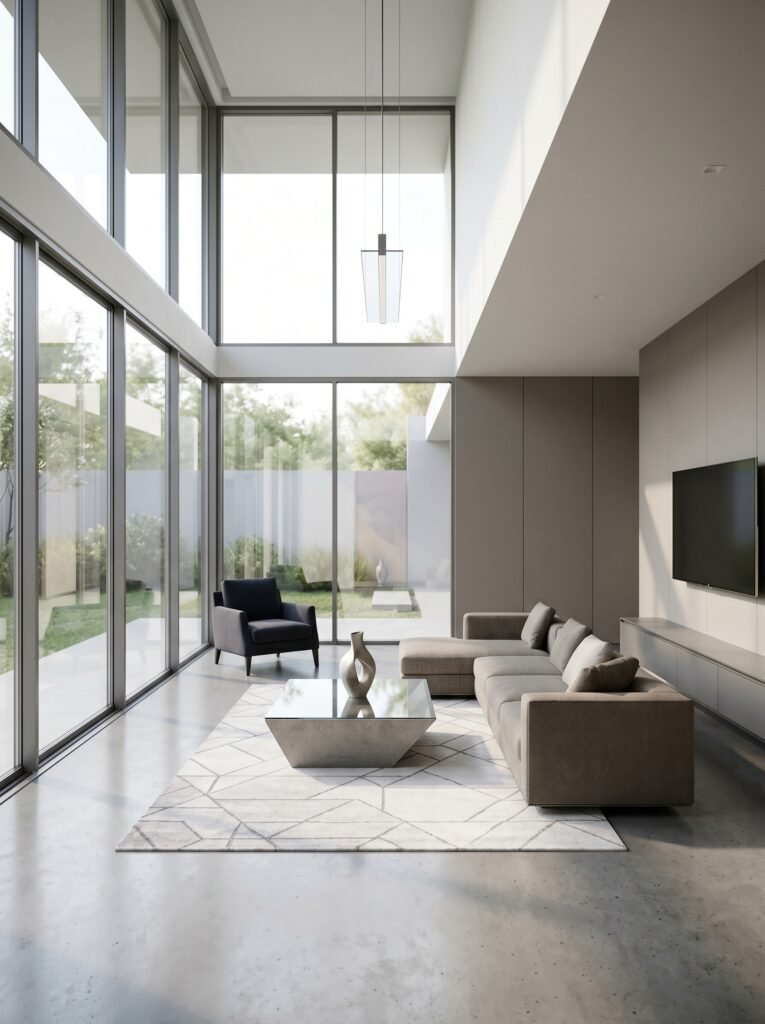
Modern interior design is often misunderstood as cold or sterile. But spend a real afternoon inside a well-executed modern home and you’ll feel something completely different — a profound sense of calm. That calm comes from purposeful restraint. In a modern interior, everything present has earned its place. Nothing is arbitrary. Nothing is cluttered.
The defining characteristics of modern style are clean lines, a neutral color palette anchored by bold accents, and an almost reverent relationship with natural light. Think floor-to-ceiling windows, open floor plans, and furniture with strong geometric silhouettes. Materials like glass, steel, concrete, and polished wood appear often — not because they’re trendy, but because they’re honest. They don’t pretend to be something they’re not.
What makes modern design emotionally resonant is the breathing room it creates. In a world that constantly bombards us with stimulation, a modern interior offers a visual exhale. It’s the design equivalent of sitting quietly with a cup of coffee before the rest of the world wakes up.
3. Scandinavian Style: Coziness Elevated to an Art Form
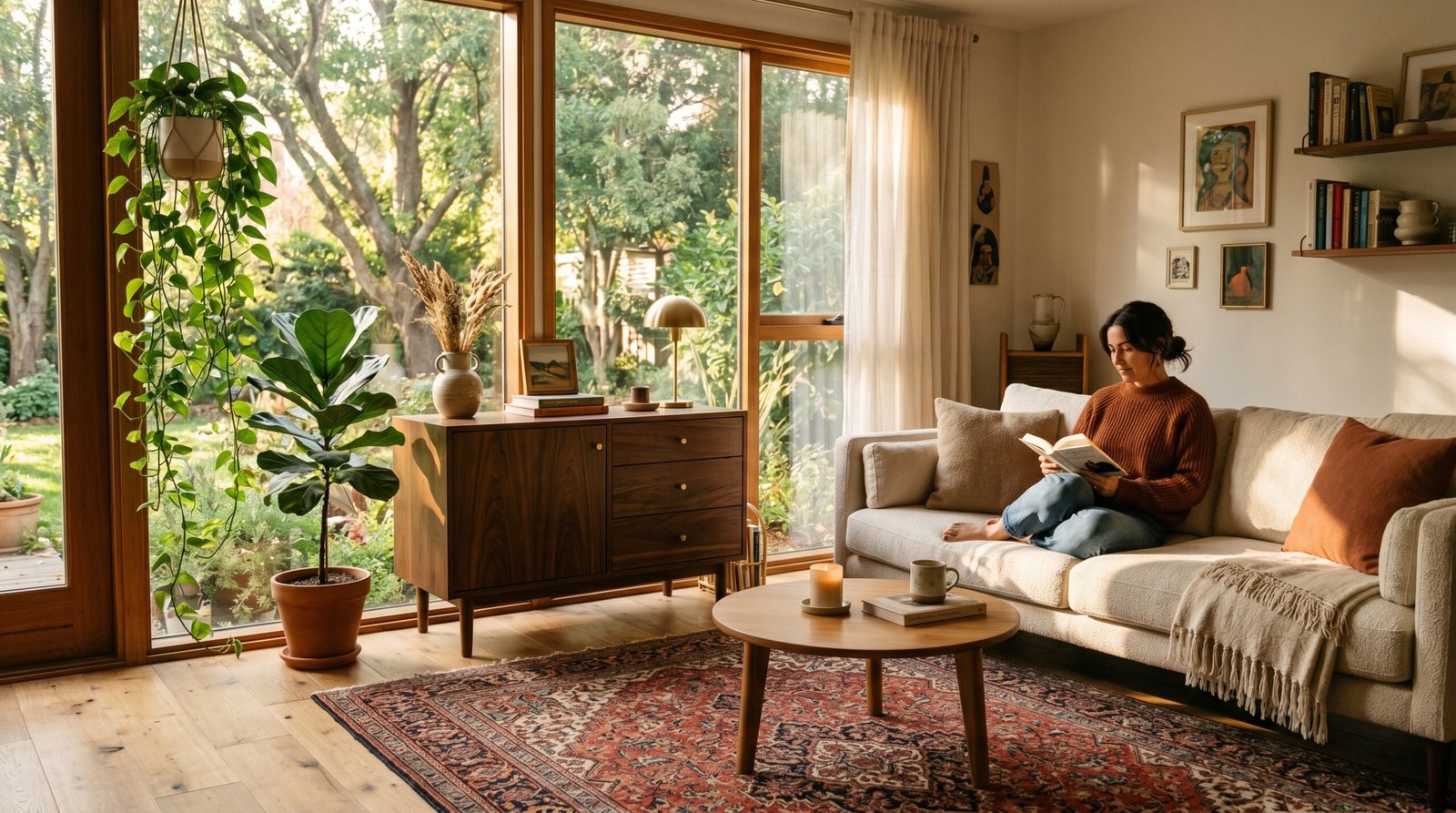
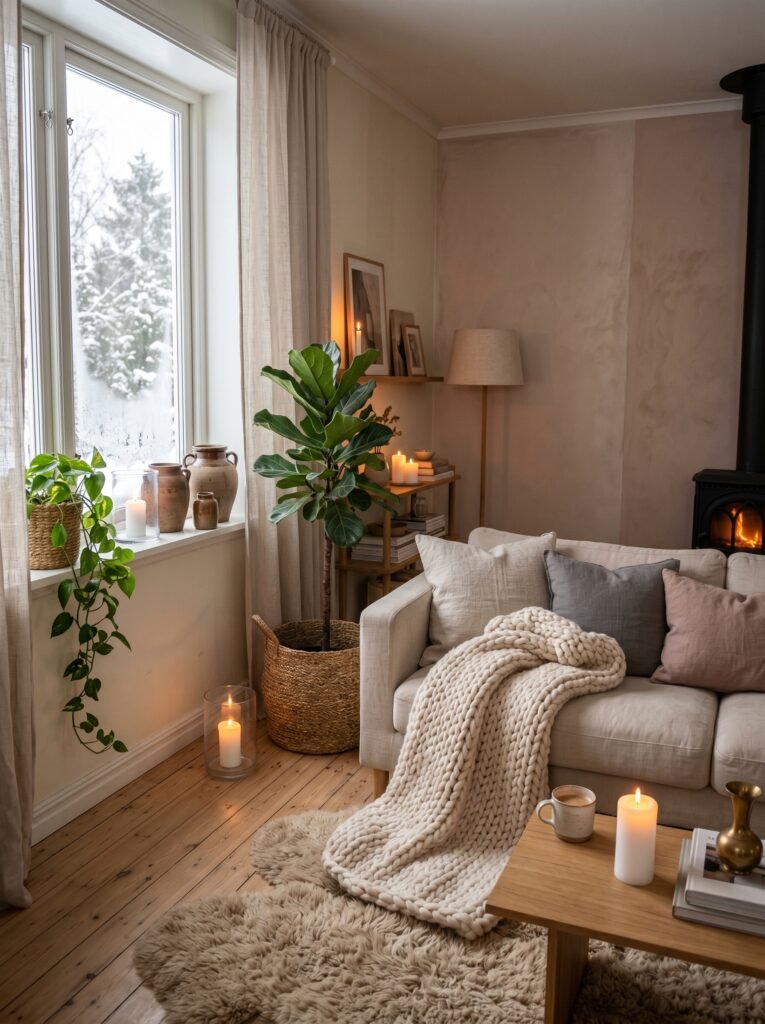
If modern design is the deep breath, Scandinavian design is the warm blanket that wraps around your shoulders afterward. Rooted in the Nordic concept of hygge — the Danish art of creating cozy, convivial spaces — Scandinavian interiors have captured hearts across the globe, and for very good reason.
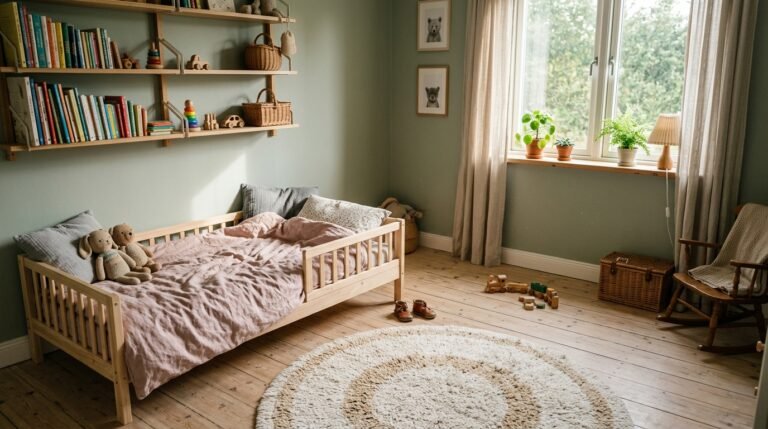
The Scandinavian palette is characteristically soft: cream, warm white, pale gray, muted sage, and dusty blush. But it’s never flat. Layered textures do the heavy lifting — a chunky knit throw draped over a linen sofa, a sheepskin rug on raw oak floors, ceramic vessels grouped on a windowsill. The warmth isn’t manufactured. It’s genuine.
Functionality lives at the heart of this style, too. Scandinavian design emerged from cultures where long, dark winters meant that homes had to work hard — psychologically and practically. Every piece of furniture serves a purpose. Storage is clever and often invisible. And plants — particularly trailing pothos, tall fiddle-leaf figs, and clusters of succulents — bring life and oxygen into spaces that might otherwise lose their vitality under grey winter skies.
4. Bohemian Style: Where Rules Go to Retire
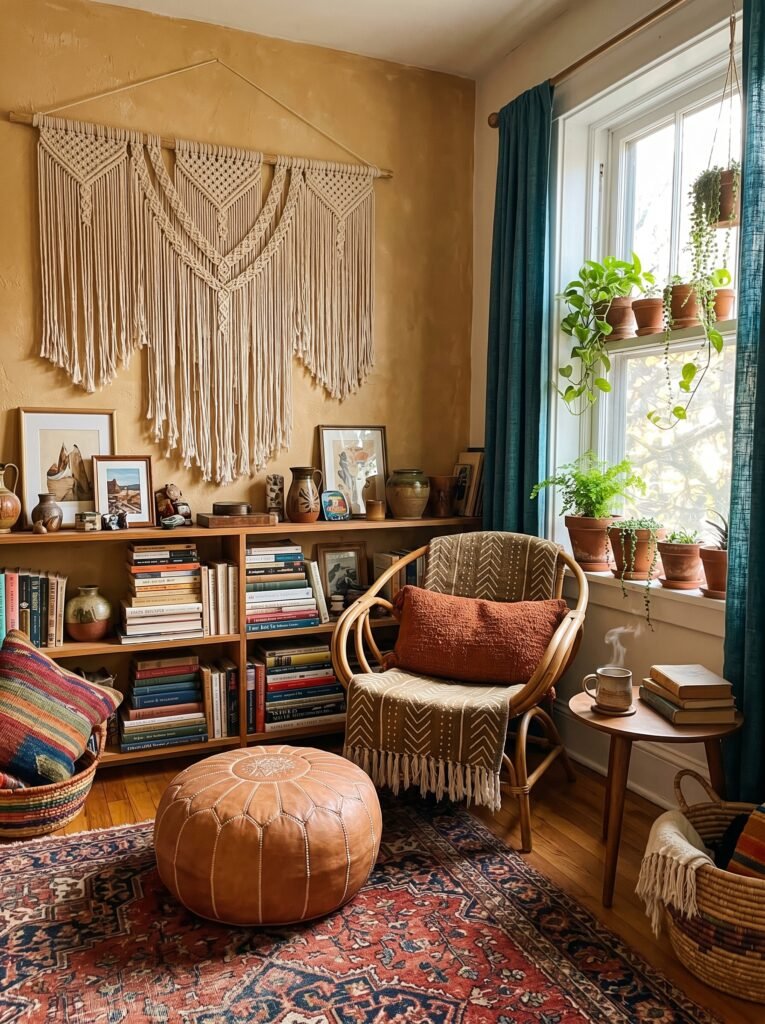
Walk into a beautifully styled bohemian home and you’ll immediately feel a kind of joyful liberation — the visual equivalent of kicking off your shoes and sinking into the grass. Boho interiors celebrate collected life. They are gloriously layered, pattern-rich, and deeply personal in a way that no magazine template could ever fully capture.
The magic of bohemian design is that it defies formula. A Persian rug beside a Moroccan pouf beside a mid-century rattan chair beside a macramé wall hanging shouldn’t work — and yet, in the hands of someone who decorates with instinct rather than instruction, it works magnificently. The cohesion comes from a warm, earthy color palette (terracotta, ochre, burnt sienna, deep teal) and a consistent love of texture and handmade craft.
Bohemian interiors feel deeply alive in a way that more polished styles sometimes don’t. They suggest a person who collects experiences, who travels, who has stories attached to every single object on their shelves. If your home is bohemian, it’s almost certainly full of books, plants, vintage finds, and memories — and that, quietly, is one of the most beautiful things a home can be.
5. Traditional Style: The Timeless Warmth of Heritage Design
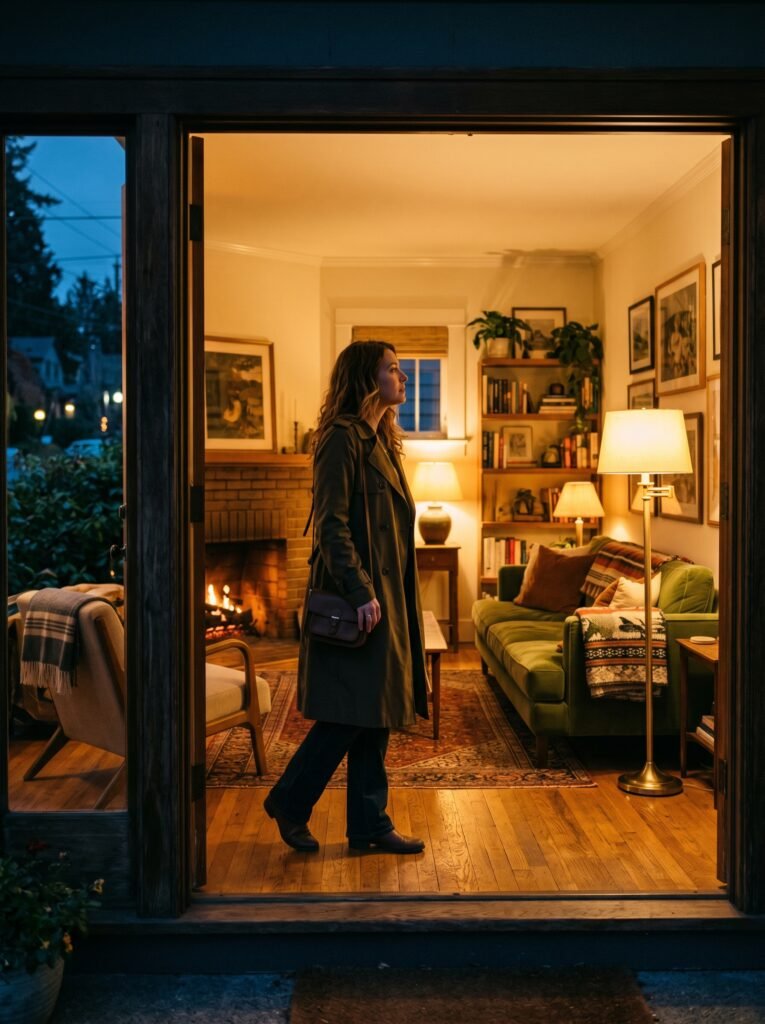
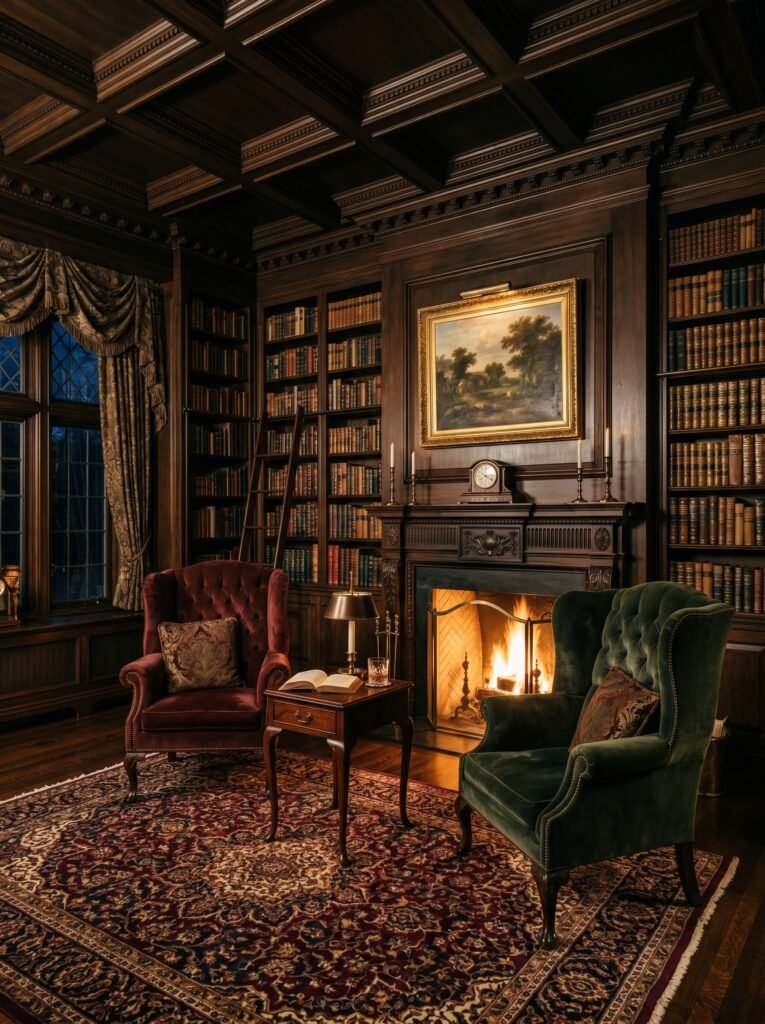
There is something deeply comforting about a traditional interior. Perhaps it’s the way it echoes the homes of grandparents — the tall wooden bookshelves lined with leather-bound volumes, the wingback chairs flanking a fireplace, the rich jewel-toned rugs anchoring furniture arrangements that have been perfected over generations. Traditional style is not old-fashioned. It is enduring.
Defined by symmetry, architectural detail, and rich materials, traditional interiors prize craftsmanship above trends. Crown molding, wainscoting, coffered ceilings, and built-in cabinetry are beloved hallmarks of this style. Upholstery tends toward silk, velvet, or brocade in deep, saturated colors — navy, burgundy, forest green, chocolate brown. Furniture is solid and substantial — pieces you could pass down to your grandchildren.
“Traditional style doesn’t resist time — it simply refuses to be rushed by it.”
The emotional effect of a well-decorated traditional home is one of stability and rootedness. It feels like somewhere that has always existed and always will. In an era of disposable furniture and ever-shifting trends, there is something quietly radical about choosing permanence.
6. Industrial Style: The Romance of Raw Materials
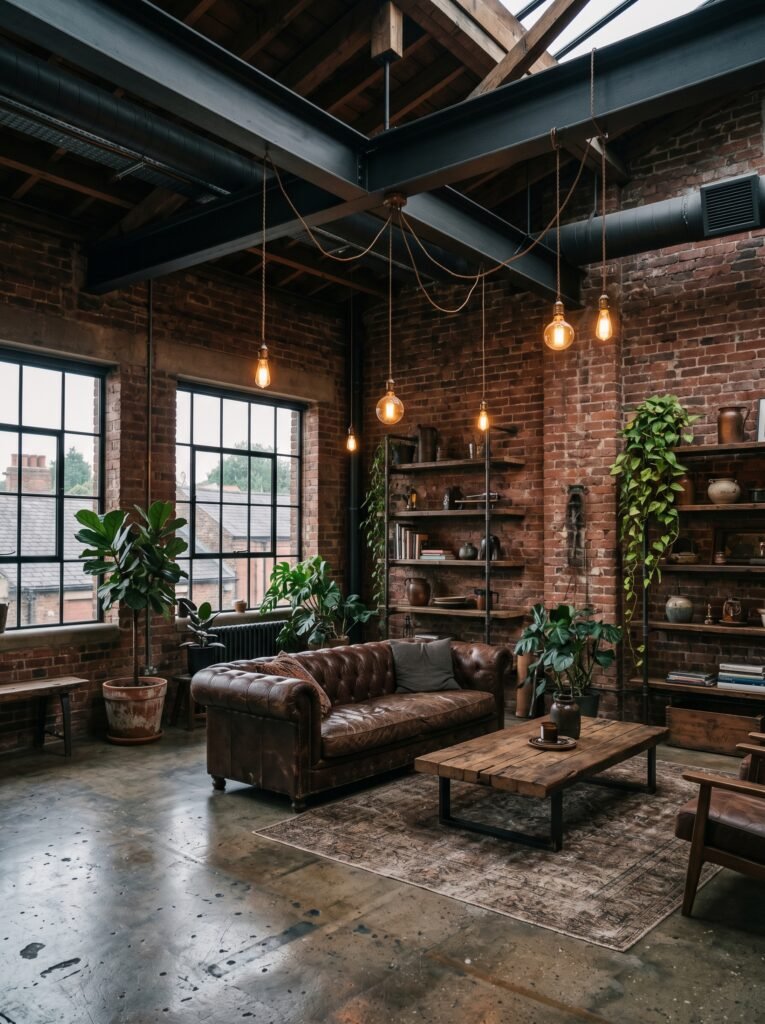
Industrial design shouldn’t work as a home aesthetic — and yet it does, beautifully, in the right hands. Born from the conversion of old factories and warehouses into urban lofts, industrial interiors celebrate the bones of a building rather than hiding them. Exposed brick, steel beams, concrete floors, ductwork left visible — these aren’t flaws to be concealed but features to be celebrated.
The palette is deliberately edgy: charcoal, slate, warm graphite, aged bronze, and rust. But industrial spaces avoid feeling bleak through the strategic introduction of warmth — reclaimed wood shelving, leather sofas, Edison bulb pendants that cast a honeyed glow, and indoor plants that soften the hard edges.
What draws people to industrial style is often an appreciation for authenticity. Nothing in an industrial interior is pretending. The walls show their structure. The metal shows its age. The wood shows its grain. It’s design for people who believe that imperfection is not something to fix — it’s something to feature.
7. Farmhouse Style: The Comfort of Something Handmade
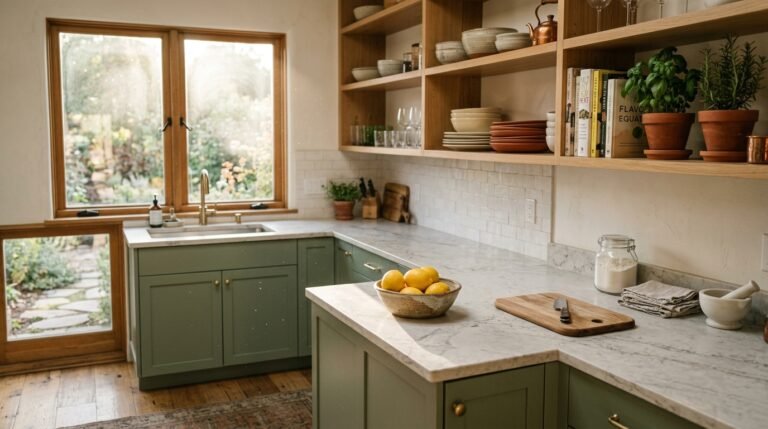
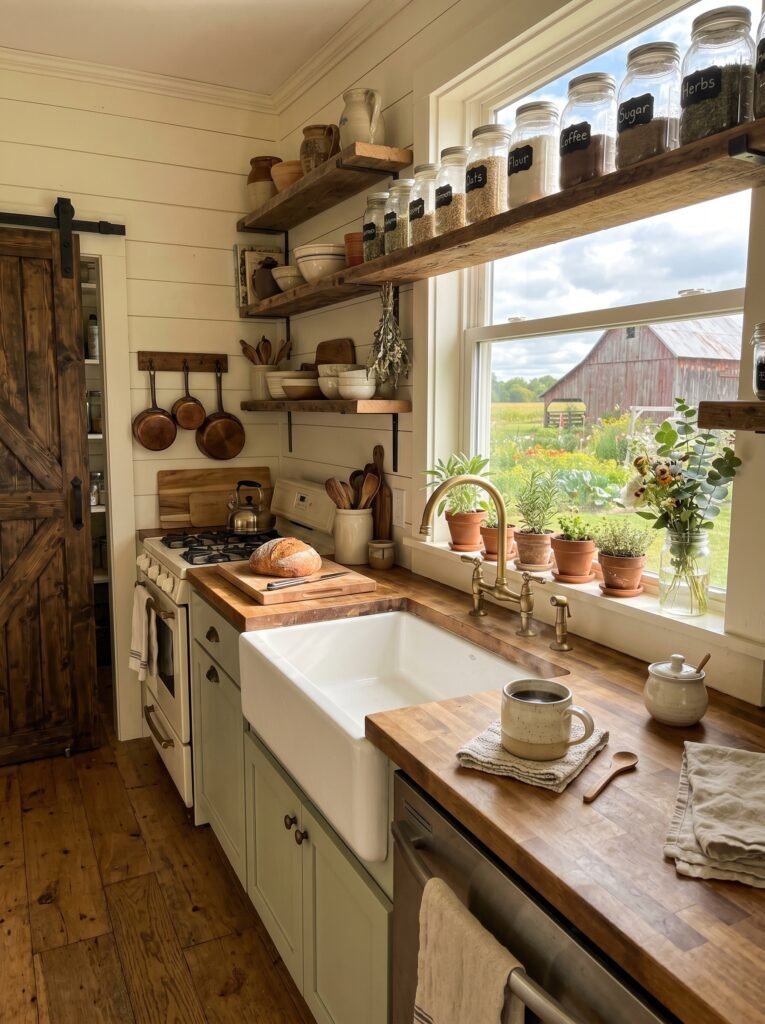
Imagine waking up on a Saturday morning to the smell of coffee brewing in a kitchen with shiplap walls, open wooden shelves lined with mason jars, and morning light pouring through a farmhouse sink window onto a worn butcher block counter. That image — that specific, sensory, Saturday-morning image — is why farmhouse style has become one of the most loved interior aesthetics of the last decade.
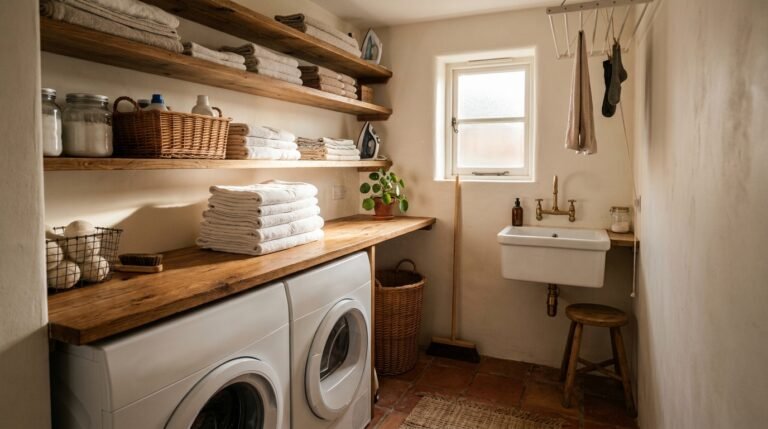
Farmhouse design draws from the honest practicality of rural American homes: natural materials, handmade objects, functional kitchens, comfortable furniture that can survive a busy household. Shiplap, barn doors, galvanized metal accents, cotton slipcovers, and white-painted furniture are all signature elements. The palette stays close to nature — creamy whites, soft grays, warm taupes, occasional pops of sage or navy.
What farmhouse style really sells isn’t aesthetics — it’s a lifestyle. It whispers of homemade bread, front porch swings, and Sunday dinners that last for hours. Even in a city apartment, a farmhouse-styled interior can create that same sense of welcome and unhurried warmth. It’s design that feels like a hug.
8. Mid-Century Modern: The Style That Never Really Left
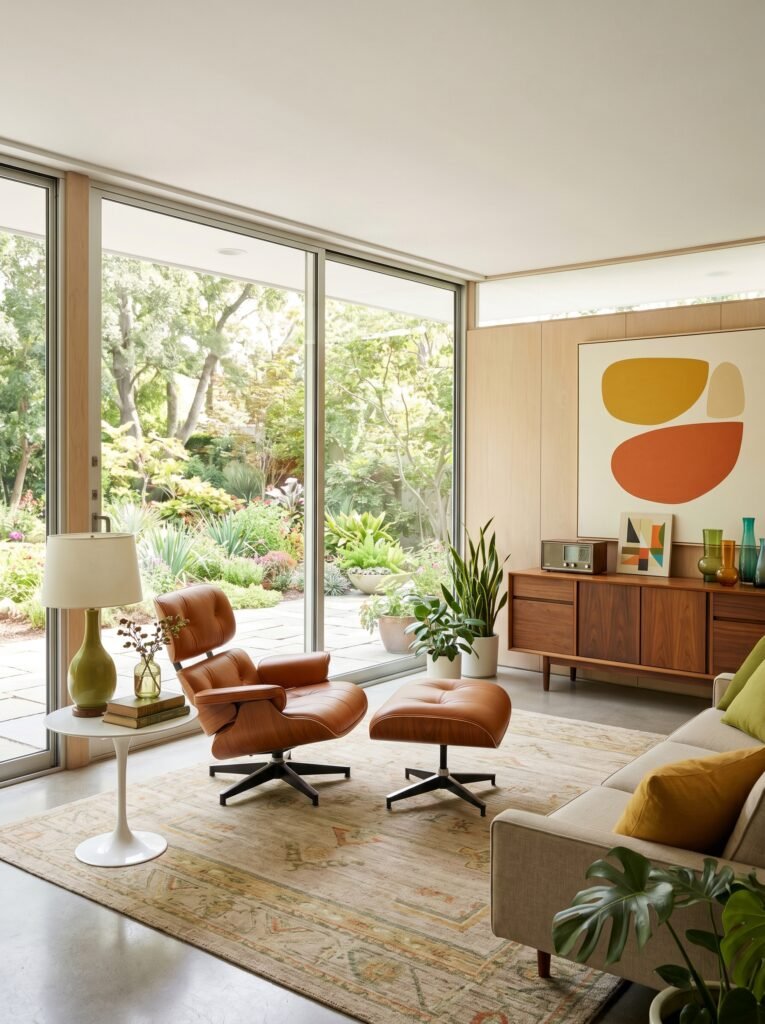
Mid-century modern design — born in the postwar optimism of the 1950s and 1960s — is arguably the most enduring style movement of the 20th century. And it shows absolutely no sign of fading. There’s a reason those tapered-leg sofas and tulip chairs keep reappearing in interior design magazines: they are, quite simply, brilliant.
The defining characteristics include organic shapes, low-profile furniture, a seamless relationship between indoors and outdoors, and a palette that mingles warm neutrals with avocado green, harvest gold, or burnt orange. The materials are honest and beautiful: molded plywood, fiberglass, teak, walnut, and leather. Mid-century furniture was designed to be both democratic and beautiful — made for real people to live with, not admire from a distance.
“Mid-century modern design reminds us that something made with real intention never goes out of style.”
Layering mid-century pieces into a contemporary home creates immediate visual interest and depth. A vintage Eames lounge chair in an otherwise minimal room says everything that needs to be said — about good taste, about appreciation for craftsmanship, and about the confidence to let one beautiful thing speak for itself.
9. Coastal Style: Bringing the Ocean Home
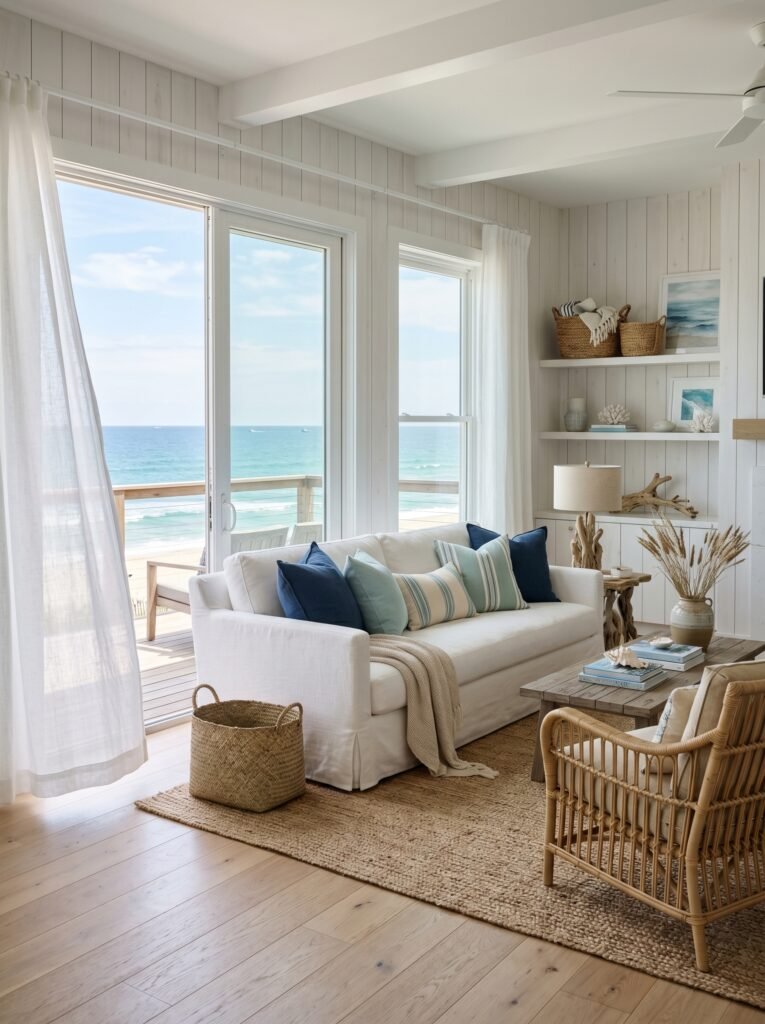
There’s a specific kind of peace that coastal interiors create — one that’s hard to manufacture and impossible to fake. It’s the sensation of salt air and open space, even when you’re landlocked in a city apartment a thousand miles from the nearest shoreline. Great coastal design transports you, and that is no small feat.
The palette of coastal interiors is drawn entirely from the sea: soft whites, sandy beige, driftwood gray, seafoam green, and every shade of blue from pale aqua to deep navy. Natural textures dominate — jute rugs, linen curtains, rattan furniture, whitewashed wood, and seagrass baskets. The goal isn’t to fill the room but to let it breathe — mimicking the wide-open feeling of being near water.
What’s beautiful about coastal style is its optimism. Every element of it points toward rest and renewal. It’s the interior equivalent of a long exhale — and in a world where we’re all carrying a great deal, that kind of peaceful environment isn’t a luxury. It’s a necessity.
10. Transitional Style: The Art of Balancing Two Worlds
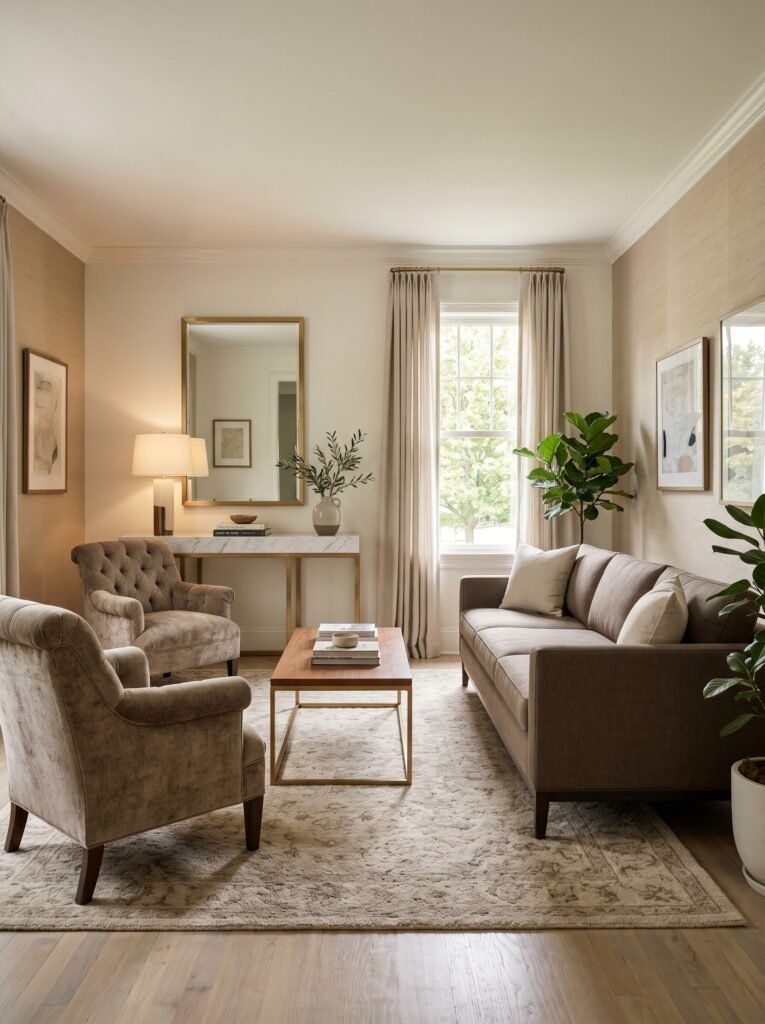
If you’ve ever stood in a furniture store, equally drawn to a sleek modern sofa and a tufted traditional one, and felt genuinely torn — congratulations. You might be a transitional design person, and that is a wonderful thing to be. Transitional style is the bridge between traditional warmth and modern clarity, and it produces some of the most livable, sophisticated interiors in existence.
Transitional interiors pair the clean lines of contemporary design with the warmth and comfort of traditional pieces. Furniture has restrained profiles but comfortable proportions. Palettes are neutral but layered with enough texture to prevent sterility. The result is a home that feels neither stuffy nor cold — a home that could belong to a range of personalities, age groups, and lifestyles without ever feeling generic.
For people who can never fully commit to one style — and there are many of us — transitional design is the honest answer. It says: I appreciate multiple things. I contain multitudes. And my home reflects that.
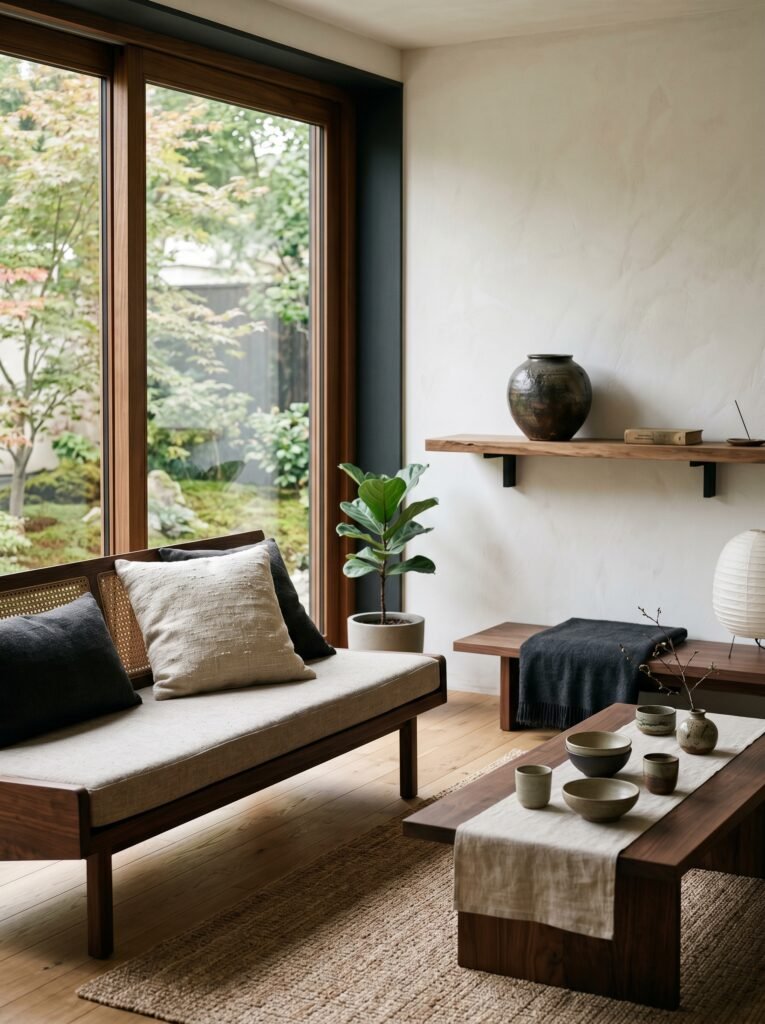
11. Japandi Style: Where East Meets West in Perfect Harmony
Japandi — the beautiful hybrid of Japanese and Scandinavian design sensibilities — has emerged in recent years as perhaps the most philosophically rich of all contemporary interior styles. And the more you understand it, the more it makes sense that these two design cultures found each other.
Both Japanese and Scandinavian design share a deep reverence for nature, a commitment to craftsmanship, a preference for restraint over excess, and a belief that beauty lives in simplicity. Together, they produce interiors of breathtaking serenity: low, grounded furniture; a palette of warm whites, earthy taupes, and deep charcoal; handmade ceramics; natural linen; and a profound absence of clutter.
The Japanese concept of wabi-sabi — the beauty of imperfection and impermanence — runs through Japandi interiors like a quiet current. A handthrown bowl that isn’t perfectly round. A linen cushion whose natural slubs catch the light. A wooden shelf where the grain tells a story. These “imperfections” aren’t mistakes. They’re the point.
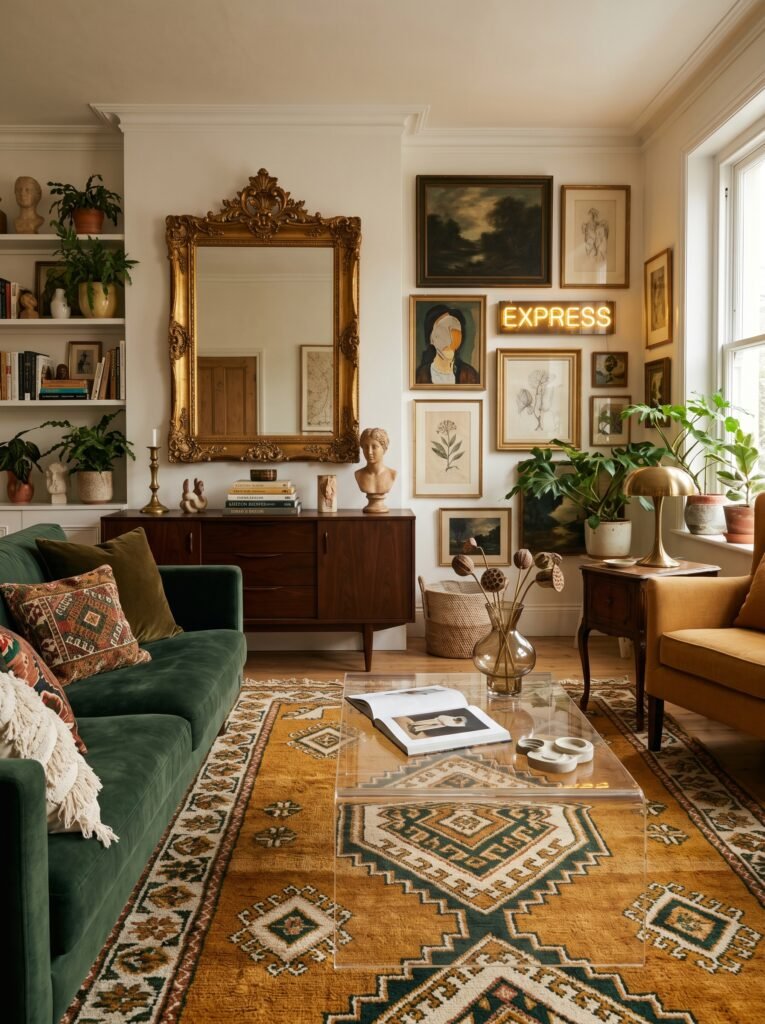
12. Eclectic Style: The Bravest and Most Personal Design Choice
Every interior style we’ve discussed has rules — and eclectic design is the one that cheerfully ignores all of them. But here’s the truth: eclectic interiors done well aren’t chaotic. They’re curated. The difference between a brilliantly eclectic room and a disorganized one is intention.
Successful eclectic design finds its cohesion through a consistent color palette, a repeating material, or a shared sense of visual scale. Within that framework, anything goes — a baroque mirror above a mid-century credenza, a Moroccan rug beneath a Lucite coffee table, a gallery wall that mixes oil paintings with neon signs. The result is a home that is utterly unique, completely personal, and endlessly interesting to spend time in.
Eclectic design requires courage. It asks you to trust your own taste rather than follow a template. But the homes that result from that trust are often the ones people remember long after they’ve left — the ones where you find yourself noticing something new in every corner, every visit.
—
🌿 How to Find and Commit to Your Home Interior Style
Discovering your interior design style is less about following trends and more about honest self-reflection. Here are five practical steps, offered with warmth rather than prescription, to help you get there.
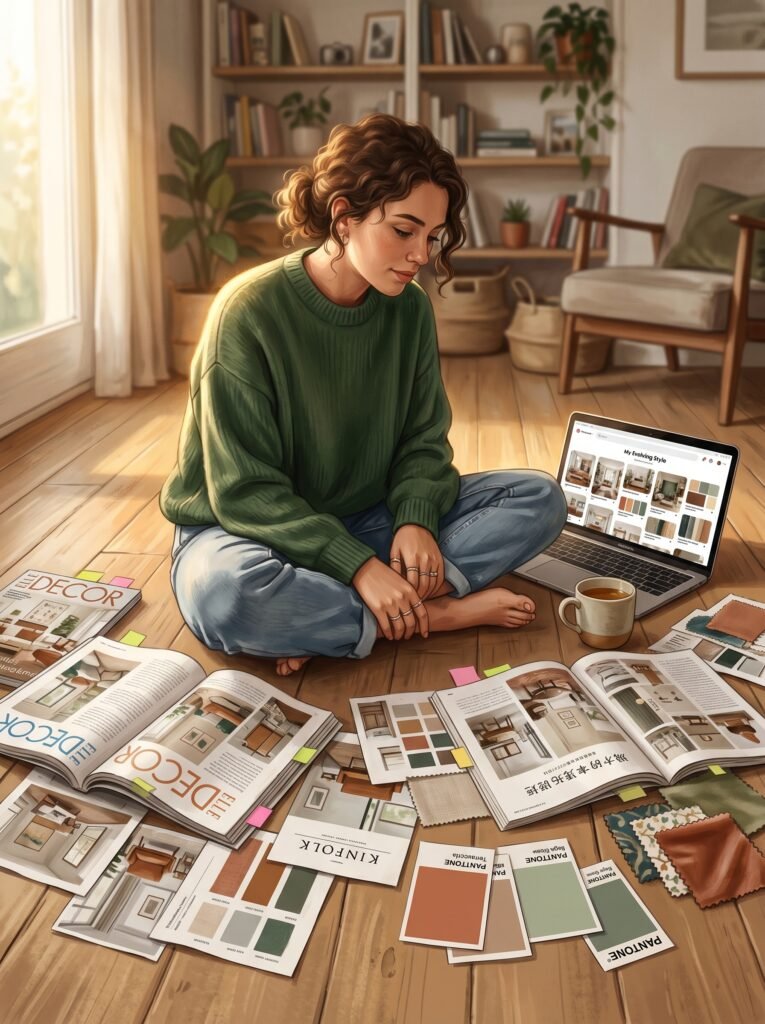
Start by collecting images purely on instinct — not with logic or practicality in mind, just emotional response. Whether you use Pinterest boards or a physical folder of magazine clippings, patterns will emerge quickly. The rooms you keep saving will reveal your design personality far more honestly than any quiz.
Next, identify the common threads across those images. Is it a particular color palette? A quality of light? A level of texture or minimalism? Once you name the pattern, you have the beginning of a design language to work from.
Then audit your existing space with fresh eyes. Walk through each room as if you’re a guest — note what feels right and what creates friction. Sometimes the biggest design breakthroughs come not from adding things, but from removing the pieces that don’t speak the same visual language as the rest of the room.
When in doubt, invest in one statement piece per room — a rug, a sofa, a piece of art — that clearly belongs to your chosen style. Build outward from that anchor. It’s far easier to make thoughtful decisions around a defining piece than to furnish an entire room from scratch all at once.
Finally, give yourself permission to evolve. Your style at 25 may not be your style at 45 — and that’s not inconsistency. That’s growth. The best homes are ones that honestly reflect who you are now, not who you thought you should be.
—
❓ FAQ
Q: How do I know which interior design style is right for me? A: The most reliable method is to pay attention to your gut reaction rather than your logical mind. Save images of rooms that make you feel something — calm, excited, at home — without analyzing why. After collecting 20 or 30 images, look for the patterns in what you’ve saved. The recurring elements — textures, colors, furniture profiles — will point you clearly toward your natural style preference.
Q: Can I mix more than one interior design style in my home? A: Absolutely — and most beautifully decorated homes do exactly this. The key is finding a thread of cohesion that runs through the mixed styles, whether that’s a consistent color palette, a shared material, or a unified level of formality. Transitional and eclectic styles are built entirely on this principle, and they produce some of the most interesting, livable interiors imaginable.
Q: Do I need a large budget to decorate in a specific interior style? A: Not at all. Many of the most compelling interior styles — bohemian, farmhouse, Scandinavian — actively celebrate found, vintage, and budget-conscious pieces. Thrift stores, estate sales, and online marketplaces are genuinely excellent sources for pieces that bring character and authenticity to a space. Style is not a function of spending power. It’s a function of intentionality and a good eye — both of which are entirely free.
—
💭 Final Thought
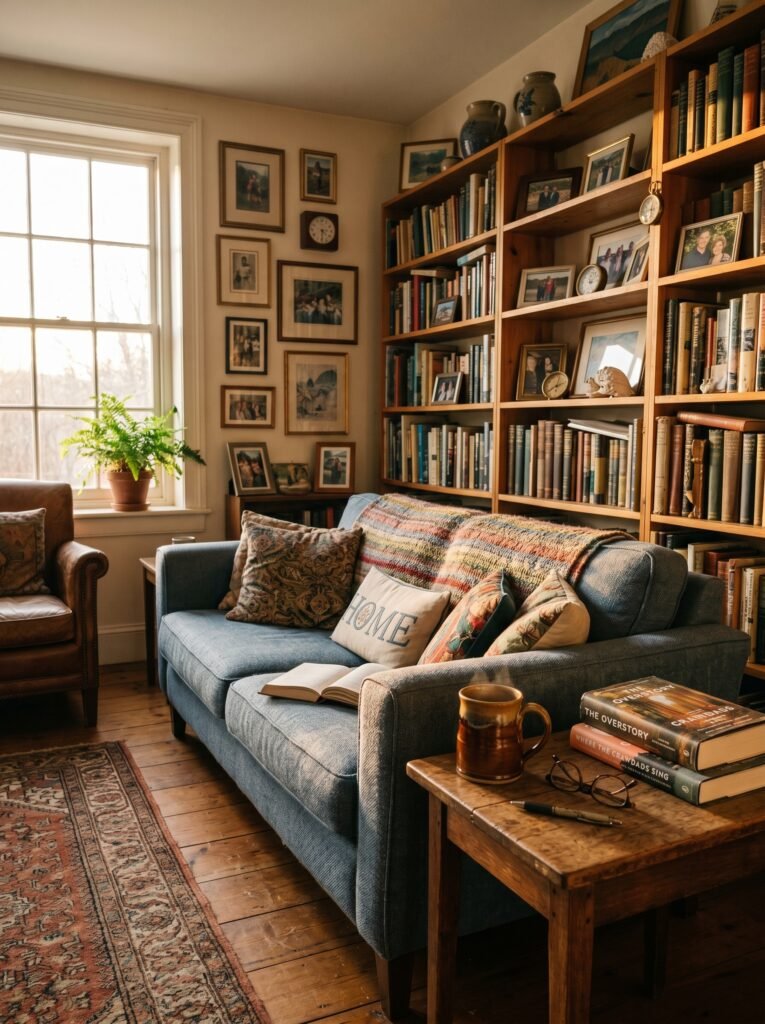
The home interior styles we’re drawn to are never purely aesthetic choices — they’re autobiographical ones. They tell the story of what we need, what we’ve experienced, and who we’re becoming. Whether you’re a minimalist who finds peace in empty space or a maximalist who believes more is always more, the most important thing is that your home feels genuinely like you — not like a showroom, not like a trend, but like the place in the world where you make most sense.
So here’s the question worth sitting with: if your home could tell your story without a single word, what would it say right now — and is that the story you want it to tell?