The Living Room Colors That Are Making People Rethink Everything They Thought They Knew About White Walls
You walk into someone’s living room and something just stops you. You can’t explain it immediately. Then you look at the walls and go — oh. That’s it.
Color does something to a room that no amount of furniture or lighting can fully replicate. And right now, the choices people are making? They’re bold. Unexpected. And honestly, kind of brilliant.
—
1. Why the “Safe Greige” Era Is Finally, Mercifully Over
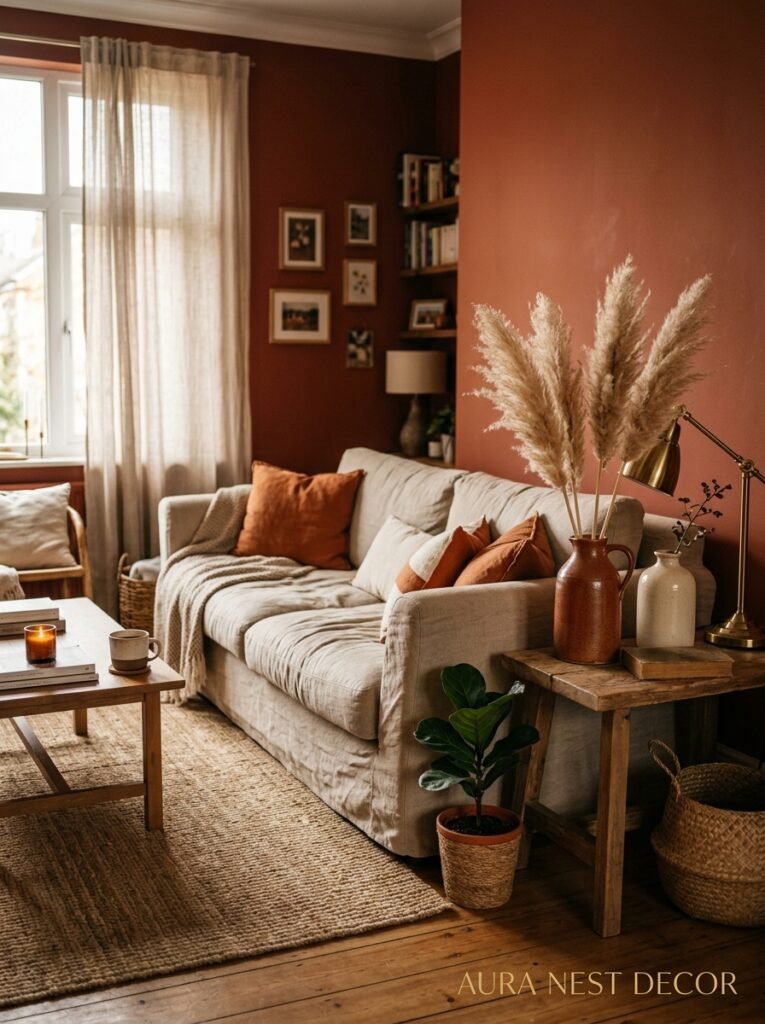
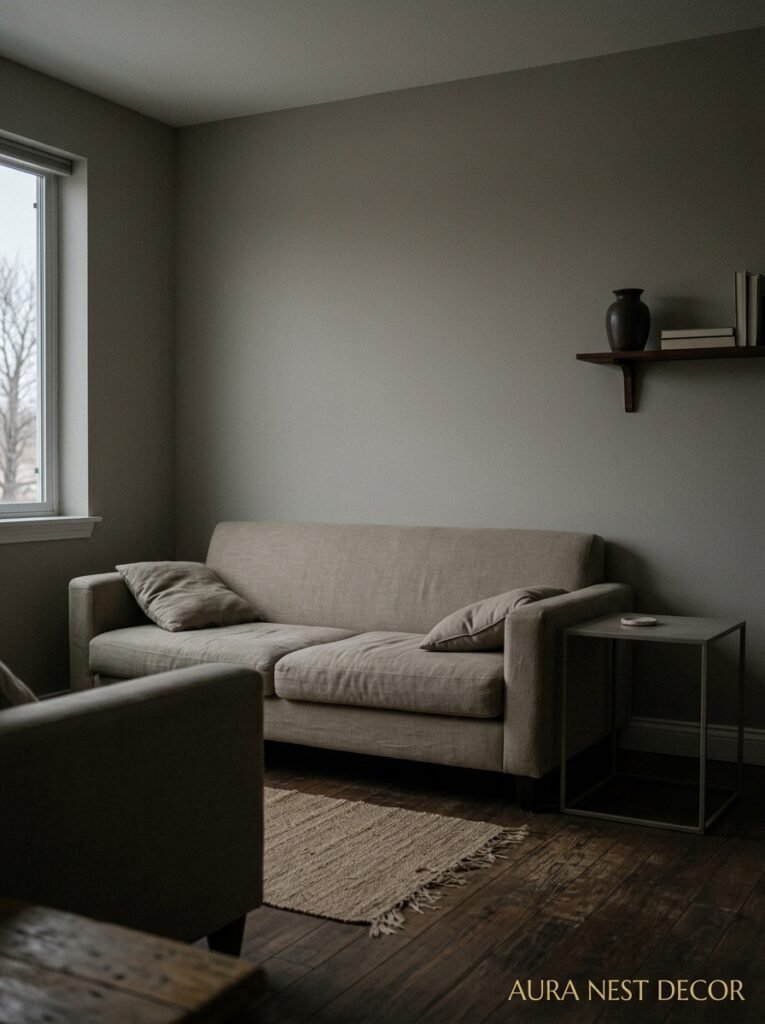
For about a decade, the answer to “what color should I paint my living room?” was basically always some variation of greige. Warm gray. Cool taupe. That one Benjamin Moore shade that every staging company used on every house they ever prepped for sale. And look — I’m not saying it was bad. It sold houses. It photographed well. It offended no one.
But here’s the thing: it inspired no one either.
There’s a shift happening right now, and it’s not subtle. People are coming out of a few years of spending a LOT of time at home, and they’ve collectively decided they don’t want to live inside a neutral fog anymore. They want their living room to feel like somewhere. Like a decision was made. Like a person with an actual point of view lives there.
And that energy? I’m here for it. The question is just — what are they choosing instead?
2. The Warm Terracotta Moment That Honestly Wasn’t Just a Trend
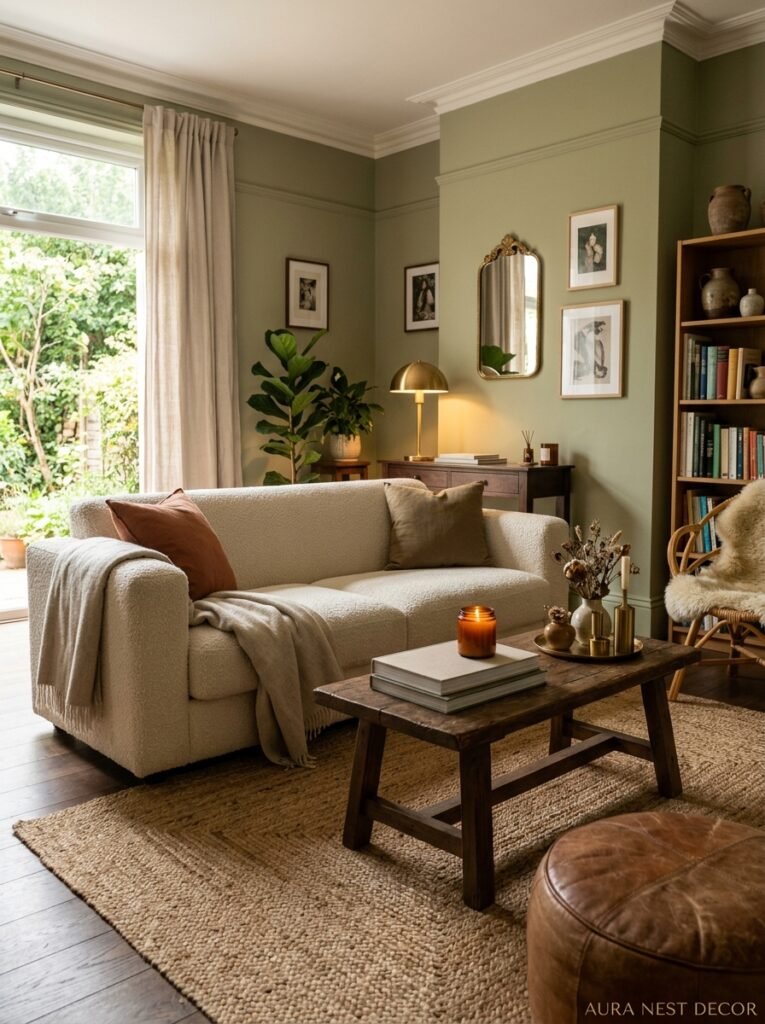
Okay so terracotta got labeled a “trend” a couple years ago and a lot of people avoided it for exactly that reason. Don’t want to repaint in two years, right? Totally fair.
But here’s what I’ll say: terracotta is one of those colors that’s been used in homes around the world — Mediterranean villas, Moroccan riads, old farmhouses in Tuscany — for literally centuries. It didn’t become a trend. It was rediscovered. There’s a difference.
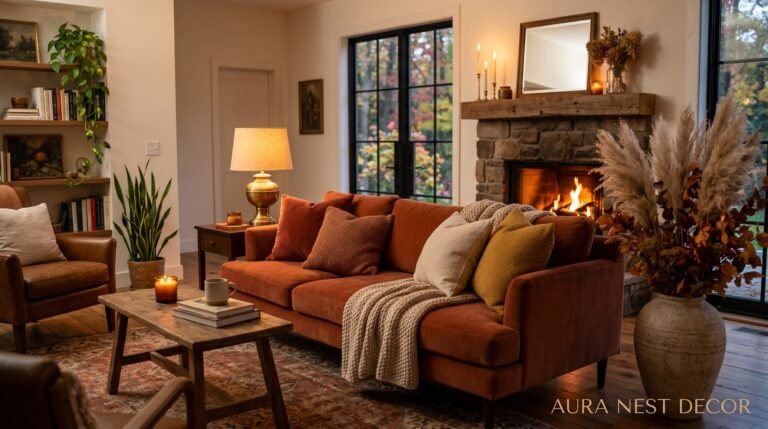
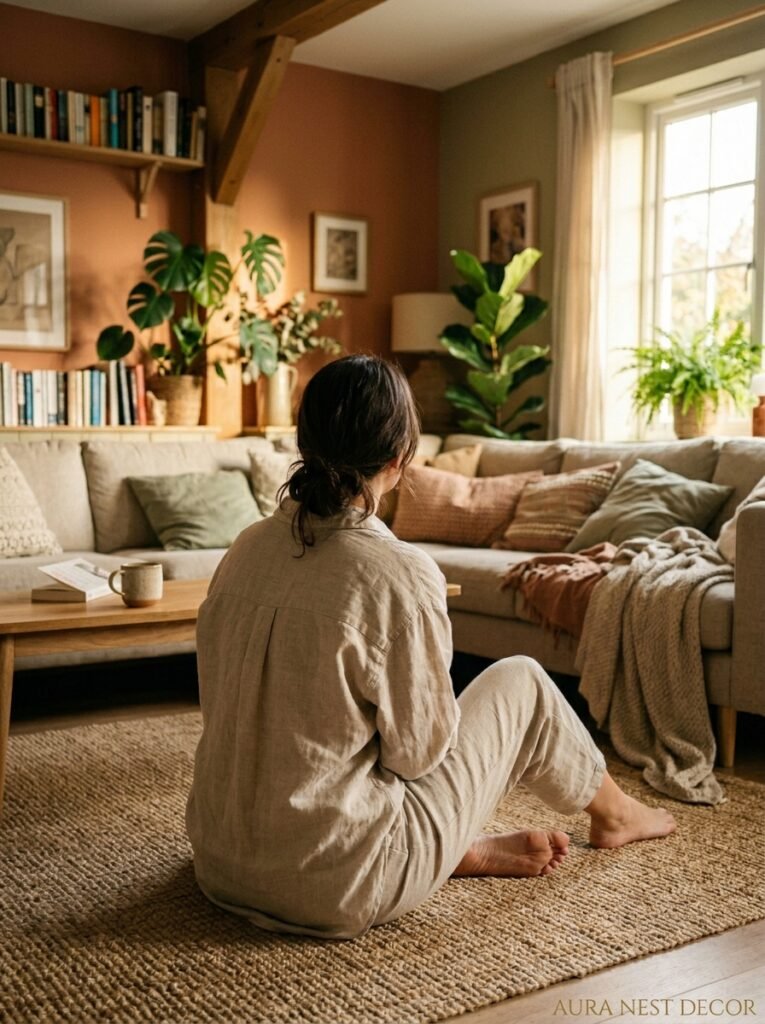
In a living room, the right terracotta — not orange, not clay, not salmon, but that specific warm red-brown that looks like it could’ve been mixed by someone in the 1600s — does something genuinely strange to natural light. In the morning it’s earthy and grounded. At dusk it glows. Like, actually glows. Your room starts to feel warm even before you’ve switched any lamps on, and that effect is difficult to fake with any other color.
Pair it with creamy linen, dark wood, and maybe one piece of aged brass. Don’t overthink the accessories. The wall is already doing the work.
“Terracotta isn’t a trend. It’s a homecoming.”
3. The Color That’s Showing Up in Every Stunning Living Room Right Now (and Why It Makes Sense)
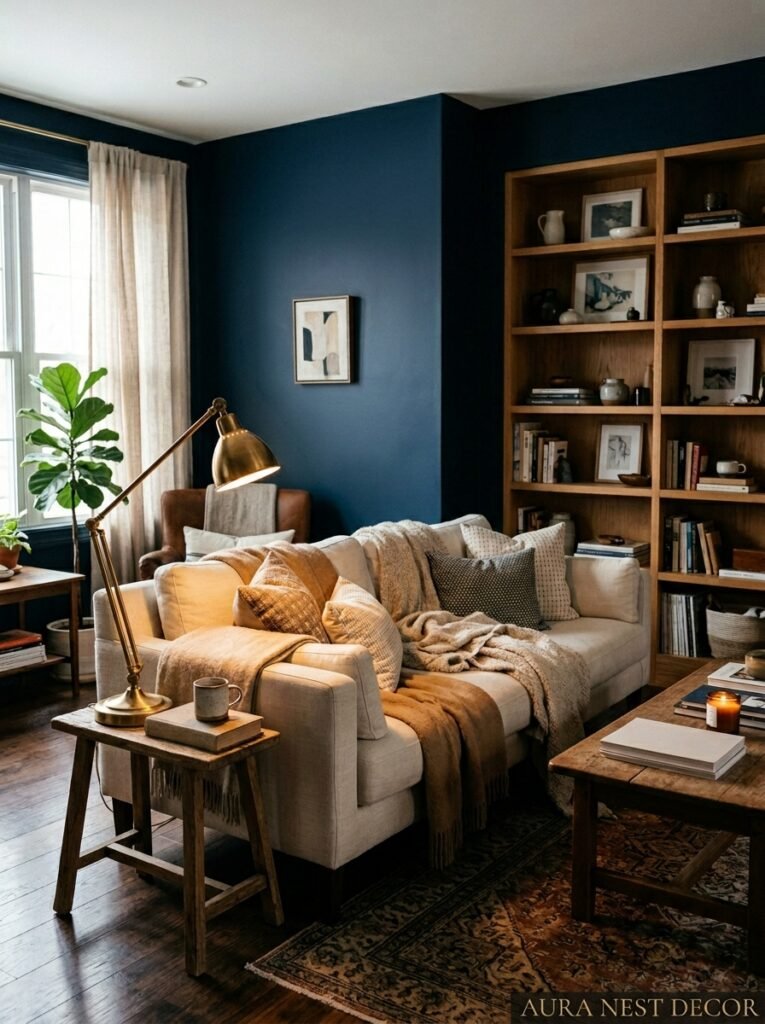
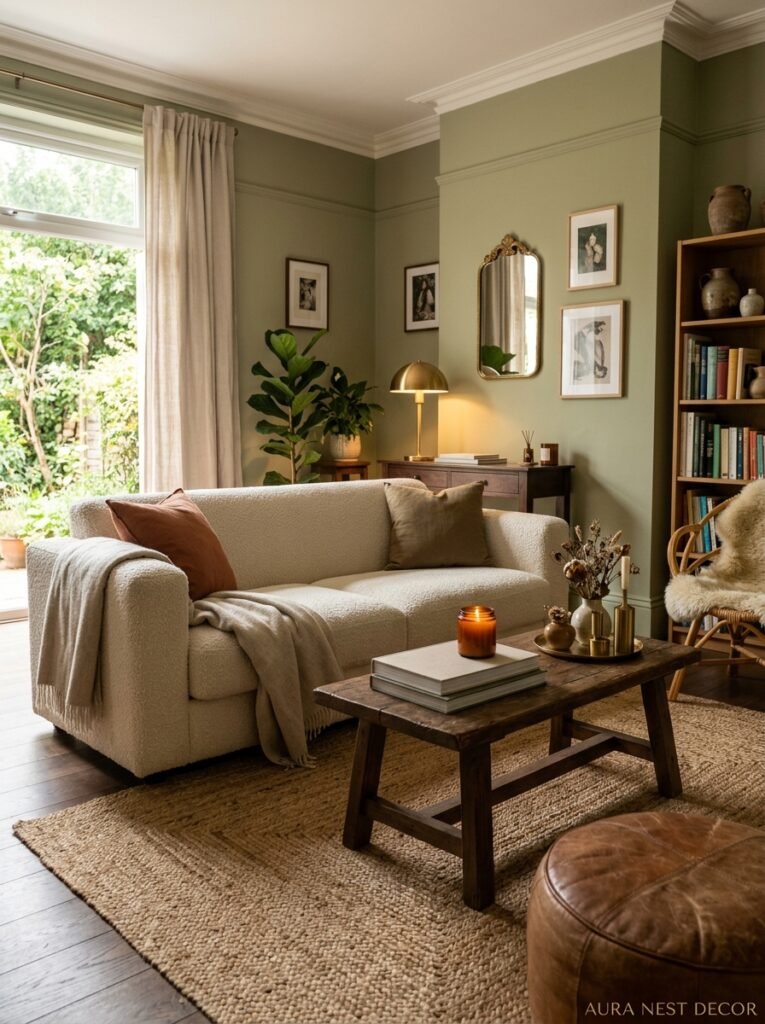
Dusty sage. Deep olive. That specific green that’s not quite gray but not quite plant-colored either — the one that looks like it belongs in a 1970s country house in the Cotswolds and also somehow a modern Brooklyn apartment.
Green is having its moment, and unlike some color moments, this one feels earned.
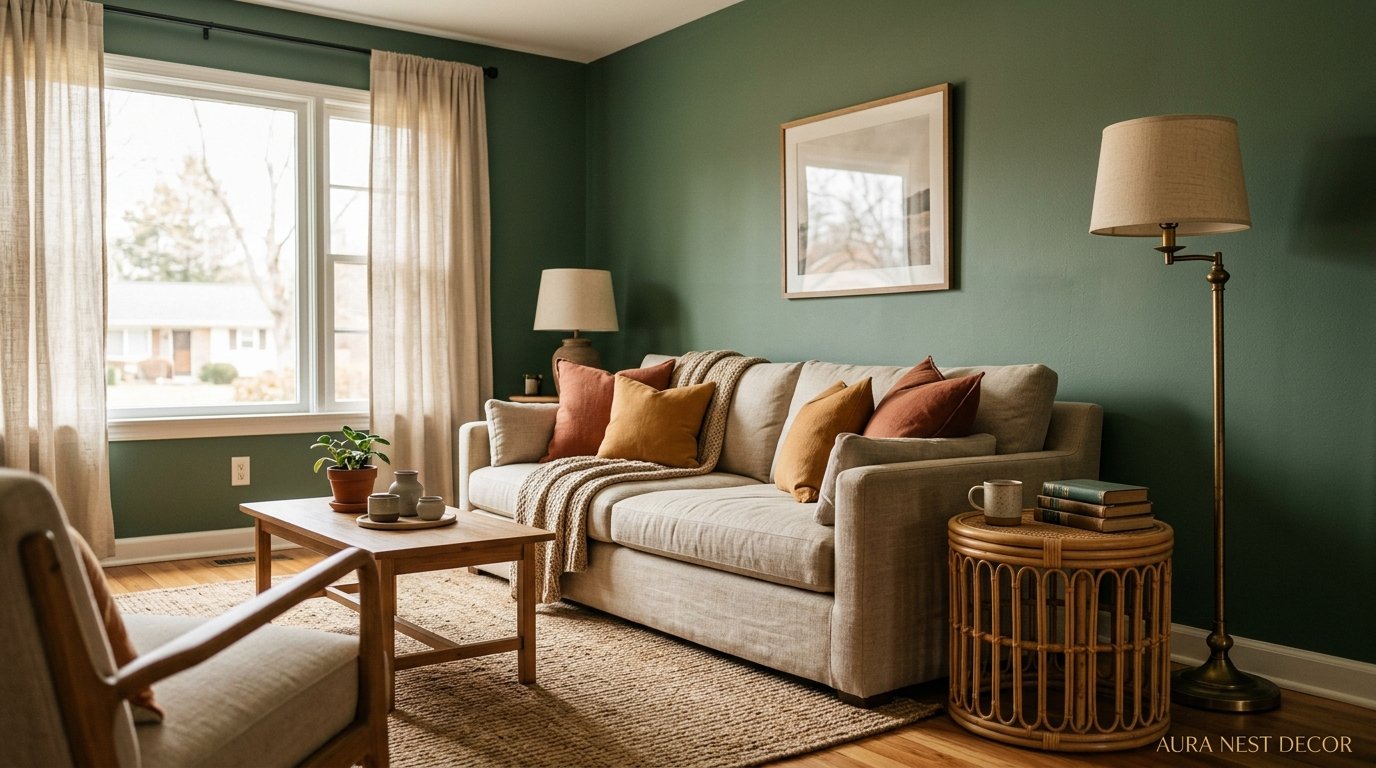
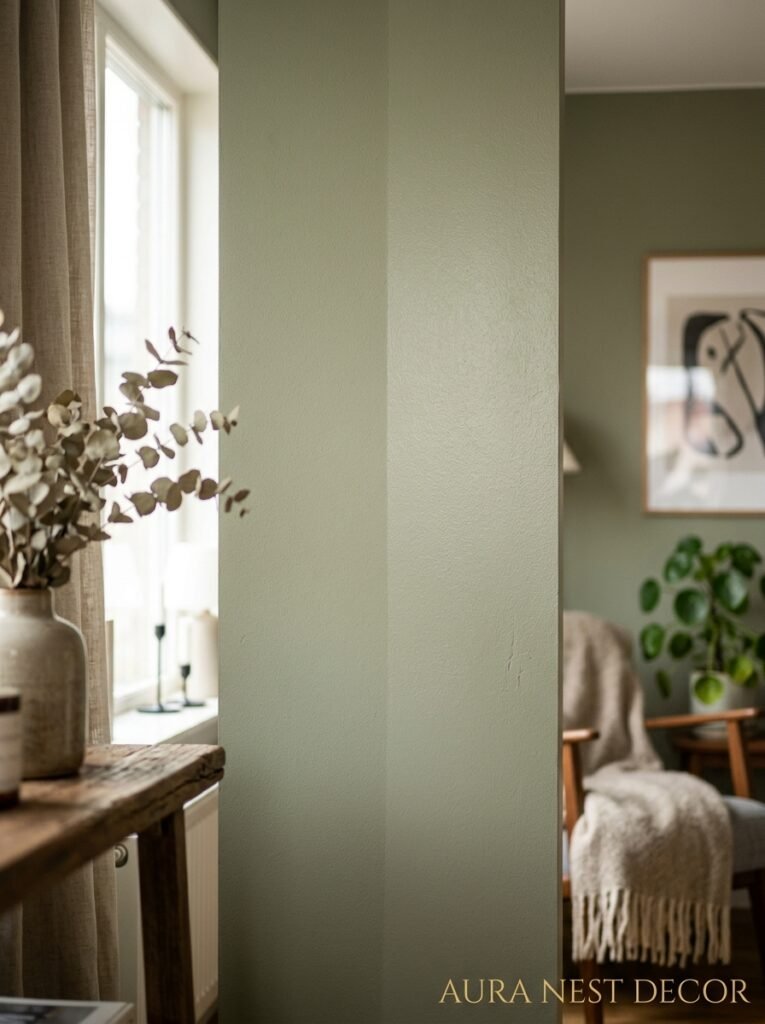
What makes these greens work in living rooms specifically is that they’re quiet. Not boring — quiet. They don’t demand attention the way a navy or a mustard yellow does. Instead they sort of hold the space. You sit down on your sofa and you feel, without necessarily knowing why, like you’re somewhere calm. Somewhere that’s been thought about. Sage walls do that. Deep eucalyptus does that.
The other thing — and this is worth noting if you’re in a UK home especially, where natural light can be, let’s say, reluctant — these greens actually handle low light better than almost any other color family. A cold gray goes flat. A pale blue goes institutional. But a dusty sage or an olive? It gets richer, somehow. More interesting. Not darker in a depressing way, just deeper.
Farrow & Ball’s Mizzle, Earthborn’s Artichoke, Benjamin Moore’s Salamander. Start there.
4. The Bold Choice Nobody Expects to Work Until They See It in Person
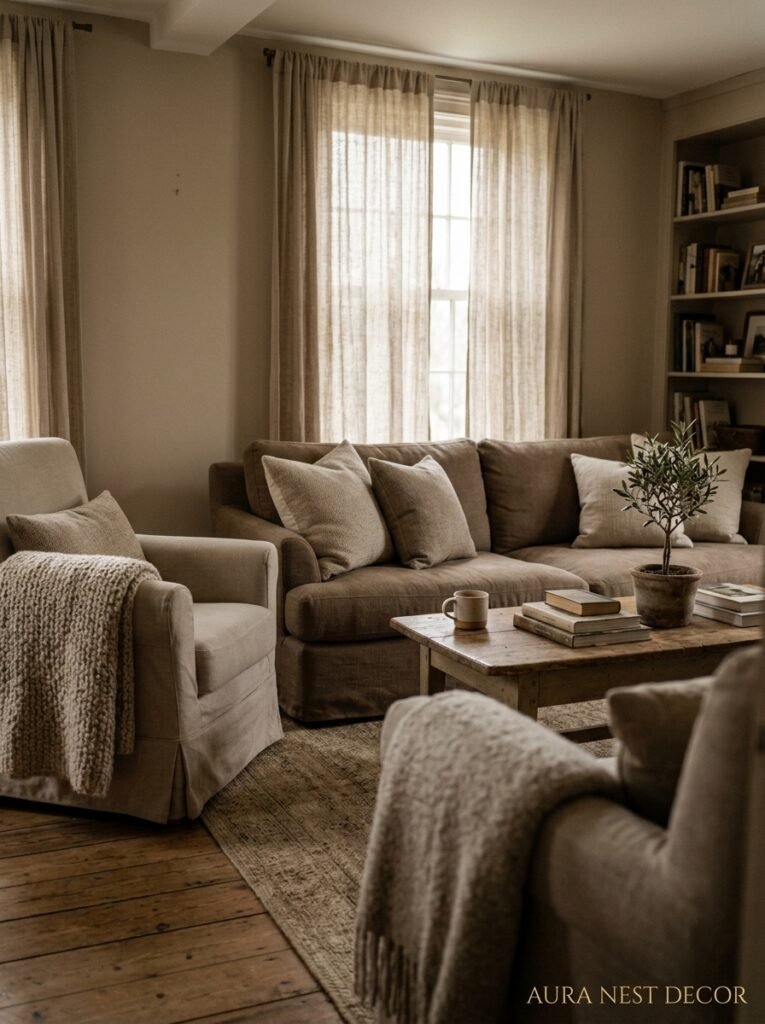
Dark walls. I know. Hear me out.
If you’d asked most people five years ago about painting their living room deep navy, charcoal, or forest green — genuinely dark, like you’re walking into a jewel box — they’d have said their room would feel like a cave. Too small. Too dark. Suffocating.
And then they see it done well and they completely change their mind.
Dark walls in a living room do something counterintuitive: they make the room feel bigger. Not in the literal sense, obviously. But in the sense that the edges of the room kind of dissolve. Your eye stops tracking the exact dimensions of the space and instead just… settles into it. A room painted in Hague Blue or Railings doesn’t feel enclosed. It feels intentional. Like walking into a private library or a beautifully decorated study.
The key — and this genuinely matters — is lighting. You can’t do dark walls with overhead fluorescents and call it a day. You need layers: a floor lamp in one corner, table lamps, maybe some candles on the coffee table. The amber glow of an Edison bulb at 7pm against a dark navy wall is one of the most beautiful things a living room can produce.
Side note: if your living room faces south and gets genuine afternoon sun, dark walls will behave very differently than in a north-facing room. In a south-facing room? They’re STUNNING.
“Dark walls don’t shrink a room. They give it somewhere to go.”
5. The Underrated Neutrals That Aren’t White (But Feel Even Fresher)
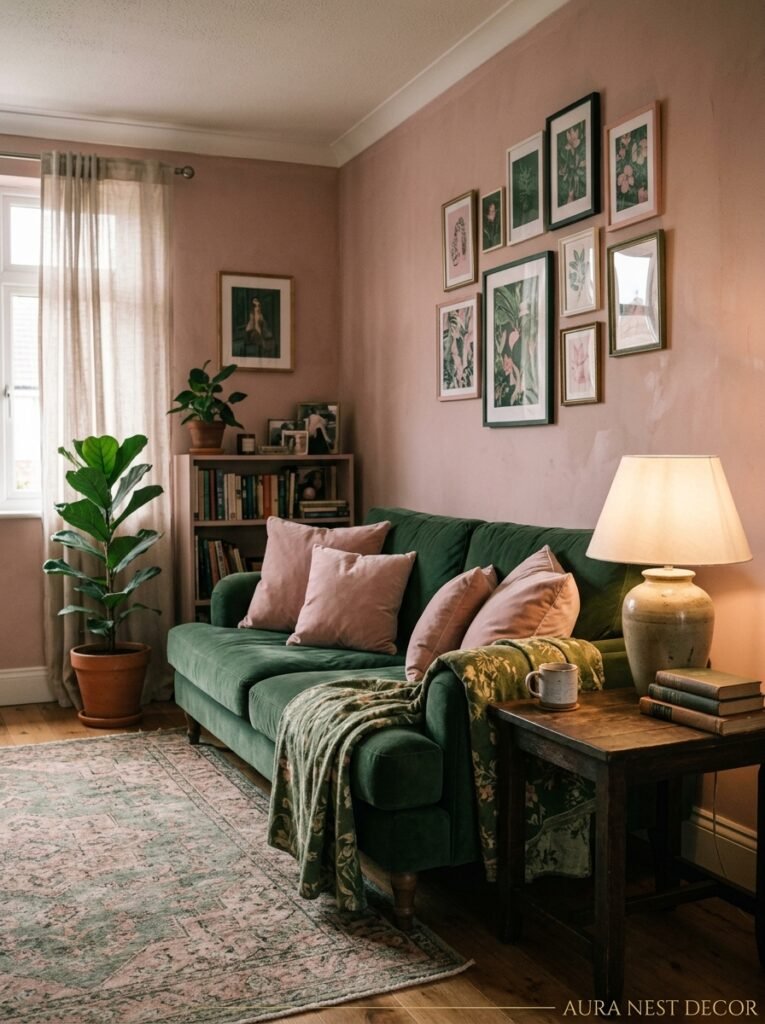
Can we talk about off-whites for a second, because I feel like they’re criminally underrated?
Not white-white. Not greige. That specific category of colors that reads as neutral from across the room but has genuine warmth or character when you’re actually in the space. Parchment. Cream with a very slight green undertone. Warm linen. That barely-there pink that you can only clock if you hold a truly white piece of paper next to it.
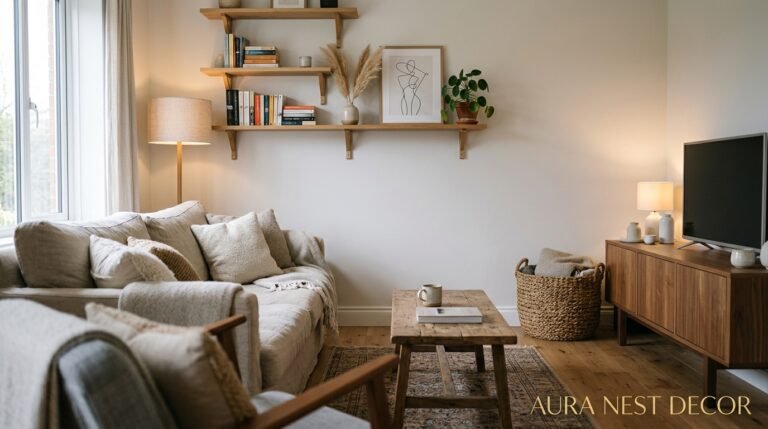
These colors are the cheat code for people who aren’t ready to go bold but are totally done with the clinical gray thing. They work with almost everything. They look expensive in a way that’s hard to explain — something about the way they react to light through windows in the afternoon, how they pick up warmth from wood floors, how they make plants look somehow greener.
I’d especially push these for UK homes, where the light shifts dramatically between seasons. A color that looks beautiful in July can look absolutely washed out in November. These warm off-whites are remarkably consistent across seasons. Not exciting, maybe. But deeply liveable, and I think that matters more in the long run.
Dulux’s Barley White. Farrow & Ball’s Bone. Benjamin Moore’s White Dove. All of them will age well.
6. The “I Can’t Believe That Works” Combo Everyone’s Suddenly Copying
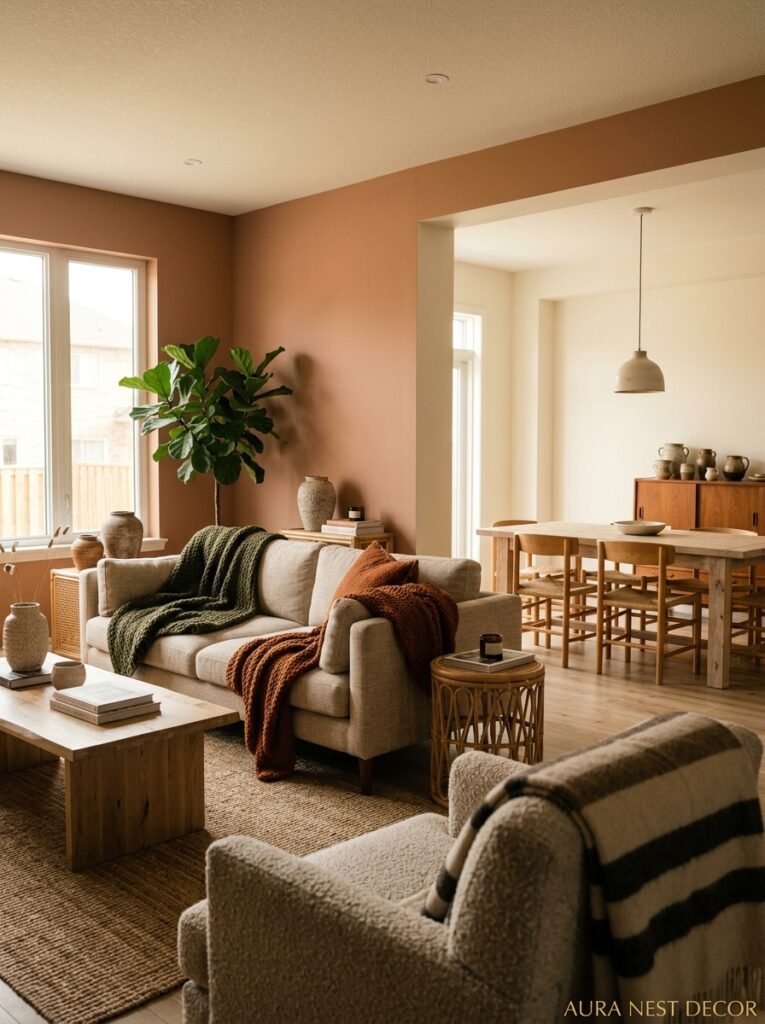
Warm blush — genuinely warm, leaning peachy, not baby pink — paired with rich cognac leather and deep walnut wood.
I know. It sounds like it shouldn’t. And yet.
The reason it works is because blush in this context isn’t functioning as a “soft” or “feminine” color. It’s functioning as a warm neutral. A terracotta that’s had some of the drama dialed down. And against cognac leather — which is warm, rich, and kind of old-world — and walnut furniture, the whole room lands in this unexpectedly sophisticated place. It feels lived-in but considered. Like someone who knows exactly what they like.
This works particularly well in slightly older homes — Victorian terrace houses, brownstones, anything with cornicing or original fireplaces. The blush does something graceful against architectural details like that. It doesn’t fight them.
If you’re nervous, start with blush cushions against a warm white wall. Live with it for a week. You’ll want to paint the walls.
7. What Actually Makes Two Paint Colors Work Together in an Open-Plan Space
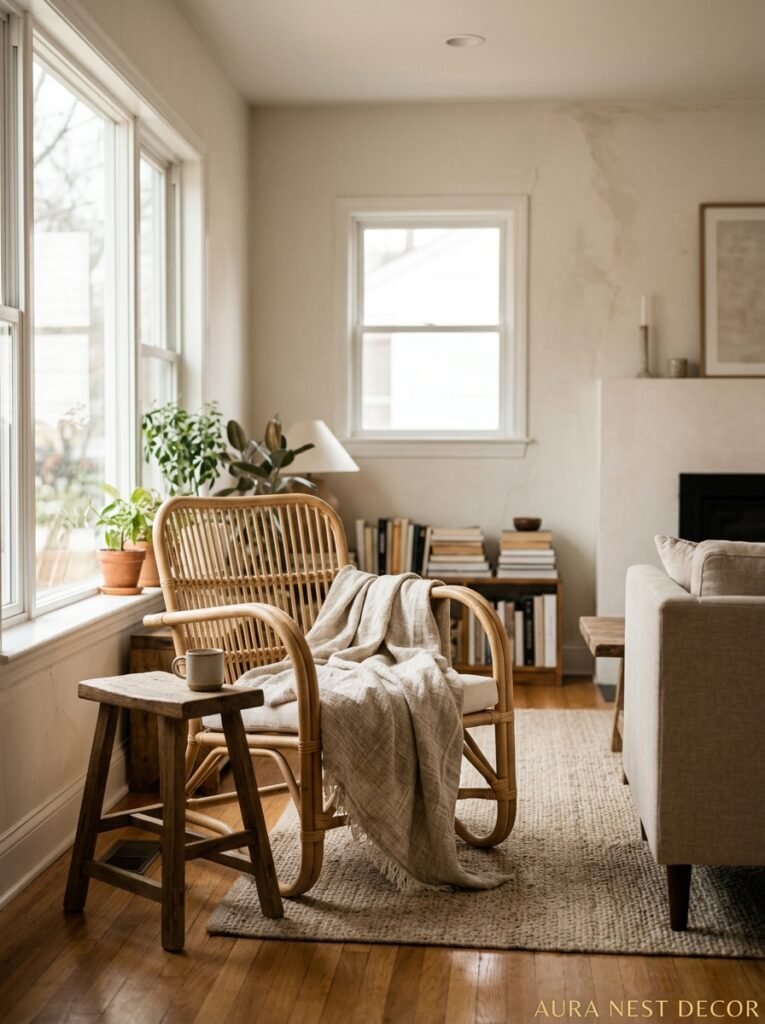
Open-plan living — kitchen into dining into lounge, or lounge into hallway — creates a color problem that a lot of people don’t anticipate until they’re standing with a paint roller in their hand.
The instinct is to just pick one color and run it through everything. Which can work. But it can also feel a bit flat, a bit corporate, a bit hotel-corridor. The other instinct is to use completely different colors in each zone, which can work too — but done wrong it looks choppy, like the room can’t make up its mind.
The trick that actually solves this? Tone family, not color match.
Pick colors from the same tonal family — warm greens, or warm neutrals, or all the cool blues — and then use very different shades within that family for different zones. A deep sage in the lounge, a pale eucalyptus in the hallway, a warmer olive in the alcoves. They’re related without being identical. The whole house feels cohesive without being monotonous.
The absolute rule: don’t use a warm color in one zone and a cool color in the adjacent zone. It creates a visual “clunk” when your eye moves between them. Stay warm or stay cool. That one decision will save you an expensive repaint.
“The secret to whole-house color? Choose a temperature and commit.”
8. The Living Room Color That Photographs BEAUTIFULLY (Important If You Actually Use Your Space)
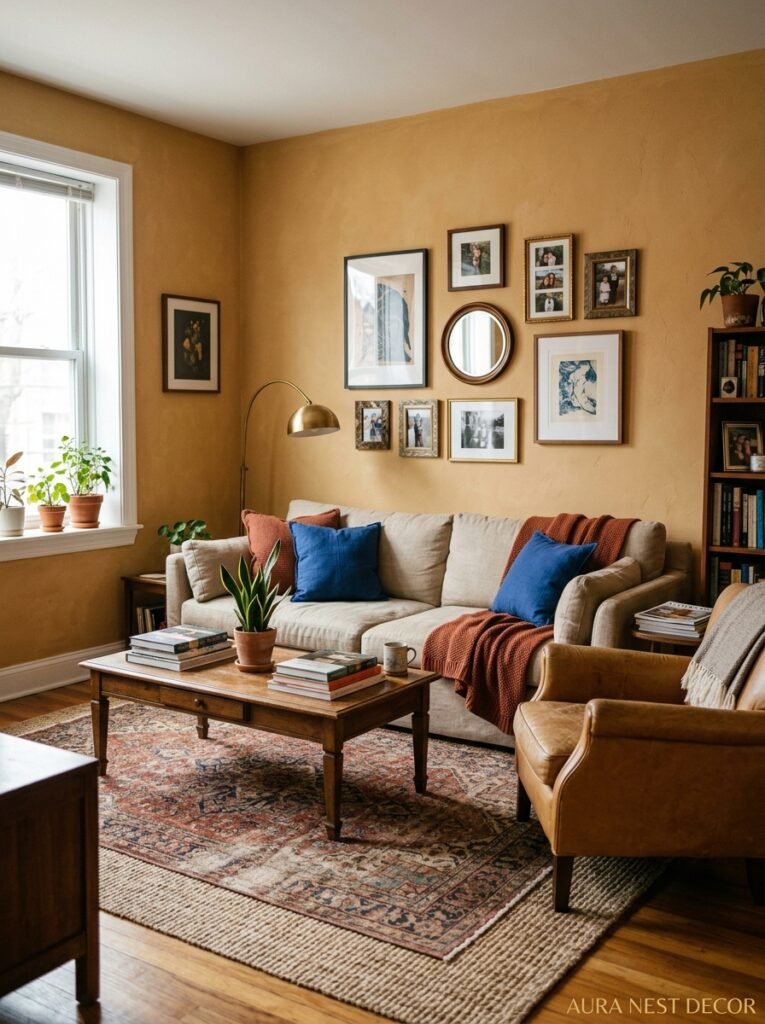
Not gonna lie, I thought about whether to include this and decided yes, because it’s real: if you take any photos in your living room — family pictures, styling shots, whatever — color matters in ways that have nothing to do with how it looks in person.
Certain colors just photograph flat. Mid-toned grays especially. They look fine to the eye but on camera they go kind of nowhere. Cool blues can look almost purple in artificial light. Bright whites blow out in natural light.
The colors that photograph consistently well? Warm, medium-depth tones. Dusty rose. Warm terracotta. Olive. Warm off-white. Deep, saturated colors like navy and forest green photograph EXTREMELY well in good natural light — they’re rich and vivid and give any photo a really pulled-together backdrop.
If you’re in the UK and you have even occasional natural light, a deep saturated wall will serve you well photographically. In the US, where many of you are getting more consistent light, you have slightly more flexibility — lighter colors will still read well.
This isn’t vanity. Your home is where your memories get made, and the photos you take there will last longer than the paint job.
9. The Color “Rule” You’ve Heard That You Can Mostly Ignore
“Don’t paint your living room a dark color if it’s small.”
I mentioned this already with dark walls but I want to come back to it because it’s such pervasive advice and it’s so often wrong. Or — more accurately — it’s advice that made sense in a specific context (overhead lighting, no layering, minimal furniture) and got applied universally.
A small living room in a Victorian terrace painted in a deep, moody green or a rich midnight blue, with warm layered lighting, a few pieces of vintage furniture, and some art on the walls? That can be one of the most beautiful rooms you’ve ever walked into. The smallness becomes coziness. The darkness becomes atmosphere.
What DOES make small rooms feel cramped and dark is bad lighting. A north-facing shoebox with a single overhead bulb will feel oppressive in ANY color. That’s a lighting problem wearing a color disguise.
Fix the lighting — add floor lamps, swap for warmer bulbs, use mirrors strategically — and then paint the walls whatever color you actually want.
10. What a Color Consultant Would Tell You That Nobody Else Does

Test your paint at night.
Seriously. Most people buy a sample pot, slap it on the wall, and check it at 2pm on a Saturday. And I get it — that’s when you have time. But you spend the hours between 6pm and 10pm in your living room too. Often more.
Artificial light changes color dramatically. A warm cream can look almost orange under incandescent bulbs. A soft sage can look muddy or gray in cool LED light. A color you fell in love with at noon can feel completely wrong after dark — or it can surprise you and look even better.
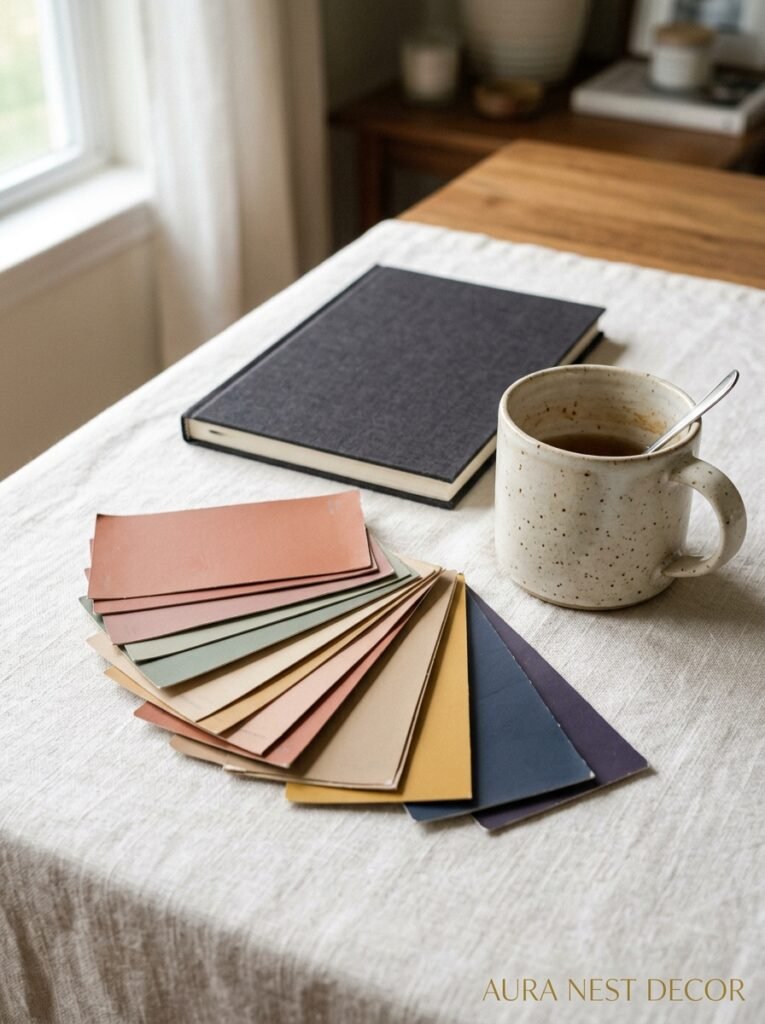
So test your samples in the evening. Turn on the lamps you’ll actually use. Light a candle. Put on the kind of light the room will actually live in, and THEN look at the color. You’ll be much less likely to have a regret repaint at month three.
Also — paint a big enough sample. Bigger than you think. Paint a section at least 12 inches square, ideally bigger, in an area that gets your typical light. A 2-inch square on a sample card is meaningless.
11. The Unexpected Palette Working Beautifully in British Homes Right Now
Chalky, slightly faded colors — like someone’s taken a beautiful bold color and just turned the brightness DOWN a little. Not muddy, but not saturated. Think: powdery cobalt blue. Faded ochre. Dusty berry.
These tones do something specific in British homes that they don’t quite replicate elsewhere, and I think it’s partly the light and partly the architecture. In a Victorian or Edwardian room with high ceilings, original fireplaces, and that particular quality of gray-ish natural light you get in the UK — these muted, slightly faded shades feel completely at home. Like they’ve always been there. Like the house chose them.
They also age incredibly well. They don’t date the way saturated, trendy colors can. Five years from now a dusty cobalt living room will look considered and deliberate, not like a screenshot from an old Instagram grid.
Colours like Farrow & Ball’s Pitch Blue, Little Greene’s Pale Pebble, or Graphite — or if you want something warmer, F&B’s Dead Salmon (which sounds awful but is actually stunning) — these are the ones to look at.
12. The Finish You’re Choosing Is as Important as the Color Itself
Last thing, and people genuinely don’t talk about this enough.
Paint finish. Matte versus eggshell versus satin. It’s not just about durability — it fundamentally changes how the color reads in the room.
Matte finishes absorb light. They make colors look richer, deeper, more velvety. They show fingerprints and marks more easily, which matters if you have kids or very tactile houseguests. But they’re the most beautiful finish for decorative walls. Matte is the reason paint looks like paint in interior photography — glossy walls reflect light in ways that can make a room feel harder and less inviting.
Eggshell is the middle ground most people land on for living rooms — slightly more wipeable than matte, but with enough light absorption that the color still looks like itself. Satin is fine but it can verge on shiny, especially on large wall expanses, and you’ll notice every imperfection in your plaster because of the reflectivity.
If you’re going for a moody, atmospheric, deeply beautiful living room — go matte. Accept that you might touch it up occasionally. It’s worth it.
—
❓ FAQ
Q: What’s the best living room color for a north-facing room in the UK? A: Warm tones are your friend — terracotta, warm sage, creamy off-whites with yellow or red undertones. Avoid cool grays and pale blues, which will look even colder in limited natural light. Dulux’s Warm Cream and Farrow & Ball’s String are both worth testing.
Q: Can I use dark wall colors in a small living room? A: Yes, genuinely. The key is layered, warm lighting — multiple light sources at different heights — and avoiding overhead-only lighting. A dark room with good lamp placement can feel like the coziest spot in the house. Test it with a large sample first so you can live with it for a few days.
Q: Do I need to match my living room and hallway paint colors? A: You don’t need to match, but you do need to relate. Stick to the same temperature family — all warm tones or all cool tones — and use different depths within that family. A mid-tone sage in the living room and a paler version of the same green in the hallway feels intentional. Totally unrelated colors with no tonal connection will feel choppy.
—
💭 Final Thoughts
Color in a living room isn’t decoration. It’s mood. It’s the first thing your body responds to when you walk in, before you’ve consciously registered anything else — and it’ll keep doing that, every single day, for as long as you live in that house.
The “right” color is the one that makes you feel something you actually want to feel in that space. Not the one that’s safest for resale, or the one that looked good on your neighbor’s walls, or the one that everyone was doing in 2019.
So — what does your living room feel like right now, and is that how you want it to feel?