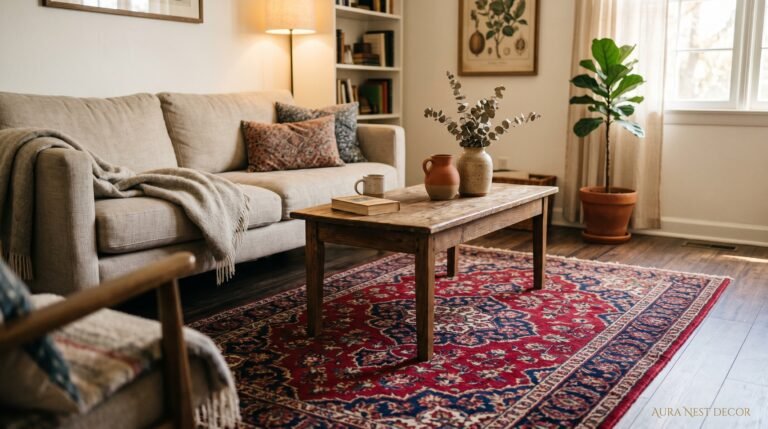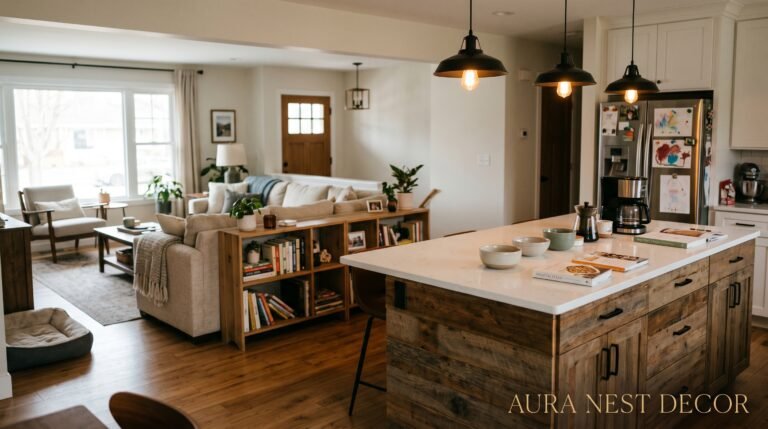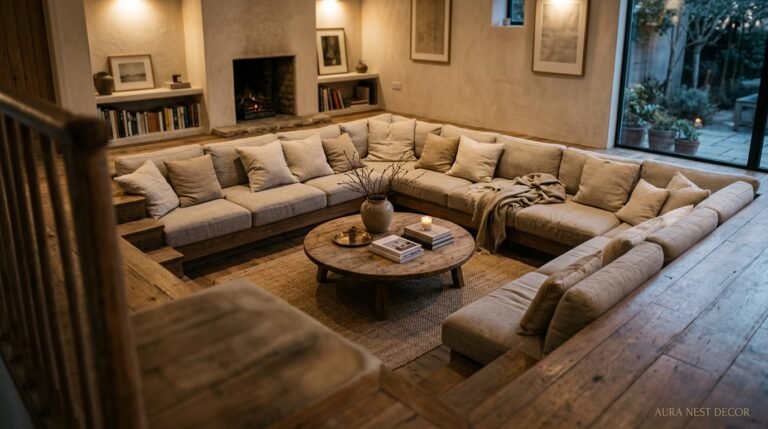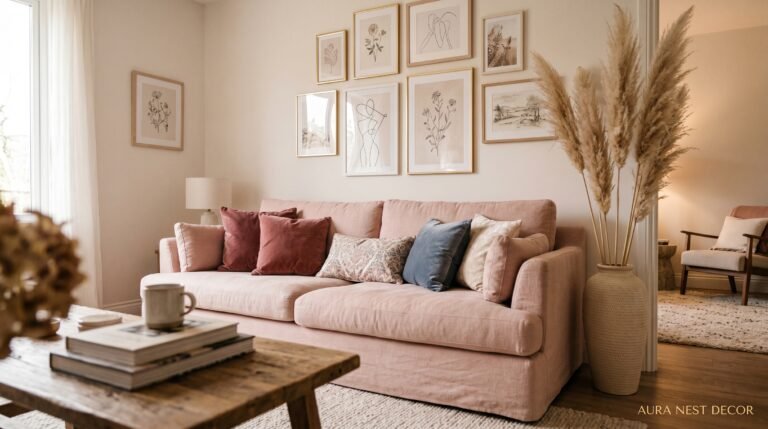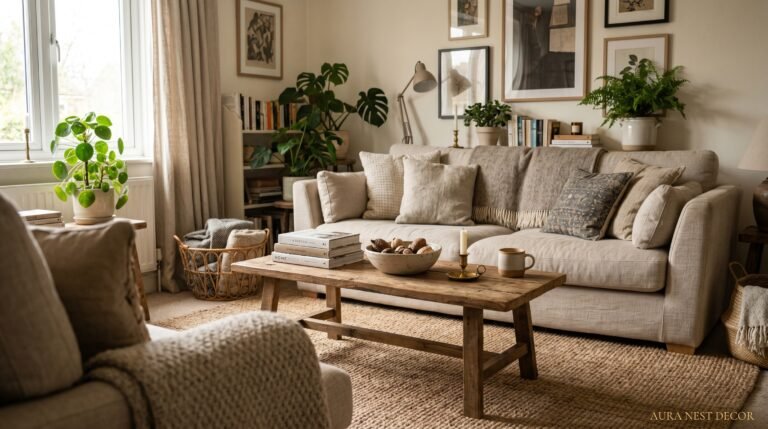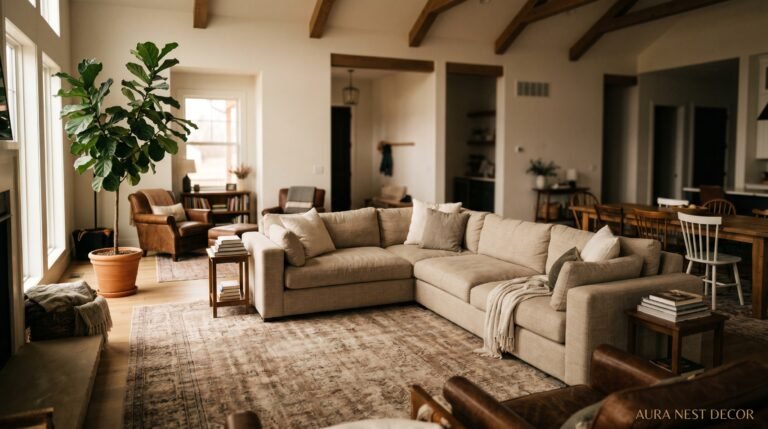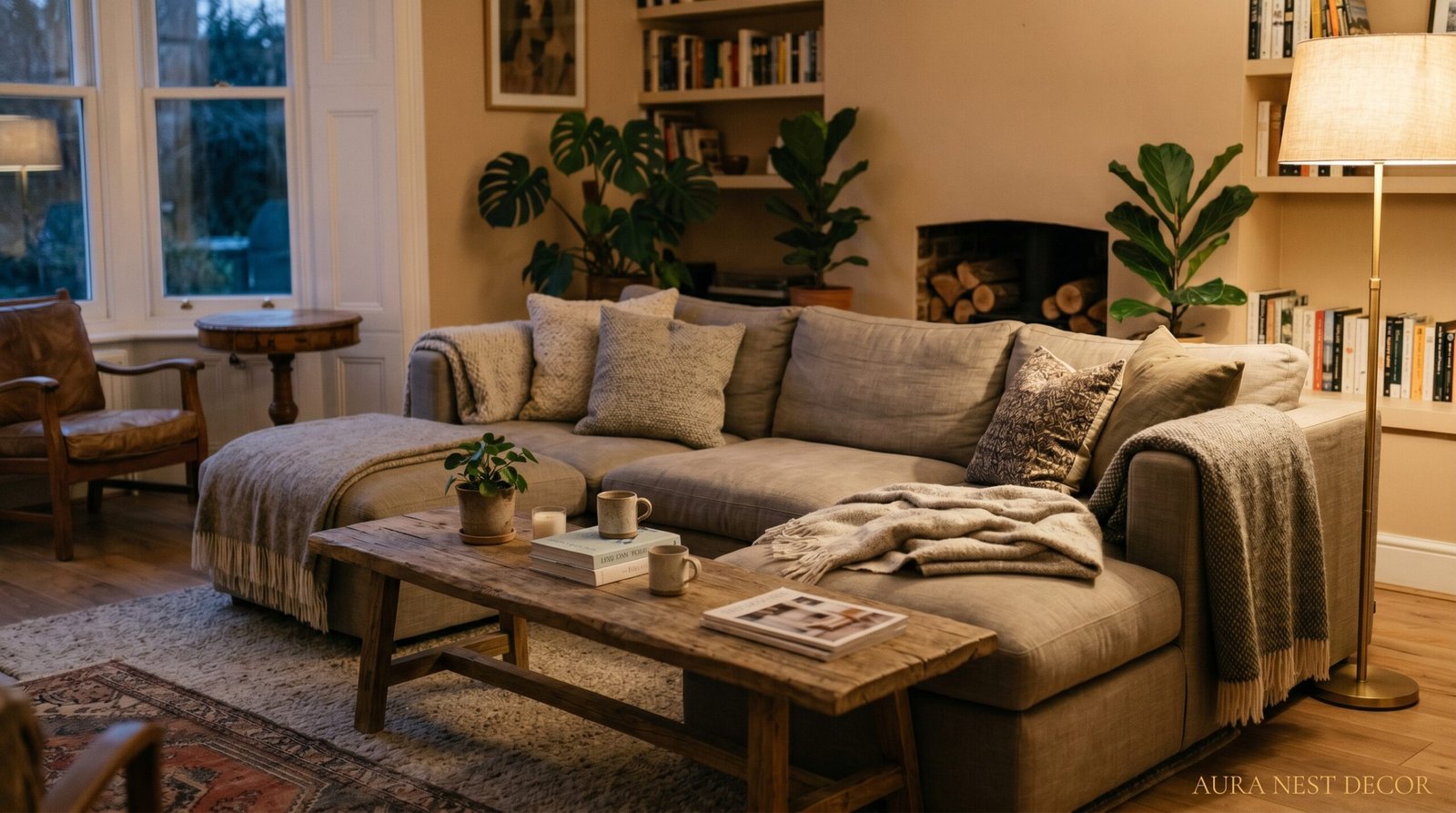
The Living Room Didn’t Feel Like Ours Until We Got a Sectional
There’s a specific kind of Sunday where you don’t want to go anywhere, talk to anyone, or think too hard about the week ahead. You just want to disappear into your sofa. That’s what a good sectional does — it doesn’t just fill a room, it changes how you live in it.
—
1. Why Sectionals Feel Intimidating (And Why That Fear Is Completely Backwards)
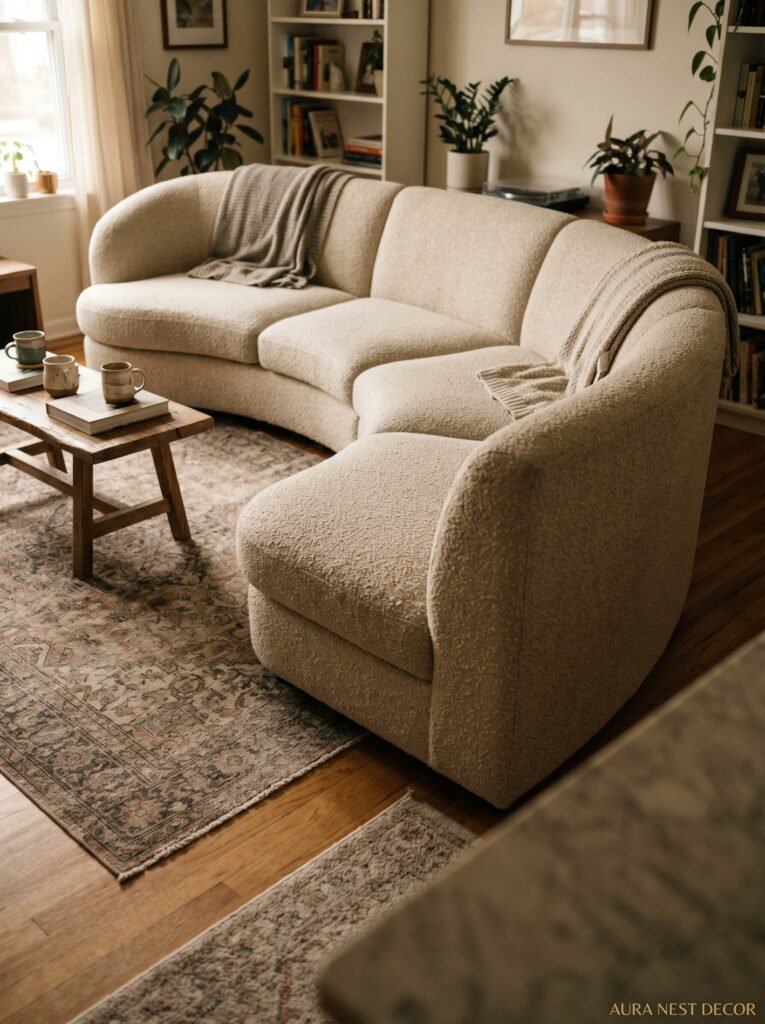
Most people think sectionals are for big rooms. They’re not. That’s honestly one of the most persistent myths in home decorating, and it’s kept so many people stuck with undersized sofas they don’t actually love.
Here’s the thing — a sectional creates a sense of scale. It gives the room intention. A tiny three-seat sofa floating in the middle of a medium-sized living room doesn’t look modest, it looks lost. A well-chosen sectional in that same room looks DELIBERATE. It anchors everything around it.
I didn’t believe this until I saw it in person. A friend’s London flat — not enormous by any stretch — had this low, cream-colored L-shaped sectional tucked into the corner, and the whole room felt curated in a way her previous setup never did. Same flat. Same windows. Same slightly dodgy radiator. Completely different energy.
The fear of “too big” usually comes from imagining a sectional in the wrong position, in the wrong fabric, scaled wrong for the room. Solve those three things and it’s rarely too big. It’s almost always exactly right.
“A sectional doesn’t take over a room. It gives the room a reason to exist.”
—
2. The Corner Question: Which Direction Should the Chaise Actually Face?
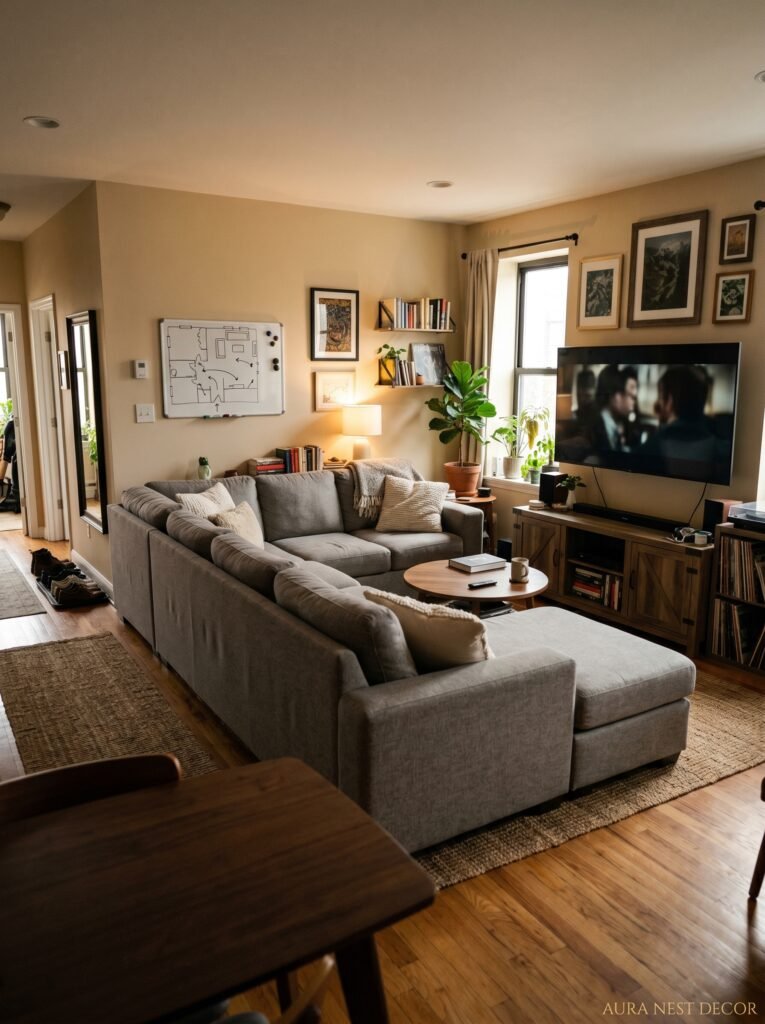
This is the one nobody talks about enough. You’ve picked your sectional. You love it. And then someone asks — chaise on the left or the right? — and suddenly you’re second-guessing everything.
Here’s a practical way to think about it. Stand in your living room doorway. The side that faces toward your TV or your focal wall? That’s probably where you don’t want the chaise end, because it’ll block sightlines for anyone sitting on the main sofa portion. The chaise works better when it’s the landing spot — the lazy, stretched-out side that points away from the action, or wraps toward a window.
But honestly, the real answer is: it depends on traffic flow. Where do people walk into the room from? You don’t want the chaise jutting out into the main walkway. That’s how you end up stubbing your toe every single morning for the next six years.
Sketch it out. On paper, or even just in your notes app with a rough diagram. It sounds over-the-top but fifteen minutes of planning saves months of rearranging.
And if you’re genuinely not sure — most good sectionals are available in both configurations, so don’t let the layout be the reason you don’t pull the trigger.
—
3. The Fabric Situation: What Nobody Tells You About Velvet vs. Boucle vs. That Greige Linen Everyone’s Buying
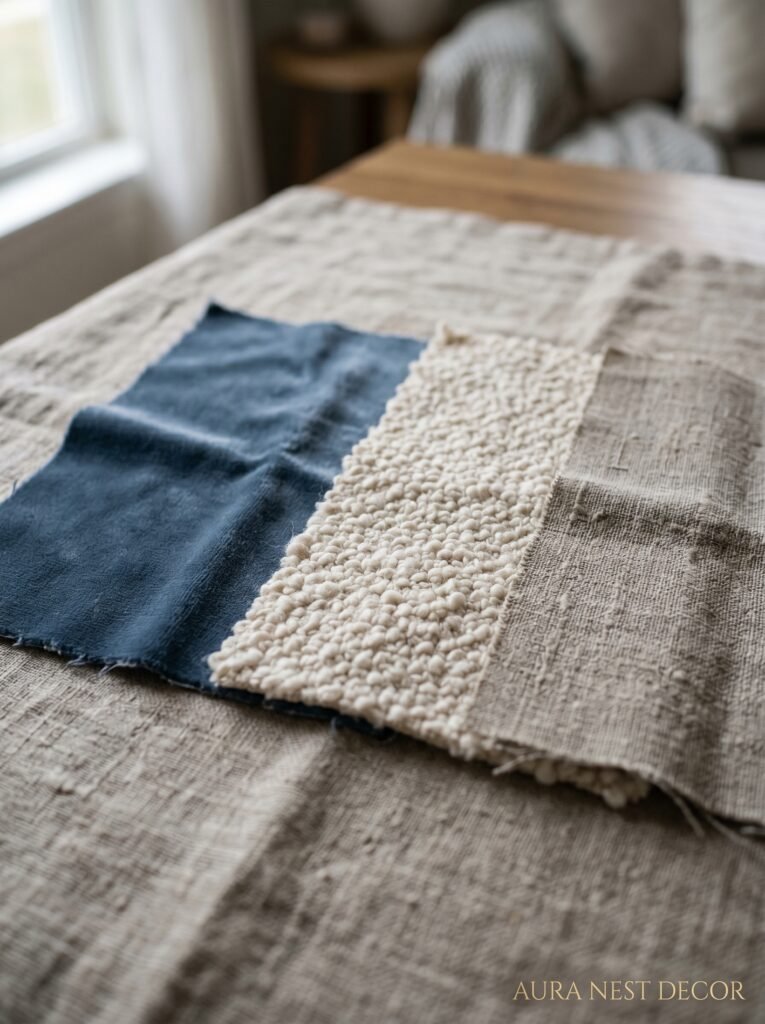
Velvet sectionals photograph beautifully. That midnight blue one you saved seventeen times on Pinterest? Stunning. But velvet shows every cat hair, every snack crumb, every time your kid sat down in slightly damp jeans.
Boucle is having a moment — I know, I know, I’m part of the problem, I’ve been obsessed with it for two years — and for good reason. It’s got this warm, textural quality that makes a room feel soft without being precious. The downside is it’s a bit harder to clean than people expect, and cheaper versions pill fast.
That greige linen-look fabric that’s been all over Instagram? Surprisingly durable if you get a version with a synthetic blend. Pure linen is gorgeous but it creases badly, especially on cushion fronts, and after a few months of actual use it can look a bit… tired.
Performance fabrics are where it’s at if you’ve got kids, dogs, or you’re just a person who likes to eat soup on the sofa. They’ve gotten SO much better. Some of them genuinely look like a nice woven texture and wipe clean without a second thought.
Don’t sacrifice livability for the look. You can find both. Just take longer to find it.
—
4. The Color That Keeps Showing Up in Every Beautiful Sectional Photo Right Now

Warm terracotta? Having a revival. But the one I keep seeing — the one that photographs well in every lighting condition and somehow works in both a Chicago craftsman and a Surrey semi-detached — is a sort of warm mushroom. Not beige. Not grey. Somewhere in between, leaning slightly toward the sand end of the spectrum.
It’s the color that doesn’t fight anything. Brass hardware? Looks great with it. Dark wood floors? Perfect. Light oak? Also perfect. A gallery wall of vintage prints or a single oversized botanical? Both work. It’s the Switzerland of sofa colors.
“The sofa color that photographs well in every light is the one you’ll never regret.”
That said, I don’t think everyone should play it safe. Forest green sectionals are incredible. If you’ve got a room with natural light and you’re not too precious about commitment, go green. Navy works too — just know it’ll read almost black in low light, which can be cozy or oppressive depending on the room.
The bold choice works when you’ve done the other things right. The rug, the lighting, the wall color. When those are sorted, a statement sectional is the cherry on top. When they’re not sorted, it’s just a very large problem in your living room.
—
5. How to Style Throw Pillows on a Sectional Without It Looking Like a Display at a Home Store
Less than you think. That’s the answer. Way less.
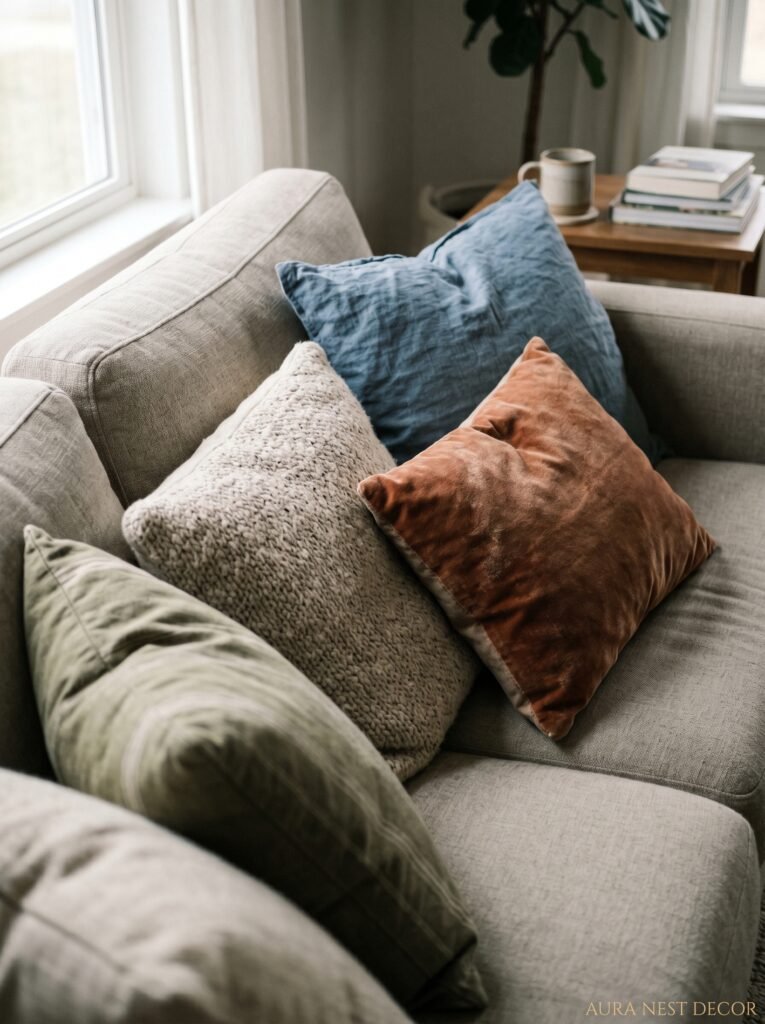
A sectional doesn’t need twelve throw pillows. It needs four, maybe five, placed like someone actually sat down and sort of shoved them aside. Not lined up in a tidy row. Not matching. The goal is “person who has good taste” not “person who styled a showroom.”
Mix two scales — one larger, squarish cushion and a couple of smaller rectangular ones. Mix textures, not patterns. Or mix patterns if you know what you’re doing, but keep the color palette tight. Two or three colors, max. And always, ALWAYS have at least one pillow that feels like a total wildcard — a different texture, a slightly unexpected shade — because that’s the one that makes the whole arrangement look like you thought about it without overthinking it.
The throw blanket is non-negotiable, by the way. Draped, not folded. Slightly messy. Like it got used last night and hasn’t been moved yet.
—
6. The One Rule That Makes Any Sectional Room Feel Pulled Together (Not Just Stuffed Full)
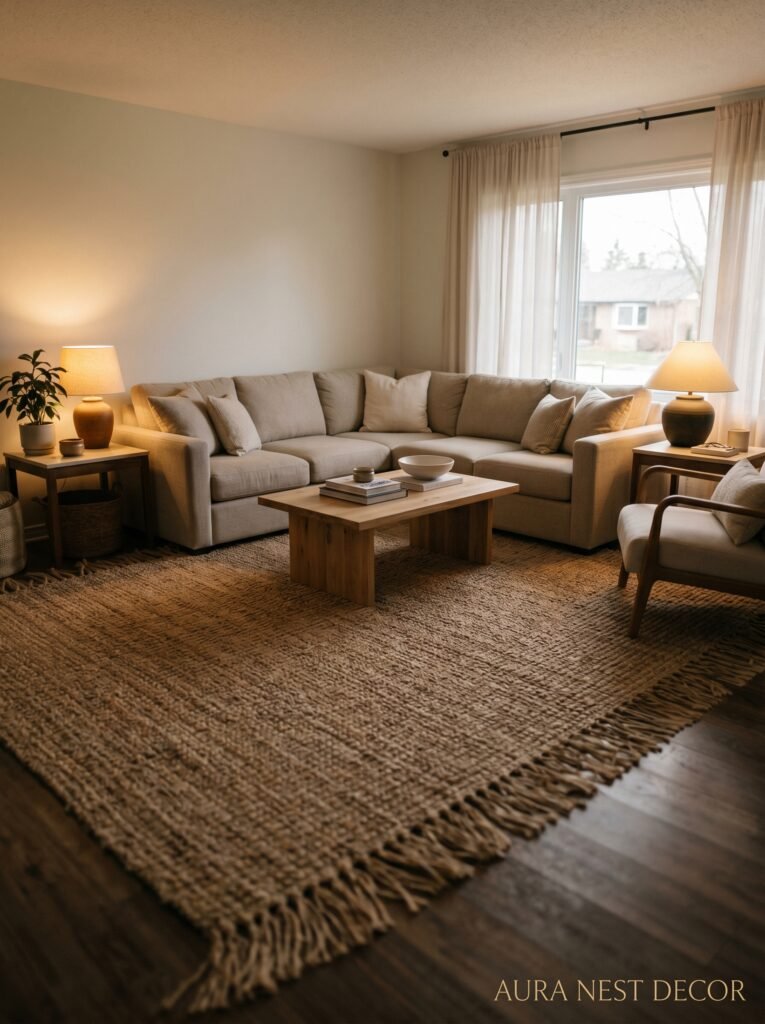
The rug has to go UNDER it. At least partially.
I can’t tell you how many otherwise beautiful living rooms I’ve seen where the rug just floats in front of the sofa, touching nothing, doing nothing, existing in some kind of decorating no-man’s-land. The sofa sits behind it. The rug sits in front. They don’t connect. The room doesn’t connect.
Front legs on the rug, minimum. Ideally the whole sofa section is on the rug. This isn’t just aesthetic — it actually defines the space and makes the seating area feel like a room within a room, which is especially important in open-plan layouts where there’s no wall to give the living area a boundary.
Size up on the rug. Whatever you think you need, go bigger. A 5×8 in a room that needs an 8×10 is one of the most common and most fixable mistakes in home decorating.
And the rug texture matters almost as much as the sectional fabric. A flat weave under a chunky boucle sectional feels right. A high-pile shag under a smooth velvet sectional also works beautifully. What doesn’t work is two textures fighting each other for attention in the same square footage.
—
7. That Thing About Low-Profile Sectionals That Interior Designers Know and Nobody Talks About
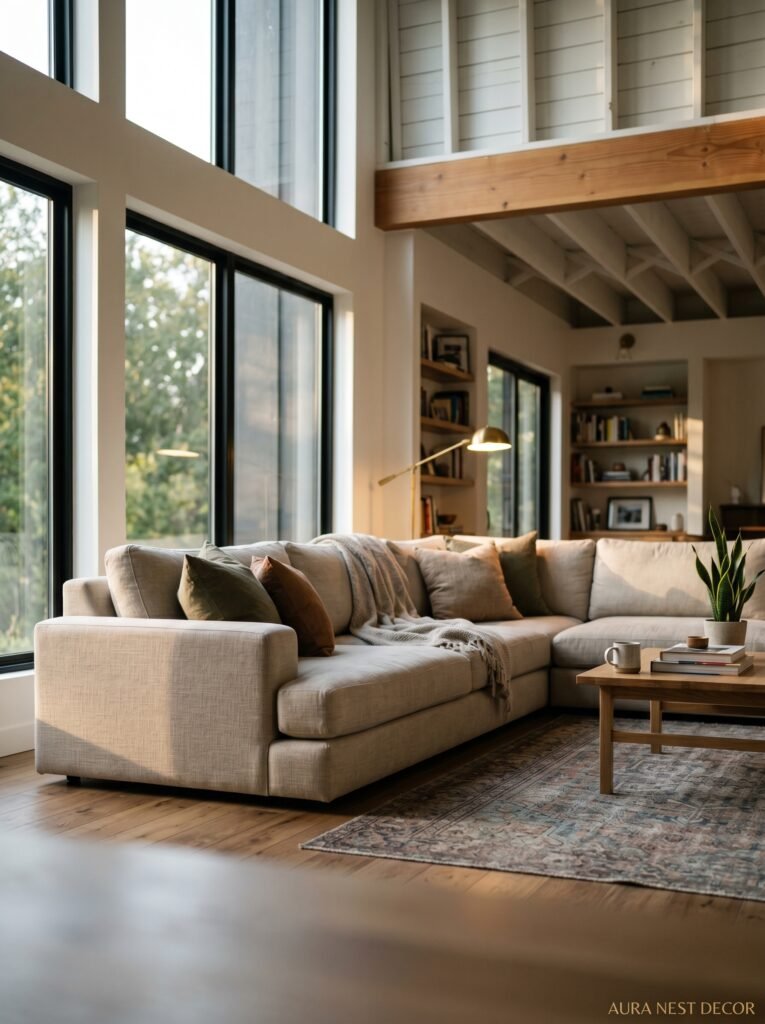
Low arms. Low backs. They make the room look bigger. End of story.
But also — and this is the part I love — they make the room feel more expensive. I don’t know why exactly, maybe it’s the cleaner silhouette, maybe it’s the association with mid-century and Italian design, but a low, sleek sectional in a normal-sized room reads significantly more elevated than a big, boxy, cushion-armed version would.
The trade-off is comfort, sort of. Low-backed sectionals don’t have that “sink in and forget about yourself” depth that high-backed ones do. They’re better for conversation, a bit worse for watching three hours of television. So honestly it comes down to how you actually use your living room.
“Low-profile sectionals don’t just look right — they make everything else in the room look better too.”
If you’re someone who reads, talks, has people over — go low. If your living room is primarily a watching room, a napping room, a total-collapse-after-work room — get the depth and the height and don’t apologize for it.
—
8. What Living Rooms in the UK Get Right That American Rooms Often Miss
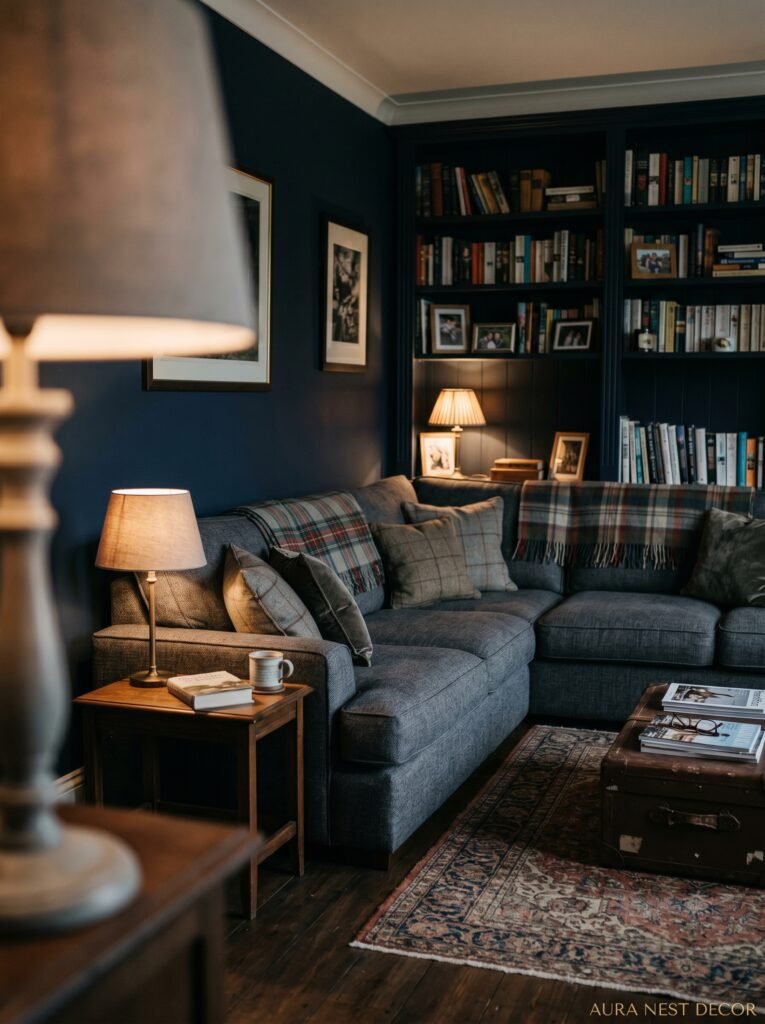
Layered lighting. That’s it. That’s the whole difference.
American living rooms tend to be lit from one or two overhead sources. A ceiling fixture. Maybe recessed lighting if the house is newer. And then the room feels flat no matter what’s in it, because all the light is coming from above.
British living rooms — particularly older homes that never got proper overhead wiring — have no choice but to layer. Floor lamps in corners. A table lamp on the sideboard. A small lamp behind the sofa on a console table. And the result is this warm, layered, amber-at-dusk quality that makes a sectional-centered living room feel impossibly cozy.
If you’re setting up a new living room around a sectional, before you do anything else, think about where your lamps are going. One floor lamp placed just behind and to the side of the sectional’s far corner changes everything. That’s the lamp that goes on at 6pm and makes the room feel like a different, better place.
—
9. The Small Living Room Sectional Setup That Actually Works
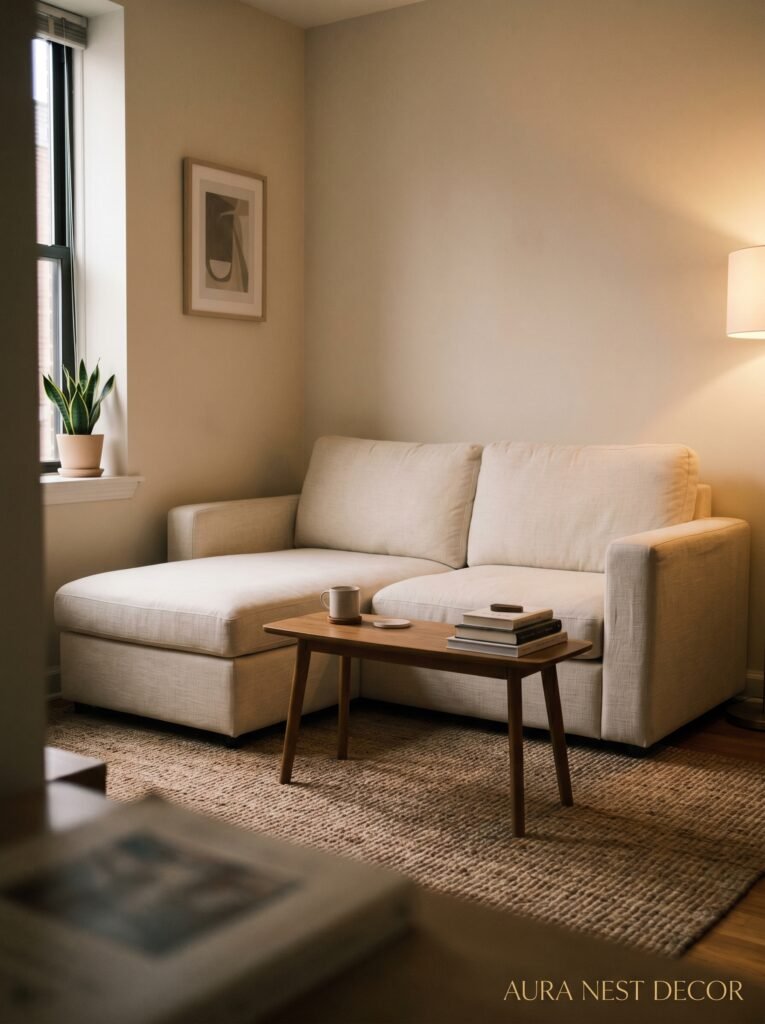
An apartment-scale L-shape in a performance fabric, placed corner-to-wall. That’s it. That’s the setup.
Not a massive deep-seat sectional with a chaise and a cuddler and a storage ottoman. Just a clean, right-sized L-shape that tucks into the corner, frees up floor space, and makes the room look intentional.
The secret to making a small room work with a sectional is treating the corner as the ASSET it is. You’re not cramming furniture in, you’re using the geometry of the room. The corner gives the sofa a home. The floor space in front stays open. You can put a small round coffee table — or two small ones, staggered — without the room feeling crowded.
Side note — round coffee tables deserve more credit. They work so well with the curved front of an L-shaped sectional. No sharp corners competing. Everything just sort of flows.
—
10. Honestly, the Ottoman Situation Needs to Be Addressed
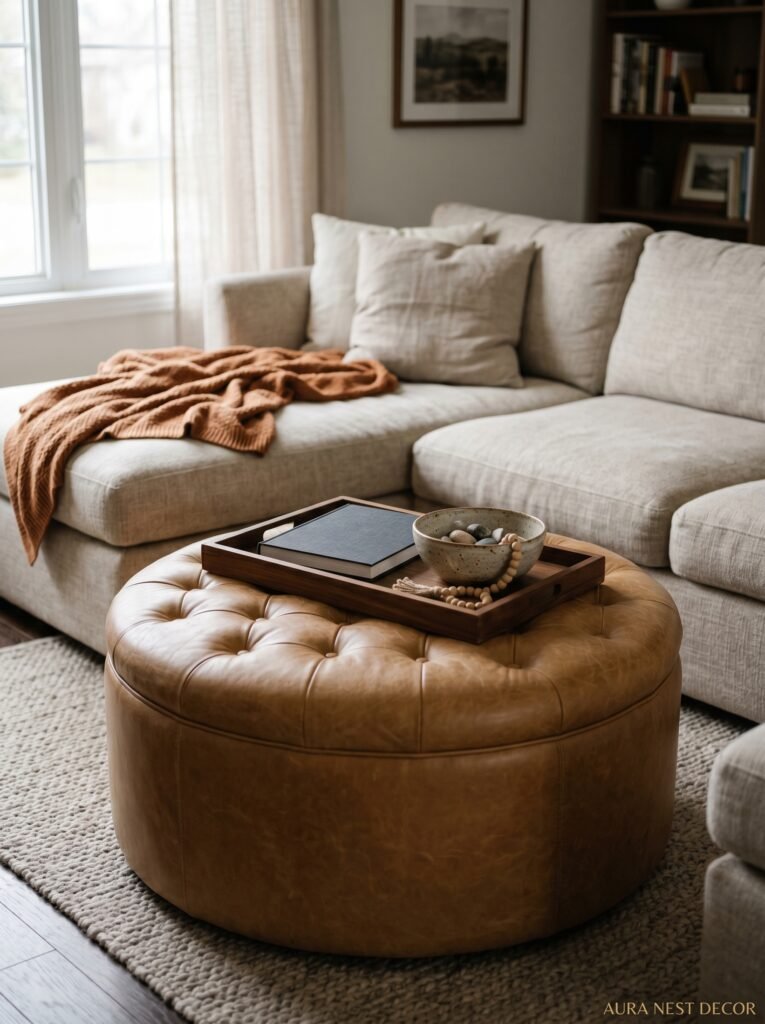
Oversized rectangular ottoman in a matching or complementary fabric. That’s your best friend.
Not a cocktail table. Not a tiny little round pouffe that slides around and serves no actual purpose. An ottoman you can put your feet on, that doubles as a coffee table with a tray, that your guests use as extra seating when you’ve got a full house.
In the UK you might call it a footstool — same idea, same energy. Just get one that’s big enough to matter. Something around 48 by 28 inches is usually the sweet spot for a standard-sized sectional. Big enough to anchor the space, not so big it blocks movement.
Leather ottoman with a fabric sectional? Good contrast. Velvet ottoman with a performance fabric sectional? Beautiful. Matching the ottoman perfectly to the sectional looks a bit expected at this point — a slight variation in texture or tone is more interesting.
—
11. The Art and Wall Situation Around a Sectional
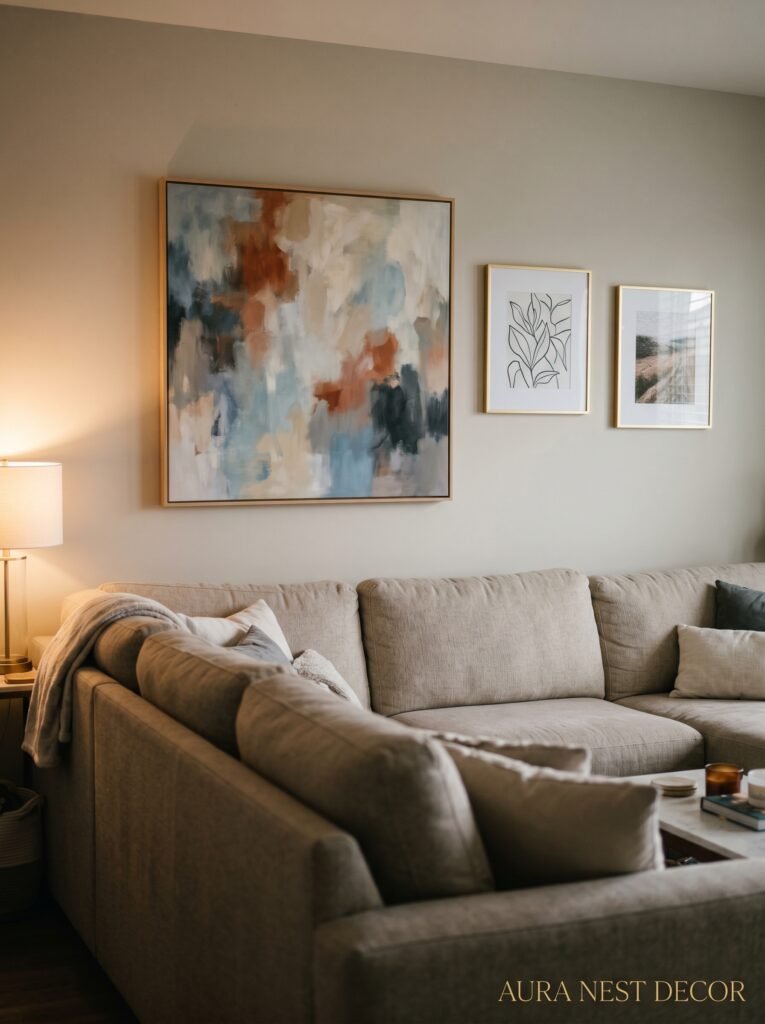
Here’s where people get nervous. The sectional is big. The wall behind it feels big. They either under-do the art or completely over-do it with a huge gallery wall that competes with the sofa for attention.
The simplest approach: one large piece. Not tiny, not a collage — one substantial print or painting centered above the longer section of the L-shape. Something that spans at least two-thirds the width of that sofa section. It should feel proportionate, not small.
Alternatively, a large abstract mirror does something genuinely magical — it reflects light back into the room and makes the space feel wider without any effort. If your living room is fighting to feel bigger, a mirror above the sectional is a low-risk, high-reward move.
What doesn’t work: six small frames in a row. They always look smaller than planned and a bit apologetic.
—
12. The Thing About Sectionals Nobody Warns You About Until It’s Too Late
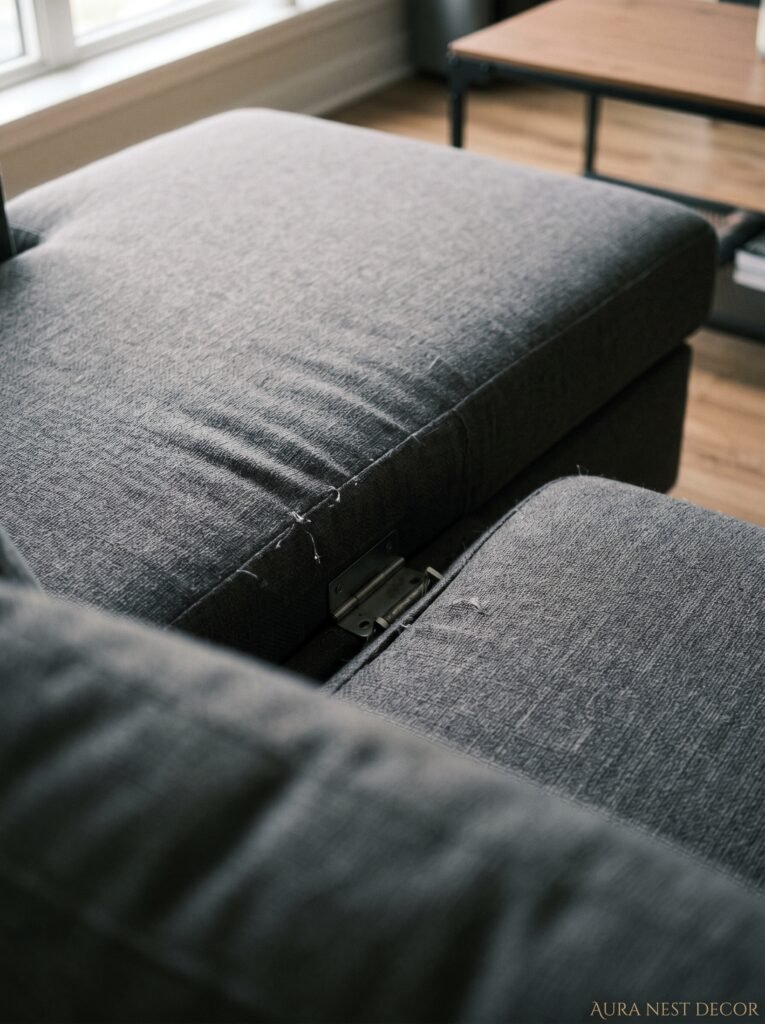
Getting it through the door.
Measure. Everything. Twice. The doorway, the hallway, any corners in the hallway, the staircase if it’s going to an upper floor. Then measure the sofa pieces — because most sectionals come in sections, which helps, but not always enough.
I’ve heard too many stories of people ordering beautiful sofas and then spending moving day watching delivery guys wrestle with it for forty-five minutes before giving up. Some companies will quote disassembly and reassembly, some won’t, and the ones who won’t are often the cheaper ones you ordered on a whim.
Get the measurements before you fall in love. Or fall in love, THEN get the measurements, but do it before you click order. The heartbreak of a returned sectional is real and specific.
—
❓ FAQ
Q: What size sectional do I need for a 12×15 living room? A: For a 12×15 room you’re looking at something in the 100-110 inch range for the long side of the L-shape — enough to anchor the space without eating the entire floor plan. Look for apartment-scale or “small space” options from brands that specify dimensions clearly, and always map it out on the floor with painter’s tape before ordering.
Q: Are sectionals worth it for small UK living rooms? A: They can be, genuinely. The key is choosing an L-shape rather than a U-shape or a sectional with a chaise, keeping the profile low, and placing it in a corner. Done right, a compact sectional in a small British living room makes the space feel intentional and complete rather than cramped.
Q: How do I stop my sectional from separating at the corner? A: Most sectionals come with clips or brackets that connect the sections — use them, because skipping that step is why people end up with a gap in the middle of their sofa by the end of the first month. If yours didn’t come with any, there are universal sofa connector clips that work well and cost almost nothing.
—
💭 Final Thoughts

A sectional isn’t just furniture. It’s a decision about how you want your home to feel — who you’re making space for, how much permission you’re giving yourself to actually rest. Getting it right takes a bit of time and honestly a few wrong turns along the way. But when it clicks, when the rug’s the right size and the lamp’s in the right corner and everyone you love is piled on this giant, ridiculous, wonderful sofa — you’ll understand exactly why it was worth figuring out. Does your living room feel like yours yet?