The Quiet Revolution Happening in Living Rooms Right Now (And Why It Feels So Good)
You walk into the room and something just settles. You can’t immediately name what’s different. There’s no clutter to avoid, no furniture fighting for your attention, no competing colors demanding to be noticed. It’s just… calm. That specific, deliberate kind of calm that takes real intention to create — and this is exactly what modern minimalist living room design has been quietly perfecting.
—
1. Why the Rooms That Stop You Scrolling All Have One Thing in Common
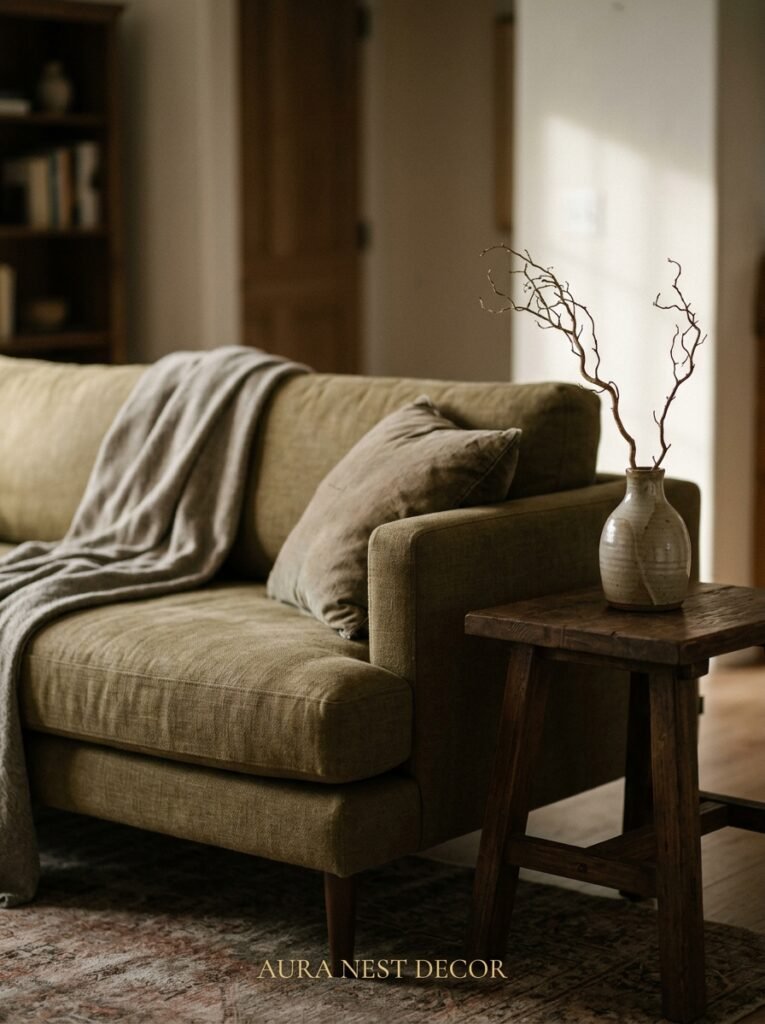
It’s not the expensive sofa. It’s not the architectural bones or the perfect north-facing light, though those don’t hurt. What makes a minimalist sitting room genuinely arresting — the kind you save and re-save on Pinterest — is restraint. The deliberate decision to leave space empty. To let one thing breathe instead of filling every inch.
This is harder than it sounds. We are conditioned, somewhere deep and domestic, to fill space. Empty shelves feel unfinished. A bare corner feels neglected. But the rooms that hit differently are the ones where someone stopped before they were finished. Where they pulled things back instead of adding more.
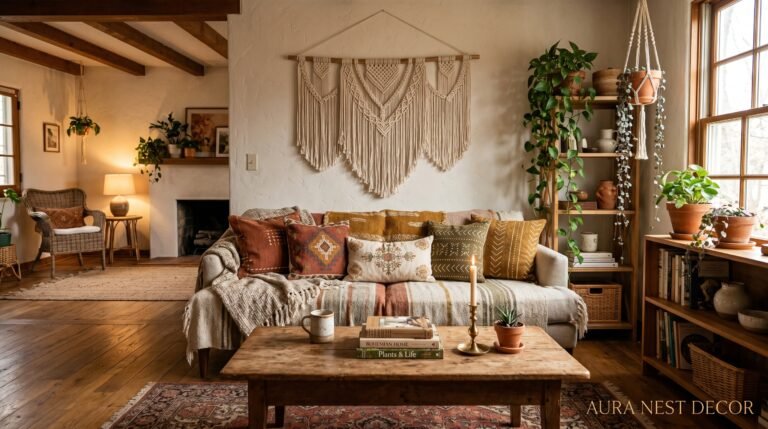
Modern minimalism isn’t cold. That’s the old version — all hard white surfaces and zero personality. The version showing up in homes right now is warmer, softer, more livable. It layers natural textures. It lets wood breathe. It uses color sparingly but with real conviction. Think a single deep terracotta wall in a room that’s otherwise neutral. One oversized piece of art instead of a gallery wall. A single sculptural floor lamp casting that long amber glow across linen cushions at dusk.
The common thread is confidence. These rooms were designed by someone who trusted that less really would be more.
“The rooms that stop your scroll aren’t the fullest ones. They’re the ones where someone had the confidence to stop adding.”
—
2. The Sofa Decision Is Actually a Philosophy Decision
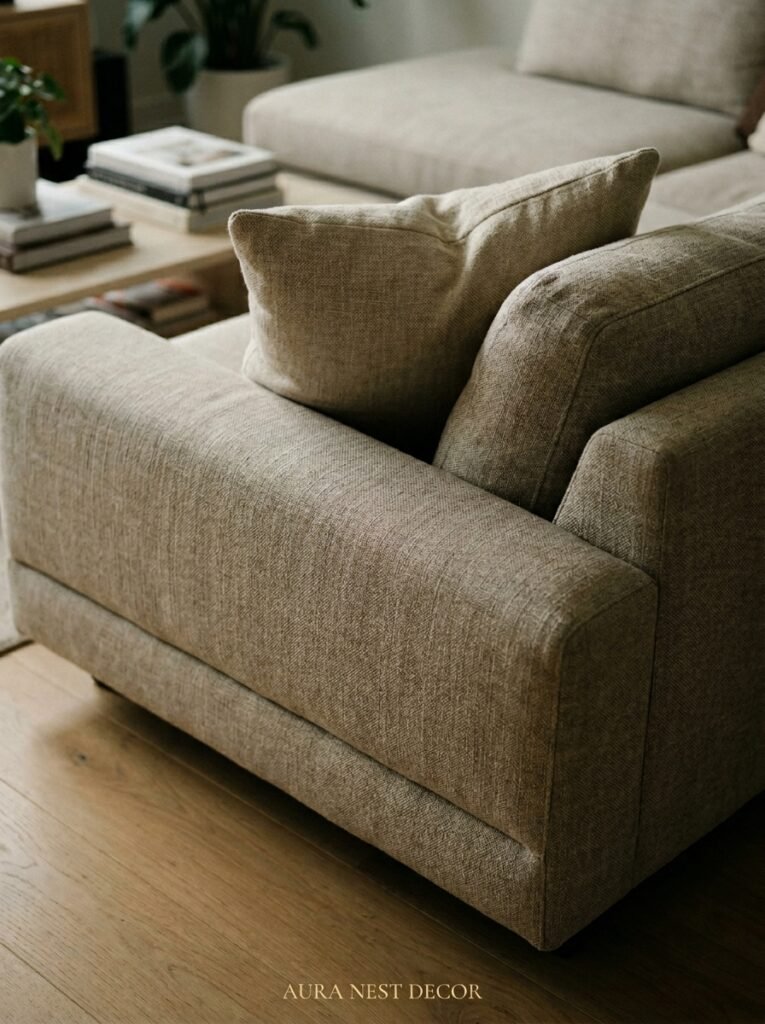
Most people start with the sofa and treat it as furniture. The rooms that work start with the sofa and treat it as a commitment.
In a modern minimalist sitting room, your sofa is doing most of the work. It’s likely the largest piece of furniture, the most expensive, and the one everything else will organize itself around. So choosing it isn’t just about color or size. It’s about what you’re saying the room is going to be.
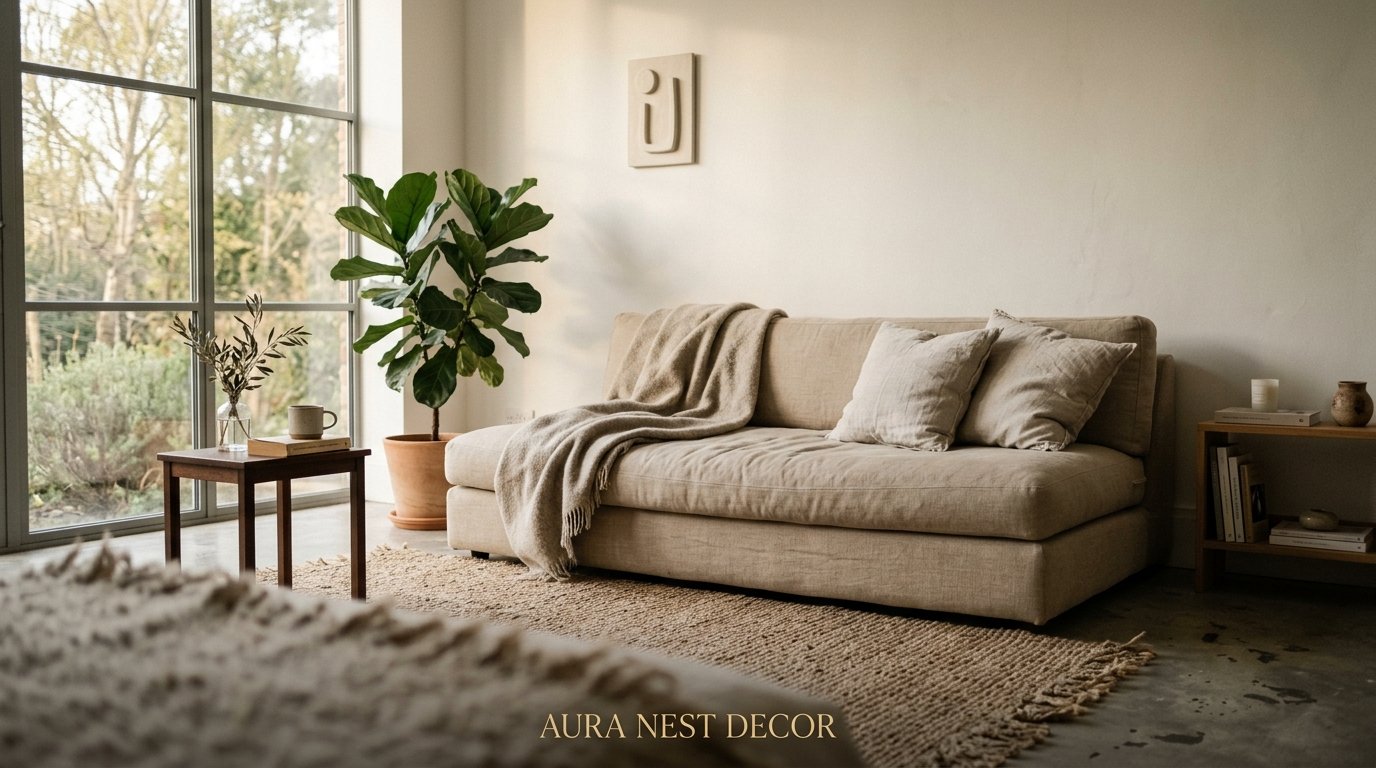
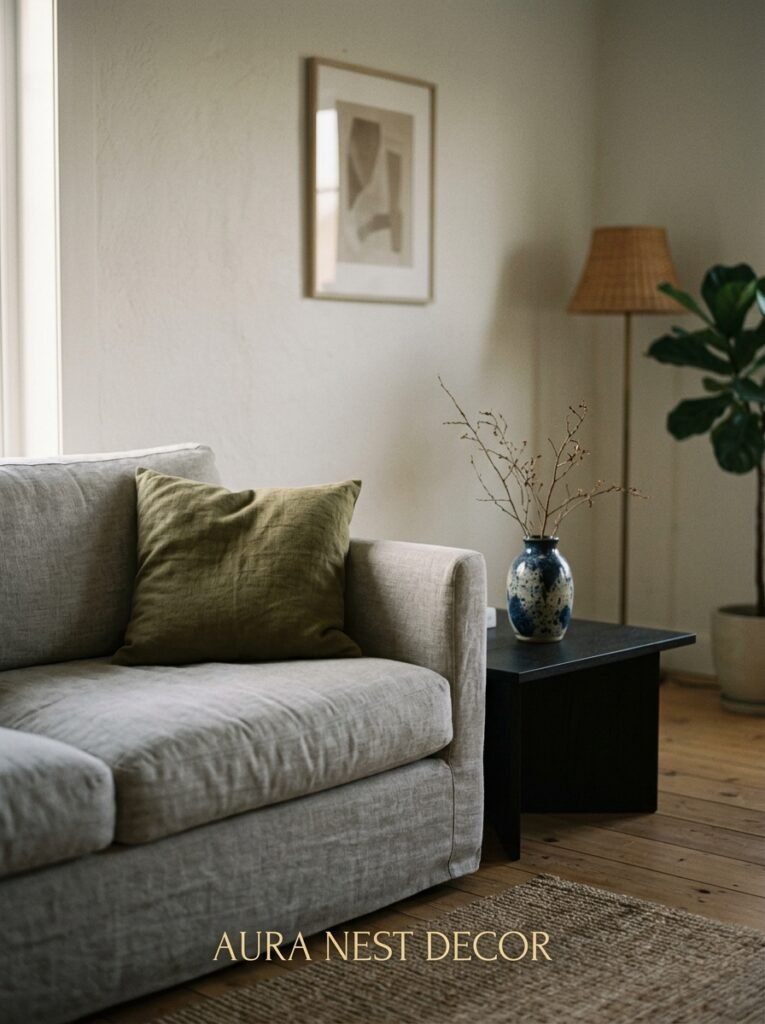
Low-profile sofas in natural linen, oatmeal boucle, or deep charcoal velvet are doing a lot of heavy lifting in modern interiors right now. The silhouette matters enormously. Clean lines. No fussy tufting. No decorative legs that visually chop the room into pieces. The idea is something continuous and grounded — a sofa that sits close to the floor and makes the ceiling feel higher by contrast.
In the UK, where sitting rooms are often smaller and more proportional than their American counterparts, a two-seater or a carefully chosen corner sofa can actually serve the minimalist goal better than a sprawling sectional. In American homes with bigger square footage, the challenge is resisting the urge to fill it — choosing a sofa that’s right for the room, not the room’s maximum capacity.
Stick to one fabric. One color family. Let it be quiet enough that the room can speak around it.
—
3. The Color That Keeps Showing Up in Every Beautiful Sitting Room Right Now
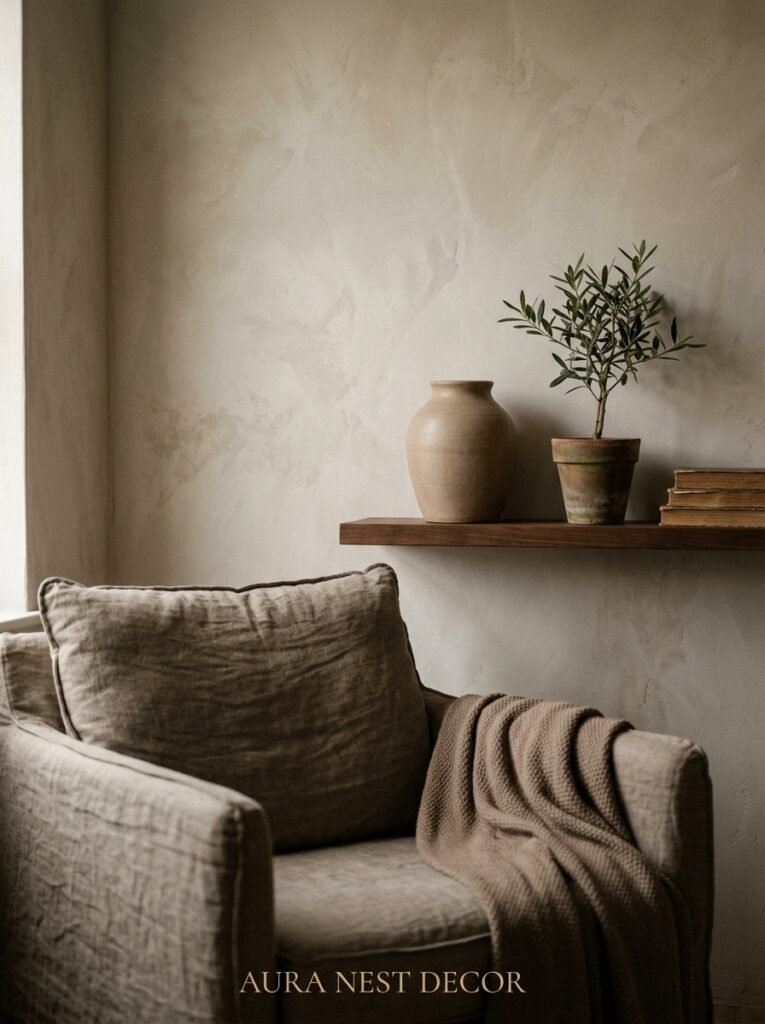
It’s not white. Well, not plain white. It’s the off-whites — the ones with warmth baked in. Greige. Bone. Warm stone. The color of thick cream in morning coffee.
These tones are everywhere, and there’s a very good reason for it. They read as neutral while still feeling inhabited. A room painted in a true warm white or a soft greige immediately feels like someone made a choice. Pure bright white can feel clinical, slightly unfinished, like a showroom that hasn’t been lived in yet.
But here’s what’s genuinely interesting: the minimalist rooms generating the most conversation on Pinterest right now aren’t all-neutral. They’re using one strong, considered color as an anchor. Sage green. Clay. Deep slate blue. A muted, almost dusty version of rust. The wall or the single statement piece that gives the eye somewhere to land.
The rule — if you want one — is this: pick one color that isn’t neutral and make it count. One wall. One large textile. One piece of furniture in that tone. Then let everything else support it without competing.
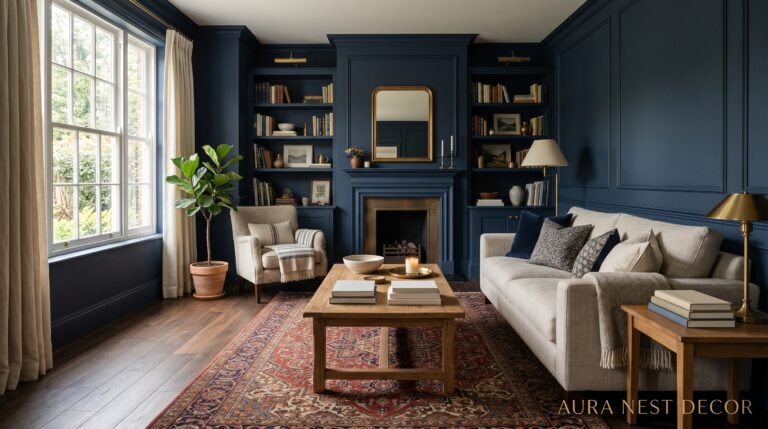
In British homes especially, the dark, rich tones are having a real moment. Forest green sitting rooms, deep navy walls with warm brass fixtures. It sounds maximalist but executed with restraint, it reads as entirely minimalist in spirit.
—
4. What No One Tells You About Minimalist Furniture Arrangement
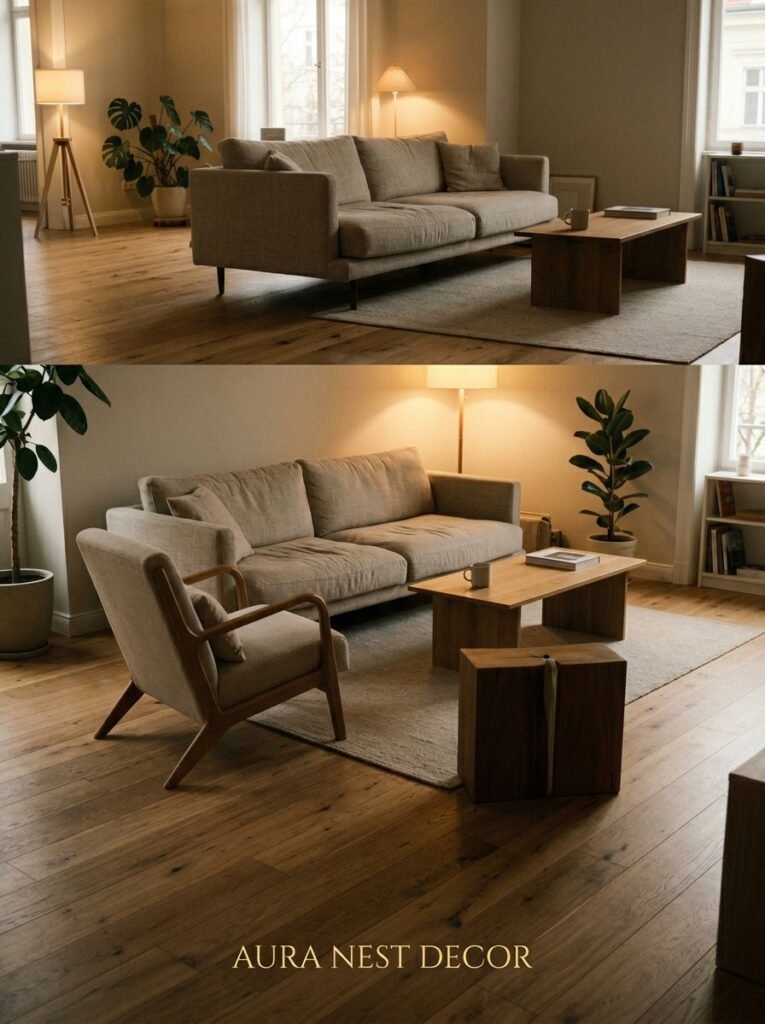
You can have every right piece and still get the arrangement completely wrong.
The most common mistake is pushing all the furniture against the walls. This feels like it creates space, but it actually does the opposite — it makes the room feel like a waiting room, a perimeter of disconnected pieces with an empty void in the middle.
Minimalist interior design pulls furniture away from the walls and into conversation with each other. The sofa floats. The chairs angle in. There’s a rug anchoring the arrangement in the center of the room, defining the space as intentional rather than accidental.
In a small sitting room — a typical British terraced house front room, for example, or a New York apartment living space — this might feel terrifying. But even pulling the sofa just eight inches from the wall can transform how the room reads. It creates depth. It signals that the room was designed, not just furnished.
The other thing no one mentions: leave more floor visible than feels comfortable at first. One good rug, placed well, is more powerful than multiple rugs layering and competing. And bare floor — particularly wood, tile, or polished concrete — is not emptiness. It’s part of the composition.
“Floating your furniture in the room feels wrong at first. Then it feels like the only way the room has ever made sense.”
—
5. The Lighting Situation Most Sitting Rooms Are Getting Wrong
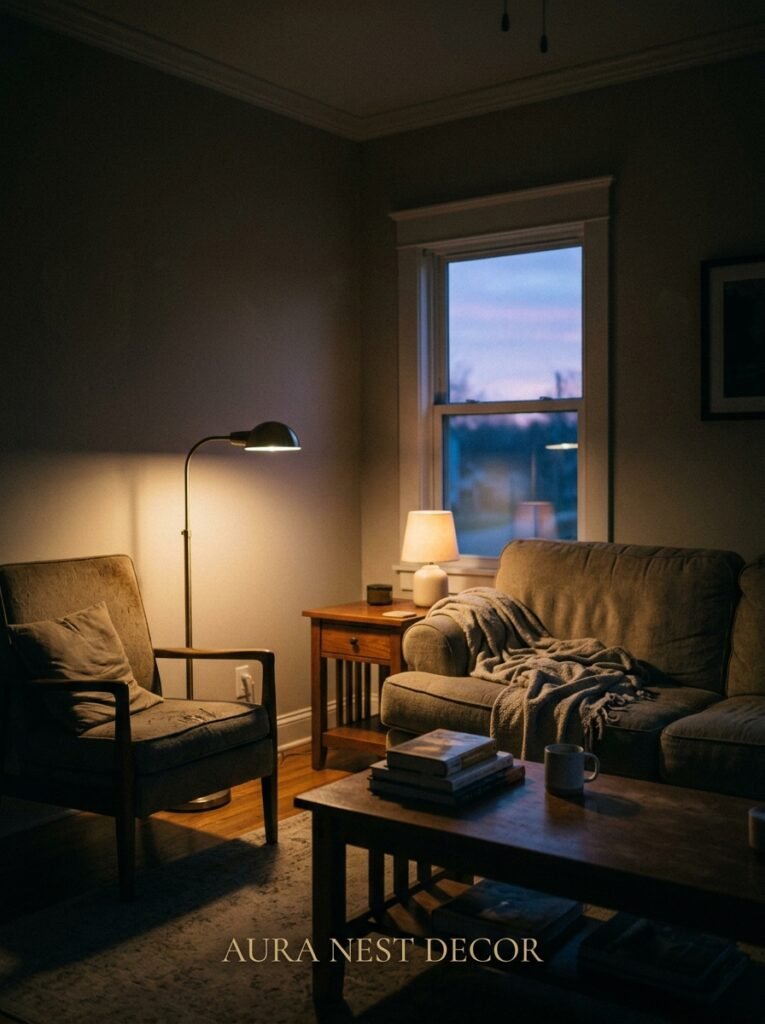
Overhead lighting is the enemy of atmosphere. There. Said it.
A single overhead light — especially one sitting flush against the ceiling — flattens everything. It makes a room feel less like a home and more like a break room. And yet this is where most people stop thinking about lighting, because it’s what’s already there and changing it feels like a project.
It is a project. It’s worth it.
Modern minimalist sitting rooms layer light from multiple low sources. A floor lamp in the corner, set at sitting height. A table lamp on a side table that casts a warm pool across the sofa. Occasionally, a pendant hung low over a coffee table to create a soft focal point. The bulbs matter: 2700K or 2800K color temperature, warm enough to feel genuinely cozy, not the slightly greenish daylight white that makes everyone look tired.
In the UK, plug-in pendant lamps have become a practical solution for renters who can’t rewire. They look purposeful and cost a fraction of an electrician’s visit. In the US, dimmer switches are something that more sitting rooms should have installed — they cost around $20 a piece and they will change your evenings completely.
The goal is to never see a bulb and never be able to identify a single light source. The room should just… glow.
—
6. Texture Is Doing the Job That Color Used to Do
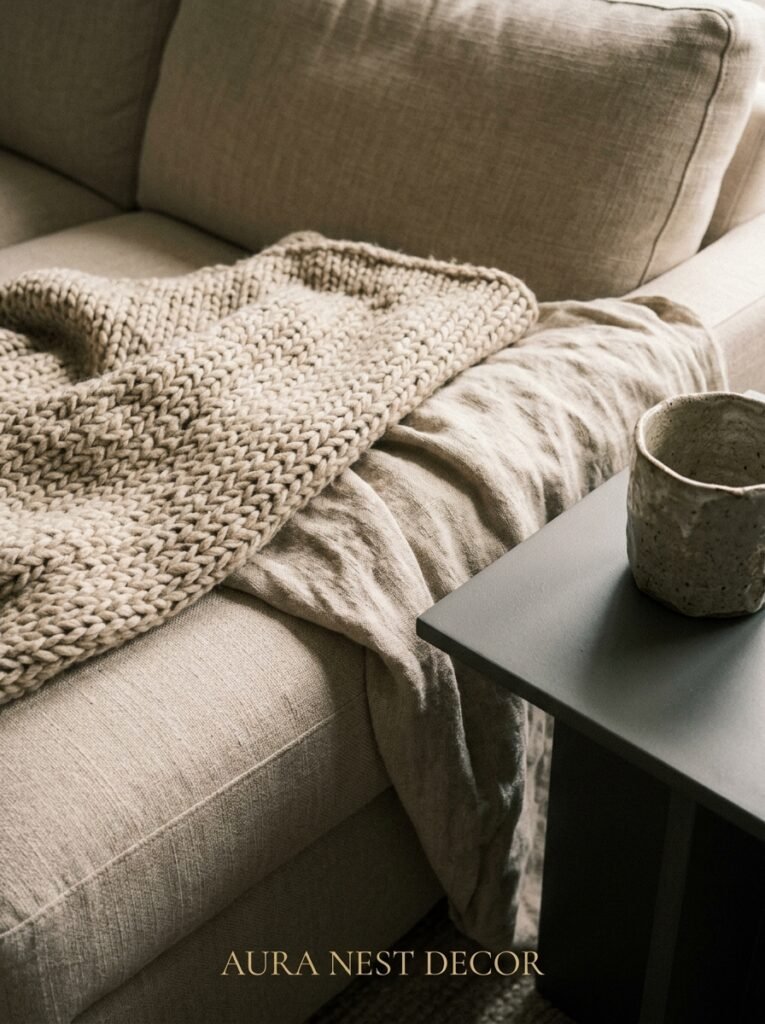
When you strip back the color palette to something quiet and considered, texture has to carry the room.
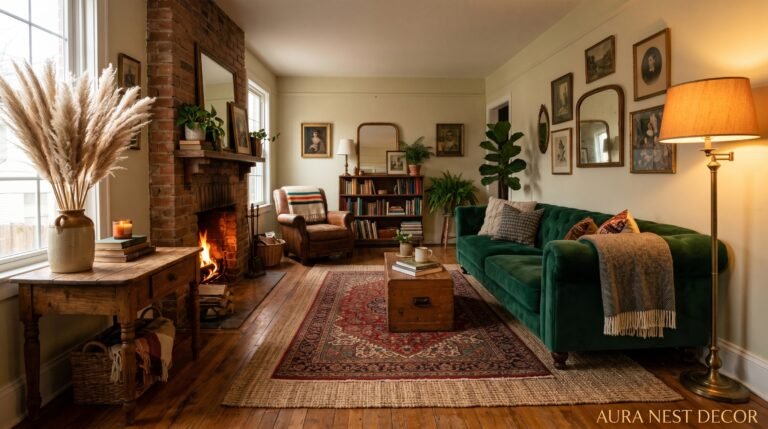
This is actually wonderful news, because texture is one of the most tactile, immediate pleasures of a beautifully designed space. A chunky knit throw draped at the end of a linen sofa. A jute rug under oak floorboards. A smooth plaster wall next to the raw grain of a wooden shelf. These contrasts are what make a minimalist room feel rich rather than sparse.
The key is variation. Not more pieces — different surfaces. A sitting room that mixes matte, rough, smooth, and soft reads as layered and thoughtful. A room where everything is the same surface temperature — all smooth, all matte, all the same weight — reads as flat, regardless of how many things are in it.
Natural materials are the foundation of this approach. Wool, linen, cotton, jute, rattan, oak, stone, terracotta. Nothing synthetic if it can be avoided. There’s a reason these materials keep coming back: they age well, they photograph beautifully, and they feel genuinely good to touch. That last part matters more than we give it credit for.
—
7. The One Rule That Makes Any Sitting Room Feel Intentional
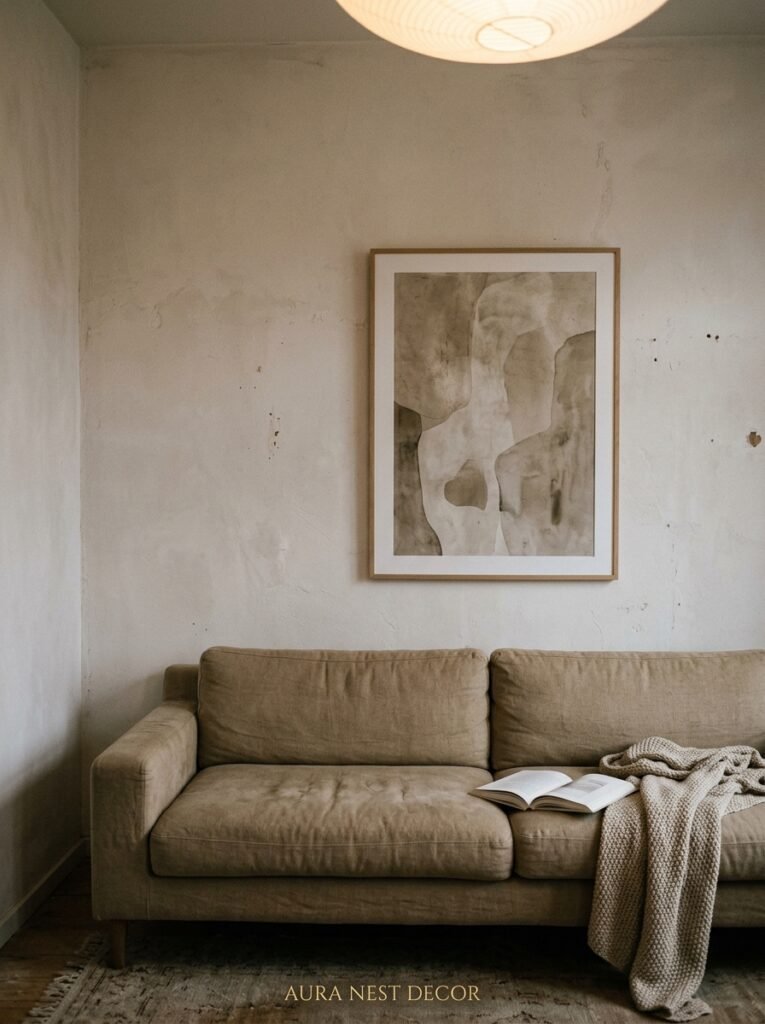
Every object in the room has to be able to answer the question: why are you here?
That’s it. That’s the rule.
Not everything has to be beautiful. Not everything has to be expensive. But everything has to have a reason that goes beyond “I had it” or “it was on sale” or “it’s fine.” Objects that can’t answer the question are why rooms feel cluttered and unresolved even when they’re technically tidy.
This doesn’t mean decorating with ruthless detachment. It means the things that stay should be there because they’re useful, because they’re genuinely loved, or because they’re doing specific visual work in the composition of the room. The small sculpture that creates height on a shelf. The single art book left on the coffee table because its spine color anchors the palette. The candle in the particular amber glass that catches afternoon light differently from anything else.
In practice, this means an editing process. Taking things out of the room and living with the space before adding anything back. Most people discover they don’t need to add anything at all — they just needed to remove.
“Before you buy one more thing for your sitting room, try taking ten things out. The room will tell you what it actually needs.”
—
8. What British Sitting Rooms Do That American Living Rooms Should Steal
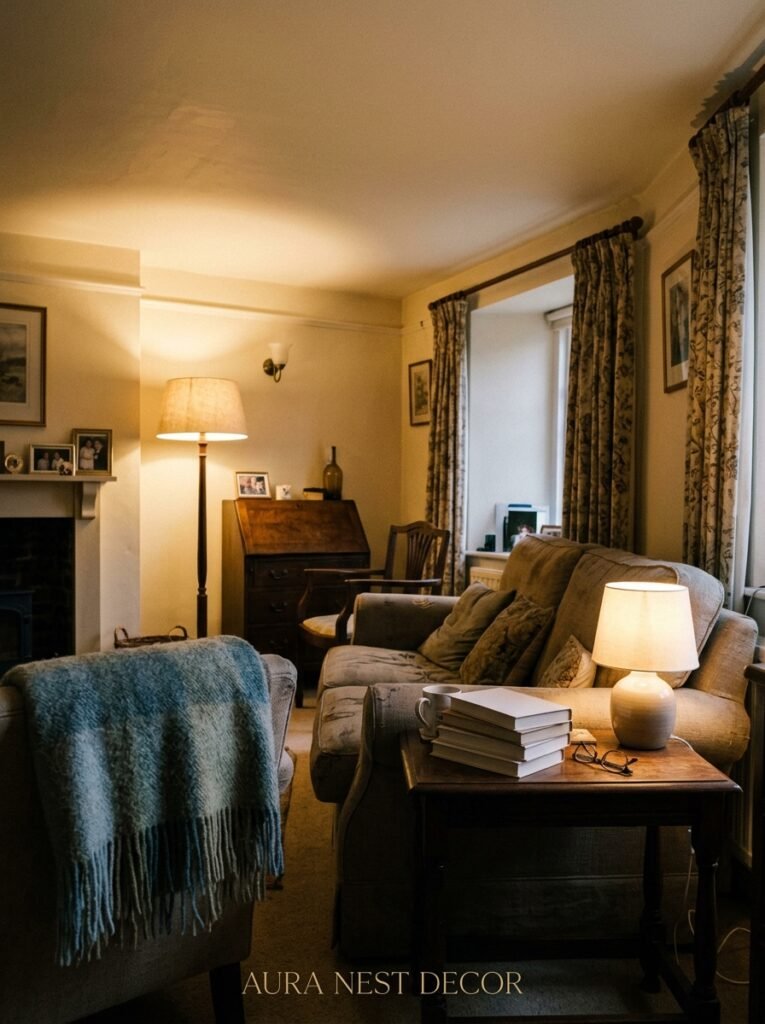
There’s a coziness philosophy embedded in British home design — call it hygge’s more understated cousin — that produces sitting rooms with a particular quality of comfort. They feel used. Lived in without being cluttered. Warm without being overwhelming.
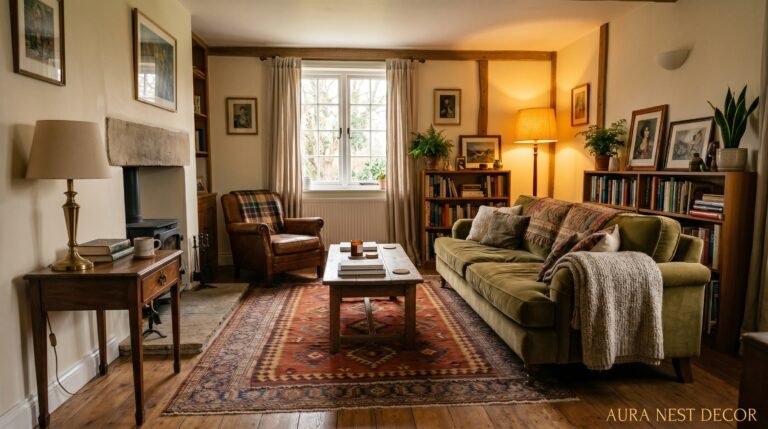
A few specific things: the tendency toward darker, richer paint colors that make a small room feel like a jewel box rather than a box. The comfort with mixing older pieces — a Victorian fireplace, an inherited side table — into a modern scheme without feeling like they need to match everything. The understanding that a sitting room is for sitting, not performing.
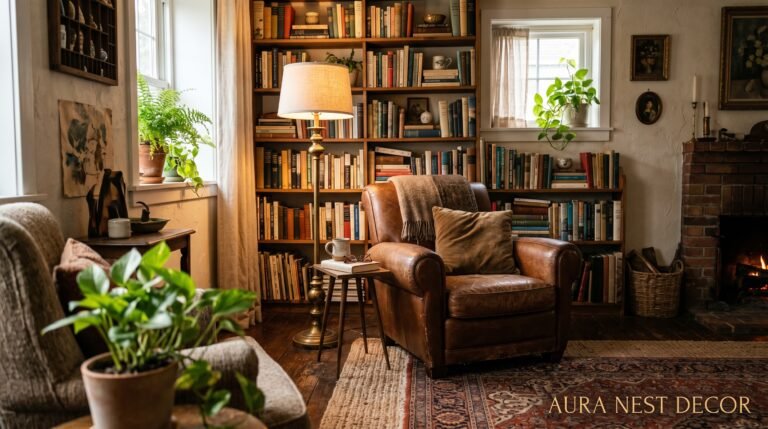
American living rooms often err toward showroom-readiness. Big, clean, impressive. But the rooms that feel most genuinely inviting are the ones where you can see evidence of a person — a book left face-down, a wool throw that’s been used, a single personal photograph rather than a curated gallery.
The exchange should go both ways, though. American design tends toward natural light, open flow, and more generously scaled furniture that British rooms could use more of. The best modern minimalist sitting rooms borrow from both traditions: British warmth and intimacy with American scale and airiness.
—
9. The Coffee Table Conversation (And Why Most People Are Having It Wrong)
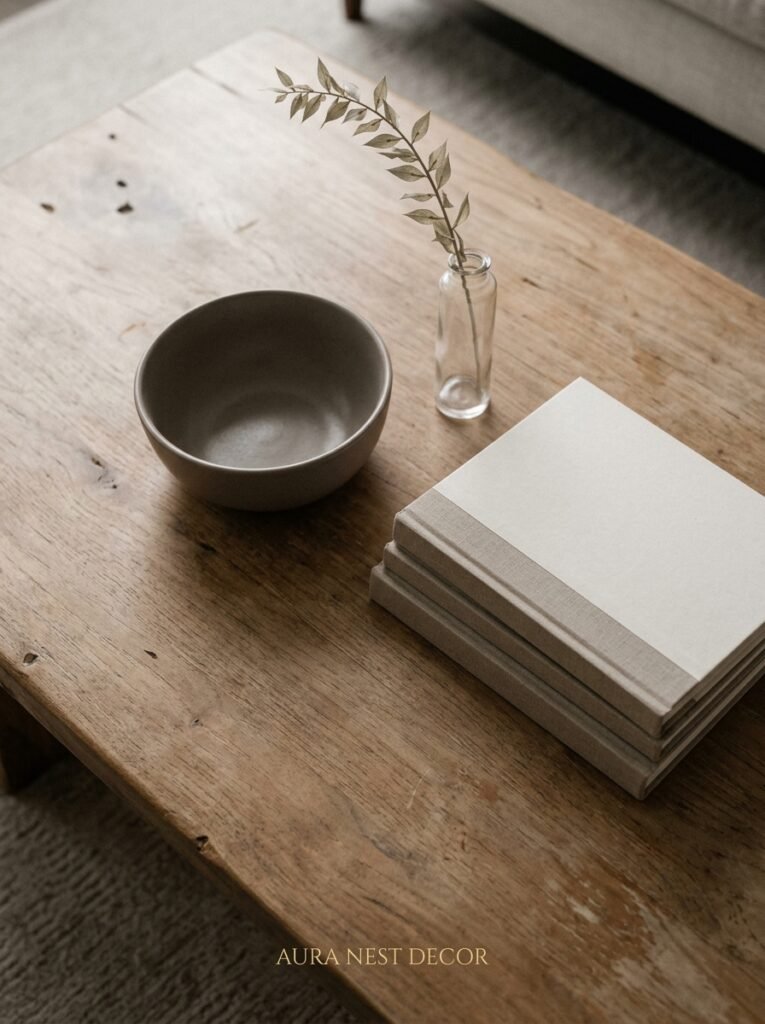
The coffee table is the most underestimated piece in the room.
It sits at eye level when you’re seated, which means it’s actually the thing you look at most. It holds things. It defines the center of the arrangement. And it’s where a lot of well-intentioned minimalist sitting rooms fall apart — either too styled (the artful stack of books, the bowl of objects, the candle arrangement that looks like it came directly from a set) or too empty (the bare surface that makes the whole arrangement feel unfinished).
The answer is something between the two. One real object you love. Two at most. A single interesting candle or an actual plant, not a faux one. Maybe the art book you’re genuinely reading right now, not the stack of expensive coffee table books you bought for the aesthetic. Something that has a life outside its function as styling.
Shapes matter here too. Round coffee tables soften a room with lots of straight lines. Oval ones work beautifully in narrower spaces. A square glass coffee table keeps floor visible and reads as lighter than its footprint suggests.
—
10. Plants: The Argument for One Good One Instead of a Jungle
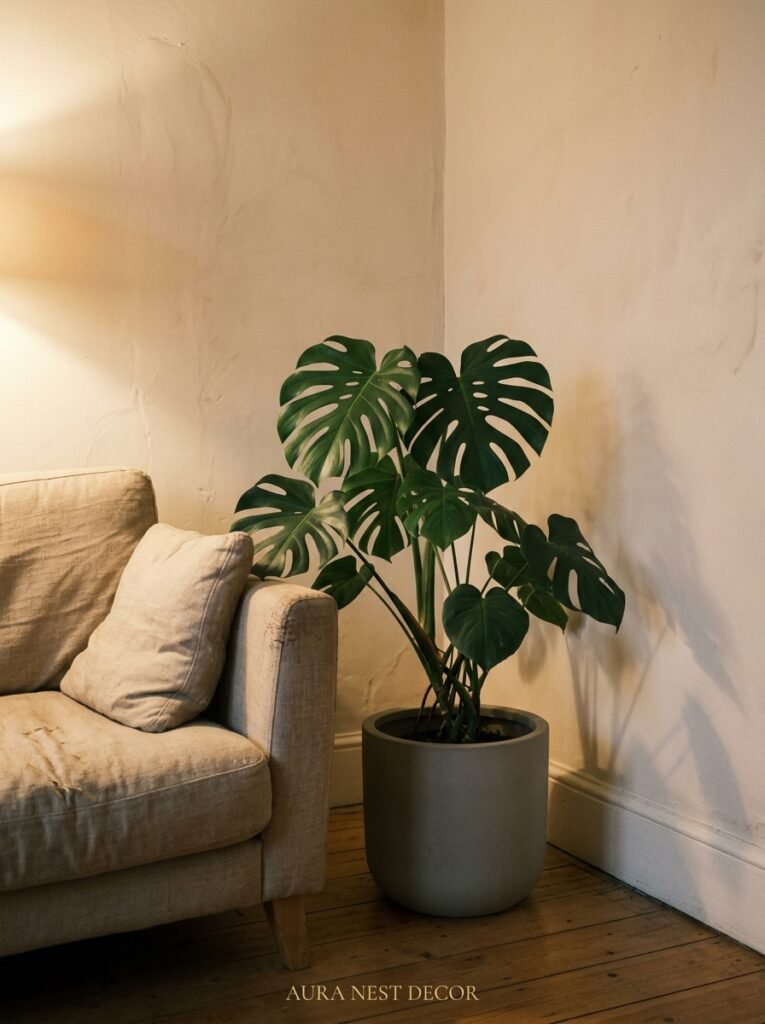
The “plant shelfie” moment may have peaked. What’s replacing it in the sitting rooms worth saving is something more considered: a single, well-placed plant that does real work in the space.
A fiddle leaf fig or a tall snake plant in the right corner adds height, organic line, and that particular green that no paint color ever quite replicates. One large olive tree in a simple terracotta pot can anchor an entire seating arrangement. A trailing pothos above a floating shelf can soften a wall of open shelving without cluttering it.
The single-plant approach also means you actually care for it properly. The sad, leggy, under-watered collection of fifteen small plants is not the room it looked like in the inspiration picture. One healthy, thriving, beautiful plant is always better than eight struggling ones.
For dark UK sitting rooms with limited natural light, choose accordingly: ZZ plants, sansevieria, pothos, and cast iron plants are honest performers in low light. For sun-drenched American rooms with south or west exposure, a fiddle leaf fig will genuinely thrive and reward you with growth that changes the room over seasons.
—
11. The Shelf Situation: What to Keep, What to Edit, What to Finally Let Go
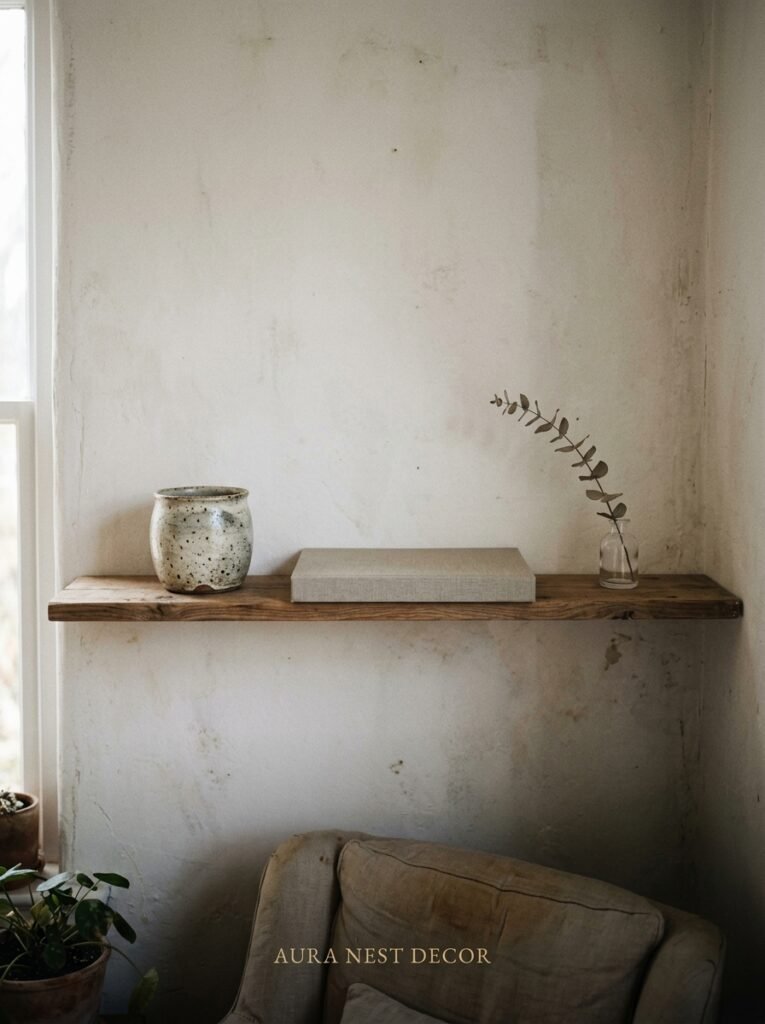
Open shelving in a sitting room is either the most beautiful thing in the space or the most visually chaotic. There is almost no middle ground.
The minimalist approach to shelving is not about removing personality — it’s about curation. The difference between a shelf that reads as thoughtful and one that reads as cluttered is usually one or two objects too many. Keep pulling things back until the remaining pieces have room to breathe around them.
The objects that belong on a minimalist sitting room shelf: things with interesting silhouettes, varying heights, and a unified color story. A ceramic object in your palette’s neutral. One small framed piece of art. A single book (face out, spine showing, not a stack). A plant or a single stem in a narrow vase.
The objects that don’t belong: multiples of things (three similar small vases clustered together), anything with a logo or visible branding, the accumulated miscellany of everyday life — the batteries, the remote controls, the things that don’t have a home anywhere else. Give those things a home somewhere they won’t be seen from the sofa.
—
12. The Thing Underneath Everything — Why This Feeling Is Worth Chasing
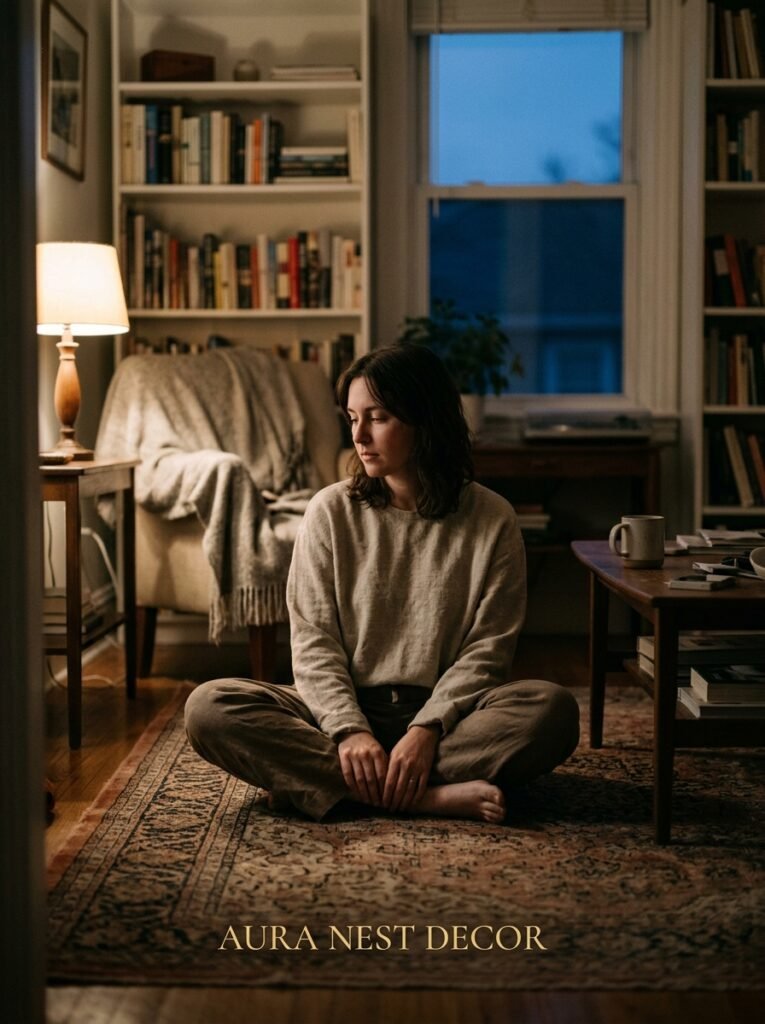
There’s a reason modern minimalist sitting rooms resonate so deeply right now, and it’s not purely aesthetic.
We live in a time of near-constant visual and informational noise. Our phones. Our inboxes. The street. The news. The endless recommendation algorithms that are always offering us more. Walking into a room that has been deliberately edited — where the noise has been turned down, where every single thing present has earned its place — produces a genuine physiological response. Shoulders drop. Breathing slows. Something unclenches.
This is the real case for minimalist design. Not that it looks good in photographs (though it does). Not that it’s on trend (though it is). But that a room you’ve carefully curated changes how you feel when you’re in it. It gives you somewhere to recover.
And here’s the thing about that: it’s accessible to almost anyone. You don’t need to knock down walls or hire a designer or buy expensive new furniture. You need to get specific about what you keep and why. You need to buy one less thing and remove ten things instead. You need to trust that the room will feel more finished, not less, once you let it breathe.
The quietest rooms are often doing the loudest, most important work.
—
❓ FAQ
Q: How do I make a minimalist sitting room feel warm and not like a hotel lobby? A: Texture is the key difference between cold minimalism and cozy minimalism. Layer natural materials — linen, wool, jute, wood — and use warm-toned lighting from low sources rather than overhead. One meaningful personal object, like a piece of art you genuinely love, will do more for warmth than a dozen generic accessories.
Q: Can I have a minimalist sitting room if I have kids or pets? A: Absolutely, though the approach shifts slightly toward durable and easy-to-clean over purely beautiful. Washable linen or performance fabric covers, hidden storage that actually closes, and a lower “decorative object” count will serve you far better than a pristine styled shelf that needs constant resetting. Minimalism in a family home just means fewer things that have to be managed.
Q: Where do I start if my sitting room currently feels chaotic and overwhelming? A: Start by removing, not buying. Spend one afternoon taking everything non-functional off surfaces and out of the room entirely. Live with the empty version for a few days before adding anything back. Most people find they add back only about half of what they removed — and the room immediately feels more like the inspiration images they’ve been saving.
—
💭 Final Thoughts
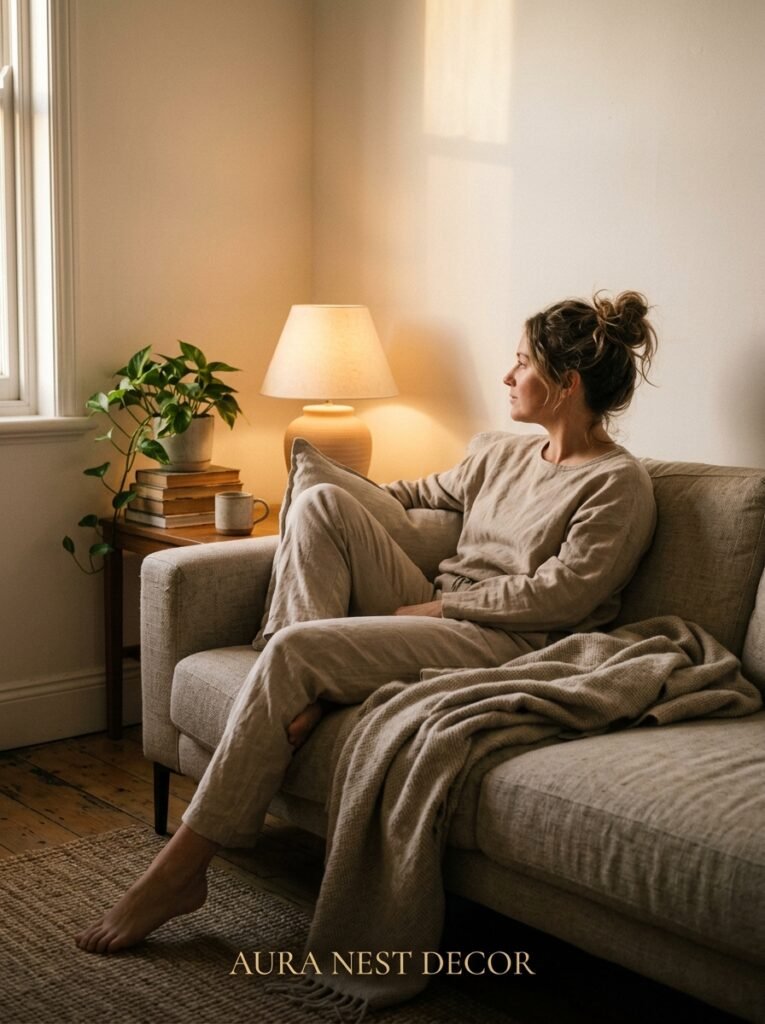
The sitting room gets more of your attention, your time, and your evenings than almost any other space in your home. It deserves to feel like it was made for you — not assembled from a checklist. The modern minimalist approach isn’t about achieving a look. It’s about creating a specific feeling you can return to at the end of a long day.
The most beautiful rooms aren’t the fullest or the emptiest. They’re the most honest. What would your sitting room look like if it only contained the things that genuinely belonged there?