The Sitting Room Glow-Up Nobody Saw Coming: Modern Ideas That Actually Feel Like Home
You walk in, and something’s off. The room has all the right pieces — a sofa, some cushions, a rug — but it doesn’t feel like you. It feels like a showroom where no one ever spills their tea. That’s the thing about modern interior design: done wrong, it’s cold. Done right, it’s the most comfortable, alive space in the house.
—
1. Why “Modern” Doesn’t Mean What You Think It Means Anymore
The word modern got hijacked somewhere around 2015. It came to mean white walls, bare floors, and furniture that looked like it belonged in a Scandinavian airport lounge. Minimal to the point of miserable. And a lot of people decorated that way, then wondered why they felt vaguely anxious every time they sat down.
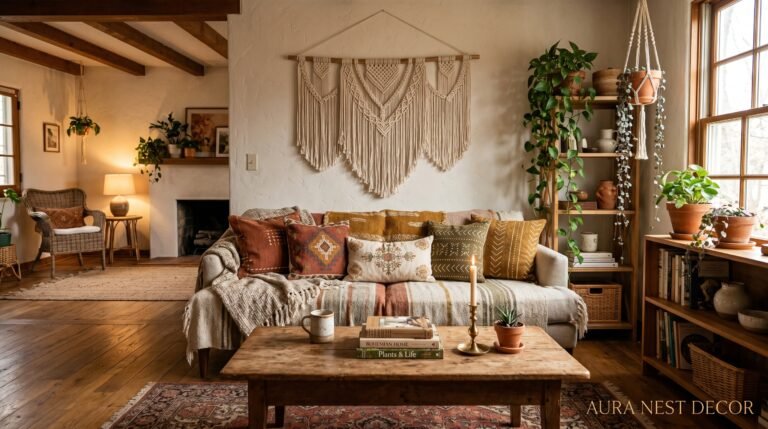
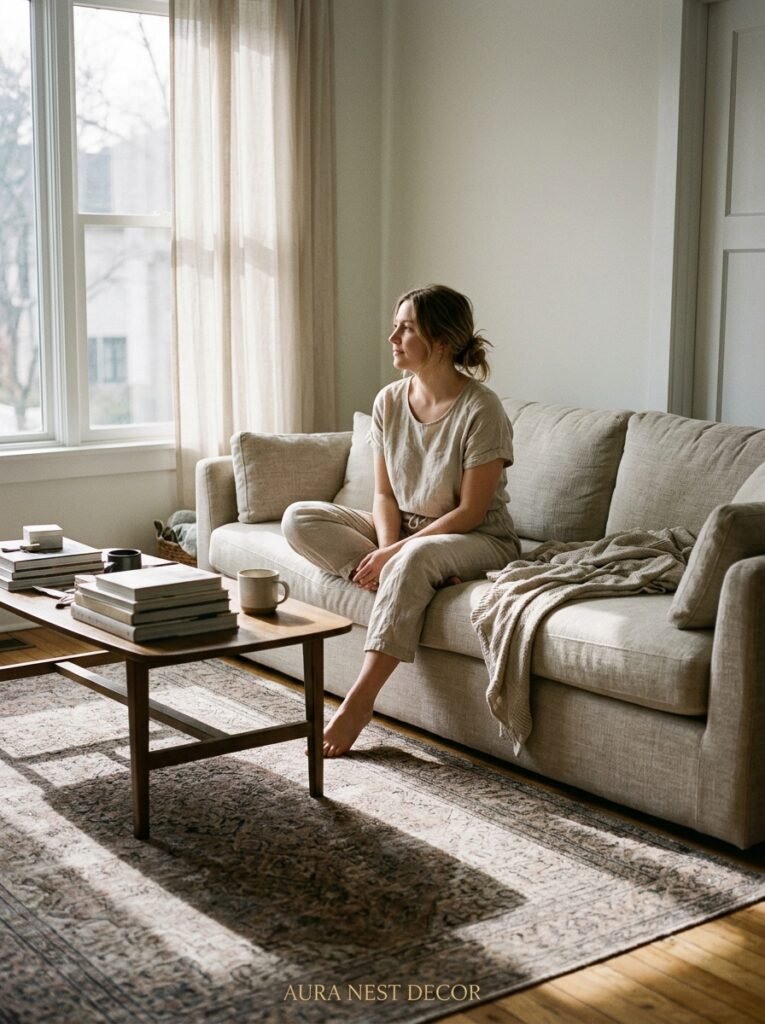
Real modern living room design in 2024 is something entirely different. It’s warmer. It layers texture against texture — a nubby boucle sofa against a smooth plaster wall, a rough jute rug beneath a glass coffee table. It borrows from different eras without looking confused. It has a point of view.
The rooms that stop you mid-scroll on Pinterest right now are not empty. They’re full. They have books stacked at odd angles, a lamp that throws light in exactly the right direction, cushions that look slightly thrown rather than placed with a ruler. Modern doesn’t mean sparse anymore. It means intentional.
And intentional is something any room can become, no matter the size, the budget, or the fact that you’ve been staring at the same walls for three years and have completely lost the ability to see them.
“Modern design isn’t about owning less. It’s about choosing better.”
—
2. The Sofa Color That Interior Designers Are Quietly Recommending Right Now
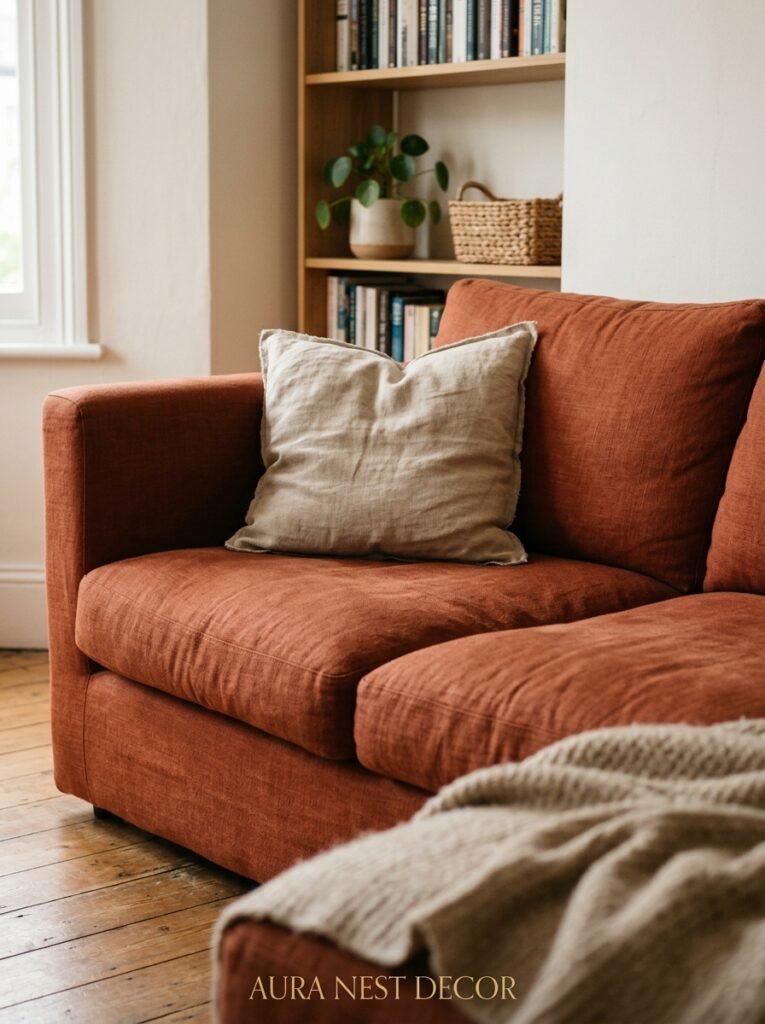
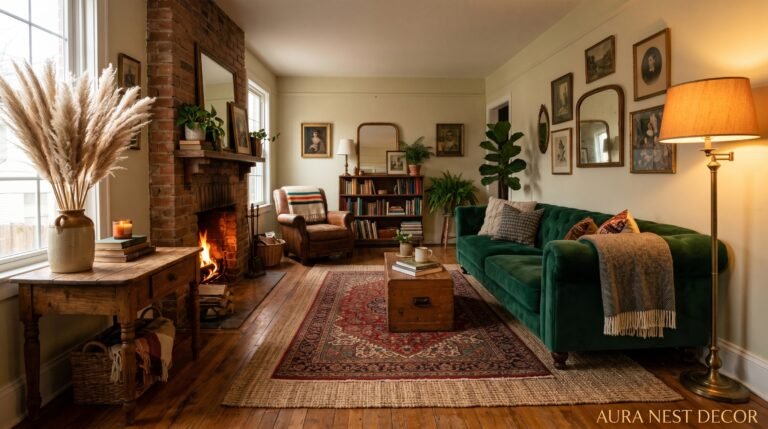
Everyone wanted grey sofas for years. Decades, honestly. And then one day, grey just felt… exhausted. Tired. Like a sky that can’t decide whether to rain or not. The sofas that are making rooms feel genuinely alive right now are unexpected: deep terracotta, warm camel, forest green, even a dusty burgundy that somehow works with everything.
The logic is simple. A colored sofa becomes the anchor of the whole room. You stop treating your furniture like a neutral backdrop and start treating it like a statement. The rest of the room — walls, rugs, cushions — gets to respond to that statement rather than float around trying to find direction.
If you’re nervous about committing to color on a large piece, here’s the trick designers use: pull the sofa color into at least two other places in the room. A throw in a similar tone on the armchair. A vase on the shelf. A single cushion. Suddenly the sofa isn’t an accident — it’s a decision, and the room feels designed rather than assembled.
For UK readers decorating in older homes with lower ceilings and smaller windows, warm tones work especially hard. They absorb light rather than reflecting it harshly, which means the room glows rather than glares.
—
3. The Lighting Setup Nobody Tells You About Until You See It in Person
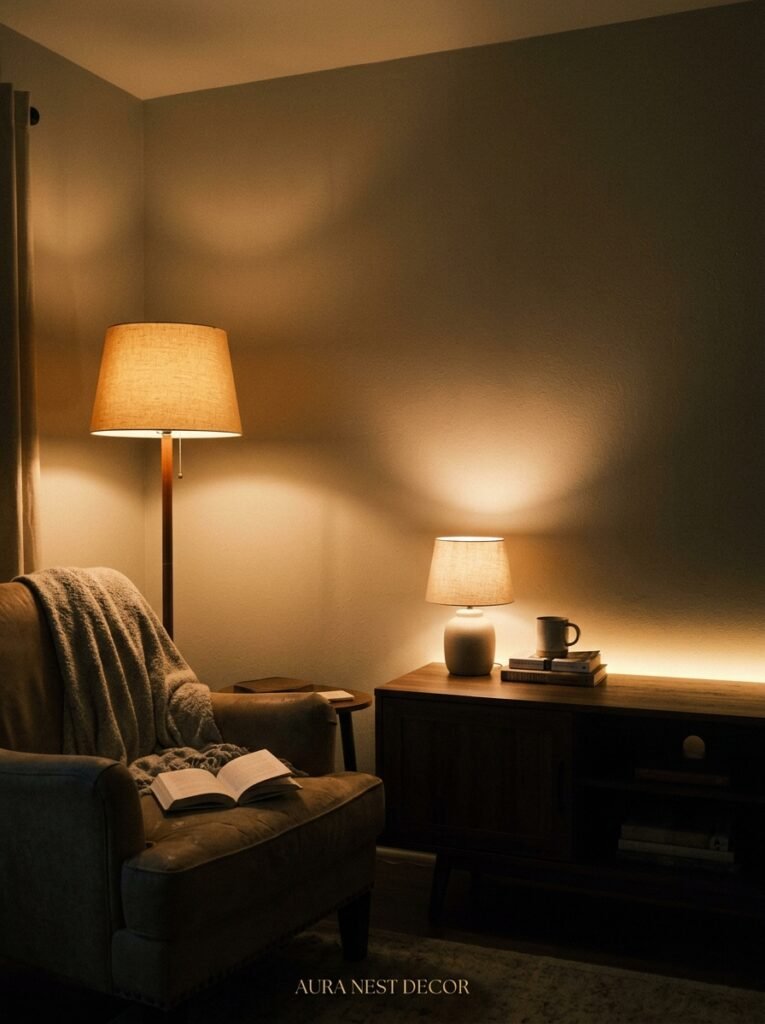
Overhead lighting is a trap. A single ceiling light in the middle of a room flattens everything. It’s practical for changing a lightbulb and deeply unflattering for everything else. The rooms that look extraordinary in person — and in photos — are lit from multiple low points around the perimeter.
Think: a floor lamp in the corner behind the sofa. A table lamp on the side table. Candles on the coffee table for evenings. Maybe a small wall sconce if you have the wiring for it. The light sources are never centered, never uniform, and almost never above eye level when you’re sitting down.
The color temperature matters enormously. Anything cooler than 2700K in a sitting room starts to feel clinical — like a dentist’s waiting room rather than a home. The amber glow of an Edison bulb at 7pm, the softness of a linen lampshade diffusing a warm bulb — that’s what makes a room feel like the place everyone wants to stay.
Dimmers are worth every penny of the installation cost. One switch, and the same room shifts from afternoon clarity to evening intimacy in seconds.
—
4. The One Rug Rule That Instantly Makes a Room Look More Considered
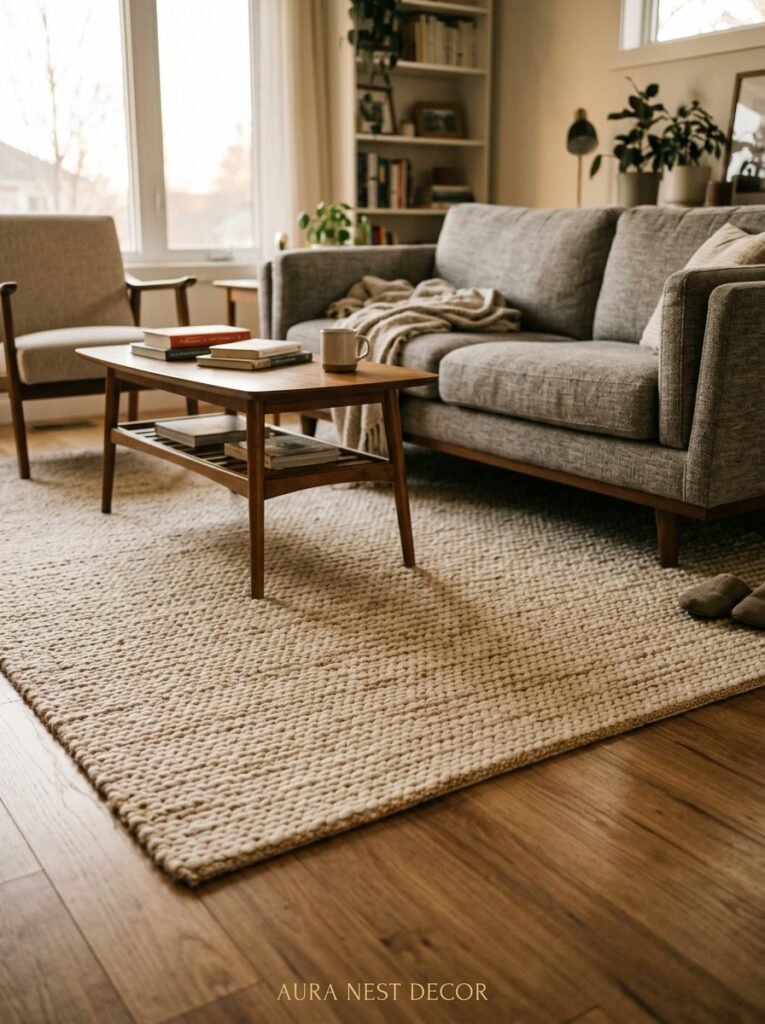
Too small. That’s the most common rug mistake in sitting rooms on both sides of the Atlantic. A small rug floating in the center of a large-ish room looks like a bath mat that wandered in from the hallway and gave up.
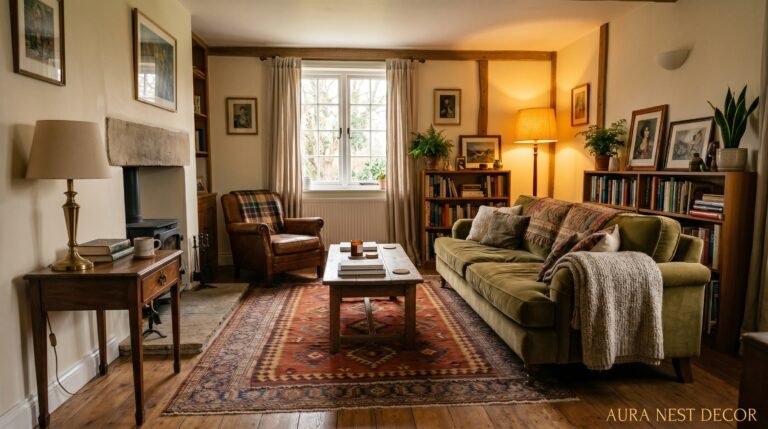
The rule that changes everything: the rug should be large enough that at least the front legs of every major piece of seating touch it. Ideally, all four legs of everything sit on the rug. That’s the difference between furniture that looks connected to its space and furniture that looks like it’s waiting for delivery day to be reversed.
In a modern sitting room, the rug is also doing significant tonal work. A neutral sofa can take a patterned rug — something geometric, or a traditional weave that’s been recolored in unexpected shades. A bold sofa needs something quieter underfoot. The two pieces should talk to each other, but they shouldn’t both be shouting.
For texture, nothing beats a low-pile wool rug in a sitting room. It’s warm underfoot without being fussy. It vacuums easily. And it ages beautifully in a way that synthetic rugs never quite manage.
“The right rug doesn’t just pull a room together. It makes the room make sense.”
—
5. What to Do With Walls That Have Nothing to Say for Themselves
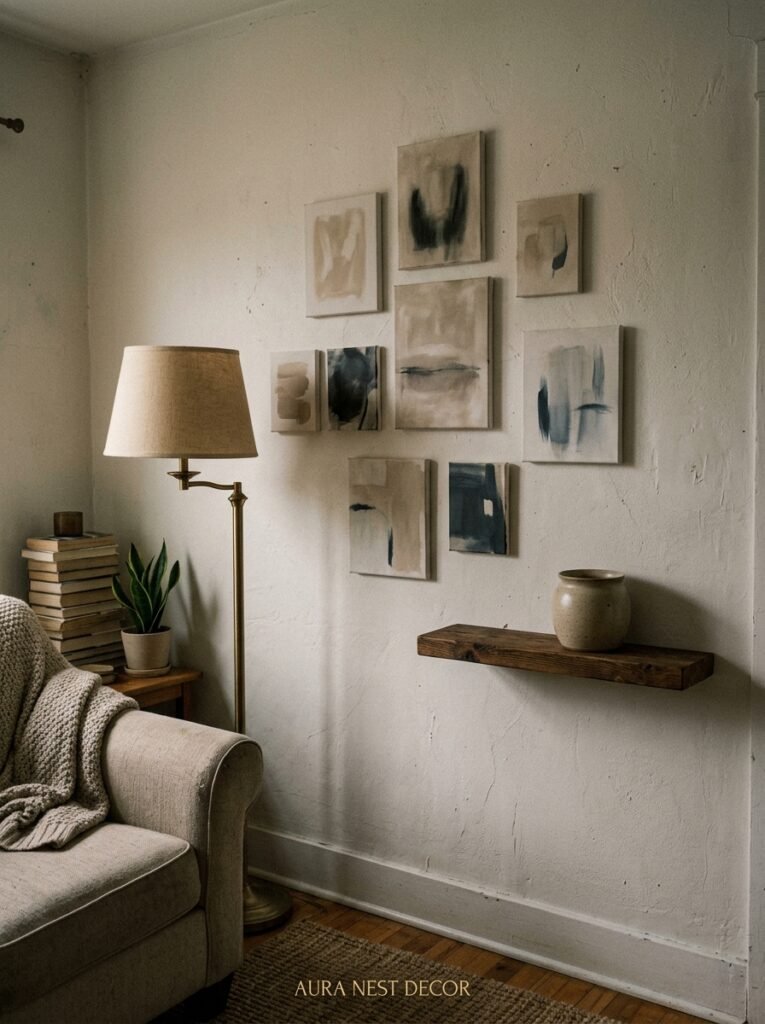
Blank walls in a modern sitting room are not automatically a problem. Some walls are meant to breathe. The issue is the wall that’s blank not by choice but by default — the one that’s been waiting for something for three years while you say “I haven’t found the right thing yet.”
Here’s the approach that works: decide on the wall’s role before you decide on its contents. Is it a gallery wall? A single large piece? A shelf with objects? A mirror that doubles the light from the window opposite? The role shapes the search and stops you buying three things that don’t belong together.
Gallery walls in modern rooms work best with a consistent frame finish — all black, all natural wood, all brass — even if the content inside varies. That one design constraint does most of the visual organizing for you. Scale up: most gallery arrangements look better with fewer, larger pieces than many small ones.
A single large piece of art can be deeply intimidating to buy. An easier entry point is oversized photography — black and white architectural shots, botanical prints at scale, abstract photography. They’re widely available, relatively affordable, and they photograph beautifully, which matters if you’re the kind of person who might want to post your own sitting room to Pinterest one day.
—
6. The Corner That Nobody Uses and Exactly What to Do With It
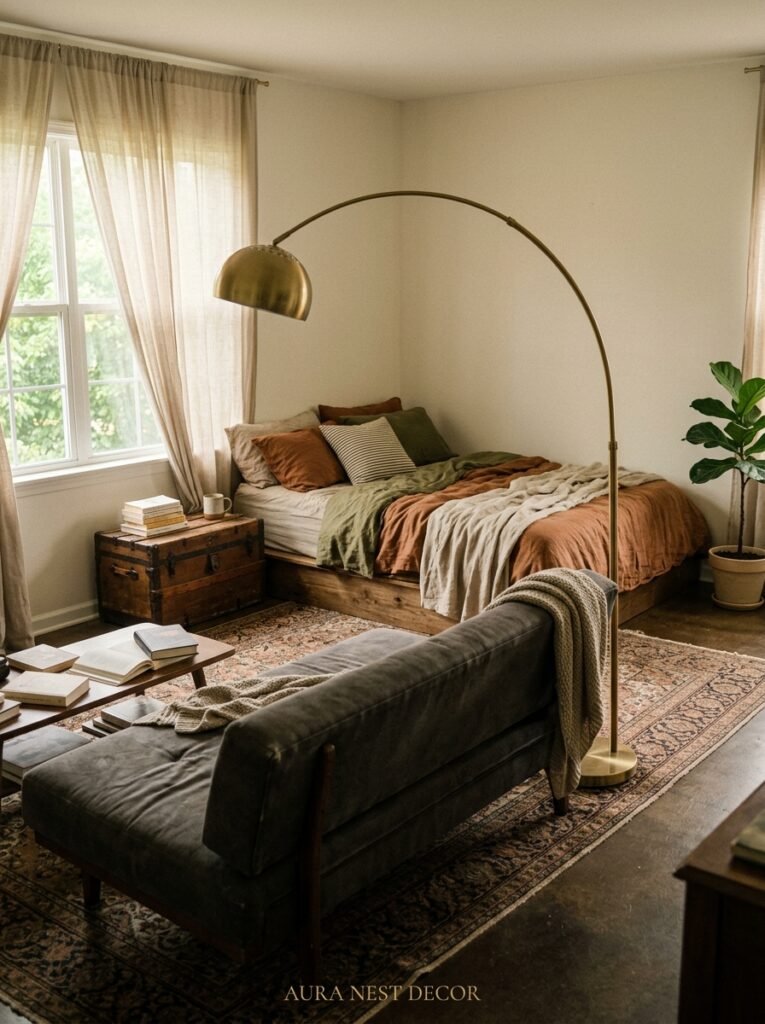
Every sitting room has one. A corner that somehow became invisible — where the good intentions of “I’ll figure that out later” collected themselves into a low-level design failure. Maybe there’s a sad plant there that doesn’t get enough light. Maybe there’s nothing at all.
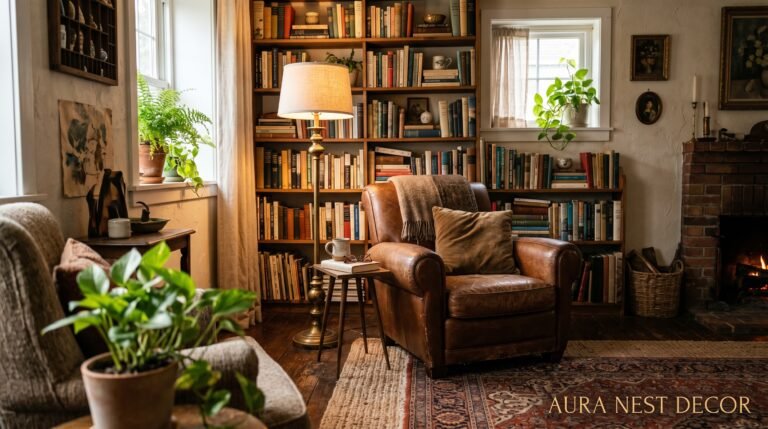
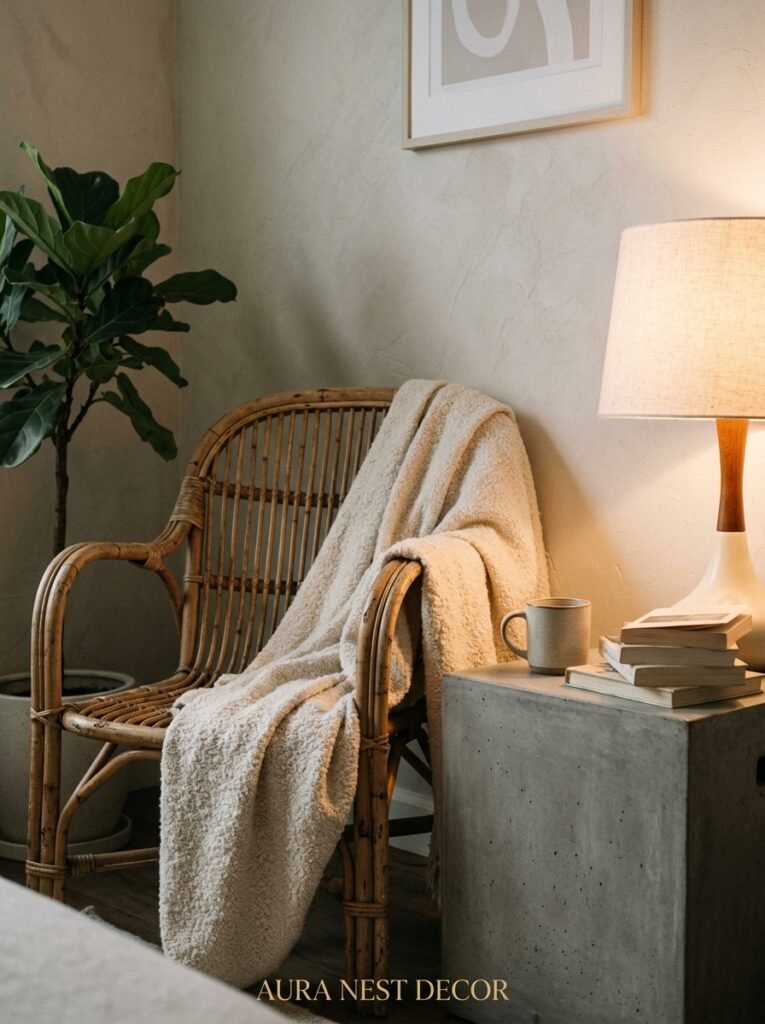
Corners in modern living rooms are actually prime real estate for creating what designers call a “moment.” A reading corner with a good chair, a floor lamp positioned over the left shoulder, and a small side table just big enough for a book and a mug. That’s a destination. That’s a reason to sit in a part of the room that would otherwise be ignored.
The chair doesn’t have to match the sofa. In fact, in the most interesting rooms, it doesn’t. A sitting room that’s all matching sets looks like a furniture catalogue. A room with a sofa and a deliberately different accent chair — different material, different shape, same color family — looks curated and considered.
Don’t forget vertical space in corners. A tall bookshelf that goes close to the ceiling draws the eye upward and makes ceilings feel higher than they are. In UK homes especially, where rooms are often narrow and tall, this works wonderfully.
—
7. The Bedroom-Sitting Room Overlap That’s Quietly Becoming a Whole Movement
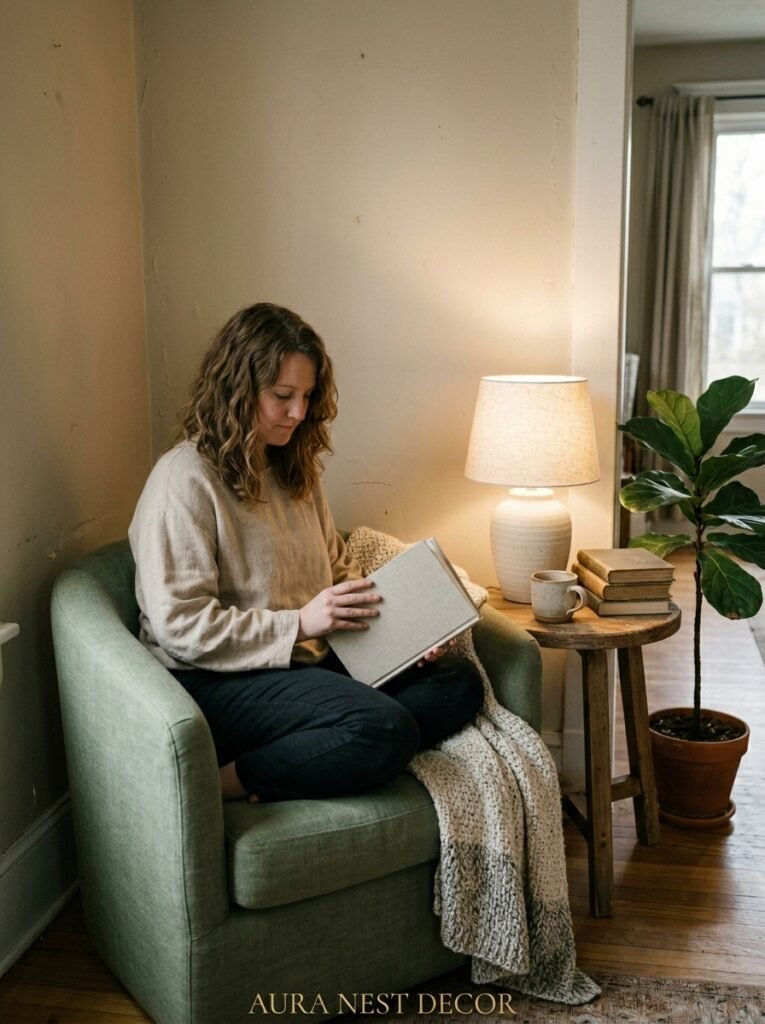
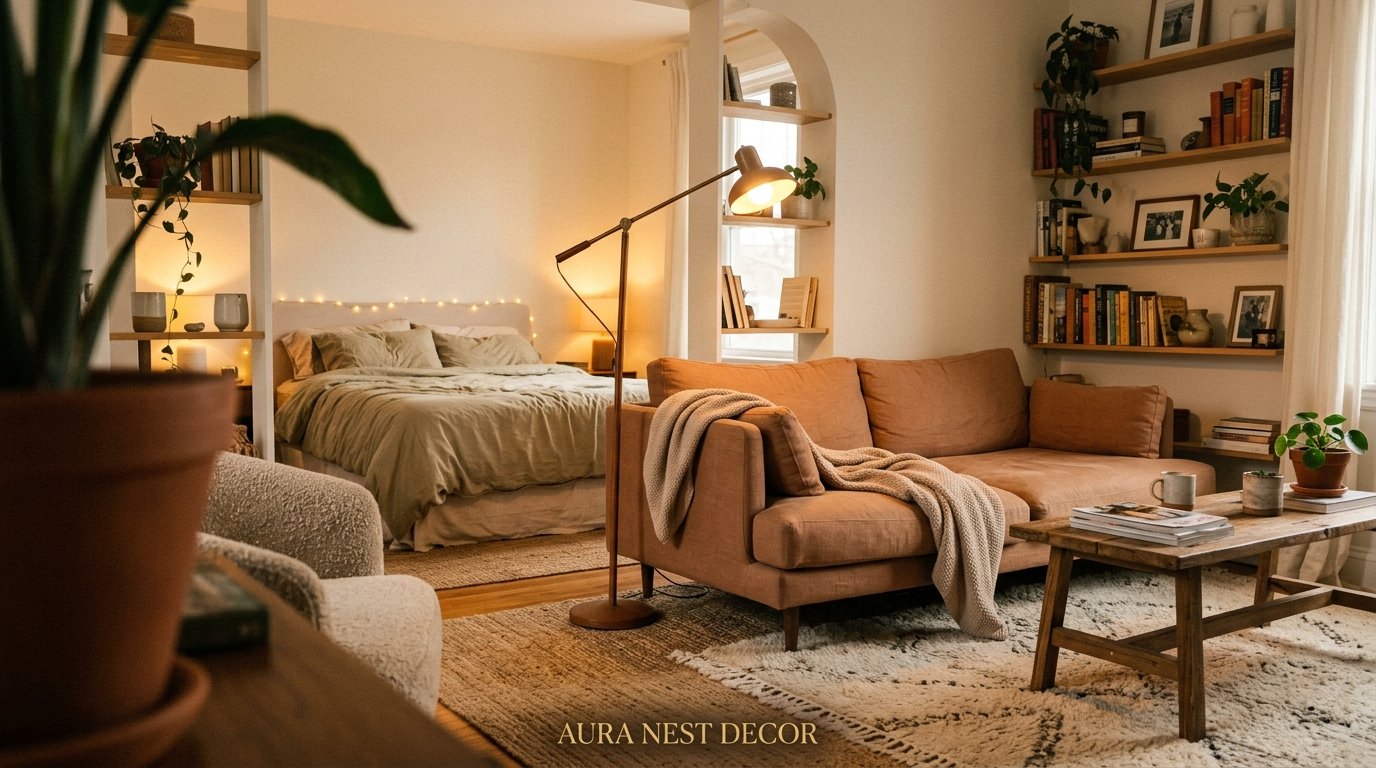
In smaller flats and apartments — in London, Manchester, New York, Chicago — the sitting room is also where you start and end your day. It’s the room that has to do everything. And so the design principles of bedroom comfort are creeping into sitting room styling, and the results are genuinely beautiful.
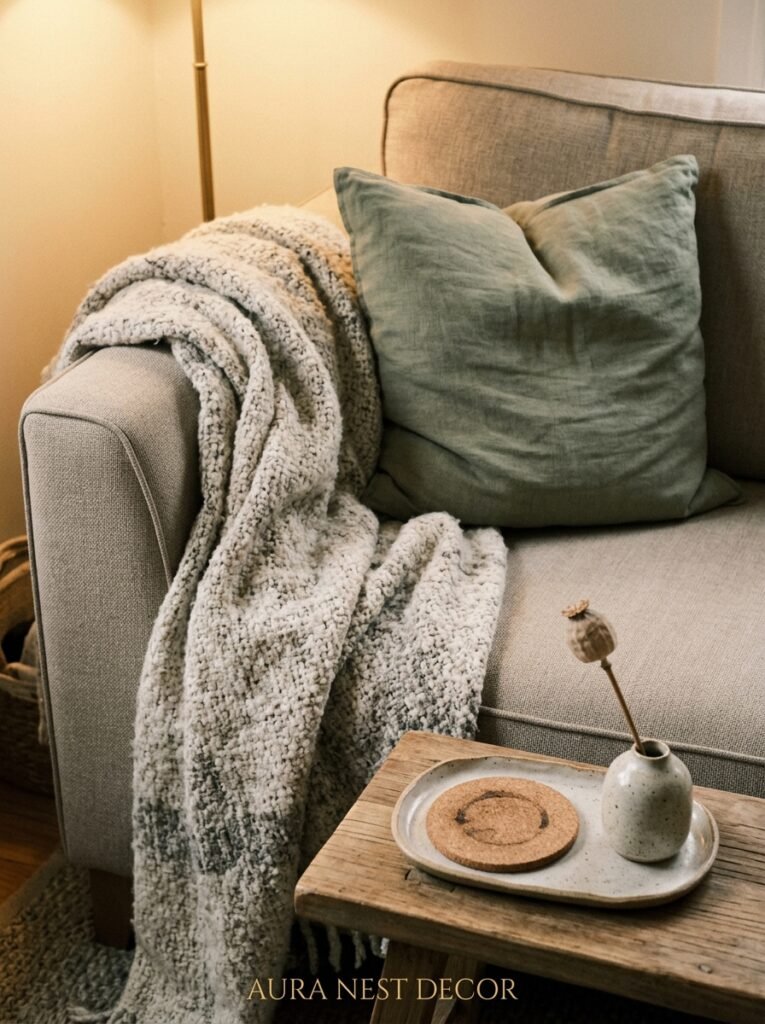
Soft textiles that belong in a bedroom — heavy linen cushions, a knitted throw heavy enough to actually warm you, curtains that pool slightly on the floor — these make a sitting room feel deeply lived in. Not messy. Not sloppy. Rich.
The bed-adjacent principle also applies to light. Sitting rooms that have a softer, quieter energy — especially in the evening — borrow from the bedside table lamp logic. The light is positioned to make you feel held rather than observed. Warm, low, close.
This is not about making your sitting room look like a bedroom. It’s about stealing the things that make bedrooms feel safe and applying them to the room where you actually spend most of your waking time at home. The result is a space that people walk into and immediately exhale.
“The best sitting rooms feel like a deep breath.”
—
8. How to Handle the Television Without Making It the Entire Personality of the Room
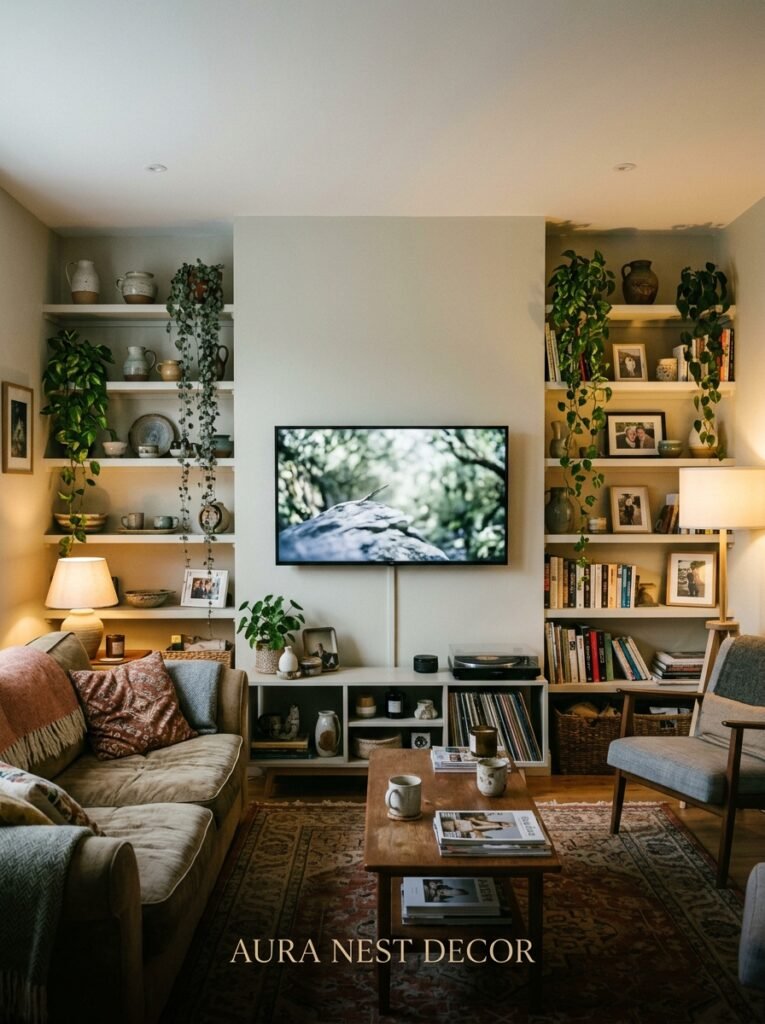
Television placement is one of the most contested topics in interior design, and rightly so. A 65-inch screen on a bare wall is just a screen on a wall. The room becomes a cinema with a sofa. Everything orients toward it. Nothing else gets to matter.
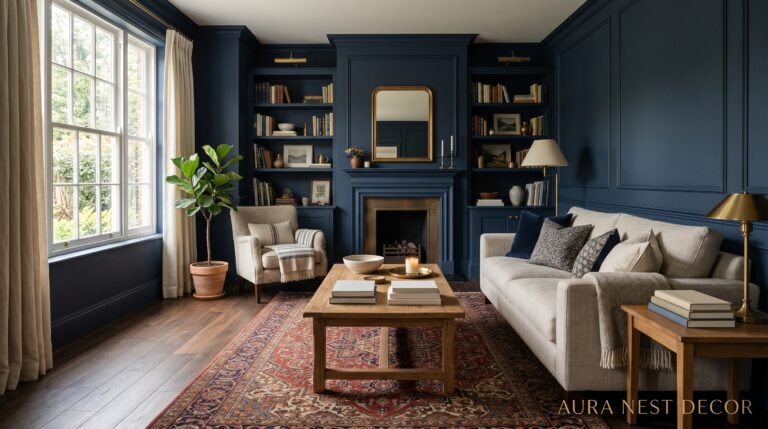
The modern solution that actually works: integrate the television into a broader arrangement. Frame it with shelving on either side — books, objects, plants — so it sits within something rather than dominating something. When the TV is off, the eye doesn’t automatically go there because there are other things to look at.
A darker wall behind the television also helps significantly. A charcoal, navy, or deep forest green feature wall makes the screen recede into the wall rather than popping forward from it. In a cream or white room, a black rectangle mounted on the wall is visually aggressive. Against a dark wall, it almost disappears.
Some people go further: a large piece of art that hangs in front of a flush-mounted screen, on a pulley or sliding system, that covers it entirely when not in use. This sounds extreme until you see it in a real room, and then it just seems obvious.
—
9. The Color Palette Pairing That Makes Small Sitting Rooms Feel Genuinely Spacious
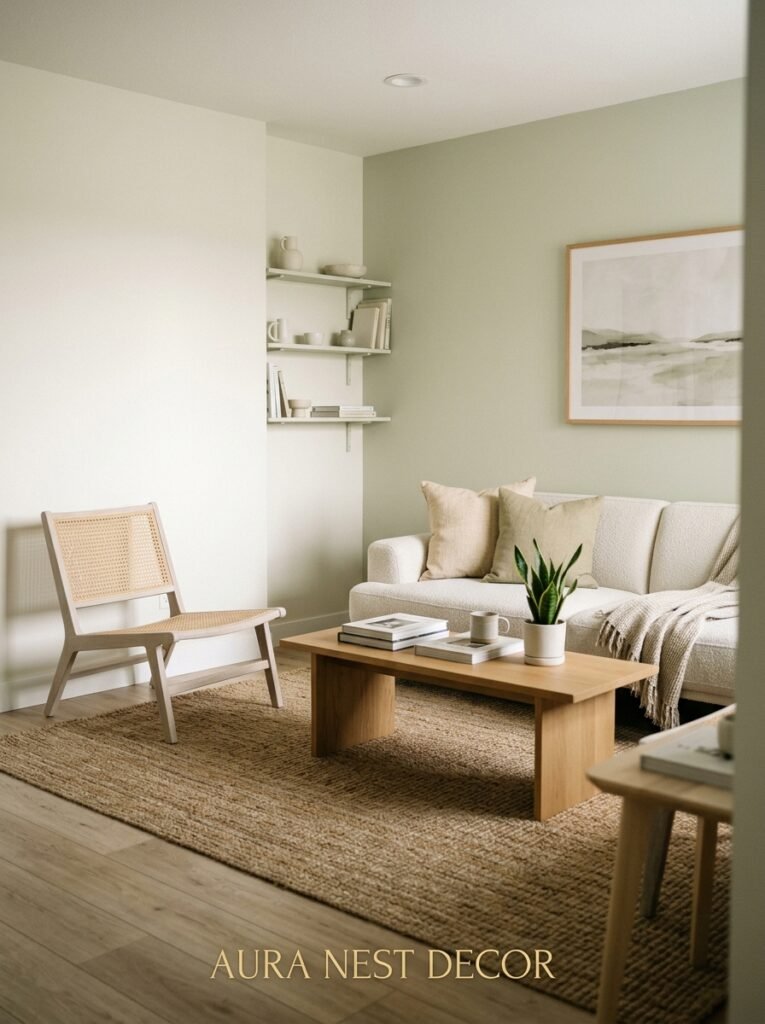
Small rooms don’t need to be white to feel large. That’s an old rule, and while it’s not wrong, it’s incomplete. What makes a small room feel spacious is tonal consistency — using colors that are close to each other in temperature and value throughout the space, so the eye moves around the room smoothly rather than getting snagged on contrasts.
A soft sage green on the walls, a slightly warmer linen on the sofa, natural wood tones in the shelving, a terracotta-adjacent cushion as a gentle accent. Everything reads as warm and earthy. The room coheres. It doesn’t feel small — it feels contained, which is a completely different thing and actually rather lovely.
The mistake in small rooms is trying to add interest through contrast — a very dark piece here, a very bright piece there — and ending up with a room that feels choppy and visually exhausting. Interest in a small room comes from texture and layers within a tight palette, not from competing colors fighting for your attention.
Natural light amplification matters too. A mirror positioned directly opposite or adjacent to the main window doubles the perceived depth of the room. Keep curtains on the outer edge of the window frame rather than covering it, and you’ll add the visual impression of at least six extra inches of window.
—
10. Houseplants That Actually Work in a Modern Sitting Room (and Two That Don’t)
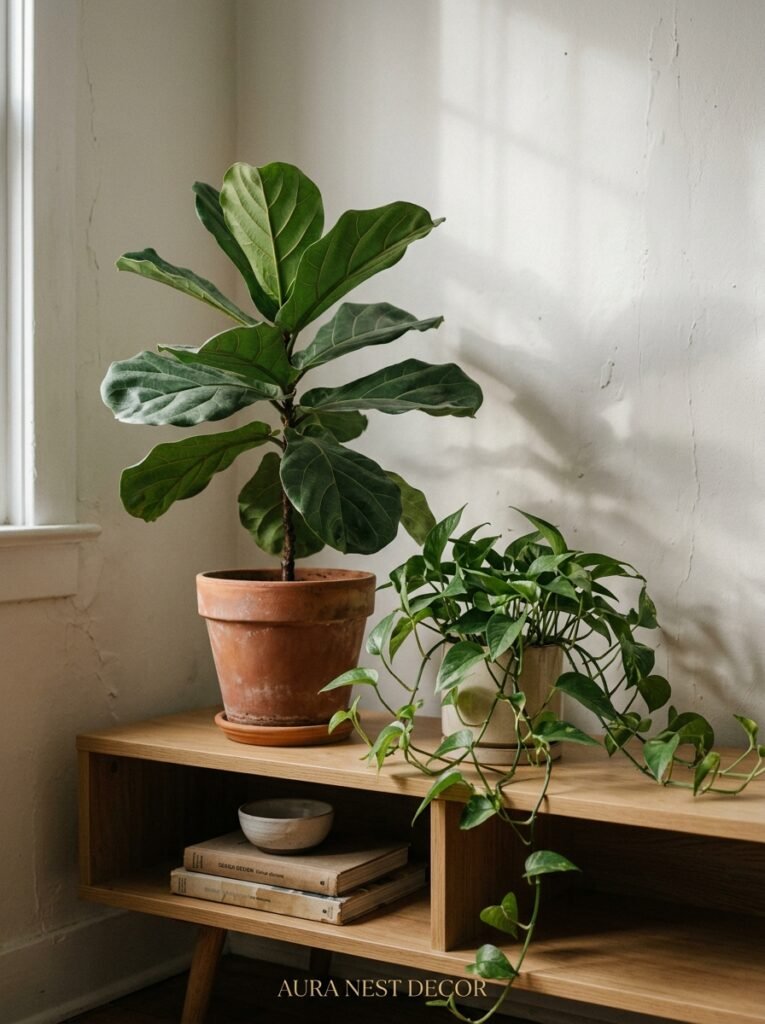
Plants in a sitting room do something that no furniture or art can quite replicate: they move. Slightly, slowly, the way real things move. A living room with plants in it feels inhabited in a way that the most beautifully decorated room without them simply doesn’t.
The plants that work in a modern sitting room are the architectural ones. A fiddle-leaf fig in the corner. A snake plant on a shelf. A large monstera that grows slowly into an impressive focal point. These have clean lines, strong silhouettes, and they don’t demand to be fussed over every day.
Trailing plants on shelves — a pothos, a string of pearls — add organic softness to vertical arrangements and work especially well against built-in shelving or a bookcase.
Two that tend not to work in the sitting room aesthetic: the very small succulent collection on the windowsill (which reads as an afterthought rather than a decision) and the large, unruly Boston fern (beautiful in theory, chaos in practice — the kind of plant that sheds on your sofa and makes you question your choices every morning).
—
11. The Shelf Styling Method That Interior Designers Actually Use
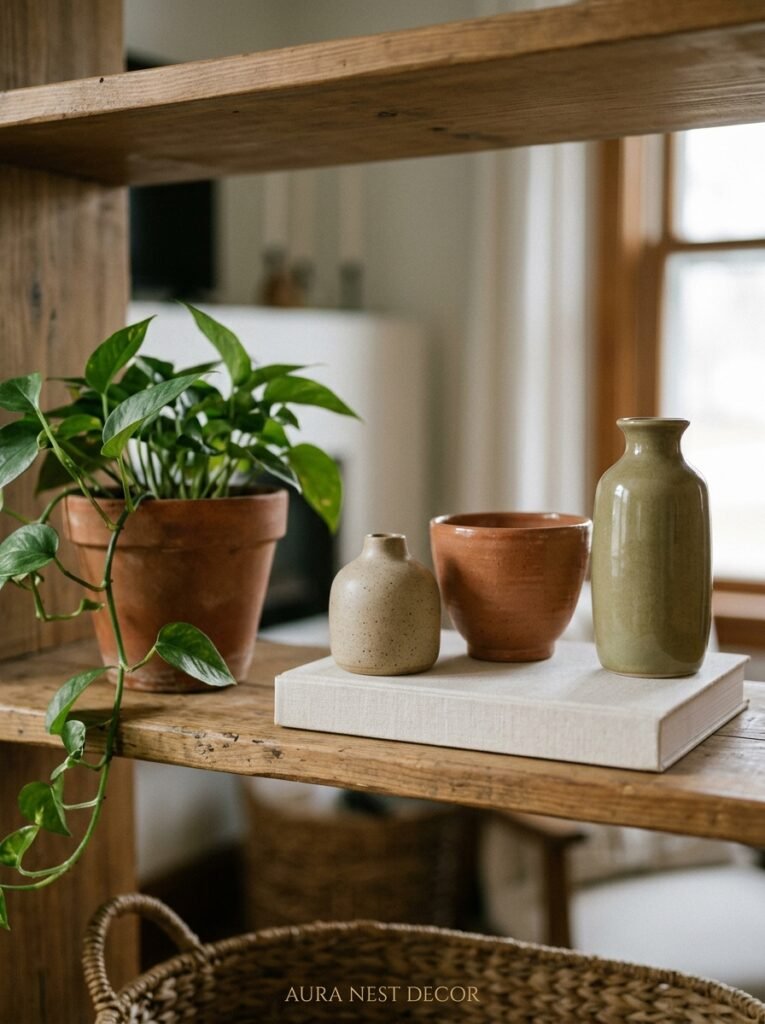
Shelves that look incredible are not random. They’re not cluttered. But they’re also not so minimal they look afraid of themselves. The method that works every time involves three variables: varying height, varying depth, and leaving deliberate space.
A stack of horizontal books creates a plinth. On top of that plinth, a single object — a ceramic, a plant, a small sculptural piece. Next to the stack, a vertical row of books. Then a gap. Then another arrangement. The rhythm of full-then-empty-then-full is what creates the sense of considered intention rather than haphazard accumulation.
Color-coding books is a Pinterest classic for a reason: it works visually in photographs. But in reality, it makes books impossible to find and tends to read as performative rather than genuine. A looser approach — grouping by rough color family while mixing in objects — looks better in person and photographs nearly as well.
Odd numbers. Always odd numbers of objects in a grouping. One, three, or five. Even numbers feel static. Odd numbers have a tension that makes the eye want to linger.
—
12. The Final Layer That Every Great Sitting Room Has and Most People Forget
Scent.
You can do everything right — the rug, the lighting, the art, the plants, the throw — and still walk into a room that doesn’t quite feel finished. More often than not, what’s missing is the sensory layer that photographs can’t capture.
The smell of a room is its personality. A candle burning in the early evening. A reed diffuser with a woody, warm note rather than the synthetic floral ones that smell like a department store entrance. Fresh air from a window left slightly open on a bright afternoon.
The rooms that people remember — that they talk about when they leave someone’s house and say “God, their place is lovely” — have a smell. Not a strong smell, not an aggressive smell, but a warmth. Something that registers below conscious thought and says: this is somewhere worth staying.
It’s the last thing most people think about. It should be one of the first.
—
❓ FAQ
Q: How do I make a modern sitting room feel cozy rather than cold? A: Layer your textiles — a throw, different cushion textures, a rug that’s warm underfoot — and prioritize low, warm lighting over overhead fixtures. The single biggest shift toward coziness is dropping your main light source from the ceiling to the floor and table level, ideally with bulbs at 2700K or lower.
Q: What’s the best way to decorate a sitting room on a tight budget? A: Focus on lighting first (a good floor lamp is transformative in the most literal sense), then textiles. A new throw and two or three cushions can update a sofa that’s years old. Swap out lampshades to change the quality of light without changing the lamp itself. Most budget sitters look exactly like budget sitters because the lighting is poor — fix that first.
Q: Can I mix sitting room and bedroom furniture in a studio flat or small apartment? A: Absolutely, and the most successful small-space interiors do it intentionally. Use a consistent color palette to tie pieces together even if they come from different furniture categories. A quality reading chair, a low bed frame that reads like a day bed, and the same textile tones throughout will make the space feel designed rather than compromised.
—
💭 Final Thoughts
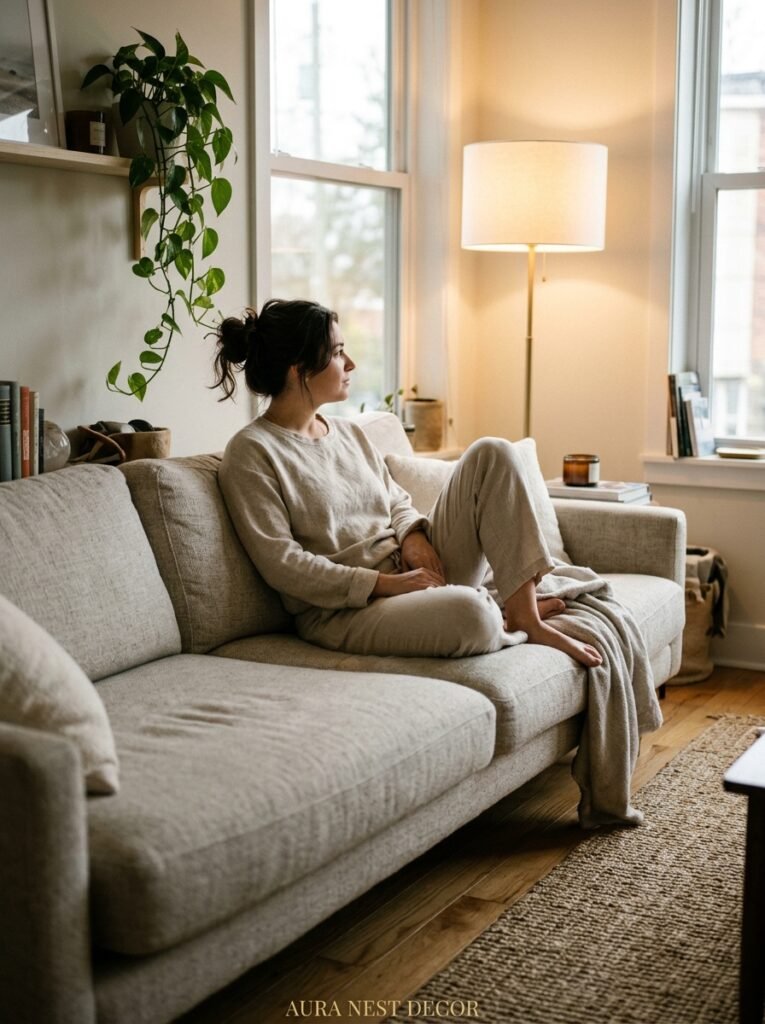
The sitting room is the room that gets seen most, used most, and — when it’s right — loved most. It doesn’t have to be expensive or perfectly Pinterest-composed to feel like somewhere you genuinely want to be. It just has to be honest about what you need and thoughtful about how you’ve arranged it.
Start with the one thing that bothers you most. Fix that. Then the next thing. The room will find itself gradually, the way all good things do — not all at once, but steadily, until one day you walk in and everything feels exactly the way it should. What’s the one corner of your sitting room that’s been quietly waiting for attention?