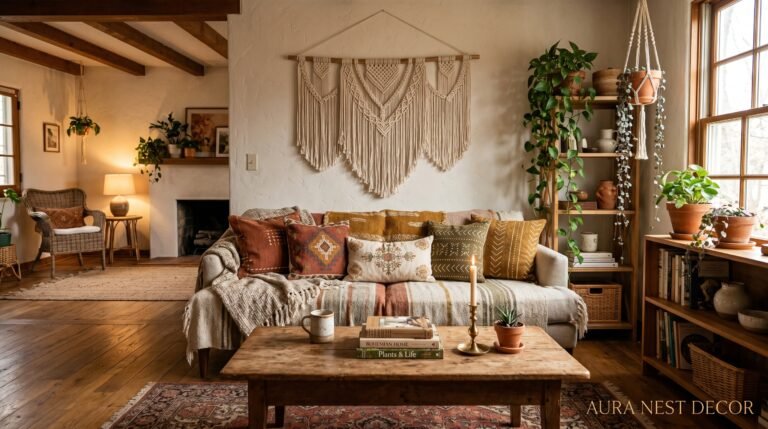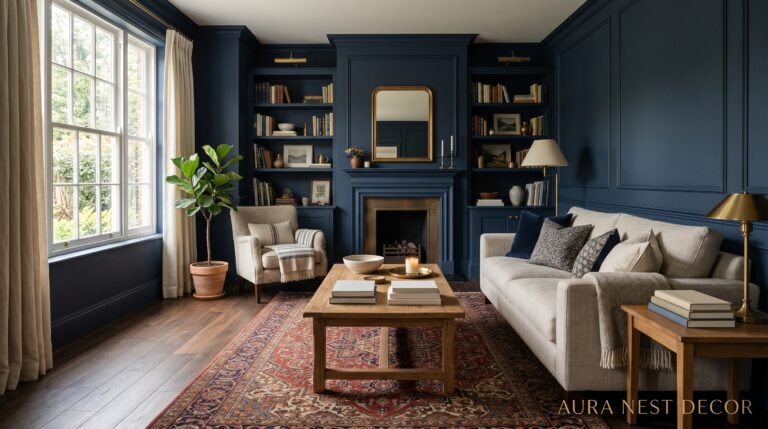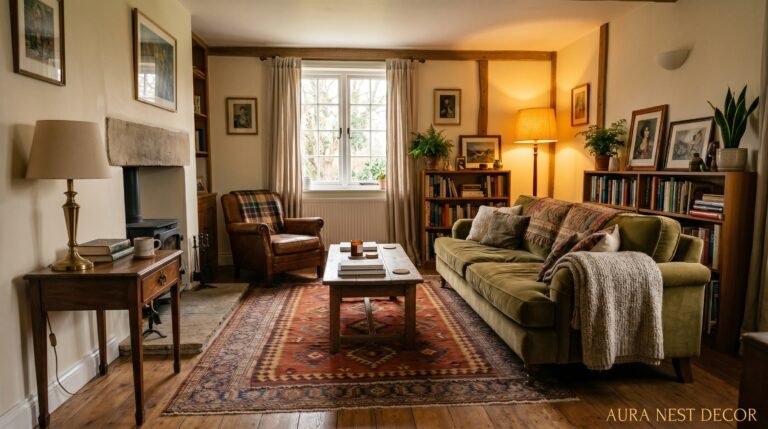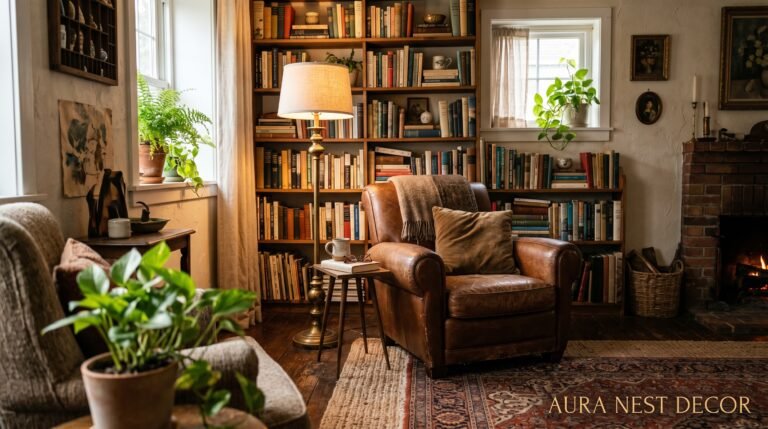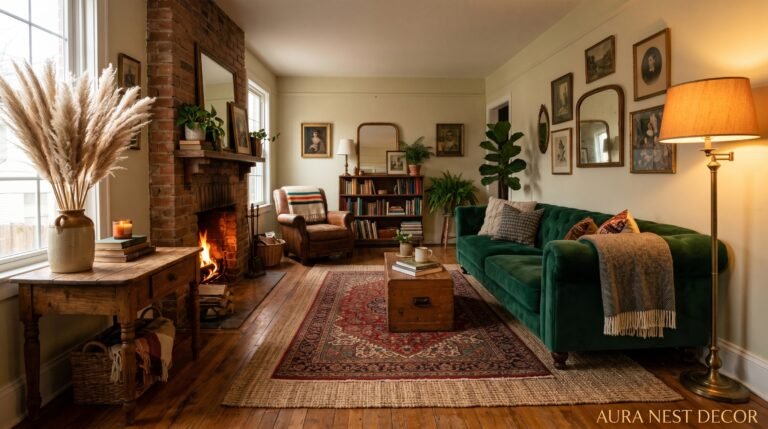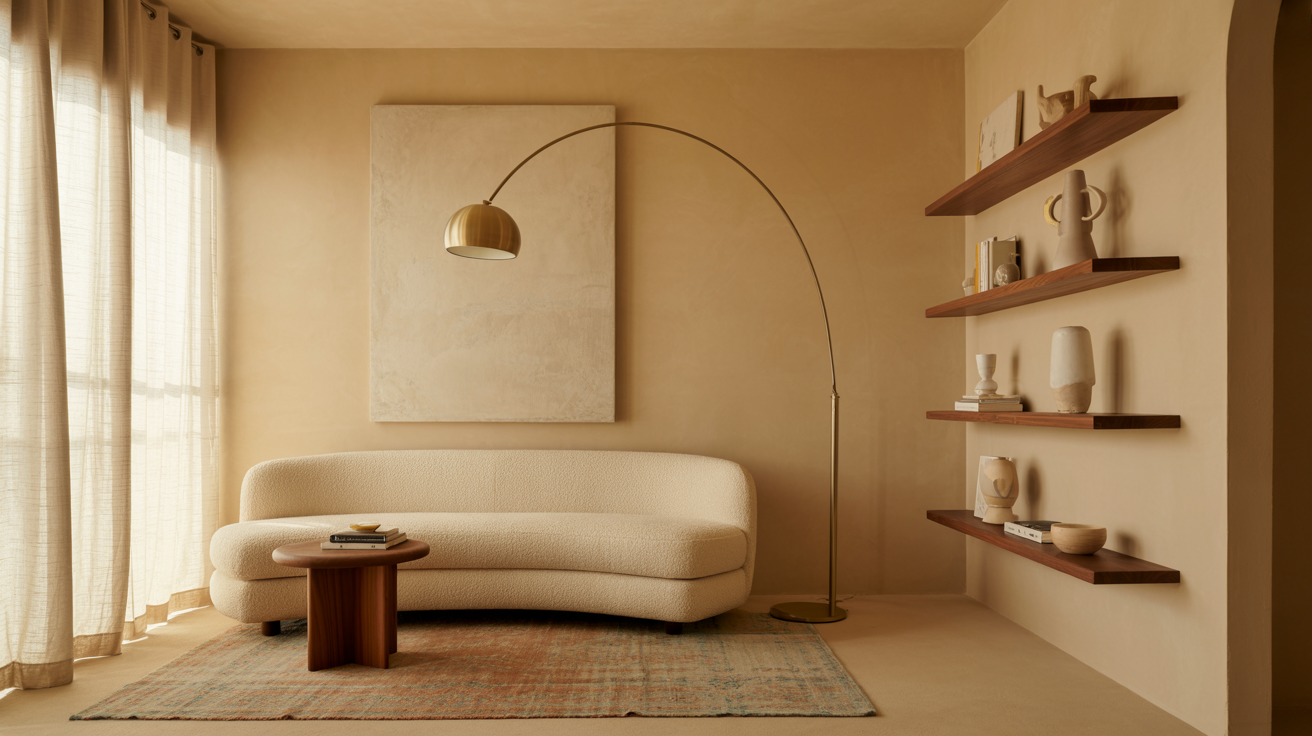
The Small Living Room That Feels Expensive (Without the Price Tag or the Square Footage)
You walk into a small living room and immediately think: this feels like somewhere. You can’t explain it. The furniture isn’t grand. The space isn’t big. But something about the way it’s put together makes you want to sink in and stay. That’s the whole game. Not size. Not budget. Intention.
—
1. The Moment You Stop Fighting Your Small Room and Start Working With It
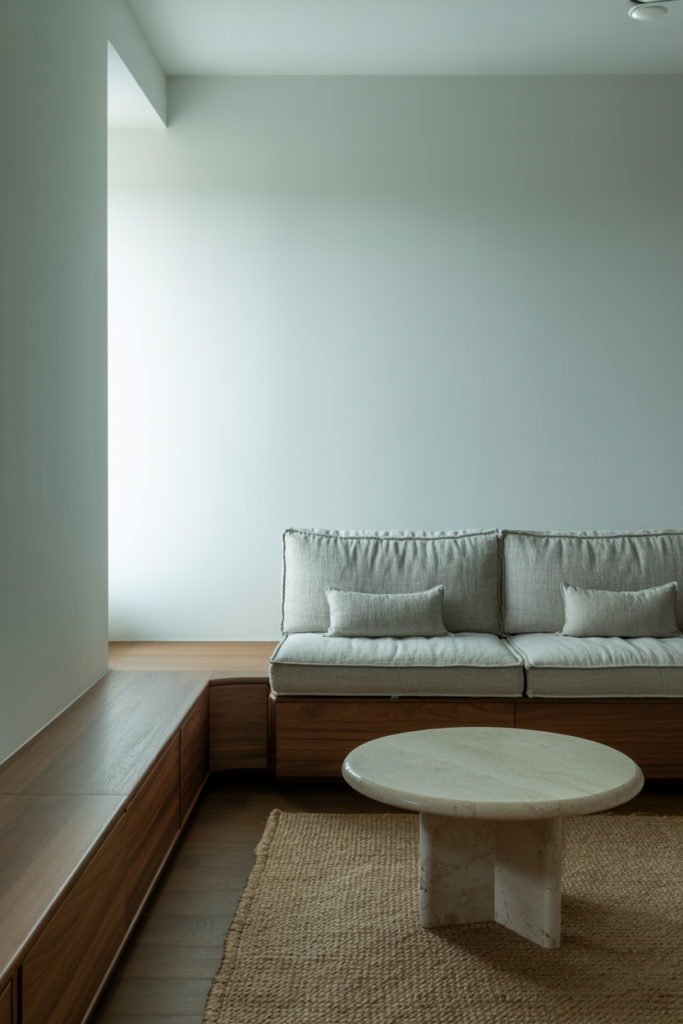
Here’s the thing nobody tells you at the start of a small-space decorating spiral: the rooms that end up looking the most luxurious are almost never the ones that tried to appear bigger. They’re the ones that leaned in. Hard.
A room that knows what it is — cozy, considered, close — has a kind of confidence that sprawling open-plan spaces often lack. When you walk into a well-styled small living room, you feel held by it. There’s nowhere for your eye to get lost. Everything is visible, which means everything has to count.
The shift starts mentally. Stop measuring your room against the ones you see in architectural magazines. Those spaces are staged for cameras and proportioned for lenses, not people. Your 12-by-14-foot living room in a London flat or a Brooklyn apartment isn’t a compromise. It’s a brief. A tight creative constraint that, when you work with it properly, forces better decisions than unlimited space ever would.
Decide what your room is for first. A place to read and wind down? A social space for two or three people at a time? A room that does double duty as a home office and lounge? The answer to that question drives every single choice after it.
“A small room that knows what it is will always outshine a large one that doesn’t.”
2. The Color Formula That Makes Every Small Room Look Intentional (Not Cramped)
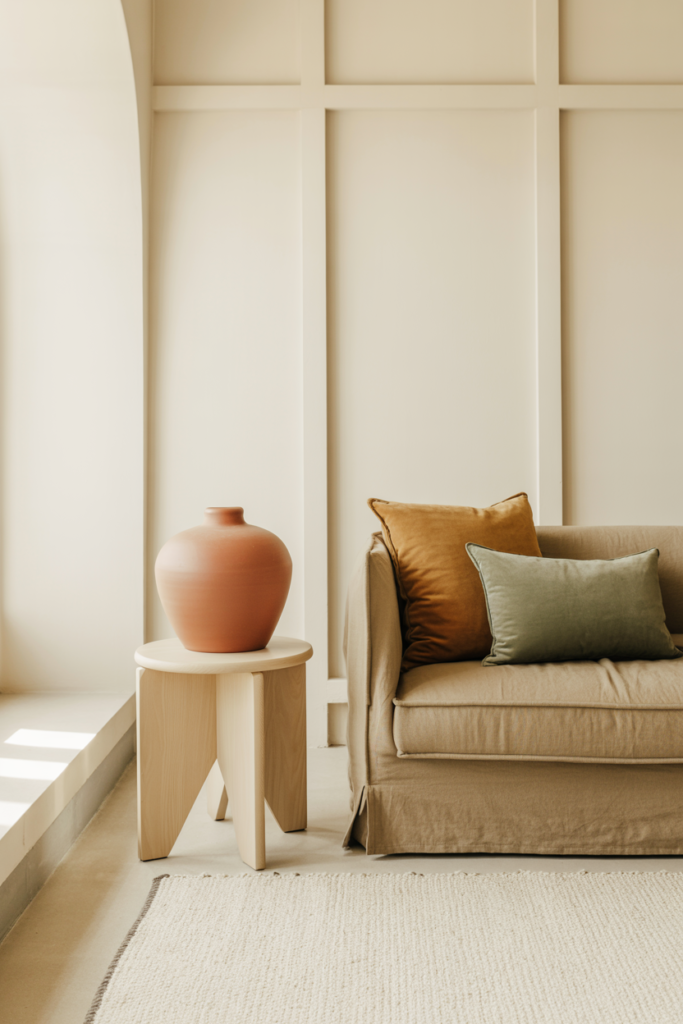
Color is where most people get this wrong — in both directions. Either they go all-white trying to fake square footage, and end up with something cold and a little sad, or they go dark and dramatic without understanding why it works, and end up with a cave.
The formula that actually lands: pick one enveloping tone and let it breathe through texture rather than contrast. This is the principle behind every gorgeous Farrow & Ball living room you’ve ever saved to a board. It’s not about the specific color — Elephant’s Breath, Hague Blue, a deep sage, a chalky off-white — it’s about using one visual temperature and varying only the finish and material.
Matte walls. Velvet cushions. A linen sofa. A glossy ceramic lamp base. All roughly the same tone, or within three shades of each other, but layered through different surfaces. The room reads as rich and collected without feeling busy or small.
For American homes with higher ceilings, a warm mid-tone on all four walls can make a room feel like a jewel box. For UK homes with lower ceilings and period cornicing, a slightly lighter version of the same color on the ceiling — not brilliant white — keeps things connected without closing you in.
Don’t skip the trim. Painting your skirting boards and architraves the same color as your walls is one of the most underrated small-room moves there is. It erases the visual interruptions that chop a room into pieces.
3. Why Your Sofa Choice Is Actually the Whole Argument
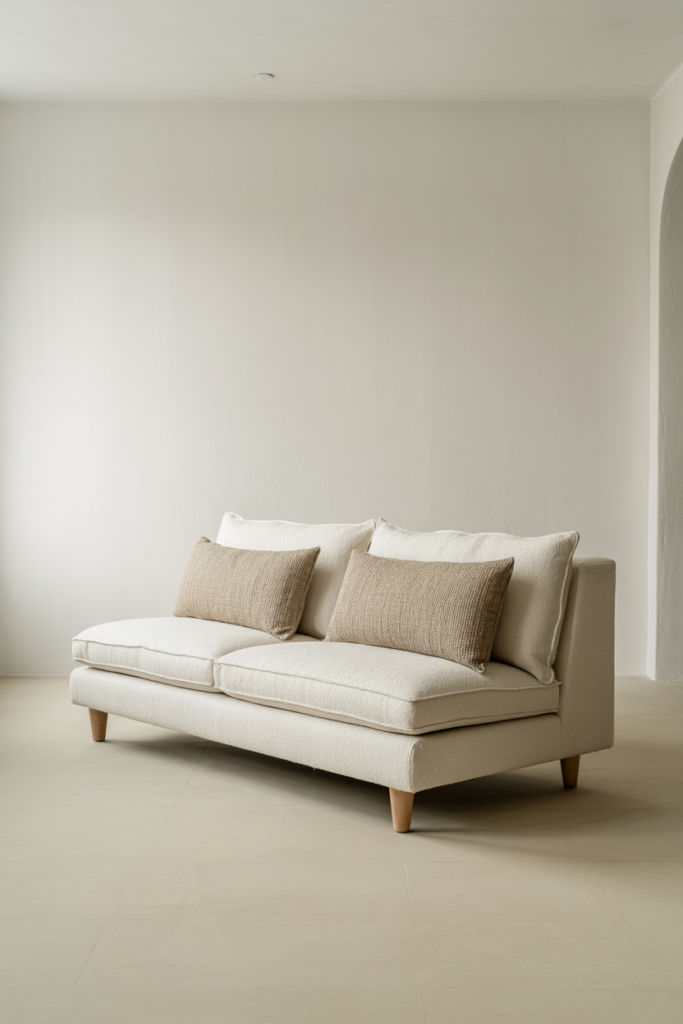
In a small living room, the sofa isn’t just a piece of furniture. It’s a statement of philosophy. And the most expensive-looking small rooms almost always have one sofa — a genuinely good one — rather than a matched set of sofa-plus-loveseat that fills every corner and fights itself for attention.
One sofa. Low-profile if possible. Linen, boucle, or a tight-woven velvet in a color that ties to your wall tone rather than contrasting aggressively with it. Legs are important. A sofa with visible legs — even short ones — creates a visual gap between the floor and the frame, which reads as lighter and more considered than a sofa that sits directly on the floor. It sounds like a small thing. It isn’t.
Size-wise, you want a sofa that fits the room with intention — not one crammed in at the maximum possible width. Leaving deliberate breathing room on either side, even just a few inches, makes the sofa look chosen rather than squeezed. That distinction is everything.
Avoid overstuffed arms and overly casual silhouettes in small spaces. They eat square footage visually. A slightly tailored arm, a clean back, a consistent leg height — these are the details that whisper quality even from a mid-range retailer. IKEA’s Söderhamn, West Elm’s Hamilton, Made.com equivalents — the silhouette matters more than the brand.
4. The Lighting Layer That No One Talks About Enough
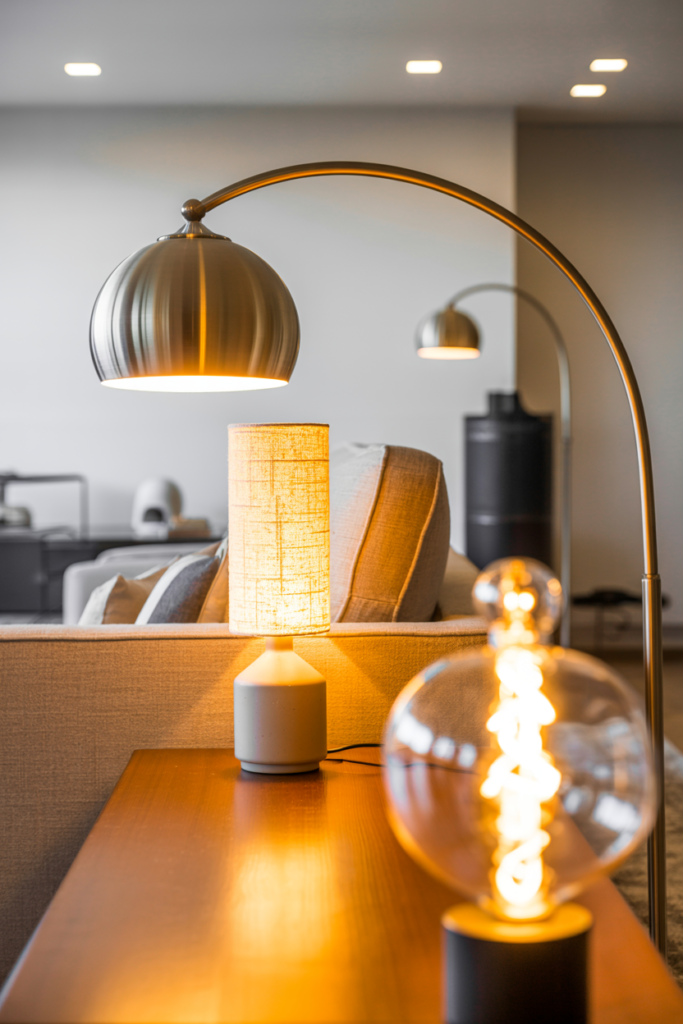
Overhead lighting ruins small living rooms. Not always, not dramatically — but the flat, even wash of a ceiling fixture makes a small room look exactly what it is: small and lit for function rather than mood.
The antidote isn’t expensive. It’s layered.
You want at least three light sources in a small living room, none of them overhead unless it’s on a dimmer and turned down low. A floor lamp in one corner — the warm amber glow of a good Edison bulb at 7pm, just warm enough that you notice it when you walk in. A table lamp on a side table or console that adds a second point of warmth. And something ambient: a LED strip hidden behind a shelf, a candle cluster on the coffee table, a small lamp tucked behind the sofa casting a halo against the wall.
What this does — and this is the luxurious part — is create pockets. Zones of warm and shadow that make a small room feel layered, not flat. It’s the difference between a room and a scene.
For UK homes where plug socket placement is often dictated by history rather than logic, rechargeable lamps have been a total revelation. No cord. No compromise. Just light exactly where you want it.
“Three lamps and a dimmer switch do more for a small room than a renovation ever could.”
5. The Floor Strategy That Visually Doubles Your Square Footage
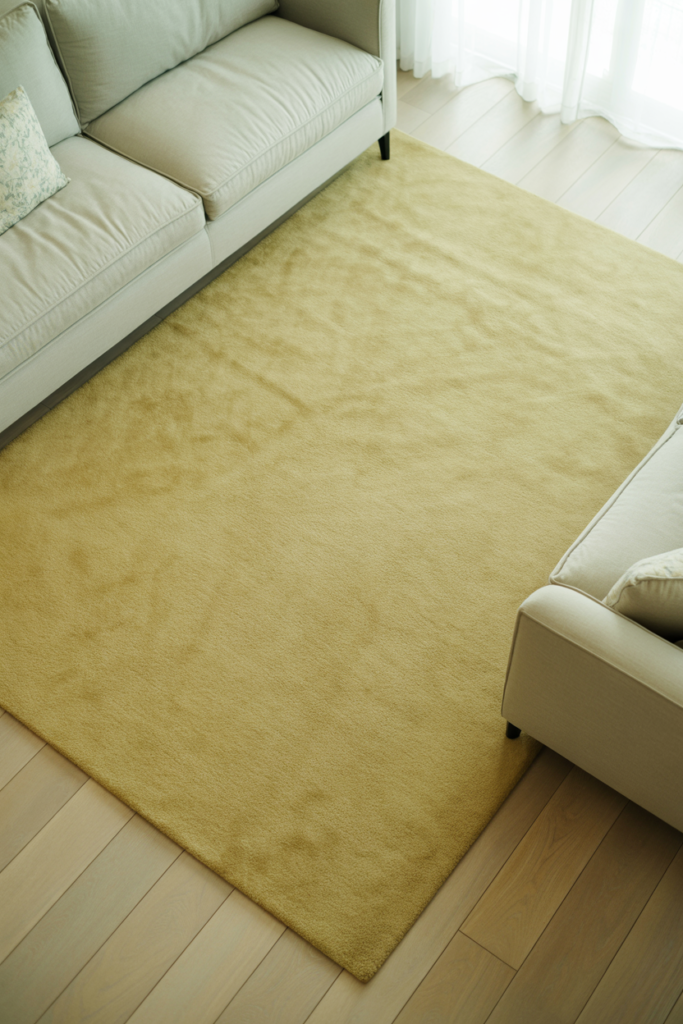
A rug is not optional in a small living room. It’s structural. And the single most common mistake is buying one that’s too small, then watching it make the room feel like a postage stamp with a little mat floating in the middle.
Go bigger than you think. Ideally, all the front legs of your furniture sit on the rug. Not all four legs — just the front ones. This anchors the whole seating area as a single composed unit rather than a collection of objects sitting on a bare floor.
For color and pattern: a rug in a slightly deeper or richer tone than your walls grounds the room and adds the visual weight a small space often lacks. A subtle texture — a flatweave, a low pile, a natural jute with a softer overlay rug on top — adds luxury without pattern-clashing.
The layered rug look (a natural fiber base with a smaller, more decorative rug over it) is genuinely one of the best moves you can make in a small room. It creates the sense that the space has depth, that there are details to discover. And it’s surprisingly forgiving — if one rug isn’t quite right, the layering gives you flexibility to swap without the whole room collapsing.
In American homes, 8×10 is often the minimum worth considering for a typical living room. In British homes where rooms are narrower, a 6×9 or even a well-placed runner combined with a smaller square rug can work beautifully.
6. One Statement Piece Is Worth Twenty Accessories
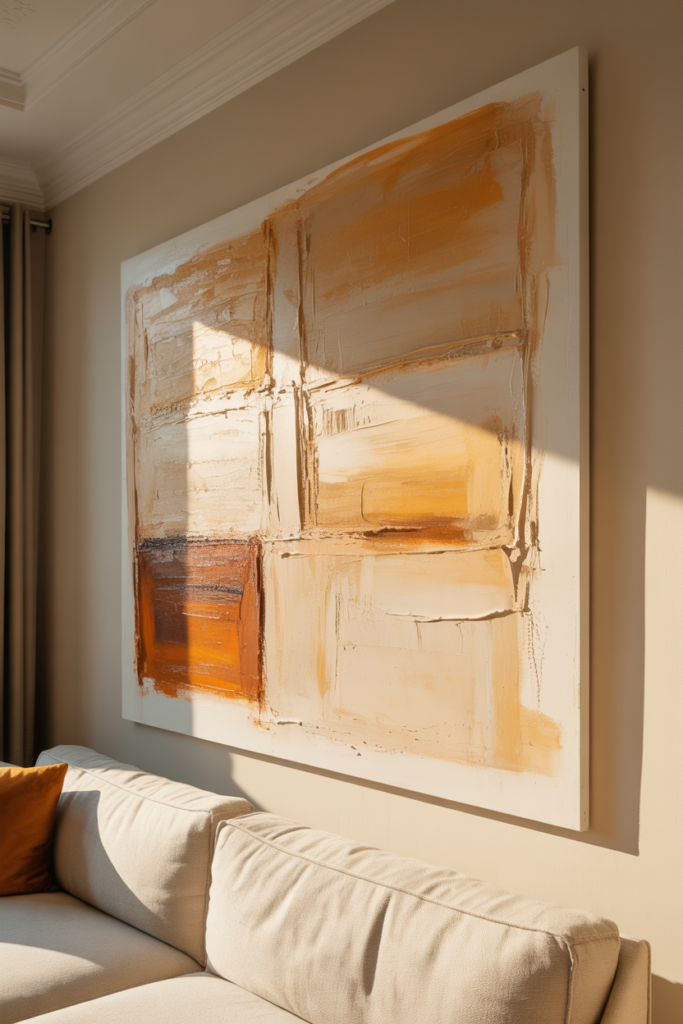
This is the principle that separates collected-looking rooms from cluttered ones. In a small space, every object is visible all the time. There’s no distance to hide behind, no spare square footage to absorb excess. Which means the room lives and dies by curation.
The move: one genuinely unexpected piece. A large piece of art — larger than feels comfortable — hung lower than convention dictates. An oversized ceramic vessel on the floor. A sculptural lamp that you chose because you loved it, not because it matched. An antique or vintage find that has nothing to do with the rest of the room but has enough presence to anchor it.
That one piece gives the room its personality. Everything else can be quieter, more cohesive, more restrained — because there’s already something interesting to look at. The eye travels to it and settles. The room reads as intentional.
This is why some of the most stunning small living rooms you find on Pinterest are almost sparse. They’ve edited down to what matters and let those chosen pieces breathe. Nothing is competing. Nothing is shouting. The room has a voice because it only says one thing at a time.
7. Shelving That Looks Like a Lifestyle, Not a Storage Solution
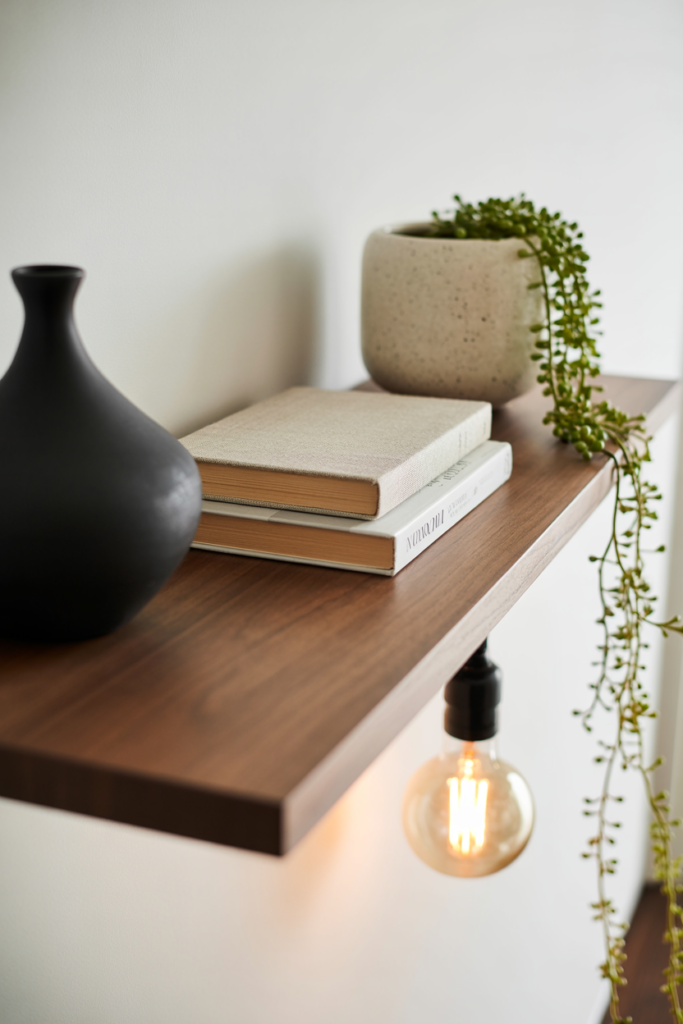
Built-in shelving in a small living room is a dream most of us either can’t afford or can’t install. But floating shelves — done right — can achieve almost the same effect at a fraction of the cost.
The key is treating the shelves as a curated display, not a dumping ground for books and random objects. Think in thirds: roughly a third books or visual objects, a third decorative objects (ceramics, small plants, candles), and a third empty space. That last third is the one most people resist. It feels wasteful. It isn’t. Empty space on a shelf is what makes everything else on it look intentional.
Style by color within your book collection. Spine-out or spine-in depending on whether the covers are beautiful. Mix heights constantly — tall candle next to a small stack of books next to a low ceramic bowl. Depth variation. Negative space. It takes longer than just filling the shelves, but the result looks like something out of an interiors shoot.
For US homes with drywall, proper wall anchors make floating shelves genuinely secure at any weight. For UK homes with plaster walls, a little extra care on finding the studs (or using appropriate cavity fixings) makes the difference between something that stays and something that doesn’t.
“The empty space on your shelf is doing as much work as everything on it.”
8. The Curtain Height Trick That Every Interior Designer Knows
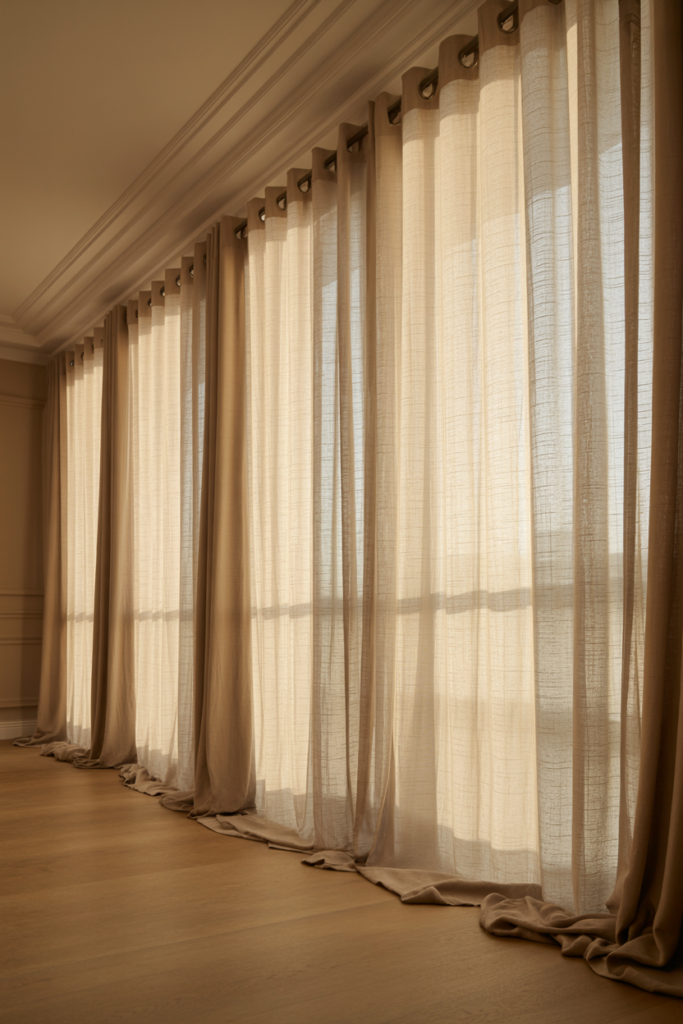
Hang your curtains from as close to the ceiling as possible. Not from the top of the window frame. The ceiling.
This is one of those things that sounds minor until you see it in person and wonder why you ever did it any other way. High curtain poles draw the eye upward, make ceilings feel taller, and give windows a grandeur that standard window-height hanging simply never achieves. It works in a studio apartment. It works in a Victorian terrace. It works everywhere.
For fabric: heavier always reads more expensive. Velvet curtains in a rich jewel tone (burnt orange, deep teal, forest green) against a neutral wall create that instant sense of something considered happening in the room. Linen in a natural or warm tone does the same thing more quietly.
Width matters too. Your curtains should be at least double the width of your window when gathered — ideally two and a half times. Skimpy curtains that just cover the glass look cheap regardless of fabric quality. Generous curtains that pool or puddle very slightly at the floor look expensive regardless of what they cost.
9. The Coffee Table Edit That Doubles as Your Room’s Personality Test
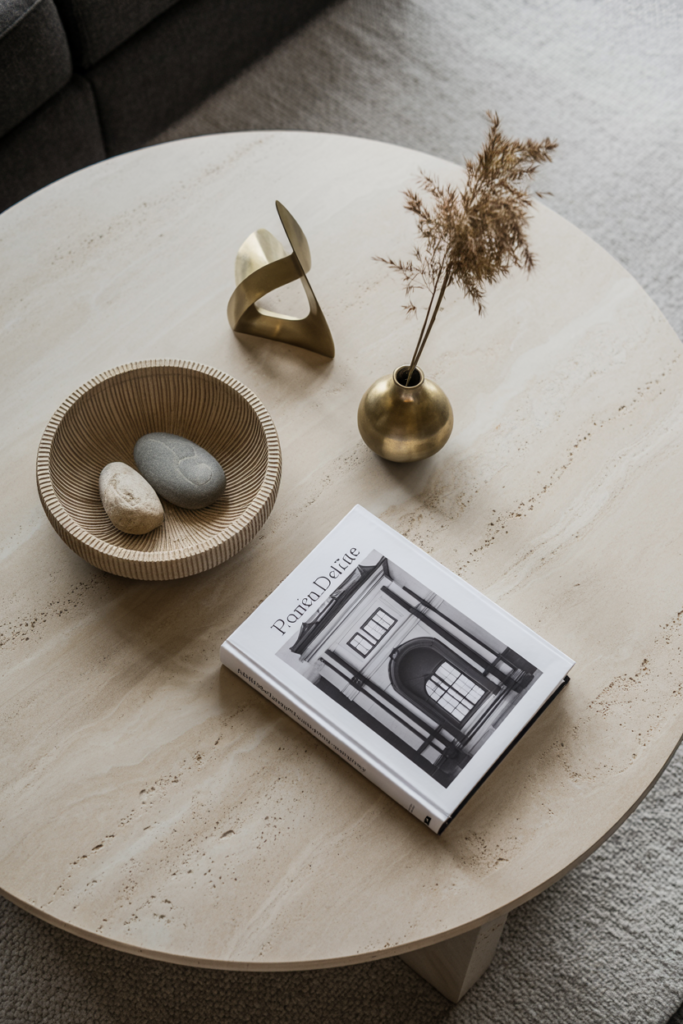
The coffee table is one of the most photographed and noticed surfaces in a living room, and most of us treat it as a place to put our mugs and the TV remote. Even in a small room, a considered coffee table moment is worth spending twenty minutes on.
The classic formula: something tall (a vase, a candle in a hurricane glass), something low and interesting (a beautiful book, a tray, a small sculptural object), and something organic (a small plant, a branch, a bowl of something textural). Keep the footprint contained — you need functional space too — but within that constraint, let it be a little still-life composition.
A round or oval coffee table works brilliantly in small living rooms. No corners to catch your shins on, easier flow around the room, and a softness that counterbalances boxy furniture beautifully.
In terms of material: a coffee table with some visual lightness — glass, cane, a slim metal frame, acrylic — will sit in a small room more easily than a heavy wooden block. That doesn’t mean avoiding wood entirely. A pedestal table in a rich walnut or oak with a slim profile can anchor a small room beautifully. It’s weight and visual mass you’re managing, not material.
10. Plants That Earn Their Place (and the Ones That Don’t)
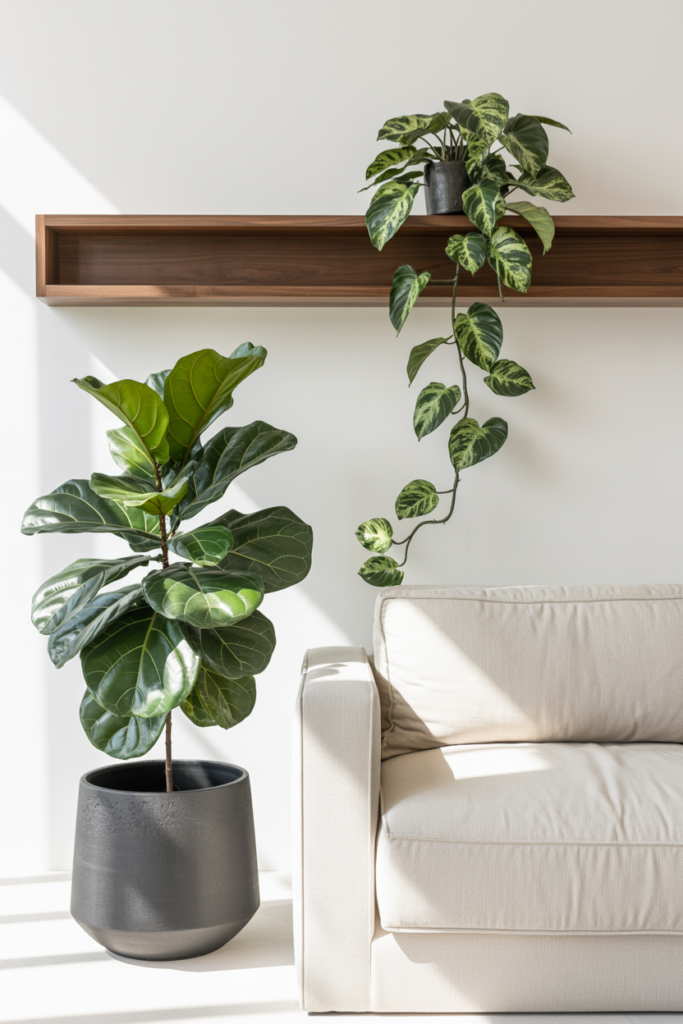
Not every plant belongs in a small living room. There. I said it.
A small snake plant on the corner of a shelf, a trailing pothos on a high shelf that drapes naturally, a single larger plant — a fiddle leaf, a monstera, a tall olive tree — placed deliberately in a corner where it adds life and height without blocking flow. These earn their place.
A collection of seventeen small plants across every surface, however, becomes visual noise in a small room. It reads as hobby rather than home. And for US and UK readers who genuinely love plants, that can feel harsh — but editing your plant collection to your best specimens and displaying them with intention is more respectful to the plants and the room.
The tall corner plant trick is especially powerful. A plant that reaches four or five feet in a corner draws the eye up and out, makes the room feel bigger, and adds a living organic presence that no object can replicate. It’s one of the best value-for-space moves in small room decorating.
11. Mirrors: The Old Rule That Still Works, Done With a New Eye
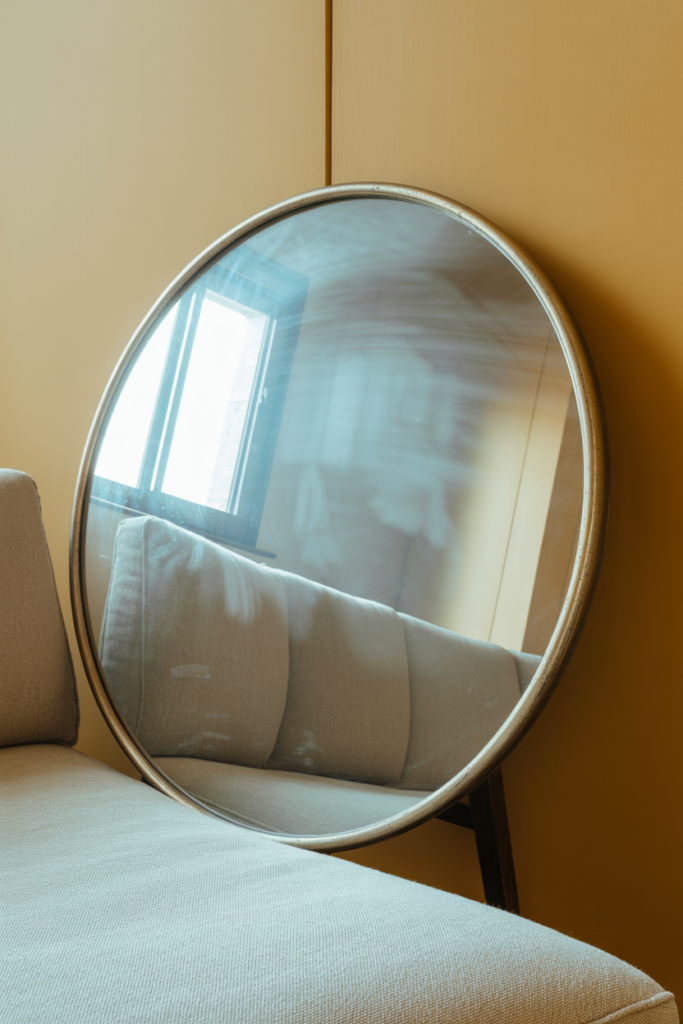
Yes, mirrors make small rooms feel bigger. You already knew that. But the how matters enormously and the generic “lean a large mirror against the wall” advice misses most of the subtlety.
The best mirror placement reflects something worth doubling. A window. A beautiful lamp. A well-styled shelf. Not a blank wall, not another piece of furniture, not the back of a door. When a mirror reflects something interesting, it creates depth that feels almost architectural. When it reflects nothing, it just reads as a large mirror leaning against a wall.
Shape matters too. An arched mirror is having its moment for a reason — the curve softens a room full of right angles and adds a kind of simple elegance that square mirrors rarely achieve at the same price point. Vintage or antique mirrors with slightly foxed or distressed glass have a quality that new mirrors often can’t buy.
For placement: eye level or slightly above for hung mirrors. For leaned mirrors, the floor-lean works best when the mirror is genuinely large — at least five feet tall — and the room has enough natural light to make use of it.
12. The Final Layer: Scent, Texture, and the Feeling of Being Looked After
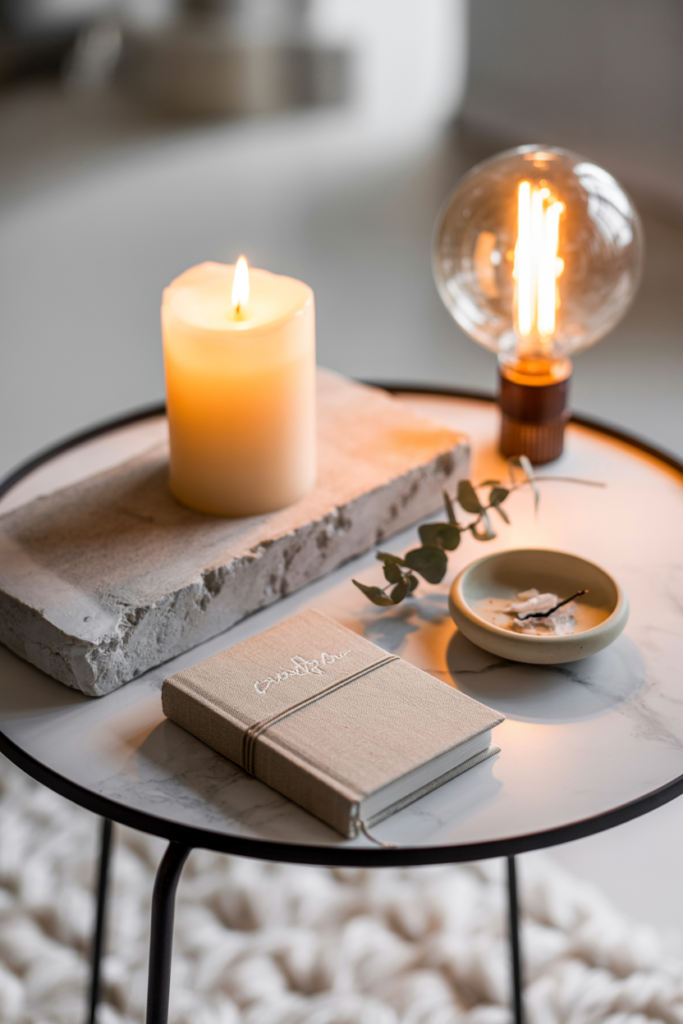
The last luxury in a small living room costs almost nothing and is almost never discussed in decorating articles. It’s sensory, not visual. And it’s often what you actually remember about a beautiful room after you’ve left it.
Scent. Texture you want to touch. The small details that say someone pays attention here.
A candle burning when you arrive — not air freshener, not a plug-in, but an actual flame that flickers and pools wax and smells like warm cedar or fig or clean linen. The difference in how that makes a room feel is genuinely outsized relative to the cost of the candle.
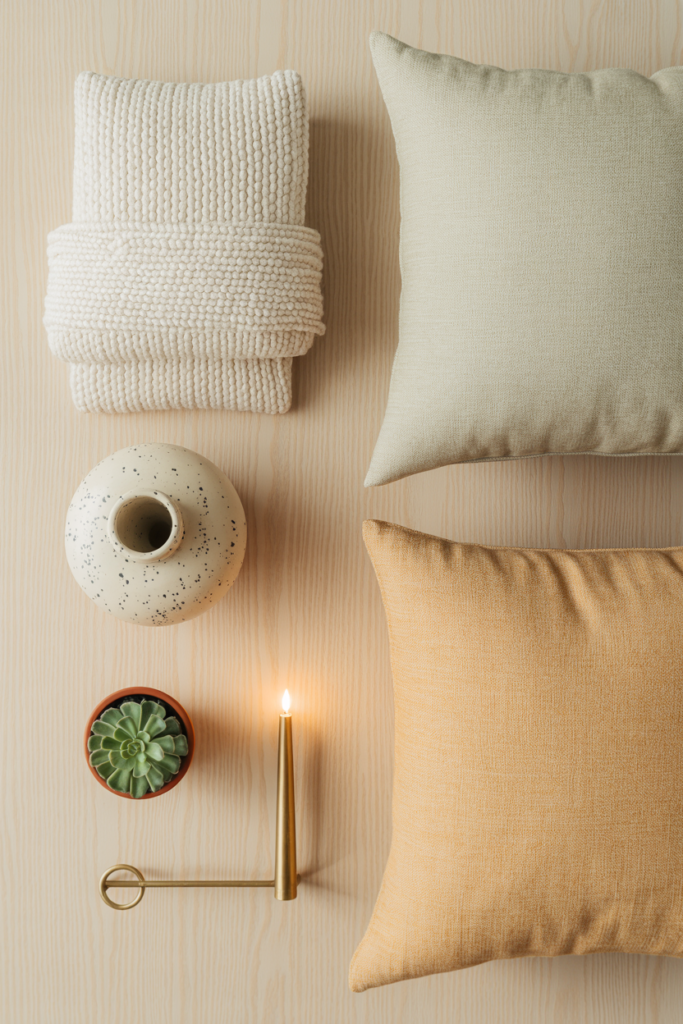
Throw blankets that are actually soft. Not the scratchy polypropylene ones that photograph beautifully and feel like nothing. A real merino wool throw or a heavy cotton knit draped over the arm of the sofa adds texture that you experience when you reach for it, not just when you look at the room.
Cushions in different sizes and materials rather than matched sets. The slight imperfection of a casually arranged pile is warmer and more inviting than a symmetrical cushion arrangement that looks like a hotel lobby.
Small rooms have an intimacy that large rooms will never have. This last layer is what makes that intimacy feel chosen rather than resigned to.
—
🌿 Quick Tips
Start by removing one piece of furniture from your current arrangement. The room almost certainly has something extra in it that’s taking up visual weight without earning it.
Paint your ceiling the same color as your walls, or one shade lighter. It wraps the room and makes the space feel more expensive immediately.
If you can only buy one new thing, make it a lamp. Good lighting does more per pound or dollar than almost any other single purchase.
A velvet cushion in a deep tone — forest green, burgundy, midnight blue — against a neutral sofa is one of the fastest ways to make a basic sofa look considered.
Edit before you add. Most small living rooms don’t need more things. They need fewer, better-placed things with room to breathe.
—
❓ FAQ
Q: What’s the best sofa size for a small living room? A: For most small living rooms, a two-seater or a compact three-seater (around 72–80 inches) works better than a full-size three-seater. The key isn’t just fit but proportion — you want the sofa to anchor the room without filling every wall-to-wall inch. Leave at least 18 inches between the sofa and coffee table, and try not to push furniture tight against every wall.
Q: Should I use dark colors in a small room or stick to light? A: Both work beautifully — but for different effects. Light, warm neutrals make a small room feel airy and soft. Deep, enveloping tones (navy, forest green, deep terracotta) make a small room feel intentional and jewel-like. The mistake is going too stark and cold with white, or too randomly dark without enough light sources to balance it. Either direction works when it’s done with conviction.
Q: How do I make a small living room feel luxurious on a tight budget? A: Prioritize lighting first — a couple of good lamps and a dimmer switch cost very little and change everything. Then focus on one quality textile: a real throw blanket or two velvet cushions. After that, rearrange what you already have with fresh eyes, edit out the clutter, and hang your curtains from ceiling height. Those four things alone will transform the room before you spend anything significant.
—
💭 Final Thought
The rooms that stay with you — the ones you photograph, save, and return to in your memory — are almost never the biggest ones. They’re the most considered. The most honest about what they are. A small living room, decorated with patience and a clear eye for what actually matters, can feel more luxurious than a penthouse that’s been filled rather than curated. So what’s the one thing in your room right now that’s working against you — and what would happen if you simply took it out?