The Art of Living Beautifully: What a Luxury Home Interior Really Feels Like From the Inside Out
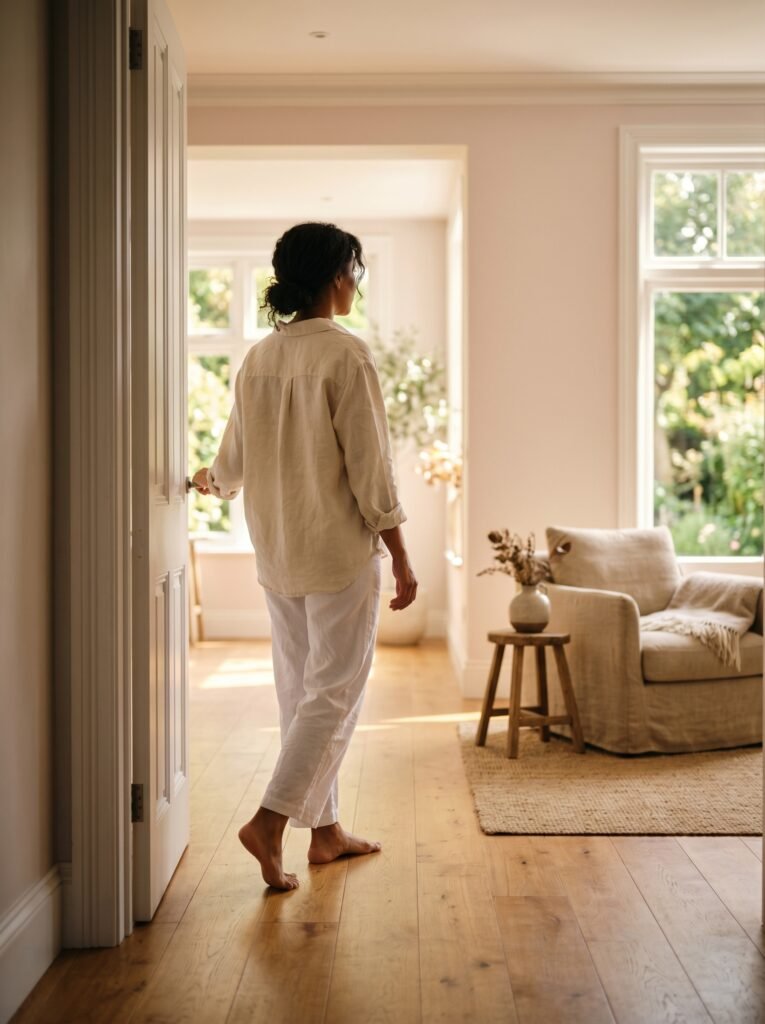
There’s a moment — you’ve probably experienced it — when you walk into a room and something shifts. The air feels different. Your shoulders drop. You slow down without meaning to. That’s not magic. That’s intentional design doing exactly what it was meant to do.
—
Table Of Content
1. Luxury Isn’t What You Think It Is — And That’s the Good News
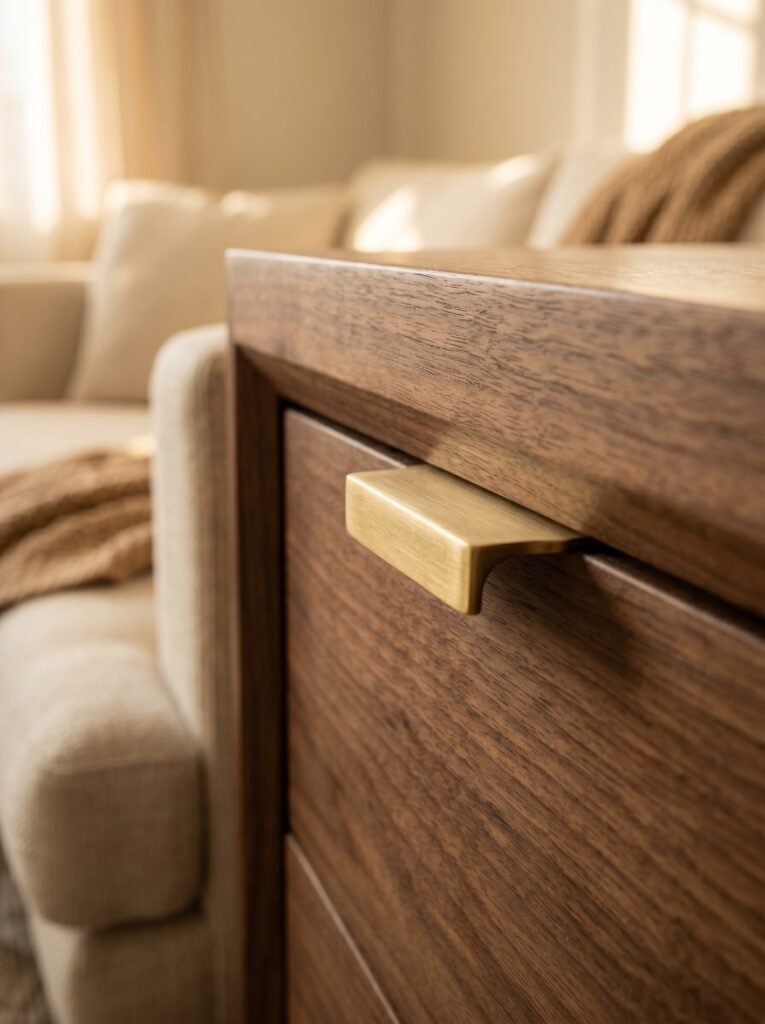
Most people picture luxury interiors and immediately see gold faucets, crystal chandeliers, and rooms that feel more like museums than homes. But here’s what the best interior designers will tell you in a quiet moment: true luxury has almost nothing to do with price tags.
Real luxury is the absence of friction. It’s a home where every detail — the way light falls across a linen sofa at 4 p.m., the way a drawer slides shut without a sound — has been thought through by someone who genuinely cared. It’s the feeling of walking barefoot on a warm hardwood floor and not wanting to stop.
“A truly luxurious home doesn’t impress you. It comforts you — and that’s far harder to achieve.”
The shift in modern luxury design has been profound. Where excess once ruled, restraint now reigns. The world’s most celebrated interior designers — from Kelly Wearstler to Axel Vervoordt — speak increasingly about creating spaces that breathe, spaces that invite stillness, spaces that feel deeply, almost surprisingly, like you.
—
2. The Secret Language of Light — Why It Changes Everything
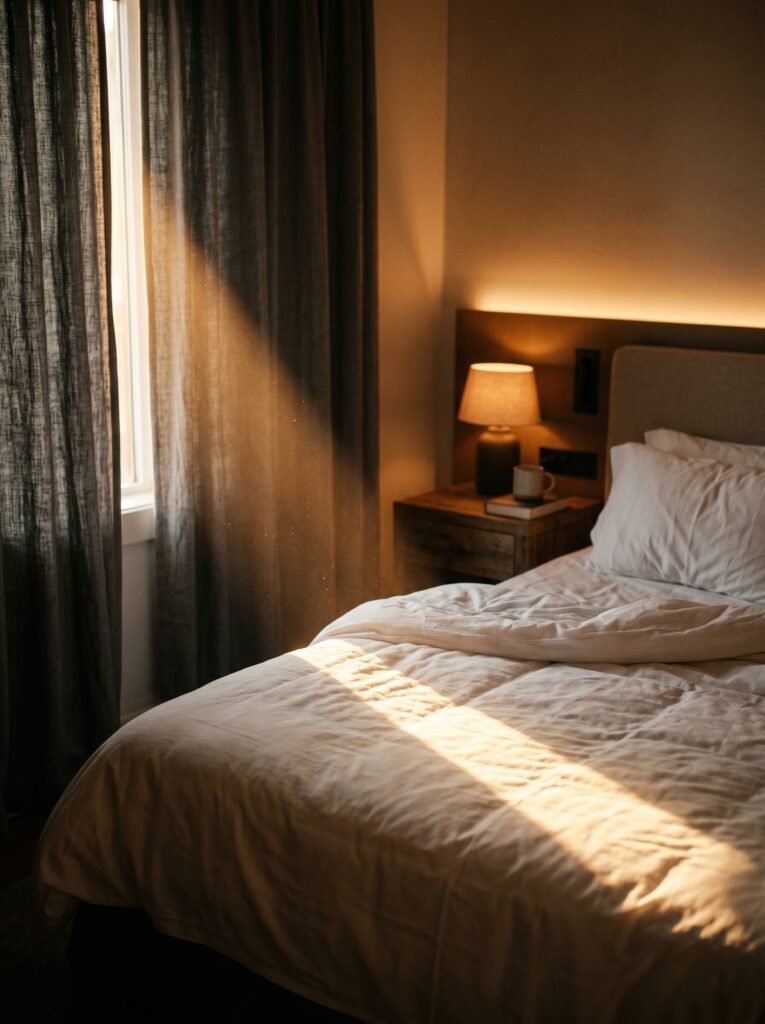
Imagine you wake up one morning in a hotel room where the curtains are slightly open and a blade of warm golden light cuts across the white bedding. You feel, for just a second, unreasonably happy. That’s not an accident. That’s a lighting designer at work.
In luxury interiors, light is treated as a material — as essential as marble or mahogany. Natural light is maximized through strategically placed windows, skylights, and glass doors that dissolve the boundary between inside and outside. In the evenings, artificial lighting is layered carefully: ambient light for overall warmth, task lighting for function, and accent lighting that draws the eye toward a piece of art or architectural detail.
Dimmer switches, warm-toned bulbs (usually between 2700K and 3000K), and concealed light sources all work together to create a space that shifts its mood the way the day itself does — from bright and energizing in the morning to soft and restful by night.
—
3. Materials That Tell a Story — The Soul of a Luxury Space
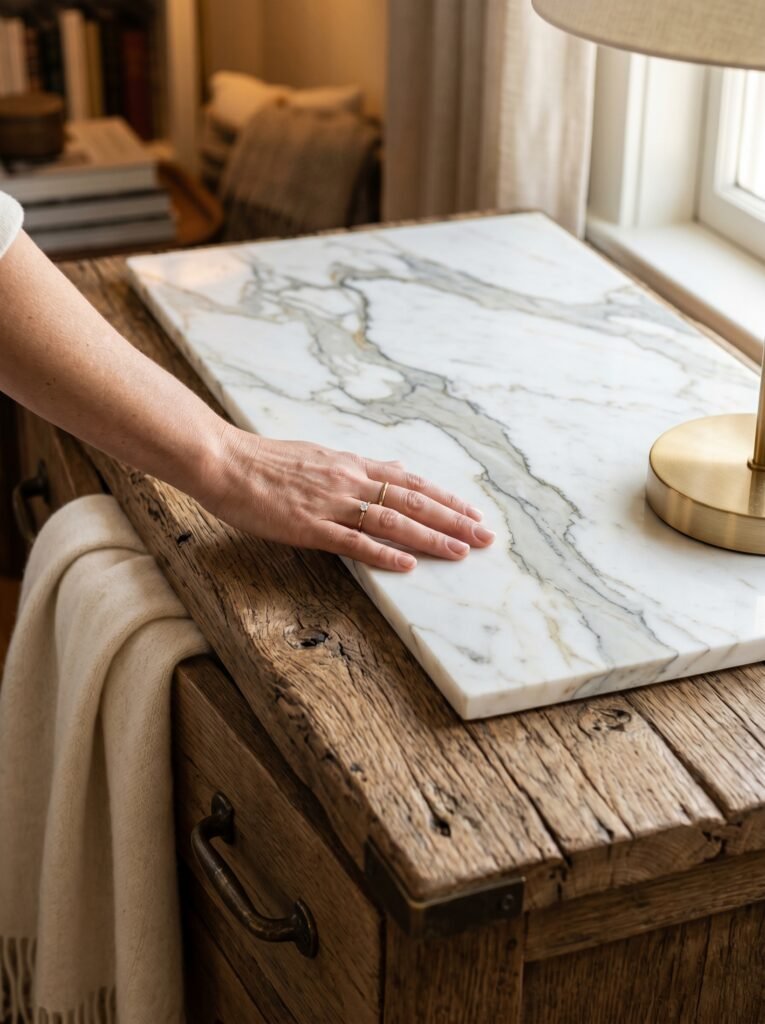
Run your hand across a slab of Italian Calacatta marble. Feel the cool weight of it, the veining that looks like a river seen from a great height. Now compare that to a printed ceramic tile trying to mimic the same pattern. Your hand knows the difference, even if your eyes don’t immediately catch it.
Luxury interiors are defined by authentic, high-quality materials: natural stone, solid wood, hand-stitched leather, raw linen, brushed brass, aged bronze. These materials have history. They develop patina. They improve — genuinely improve — with time and use.
The choice of materials is also about sensory honesty. A luxury home invites you to touch things. The nubby texture of a cashmere throw, the slightly rough grain of a reclaimed oak table, the smooth cool of a polished concrete floor — these surfaces create a richness of experience that synthetic alternatives simply cannot replicate.
—
4. Space and Proportion — The Invisible Architecture of Comfort
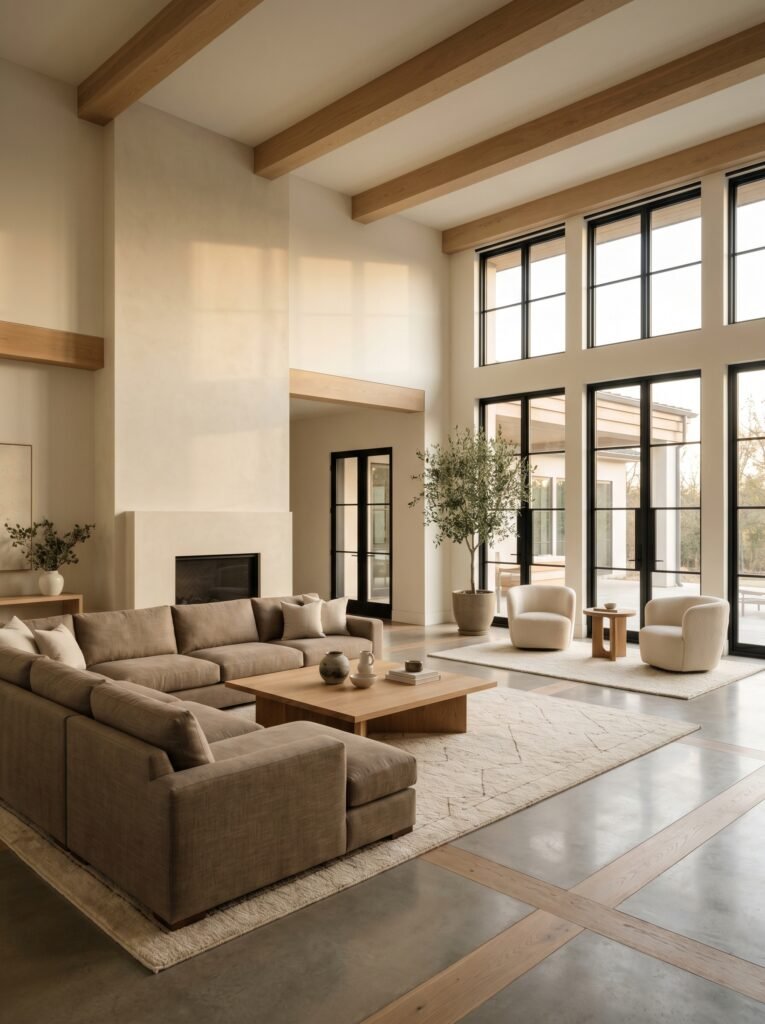
Here’s something interior architects know that most homeowners don’t: a room can feel luxurious or cramped based almost entirely on proportion, regardless of its actual size. The distance between furniture pieces, the height of ceilings, the scale of a sofa against a wall — these mathematical relationships determine how a space feels to a human body.
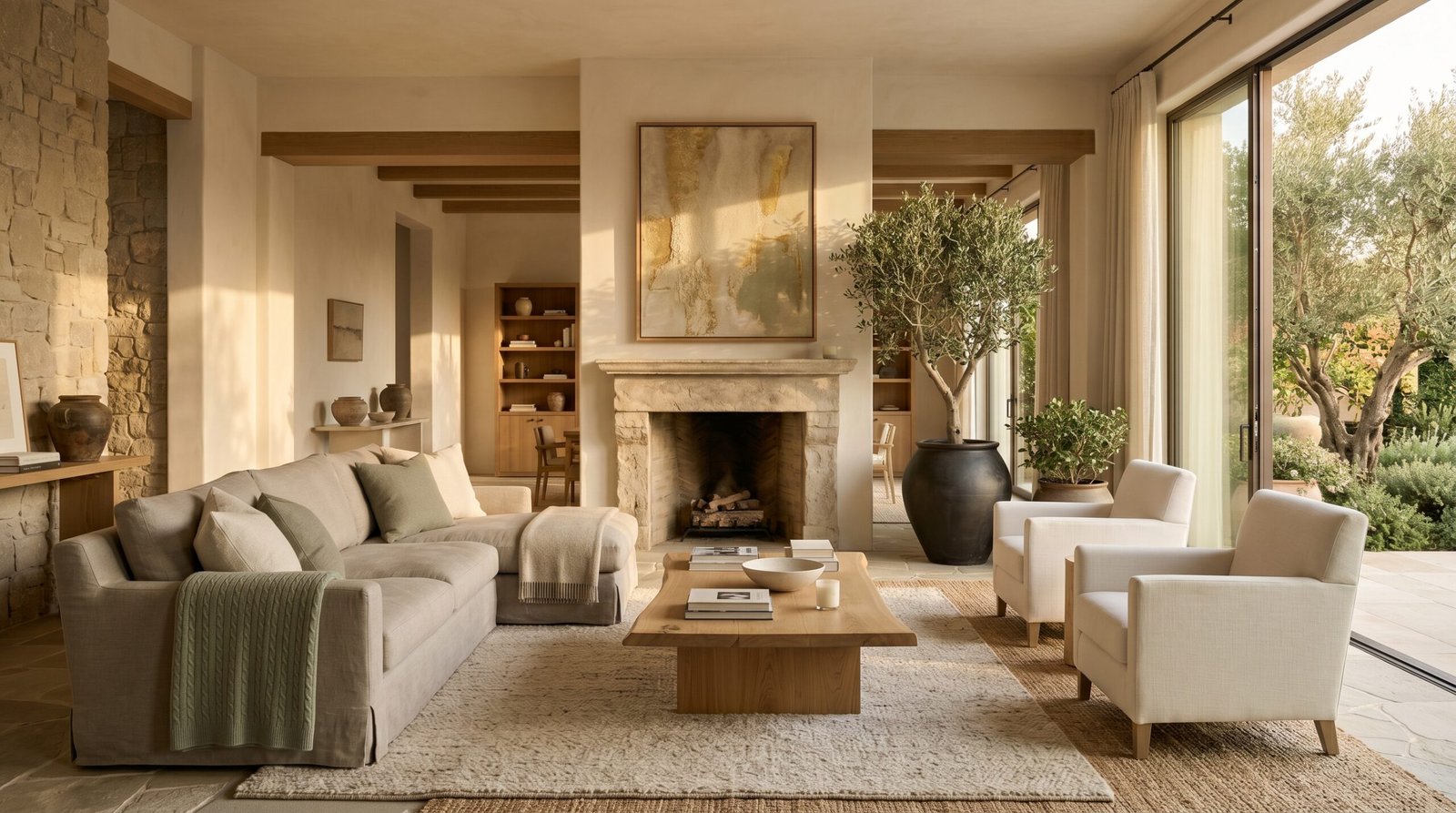
In luxury design, rooms are rarely overcrowded. There is a deliberate generosity of space — what designers sometimes call “negative space” — that allows the eye to rest and the body to move freely. Furniture is chosen to fit the room, not the other way around. A massive sectional in a modest room creates anxiety. The same sectional in a properly scaled great room creates sanctuary.
—
5. The Color Palette — How Shades Become Feelings

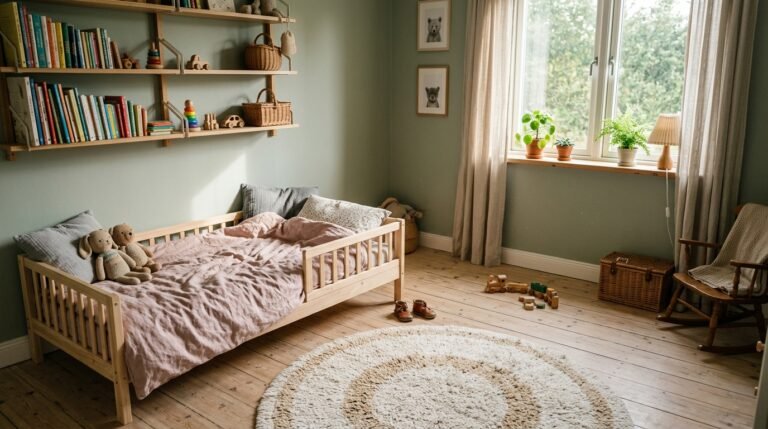
Walk into a room painted in a deep, chalky sage green. Notice how your nervous system responds. Now walk into a room painted in a sharp, electric white. Completely different. Color does something neurological to us — it shifts our mood at a level below conscious thought.
Luxury interiors tend to use sophisticated, considered color palettes. These are rarely the bold primaries of a children’s classroom. Instead, they gravitate toward complex, layered tones: warm greiges, dusty terracottas, faded French blues, off-whites with a hint of blush. These colors have depth. They look different depending on the time of day and the light source, which means they stay interesting, even after years of living with them.
“The right color doesn’t just decorate a room — it completely determines how the room makes you feel.”
—
6. Bespoke Furniture — When Something Is Made Only for You
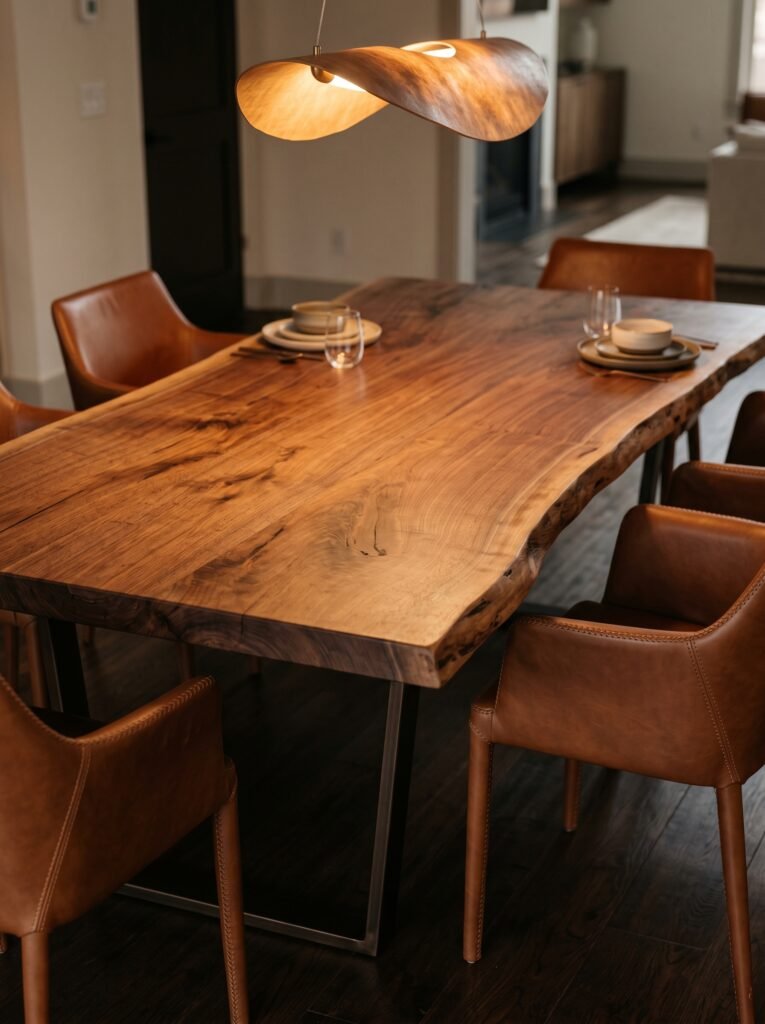
There’s a quiet satisfaction in owning something that was made specifically for you. A sofa designed to your exact measurements, in a fabric you chose from a sample library, with legs crafted to match the finish of your floorboards. This is the world of bespoke furniture, and it’s one of the most meaningful investments a luxury interior can make.
Bespoke pieces fit perfectly — spatially and aesthetically. They eliminate the compromise that comes with off-the-shelf buying, where you settle for something close to what you imagined. A custom dining table, handcrafted from a single slab of walnut, becomes not just furniture but a family heirloom in waiting.
—
7. Art and Curation — Giving a Home Its Personality
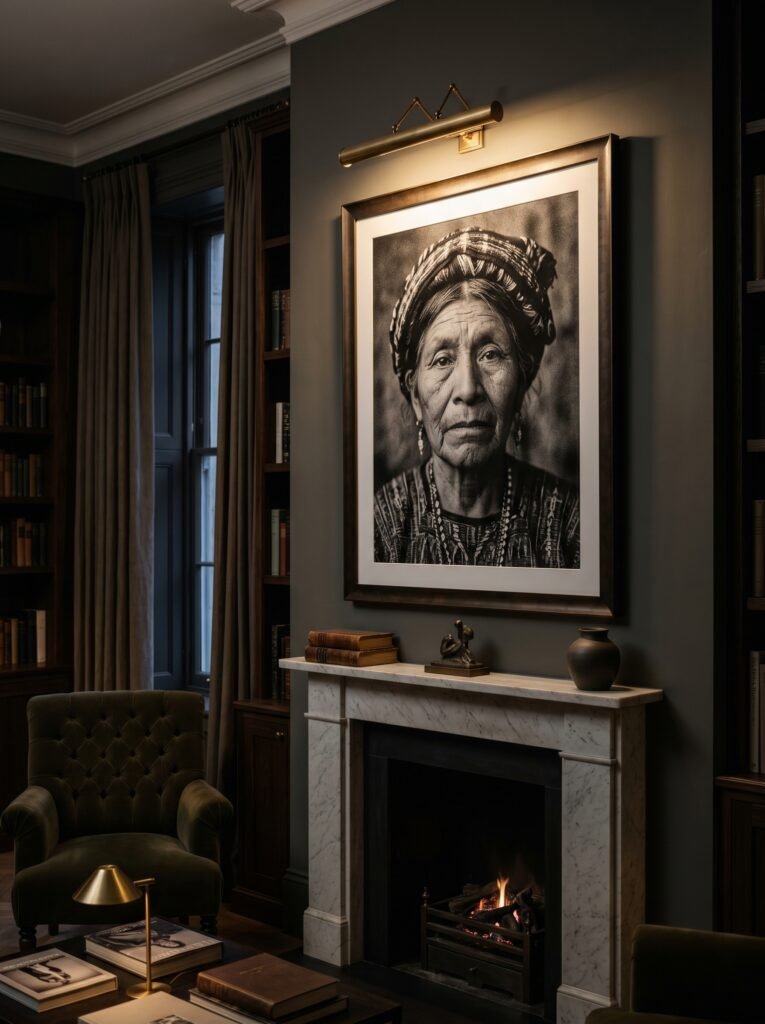
An interior designer once said that you can spend a million dollars on finishes and furniture, and still have a home that feels cold and impersonal without art. She was right. Art is the emotional fingerprint of a home. It says: someone lives here. Someone has opinions, passions, a history.
In luxury interiors, art is curated rather than collected at random. Pieces are chosen for their relationship to the space — their scale, their color conversation with the walls, their emotional resonance. A single large-format photograph above a fireplace can do more for a room than a dozen smaller pieces arranged without intention.
Original works — whether paintings, sculptures, ceramics, or photography — carry an energy that prints cannot replicate. They reward sustained looking. They change the longer you live with them.
—
8. Textiles and Layering — The Warmth You Can Actually Feel
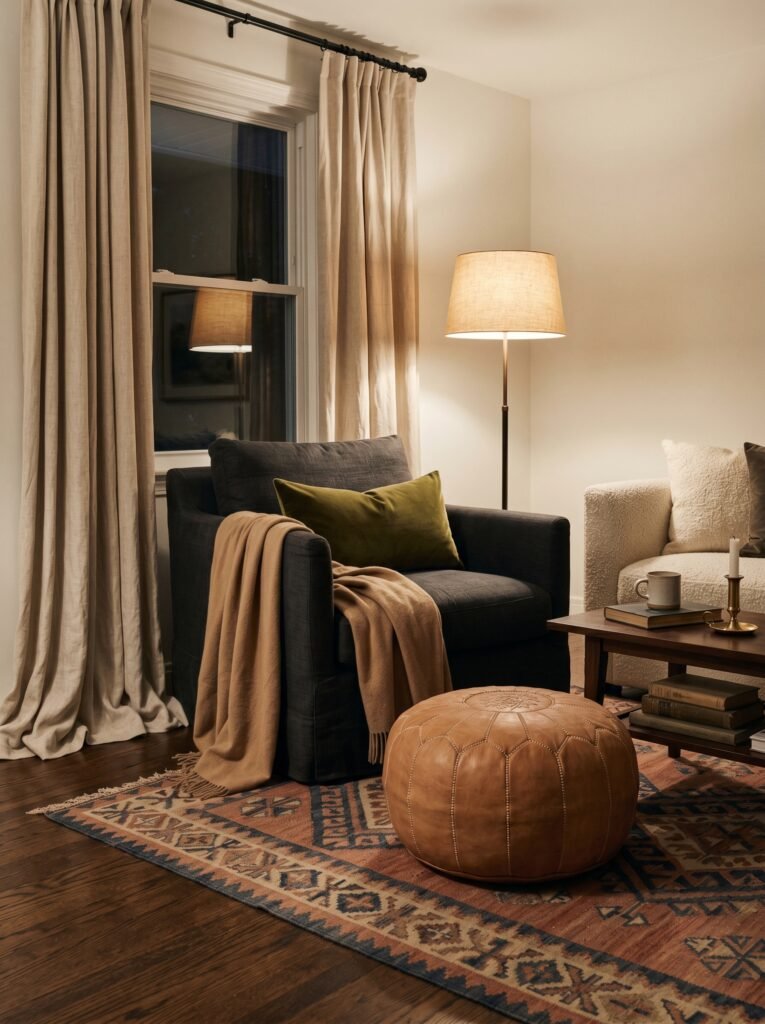
A room without textiles is a room without a heartbeat. Think about the difference between a beautifully styled but bare living room and the same room with layered rugs, velvet cushions, a cashmere throw draped over one arm of a chair. The second version doesn’t just look warmer — it is warmer. Physically, emotionally, experientially warmer.
Luxury interiors layer textiles with the same care a composer uses when arranging instruments. Different weights, textures, and patterns coexist without competing. A flat-woven kilim rug beneath a plush Moroccan pouf. Linen curtains that pool slightly on the floor. A silk pillow sitting against a bouclé sofa. The result is tactile richness — a room that invites you to settle in and stay.
—
9. Technology Woven Invisibly Into Beauty
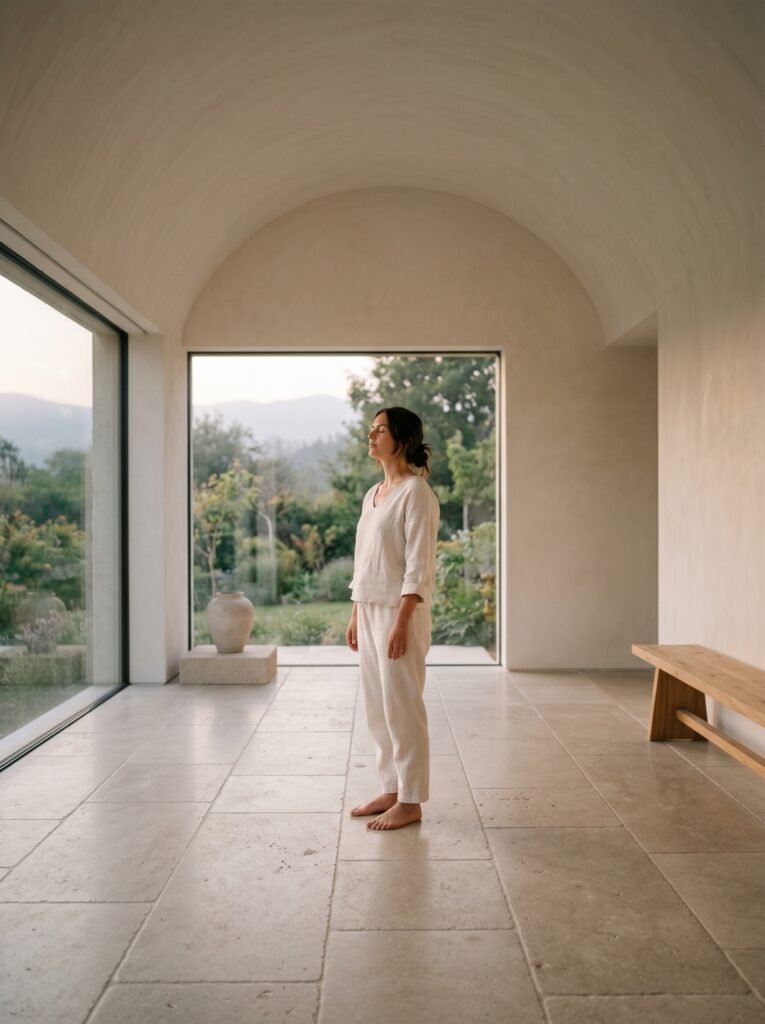
The smartest luxury homes of today are highly technological — but you’d never know it by looking. Smart home systems control lighting, temperature, security, sound, and window treatments, all from a single interface or voice command. But in truly well-designed spaces, the technology is invisible. It disappears into the walls and ceilings, never interrupting the visual flow.
“The best technology in a home is the kind you never notice — until the moment you need it.”
Heated floors beneath stone tiles. Climate control that maintains the perfect temperature without visible vents. Sound systems that seem to come from the air itself. These are the quiet miracles of modern luxury living — functional, efficient, and beautifully hidden.
—
10. The Kitchen as the Heart of the Home — Reimagined
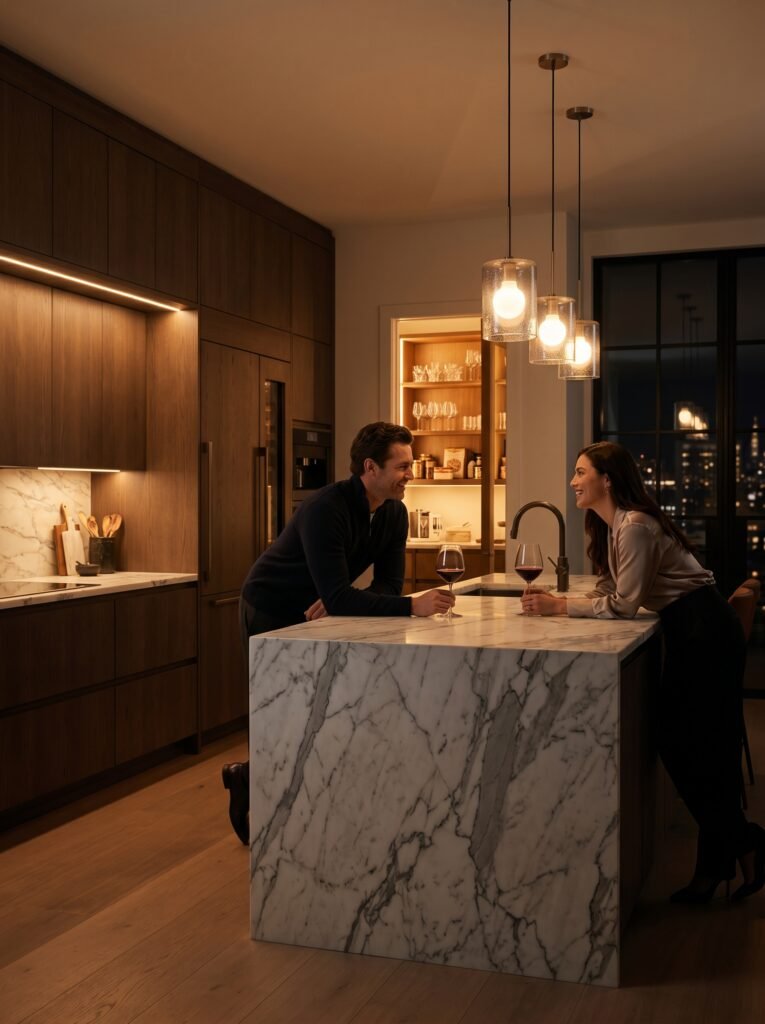
At some point, kitchens stopped being purely utilitarian and became the most emotionally loaded room in the house. They are where families gather without being asked, where conversations happen that couldn’t happen anywhere else. A luxury kitchen honors this by being both deeply functional and visually extraordinary.
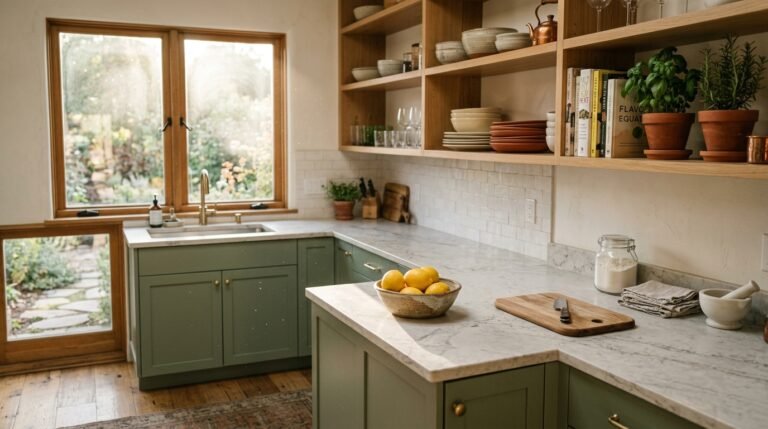
Custom cabinetry, professional-grade appliances concealed behind panel doors, oversized islands in waterfall-edge stone, butler’s pantries that keep the main kitchen effortlessly clear — these elements create a kitchen that works hard while looking effortless. The best luxury kitchens feel like the kind of place where you’d want to stay up too late, talking over a glass of wine.
—
11. The Primary Bedroom and Bathroom — Your Private Sanctuary
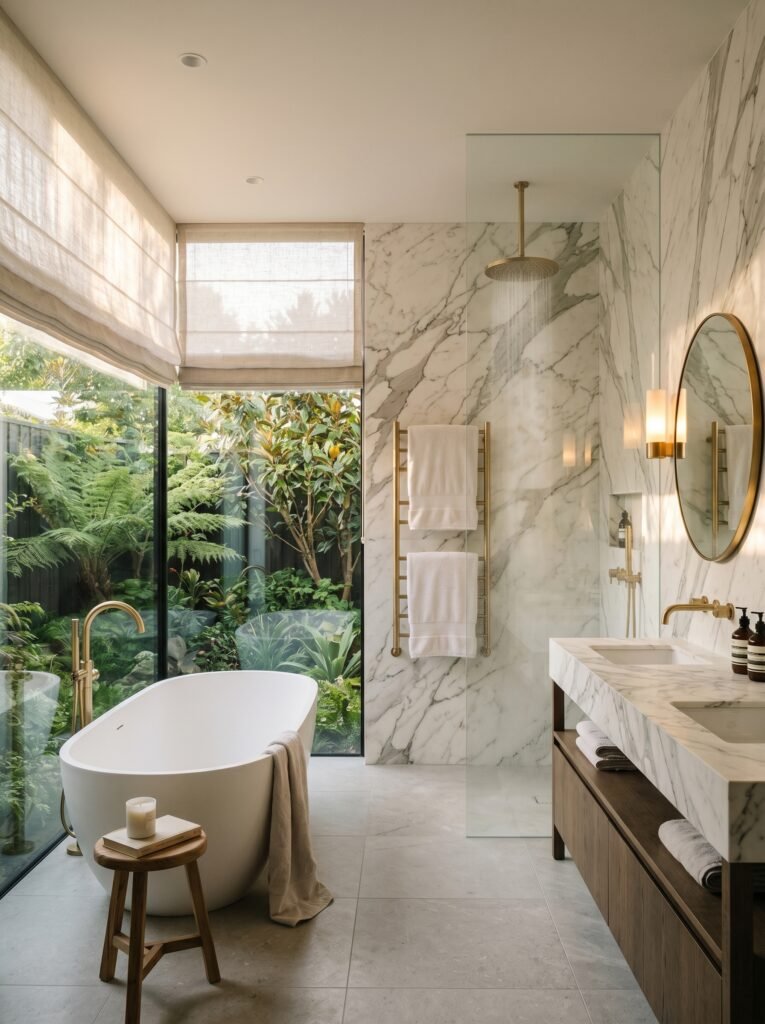
Sleep is having a moment in wellness culture, and luxury interiors have responded. The primary bedroom is now treated with the same intention as a five-star hotel suite. Blackout lining behind beautiful curtains, the highest thread-count bedding, a reading nook beside a window, a carefully considered arrangement of bedside lighting — these details transform a bedroom from a functional sleeping space into a genuine retreat.
The ensuite bathroom follows the same philosophy. A deep freestanding soaking tub, a rainfall shower with body jets, heated towel rails, and double vanities in book-matched stone — these are the features that turn a morning routine into a ritual, and a ritual into the quiet luxury of an ordinary day.
—
12. Bringing the Outside In — Biophilic Design and Why We Need It
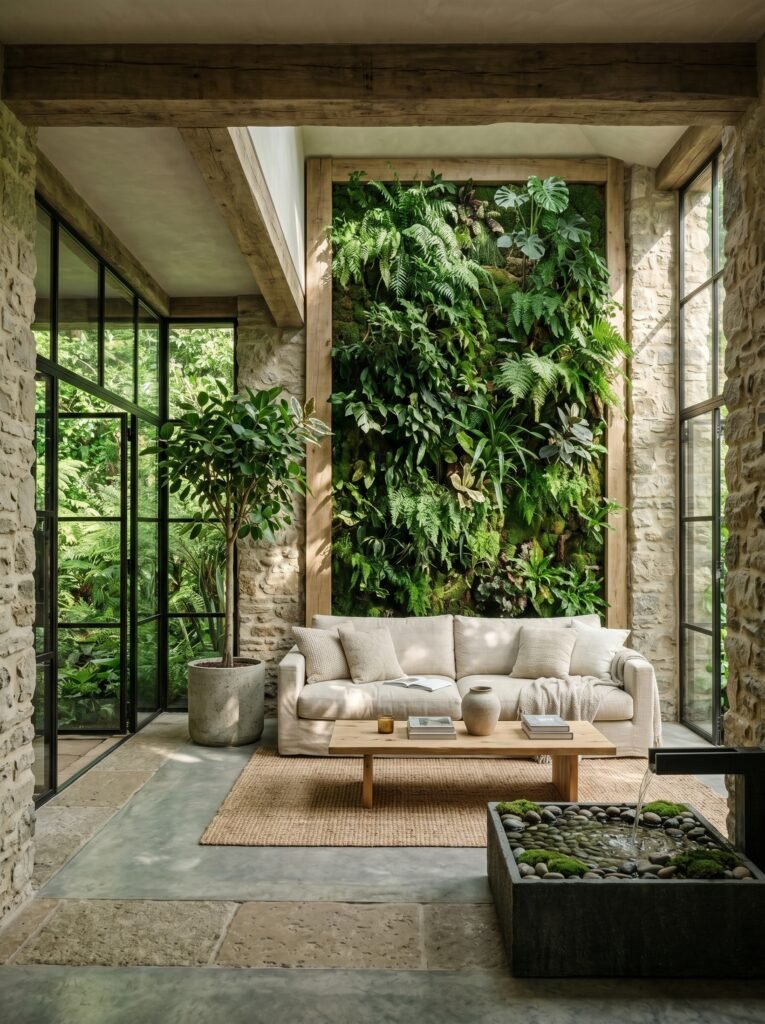
There is scientific evidence — not just aesthetic intuition — that humans feel better when they are connected to nature. Biophilic design, which intentionally incorporates natural elements into interior spaces, has become one of the most significant movements in contemporary luxury design.
This means living plant walls, indoor trees in architectural pots, natural materials like raw stone and unfinished wood, views carefully framed to showcase gardens or landscapes, and the strategic use of water features whose gentle sound calms the nervous system. It means letting the outside world in — and reminding the people inside that they are part of something larger and older than any building.
—
🌿 How to Bring Luxury Interior Principles Into Your Own Home
You don’t need an unlimited budget to apply the philosophy of luxury design. What you need is intention.
Start with light. Swap harsh white bulbs for warm-toned ones, add a dimmer switch to your main living area, and see how immediately the room transforms. This single change costs very little and makes an outsized difference.
Invest in one meaningful material. Instead of buying five inexpensive decorative objects, save for one piece made from a genuinely beautiful material — a marble cutting board, a solid brass lamp, a hand-thrown ceramic vase. Quality in one place elevates everything around it.
Edit ruthlessly. Luxury is often about what you remove, not what you add. Walk through each room and ask honestly: does this item contribute to the feeling I want in this space? If not, it earns its exit.
Layer your textiles. Add a throw, a genuine wool rug, an extra pillow in a contrasting texture. These layers cost relatively little but dramatically change how a room feels to be in.
Introduce something living. A single well-placed plant — a sculptural fiddle-leaf fig, a trailing pothos on a shelf, a cluster of herbs on a windowsill — connects a space to the natural world and softens every hard edge around it.
—
❓ FAQ
Q: What is the most important element of a luxury interior? A: Most designers would say it’s quality of materials paired with intentional design. A space can have expensive furniture but feel cold if it lacks thoughtful planning. The most important single factor is how the room makes you feel when you walk into it — and achieving that takes both quality and care.
Q: Can you achieve a luxury feel on a modest budget? A: Absolutely, with smart prioritization. Focus on lighting, decluttering, and investing in one or two genuinely high-quality anchor pieces rather than filling a space with many cheaper items. The principles of proportion, color, and layering cost nothing to apply.
Q: What interior design styles are considered most luxurious right now? A: Contemporary styles leaning toward what’s called “quiet luxury” or “elevated minimalism” dominate current high-end design — think warm neutrals, natural materials, clean lines, and careful curation. Biophilic design is also enormously popular, as is the mixing of antique and modern pieces to create spaces that feel collected rather than purchased all at once.
—
💭 Final Thought
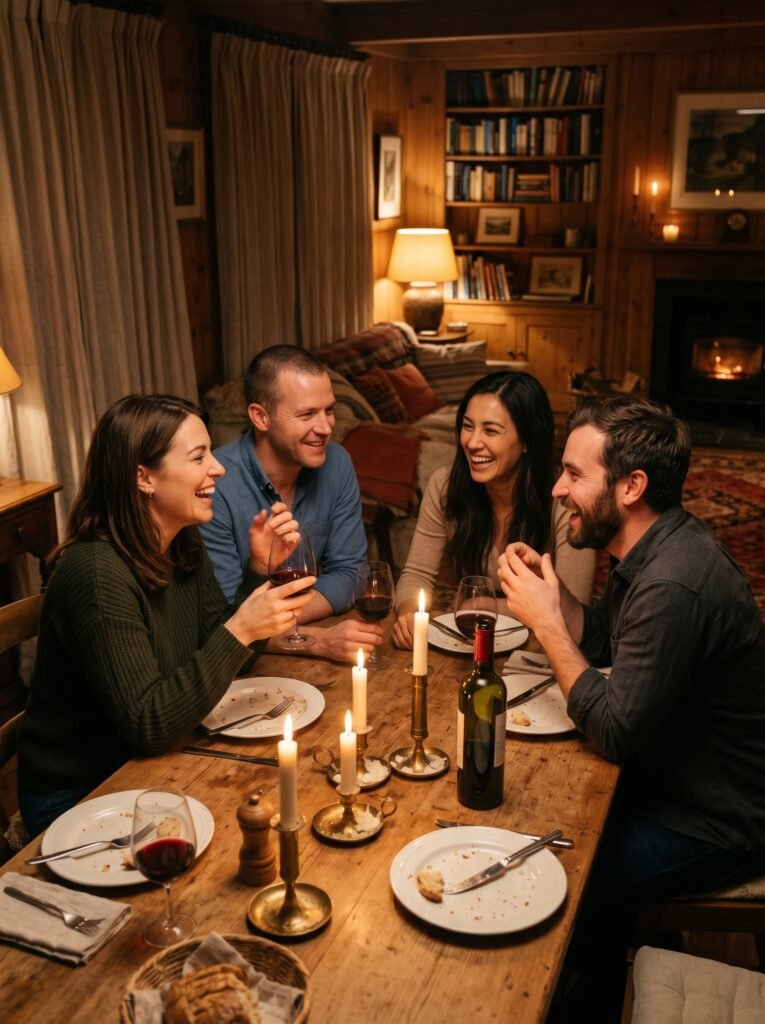
A luxury home, at its truest, isn’t a status symbol. It’s an act of care — for yourself, for the people you love, for the ordinary Tuesday evenings that make up most of a life. When a space is designed with genuine intention, the everyday rituals that happen inside it become quietly extraordinary.
The morning coffee. The Sunday afternoon with a book. The dinner that runs long because no one wants to leave the table. These moments are the real return on investment of a beautifully considered home.
So here’s the question worth sitting with: if your home is a reflection of how much you value your own life — what is yours saying about you right now?