The Dining Room That Changes Everything: How to Create a Space Where Life Happens
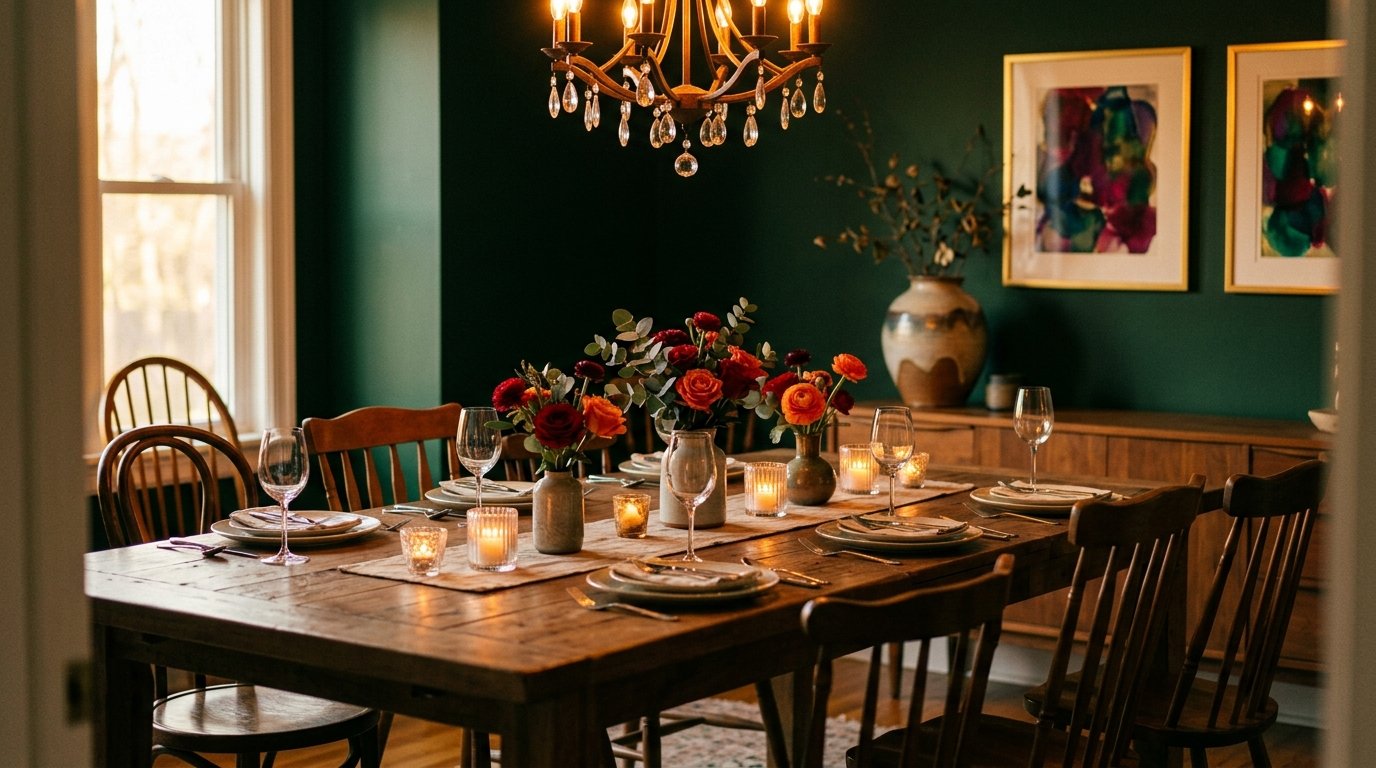
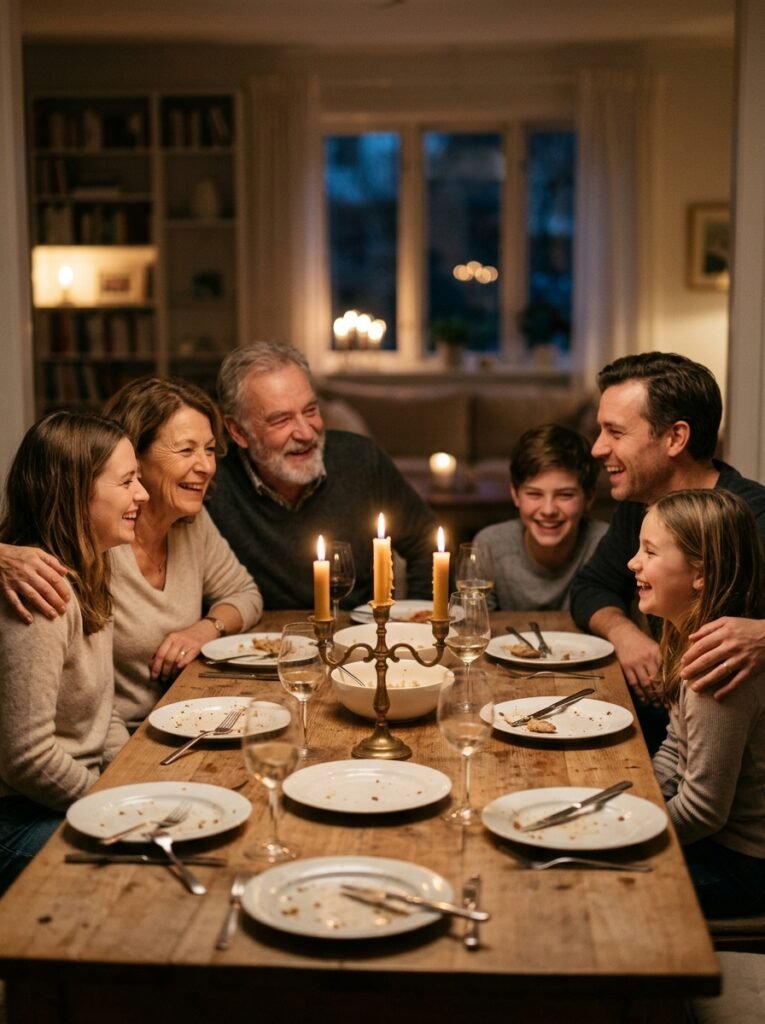
There’s something quietly powerful about a dining room that’s done right. It’s not just about where you eat — it’s where your family argues about dessert, where friends linger for hours after the plates are cleared, where candles burn low and conversations go deep. The dining room, when designed with intention, becomes the emotional center of your entire home.
—
Table Of Content
1. Why the Dining Room Is the Most Underestimated Room in Your Home
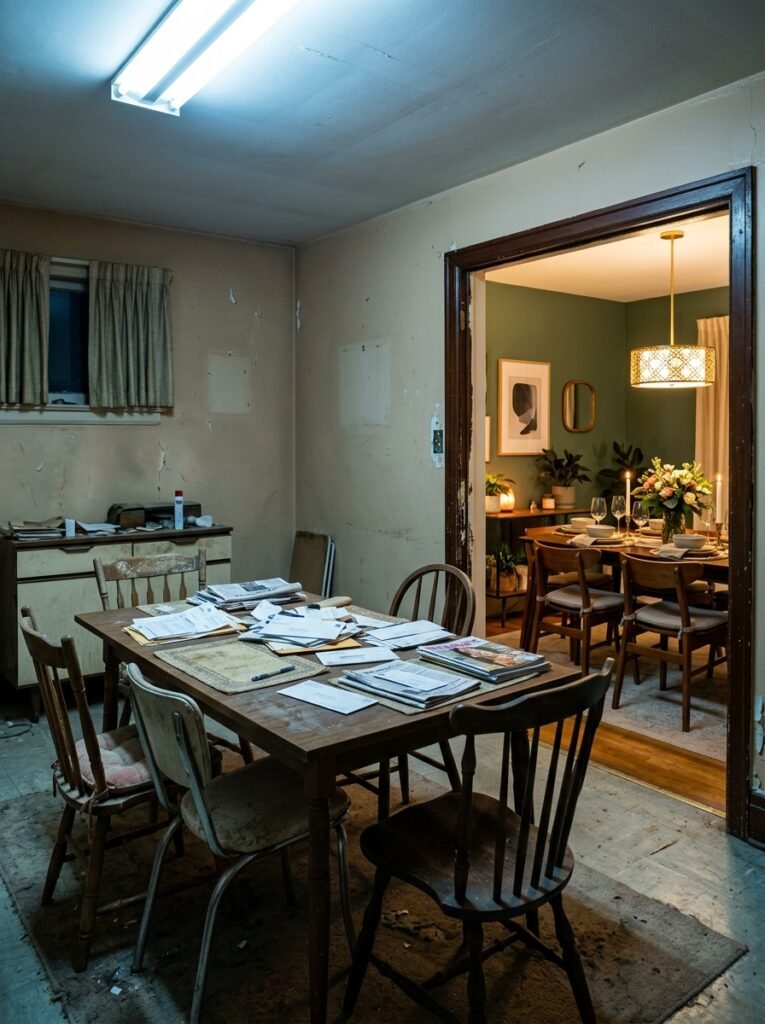
Walk through most homes and you’ll notice the same pattern — meticulous attention paid to the living room, a lovingly styled bedroom, a kitchen with every gadget imaginable. And then there’s the dining room. Often an afterthought. A place where mail piles up between dinner parties, where mismatched chairs collect dust, where the lighting makes everyone look vaguely ill.
But here’s what the best interior designers know that most homeowners don’t: the dining room holds more emotional memory per square foot than any other space in your home. It’s where birthdays are celebrated, where hard conversations are finally had, where holiday traditions take root and grow into the stories your children will tell for decades.
Giving this room the design attention it deserves isn’t decorating for aesthetics alone — it’s investing in the quality of your everyday life.
“The dining room isn’t where you eat. It’s where you become a family.”
When you start thinking about your dining room through that lens, every decision — the table shape, the light fixture, the color on the walls — stops being a design choice and becomes something far more meaningful.
2. Choosing the Right Dining Table: The Decision That Anchors Everything
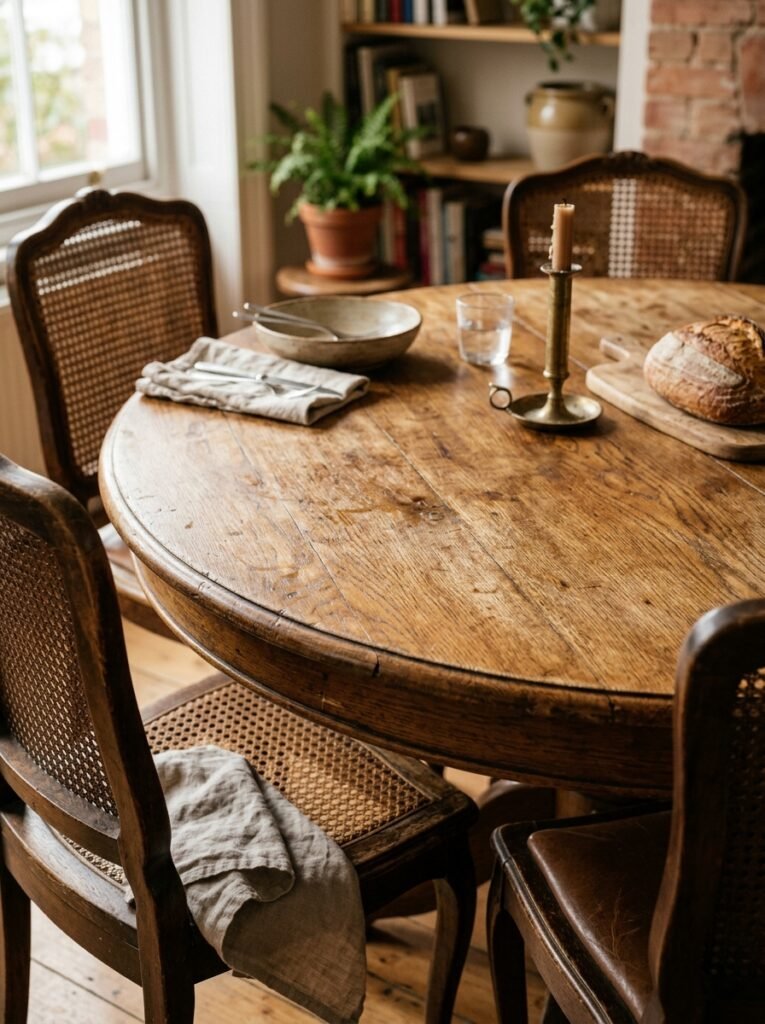
The table is the soul of the room. Everything else — the chairs, the rug, the lighting — orbits around it. Getting this piece right matters more than any other single decision you’ll make in this space.
Start with shape. A rectangular table is the classic choice for good reason: it’s versatile, seats more people efficiently, and creates a natural sense of order. But don’t overlook round tables, which foster intimacy in a way that rectangles simply can’t. At a round table, everyone is equidistant from the conversation. There’s no head of the table, no seat of power — just people together. For smaller dining rooms or households where connection matters more than capacity, a round table can be genuinely transformative.
Material matters too, and not just visually. A solid wood table develops character over time — the scratches, the rings, the worn edges all tell the story of meals shared and life lived. Marble is breathtaking but demands commitment. Glass keeps a small room feeling open but shows every fingerprint. Whatever you choose, choose it because it fits how your family actually lives, not how you wish you lived.
Size is non-negotiable. A table that’s too large for the room feels oppressive; one that’s too small feels apologetic. As a general rule, leave at least 36 inches between the table edge and the wall — enough for chairs to pull out comfortably and for someone to walk behind a seated guest without performing a sideways shuffle.
3. The Chair Situation: Why Comfort Always Wins Over Cool
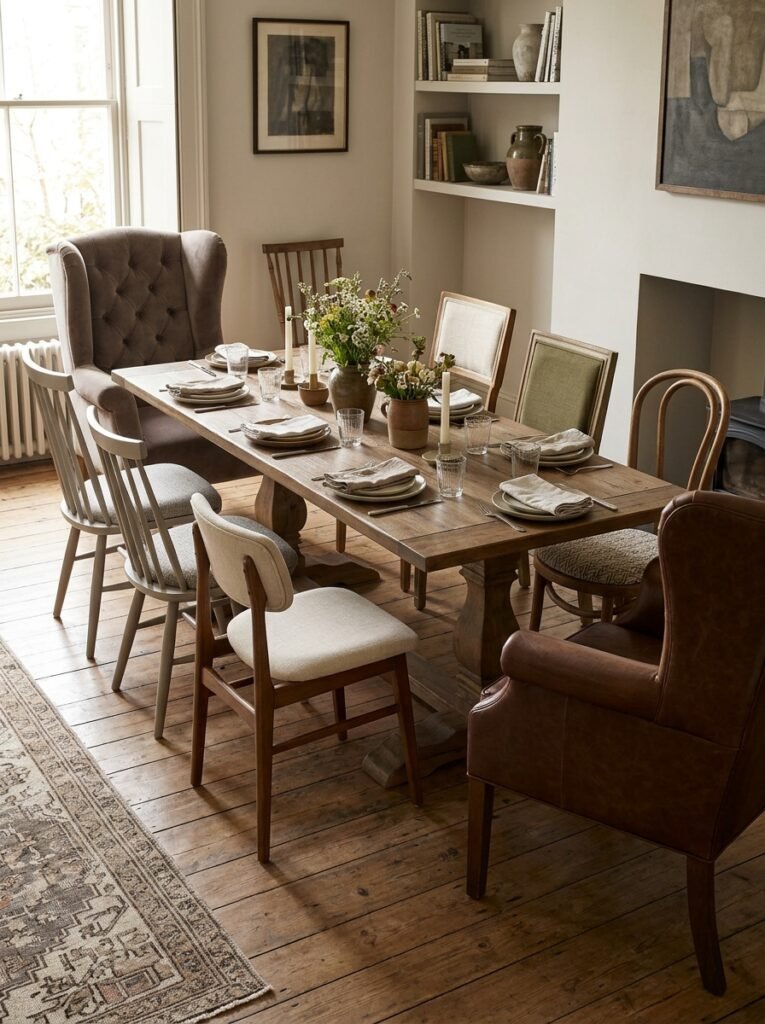
Here is a truth that takes years of design mistakes to learn: uncomfortable dining chairs ruin dinner parties. It doesn’t matter how gorgeous they are if your guests are shifting and squirming by the time dessert arrives.
Upholstered seats add warmth and comfort and make lingering easy. Side chairs with some cushioning and a slight back angle are far more user-friendly than rigid wood designs. If you’re mixing chair styles — which is a very current and livable look — keep one element consistent throughout, whether that’s material, color, or leg style, so the mix feels curated rather than chaotic.
Don’t forget the host chairs at the heads of the table. Armchairs in that position add visual drama and create a sense of ceremony around the act of sitting down together. They signal, quietly but clearly, that this room takes itself seriously as a gathering space.
4. Lighting That Makes Everyone Look and Feel Beautiful
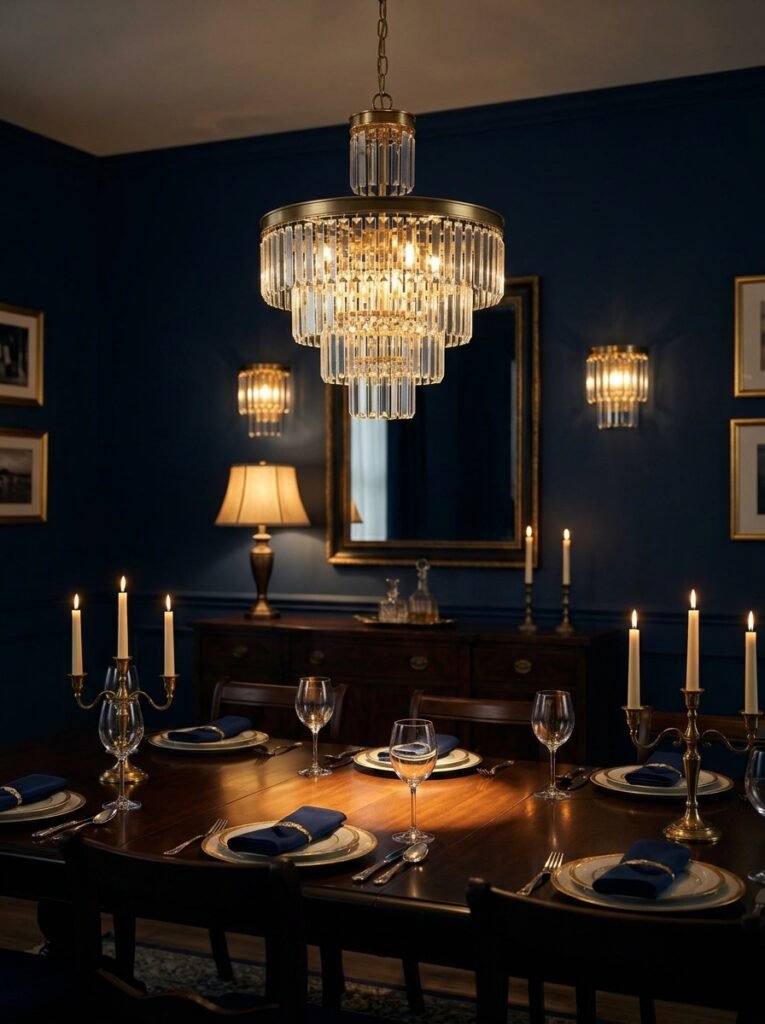
Lighting is the single most undervalued element of dining room design, and getting it right will change the entire atmosphere of the room in ways that new furniture simply cannot.
The cardinal rule: every dining room needs a statement pendant or chandelier centered directly above the table. This fixture serves two purposes simultaneously — it provides functional task lighting for the meal, and it acts as the visual anchor that gives the room its sense of scale and intention. A room without a proper overhead fixture feels unfinished, no matter how carefully everything else is arranged.
Height is critical. The bottom of your pendant or chandelier should hang approximately 30 to 36 inches above the tabletop. Too high and it loses its intimacy; too low and your taller guests will be dodging it mid-conversation.
Layer the light. A dimmer switch on your overhead fixture is not optional — it’s essential. Bright light for a family weeknight dinner, low golden light for a dinner party: these create entirely different emotional experiences in the same room. Add a sideboard lamp or wall sconces for depth, and let candlelight do the rest. There is a reason every great restaurant uses candles. Flame-lit faces are simply the most beautiful version of the people you love.
“Light doesn’t just illuminate a room — it sets the entire emotional temperature of an evening.”
5. The Psychology of Color: What Your Dining Room Walls Are Saying About You
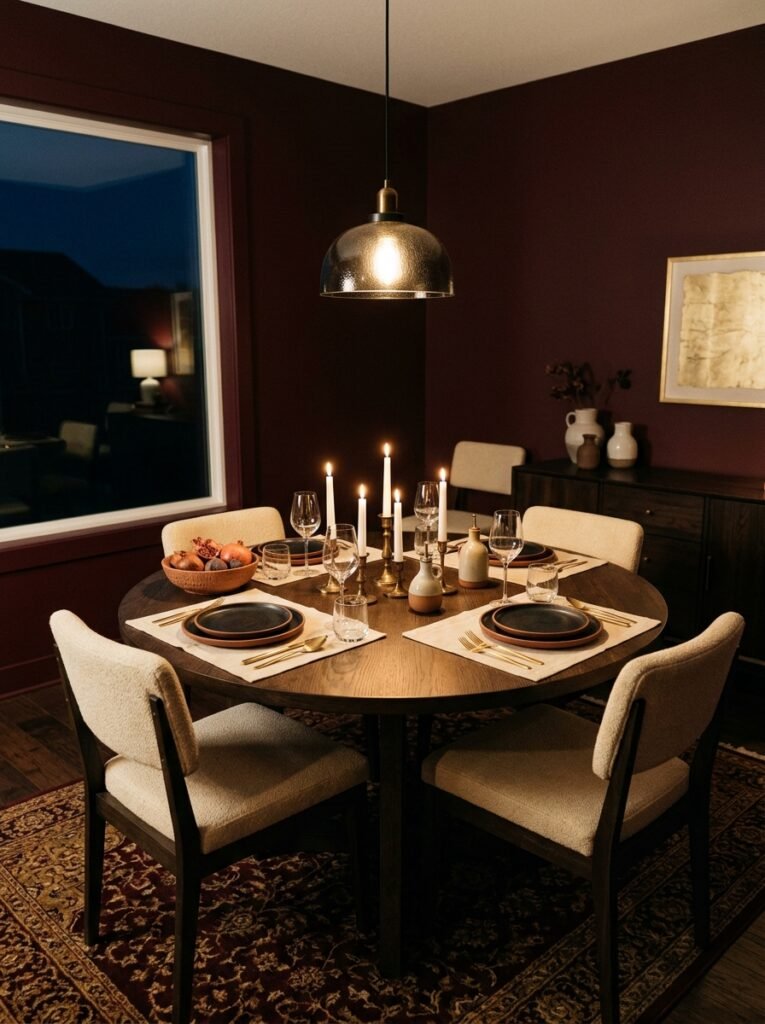
Color in the dining room operates differently than anywhere else in the home. Because this is a room designed for social gathering and stimulation — conversation, laughter, debate — you can afford to go bolder here than you might elsewhere.
Deep, saturated colors work extraordinarily well in dining rooms. Forest green, navy blue, rich burgundy, warm terracotta — these shades create a sense of enclosure and intimacy that makes evenings feel special. They also photograph beautifully, which matters when you’re designing a space you want to share on Pinterest.
Color psychology supports this instinct. Warm tones like red and orange are appetite-stimulating — there’s a reason they appear so frequently in restaurant branding. Greens connect us to nature and ease and have a calming social effect. Deep blues create a sense of sophistication and ease that makes conversation feel more natural and less performative.
If bold color frightens you, try it on a single accent wall, or channel it through your textile choices — curtains, chair upholstery, table linens — and keep your walls more neutral. But don’t default to white out of fear. White dining rooms can be stunning, but they require precision and texture to avoid feeling sterile and cold.
6. Rugs: The Secret Layer That Holds Everything Together
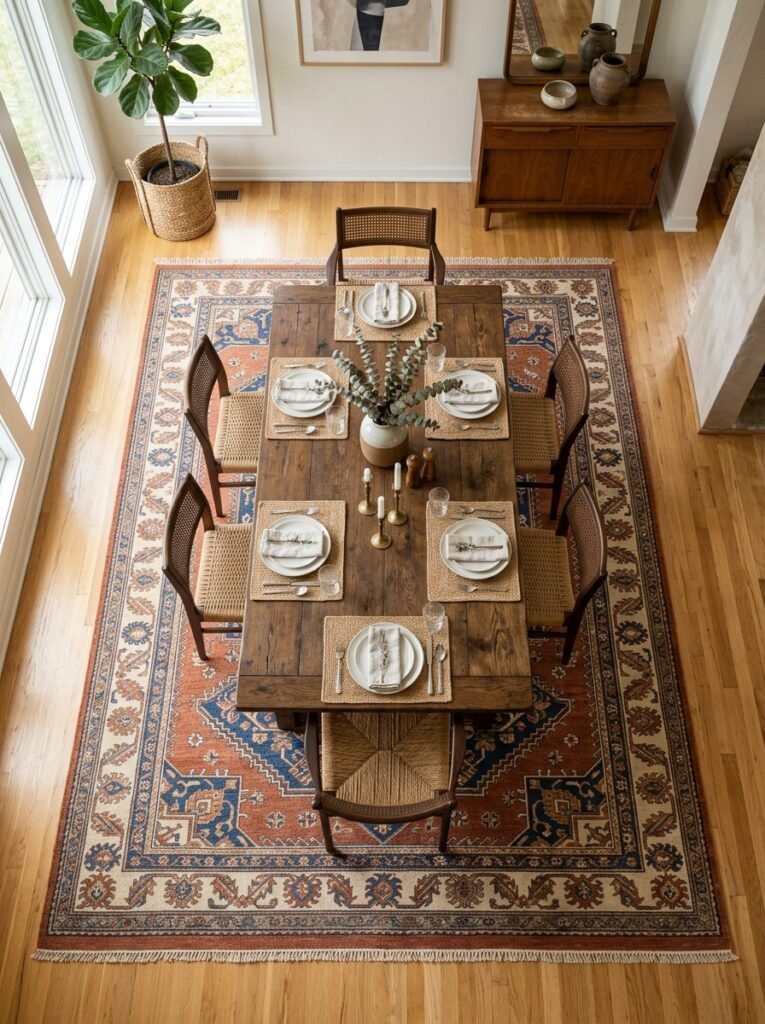
A rug beneath the dining table does three things at once: it anchors the furniture arrangement visually, adds acoustic softness to what is often a hard, echoing space, and introduces color, texture, and pattern without permanence.
The most common rug mistake in dining rooms is sizing down too small. Your rug must be large enough that all chairs remain on it even when fully pulled out from the table. A rug that the chairs fall off when pushed back looks awkward and will slide and bunch constantly. As a rule, add at least 24 inches on each side beyond the table edge to get your minimum rug size.
Choose materials wisely. Dining rooms see food and drink and the endless scraping of chairs. Natural fibers like jute and sisal are beautiful but can be difficult to clean. Flat-weave wool rugs are durable and relatively stain-resistant. Low-pile options are generally more practical than plush ones for this application.
Pattern can be your best friend here, especially in homes with children or pets. A patterned rug hides a multitude of everyday sins while still adding enormous visual interest to the room.
7. The Sideboard: Where Function Meets Quiet Elegance
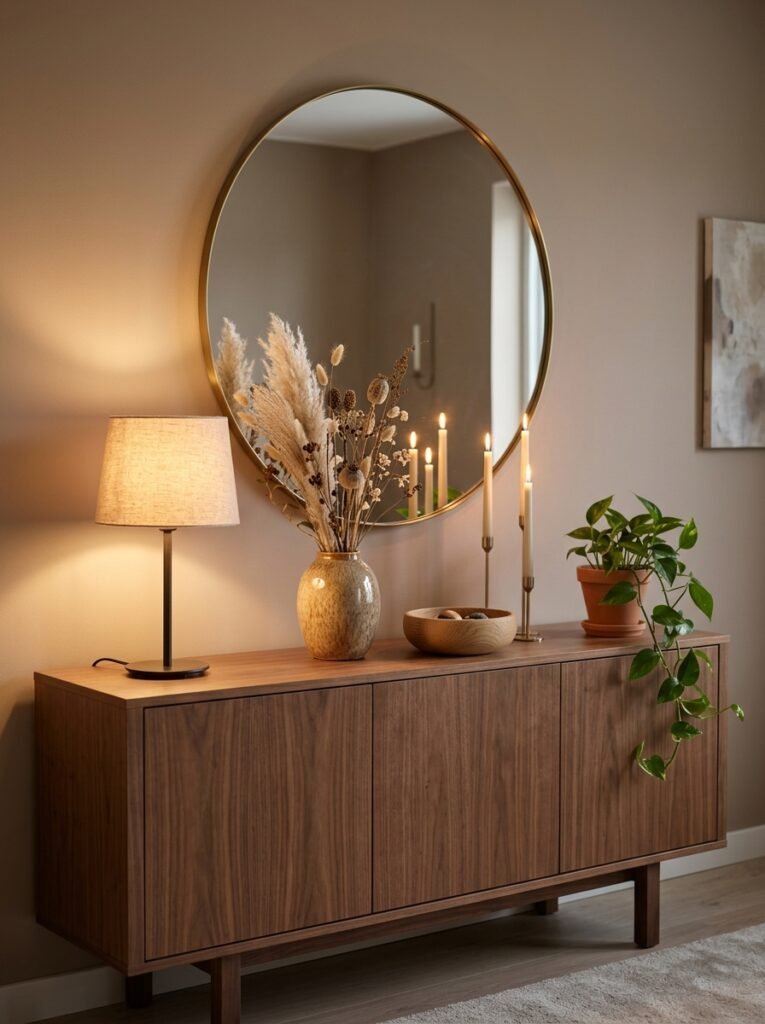
Every dining room benefits from a sideboard — that long, low piece of furniture that runs along one wall and works harder than any other piece in the room. It serves as a buffet during entertaining, a storage solution for linens and serving pieces, and a display surface for the objects that make the room feel like yours.
Style your sideboard with intention. A large mirror or piece of art above it creates a moment of visual drama. A table lamp adds that essential layer of ambient light. A small collection of objects — a ceramic vase, a wooden bowl, some candles, something green and living — arranged thoughtfully makes the whole room feel curated and cared for.
In smaller dining rooms where a full sideboard won’t fit, a slim console table performs much the same function at a fraction of the footprint.
8. Window Treatments: Light Control and the Art of Softness
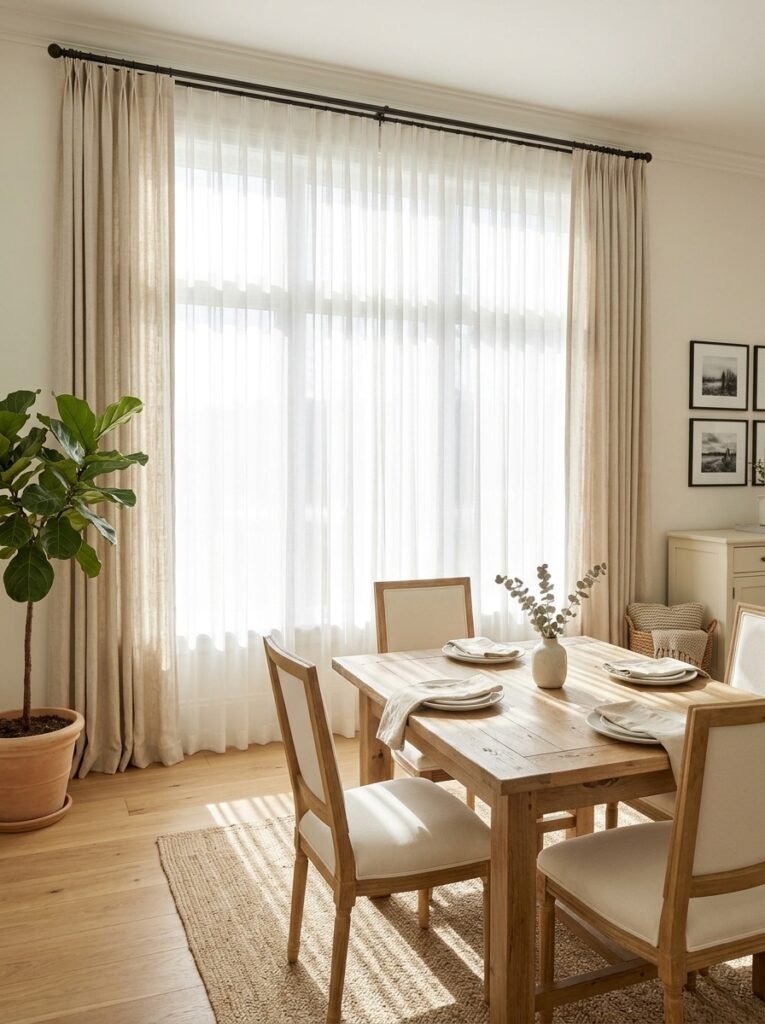
Bare windows in a dining room feel unfinished and can create uncomfortable glare during daytime meals. But heavy, light-blocking curtains can make the room feel claustrophobic. The sweet spot is a layered window treatment: sheer panels that diffuse light beautifully during the day, with heavier drapes on either side that can be drawn for evening privacy and drama.
Hang your curtain rod as close to the ceiling as possible, and let the panels fall all the way to the floor. This single design decision — which costs nothing extra — makes ceilings appear higher and windows appear larger than they actually are.
For dining rooms that face east or west, where direct sunlight can make afternoon meals uncomfortable, Roman shades in a light-filtering fabric offer both function and elegance.
9. Art and Atmosphere: What Hangs on Your Walls Tells Your Story
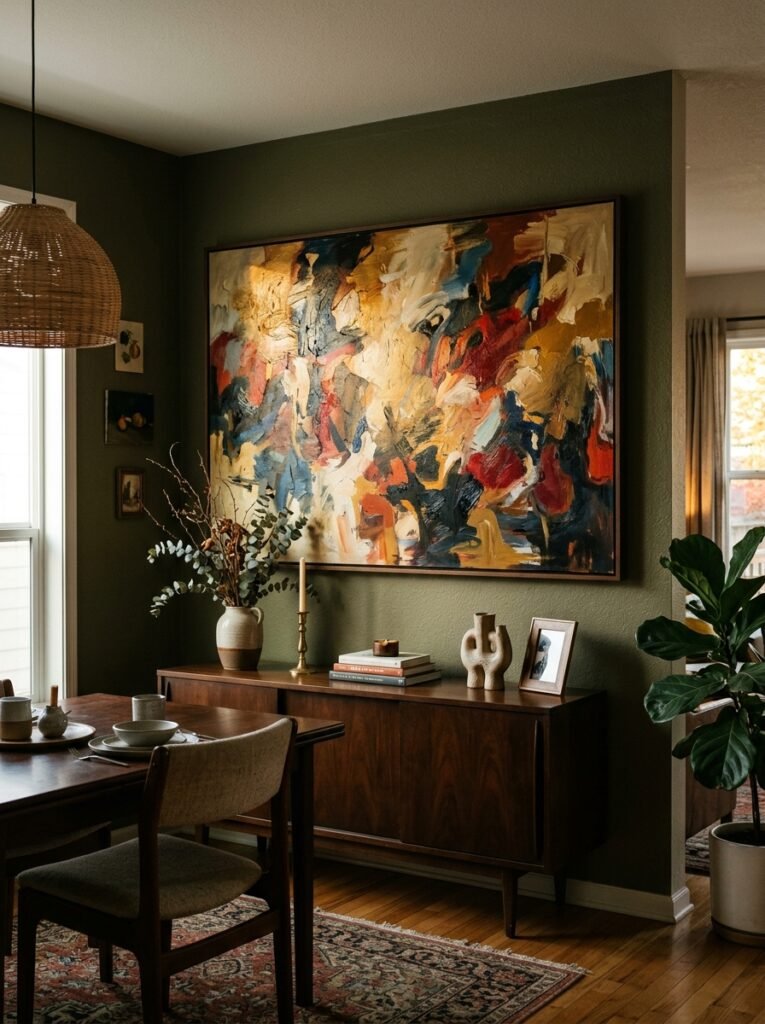
“A dining room without art is just a room with a table. Art is what makes it yours.”
The walls of your dining room are an opportunity to tell the story of who you are and what you value. Large-scale artwork above a sideboard creates instant drama and personality. A gallery wall built over time from collected pieces — a painting from a market, a print that stopped you in your tracks, a photograph you took yourself — makes the room deeply personal in a way that perfectly matched sets never can.
Scale matters enormously with dining room art. Err on the side of larger rather than smaller. A small piece on a large wall looks lost and timid. One generous, confident piece anchors the room in a way that a dozen small ones rarely achieve.
10. Plants and Natural Elements: Bringing the Outside In
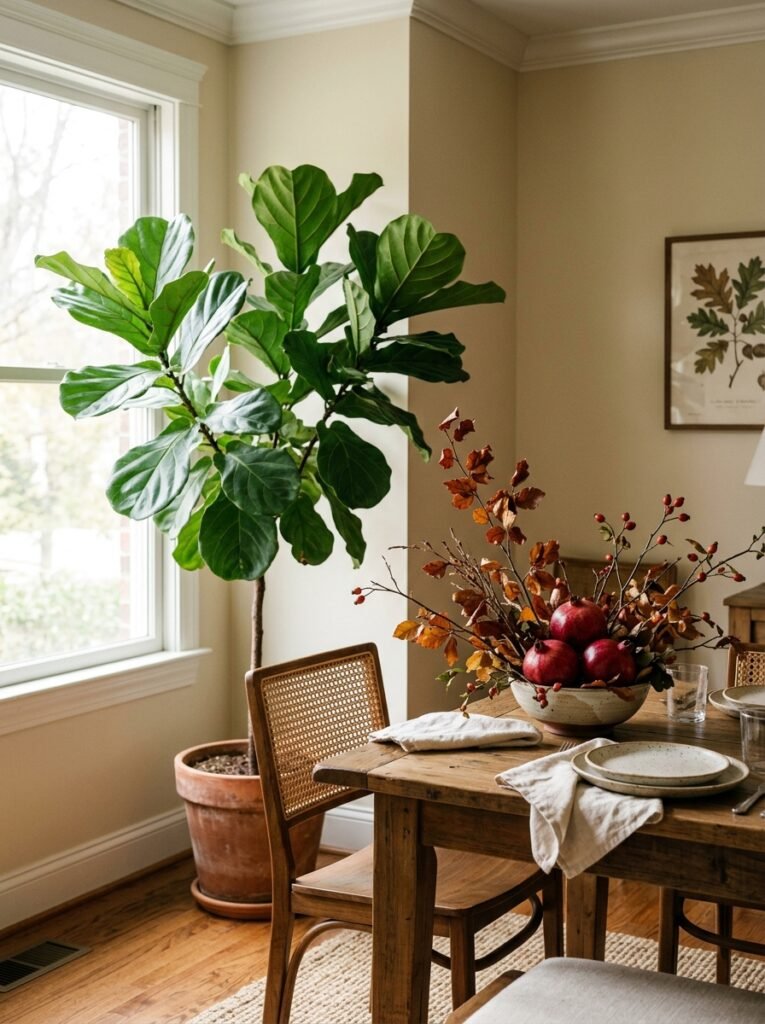
There is something about introducing living things into a dining room that changes the quality of time spent there. A generous plant in the corner — a fiddle-leaf fig, a monstera, an olive tree — brings life and oxygen and visual warmth that no manufactured object can replicate.
On the table itself, a low arrangement of seasonal branches, herbs, or fresh flowers connects the meal to the natural world in a way that feels both sophisticated and grounded. In autumn, a bowl of quinces or pomegranates. In winter, pine and berries. In spring, ranunculus. These small gestures of seasonal awareness make everyday meals feel like small ceremonies worth showing up for.
11. Small Dining Rooms: How to Make Every Inch Count
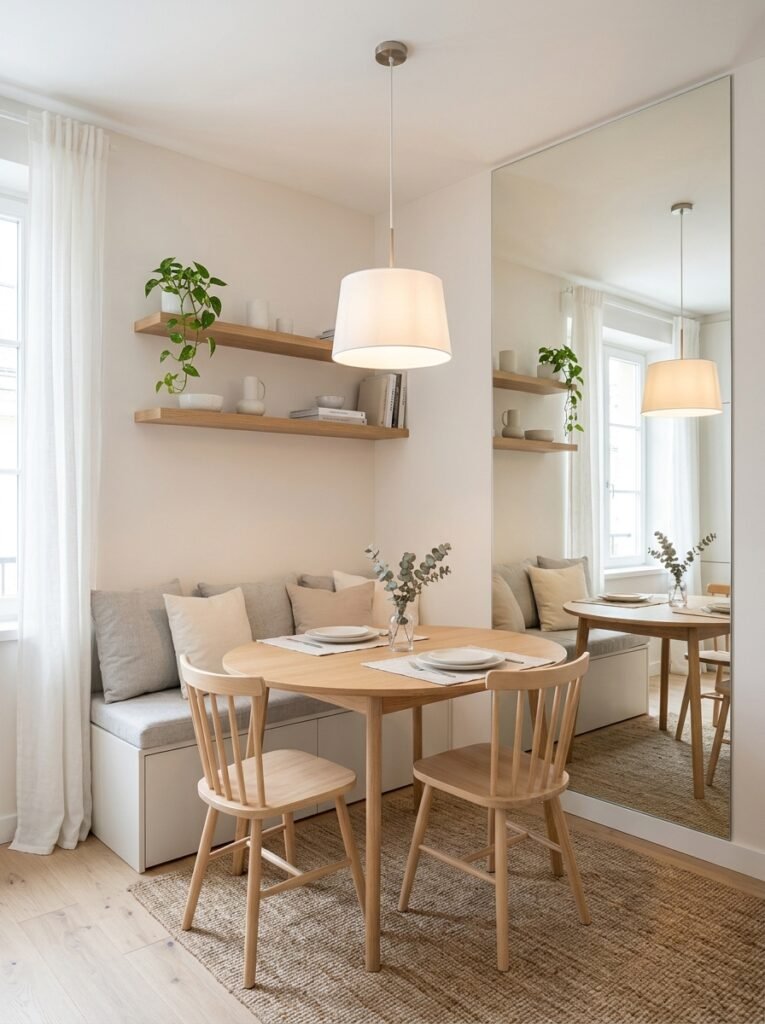
A small dining room is not a limitation — it’s a design challenge with some of the most beautiful solutions. The key is to resist the urge to fill every inch and instead focus on making the space feel as open and inviting as possible.
A round or oval table works better in compact spaces than a rectangle, eliminating corners that trap movement and creating a more fluid flow. Bench seating along one wall maximizes capacity while taking up less visual space than individual chairs. Mirrored surfaces — a large mirror on the wall, a glass-topped table — expand the perceived footprint of the room without adding a single square foot.
Keep the color palette lighter in small dining rooms, or if you go dark, commit completely and make it dramatic rather than merely dim. Floating shelves instead of a full sideboard offer storage and display without blocking floor space.
12. The Details That Guests Will Never Consciously Notice But Always Feel
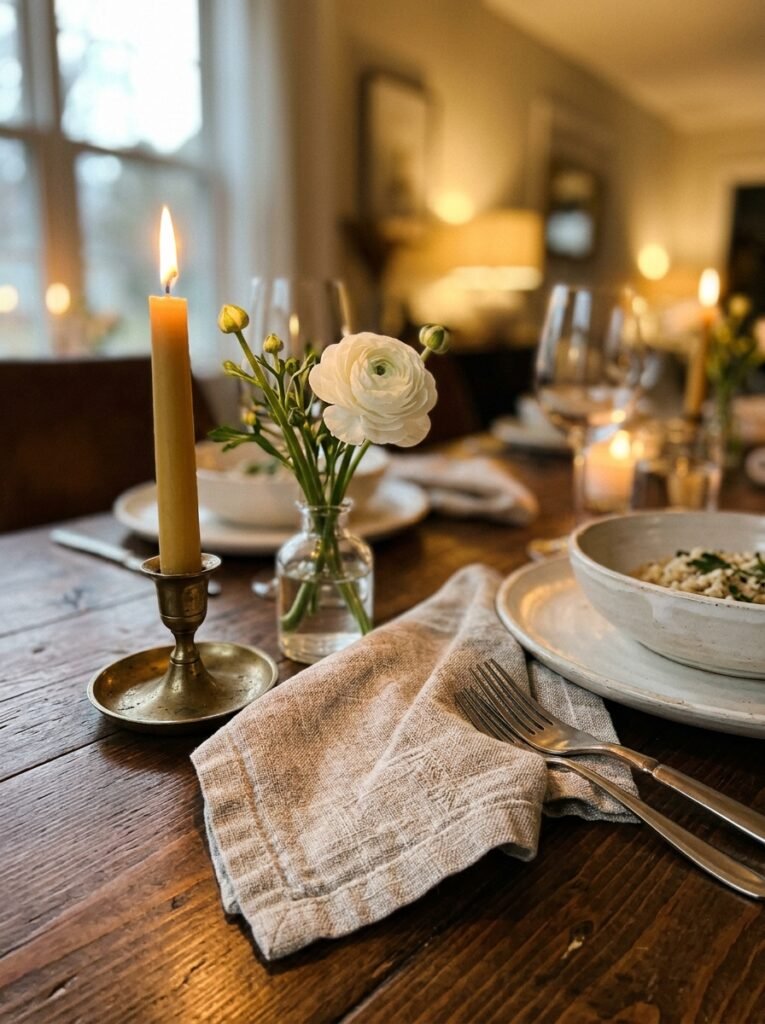
The difference between a dining room that people enjoy and one they genuinely love spending time in often comes down to the smallest details — the ones no one could name but everyone feels.
A tablecloth or runner that changes with the seasons. Napkins in a fabric that actually feels good in your hands. Candles that are lit for no reason other than a Tuesday dinner. A small vase of something fresh. A playlist playing softly in the background before guests arrive. These are not grand design gestures — they are acts of hospitality, and they are what separate a well-decorated room from a genuinely welcoming one.
The most beautifully designed dining rooms in the world have something in common that has nothing to do with furniture or color or lighting. They feel like someone cared enough to prepare — not to impress, but to welcome. That intention is its own form of design, and it cannot be purchased.
—
🌿 How to Take Care of Your Dining Room Design
Maintaining the beauty and function of your dining room doesn’t require constant effort — just consistent, thoughtful attention to a few key things.
Protect your table surface with coasters, trivets, and tablecloths during meals, then let the wood breathe and show its character the rest of the time. Clean spills immediately on both the table and the rug — the faster you act, the easier the cleanup. Rotate your seasonal decor every few months: changing the table runner, swapping in new flowers or branches, or lighting different candles costs almost nothing and keeps the room feeling fresh and intentional. Keep the sideboard edited and clutter-free — it should display about three to five carefully chosen objects, not everything you own. And once a season, pull the chairs out, sweep thoroughly beneath the rug, and assess whether the room still feels right, because spaces and needs evolve, and the best-designed rooms evolve with them.
—
❓ FAQ
Q: What size rug should I use under a dining table? A: Your rug should extend at least 24 inches beyond the edge of the table on all sides, so that chairs remain on the rug even when pulled out fully. For a standard 6-person rectangular table, a 9×12 foot rug is usually the minimum appropriate size. When in doubt, size up — a rug that’s too large reads as generous and intentional, while one that’s too small immediately looks like a mistake.
Q: How high should a chandelier or pendant light hang above a dining table? A: The general guideline is 30 to 36 inches between the bottom of the fixture and the tabletop for standard 8-foot ceilings. For every additional foot of ceiling height, you can raise the fixture by approximately 3 inches. The goal is for the light to feel intimate and connected to the table without obstructing sightlines across it.
Q: Can I mix different chair styles in my dining room? A: Absolutely — and when done well, it’s one of the most interesting and livable approaches to dining room design. The key is to anchor the mix with one consistent element, whether that’s a shared color, a matching material like metal or wood tone, or a similar leg style. Mixing completely at random tends to look unintentional; mixing with one connecting thread looks curated and personal.
—
💭 Final Thought
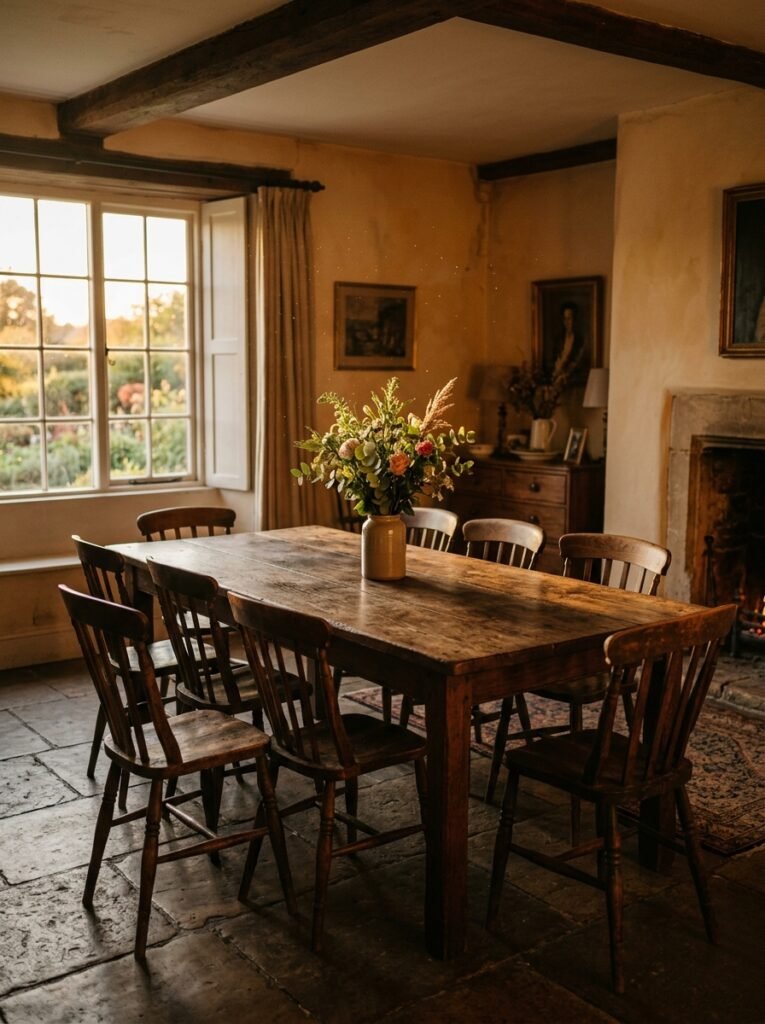
The dining room you design today will hold things you can’t yet imagine — celebrations not yet planned, conversations not yet had, faces not yet around your table. Designing it with care and intention is one of the quietest, most generous acts you can offer to your future self and everyone you love. So take your time, choose what moves you, and build a room worthy of the life that’s going to happen in it.
What memory do you most want your dining room to be the backdrop for?