
The Quiet Magic of Interior Wall Lights: How the Right Sconce Can Change the Way Your Home Feels
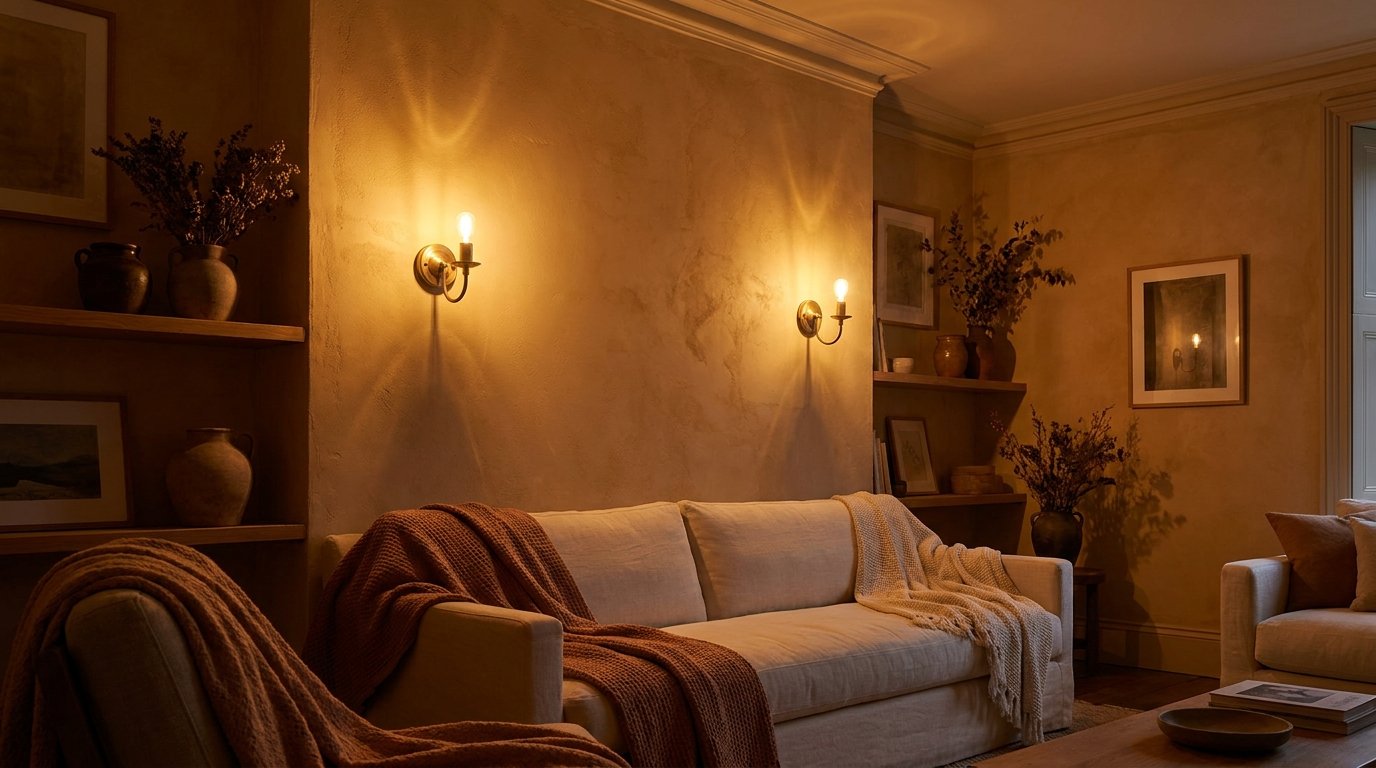
There’s a particular kind of peace that settles over a room when the overhead lights go off and the wall lights come on — a softening, a warmth, a shift in the air that feels almost like a sigh of relief. Interior wall lights are one of those design elements that most people don’t think about until they experience a room that has them done right, and then they can’t stop thinking about them.
—
1. Why Wall Lights Do Something Overhead Lighting Simply Cannot
Most homes are built with a single ceiling fixture in each room, and for years, we’ve accepted that as “good enough.” But here’s what that approach misses: overhead lighting casts downward shadows, flattens faces, and creates a kind of harsh uniformity that feels more like a waiting room than a home.
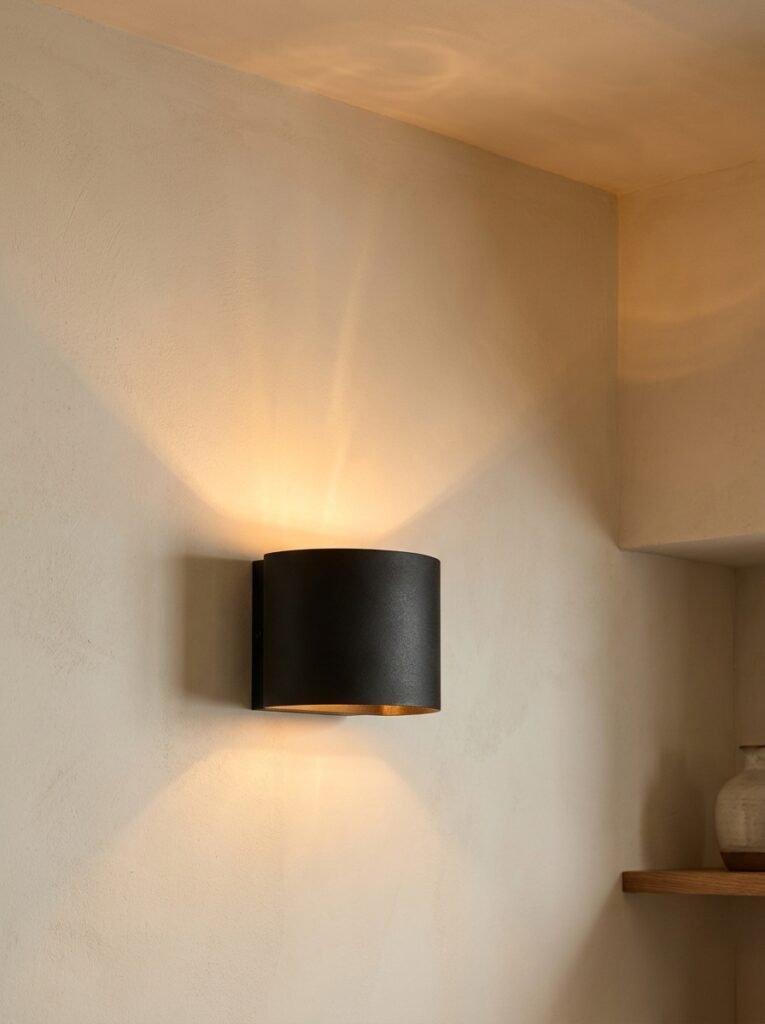
Wall lights — also called sconces — work on an entirely different principle. They push light horizontally and upward, creating layers. They bounce illumination off walls and ceilings in ways that feel organic, almost like candlelight stretched and shaped. The result is a room that feels alive rather than simply lit.
Interior designers often describe wall lighting as the difference between a room that’s visible and a room that’s felt. When you walk into a space with well-placed sconces glowing softly at eye level, something in your nervous system relaxes. You feel held by the room rather than exposed in it. That’s not a small thing — that’s the whole point of a home.
“The best lighting doesn’t announce itself. It simply makes everything else look more beautiful.”
2. The Different Types of Interior Wall Lights — and What Each One Is Actually For
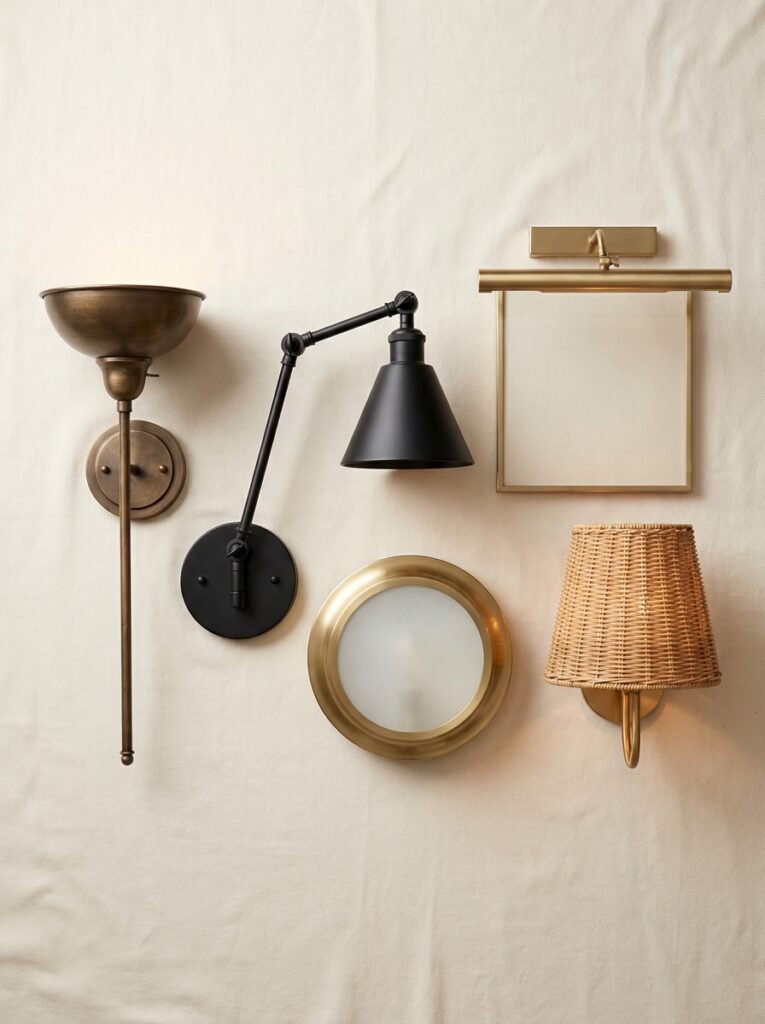
Understanding the vocabulary of wall lighting takes the guesswork out of decorating. These fixtures come in several distinct styles, and each serves a different purpose beyond just aesthetics.
Uplighters direct light upward toward the ceiling, creating height and drama — perfect for rooms with low ceilings that you want to feel more expansive. Downlighters cast light downward in a focused beam, ideal for task areas like reading nooks or hallways where you need directional illumination. Swing-arm sconces are mounted on an adjustable arm, making them the practical workhorse of the bedroom — you can angle them precisely over a book without disturbing a sleeping partner. Flush wall lights sit close to the wall and work beautifully in tight spaces like narrow hallways or powder rooms where a protruding fixture would feel intrusive.
Then there are picture lights, slender bars mounted above artwork to wash paintings or photographs in gentle illumination — a detail borrowed from galleries and museums that makes any home feel considered and curated. And finally, decorative statement sconces that are as much sculpture as they are light source, chosen as much for their silhouette as for what they emit.
Knowing what you need from a fixture before you fall in love with a design will save you from the very common mistake of buying something beautiful that does entirely the wrong job in your space.
3. The Psychology of Light Placement — Where You Put Them Matters More Than You Think
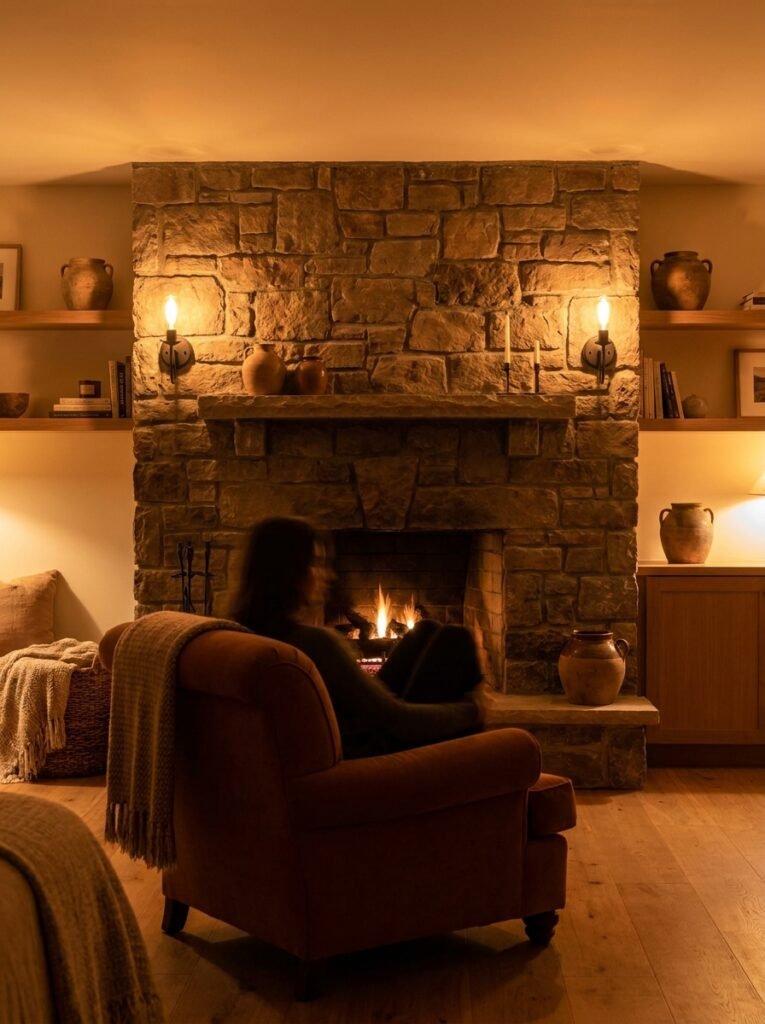
There’s real science behind the way lighting affects mood, and interior wall lights sit right at the intersection of that science and pure intuition. Research in environmental psychology consistently shows that lower, warmer light sources trigger a sense of safety and relaxation — the kind our ancestors felt gathered around a fire. Harsh overhead light, by contrast, keeps the brain alert and slightly on edge.
When you position sconces at roughly eye level — typically between 60 and 66 inches from the floor — you’re placing light exactly where human attention naturally rests. This creates an intimate atmosphere without any conscious effort on the part of the people in the room. They simply feel more comfortable and don’t know why.
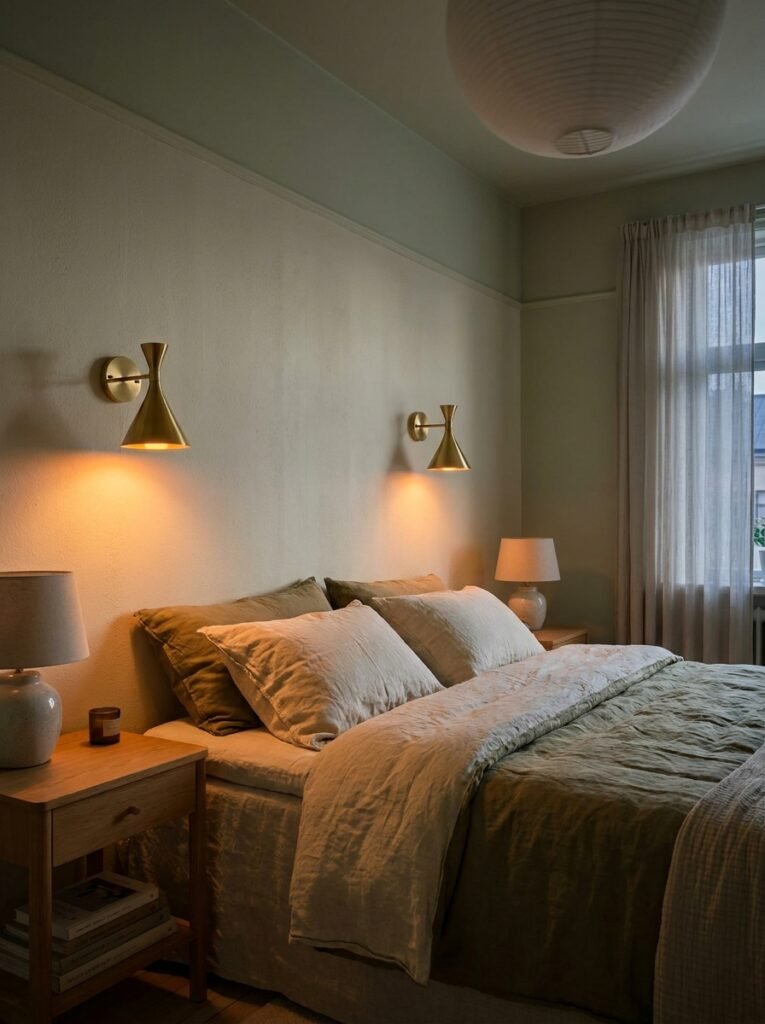
Flanking a fireplace with sconces at that height draws the eye toward the room’s natural focal point and doubles the warmth of the space — visually and emotionally. Placing them in a hallway at regular intervals transforms a transitional space into something that feels intentional and welcoming. Putting them on either side of a bed headboard creates a cocoon effect that makes sleep feel like an event rather than a collapse.
4. Choosing the Right Style for Your Interior — Without Overthinking It
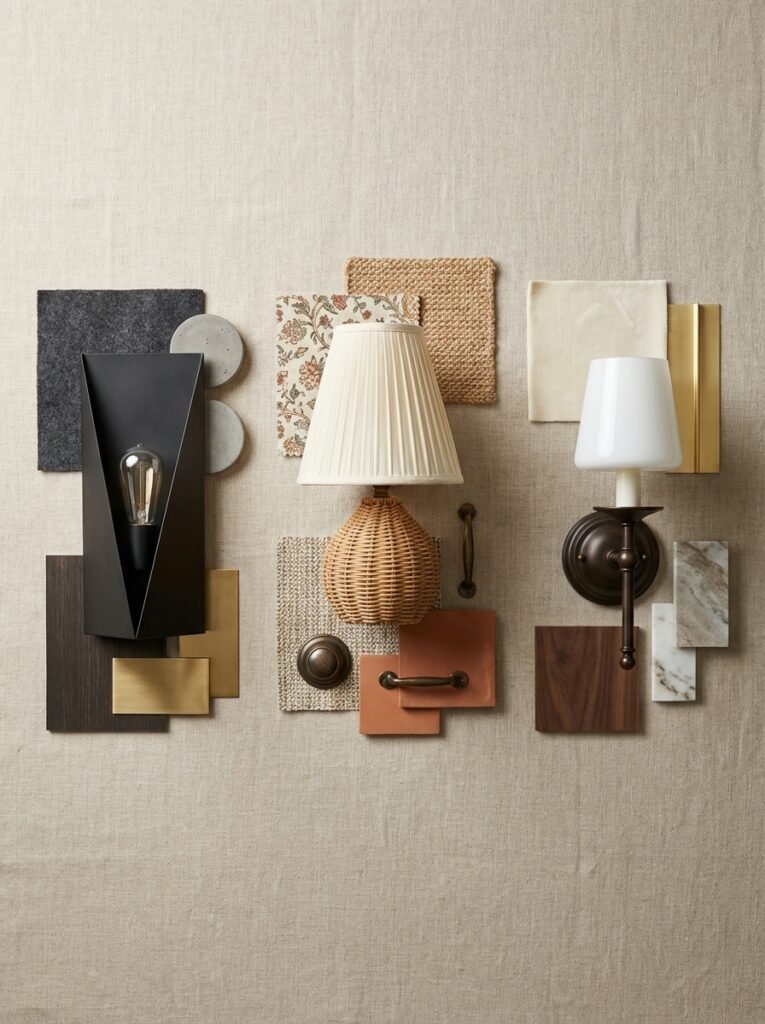
This is where people often freeze, and honestly, it makes sense. There are thousands of sconce styles, and the fear of choosing “wrong” is real. But there’s a simpler way to think about it: your wall lights should feel like they belong to the same story as your room, not like they wandered in from somewhere else.
In a modern, minimal space with clean lines and neutral tones, look for geometric sconces in matte black, brushed nickel, or warm brass — shapes that are deliberate without being fussy. In a cozy, maximalist room full of pattern and texture, you have more freedom: rattan shades, pleated fabric, hammered metal, or hand-blown glass all feel at home. In a traditional or transitional interior, classic silhouettes — candelabra arms, milk glass shades, aged bronze finishes — provide the visual comfort of something timeless.
The one rule worth holding onto: make sure your sconce’s scale matches the wall it’s on. A tiny, delicate fixture on a vast empty wall will look lost and slightly sad. A massive dramatic statement piece in a cramped hallway will feel suffocating. Proportion is the quiet grammar of good design — when it’s right, you don’t notice it; when it’s wrong, you feel it immediately.
5. How Interior Wall Lights Transform Specific Rooms in Your Home
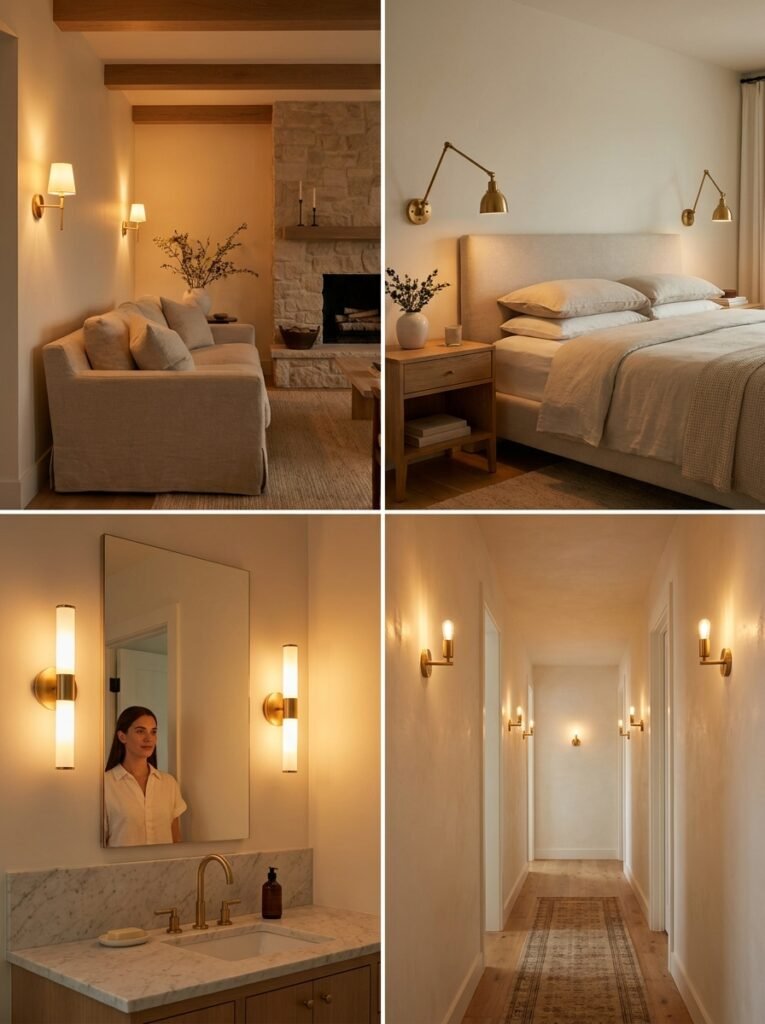
Let’s get specific, because the impact of wall lighting isn’t abstract — it’s room by room, moment by moment.
In the living room, sconces eliminate the “one lamp in the corner” problem that leaves half the room in gloom. Placed at intervals around the walls, they create an enveloping warmth that makes the space feel finished — like the room finally exhaled.
In the bedroom, replacing bedside table lamps with wall-mounted swing-arm sconces frees up nightstand space (a luxury in smaller bedrooms), creates symmetry, and delivers light exactly where you need it for reading without flooding the whole room. This single change is one of the highest-impact, lowest-effort upgrades a bedroom can receive.
In the bathroom, sconces placed at either side of the mirror — rather than a single light above it — eliminate the unflattering shadows that overhead vanity lighting creates. Side-lit faces look natural and even; it’s why dressing rooms and makeup studios are lit this way.
In the hallway, wall lights turn an afterthought into an atmosphere. A hall is the first thing people experience when they enter your home. Making it warm and intentional sets the tone for every room that follows.
“A hallway with beautiful lighting isn’t just a corridor — it’s an invitation into the life you’ve built.”
6. Hardwired vs. Plug-In Sconces — The Honest Breakdown
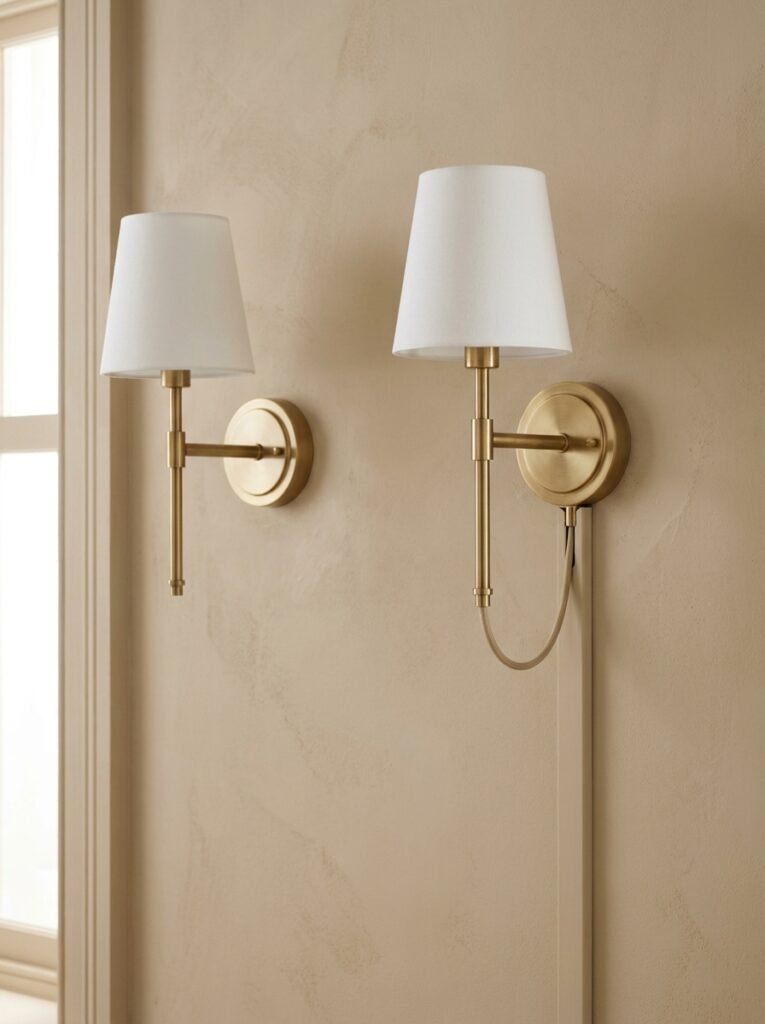
One of the most practical questions people have about wall lights is whether they need an electrician — and the honest answer is: not always. Plug-in sconces have become genuinely sophisticated, and many are designed with cord management systems that hide the wire along the wall in a painted channel or covered track, making the installation look clean and intentional.
Hardwired sconces offer the cleanest look and the most permanent solution, but they require electrical work and wall access, which adds cost and complexity. If you’re renovating or building, this is the moment to hardwire — it’s far easier to plan during construction than to retrofit later.
If you’re renting, staging a home to sell, or simply not ready to commit to a location, plug-in sconces are a genuinely excellent option. Brands across every price point now offer beautiful designs in this format, and the difference in appearance from across the room is nearly imperceptible.
The right choice depends on your situation — not on some hierarchy of “correct” design. Both can be done beautifully.
7. The Role of Bulb Choice — Because the Fixture Is Only Half the Story
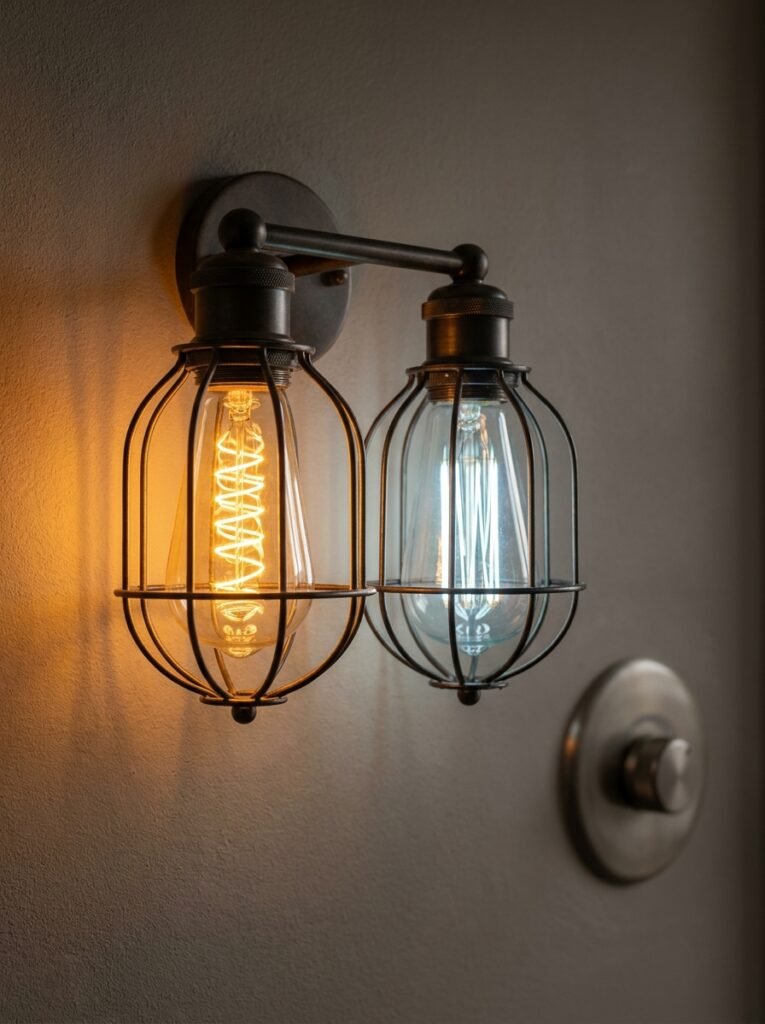
You can invest in the most beautiful sconce in the world and completely undermine it with the wrong bulb. This is one of the most overlooked details in home lighting, and it’s worth taking a moment with.
For wall lights in living spaces, bedrooms, and dining rooms, aim for bulbs with a color temperature between 2700K and 3000K. This range produces a warm, golden light that flatters skin, wood tones, and textiles. It feels candle-adjacent without actually being dim. Anything above 3500K starts to feel clinical — fine for a home office, but jarring in a living room.
Bulb shape also matters aesthetically in open-shade or exposed-bulb fixtures. Edison-style filament bulbs in a cage sconce or a clear globe create a visual warmth all their own — the glowing filament becomes part of the design. In a shaded sconce, the bulb itself won’t be seen, so focus purely on the color temperature and lumens (brightness) instead.
Dimmer switches, where compatible with your bulbs, are perhaps the single greatest upgrade you can pair with wall lighting. The ability to move from bright and functional to low and atmospheric with a single gesture transforms how you actually use your home.
8. Budget-Friendly Ways to Add Wall Lights Without a Major Renovation
Here’s a truth that the design industry doesn’t always lead with: beautiful wall lighting doesn’t require a large budget or a contractor. Some of the most impactful changes in interior design come from thoughtful choices at accessible price points.
Battery-operated LED sconces have become remarkably convincing in recent years — many have remote controls and even dimming functions, and they require nothing more than adhesive mounting strips to install. For renters or people who want to experiment before committing, this is an extraordinary tool.
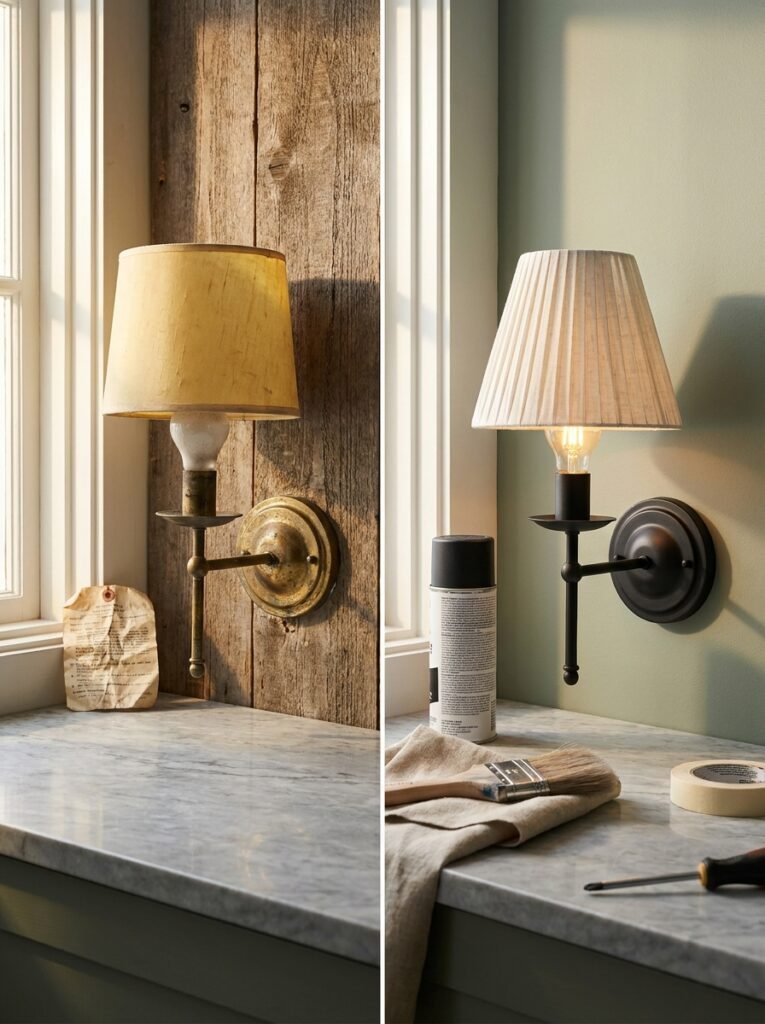
Thrift stores and estate sales are consistently excellent sources for vintage sconces. A pair of dated brass fixtures with new shades and spray-painted hardware can become something that looks like a designer find. The bones of classic sconce design — the arm, the backplate, the shade socket — are timeless; only the finish tends to age.
Wiring a plug-in sconce is also a DIY project well within reach for most people. Adding a cord cover or a recessed cord channel and painting it to match the wall makes the installation look deliberate rather than improvised.
9. Interior Wall Lights for Small Spaces — The Space-Creating Secret
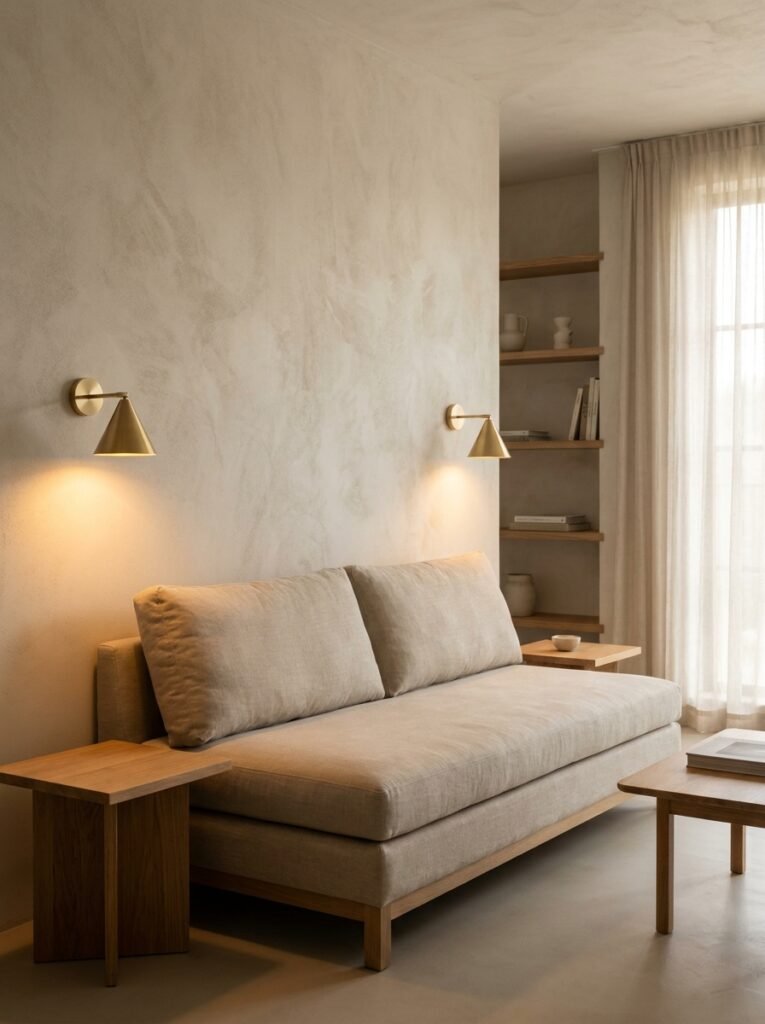
Small rooms have a particular challenge: every fixture takes up visual and physical space. A table lamp on a nightstand in a small bedroom might account for the only available surface. Overhead pendants in a tiny bathroom might overwhelm the ceiling. This is where wall lights genuinely shine — quite literally.
By moving light sources off surfaces and onto walls, you reclaim floor and table space without sacrificing illumination. In a studio apartment, sconces flanking a sofa or bed can do the work of multiple table lamps while leaving surfaces open for life. In a compact powder room, a pair of small sconces beside the mirror delivers better light than a vanity bar and takes up no counter space whatsoever.
There’s also a visual expansion effect that good wall lighting creates in small rooms. By drawing the eye to the walls and creating the impression of layered depth, sconces make a room feel larger than its square footage suggests. Light that moves — that has direction and variation — creates spatial dimension that flat overhead light cannot.
“In a small space, wall lights don’t just illuminate — they open the room up and invite you to breathe.”
10. Mixing Wall Light Styles — When Breaking the “Rules” Is the Right Move
There’s a persistent anxiety in decorating about whether things need to “match,” and it keeps a lot of people from making interesting, personal choices. The truth is that a mix of wall light styles — when done thoughtfully — reads as collected rather than chaotic.
The key to mixing successfully is finding a common thread. It might be a shared finish (all brass, even in different styles), a shared design era (all mid-century, even in different materials), or a shared scale (all proportionally similar, even in different shapes). That thread creates cohesion while allowing for the kind of visual interest that makes a room feel like it developed organically over time rather than being assembled in a single afternoon.
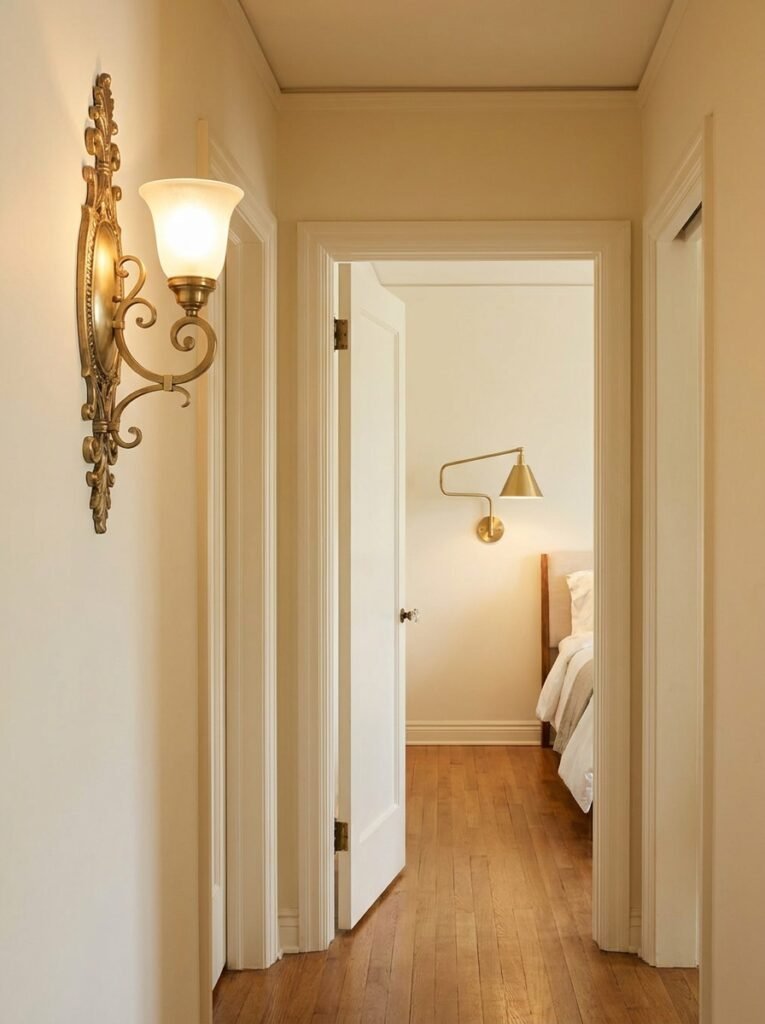
A classic example: pairing sleek, modern swing-arm sconces in the bedroom with a more ornate vintage-style fixture in the hall — both in brushed brass, both at the same mounting height. They don’t match, but they harmonize. That’s a more interesting and more personal result than perfect matching would ever achieve.
11. The Surprising Impact of Wall Lighting on Art and Architecture
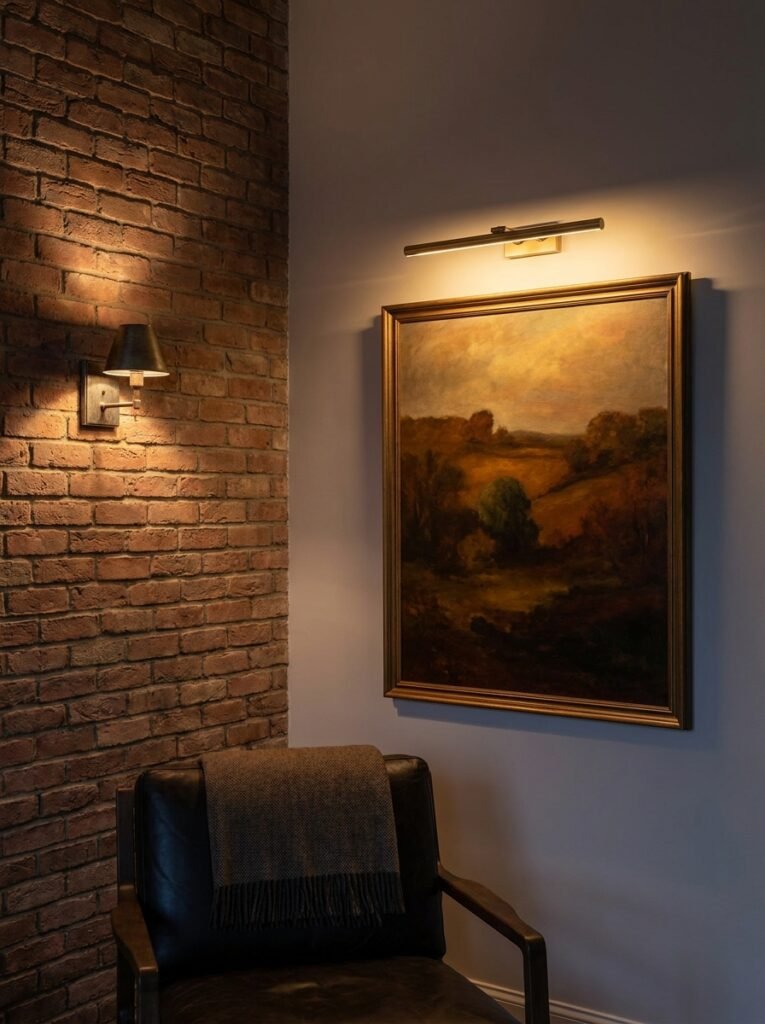
One of the most underused applications of interior wall lighting is its capacity to highlight the bones of a space — the architectural details, the artwork, the materials that give a home its character.
Picture lights above framed art turn a living room wall into a private gallery. Sconces positioned to graze a textured wall — exposed brick, shiplap, rough plaster — create shadows that make that texture three-dimensional and dramatic. Lights placed at the base of a built-in bookcase, shining upward, turn a utilitarian piece of furniture into something sculptural.
This principle, called accent lighting, is what separates rooms that feel “designed” from rooms that feel merely “decorated.” It’s not about adding more stuff — it’s about using light to reveal what’s already there. When you treat your home’s materials and architecture as things worth illuminating, the room immediately communicates a sense of care and intentionality that guests feel without being able to name.
12. Creating Ambience as a Daily Practice — Not Just for Special Occasions
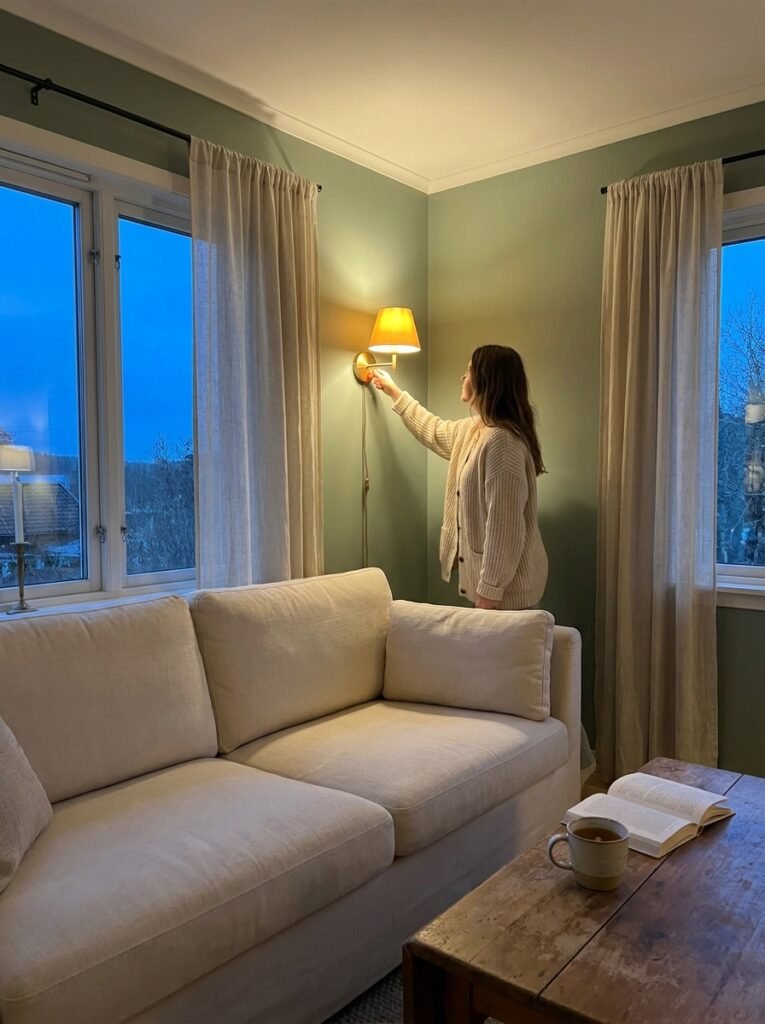
Perhaps the most important shift in thinking about interior wall lights is this: ambience isn’t something you create for guests. It’s something you create for yourself — for the ordinary Tuesday evening when you need the day to feel like it’s actually over, for the Sunday morning when the kitchen should feel like a café rather than a kitchen, for every in-between moment when your home should be actively working to restore you.
Wall lights, more than perhaps any other design element, make that possible. Because they’re not task lighting — they don’t exist to help you see something specific. They exist to set a tone, to create a feeling, to signal to your nervous system that the pace of the day has changed. Flipping on a sconce instead of an overhead light is an act of intentionality. It says: this moment deserves to be beautiful.
When you build that small ritual into your daily life — choosing the softer, warmer, more considered light — it accumulates into something significant. Your home begins to feel like it’s genuinely on your side.
—
🌿 How to Take Care of Your Interior Wall Lights
Wall lights are relatively low-maintenance, but a little attention goes a long way in keeping them beautiful and safe.
Dust the shades and fixtures regularly — use a soft, dry cloth or a gentle brush attachment on a vacuum for fabric shades. Dust buildup on bulbs can actually reduce light output and, on very hot bulbs, become a safety concern.
Check the wiring periodically — if a sconce flickers unexpectedly or feels warm to the touch around the mount, have an electrician take a look. This is especially worth doing in older homes where the wiring behind the walls may be aging.
Replace bulbs with the same wattage or lower — exceeding the maximum wattage listed inside a fixture can damage the socket and, in fabric shades, become a fire risk. When switching to LED, you’ll use far fewer watts for the same brightness, which is always a safe direction.
Polish metal finishes gently — for brass, bronze, or chrome fixtures, a soft cloth with a small amount of appropriate metal polish keeps them looking intentional rather than neglected. Avoid harsh chemicals that can strip finishes or damage patinas.
Rotate bulbs in pairs — if your sconces are symmetrical (one on each side of a bed or mirror), replace both bulbs at the same time so they age at the same rate and maintain even light output.
—
❓ FAQ
Q: How high should wall sconces be mounted from the floor? A: The general guideline is 60 to 66 inches from the floor to the center of the fixture — roughly eye level for most adults. In hallways or staircases, consistency matters most: keeping sconces at the same height throughout creates a rhythm that feels intentional and elegant.
Q: Can I install wall lights without hiring an electrician? A: If you’re using plug-in sconces, absolutely — no electrical knowledge required. For hardwired fixtures, the installation itself is manageable for a confident DIYer if you’re comfortable working with electrical boxes and turning off the circuit breaker, but if there’s any uncertainty, calling a licensed electrician is the right call. Safety first, always.
Q: How many sconces do I need in a living room? A: This depends on the room’s size, but a useful starting point is to think in pairs — flanking the sofa, the fireplace, or a significant piece of furniture. Two to four sconces in a standard living room will typically create a layered, balanced effect without overwhelming the space. Larger, open-plan rooms may call for more, used at consistent intervals along the walls.
—
💭 Final Thought
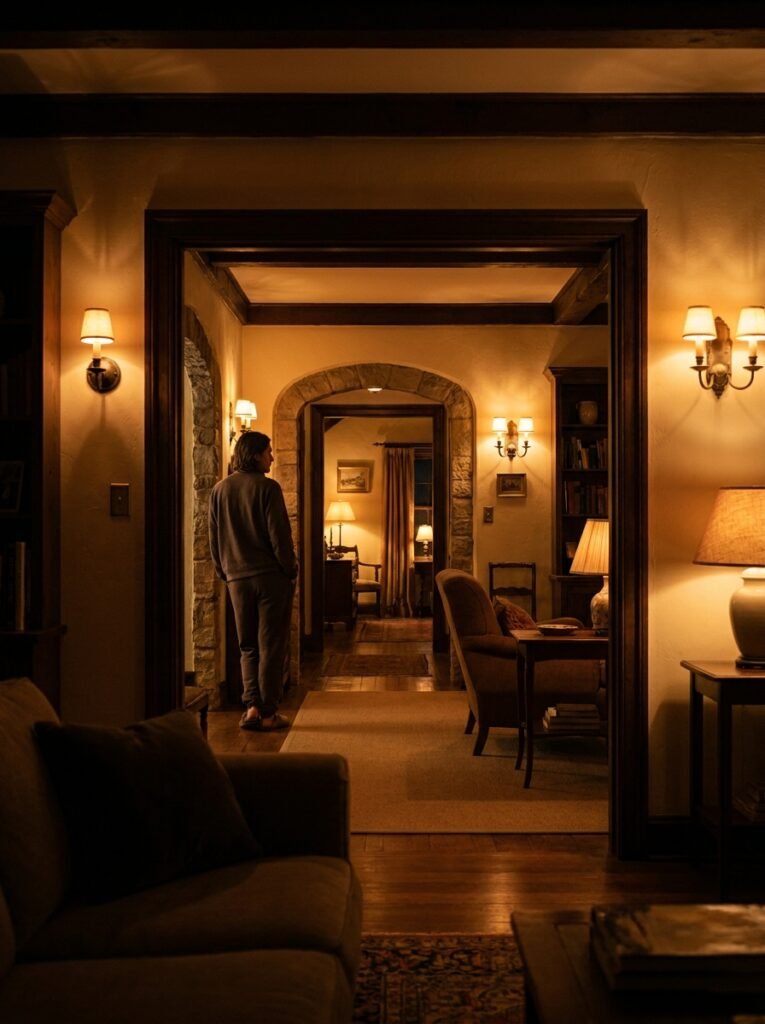
There’s something quietly profound about the way light shapes the way a space — and a life — feels. Interior wall lights aren’t just fixtures on a wall; they’re small, daily decisions about how you want your home to hold you, how you want to feel at the end of a long day, how much beauty you believe ordinary moments deserve.
The good news is that you don’t need a renovation or a large budget to start. You just need to look at your walls a little differently and ask yourself: what would this room feel like if the light in it were exactly right?