The Modern House Entrance Interior: How to Design a Foyer That Tells Your Story Before You Say a Word
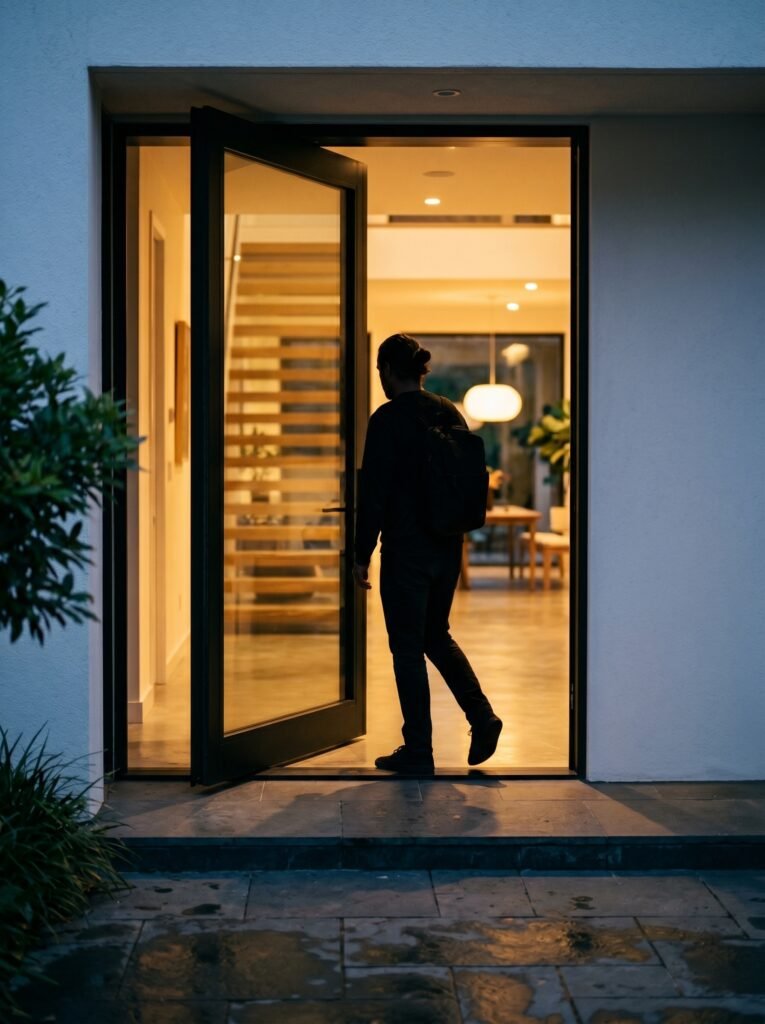
There’s a moment — just a few seconds long — when someone steps through your front door and their entire impression of your home is formed. That moment happens in your entrance. And if your entrance isn’t speaking for you, it’s staying silent when it should be singing.
—
Table Of Content
1. Why Your Entrance Is the Most Underestimated Room in Your Home
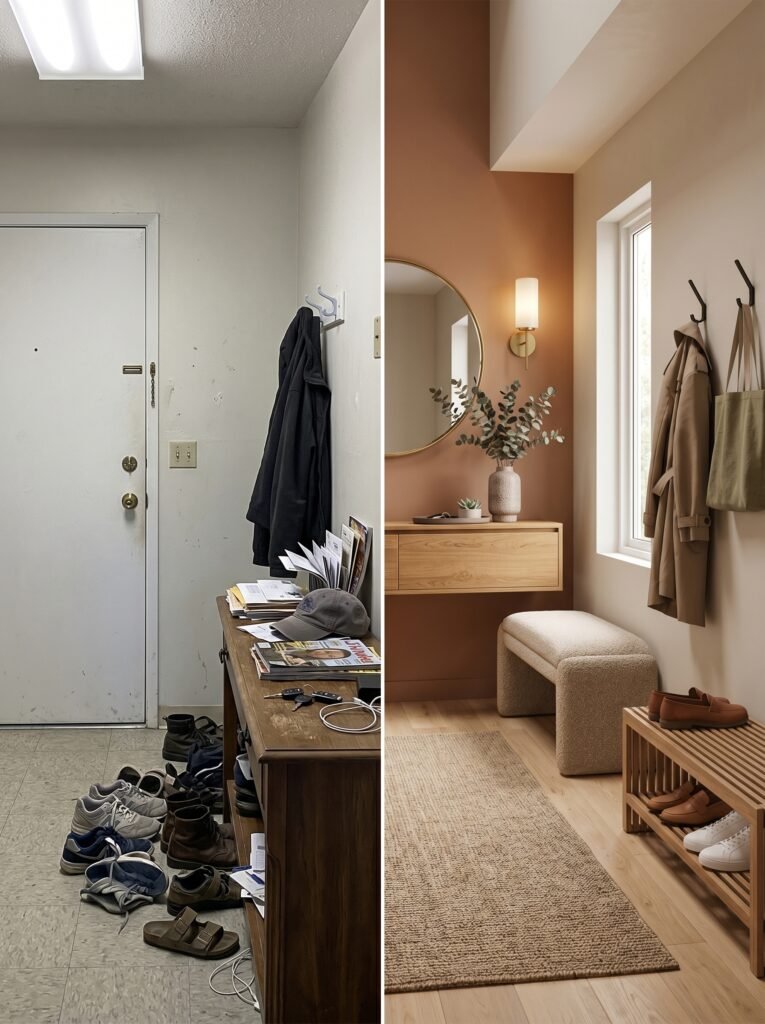
Walk into any truly stunning home and ask yourself: what did you notice first? Almost always, it’s the entrance — the way the light fell, the smell of something warm, the way a single piece of art made you pause. The entrance, or foyer, is the prologue to your home’s story, and like any good prologue, it sets the tone for everything that follows.
Yet the entrance is consistently the most overlooked space in modern interior design. Homeowners pour their budgets into kitchens and living rooms, leaving the foyer as an afterthought — a dumping ground for shoes, keys, and the mail that never quite gets sorted. This is a missed opportunity of extraordinary proportions.
In a modern house entrance interior, every element has intention. The furniture is purposeful. The lighting is considered. The palette speaks quietly but confidently. When you get your entrance right, every other room in your home feels elevated simply because the reader arrived in the right frame of mind.
“Your entrance doesn’t decorate your home — it translates it.”
2. The Psychology of First Impressions in Interior Spaces
Humans make spatial judgments within 90 milliseconds of entering a room. That’s not a design opinion — that’s neuroscience. Our brains are wired to read environments the same way we read faces: quickly, instinctively, and with remarkable emotional precision. A cluttered entrance triggers mild anxiety. A dark entrance feels unwelcoming. A cold, sterile entrance — even a beautifully minimalist one — can feel alienating rather than sophisticated.
A modern house entrance interior that works psychologically understands this: warmth and order are not opposites. You can have a clean, contemporary space that also feels genuinely inviting. The secret lies in layering — combining materials, textures, and light in a way that feels curated but never clinical.
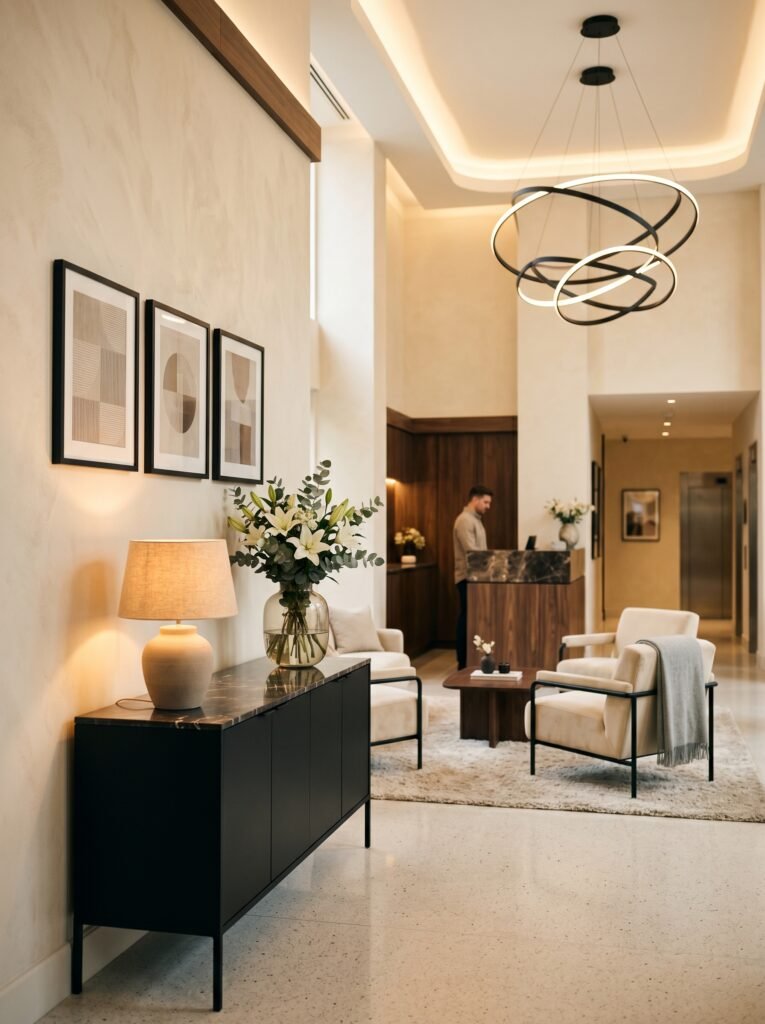
Think about the difference between walking into a hotel lobby that feels luxurious and one that feels cold. Both might have marble floors and high ceilings, but one has a softly glowing lamp in the corner, a vase of real flowers, and art at eye level. The other has fluorescent overhead lighting and nothing else. The architecture is identical. The experience is worlds apart.
3. Choosing the Right Color Palette for a Modern Entrance
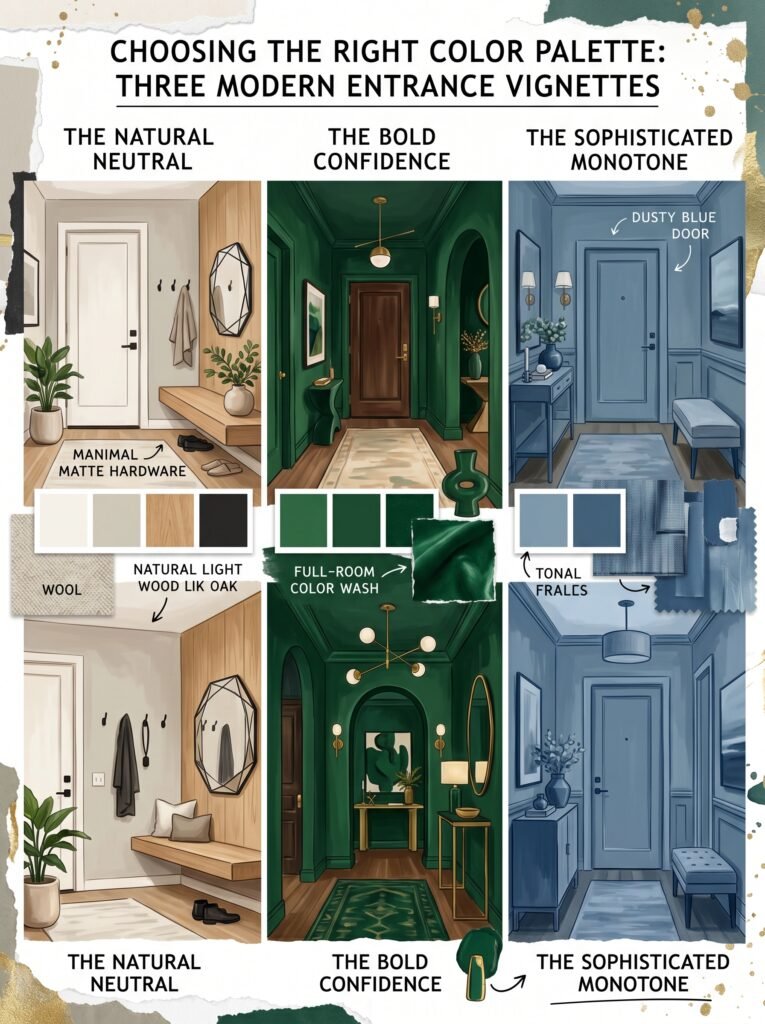
Color in a foyer carries enormous responsibility. It’s the first color your eye meets, and it casts a psychological lens over your perception of the entire home beyond it. In modern interior design, the most successful entrance palettes tend to fall into one of three categories: grounded neutrals, bold statements, or tonal monochromatics.
Grounded neutrals — warm whites, soft greiges, deep taupes — create a sense of calm arrival. They signal that this home is a place of rest. Pair them with natural wood tones and matte black hardware and you have a look that is both contemporary and deeply livable.
Bold statement palettes — a deep forest green, a saturated navy, a rich terracotta — are for the entrance that wants to make an immediate impression. Used on a single wall or as a full-room wash, they communicate confidence. They say: this home has a point of view.
Tonal monochromatism — layering a single hue in multiple shades across walls, trim, and furniture — is arguably the most sophisticated approach in modern design right now. It creates depth without chaos, and in a small entrance, it has the remarkable effect of making the space feel larger and more intentional.
4. Flooring That Grounds the Entire Space
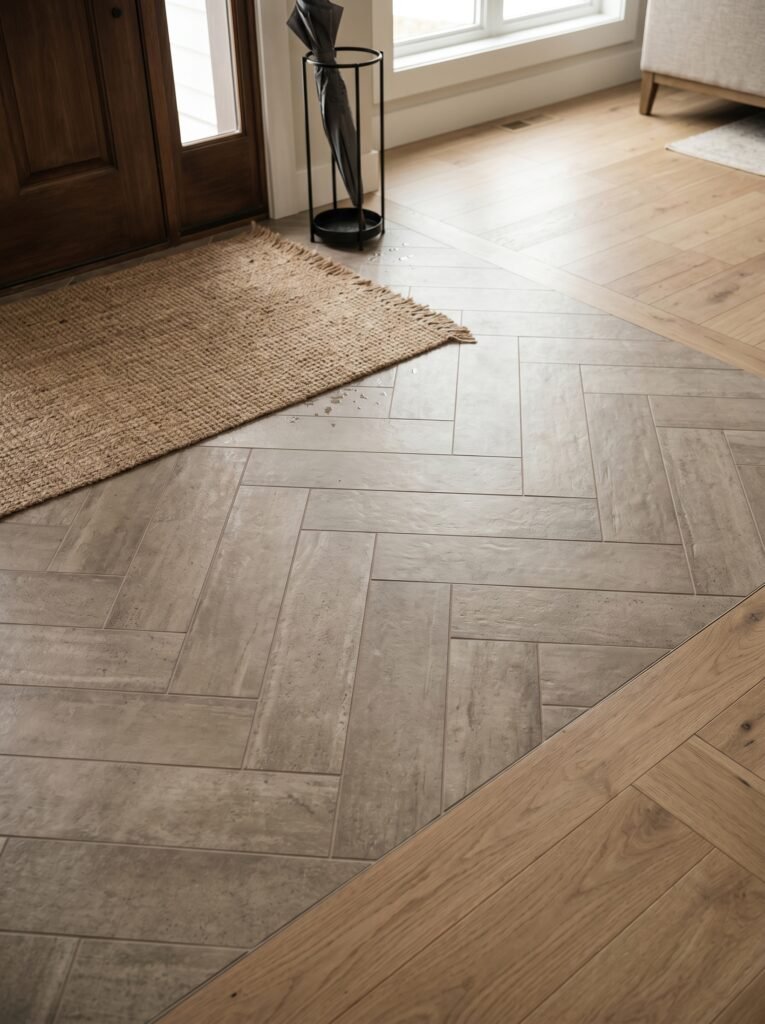
The floor of your entrance takes more wear than any other surface in your home. Every season walks through it — muddy boots in November, sandy sandals in July, wet umbrellas in April. So your flooring choice needs to be both beautiful and brutally practical, which is precisely where modern design excels.
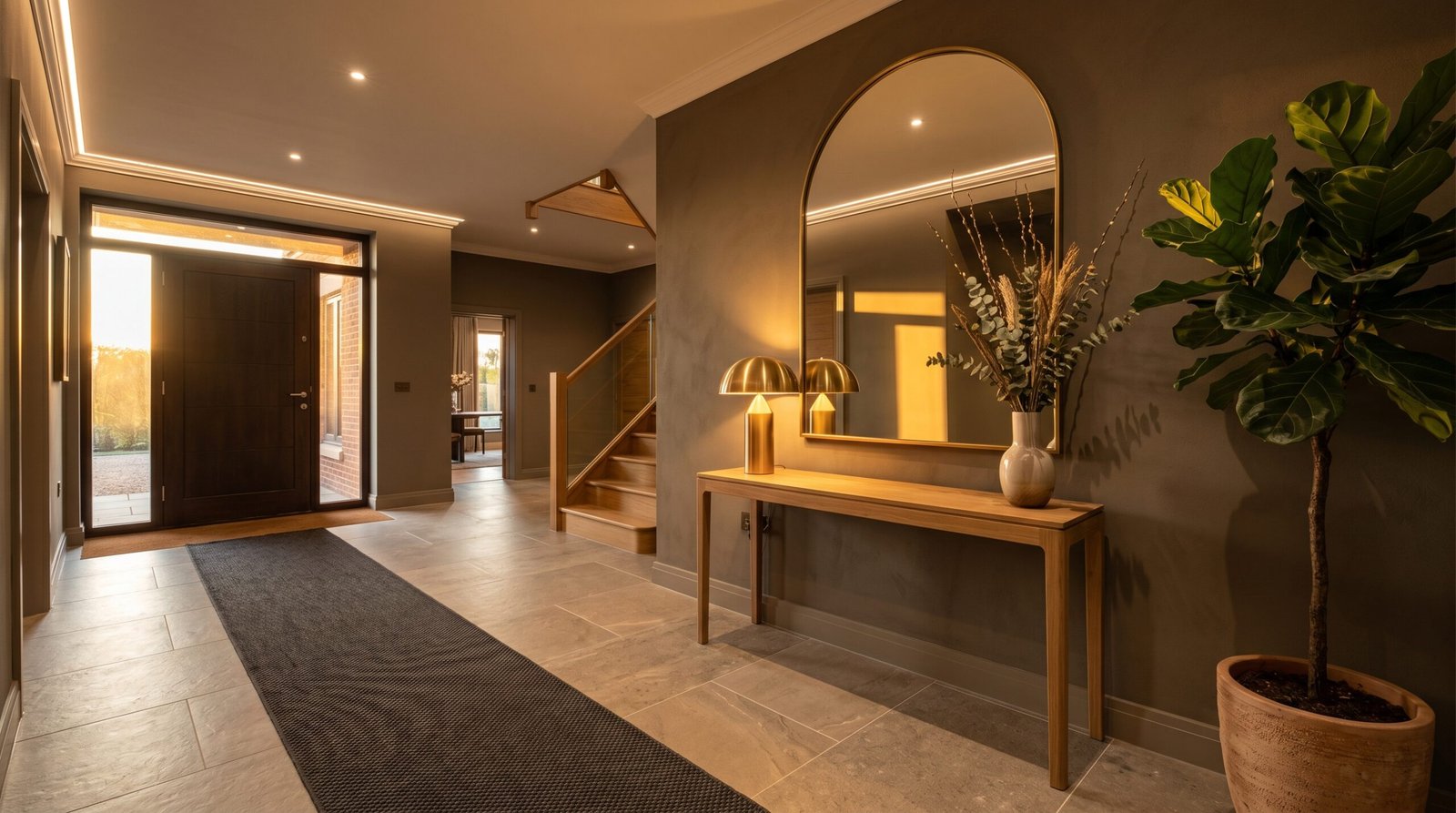
Large-format porcelain tiles in a light stone or concrete look are the current gold standard for modern house entrances. They’re near-indestructible, easy to clean, and their scale makes even a modest-sized entrance feel expansive. When laid in a staggered or herringbone pattern, they introduce quiet visual interest without competing with anything else in the space.
Engineered hardwood is another excellent choice — warmer underfoot than tile, and its tonal variations bring an organic quality that softens even the most architectural of interiors. If you’re working with an open-plan entrance that flows into a living space, matching the entrance flooring to the living room flooring creates a seamless visual journey that makes your home feel larger and more cohesive.
Whatever you choose, consider adding a natural fiber or low-profile area rug at the door. Not only does it protect your flooring, it creates an immediate visual boundary — a welcome mat elevated to an art form.
5. Lighting: The Detail That Changes Everything
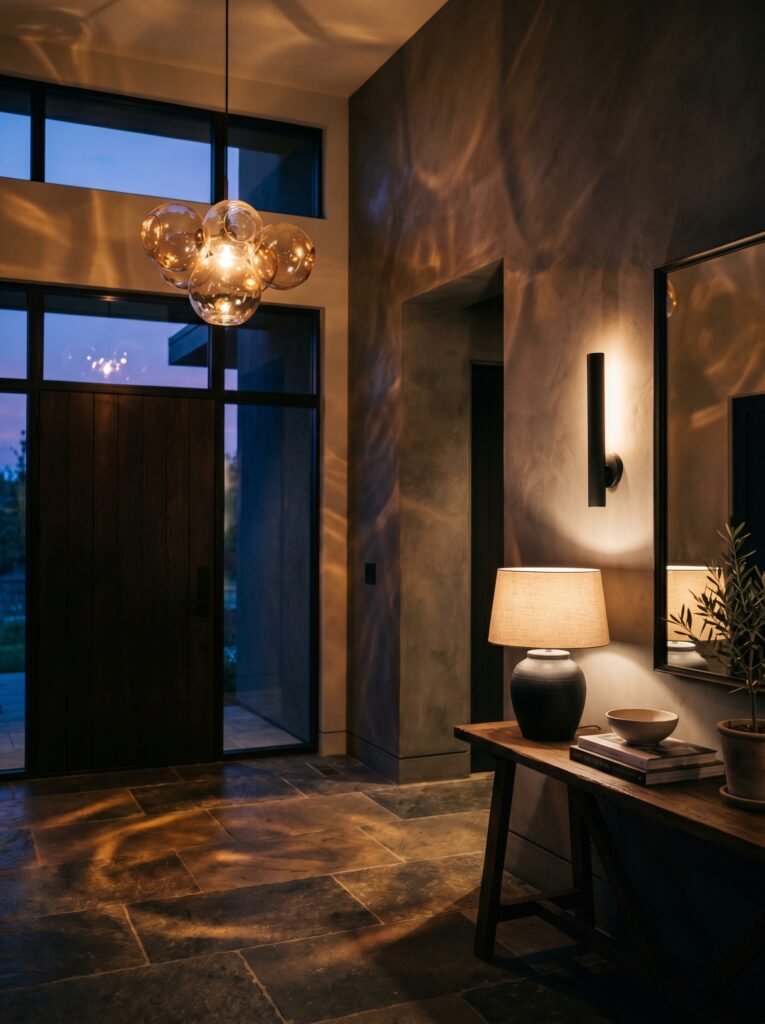
If there is one single design decision that transforms a modern house entrance from forgettable to extraordinary, it is lighting. And yet it’s the element that most people get completely wrong — defaulting to a single overhead fixture that casts flat, unflattering light across the entire space.
Layered lighting in an entrance works exactly the way it does in any other room: you need a combination of ambient, accent, and task light. In practice, this might mean a sculptural pendant light as the main fixture, a slim wall sconce beside a mirror, and a table lamp on a console — all working together to create a space that is warmly lit at every level.
“Lighting isn’t about visibility. It’s about atmosphere, and atmosphere is about how a space makes you feel.”
The current trend in modern entrance lighting leans toward organic and sculptural forms — rattan pendants, handblown glass globes, matte ceramic sconces. These fixtures do double duty: they provide light and function as art objects in their own right, adding texture and personality to what might otherwise be a simple, clean space.
Don’t underestimate the power of a dimmer switch in your entrance. The ability to lower the lights on a quiet evening, creating a soft, amber glow as you come home, is one of those small luxuries that costs almost nothing and changes your relationship with your home completely.
6. The Console Table — A Piece That Does Everything
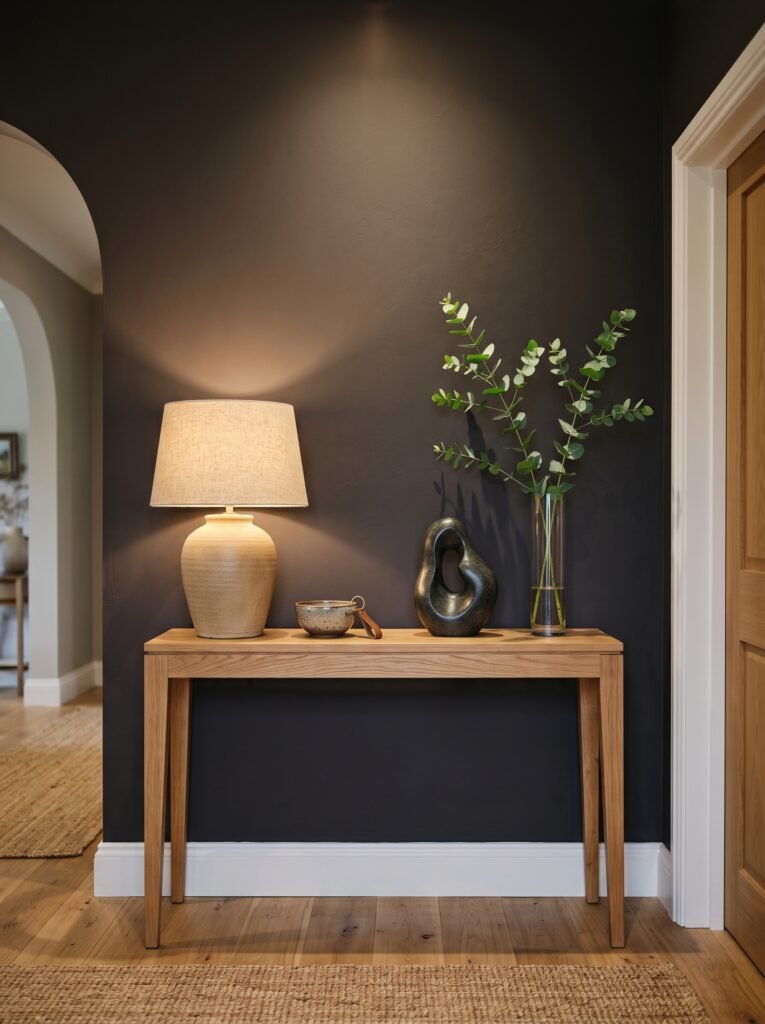
If there is one piece of furniture that defines a modern house entrance interior, it is the console table. Slim, purposeful, and endlessly versatile, a well-chosen console is simultaneously a functional surface, a display opportunity, and an anchor for the entire space.
In a modern context, console tables with clean lines and minimal ornamentation tend to work best — think solid oak with straight legs, or a sleek black metal frame with a marble top. The material and finish should connect to the broader palette of your home, creating continuity rather than visual interruption.
What you place on your console is just as important as the piece itself. A curated arrangement might include a statement lamp, a small bowl or tray for keys and coins, a single piece of art or a sculptural object, and something living — a plant, a few stems in a simple vase. Keep it edited. The worst thing you can do to a beautiful console is crowd it.
7. Mirrors: Making Small Entrances Feel Magnificent
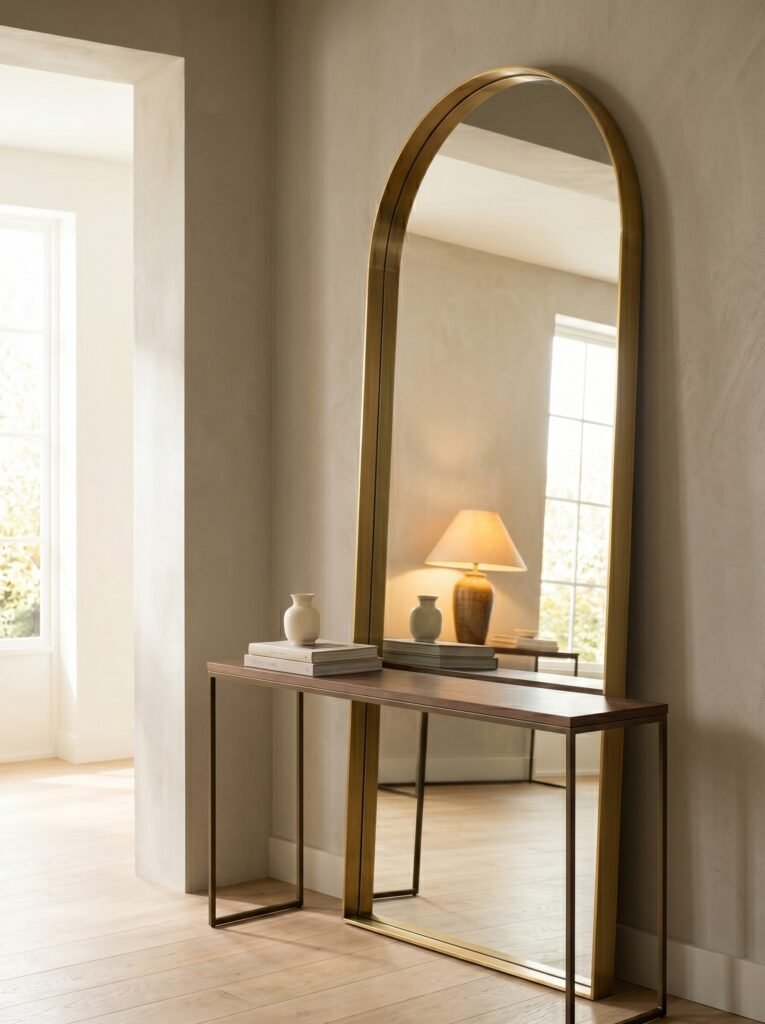
The mirror is not a vanity accessory in an entrance interior — it is a functional design tool of the highest order. Placed correctly, a mirror can double the perceived size of your entrance, amplify natural light, and introduce a visual focal point that elevates the entire space.
In modern design, the mirror’s frame is as important as the mirror itself. An oversized round mirror in natural rattan or brushed brass instantly adds warmth and softness to a contemporary space. A full-length leaning mirror in a minimal black frame adds verticality and a slightly editorial quality. An arched mirror — currently one of the most sought-after shapes in interior design — brings architectural interest and a sense of quiet drama.
Position your mirror so it reflects something worth seeing — a lamp, a window, a piece of art, a glimpse of the room beyond. A mirror reflecting a blank wall or the back of a door is a wasted opportunity.
8. Storage Solutions That Don’t Sacrifice Style
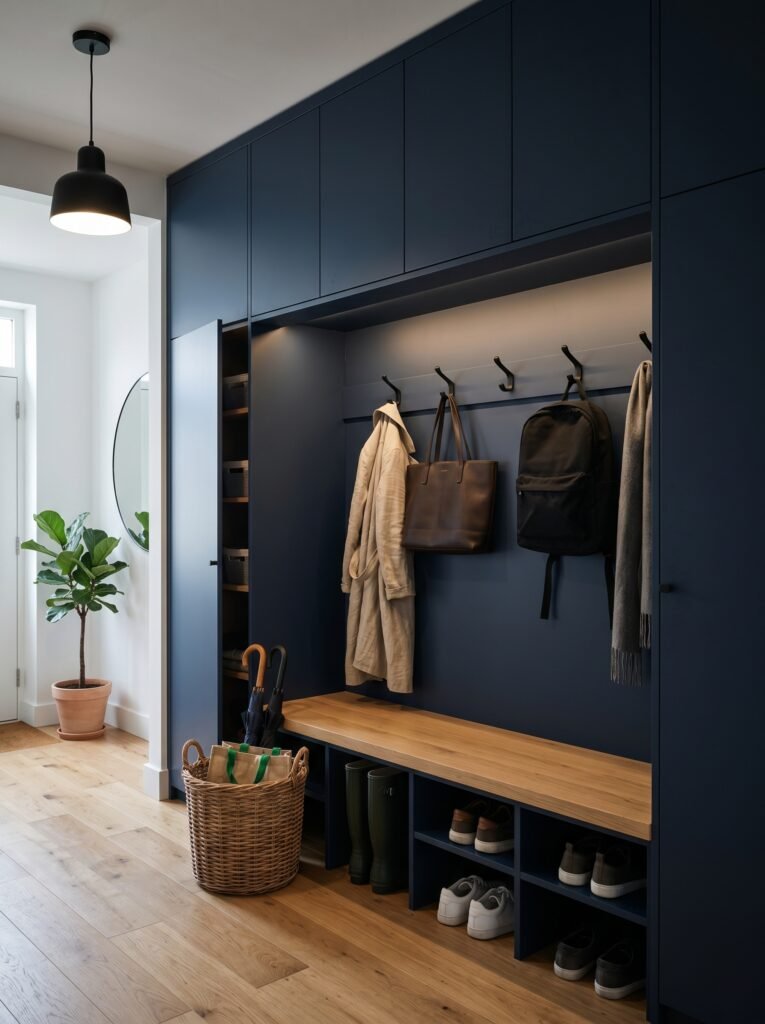
A modern entrance interior only works if it functions perfectly in daily life. Beautiful design that can’t accommodate the reality of coats, shoes, bags, and the accumulated chaos of a busy household isn’t truly successful — it’s just a photograph waiting to fall apart.
The best modern entrance storage solutions hide their utility behind beautiful facades. Built-in cabinetry with handleless doors conceals everything behind a seamless wall. A bench with under-seat storage solves the shoe problem while also providing a place to sit when pulling boots on. Hooks mounted in a clean row — in matte black, brushed brass, or aged brass depending on your aesthetic — keep coats accessible without creating visual noise.
If you have a deeper entrance or a dedicated mudroom, consider treating the storage wall as a design feature in itself. Floor-to-ceiling cabinetry in a deep color — a sophisticated navy, an earthy forest green — makes the functional feel intentional. It transforms what could be a utility area into one of the most striking rooms in the house.
9. Bringing Nature Inside — Plants and Organic Elements
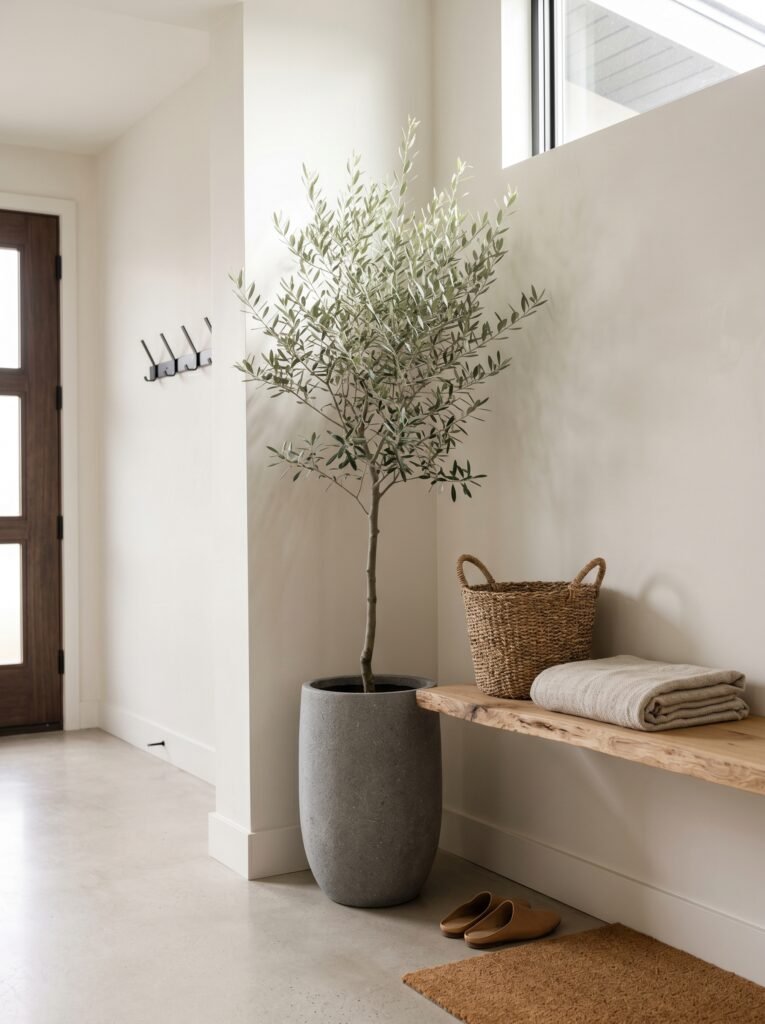
There is something deeply calming about walking into a home and being greeted by something living. A plant in an entrance communicates that this is a home that is tended to, cared for, alive in every sense. In a modern interior context, plants also serve an essential design function: they introduce organic texture and color that softens the clean lines and hard surfaces of contemporary architecture.
“A single plant in an entrance can make a house feel like a home in a way that no other object can.”
For modern entrances, the plant choices tend toward the architectural — tall fiddle-leaf figs, slender olive trees, dramatic snake plants, sculptural cacti. These plants look deliberate rather than accidental, fitting naturally into a curated, contemporary context.
Beyond plants, consider bringing organic materials into the entrance through other means. A raw-edge wooden shelf, a woven basket, a linen wall hanging — these textures remind us that the most beautiful spaces are always a conversation between the built and the natural world.
10. Art in the Entrance: The Statement That Speaks First
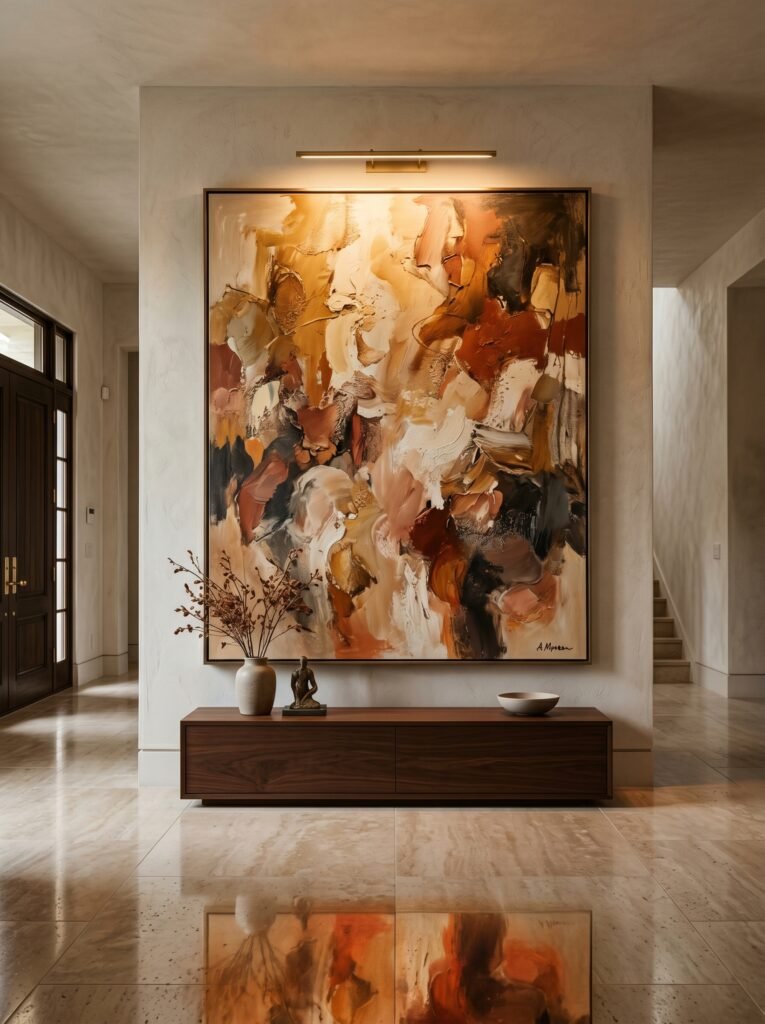
Art in an entrance is not decoration — it is communication. It is the first cultural statement your home makes, the clearest signal of your aesthetic sensibility and what you value. In a modern house entrance interior, art should be chosen with this weight in mind.
Large-scale works tend to have the most impact in an entrance — a single oversized canvas or print creates an immediate focal point and gives the space a gallery-quality gravitas. Alternatively, a carefully arranged collection of smaller works, hung at a consistent eye level, brings rhythm and personality without requiring a single show-stopping piece.
The content of the art matters less than its relationship to the rest of the space. A warm, abstract painting in earthy tones will harmonize with a neutral palette and natural materials. A graphic black-and-white photograph will feel at home in a more architectural, monochrome interior. The art doesn’t need to match — but it does need to belong.
11. Scent: The Invisible Design Element
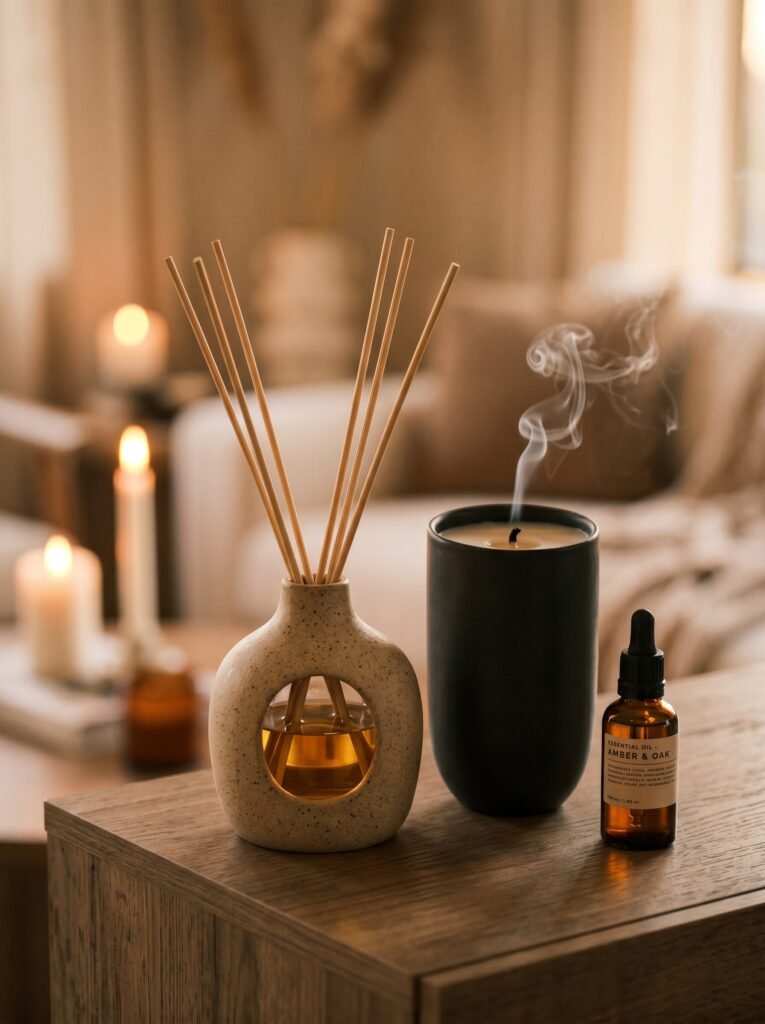
Interior designers have been talking about scent in the home for years, but it remains one of the most underutilized tools available to any homeowner. Your olfactory memory is more powerful than your visual one — a familiar, beautiful scent in an entrance creates an emotional response that no amount of good furniture can replicate.
A diffuser with a clean, sophisticated fragrance — something with notes of cedar, eucalyptus, or white tea — positioned on your console table or built-in shelf becomes an invisible layer of your entrance design. It doesn’t need to be obvious or heavy. In fact, the most effective entrance scents are those you can barely name — a warmth in the air, a quiet freshness, a sense that something here is curated and intentional.
Candles placed in the entrance work similarly, and their visual element — the glow, the smoke when extinguished, the beautiful vessel they live in — adds yet another layer of sensory texture to the space.
12. Personalizing Your Modern Entrance Without Losing Its Clarity
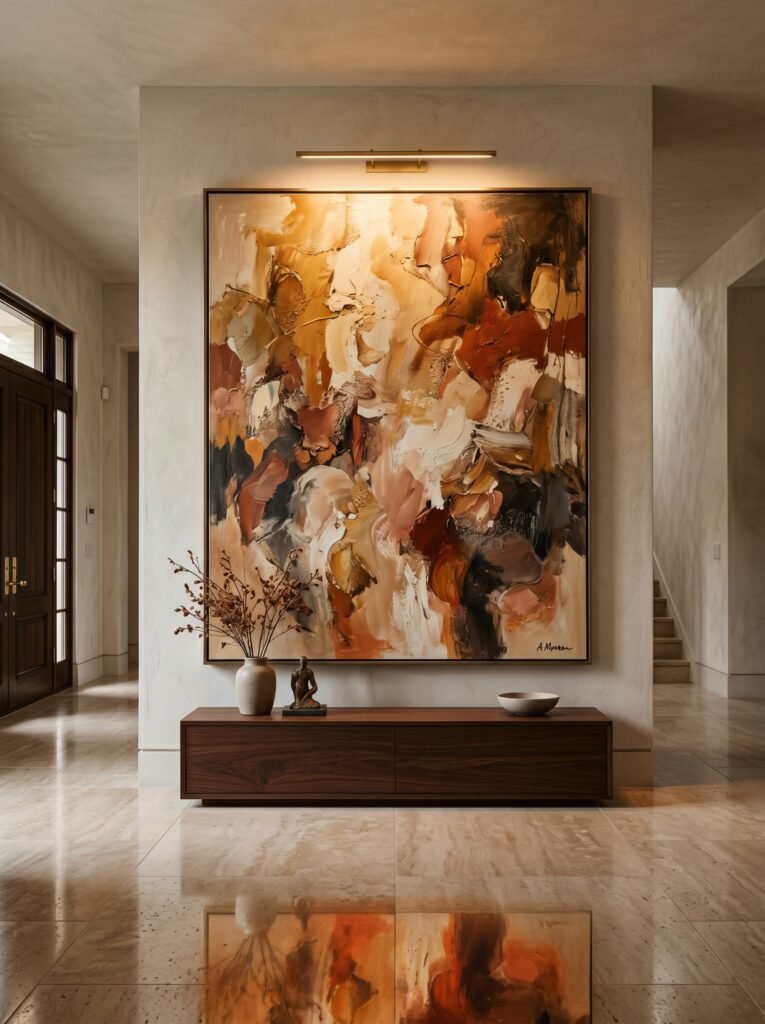
The risk with modern interior design is that in the pursuit of clean lines and visual calm, the space loses its humanity. An entrance that feels like a showroom — however beautiful — does not feel like a home. The final step in creating a truly successful modern house entrance interior is to ensure that it carries the unmistakable fingerprint of the people who live there.
This doesn’t mean filling the space with personal photographs or collections of trinkets — though those things have their place elsewhere in the home. Personalization in a modern entrance is more subtle. It might be a piece of art that holds deep meaning for you but reads beautifully to others. It might be a plant inherited from a family member, or a bowl made by a local ceramicist, or a rug brought back from a trip that changed you.
The goal is a space that is personally resonant and visually edited — warm without being cluttered, personal without being sentimental, modern without being cold. When you achieve that balance, your entrance becomes something rare: a space that feels designed, lived in, and completely, unmistakably yours.
—
🌿 How to Care for Your Modern Entrance Interior
Maintaining a beautiful entrance is less about deep cleaning and more about consistent small habits. Wipe down high-traffic surfaces — console tables, door handles, light switches — with a damp cloth weekly to prevent the buildup of dust and fingerprints that quietly dull even the most beautiful space. For natural stone or wood flooring, use a pH-neutral cleaner to avoid stripping any protective finish over time. Rotate your entrance plants seasonally, moving them to brighter rooms if they need more light in winter months. Reassess your storage solutions every few months — an entrance that worked for your lifestyle in spring may need adjusting in autumn when coats and boots return. Finally, treat your entrance as a living design project rather than a finished one: allow it to evolve with you, because the best interiors always do.
—
❓ FAQ
Q: How do I make a small modern house entrance look bigger? A: Stick to a light, cohesive color palette and use large-format flooring tiles to reduce visual interruptions. Add a tall mirror to reflect light, choose furniture with slim profiles and visible legs to create the impression of floor space, and avoid overhead-only lighting in favor of layered light sources that add depth to the room.
Q: What is the best flooring for a modern house entrance? A: Large-format porcelain tiles in a stone or concrete finish are one of the most practical and visually effective choices — they’re durable, easy to clean, and their scale adds a sense of spaciousness. Engineered hardwood is an excellent alternative for a warmer, more organic feel, provided it has a hardwearing finish suitable for high-traffic areas.
Q: How do I add personality to a modern entrance without making it feel cluttered? A: Focus on a few intentional, meaningful objects rather than many decorative ones. One piece of art that genuinely moves you, one plant with visual presence, one functional object of genuine beauty — a handmade bowl, a sculptural candle — will do infinitely more for the personality of your entrance than a crowded shelf of unrelated objects ever could.
—
💭 Final Thought
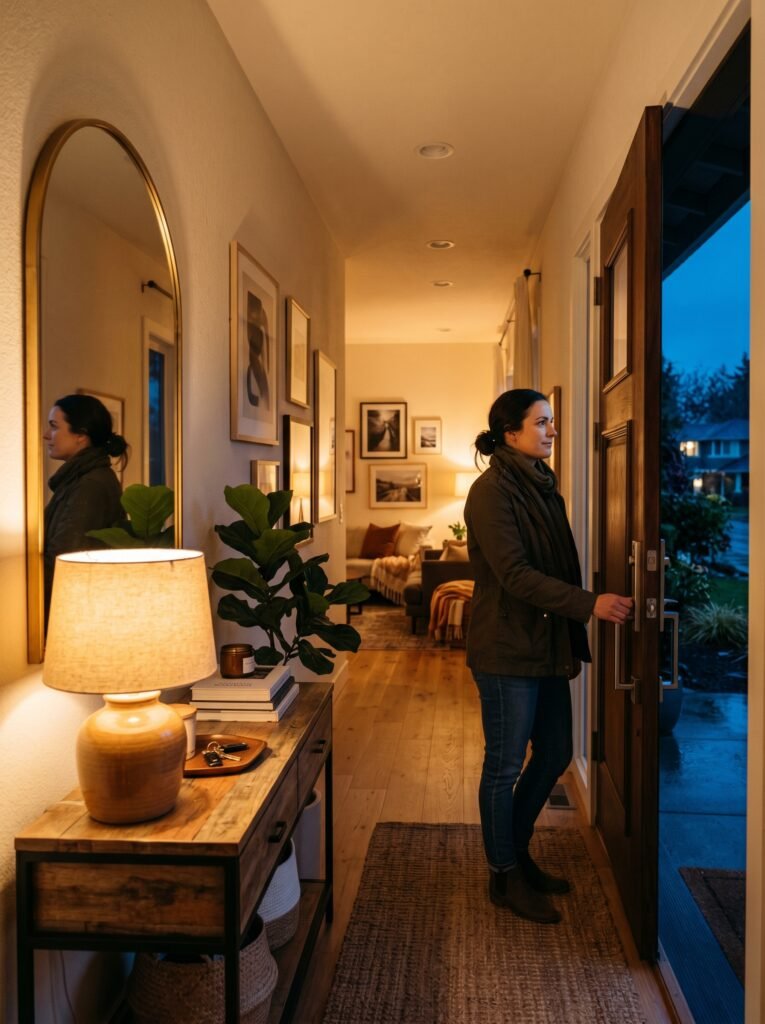
Your entrance is not a waiting room. It is not a utility corridor. It is the first chapter of the most personal story you will ever tell — the story of how you live, what you love, and who you are. A modern house entrance interior done well doesn’t shout any of this. It simply creates a space so considered, so warm, and so intentionally human that anyone who walks through your door feels it in their chest before they can quite explain why.
So the next time you walk into your own home, pause for just a moment in your entrance and ask yourself: is this space saying what I want it to say — or is it time to let it speak a little louder?