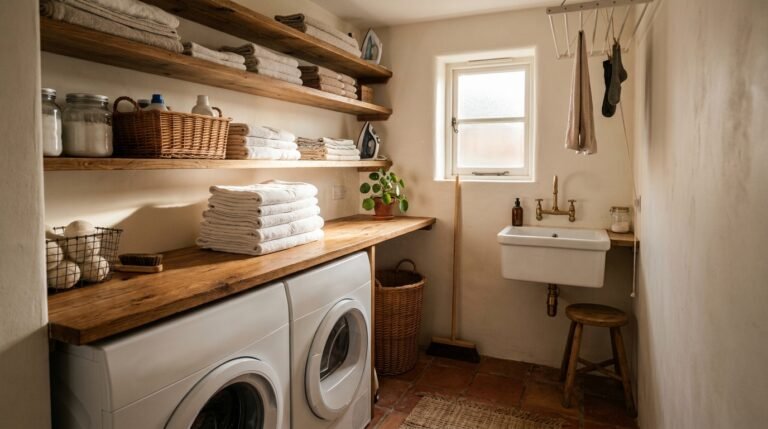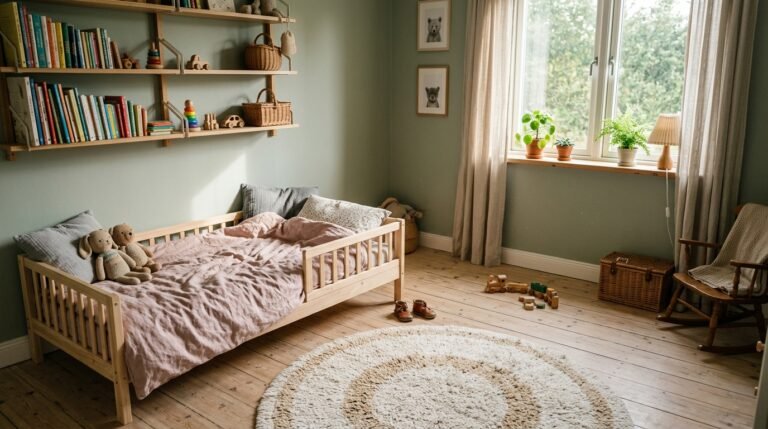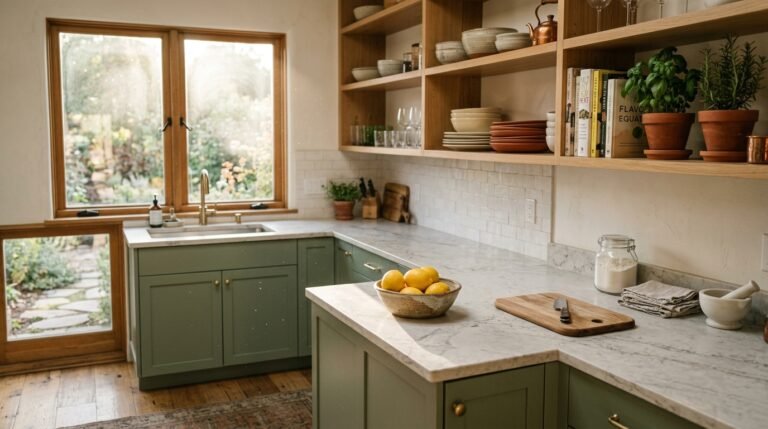
Why Black Interior Windows Are the Design Detail That Changes Everything About a Room
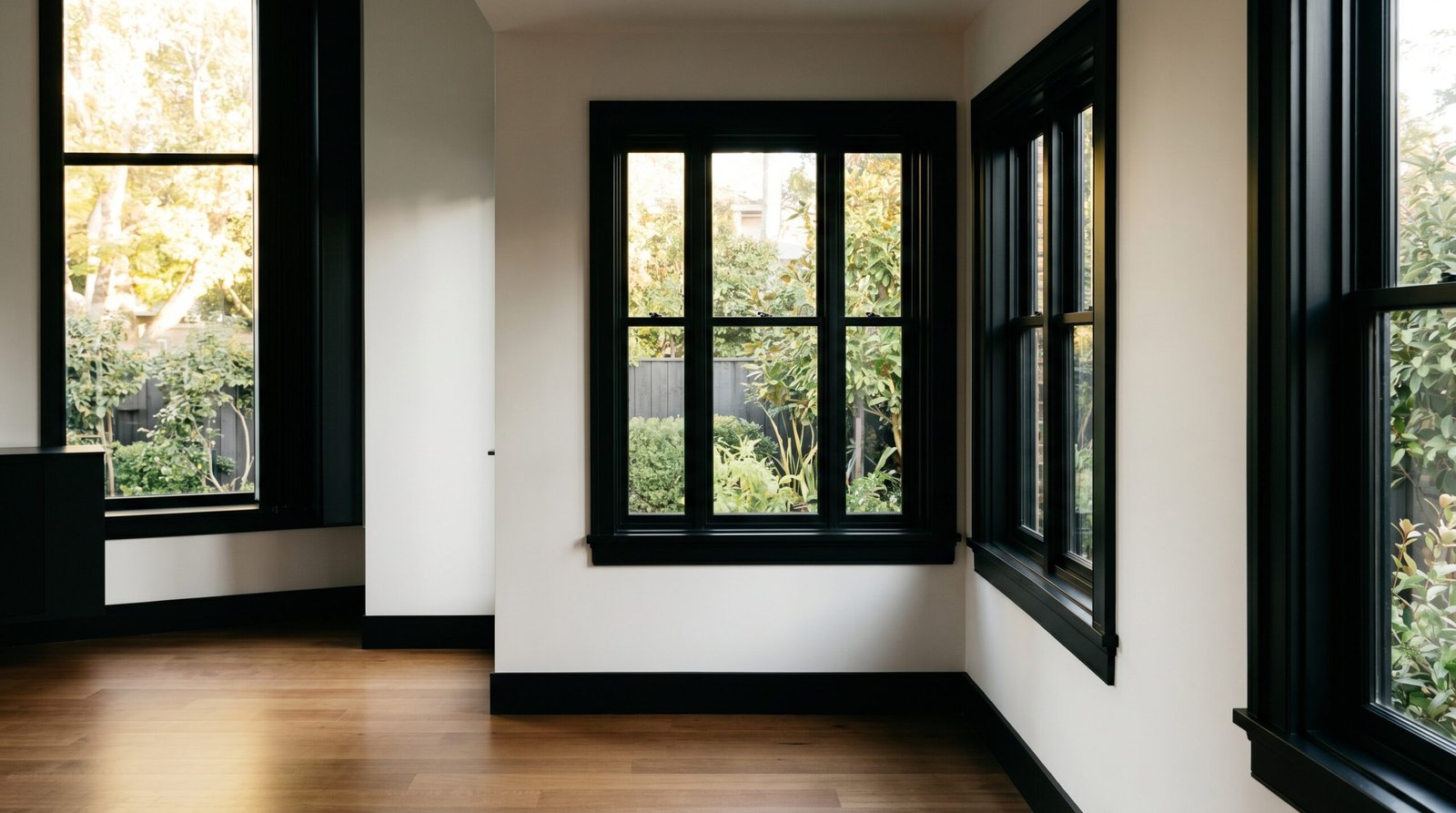
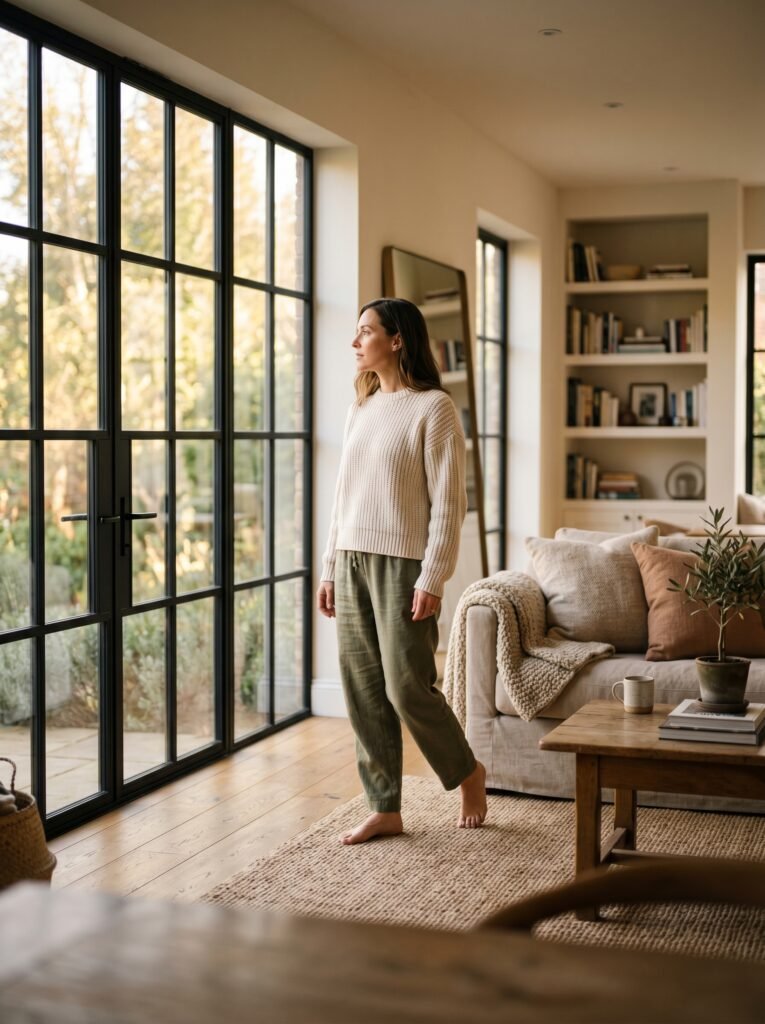
There’s a moment — and if you’ve experienced it, you know exactly what I mean — when you walk into a room and something just stops you. Not the furniture, not the rug, not even the art on the walls. It’s the windows. Specifically, the matte black frames cutting through the light like a fine ink drawing against a white canvas. Black interior windows have quietly become one of the most transformative, enduring design choices a homeowner can make — and once you understand why, you’ll never look at a plain white window frame the same way again.
—
Table Of Content
1. The Quiet Revolution Happening Inside Homes Right Now
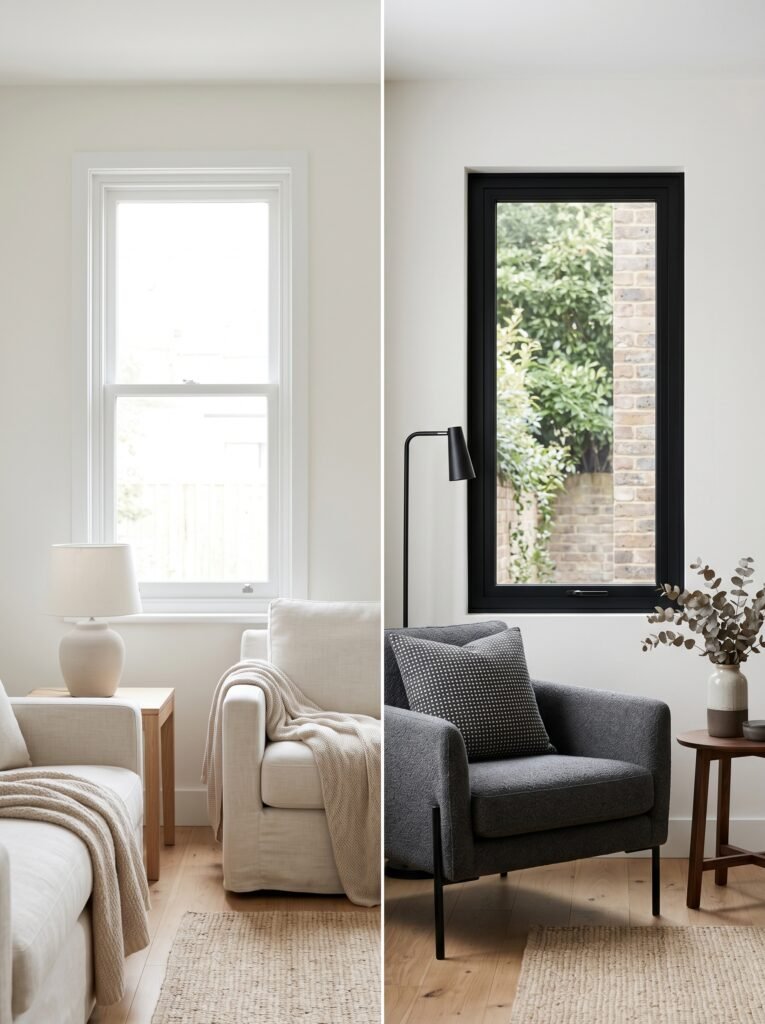
For decades, white window frames were simply the default. Nobody questioned them — they were neutral, inoffensive, and blended in. But something shifted in the design world over the last several years, and that shift moved from high-end architectural showrooms straight into everyday homes. Black interior windows stopped being a “bold choice” and became, instead, a deeply intentional one.
What makes this trend feel less like a trend and more like a timeless design principle is the way black frames behave visually. They don’t demand attention in a flashy way. Instead, they provide definition — the kind of quiet authority that makes every other element in the room feel more deliberate, more considered, more finished. Think of it the way a pencil sketch becomes fine art the moment it’s framed in the right material.
“Black window frames don’t decorate a room — they define it.”
Interior designers often describe black frames as the “eyebrow of the room.” Just as a well-shaped brow gives a face its structure and expression, a black window frame gives a room its character. It’s a small detail with an outsized impact — and that’s exactly why it resonates so deeply with people who love thoughtful interiors.
2. What “Black Interior Windows” Actually Means (and Why the Distinction Matters)
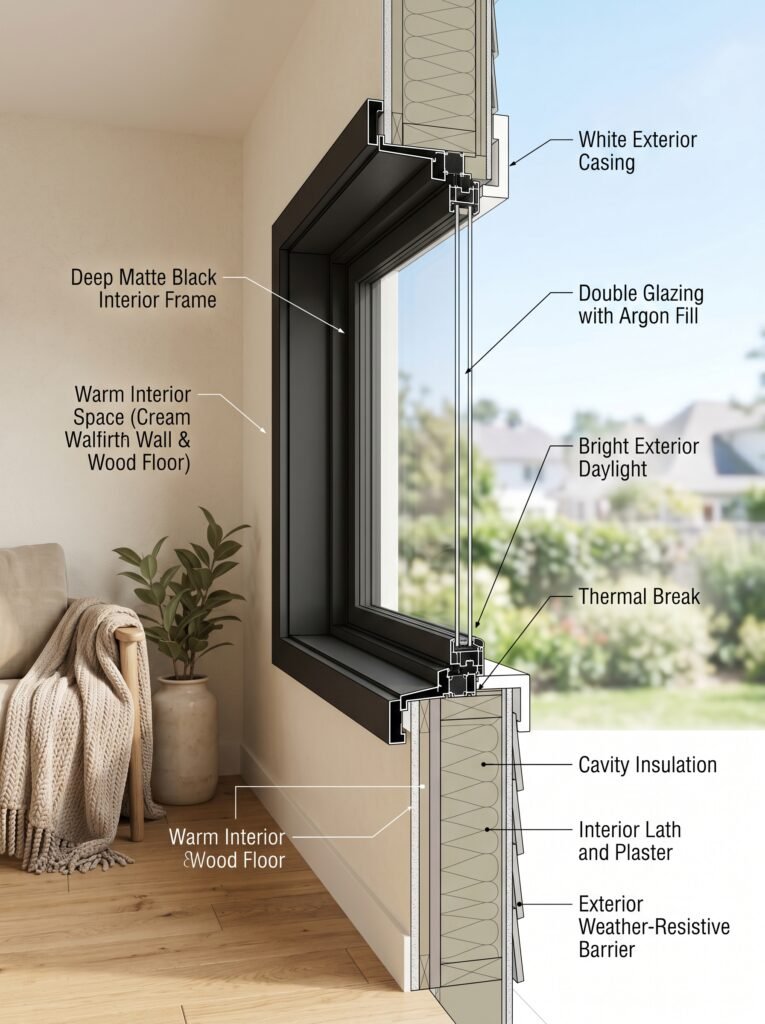
Before we go further, it’s worth clarifying something that confuses a lot of homeowners starting this journey. “Black interior windows” refers specifically to the interior-facing side of your window frames — the side you see from inside your home. The exterior may remain a different color entirely, or it can match, depending on your preference and your home’s architectural style.
This distinction matters because it gives you enormous creative freedom. You can paint only the interior frames black, which is a relatively affordable and reversible project, without committing to changing the entire exterior aesthetic of your house. Many homeowners do exactly this — leaving their exterior frames white, cream, or whatever color suits their home’s facade, while creating a completely transformed interior atmosphere. It’s a designer’s trick that costs far less than most people assume.
The window frame itself can be wood, vinyl, aluminum, or fiberglass. Each material holds black paint or finish differently, and each has its own personality. Wood frames with a matte black finish feel warm and artisan. Aluminum frames in black feel architectural and industrial. Steel-look frames — the kind mimicking the iconic warehouse windows of the 19th century — feel dramatic and editorial. Knowing your material helps you choose the right approach and the right shade of black.
3. The Psychology of Black in an Interior Space
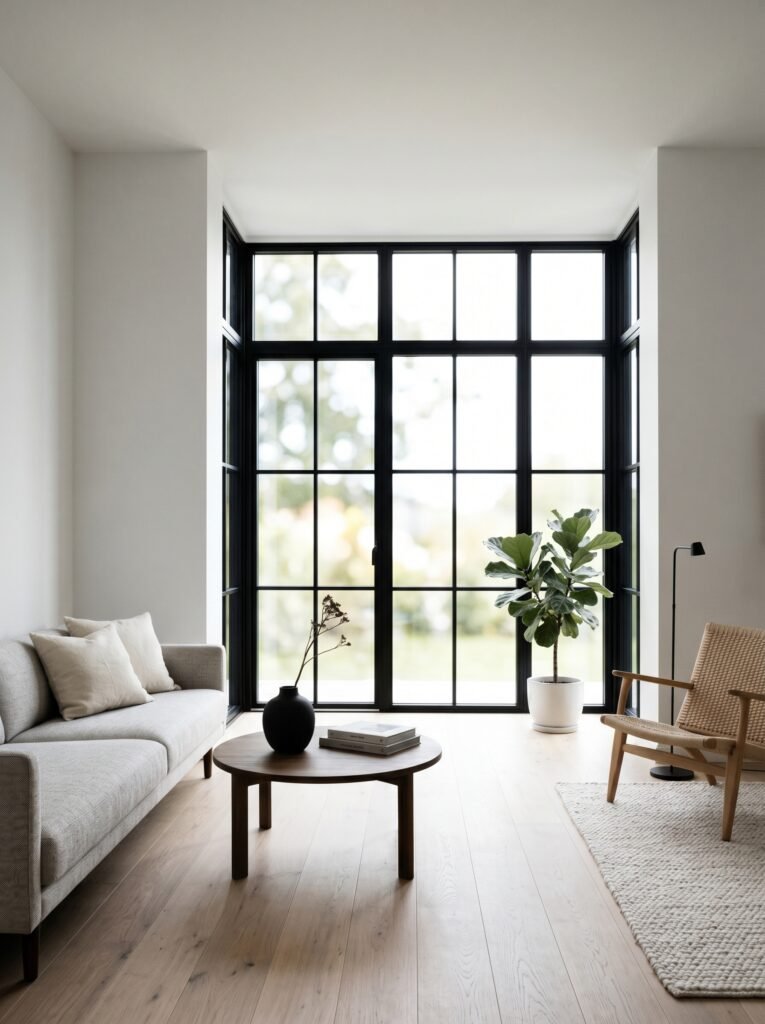
Color psychology is a real and fascinating field, and black is perhaps its most misunderstood subject. Many people hear “black in a room” and immediately picture something dark, heavy, or even oppressive. But context is everything — and the context of a slender window frame against a light wall is about as far from oppressive as you can get.
In interior design psychology, black used as an accent — particularly in architectural details like frames, hardware, and trim — creates what designers call “grounding.” It gives the eye a place to land, a moment of visual rest amid softer colors and textures. Rather than making a room feel smaller or darker, black frames actually do the opposite: they draw the eye toward the window and, by extension, toward the light and the view beyond it.
There’s also something deeply satisfying about the contrast. The human brain is wired to notice contrast, to find meaning in the interplay of light and dark. Black frames against white walls tap into this instinct, creating a sense of clarity and visual order that registers as “beautiful” almost before you’ve consciously processed why.
4. How Black Interior Windows Work With Every Design Style
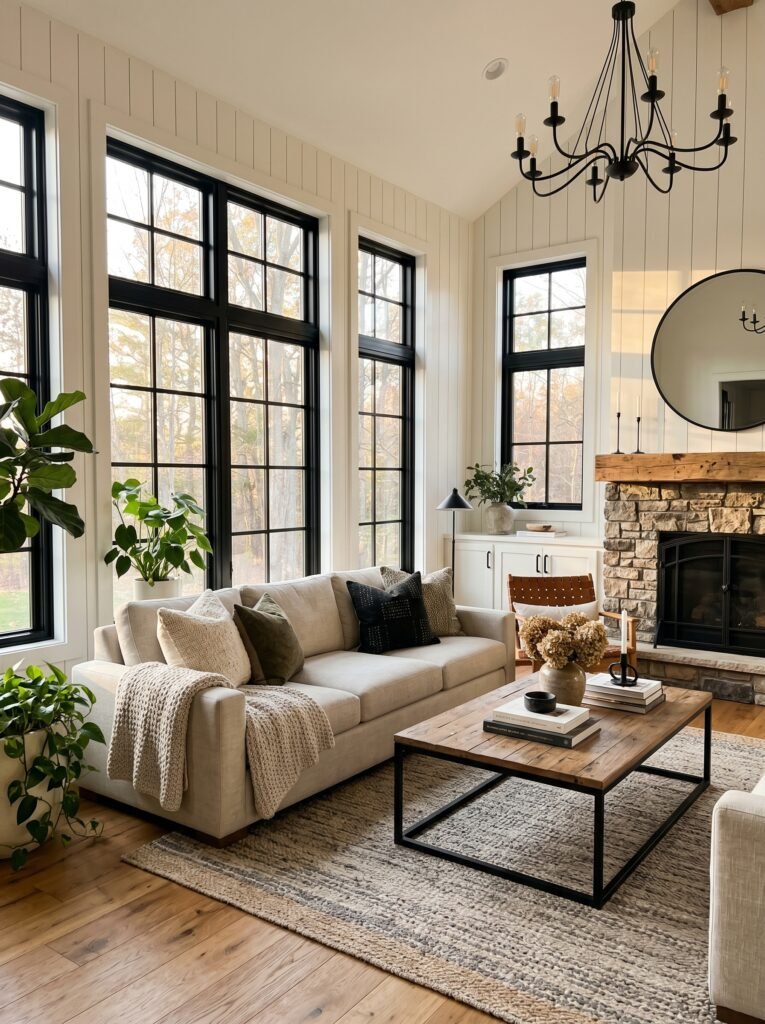
One of the most compelling arguments for black interior windows is their extraordinary versatility. This isn’t a detail that only works in one type of home or one design aesthetic — it’s a chameleon that adapts brilliantly across styles.
In a modern farmhouse interior, black window frames feel right at home alongside shiplap walls, warm wood floors, and linen upholstery. They echo the black accents in hardware and light fixtures, creating a cohesive, curated look that’s become the hallmark of that beloved aesthetic. In a truly minimalist space — white walls, clean lines, restrained furniture — black frames become the sole decorative statement, carrying enormous visual weight with total economy. In an industrial loft, they’re almost expected: those steel-look frames with divided lights feel like they belong to the building’s bones.
But here’s what surprises most people. Black interior windows work equally well in traditional and even romantic interiors. Imagine a soft, warm living room with blush accents, antique-finished furniture, and sheer curtains — and then add matte black window frames. The contrast doesn’t clash; it anchors. It prevents the space from feeling too sweet, too predictable. It’s the design equivalent of a well-placed piece of unexpected jewelry.
5. The Light Transformation You Didn’t See Coming
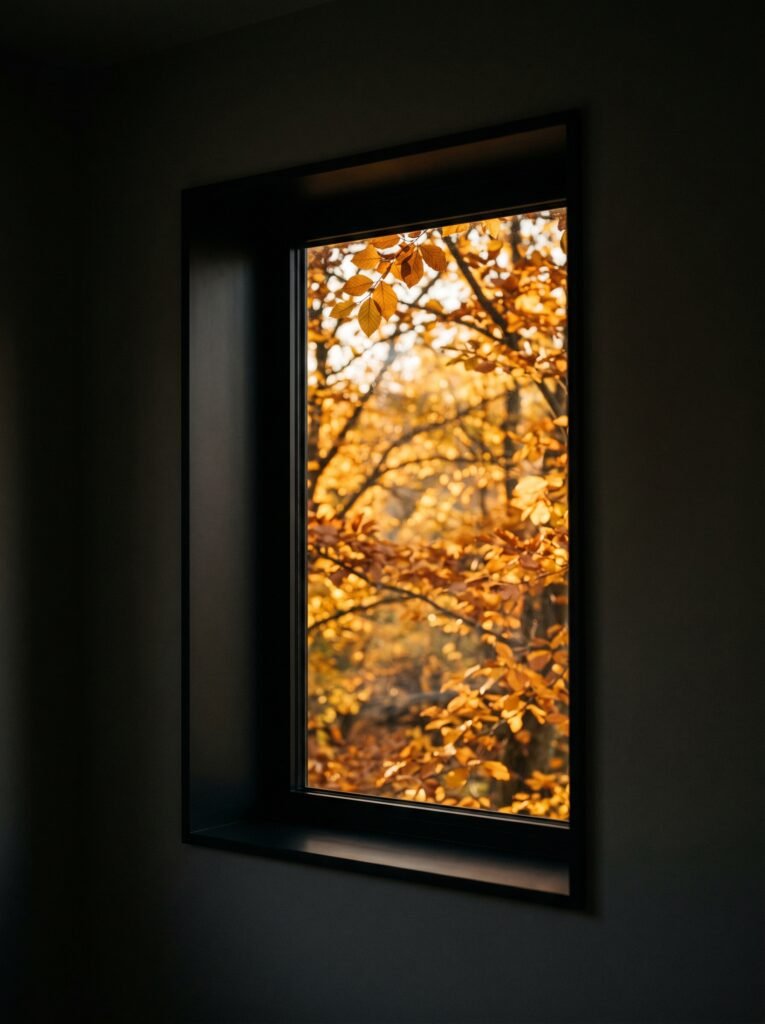
Here is the part that genuinely surprises most homeowners when they make the switch: black frames change the quality of your light. Not the quantity — but the quality. And the difference is remarkable.
When light enters through a window framed in white, it tends to blur at the edges. The white frame reflects light back into the room, which sounds desirable but actually creates a kind of visual softness that can flatten a space. When light enters through a black frame, the frame absorbs rather than reflects. The result is that the window itself becomes like a picture — a crisp, defined rectangle of pure light and view, almost like a painting hung on the wall.
“A black-framed window doesn’t let light in — it presents it.”
This quality of light is especially beautiful in rooms that face gardens, tree lines, or open sky. The black frame acts as a natural border, and whatever lives outside that window — green leaves in summer, bare branches in winter, golden light in autumn — becomes art. It’s one of those design decisions that rewards you differently with every season, every hour of the day, every change in weather.
6. Choosing the Right Shade of Black (Yes, This Really Matters)
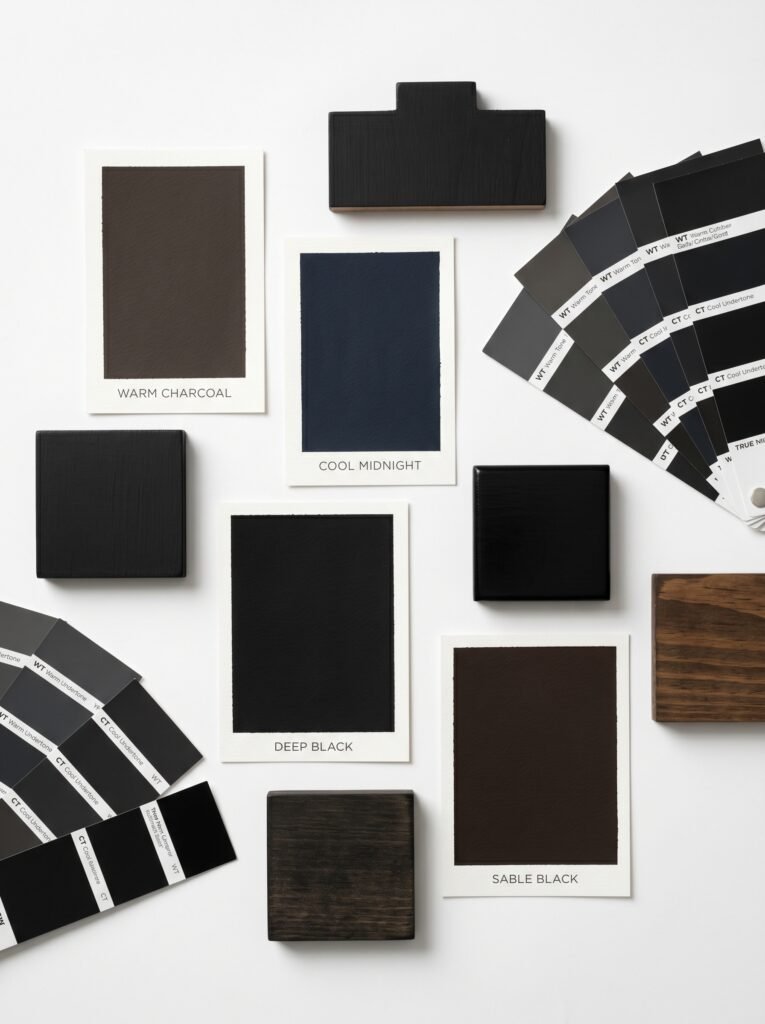
Not all blacks are created equal, and this is a nuance worth spending time on. In the world of interior paint and window finishes, “black” exists on a surprisingly wide spectrum — from cool, blue-tinged blacks to warm, brownish-blacks, from pure charcoal to near-midnight tones.
For most interior spaces, a warm or neutral black tends to feel the most livable. Colors like Tricorn Black by Sherwin-Williams, Onyx by Benjamin Moore, or Iron Ore — which reads as a deep charcoal with warm undertones — work beautifully across a wide range of interior palettes. If your home has warm wood tones, cream walls, or earthy accents, a warmer black will feel like it belongs. If your interior is cooler — lots of whites, grays, and blues — a true, neutral black or even a slightly cool-toned charcoal might be the better choice.
Finish matters enormously as well. Matte and satin finishes absorb light and feel quiet, sophisticated, and modern. Semi-gloss adds a subtle reflective quality that can look beautiful on wood frames and easier to keep clean in busy households. High gloss is dramatic and architectural — stunning in the right setting, but unforgiving of imperfections in the frame itself. Most interior designers lean toward matte or satin for window frames, finding that it sits most gracefully with surrounding surfaces.
7. Pairing Black Frames With Wall Colors That Truly Sing
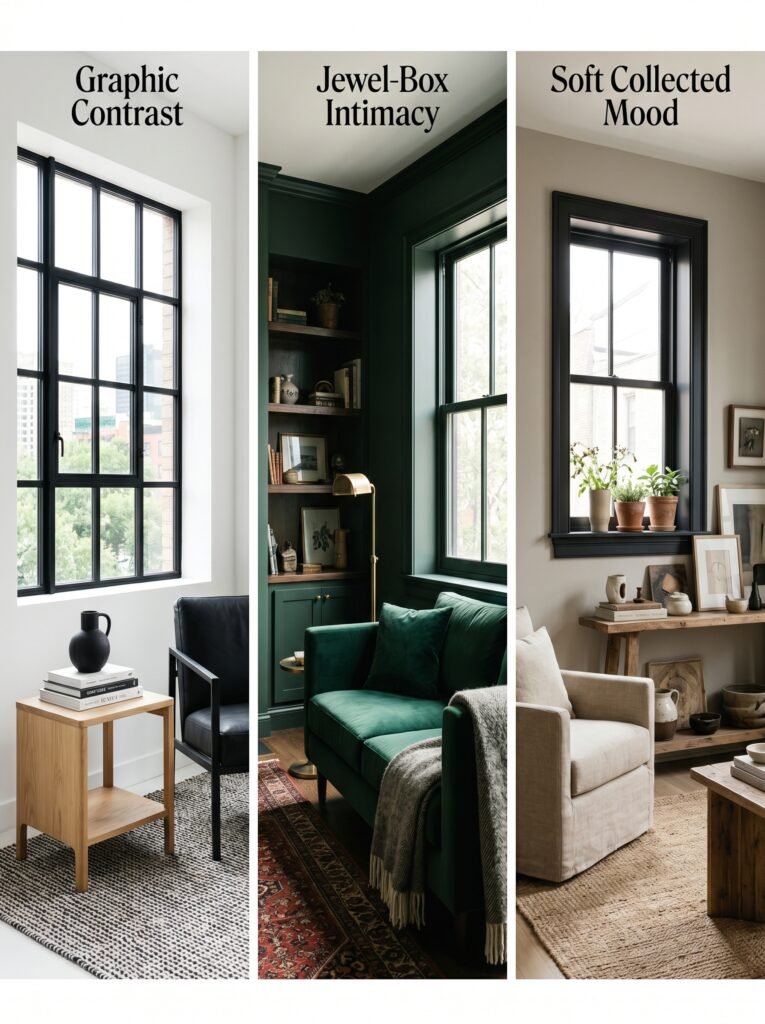
The wall color you choose to live alongside black interior windows will shape the entire mood of the room — so this pairing deserves real thought. The most celebrated combination is also the most intuitive: white or off-white walls with black frames. It’s clean, graphic, timeless, and endlessly adaptable. But stopping at white means missing some of the most beautiful possibilities this design decision opens up.
Deep, moody wall colors — rich forest green, navy, dusty plum, warm terracotta — create a completely different effect when paired with black frames. Rather than the stark contrast of white-and-black, you get a layered, enveloping quality. The room becomes a jewel box, the black frames dissolving slightly into the depth of the wall color while still providing definition. This approach feels particularly intimate and beautiful in dining rooms, home libraries, and bedrooms.
Neutral warm walls — greige, warm taupe, sand — give black frames a softer landing. The contrast is there but gentled, making the space feel collected and calm rather than bold and graphic. This is the pairing that tends to photograph beautifully for those seeking that aspirational, editorial home aesthetic.
8. The Hardware Connection — Tying the Room Together
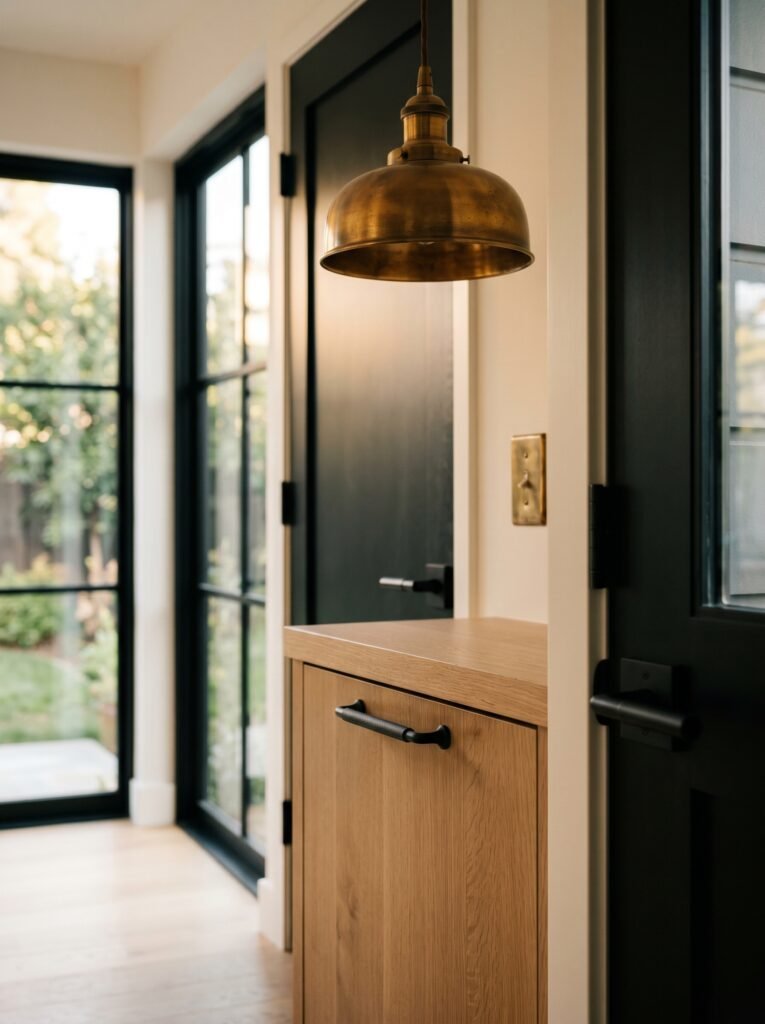
One of the most powerful things black interior windows do is give you a visual anchor point from which to build your entire hardware and accent color scheme. Interior designers talk constantly about “pulling a room together,” and black frames make that process feel almost effortless.
When your window frames are black, choosing black door hardware, black cabinet pulls, black light fixture accents, and black furniture legs becomes not just easy but deeply satisfying — because everything is in conversation. The eye moves around the room and keeps finding echoes of that same dark, grounding note, creating a sense of intention and coherence that’s hard to achieve any other way.
This doesn’t mean everything needs to be black. Layering brass or warm bronze accents against a foundation of black frames can be extraordinarily beautiful — the warmth of the metal singing against the depth of the frames. Matte black plus aged brass is one of the most enduring, beloved combinations in contemporary interior design, and your windows are the perfect place to begin that story.
9. Black Windows in Small Spaces — Myth vs. Reality
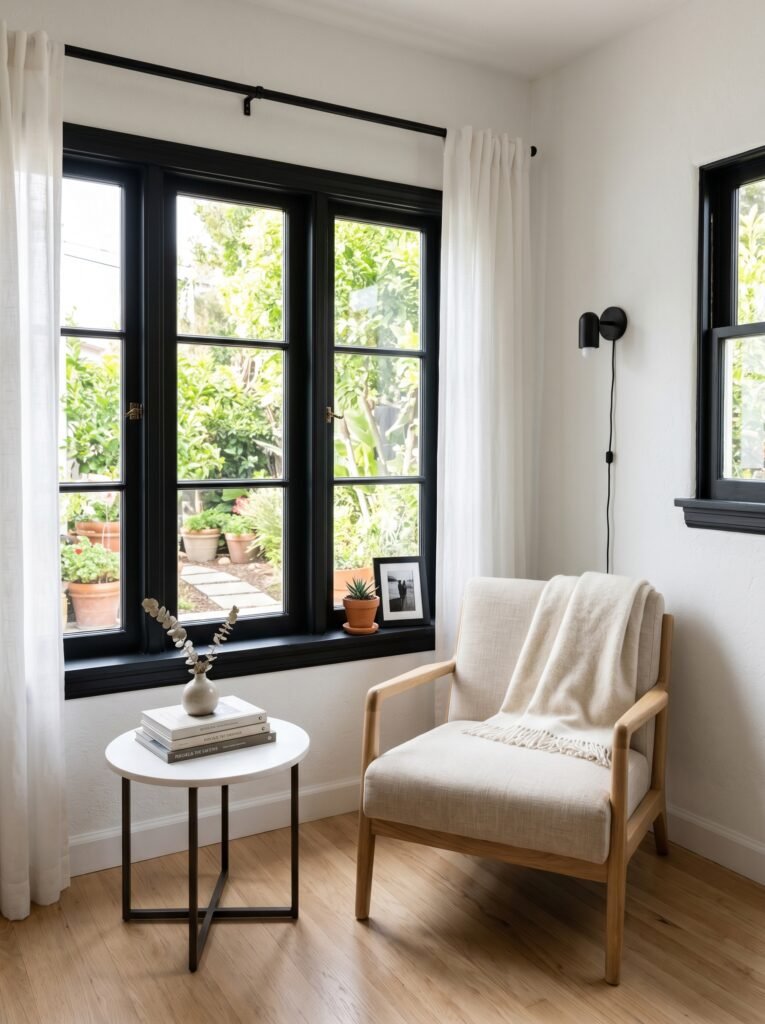
The most common concern I hear from homeowners considering black interior windows is this: “But my room is small. Won’t dark frames make it feel even smaller?” It’s a completely understandable worry — and it’s largely a myth worth dismantling with some clarity.
“In a small room, black frames don’t close the space in — they give it intention.”
What actually makes a small room feel cramped is visual clutter, lack of contrast, and poor light management. Black frames address all three. They reduce visual clutter by giving the room clear architectural definition. They introduce contrast that makes the space feel more dynamic and deliberate. And — as we discussed with light quality — they frame the view and the light in a way that makes the window feel like a feature, drawing the eye outward and creating the perception of depth.
The key in a small space is restraint elsewhere. If your windows are making a statement with black frames, let the rest of the room breathe. Light walls, fewer accessories, simple furniture — and those black frames will make the room feel curated and considered rather than tight or heavy.
10. DIY or Professional — What You Actually Need to Know
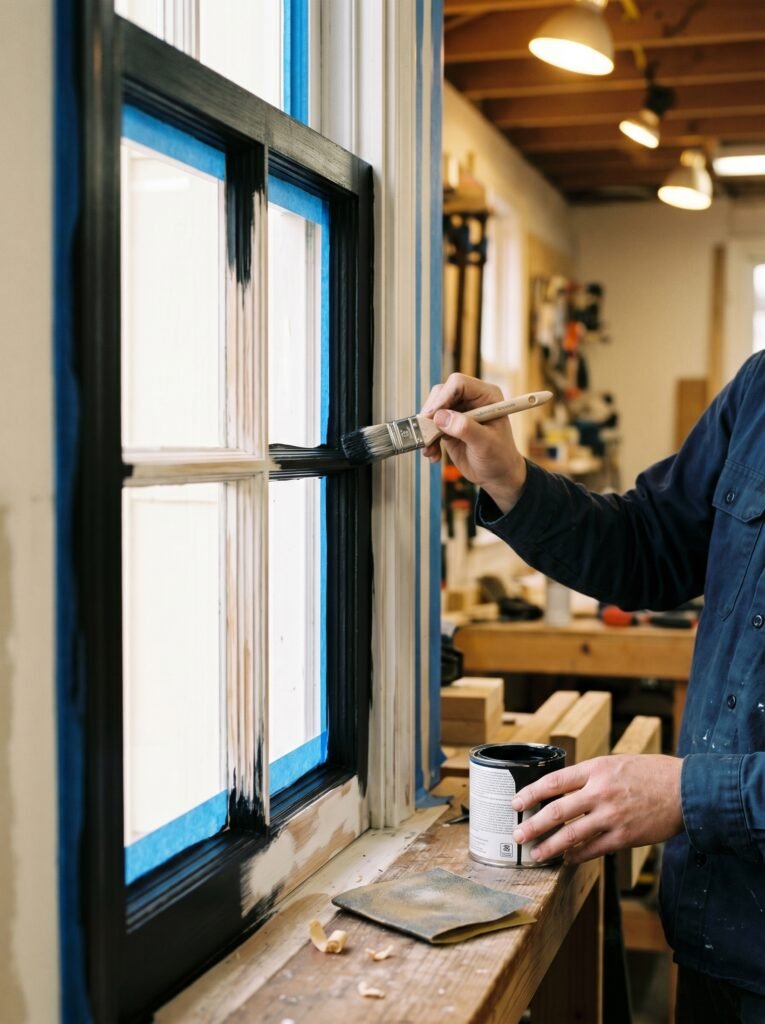
For many homeowners, the appeal of black interior windows begins with the realization that this is an achievable project — not necessarily a major renovation. If your existing window frames are wood, painting them is a genuinely accessible DIY undertaking. The investment is largely time, preparation, and quality materials.
The preparation is everything. Clean the frames thoroughly, sand lightly to create adhesion, and apply a quality bonding primer before your topcoat. For the paint itself, choose a formula designed for trim and woodwork — these are harder, more durable, and resist chipping far better than wall paints. Apply two thin coats rather than one thick one, allowing full drying time between each. The patience you invest in prep and application will be visible — or invisibly absent — in the final result.
Vinyl and aluminum frames are trickier to paint successfully at home, though not impossible. For these materials, spray paint designed specifically for the surface can work well, but the preparation and priming process becomes even more critical. If in doubt, consulting a professional painter for these frame types is genuinely worthwhile — a poor result on a window is costly and discouraging to undo.
Steel or steel-look window frames — particularly if you’re considering a full replacement — are typically a professional installation. The cost is higher, but the impact is extraordinary, and these frames tend to hold their finish for decades with minimal maintenance.
11. Seasonal Styling Around Black Interior Windows
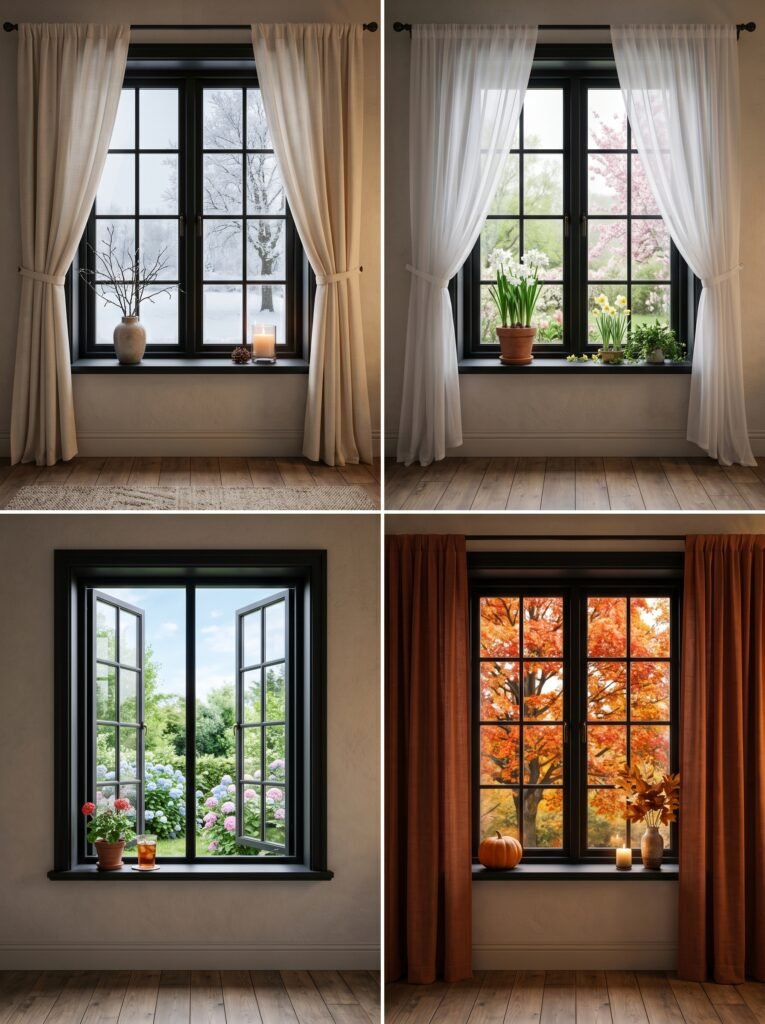
One of the quiet joys of living with black interior windows is how beautifully they interact with seasonal styling. Because the frames provide such a strong architectural anchor, changing the soft furnishings around them — curtains, plants, textiles — creates entirely different rooms throughout the year without any major effort.
In winter, imagine linen curtains in warm cream pooling slightly on a hardwood floor, a few bare branches in a simple vase on the sill, and candlelight catching the matte black frame in the early dark afternoons. The scene is quietly cinematic. In spring, sheer white panels that let light pour through and a window sill full of fresh herbs or blooming paperwhites feel effortlessly alive. Summer calls for no curtains at all — just open windows, black frames, and the green world beyond. Autumn brings the most stunning display of all: whatever trees live outside your window become a living painting in their borrowed frame.
12. The Long View — Why This Investment Pays Off Over Time
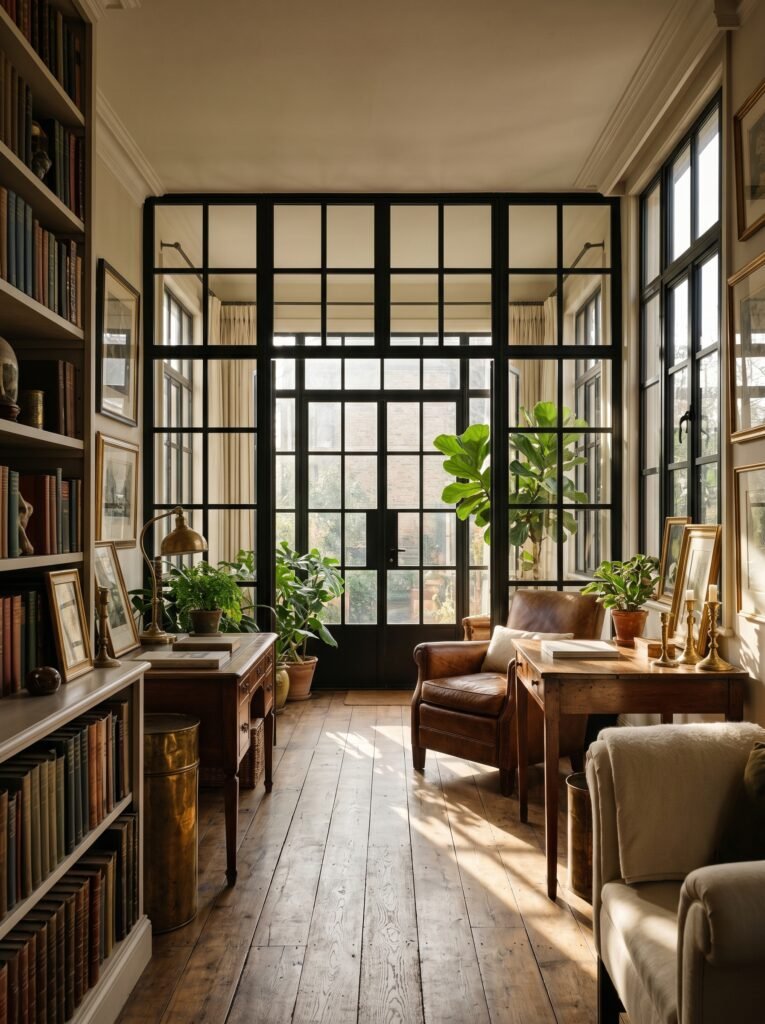
Design trends come and go with surprising speed. What feels fresh this year can feel dated in five. But black interior windows occupy a different category — they’re not a trend so much as a return to a visual principle that has existed in architecture for centuries. The iron-framed windows of Georgian townhouses, the steel factory windows of Victorian warehouses, the bold frames of Bauhaus design — black frames have always been with us. We’re simply rediscovering them.
This longevity is the most practical argument for making this choice. When you invest time, money, and effort into a design decision, you want it to feel right not just this year but in ten years, in twenty years. Black interior windows will not look dated. They will, if anything, look more at home as the rest of a thoughtfully built interior matures and deepens around them. They are the kind of choice that future owners of your home will thank you for — and that you will stop and notice with quiet satisfaction on an ordinary Tuesday morning for years to come.
—
🌿 How to Take Care of Black Interior Windows
Living beautifully with black frames means a little intentional maintenance — nothing demanding, just consistent care. Dust the frames regularly with a soft, dry cloth, especially in the corners and along the sill where dust settles most visibly against dark surfaces. For painted wood frames, wipe down with a barely damp cloth and a gentle, non-abrasive cleaner once a month to keep the finish looking rich. Avoid harsh chemicals that can strip or dull the paint. For steel or aluminum frames, a simple wipe-down with a microfiber cloth keeps the surface looking clean and intentional. If you notice any chipping on painted frames, address small areas quickly with a careful touch-up before they expand — catching it early takes minutes; waiting makes it a project. Lastly, check your window seals annually and ensure no moisture is getting behind or beneath the frames, as this can compromise both wood and finish over time.
—
❓ FAQ
Q: Will black interior window frames make my room feel darker? A: Not significantly — and often not at all. The frames themselves are a small surface area relative to the window opening, and because black absorbs rather than reflects light, the light that does enter your room through the glass actually appears crisper and more defined. The key is ensuring your room has adequate natural light to begin with; black frames enhance and frame that light rather than diminish it.
Q: Can I paint vinyl window frames black myself? A: You can, but it requires more preparation than painting wood. Vinyl needs a bonding primer specifically formulated for non-porous surfaces, and the topcoat should be a high-quality exterior or trim paint. The result can be very successful, but the prep work is non-negotiable — skipping it leads to peeling within months. If your vinyl frames are in good condition and properly primed, this is a manageable DIY project.
Q: Do black window frames work in a traditionally styled home, or are they only for modern interiors? A: Black frames work beautifully in traditional homes — perhaps even more than many people expect. Historically, black iron and steel frames appeared in Georgian, Regency, and Colonial architecture. In a traditional interior, black frames read as an authentic, period-appropriate detail rather than a modern imposition. The key is choosing the right profile: a simple, elegant frame without industrial detailing will feel natural in a more classic home, while divided light patterns echo the multi-pane windows common in period architecture.
—
💭 Final Thought
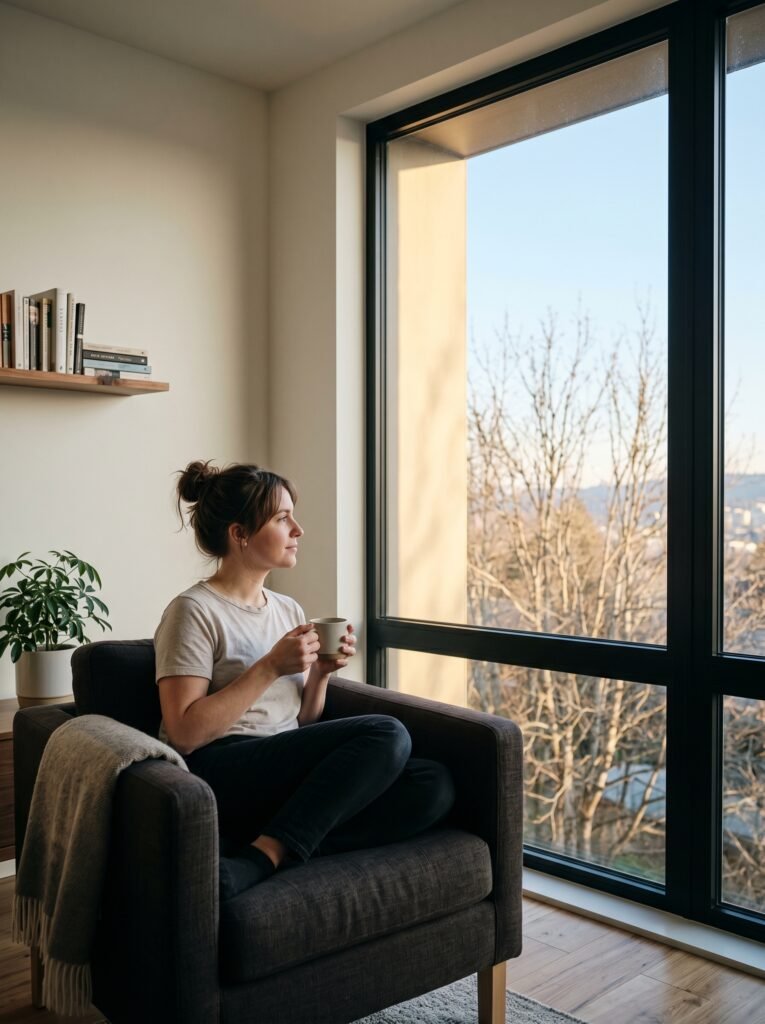
There is something deeply satisfying about a design choice that is simultaneously bold and quiet — that announces itself without shouting, that changes everything without calling attention to how it did it. Black interior windows are exactly that kind of choice. They are patient and confident, they age beautifully, and they have a way of making every view, every shaft of morning light, every change of season feel like something worth noticing.
So here’s the question I’ll leave you with: what might your home feel like if you stopped overlooking the frames and started designing with them?