
The Secret Life of Walls: How Interior Wall Cladding Transforms a House Into a Home You Never Want to Leave
There’s a moment — you’ve probably felt it — when you walk into a room and something just stops you. The walls seem to breathe. The space feels intentional, layered, alive. That feeling almost always comes down to one decision most people overlook entirely: what’s covering the walls.
—
1. Why Plain Painted Walls Are Quietly Leaving the Room
For decades, a fresh coat of paint was the beginning and end of the wall conversation. You picked a color, rolled it on, and called it decorating. And paint is wonderful — don’t get me wrong. But there’s a quiet revolution happening in living rooms, kitchens, and entryways across the world, and it has everything to do with texture, depth, and a material category called interior wall cladding.
Wall cladding is exactly what it sounds like: a layer of material applied directly over your existing wall surface to add dimension, protection, warmth, or beauty. It’s the difference between a wall that simply exists and one that genuinely contributes to the atmosphere of a room. Think of it the way you’d think about layering a great outfit — the base matters, but it’s the layers that make people stop and look.
“A wall isn’t just a boundary — it’s a canvas, a texture, a story waiting to be told.”
The rise of wall cladding on platforms like Pinterest isn’t accidental. People are craving interiors that feel handcrafted and considered, spaces that tell you something about the person who lives there. And cladding — in all its glorious variety — delivers exactly that.
2. The Many Faces of Wall Cladding (And How to Choose Yours)
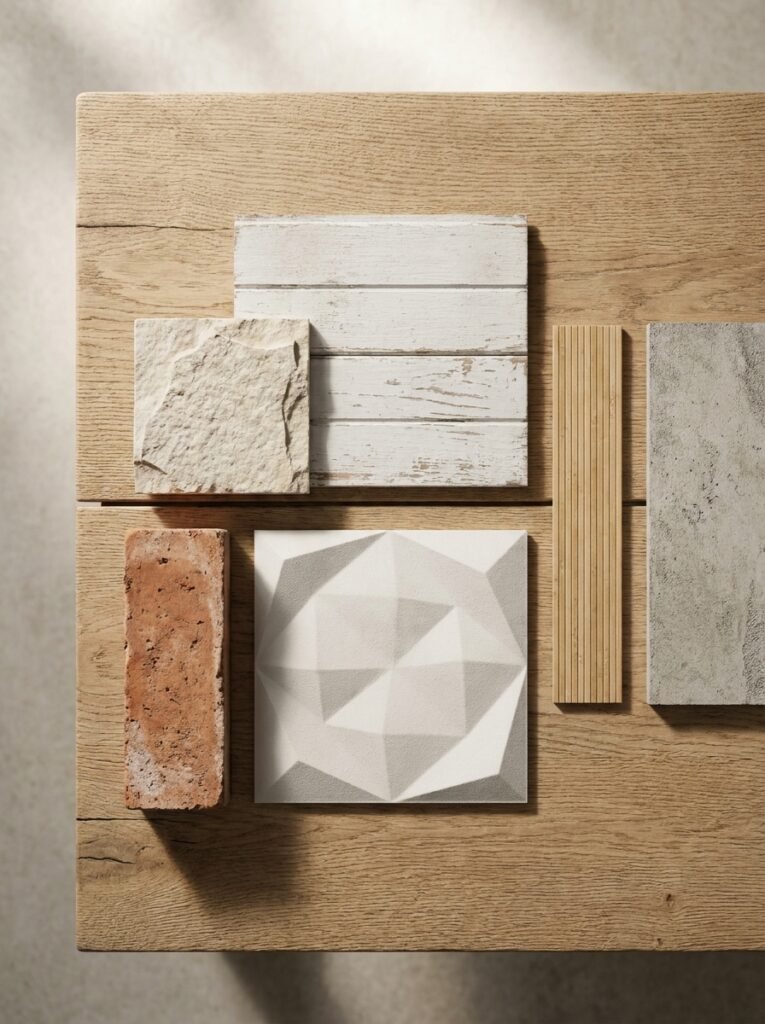
One of the reasons interior wall cladding can feel overwhelming at first is the sheer variety available. Wood panels, stone veneer, brick slips, shiplap, tongue-and-groove boarding, concrete panels, 3D textured tiles, fabric panels, PVC cladding, and even bamboo — the list is genuinely extensive. But instead of letting that variety paralyze you, let it excite you. Because somewhere in that list is a material that will make your home feel more like you than it ever has before.
Wood cladding tends to bring warmth and nature indoors — it’s earthy, timeless, and incredibly versatile. Stone and brick cladding create drama and gravitas, particularly in living rooms or entryways where you want a strong first impression. Shiplap, made famous by the farmhouse interior movement, adds casual elegance and suits almost every aesthetic from coastal to industrial. 3D textured panels are the choice for anyone who wants their walls to look architectural — almost sculptural — without major renovation work.
The key to choosing is simple: start with how you want the room to feel, not just how you want it to look. A material choice made from feeling will always outlast one made purely from trend.
3. Wood Wall Cladding — The Material That Makes a Room Feel Like a Hug
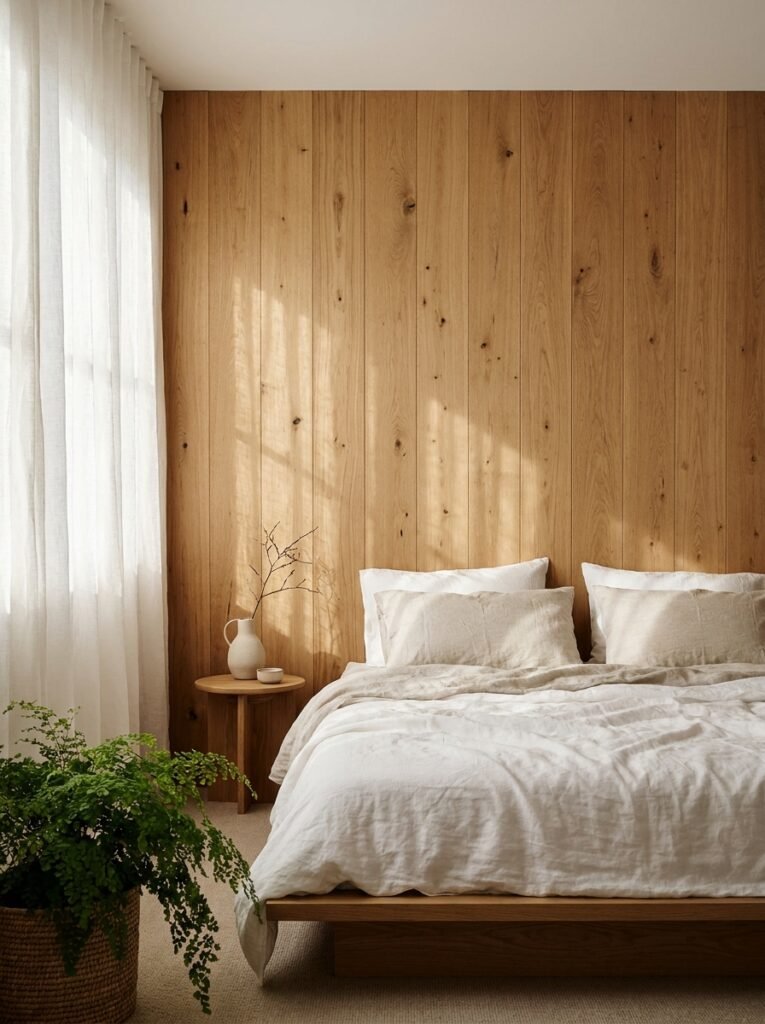
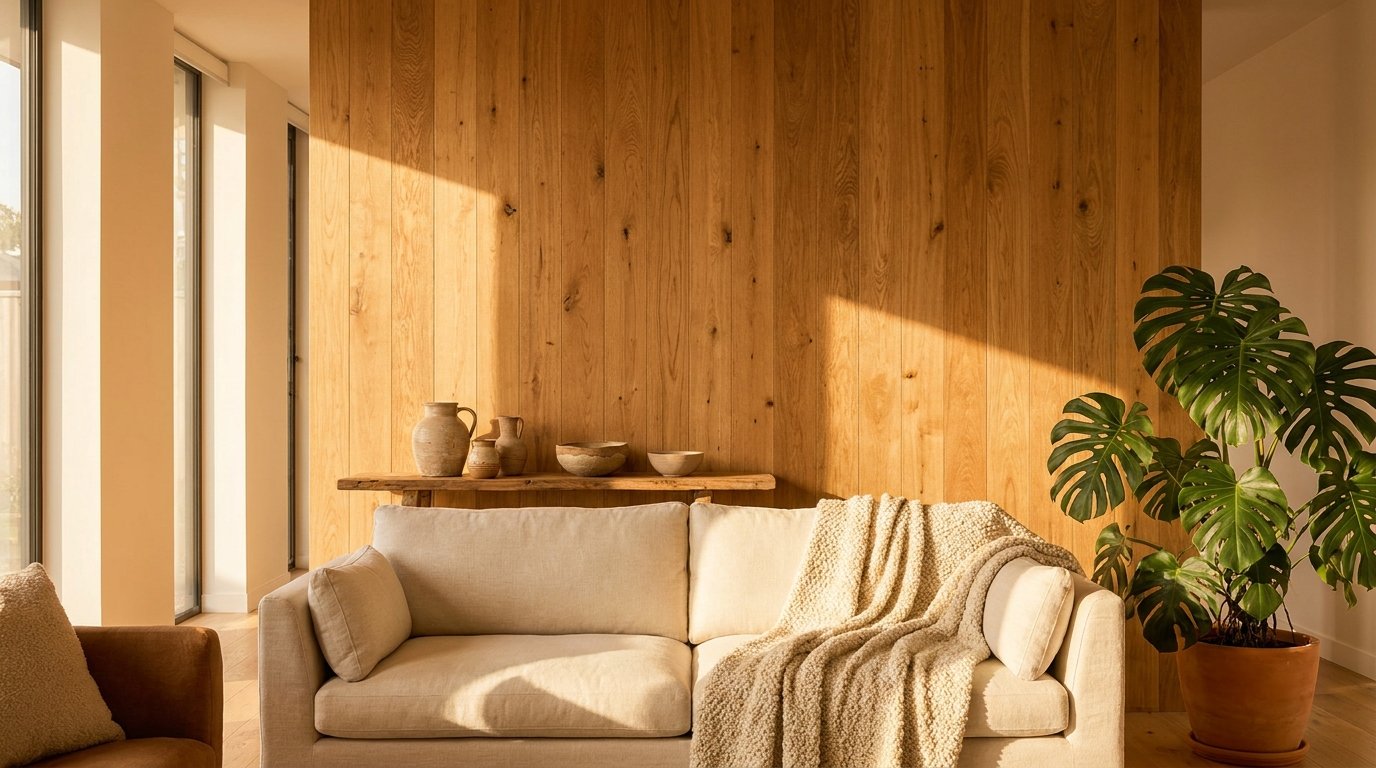
Imagine walking into a bedroom where one entire wall is clad in warm honey-toned timber panels. The morning light catches the grain. The room smells faintly of something natural and grounded. You feel, inexplicably, more at ease. This is the particular magic of wood wall cladding, and it’s almost impossible to replicate with any other material.
Wood brings biological comfort — researchers have actually studied this. The presence of natural wood in indoor environments is associated with reduced stress levels and a sense of calm. So when you choose wooden cladding for your bedroom, living room, or even bathroom, you’re not just making a design decision. You’re investing in your daily emotional experience of that space.
There are several wood cladding options worth knowing. Solid timber planks are beautiful and durable but come at a higher price point. Engineered wood panels offer similar visual warmth at a more accessible cost. Reclaimed wood adds incredible character — every knot and weathered groove carries history. Even high-quality wood-effect PVC cladding has improved dramatically in realism and is a brilliant budget-conscious option for bathrooms or high-moisture areas.
4. Stone and Brick Cladding — When Your Wall Needs to Make a Statement
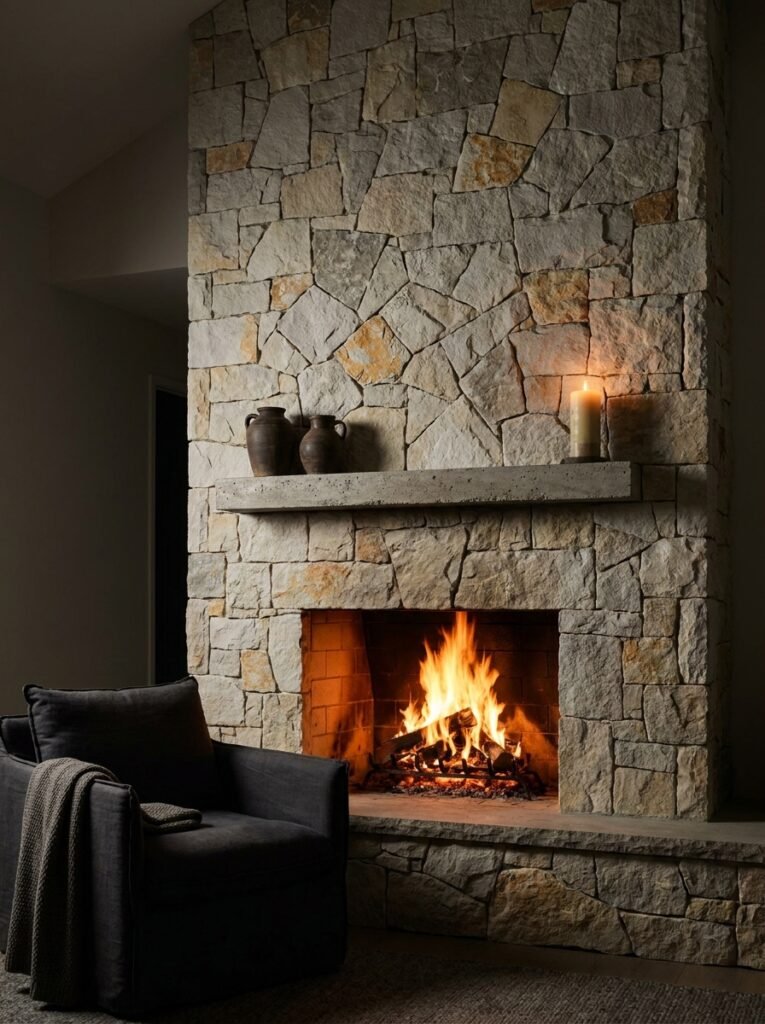
There are rooms that whisper and rooms that speak. If your living room has been whispering for years and you’re ready for it to say something bold, stone or brick wall cladding is your answer.
Stone veneer cladding — thin slices of natural or manufactured stone adhered to a wall surface — can turn a plain chimney breast into a focal point that rivals anything you’d find in an architectural magazine. Brick slip cladding, similarly, takes the rugged, storied look of an exposed brick wall and makes it achievable without the structural overhaul. Both materials are heavier in visual weight, so they work best when used with restraint: a single feature wall, a fireplace surround, or a kitchen splashback rather than all four walls of a room.
The palette these materials offer is stunning — from pale limestone and cool grey slate to warm terracotta brick and deep charcoal lava stone. They suit industrial loft aesthetics, rustic countryside interiors, and modern minimalist spaces equally well, depending on how you style around them.
5. Shiplap and Tongue-and-Groove — The Classics That Never Get Old
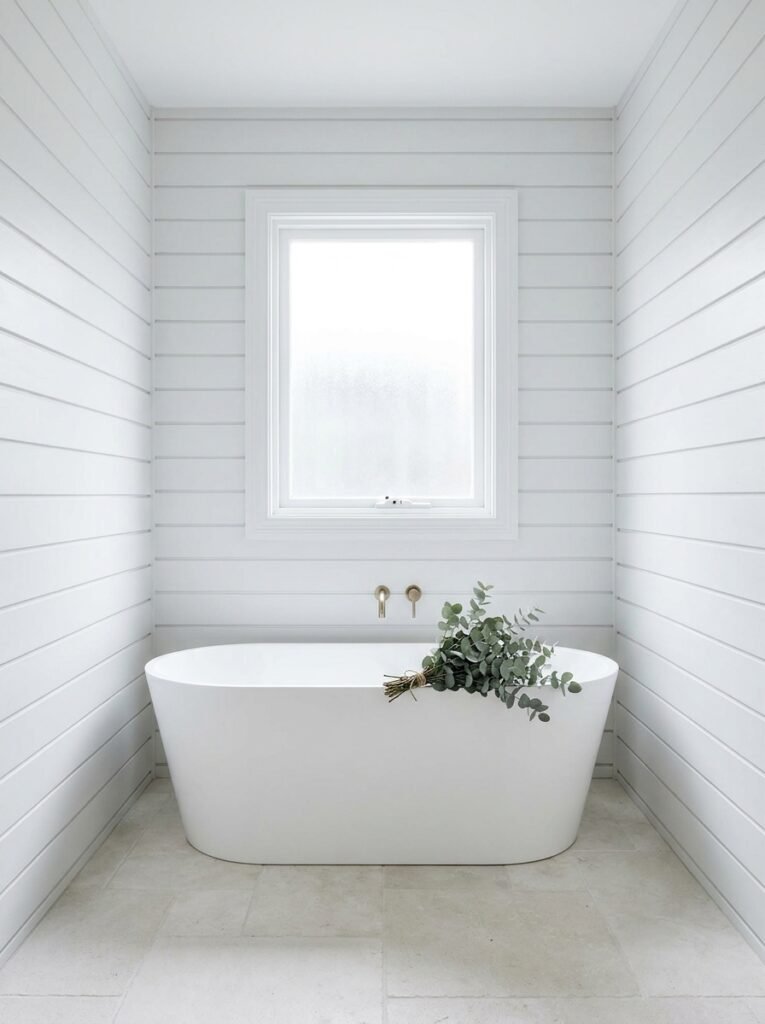
If interior design had a comfort food, shiplap would be it. There’s something deeply satisfying about those clean horizontal lines — the rhythm they create across a wall, the way they draw the eye outward and make a room feel wider, the way they layer shadow and light at different times of day.
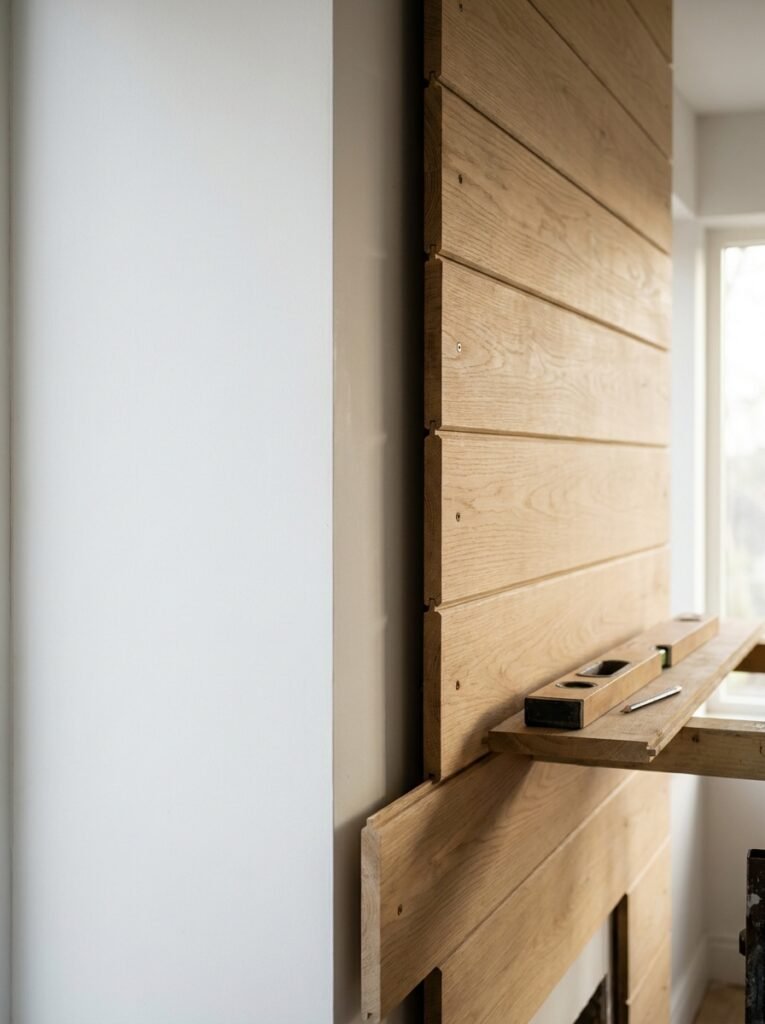
Shiplap cladding consists of boards with a rabbet (or notch) cut along the edge so each plank slightly overlaps the one below, creating a subtle shadow gap. Tongue-and-groove boarding fits together seamlessly, producing a smoother, more refined finish. Both have roots in traditional architecture — originally used on exterior barn walls and ship interiors — which is exactly why they carry that quiet sense of solidity and heritage.
“The rooms that feel most like home are the ones where every surface has been chosen with care.”
Painted white or cream, shiplap brings light and airiness — perfect for bathrooms, hallways, and coastal-style living rooms. Left natural or stained in a warm wood tone, it reads as rustic and cozy. Painted in a deep navy, forest green, or charcoal, it becomes surprisingly dramatic and contemporary. The same material, endlessly adaptable.
6. 3D Textured Wall Panels — The Architectural Upgrade You Didn’t Know You Needed
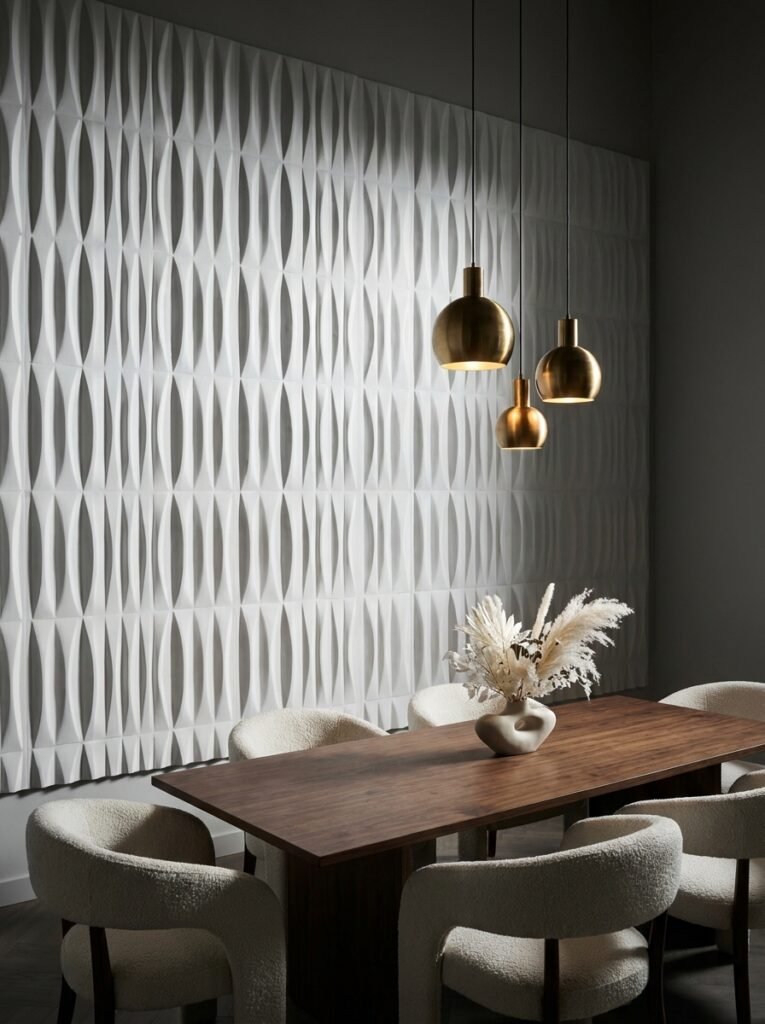
If you’ve scrolled Pinterest recently, you’ve seen them — those extraordinary walls that look almost like they’ve been sculpted, with geometric patterns casting intricate shadows as the light moves throughout the day. These are 3D textured wall panels, and they’ve quietly become one of the most exciting developments in accessible interior design.
Available in materials ranging from MDF and gypsum to natural fiber and even recycled materials, 3D panels can be installed by a confident DIYer over a weekend. The visual impact, however, looks like the work of a professional architect. Wave patterns, hexagonal grids, chevrons, organic rippling forms — there’s a texture for every aesthetic, from the deeply contemporary to the softly organic.
They work particularly well in dining rooms and living rooms where the play of light from pendant lamps or candles creates ever-changing shadow play across the surface. In a home office, a feature wall of 3D paneling signals seriousness and intention — the kind of backdrop that elevates every video call without trying too hard.
7. Concrete and Industrial Cladding — For Homes That Aren’t Afraid to Be Different
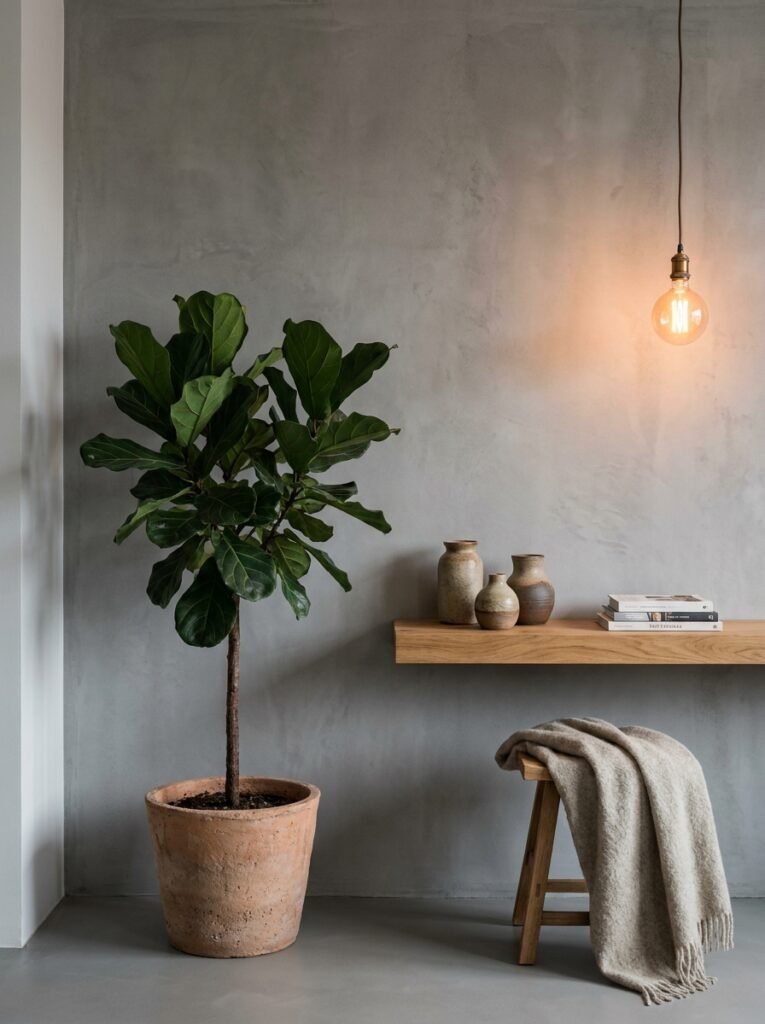
Concrete wall cladding isn’t for everyone — and that’s precisely what makes it so compelling for the people it is for. There’s a particular kind of homeowner who is drawn to the raw, unfinished beauty of poured concrete: the person who finds beauty in honesty, who likes their materials to look exactly like what they are.
Micro-cement and concrete-effect panels have made this look dramatically more accessible. Instead of pouring actual concrete — an expensive, structural undertaking — you can apply a micro-cement coating over an existing wall to achieve that cool, seamless, matte grey finish that looks equally at home in a Barcelona apartment and a converted London warehouse.
Pair concrete cladding with warm wood accents, lush indoor plants, and soft textiles, and something unexpected happens: the coldness softens, and the room becomes a study in beautiful contrast. The plant next to the concrete wall doesn’t just look decorative — it looks necessary, like light in a shadow.
8. Fabric and Upholstered Wall Panels — The Secret to a Quieter, Softer Room
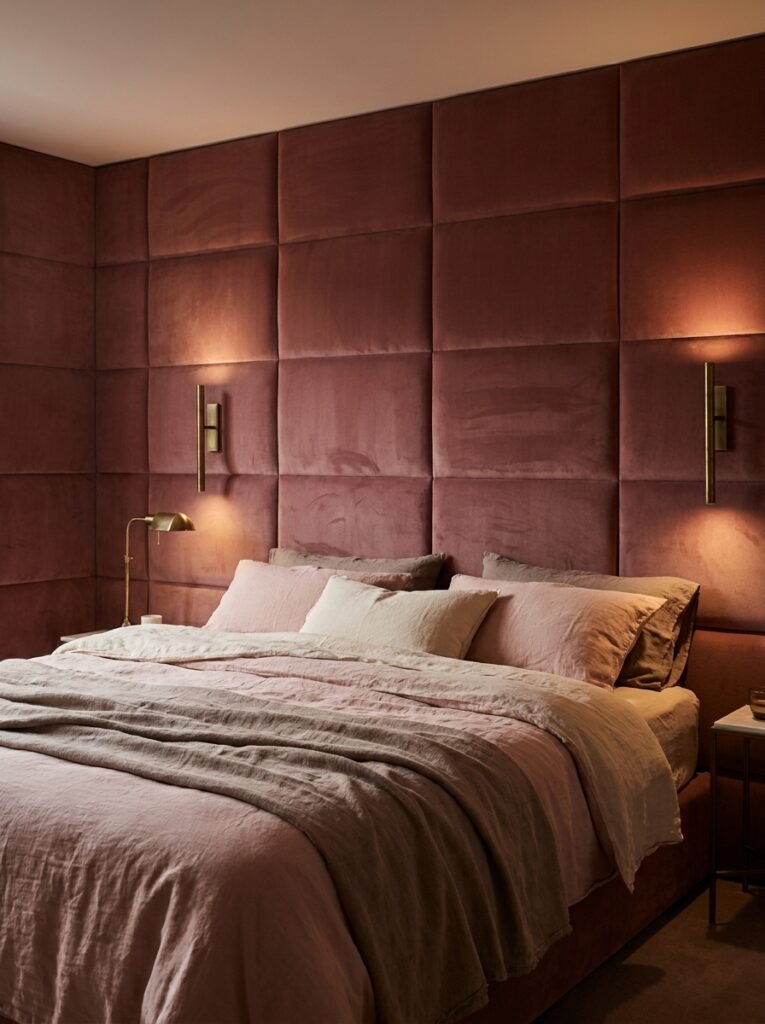
Here’s something most decorating articles don’t tell you: fabric wall panels aren’t just beautiful — they’re functional in ways that will improve your daily life. Upholstered panels absorb sound, which means a bedroom with fabric-clad walls is measurably quieter and more peaceful. They also add insulation, making rooms feel warmer in winter without turning up the thermostat.
Aesthetically, fabric wall panels bring a level of softness and luxury that’s hard to achieve with any other material. Velvet panels in dusty rose or deep emerald create bedroom spaces that feel genuinely indulgent. Linen or bouclé panels in neutral tones suit living rooms and reading nooks where you want the atmosphere to be quiet and contemplative. In a home cinema or music room, acoustic fabric panels are both the practical and the beautiful choice simultaneously — which is always the best kind of decision.
9. PVC Wall Cladding — The Practical Choice That’s Better Looking Than You’d Expect
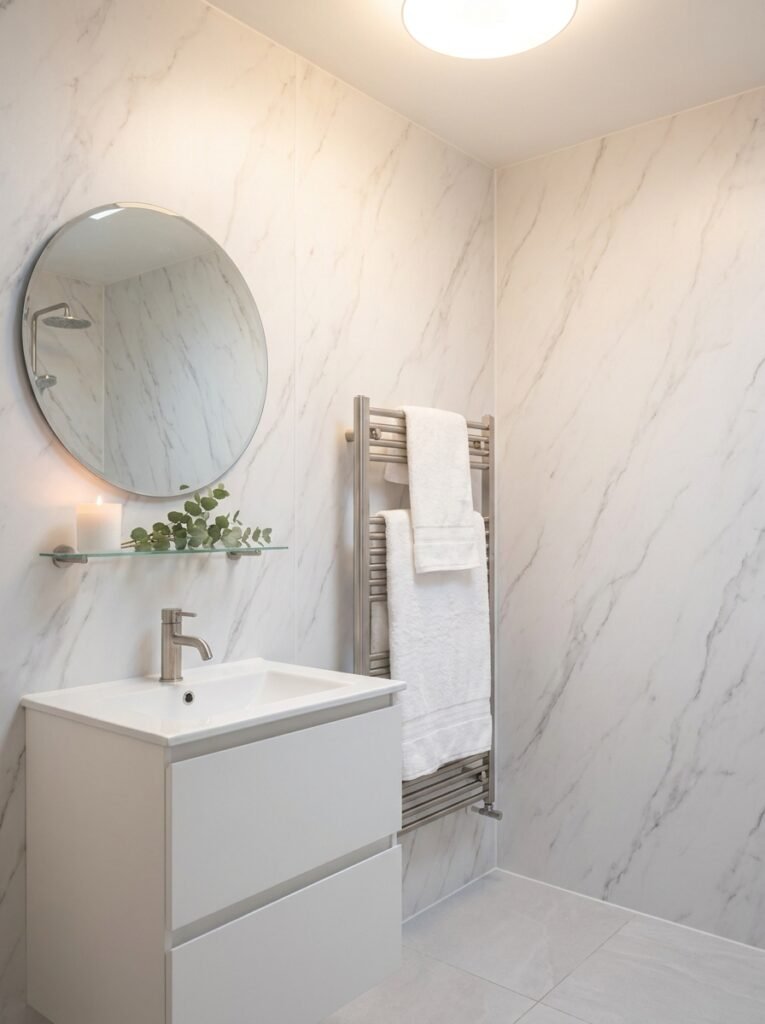
PVC wall cladding has a reputation problem, largely because the earliest iterations looked unmistakably synthetic. But modern PVC cladding — particularly the higher-end varieties — has advanced enormously, and it deserves a serious second look, especially for bathrooms, kitchens, utility rooms, and any space where moisture is a factor.
The genuine advantages of PVC cladding are considerable. It’s waterproof, easy to clean, lightweight, and can be installed quickly without grout lines (which means no grout to discolor or mold over time). Contemporary designs convincingly replicate marble, slate, wood grain, and even textile textures. For a rental property, a family bathroom that needs to work hard, or a budget-conscious renovation, PVC cladding is one of the most intelligent choices available.
“The smartest design decisions are the ones that make your home both beautiful and genuinely liveable.”
The key is to pair it with quality fixtures and thoughtful lighting so the overall room reads as intentional rather than merely practical.
10. How Cladding Changes the Light in a Room (And Why That Matters More Than You Think)
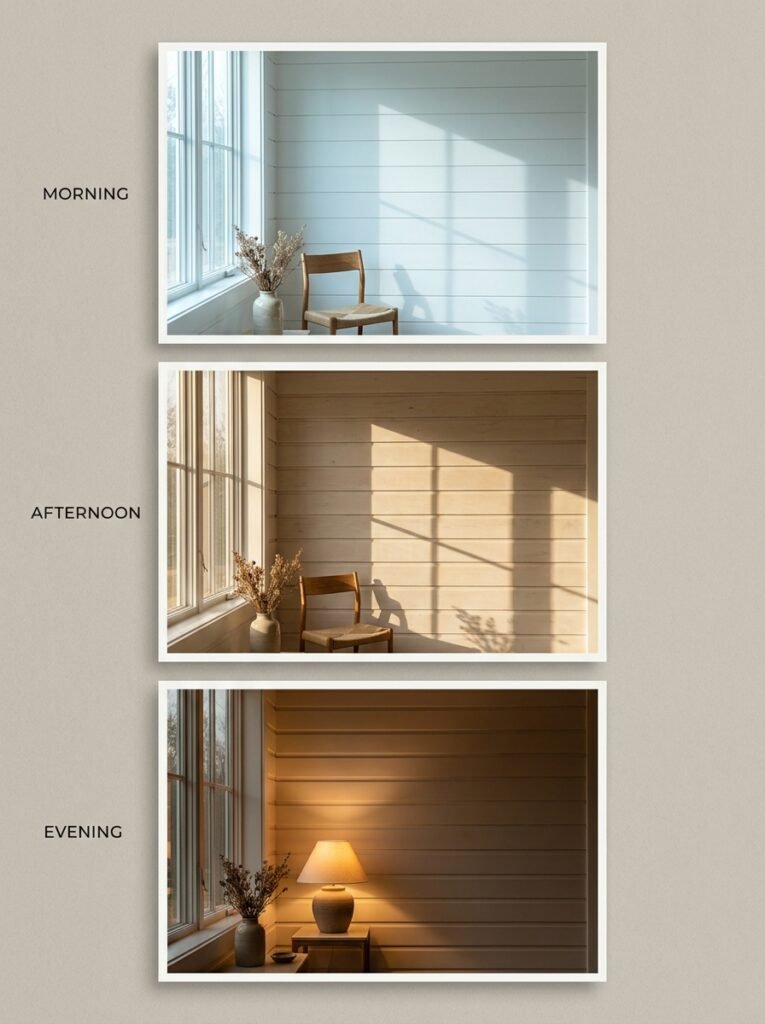
Most people think about wall cladding purely in terms of color and material. Far fewer consider its relationship with light — and this is one of the most important conversations in interior design.
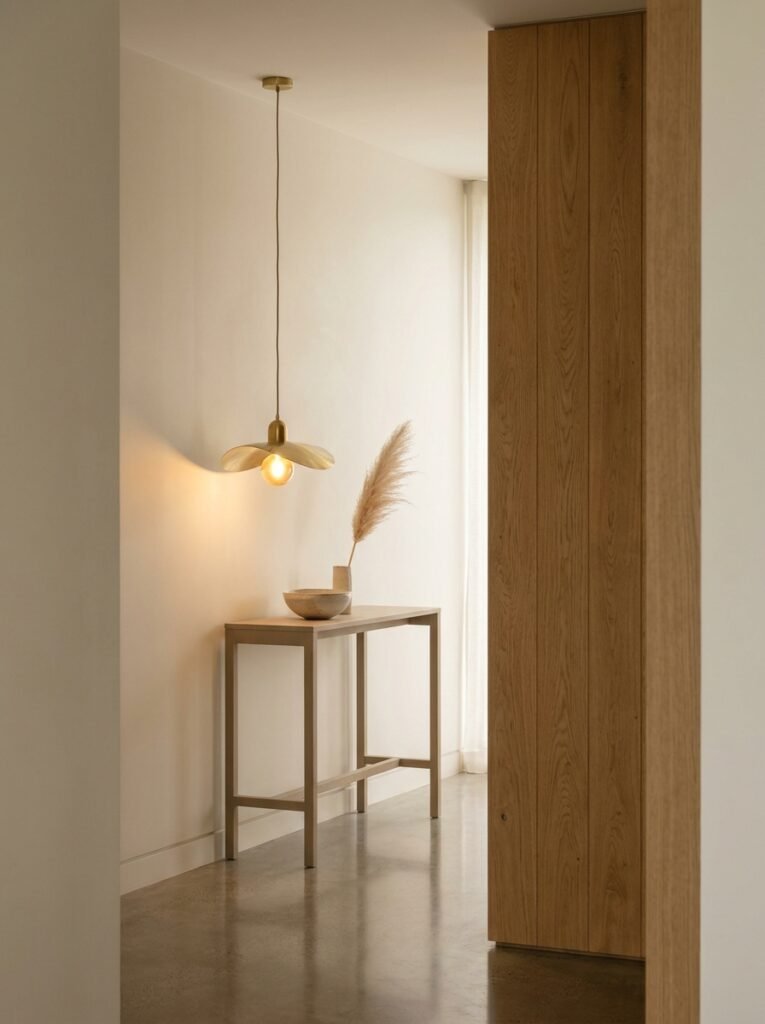
Matte, textured surfaces absorb light and create a sense of depth and coziness, making them ideal for rooms where you want warmth and intimacy. Smooth, glossy surfaces reflect light and brighten a room — useful in north-facing rooms or spaces without much natural light. Horizontal cladding like shiplap draws the eye sideways, making a room feel wider. Vertical cladding — tall timber panels or floor-to-ceiling stone — pulls the eye upward, creating the illusion of greater height.
Before you commit to a material, observe how light moves through your room at different times of day. Morning light is different from afternoon light, which is different again from evening lamplight. The cladding that looks perfect in a showroom under controlled lighting might behave entirely differently in your north-facing dining room on a grey November afternoon. Sample panels are not optional — they are essential.
11. Budget-Friendly Wall Cladding Ideas That Look Expensive
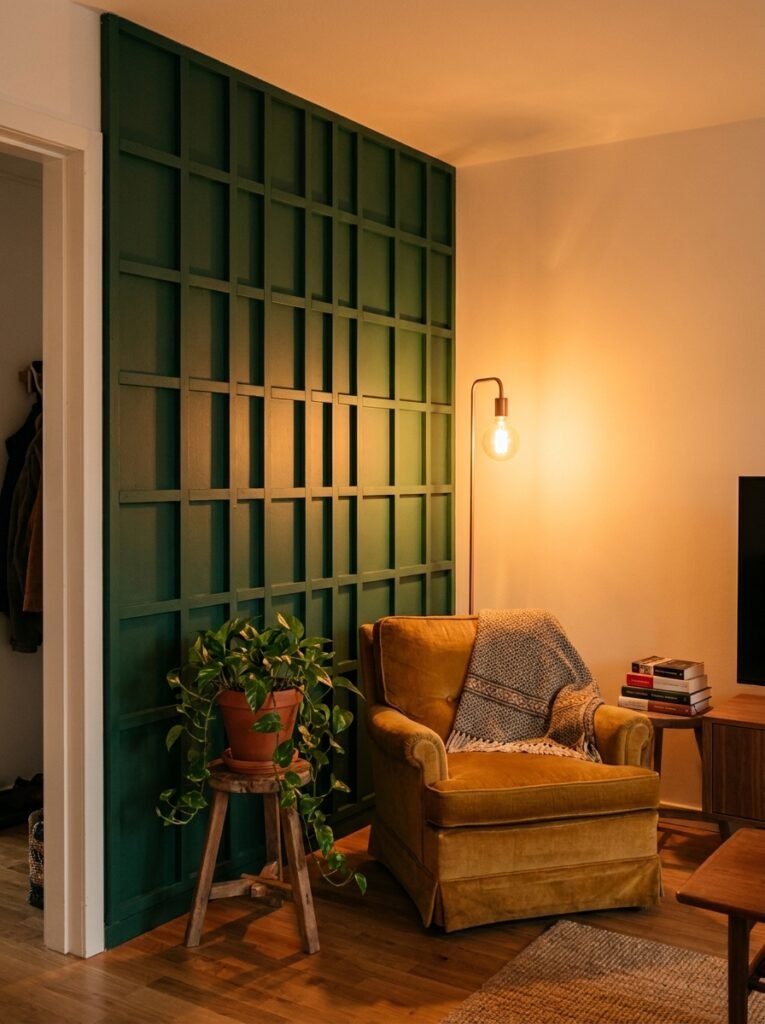
The assumption that beautiful wall cladding requires a significant budget is one worth challenging directly. Some of the most striking cladded rooms I’ve encountered were achieved on budgets that would surprise you — through clever material choices, DIY installation, and strategic placement.
Peel-and-stick wood panels have genuinely improved in quality and are a revelation for renters. Affordable MDF tongue-and-groove kits from home improvement stores, painted in a deep or unexpected color, look far more expensive than they are. Brick slip tiles — particularly second-hand or reclaimed ones — cost a fraction of natural stone and often have more character. Even standard timber battens arranged in a grid or geometric pattern on a painted wall creates a high-end architectural feature for very little material cost.
The rule is this: spend your budget on the one wall that matters most. One beautifully clad feature wall beats four mediocre ones every time.
12. Mixing Cladding Materials — The Advanced Move That Interior Designers Love
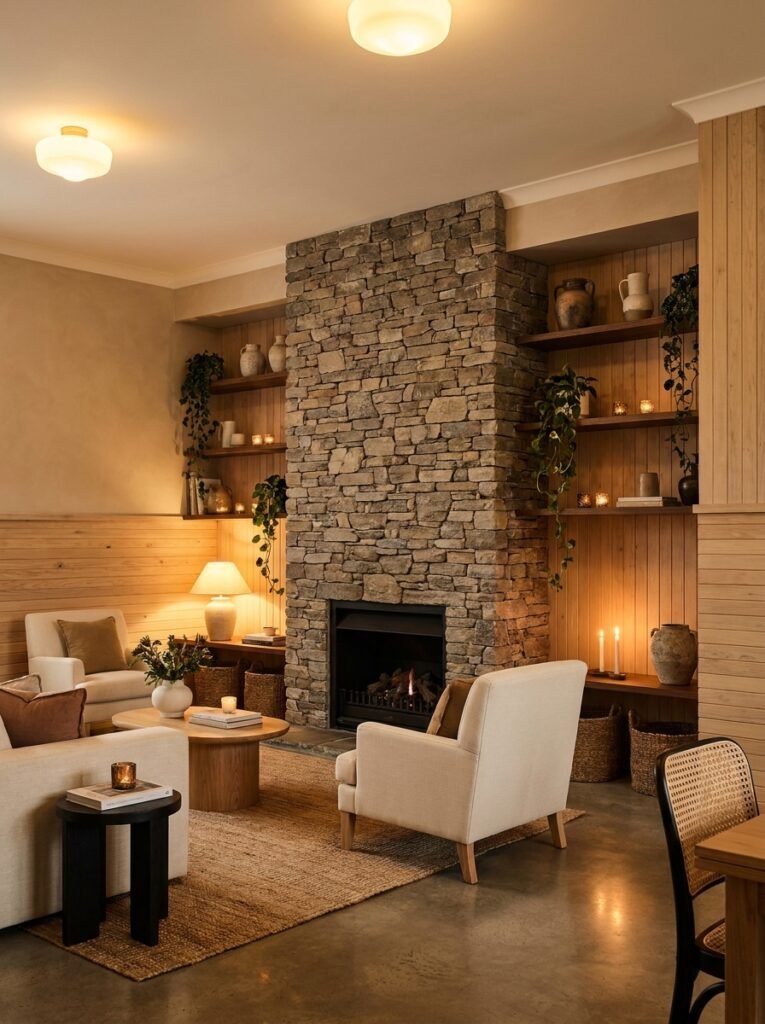
Once you’re comfortable with the idea of wall cladding, there’s a more nuanced conversation to have: mixing materials. The most beautifully designed interiors rarely use a single surface material throughout. They layer — a timber-clad lower half of a wall with smooth plaster above, a stone fireplace breast against shiplap side walls, concrete panels behind open shelving lined with warm wood.
The secret to mixing materials successfully is finding a common thread — whether that’s color temperature (keeping all materials in the same warm or cool family), finish (all matte, or all natural), or tone (all light, or all dark). Without a unifying thread, mixed materials read as chaotic. With one, they read as curated and sophisticated.
—
🌿 How to Take Care of Interior Wall Cladding
Wall cladding is remarkably low-maintenance compared to standard painted walls, but each material has its own care preferences.
For wood cladding: Dust regularly with a soft, dry cloth. In humid rooms like bathrooms, ensure adequate ventilation to prevent moisture damage. Treat natural wood annually with a suitable oil or wax to maintain its richness and protect against drying out. Avoid harsh chemical cleaners that strip the natural finish.
For stone and brick cladding: Wipe with a slightly damp cloth and a pH-neutral cleaner. Avoid acidic cleaners, which can etch and discolor natural stone. If your stone cladding is in a kitchen splashback position, applying a stone sealer every couple of years will make cleaning considerably easier and protect against grease penetration.
For PVC cladding: This is genuinely the easiest to maintain — a wipe with warm soapy water is almost always sufficient. Avoid abrasive scrubbing pads that might scratch the surface and dull the finish over time.
For fabric panels: Vacuum gently with an upholstery attachment every few weeks to prevent dust accumulation. Spot-clean with a fabric-appropriate cleaner if needed, and always test on an inconspicuous area first.
For 3D textured panels: Use a soft brush to remove dust from crevices — this is the one type of wall cladding that actually benefits from a small, soft-bristled paintbrush as a cleaning tool. Avoid letting moisture sit in the grooves of MDF panels, as prolonged damp exposure can cause swelling.
—
❓ FAQ
Q: Is interior wall cladding suitable for rental properties? A: Absolutely — in fact, it’s one of the most popular upgrades in rental properties. Peel-and-stick options and panel systems that don’t require permanent adhesive are perfect for renters who want to transform their space without losing their deposit. Always check your tenancy agreement first, and opt for removable solutions if in doubt.
Q: Can I install wall cladding myself, or do I need a professional? A: Many cladding types — shiplap kits, peel-and-stick panels, tongue-and-groove boarding, and 3D textured panels — are genuinely achievable for a confident DIYer with basic tools. Heavier materials like natural stone veneer and concrete applications are best left to professionals, both for safety and for the quality of the finish. Always read the manufacturer’s installation guidance thoroughly before beginning.
Q: Will wall cladding make my room feel smaller? A: Not necessarily — it depends entirely on the material and color you choose. Dark, heavily textured cladding can indeed make a small room feel more enclosed, but light-toned wood panels, white-painted shiplap, or pale stone cladding can actually make a room feel more layered and interesting without reducing the perceived space. Strategic placement on one feature wall rather than all four walls is almost always the safest approach in smaller rooms.
—
💭 Final Thought
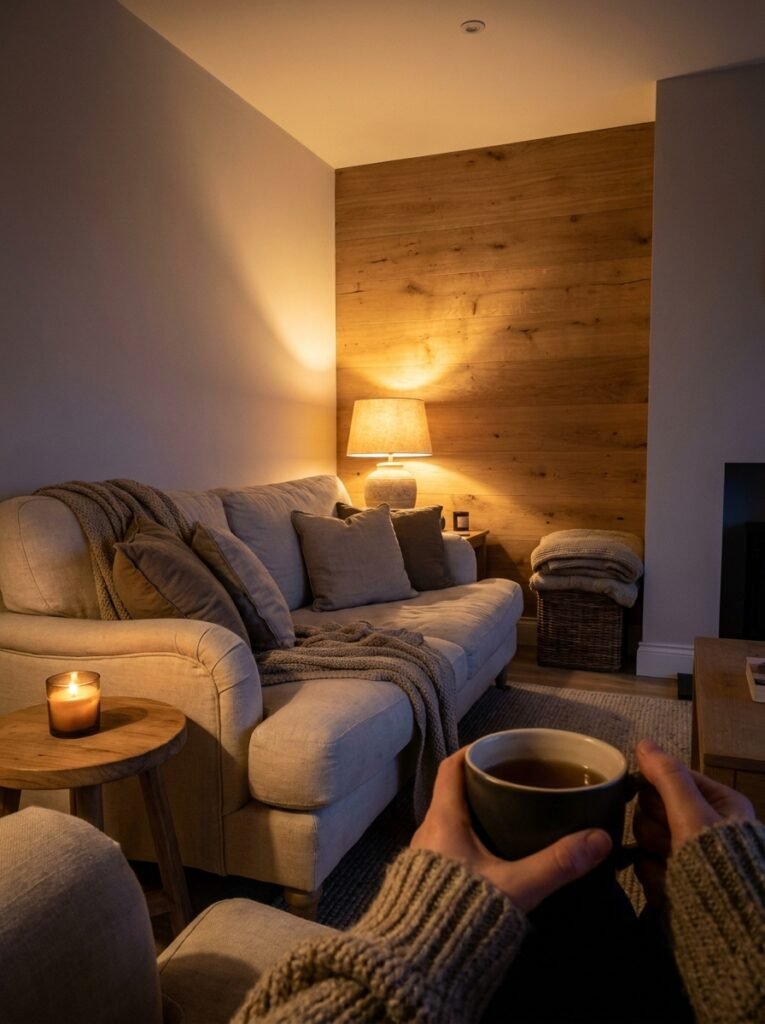
The walls of your home see everything — the Sunday mornings, the late-night conversations, the quiet moments between the loud ones. They deserve to be more than a background. Interior wall cladding is, at its core, an act of intention: a decision to make your home feel deliberate, to layer it with texture and story and warmth. And the beautiful thing is, you don’t need a designer’s budget or a contractor’s schedule to begin. You just need to ask yourself — what do I want to feel when I walk into this room?