
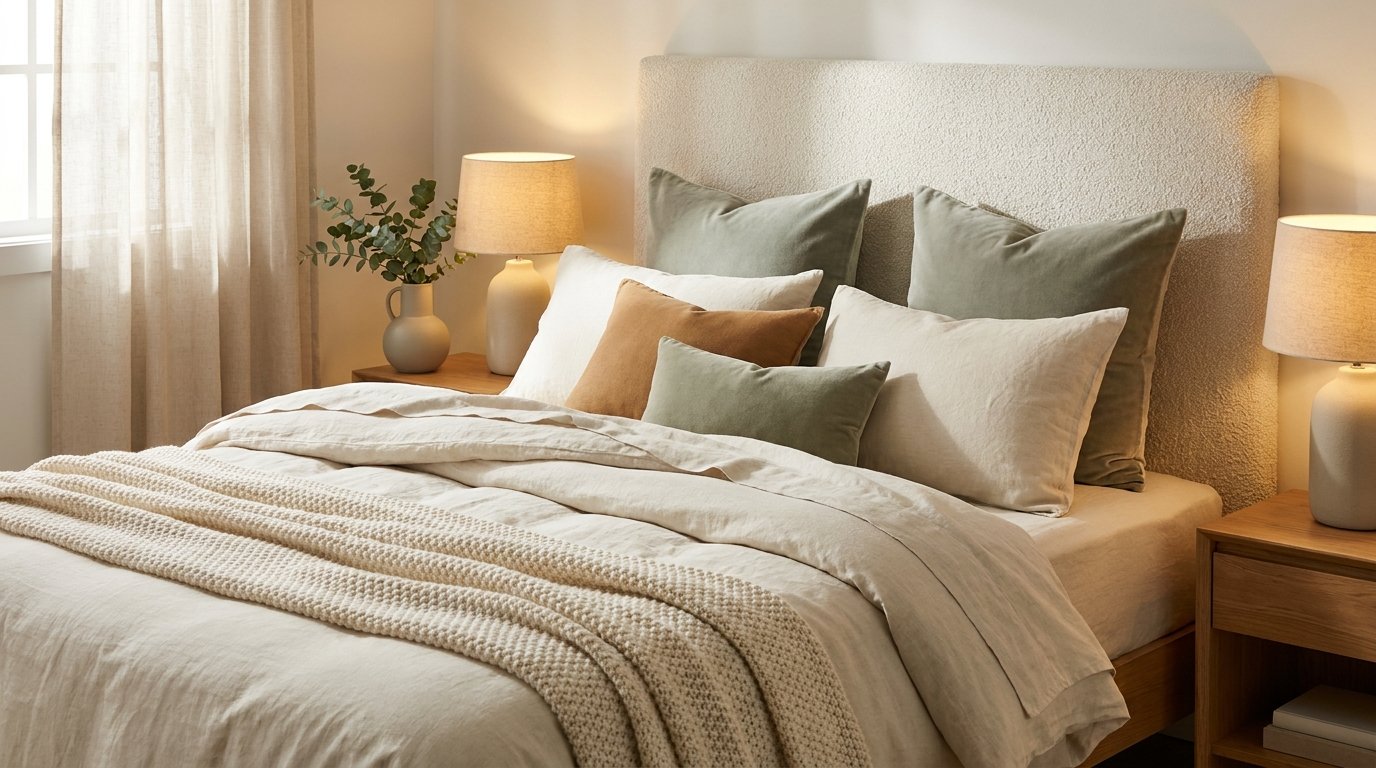
Your Bed Interior Deserves More Than a Mattress and a Prayer — Here’s How to Make It the Most Beautiful Corner of Your Home
There’s a moment, right before you fall asleep, when you glance around your bedroom and either feel a deep exhale of peace — or a quiet ache of wanting something more. Your bed interior is not just where you sleep. It’s where you recover, dream, and begin again every single morning.

—
1. Why Your Bed Interior Is the Most Emotionally Charged Space in Your Home
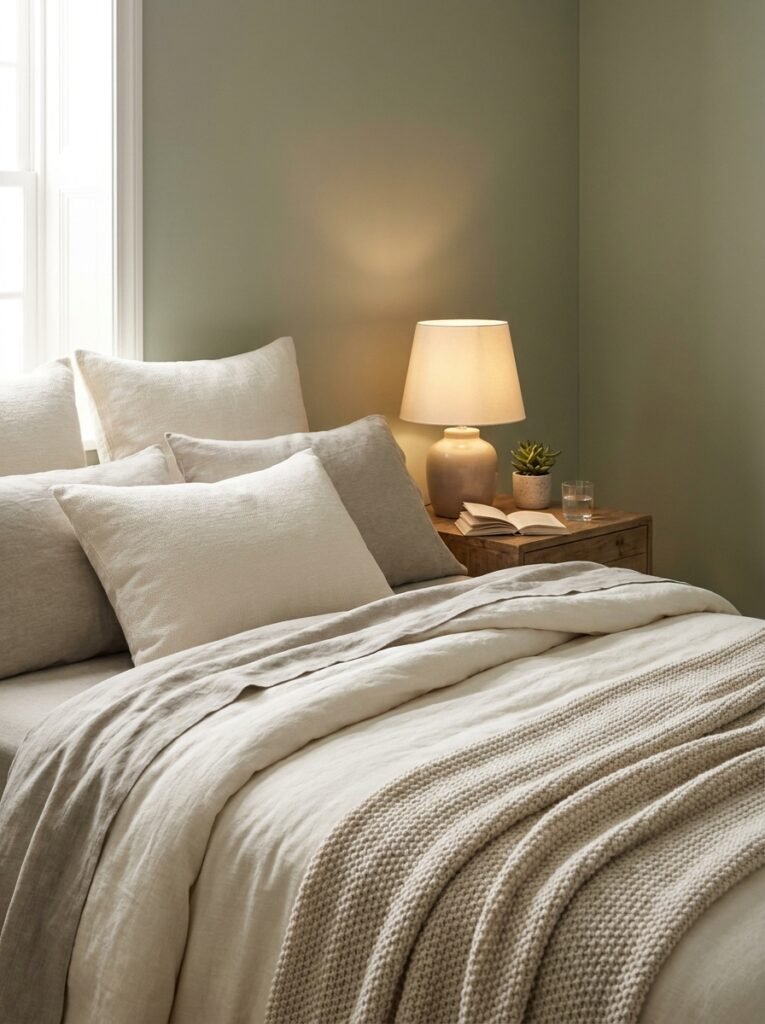
Think about it for a second. You spend roughly a third of your entire life in bed. Not in your living room, not at your dining table — in bed. And yet, so many people treat their bed interior as an afterthought, tossing on whatever sheets came in a clearance pack and calling it a night. But your bedroom, and more specifically your bed itself, is the one space that is entirely, unapologetically yours.
There’s deep psychology behind why a beautifully layered bed feels so profoundly comforting. Researchers in environmental psychology consistently find that our surroundings directly affect our cortisol levels, our mood upon waking, and even the quality of our sleep. A cluttered, aesthetically mismatched bed interior signals disorder to the brain before you’ve even closed your eyes. A thoughtfully curated one does the opposite — it whispers safety, softness, and calm.
This is not about having expensive taste. It’s about being intentional. It’s about deciding that the place where you close your eyes deserves as much care as the meals you cook or the clothes you wear.
“Your bed is the first thing you see in the morning and the last thing you see at night — make it worth looking at.”
—
2. The Art of Layering: Why One Duvet Is Never Enough
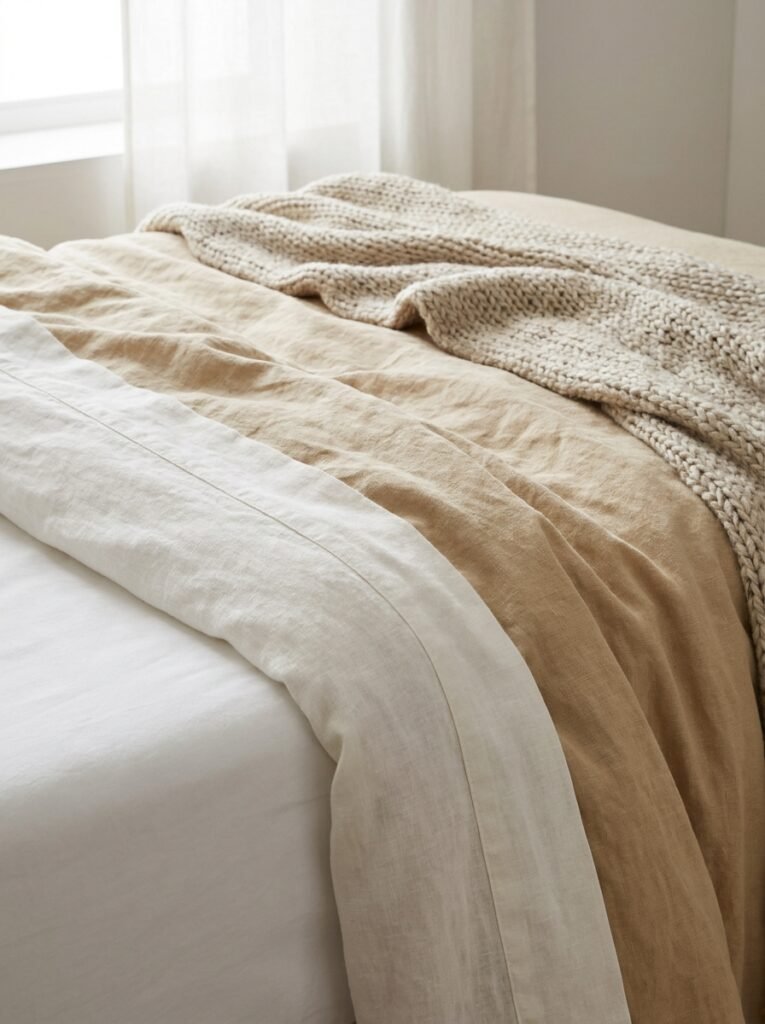
Walk into any beautifully styled bedroom on Pinterest and you’ll notice one thing immediately — the bed looks like it has depth. It has dimension. There are layers — textures stacked on textures, fabrics that seem to invite you in. This is not magic. It’s a method, and it’s one you can absolutely master.
The foundation of layered bed styling starts with your fitted sheet, which should be crisp, breathable, and in a neutral or toned base color. From there, you add a flat sheet — yes, even if you’ve given up on flat sheets, hear this out, because a folded flat sheet draped at the top of your duvet adds that tailored, hotel-quality finish that makes all the difference. Then comes your main duvet or comforter, ideally in a tone that anchors the entire color palette of the room.
The magic, though, happens with the throw. A chunky knit, a linen throw folded at the foot of the bed, or a velvet blanket casually draped to one side — this single addition elevates a plain bed into a styled sanctuary. It adds that lived-in luxury that no amount of expensive furniture can replicate on its own.
—
3. Choosing the Right Pillow Arrangement (Without It Looking Like a Furniture Showroom)
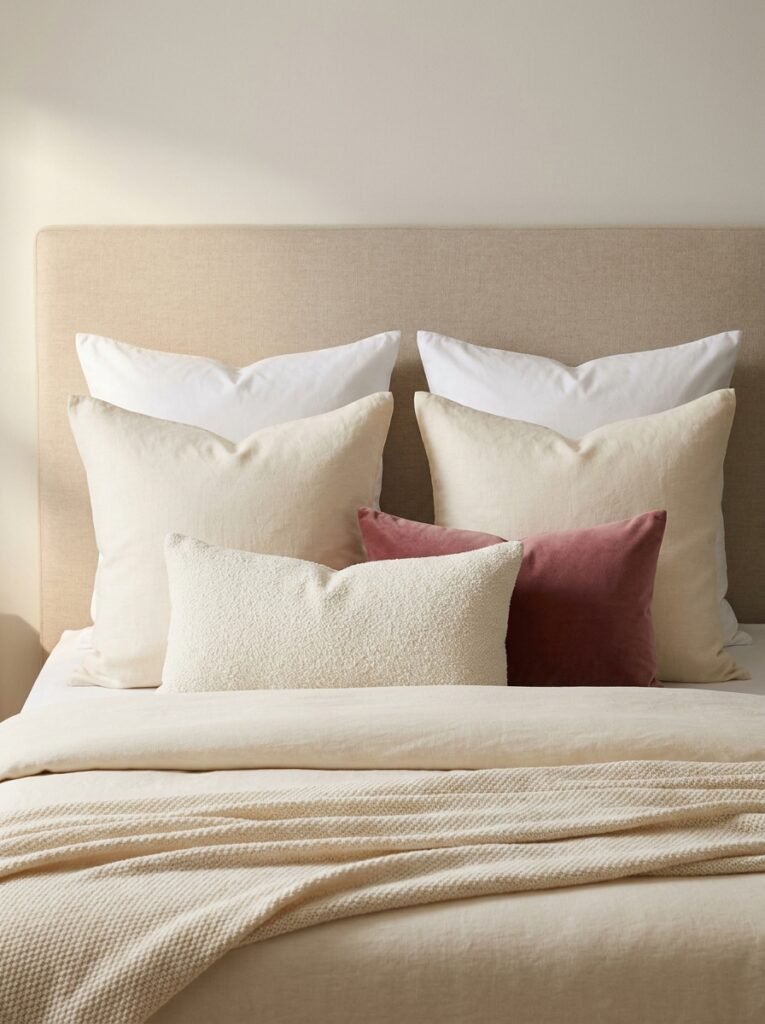
Pillows are where people either over-correct or under-invest, and both extremes pull the look apart. Fourteen decorative pillows stacked to the ceiling? Exhausting. Two flat sleeping pillows with no styling whatsoever? Missed opportunity.
The sweet spot for most bed sizes is what designers call the “layered trio” method. Start with two or four standard sleeping pillows in white or neutral cases — these are your base. In front of those, place two Euro shams, which are the large square pillows that give the arrangement height and structure. Finally, add one or two accent pillows in a contrasting texture or pattern to bring personality forward. An oversized lumbar pillow — that long, rectangular one you’ve seen everywhere lately — works beautifully as the final layer, adding a finishing flourish without tipping into chaos.
Texture contrast is the quiet secret here. Pairing a smooth linen Euro sham with a bouclé accent pillow, or a cotton sleeping pillow with a velvet throw pillow, creates visual interest that photographs beautifully and feels even better in person.
—
4. The Color Palette That Actually Helps You Sleep Better
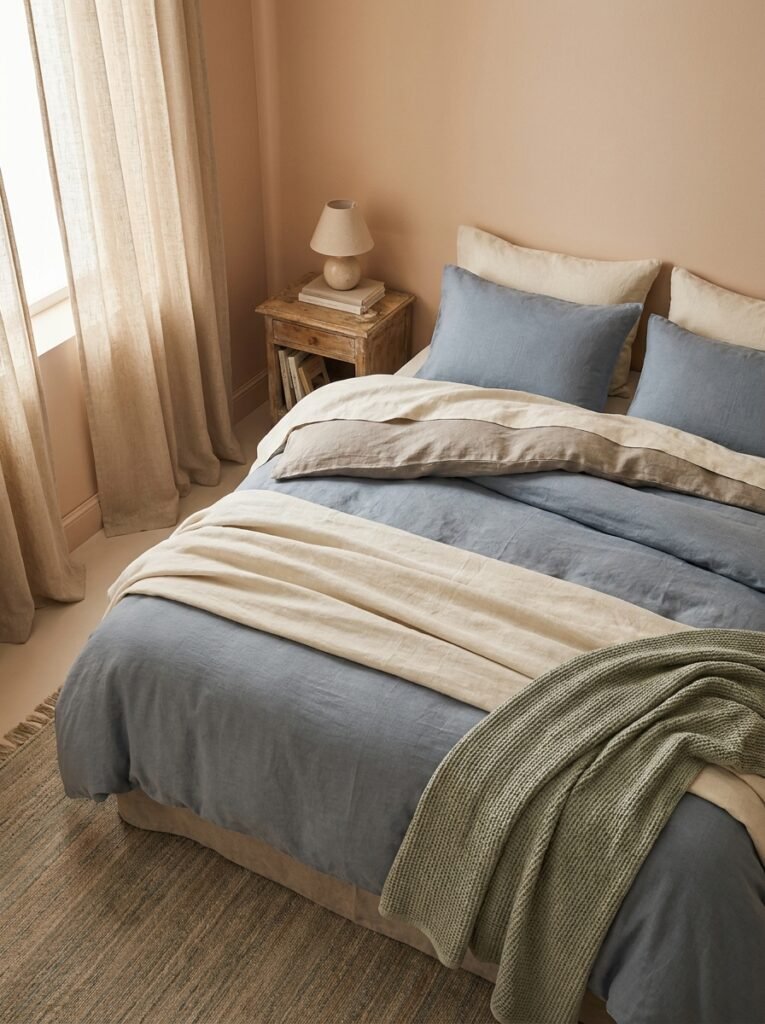
Color is not decorative fluff — it is physiological. The tones surrounding you as you drift off genuinely influence your nervous system, and understanding this changes how you approach your entire bed interior.
Cool, muted tones — soft sage green, dusty blue, warm greige, ivory — are consistently linked to lower heart rates and reduced anxiety. These shades signal the brain to downshift, to slow the scroll of the day’s thoughts. Warm neutrals like linen, caramel, and sand create a cocoon-like feeling of safety that many people find deeply restorative. On the other end, highly saturated or contrasting colors — bright reds, bold blacks, electric yellows — tend to stimulate the brain rather than settle it, which can subtly interfere with wind-down time.
This doesn’t mean your bedroom must be beige and boring. A deep, muted terracotta can be utterly stunning and still calming. A moody, dusty navy creates drama without agitation. The key is saturation — keep it low, keep it considered, and let your textures do the heavy lifting.
—
5. Headboards: The Architectural Anchor Your Bed Desperately Needs
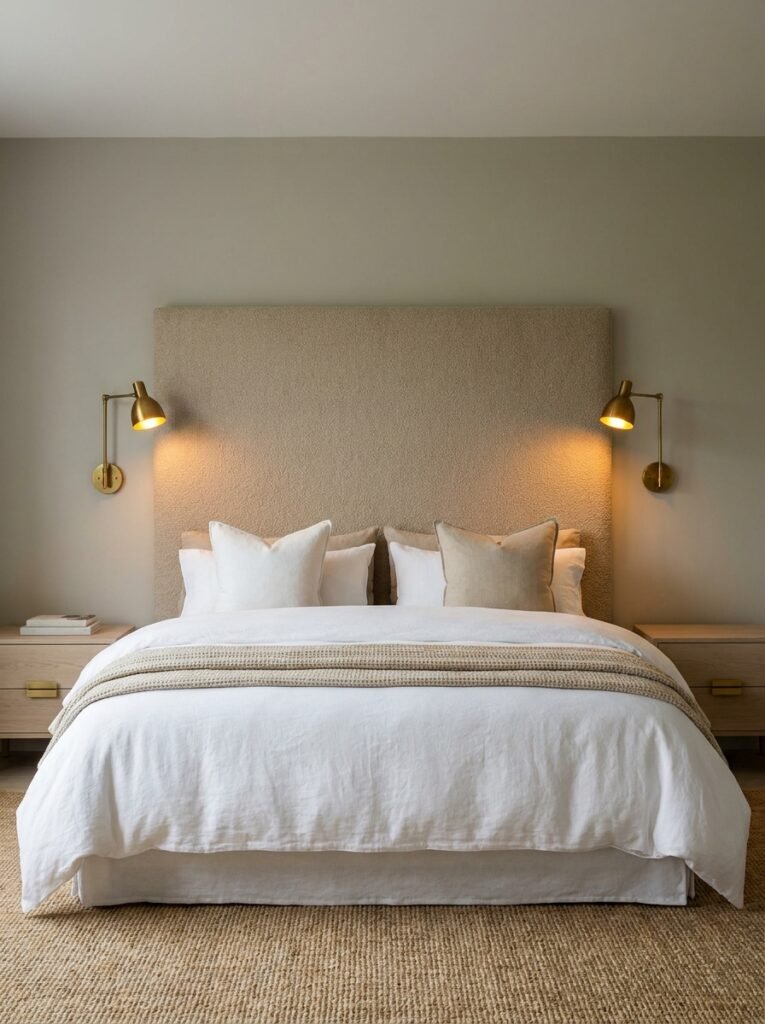
If your bed is currently pushed against a blank wall with no headboard, this one change — above nearly any other — will transform your bed interior instantly and dramatically.
A headboard is not just functional (though it does save your pillows from sliding into the wall at 2am). It is the architectural anchor of the entire room. It gives your bed weight, intention, and visual presence. Without one, even the most beautifully layered bedding can look slightly unfinished — like a perfectly plated meal served without a table.
“A headboard turns a place to sleep into a place to live.”
The options available today span every budget and aesthetic. An upholstered headboard in a neutral linen or soft boucle adds instant warmth and a sense of luxury. A cane or rattan headboard brings natural texture and a breezy, organic quality. A wooden panel headboard can feel grounded and Scandinavian. And for those who rent or rotate styles often, a DIY fabric-wrapped headboard attached directly to the wall costs very little and delivers outsized visual impact.
—
6. Nightstand Styling That Feels Intentional, Not Cluttered
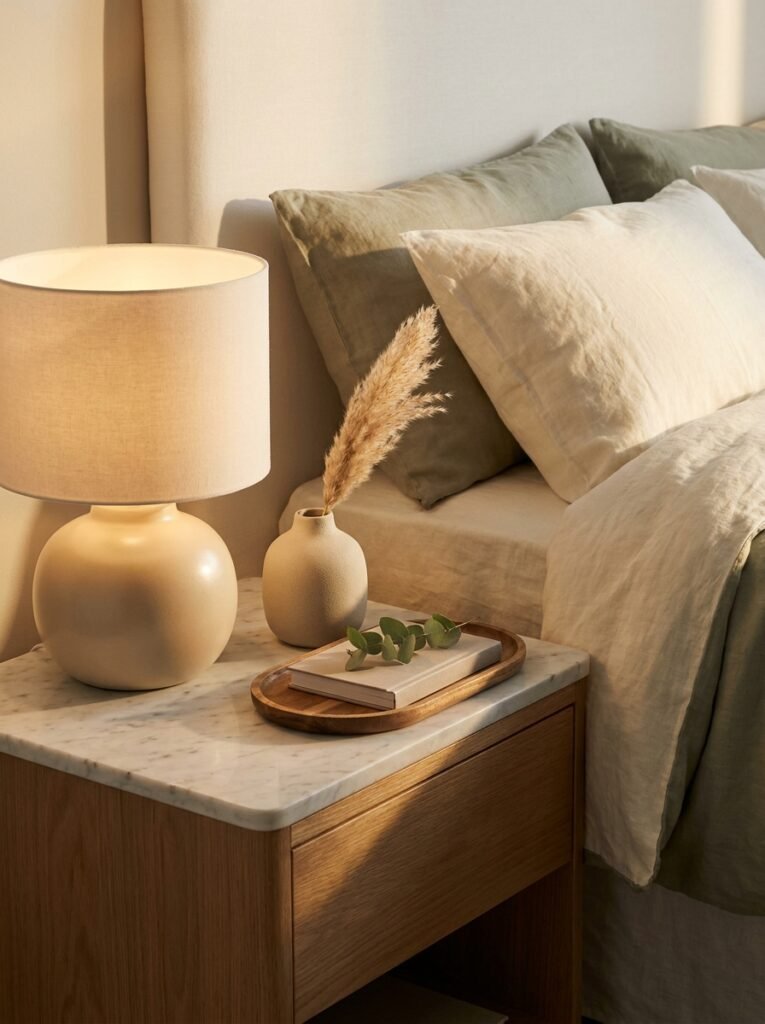
Your nightstand is the supporting cast of your bed interior, and like any good supporting character, it deserves a thoughtful script. The most common mistake is using the nightstand as a landing zone — piling on books, chargers, water glasses, lip balm, and last Tuesday’s receipts until it resembles a very small, very stressed filing cabinet.
Intentional nightstand styling follows a simple rule of three: one functional item, one beautiful item, and one living element. Your functional item might be a lamp, a small tray holding your phone and a lip balm, or a single book you’re actually reading. Your beautiful item could be a small ceramic vase, a sculptural candle, or a meaningful object that brings you joy when you look at it. And your living element — a small plant, a sprig of eucalyptus, a tiny arrangement of dried flowers — brings life and softness to what can otherwise feel like a flat surface.
Symmetry is not required. Some of the most beautiful bedroom interiors feature mismatched nightstands — a vintage wooden crate on one side, a sleek marble-topped table on the other — and the asymmetry feels curated and personal rather than accidental.
—
7. Lighting Around the Bed: The Difference Between a Bedroom and a Sanctuary
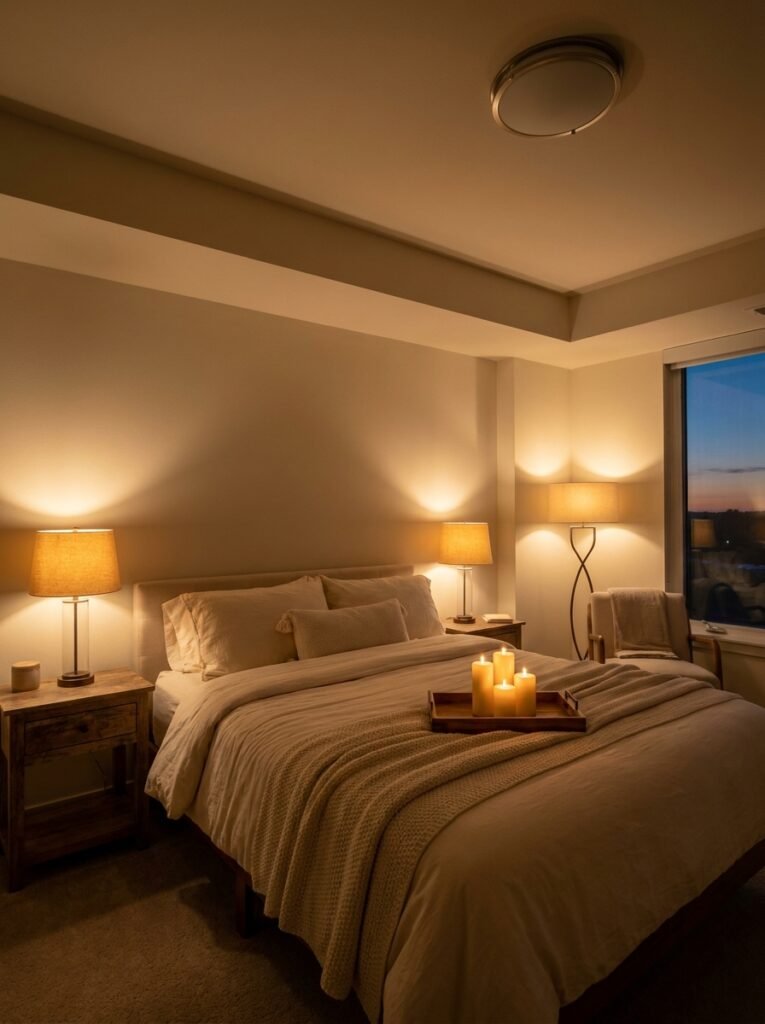
Overhead lighting is the enemy of ambiance in the bedroom. A single bright ceiling fixture flooding the room with flat, harsh light at 9pm is actively working against your ability to relax, wind down, and prepare for sleep. Melatonin production — the hormone that regulates your sleep cycle — is suppressed by bright, cool light. Warm, low lighting is not just atmospheric. It is biological necessity.
Layer your bedroom lighting the same way you layer your bedding. Begin with an overhead fixture on a dimmer, so that you can reduce the intensity as the evening progresses. Add bedside lamps with warm-toned bulbs — something in the 2700K to 3000K range. Consider wall sconces mounted on either side of the headboard if nightstand space is limited, and think about the placement of floor lamps in corners of the room for an additional layer of warm glow.
Candles, used safely, are the final layer — and their flickering, unpredictable light has a genuinely calming effect on the nervous system that no LED can fully replicate.
—
8. Bed Skirts, Box Springs, and the Detail That Designers Never Skip
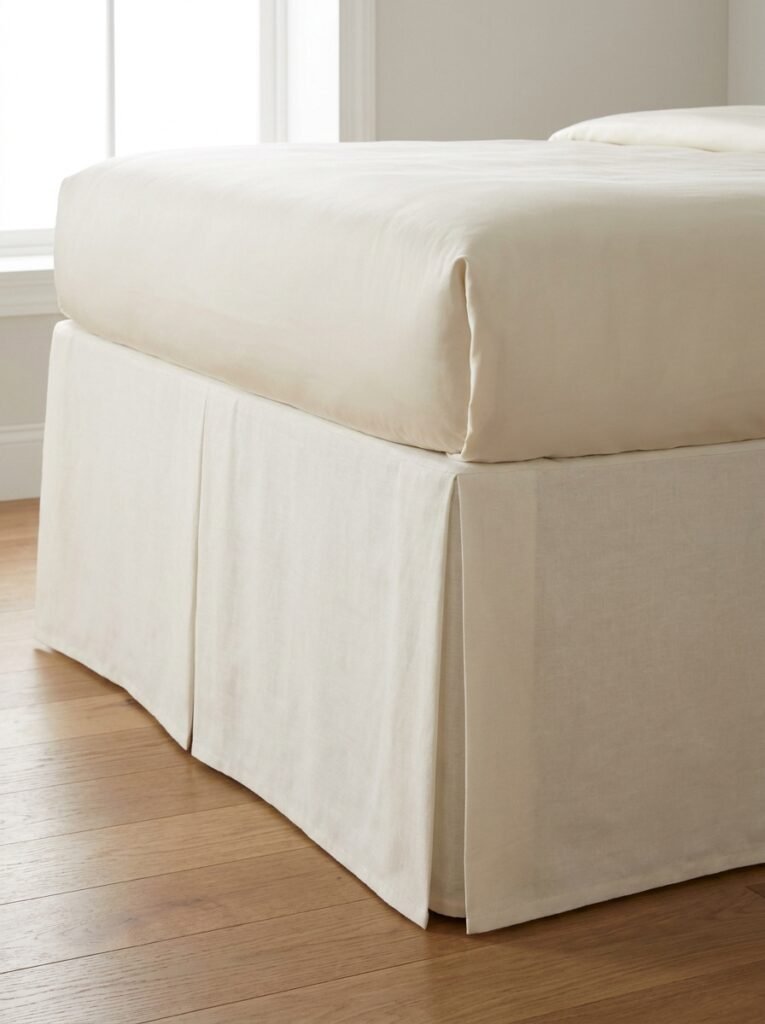
This is the detail that separates a styled bed from a professionally designed bed, and yet it’s one of the most overlooked elements in most bedrooms. The space beneath your bed — and what surrounds the base of your mattress — matters enormously to the finished look.
A bed skirt, or a fitted dust ruffle, conceals the box spring, bed frame, and under-bed storage in one clean, tailored move. Modern bed skirts are nothing like the ruffled, flouncy versions of decades past. Today’s options are crisp, structured, and elegant — a simple linen bed skirt, a tailored white cotton one, or even a faux-fur or velvet skirt for a more maximalist aesthetic. For platform beds without a box spring, a wrap-around bed skirt achieves the same grounding effect.
If a bed skirt feels too formal for your aesthetic, an alternative is to choose a bed frame with a solid base panel, so the under-bed area is naturally concealed.
—
9. The Bedding Fabrics That Actually Change How You Feel
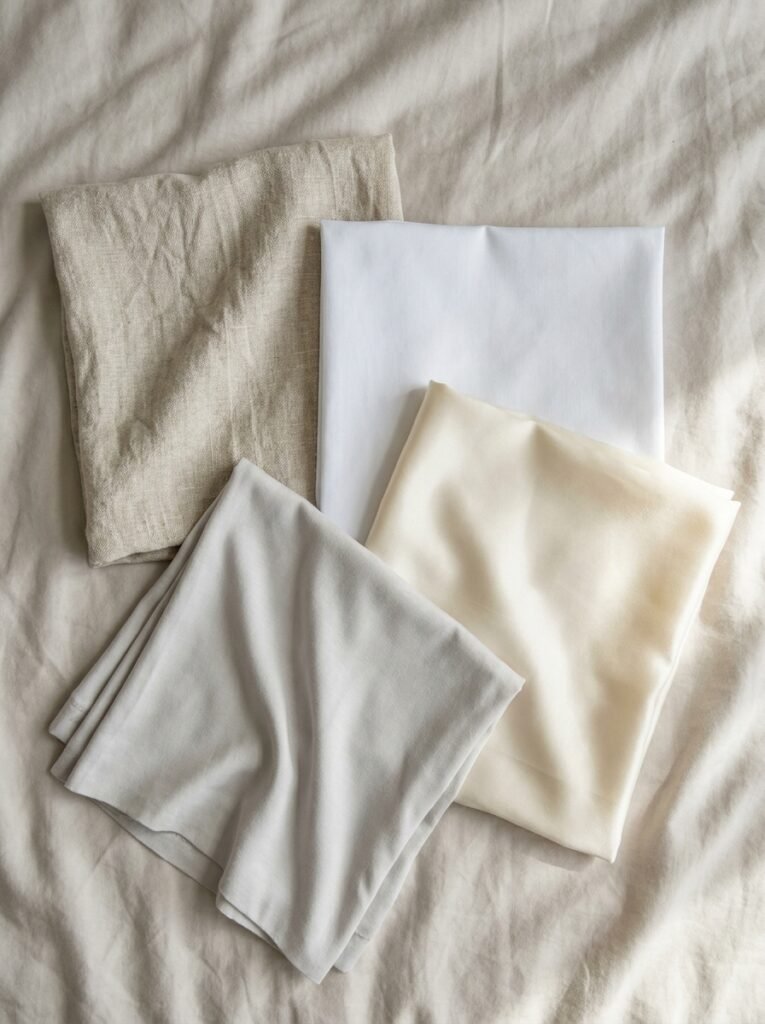
Not all fabrics are created equal, and the materials you sleep against and beneath every night have a direct, tangible impact on your sleep quality, skin, and that ineffable sense of comfort that makes you sigh the moment you slide in.
“Good bedding isn’t a luxury — it’s the most affordable upgrade your sleep will ever get.”
Linen is breathable, temperature-regulating, and gets softer with every single wash. It wrinkles beautifully, which gives it that effortlessly relaxed aesthetic that looks expensive without trying. Cotton percale is crisp, cool, and durable — ideal for people who sleep hot or love that fresh hotel-sheet sensation. Sateen cotton is smooth, slightly lustrous, and weightier, perfect for cooler months or for those who love the feeling of being wrapped in something silky. Bamboo sheets are increasingly popular for their remarkable softness, moisture-wicking properties, and eco-friendly credentials.
Investing in quality bedding — even just the fitted sheet and duvet cover, if budget is a concern — pays dividends in comfort and longevity that far outweigh the initial cost.
—
10. Canopy Beds and Draped Fabrics: The Dreamy Touch That Changes Everything
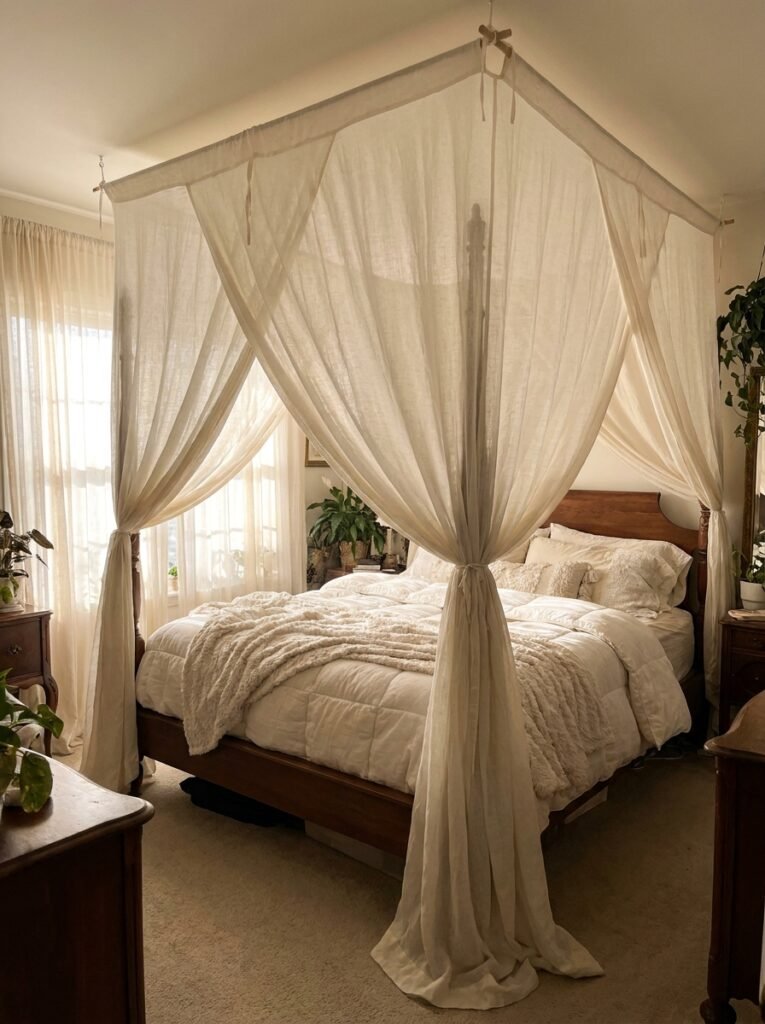
There is something universally romantic and deeply human about a draped, enclosed sleeping space. It goes back centuries — long before Pinterest, people used canopies not just for warmth and privacy, but for the psychological comfort of a defined, protected space within a larger room.
Today’s canopy beds and draped sleeping spaces are wonderfully accessible. A simple four-poster frame with sheer linen panels creates a whisper of enclosure without heaviness. A ceiling-mounted curtain rod with flowing white fabric draped over the headboard area achieves a similar effect in rented spaces where permanent installation isn’t possible. For a more dramatic look, a full canopy of gathered fabric in a deep jewel tone — emerald, sapphire, or burgundy — creates a sleeping nook that feels like the most indulgent room in the entire home.
Even without hardware, a piece of drapery fabric pinned softly above the headboard area and allowed to cascade down either side achieves that same dreamy, cocooning quality for almost no cost at all.
—
11. Small Bedroom, Big Bed Interior: Making Limited Space Feel Lush
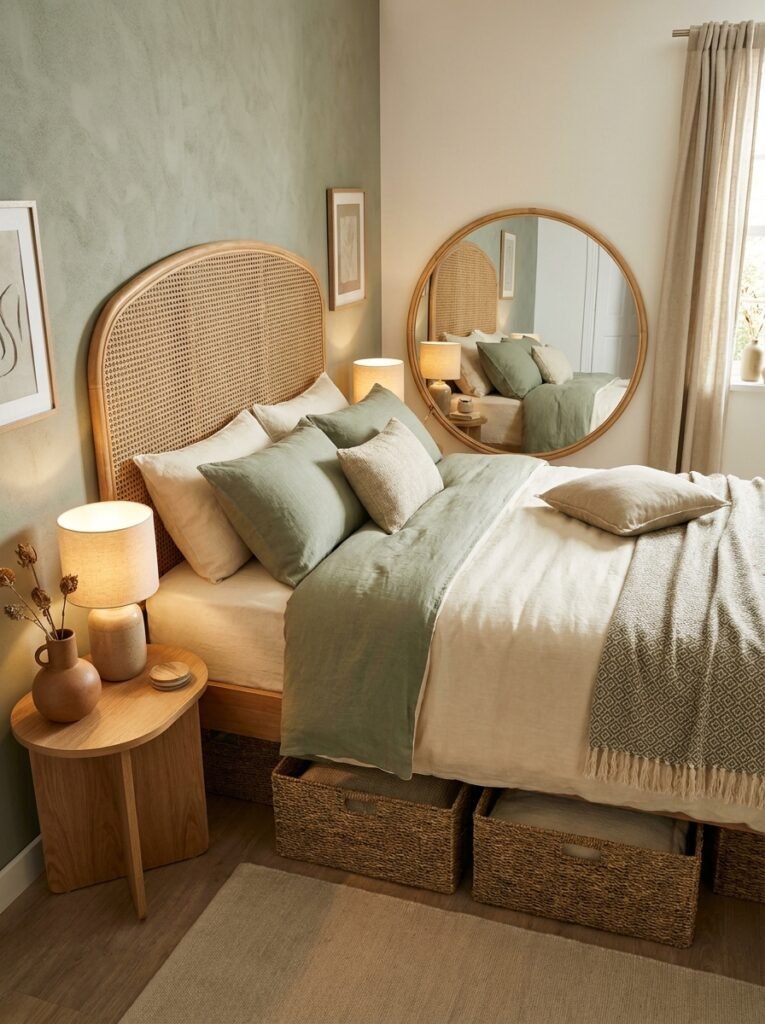
A small bedroom is not a limitation — it’s a creative prompt. Some of the most stunning bed interiors in the world exist in spaces barely larger than the bed itself, and the constraints are precisely what make them feel so intentional, so layered, so perfectly composed.
In a small bedroom, your bed is the undeniable centerpiece, which means it should receive the full benefit of every styling technique discussed here — the layered textiles, the thoughtful lighting, the beautiful headboard. What changes in a small space is the editing. Every object must earn its place. One beautifully chosen nightstand beats two mediocre ones. A single oversized mirror on the wall opposite the bed creates depth and light. Built-in or under-bed storage removes visual clutter from the room while maximizing function.
Color in small bedrooms works best when kept relatively continuous — a wall color that flows into bedding tones, into curtain fabric — so the eye travels smoothly rather than being interrupted by abrupt contrasts.
—
12. The Final Edit: How to Know When Your Bed Interior Is Truly Finished
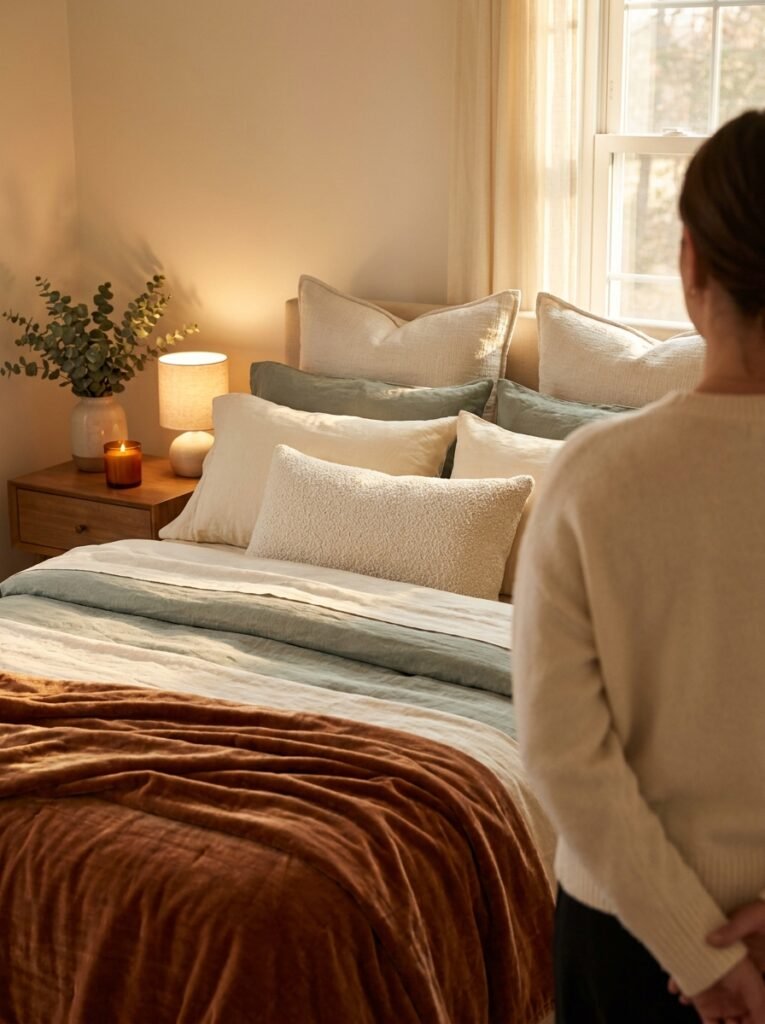
There’s a question worth sitting with when you stand at the foot of your bed and look at what you’ve created: does this feel like me? Not like a catalog image. Not like someone else’s Pinterest board. Like an honest, considered expression of who you are and what makes you feel safe.
A finished bed interior has a quality of rest to it — even before you lie down in it. The layers are thoughtful without being fussy. The colors feel settled. The lighting is warm. The pillows are arranged with intention but not anxiety. There’s a softness to it, a texture, a sense that someone who actually lives here and actually sleeps here made every choice with care.
The most beautifully designed bed interiors are never perfect in a sterile, untouchable way. They are beautiful in the way that a well-loved home is beautiful — imperfect, personal, warm, and completely, unmistakably alive.
—
🌿 How to Take Care of Your Bed Interior
Maintaining a beautiful bed interior doesn’t require hours of effort — it requires small, consistent habits that keep the space feeling as intentional as the day you styled it.
Wash your bedding every one to two weeks in cool or warm water, following the care instructions for your specific fabrics. Linen and cotton should be air-dried when possible to preserve their texture and prevent shrinkage. Rotate your pillows and fluff your duvet after making the bed each morning — those thirty seconds make a remarkable visual difference throughout the day. Rotate your mattress every three to six months to ensure even wear. Store seasonal throw blankets in a beautiful basket at the foot of the bed or in a cedar chest to keep them fresh and to protect natural fibers from moths. Finally, resist the urge to eat meals in bed regularly — crumbs in bedding are not the sensory experience you want, and food smells can linger in fabric longer than you’d expect.
—
❓ FAQ
Q: What is the best bedding material for hot sleepers? A: Linen and bamboo are consistently the top recommendations for people who sleep warm. Both fabrics are highly breathable and moisture-wicking, which means they draw heat and moisture away from the body rather than trapping it. Cotton percale is also an excellent choice — its tight weave gives it a cool, crisp feel that many hot sleepers love.
Q: How many pillows should a double or queen bed have? A: For a queen-sized bed, the most balanced approach is two sleeping pillows, two Euro shams for height and structure, and one to two accent or lumbar pillows at the front. This creates a layered, styled look without overwhelming the bed or making it impractical to sleep in. For a double or full-size bed, slightly fewer pillows maintain proportion — two sleeping pillows, two Euro shams, and one accent pillow tends to be the most visually harmonious arrangement.
Q: Can I create a luxurious bed interior on a tight budget? A: Absolutely — and some of the most beautiful beds on Pinterest are styled almost entirely from affordable or secondhand sources. The biggest impact items are a good duvet cover in a quality fabric (look for end-of-season sales), a simple headboard (DIY fabric-wrapped versions cost very little), and one beautiful throw blanket. Strategic choices in a few key pieces, combined with thoughtful arrangement, consistently outperform expensive items that haven’t been styled with care.
—
💭 Final Thought
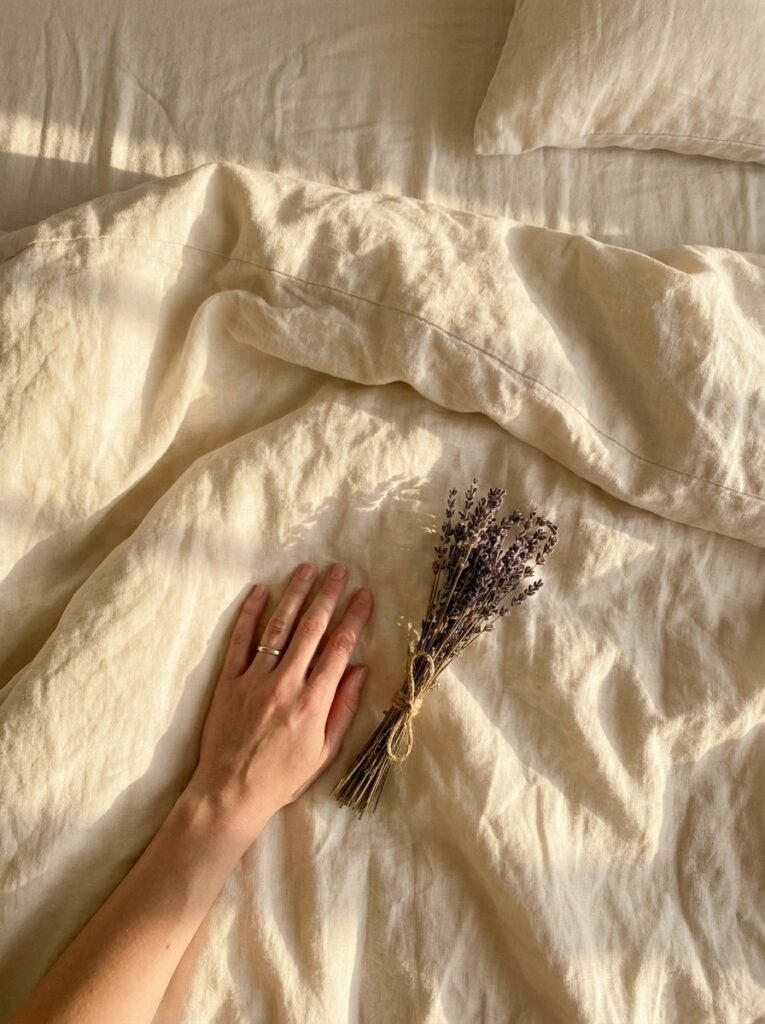
Your bed interior is, in a very real sense, a portrait of how much care you believe you deserve. It doesn’t have to be expensive to be beautiful. It doesn’t have to be magazine-perfect to be meaningful. It just has to be yours — chosen with intention, layered with love, and lit in a way that makes you exhale every time you walk through the door.
So tonight, before you climb in and close your eyes, take one long, honest look at the space you’ve created — and ask yourself: does this feel like the rest I actually deserve?